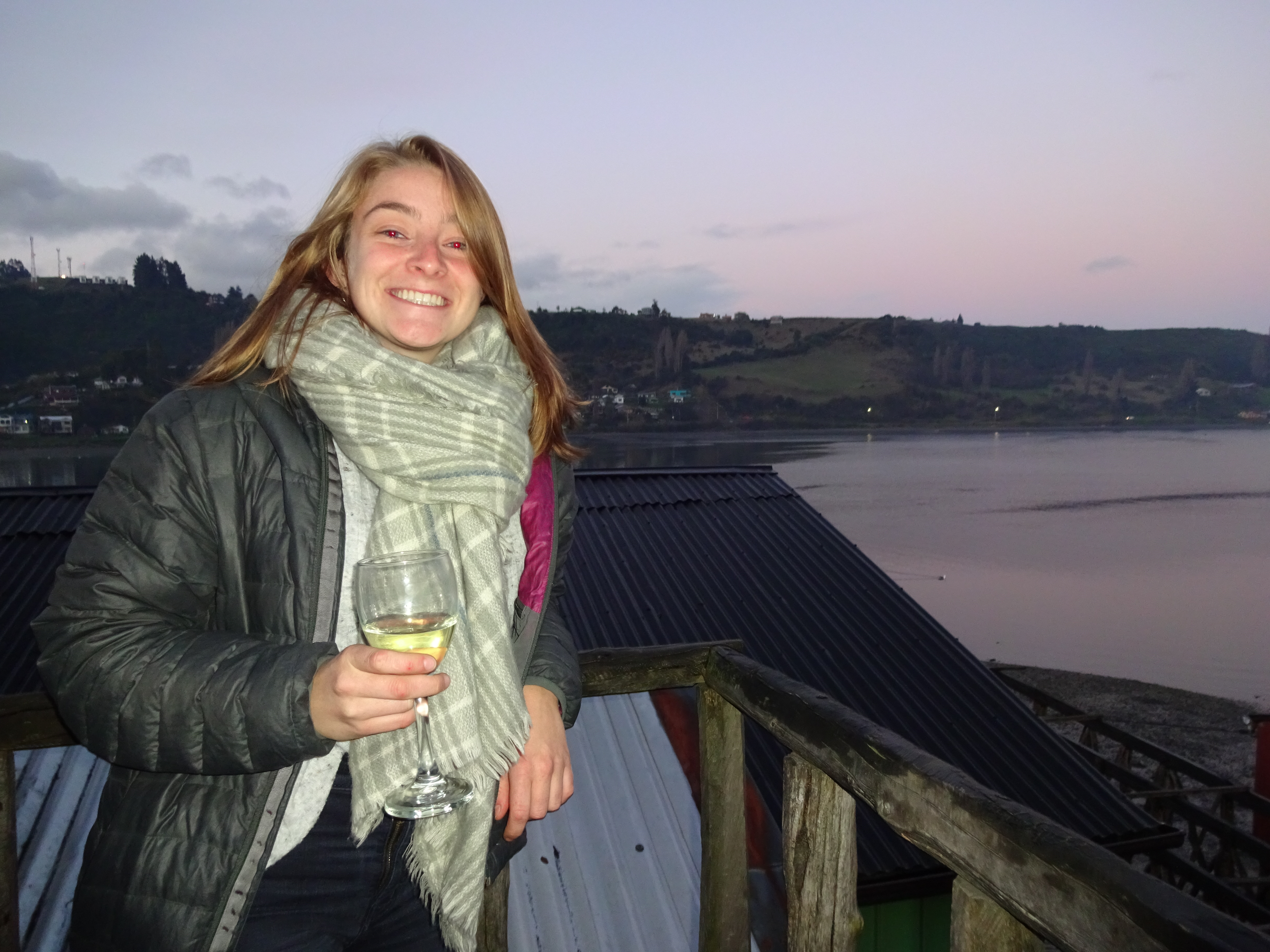
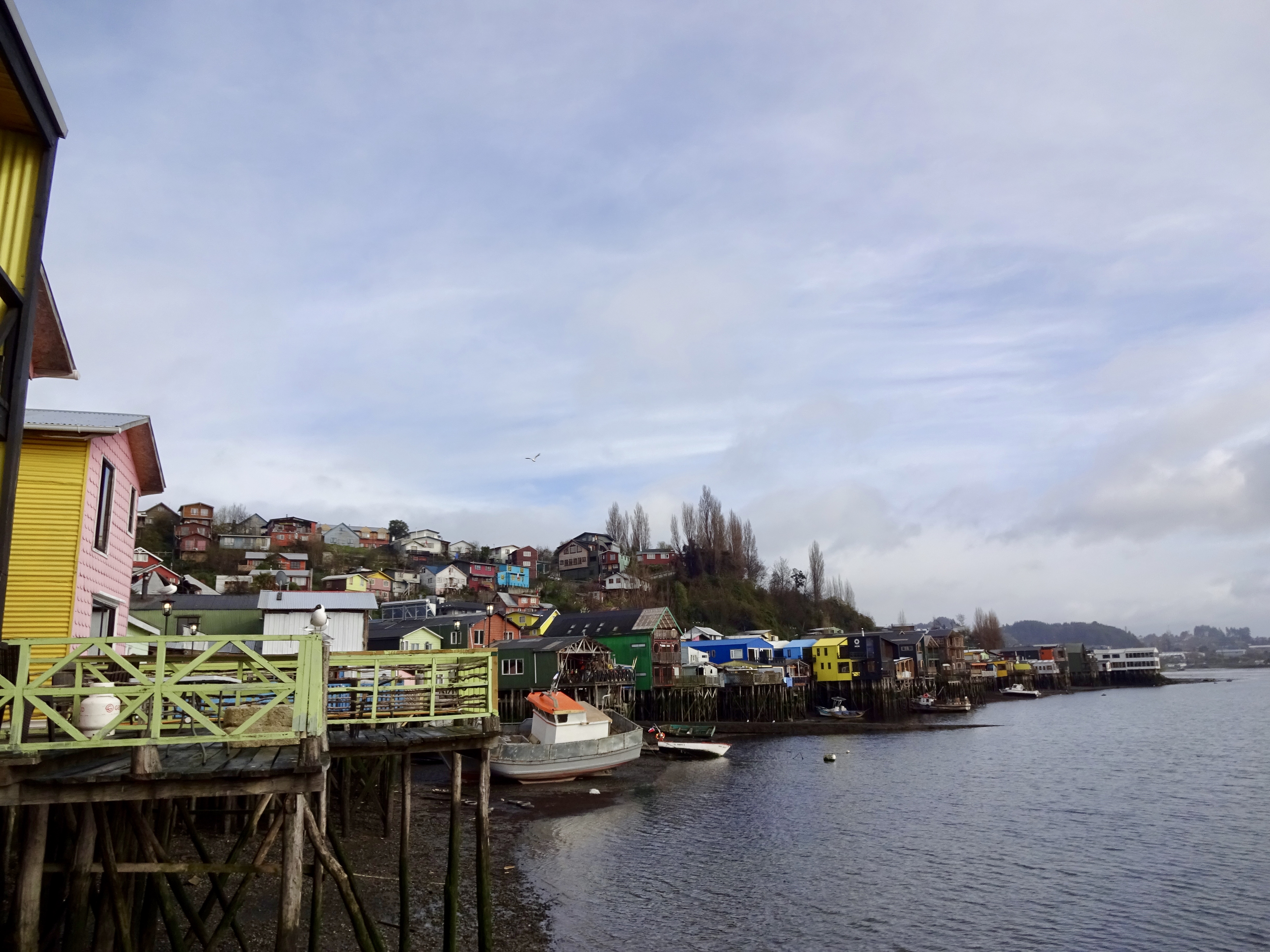
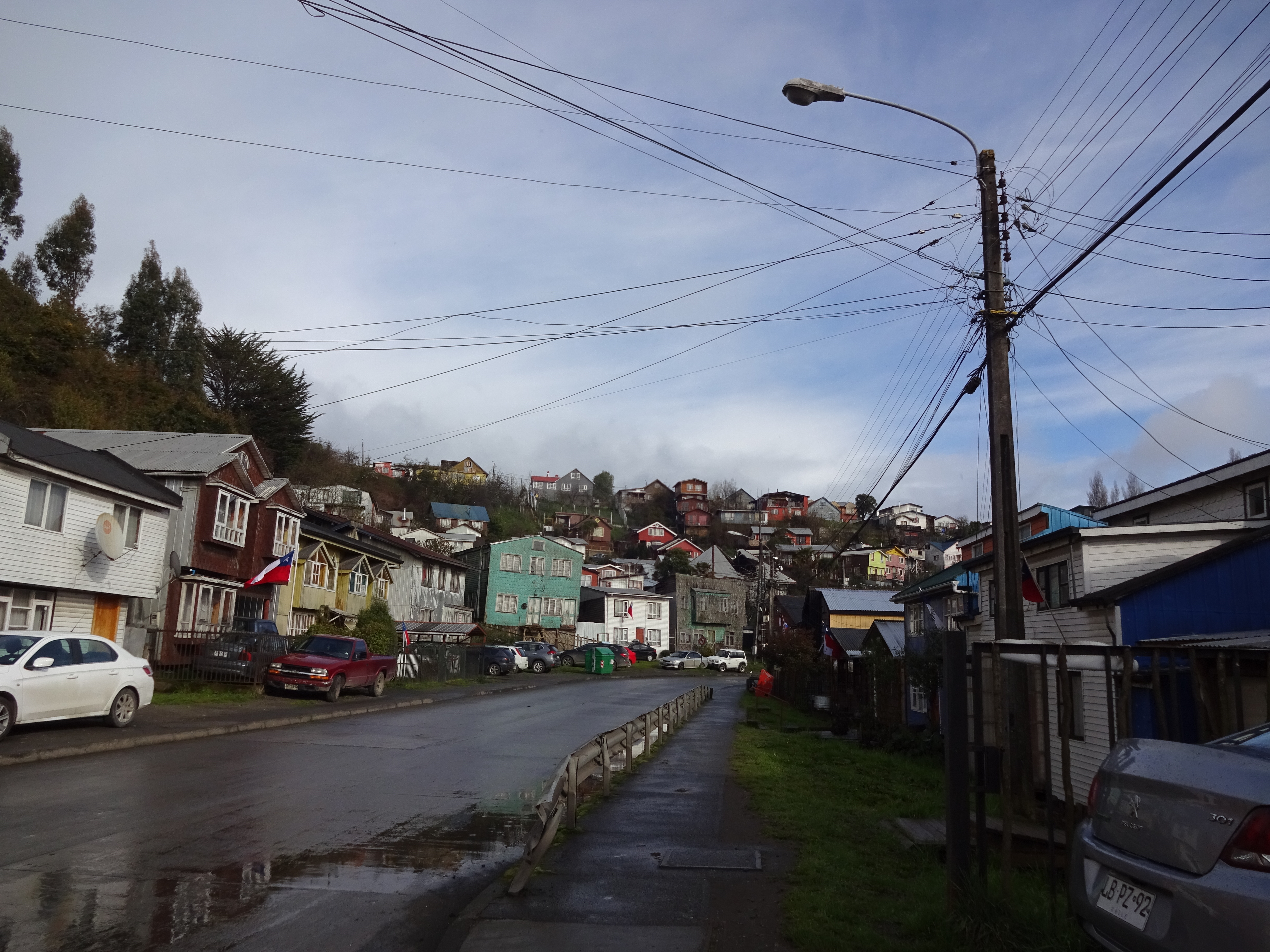
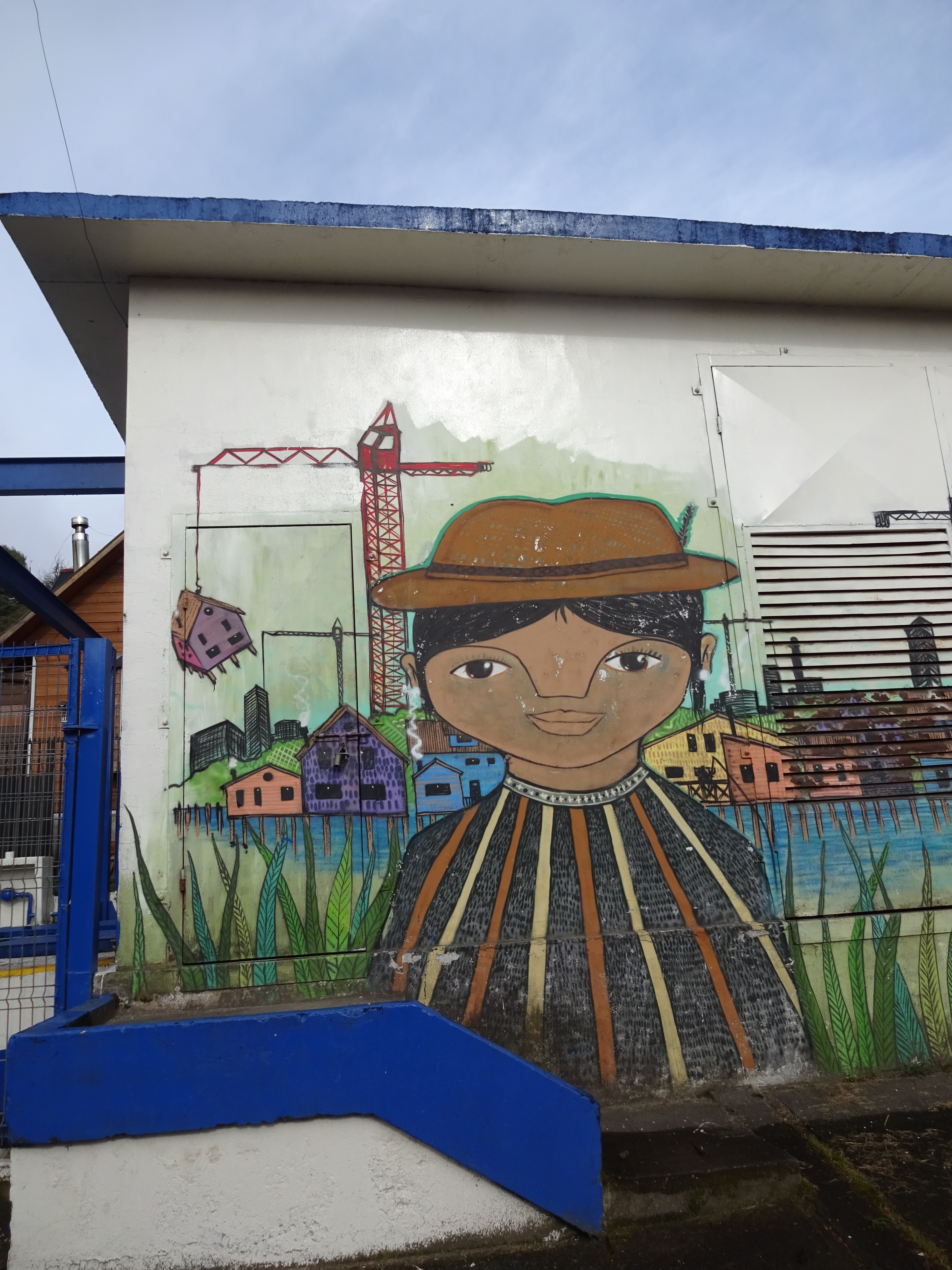
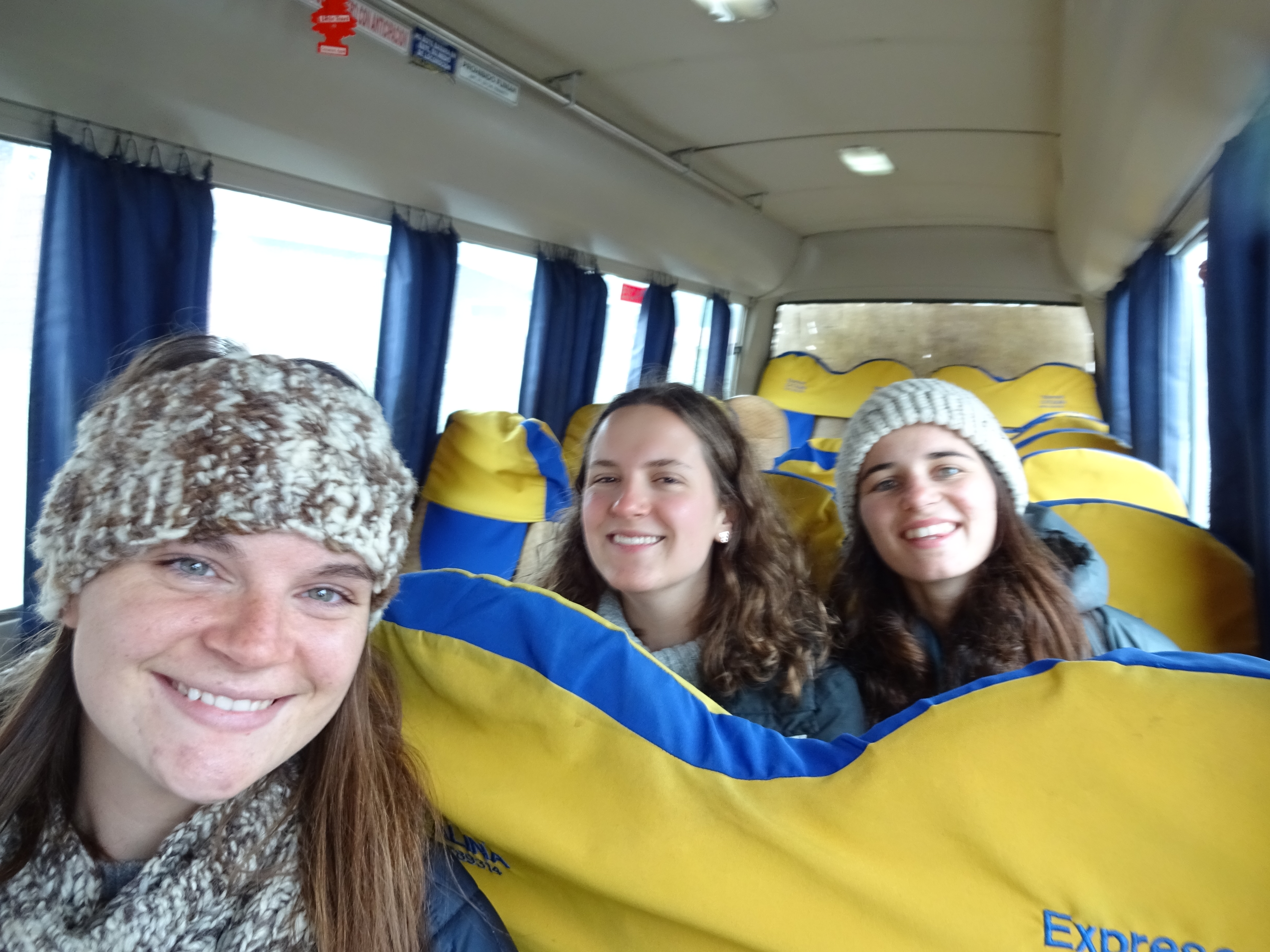
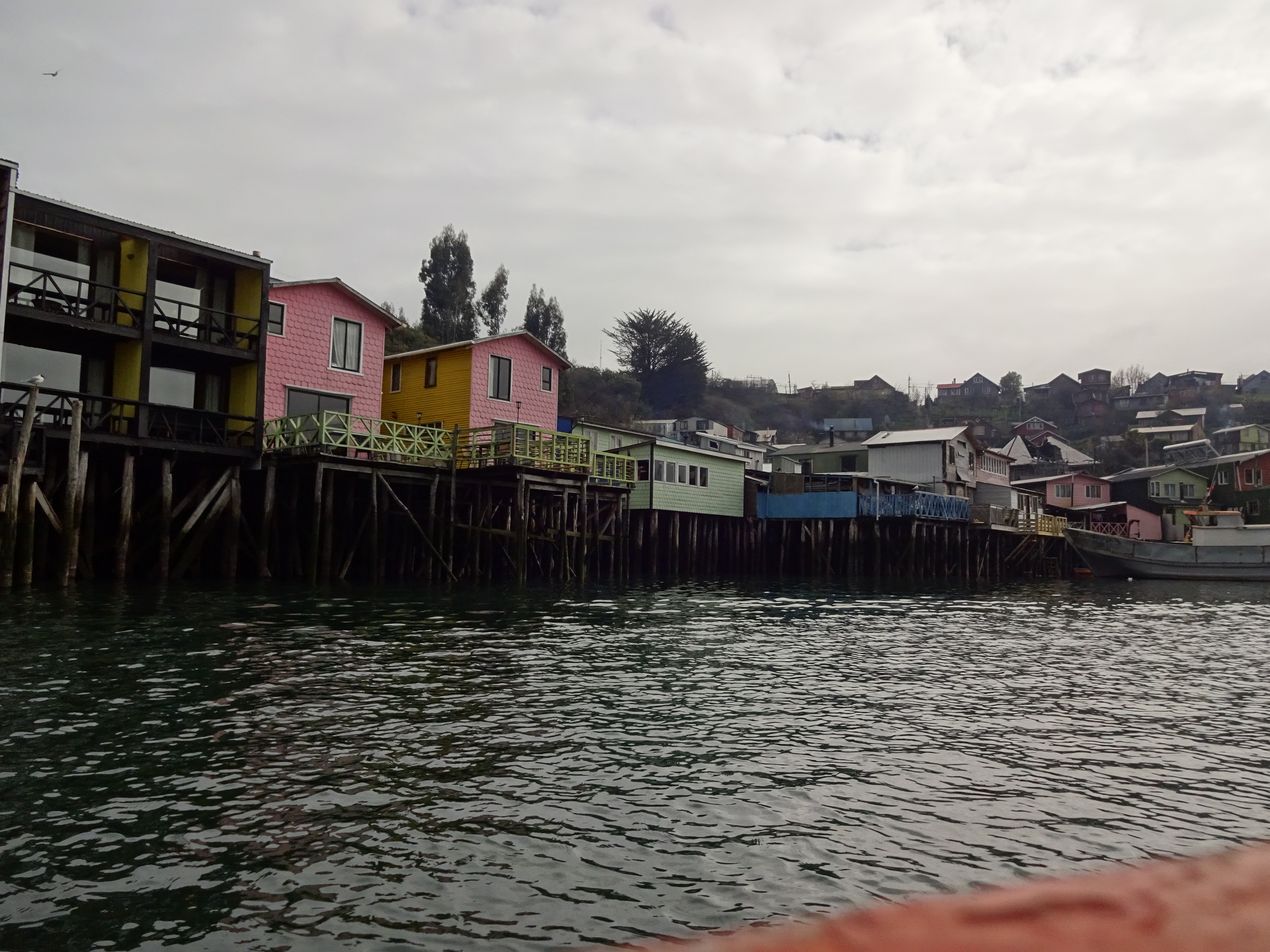
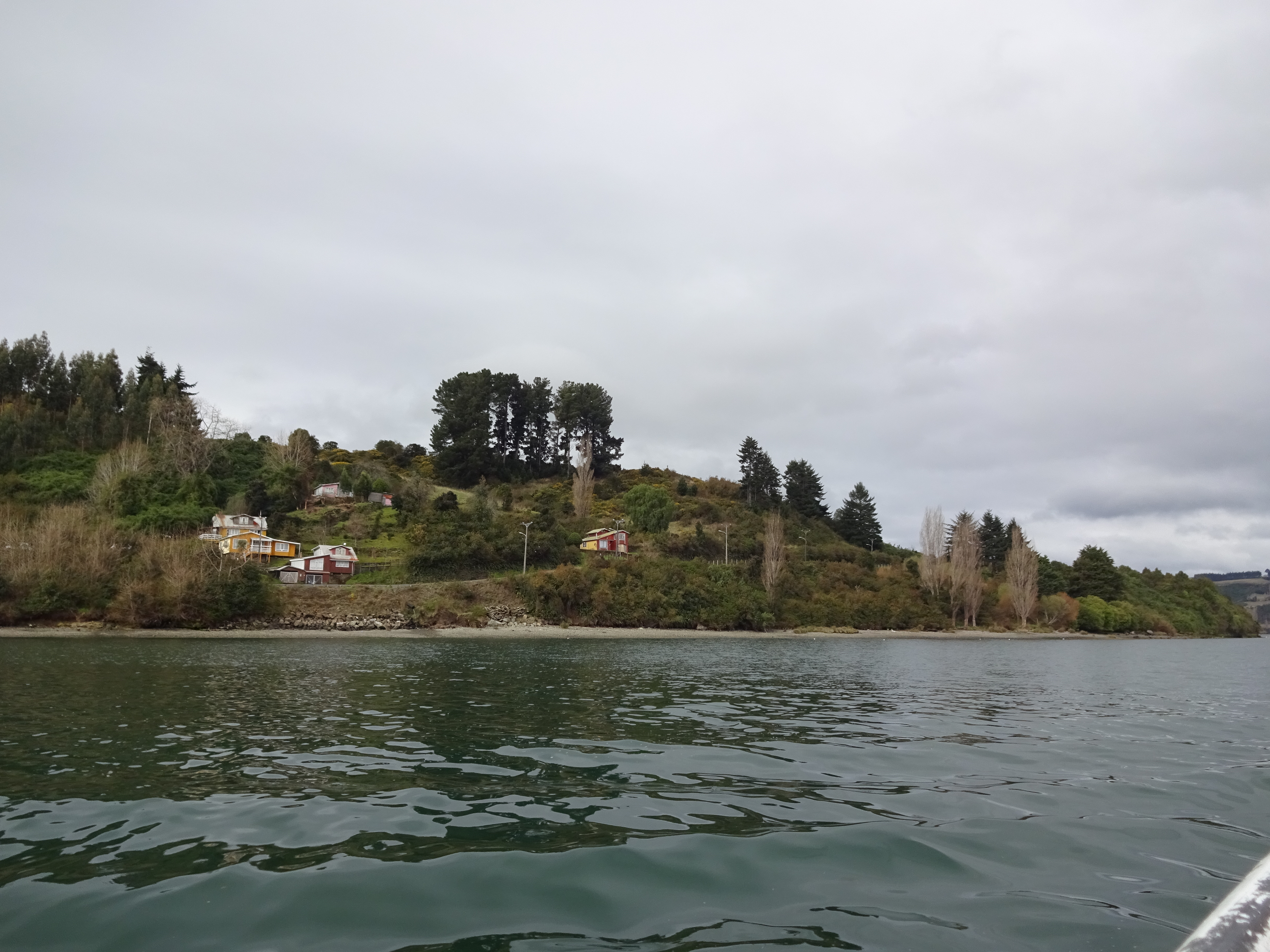
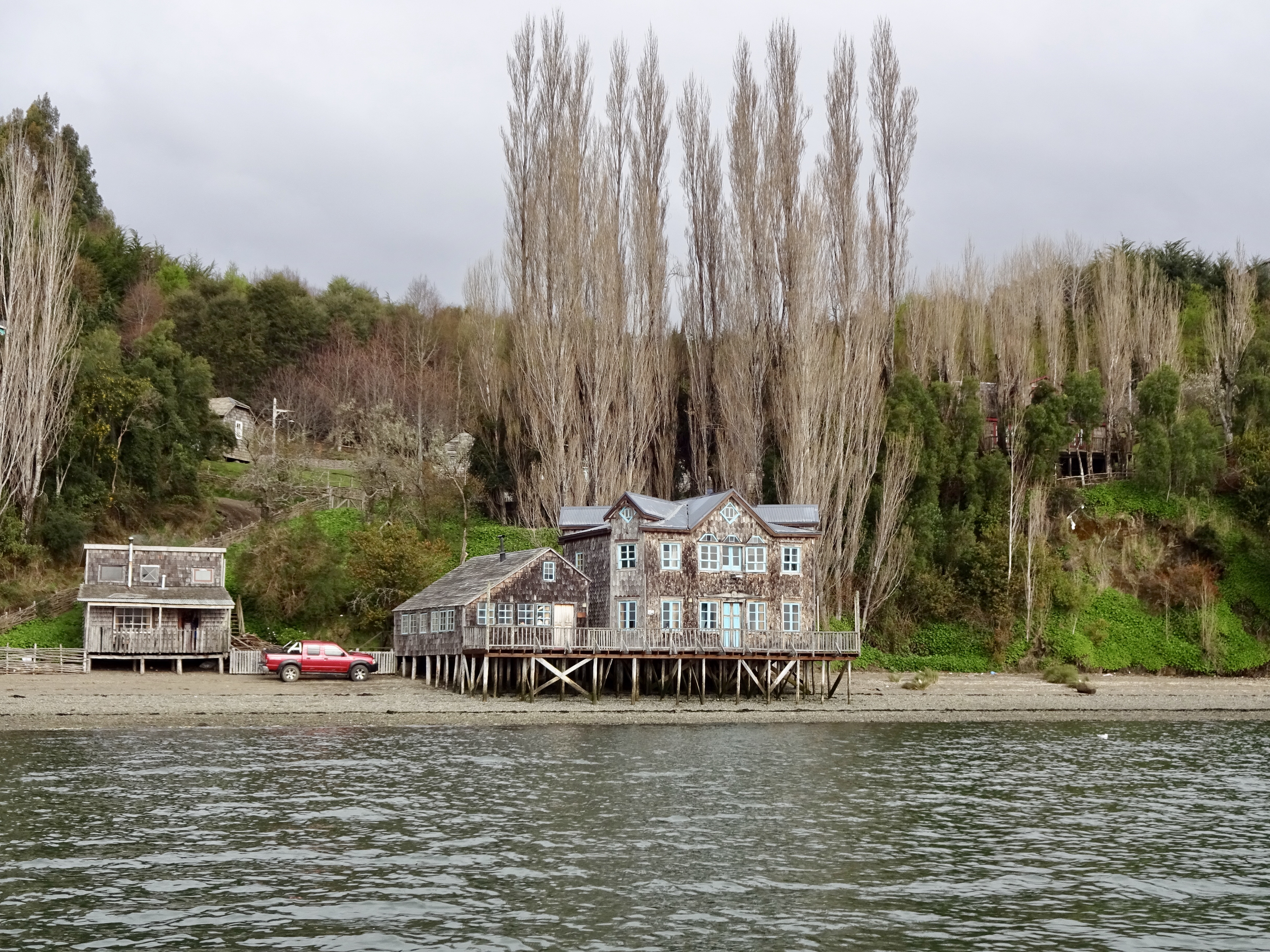
Would You Like A Paper Boat?

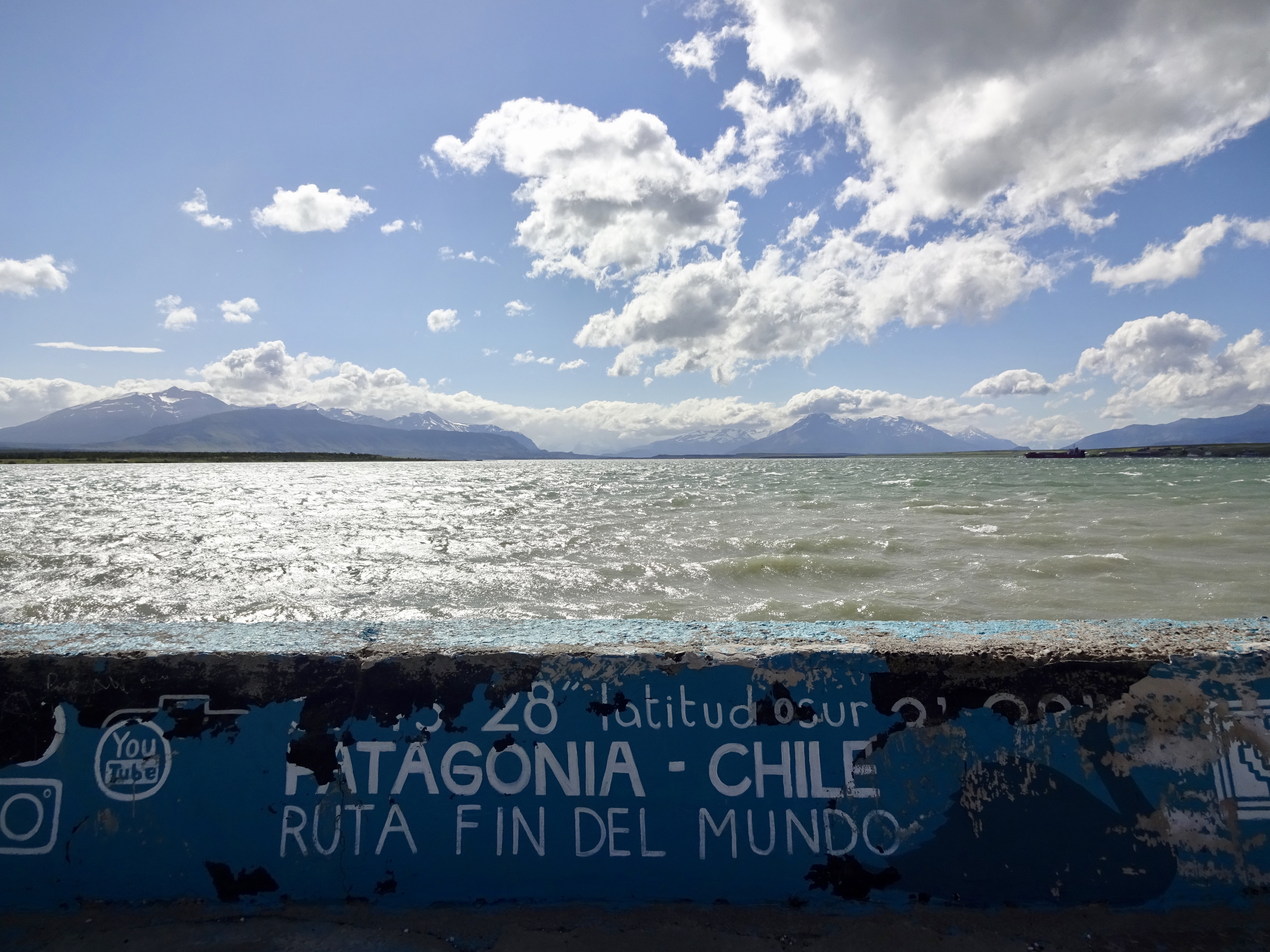
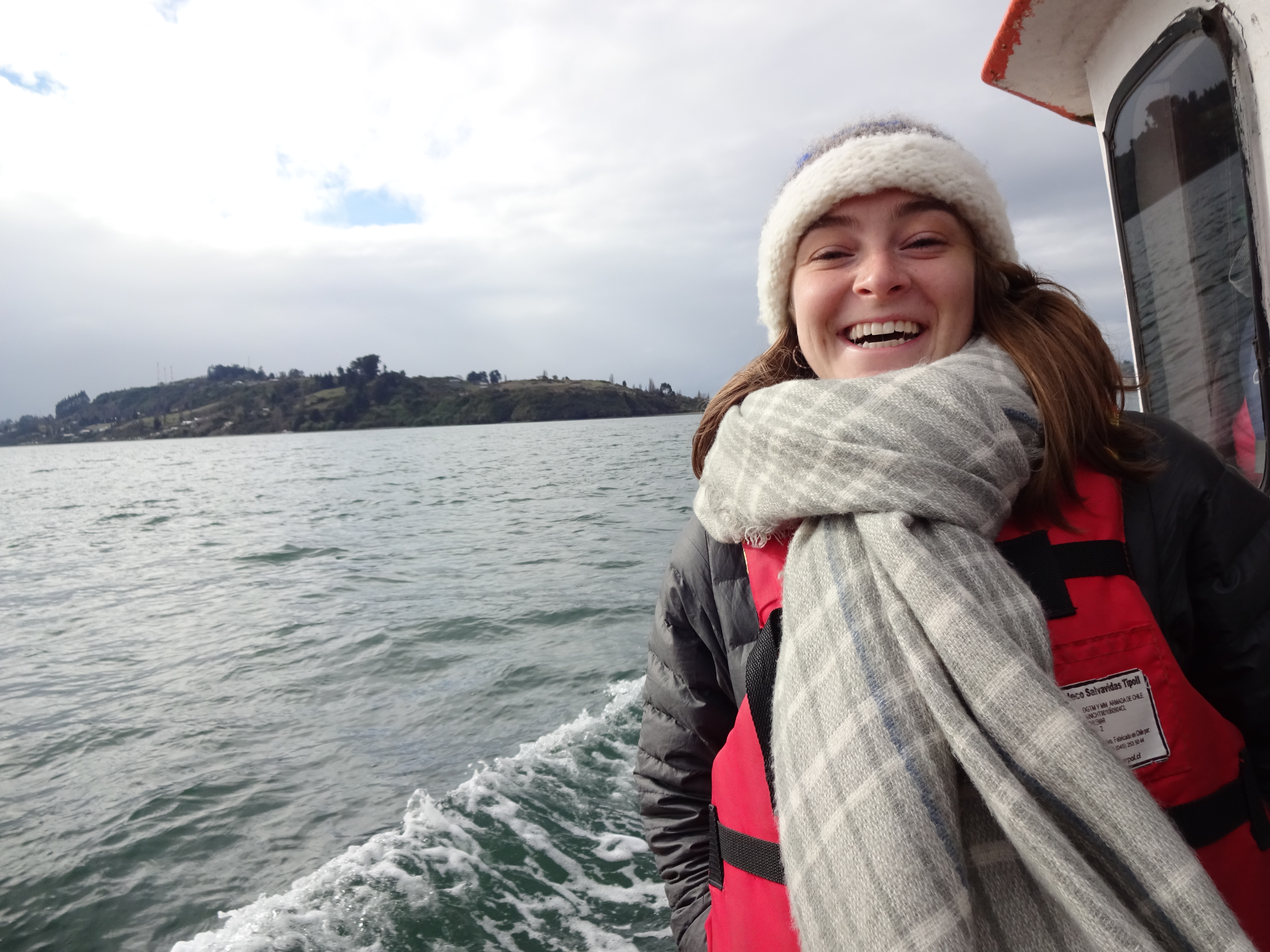
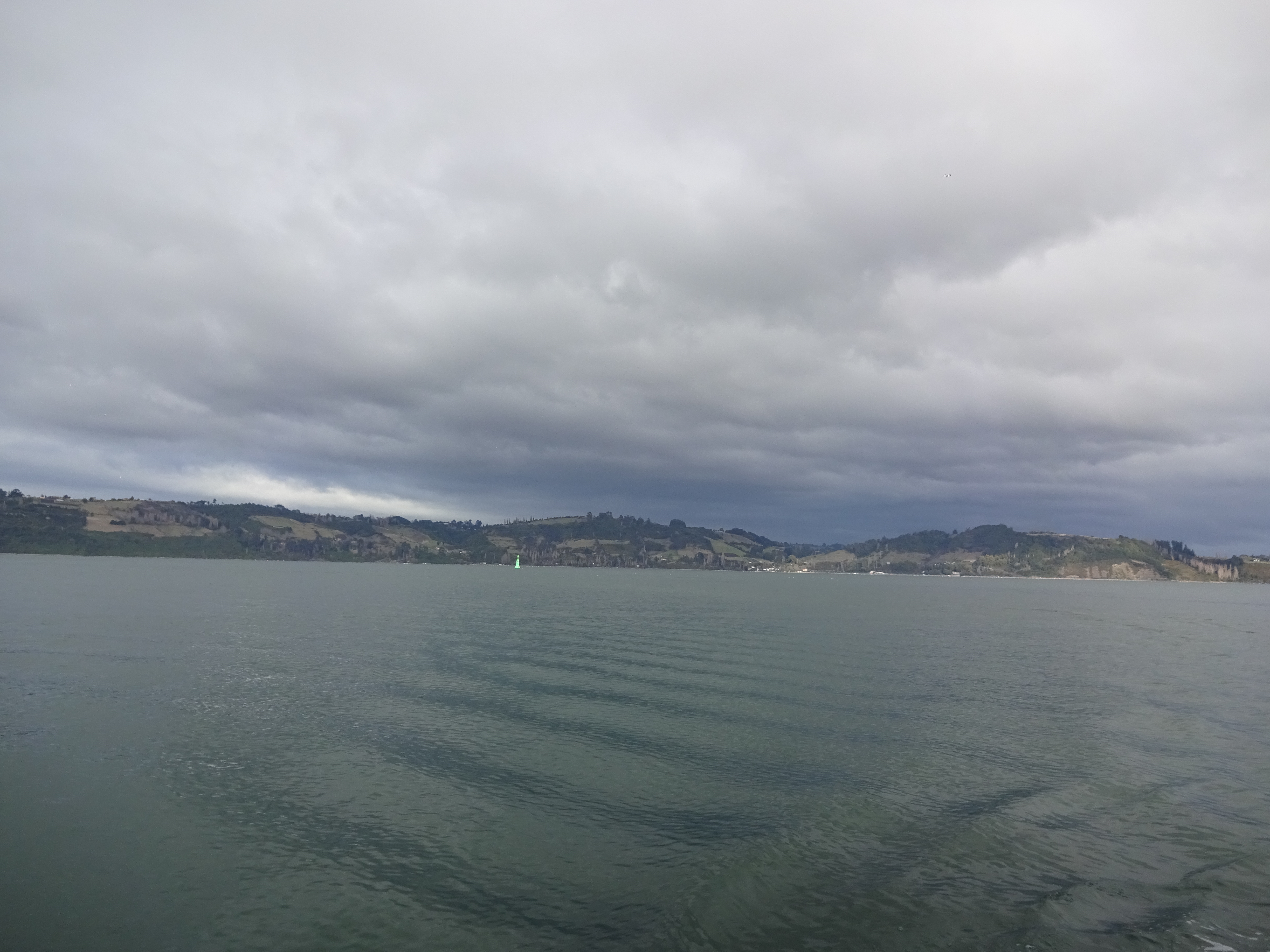
On our third night in Patagonia, while we were eating dinner, a little girl came up to us and asked “Would you like a paper boat that I made?” She handed us three tiny, origami boats that she made at her table with her dad. As she left to gift the boats to other diners in the restaurant, I sat there, reeling from the onslaught of feelings that I had just unexpectedly gone through. In the blink of an eye, I saw the our little boats floating on the choppy arctic waters steps away from our restaurant and I WAS one. In that instant, it was the encapsulation of all my feelings I had been experiencing during our last trip in Chile, a futile struggle against the inevitable departure that was rocketing closer each day that passed. The trip that I had been so anticipating all semester – a week in Chilean Patagonia – had finally arrived and with it came something even more daunting: the end of all of it. December 14, endgame. What does happen after study abroad? How do you go back to somewhere that has stayed the same (for the most part), while you feel you have changed so drastically?

This trip has been a whole lot of mixed feelings. Experiencing Patagonia, one of Chile’s most famous places, as our last trip has hit harder than expected. My spanish is at the best it has ever been and I feel so comfortable with who I have morphed into as a person in Chile that the thought of leaving is jarring. Despite all of these sad feelings, it was truly a great trip to end on!

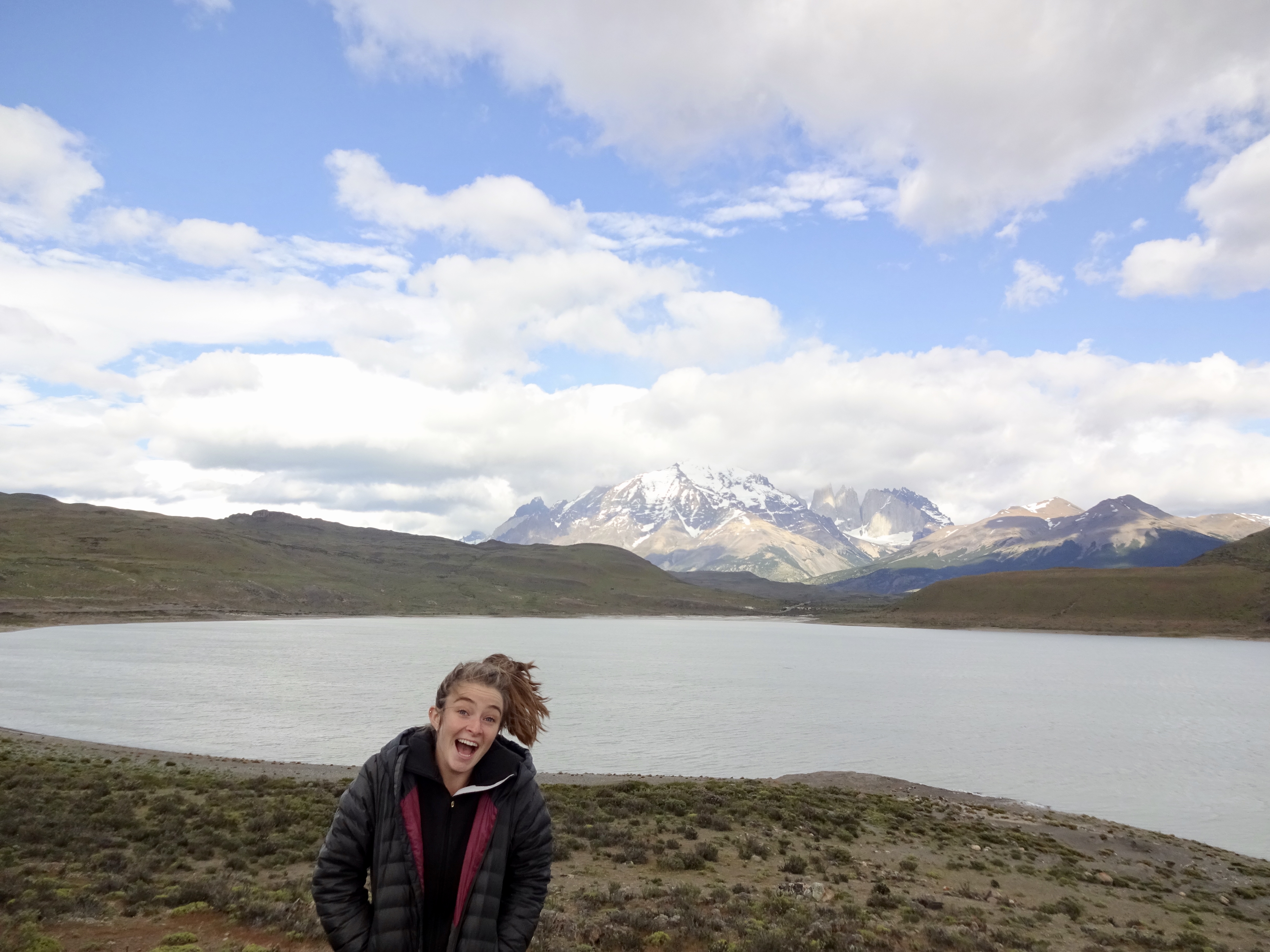
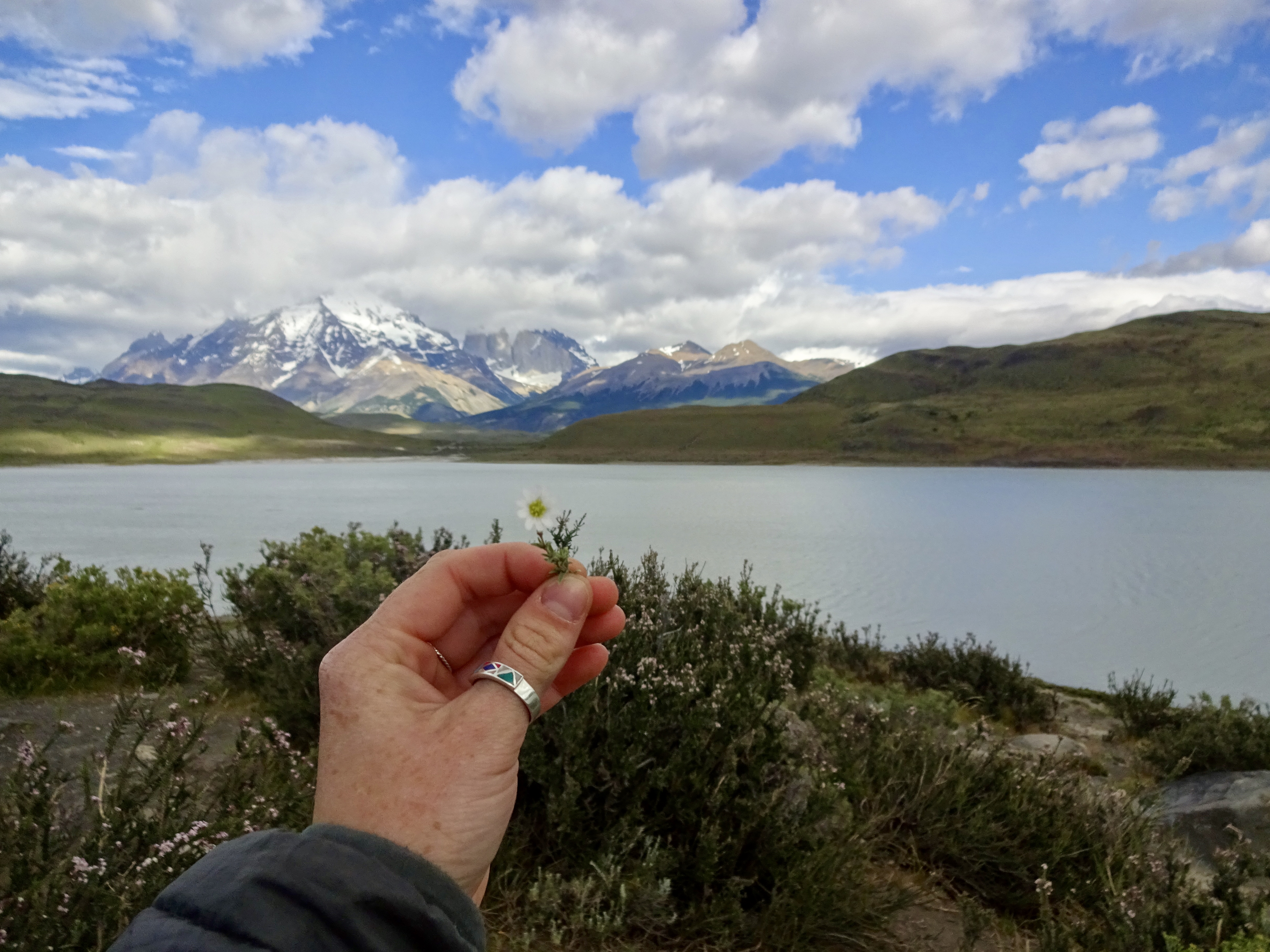
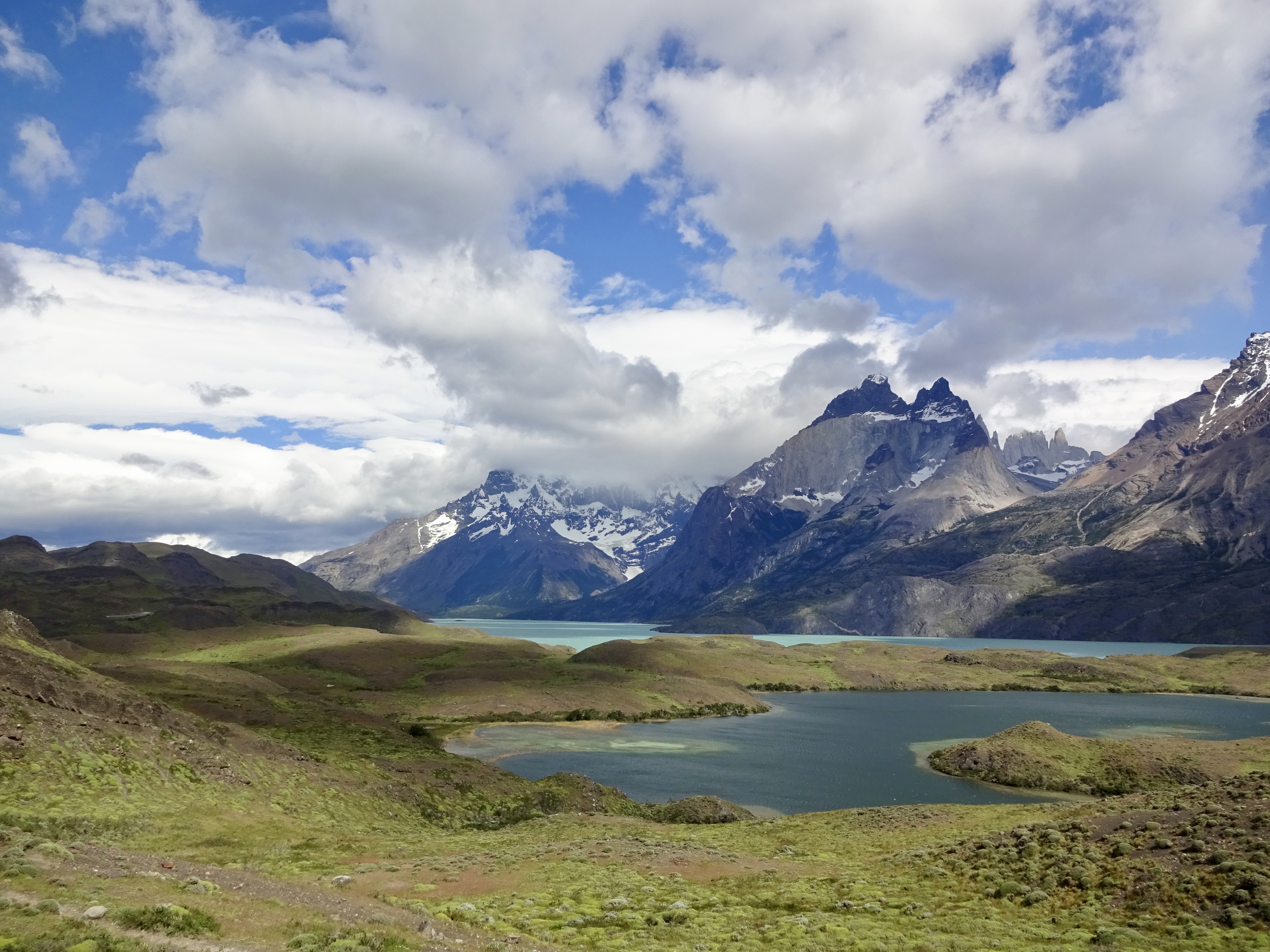
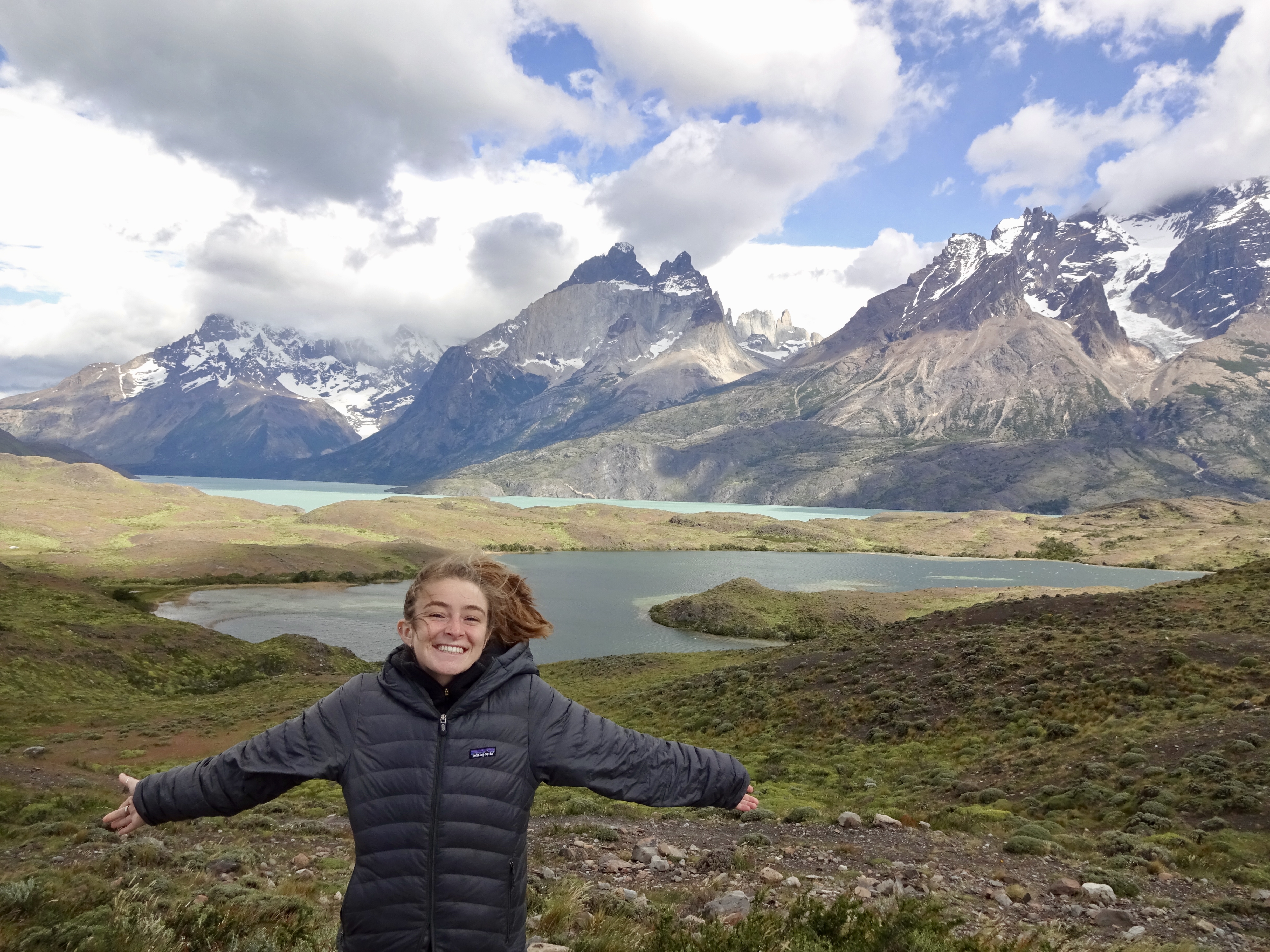
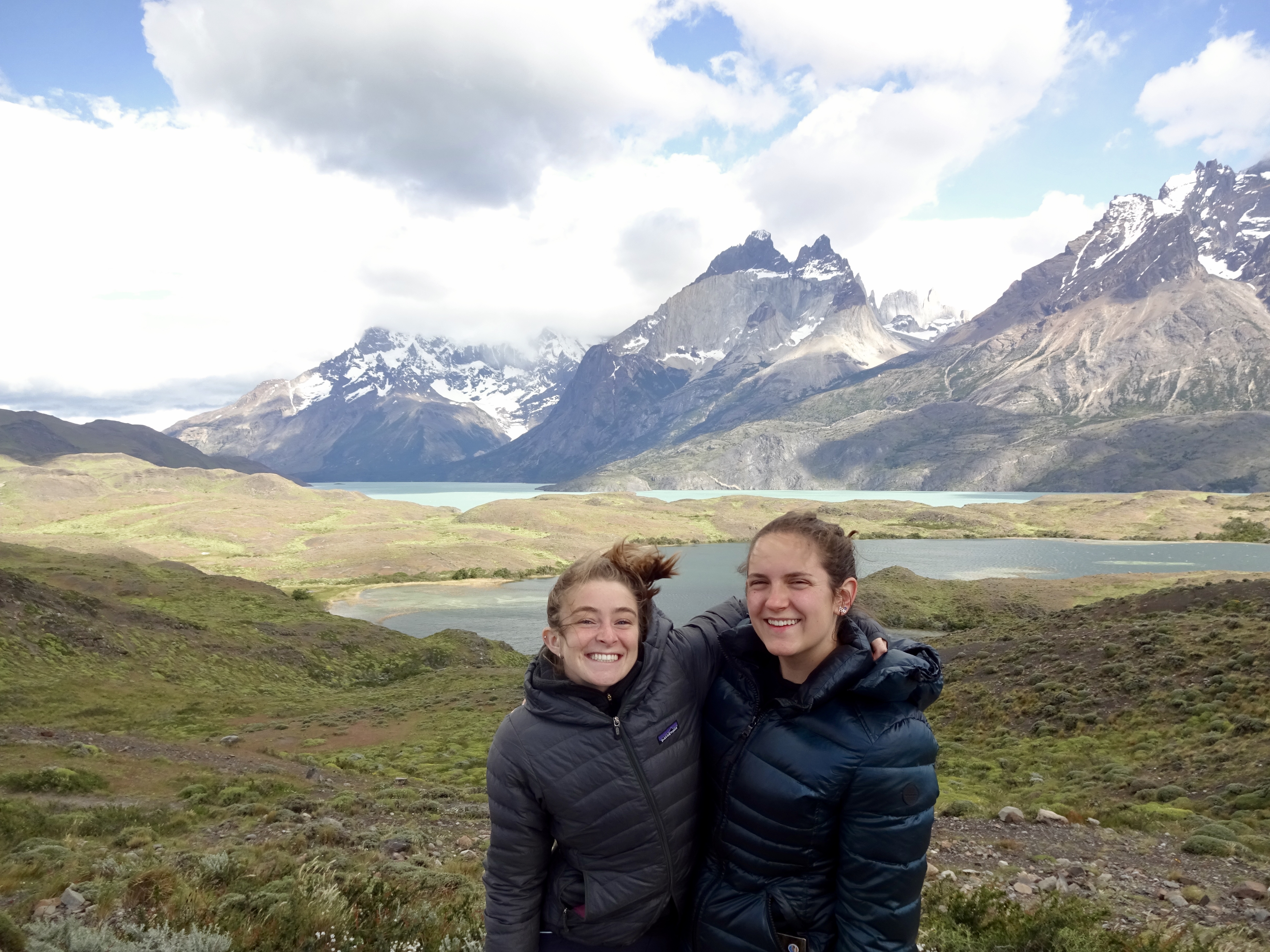
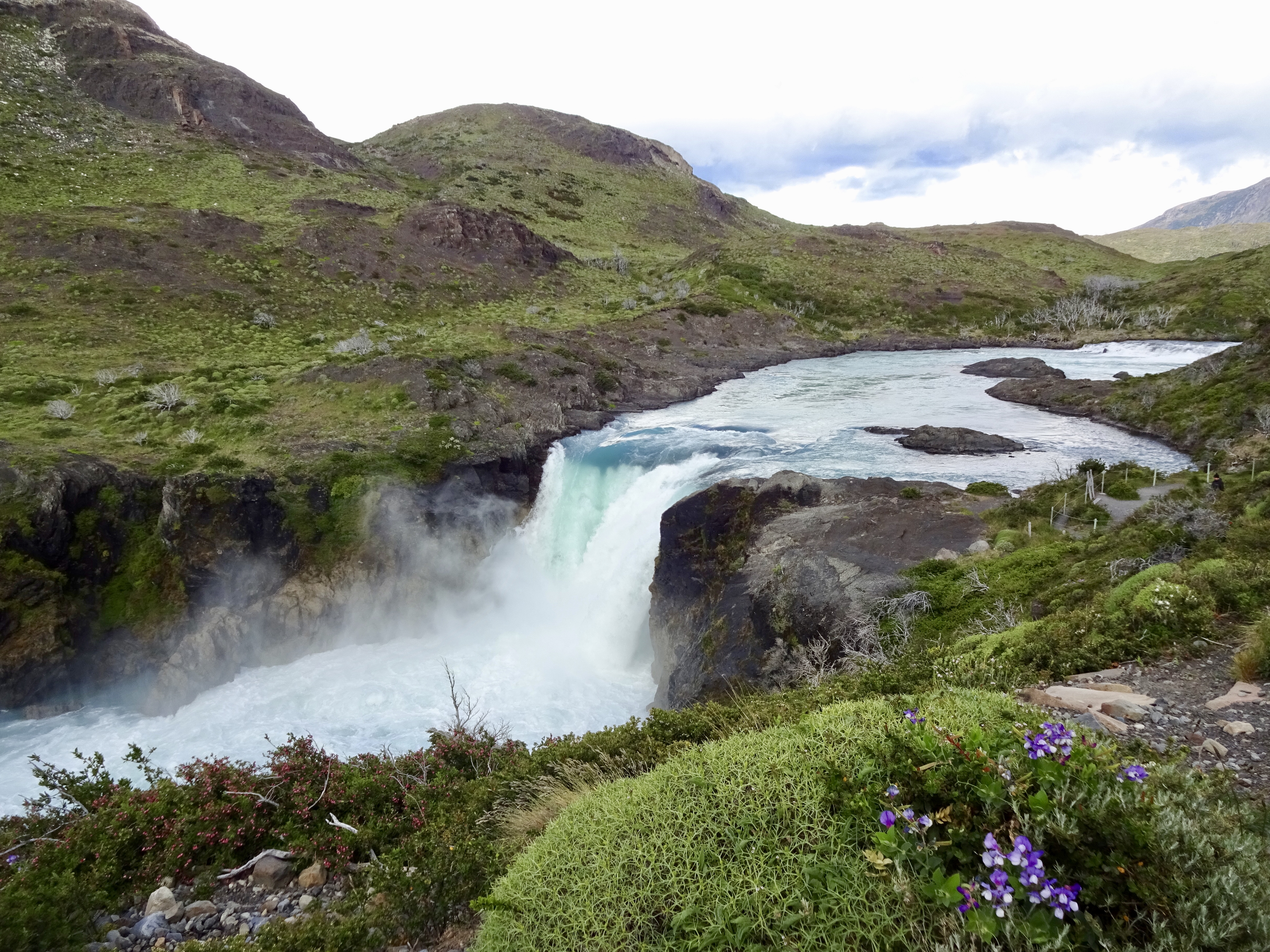
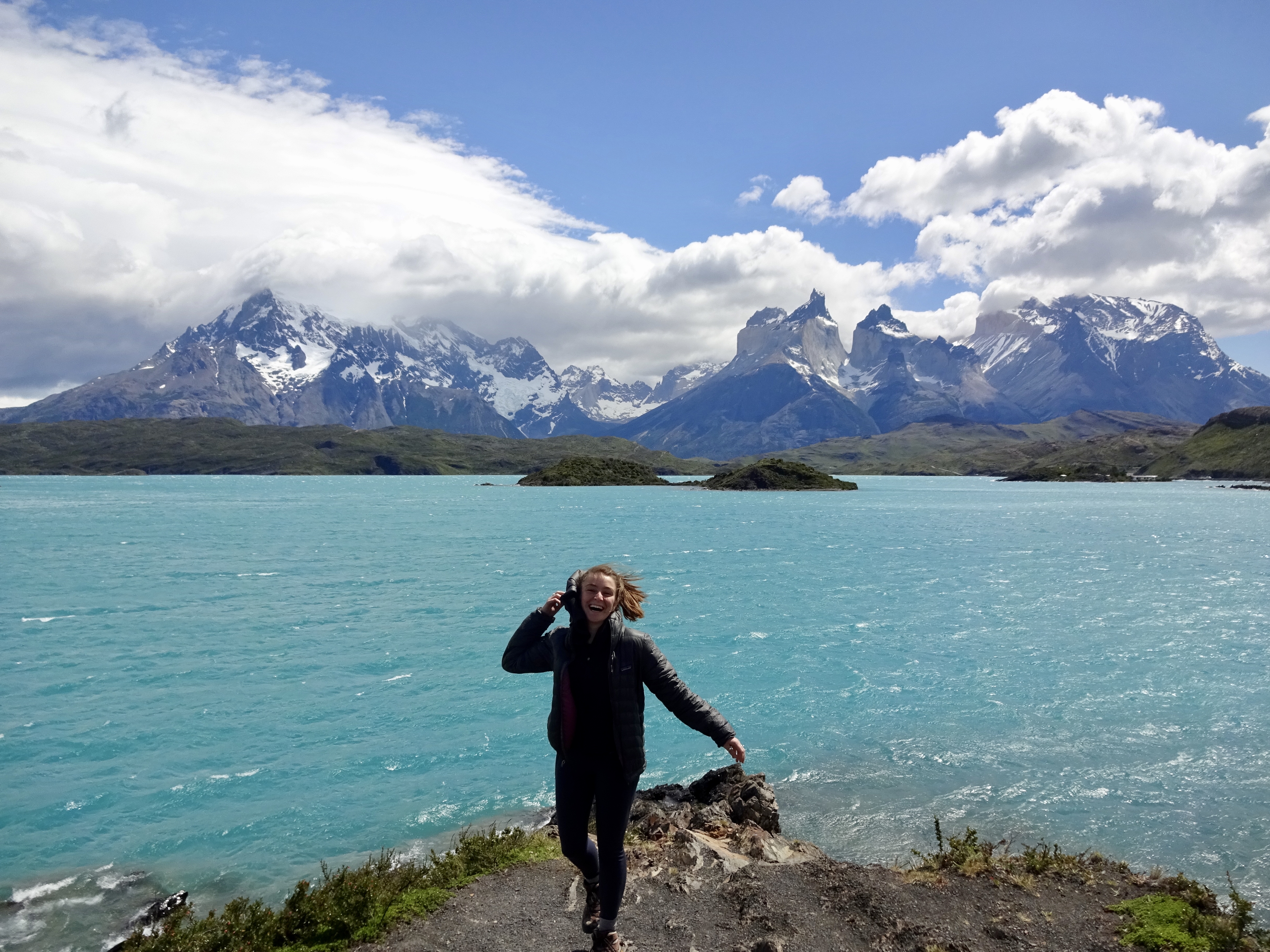
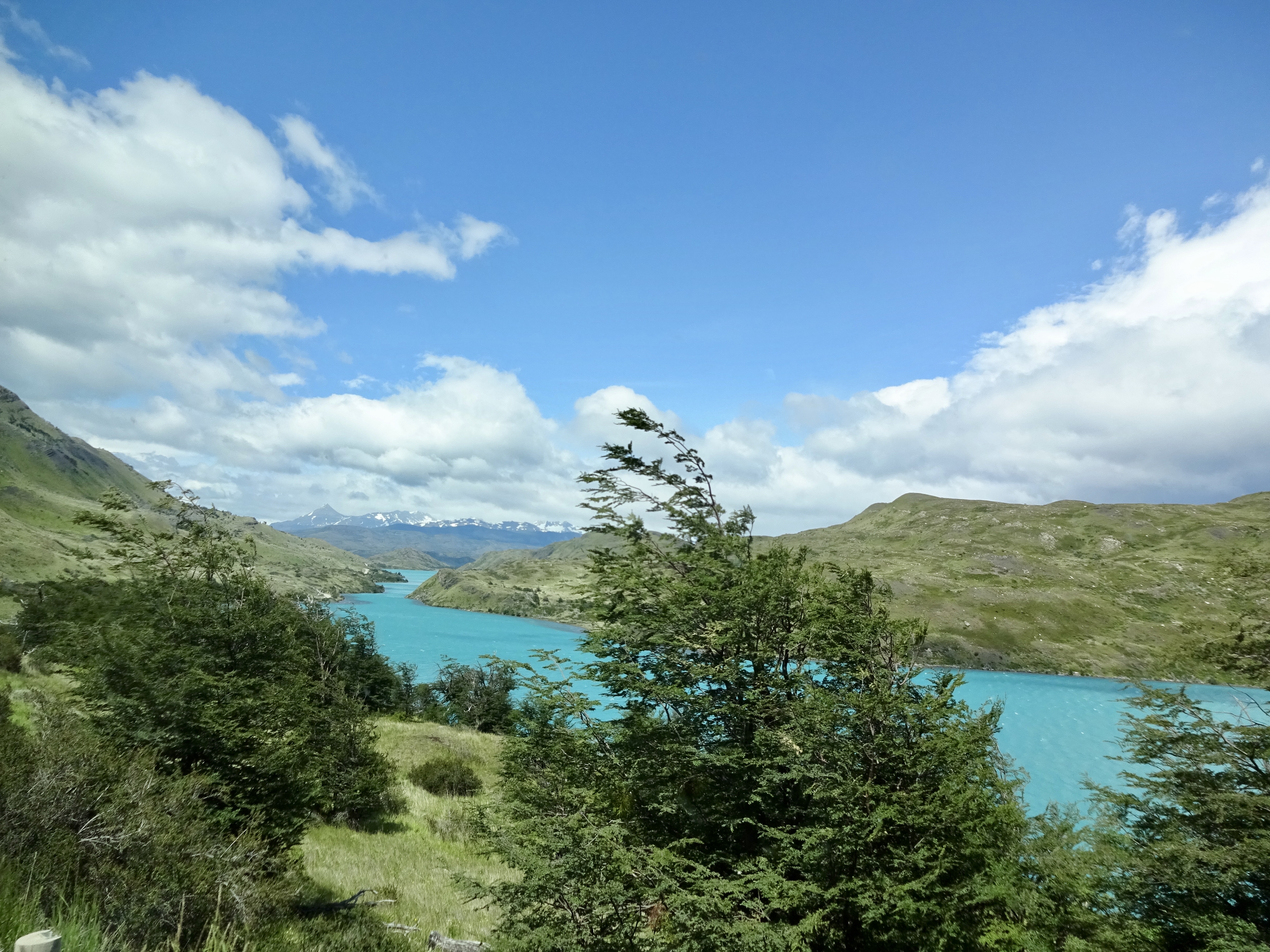
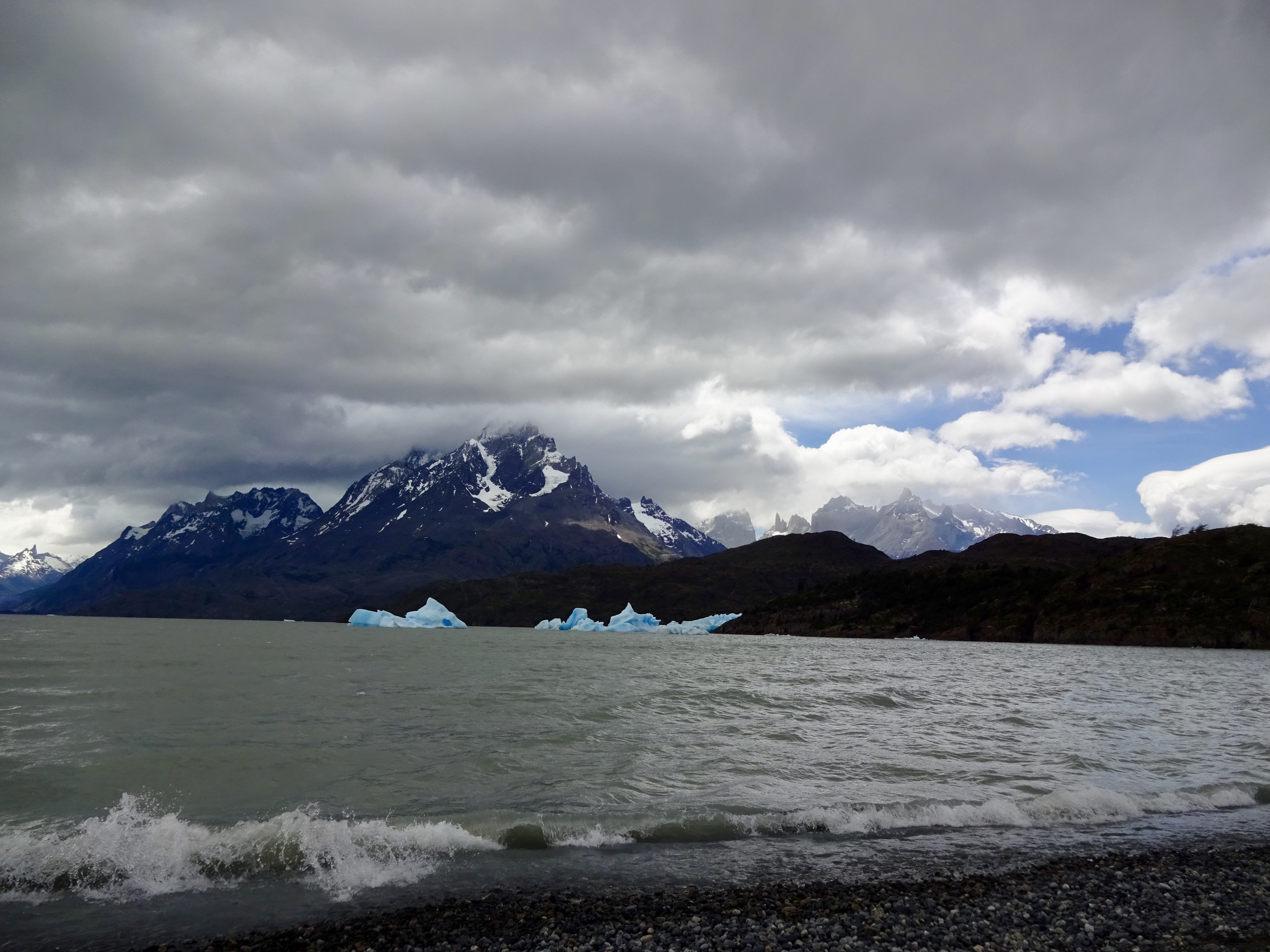
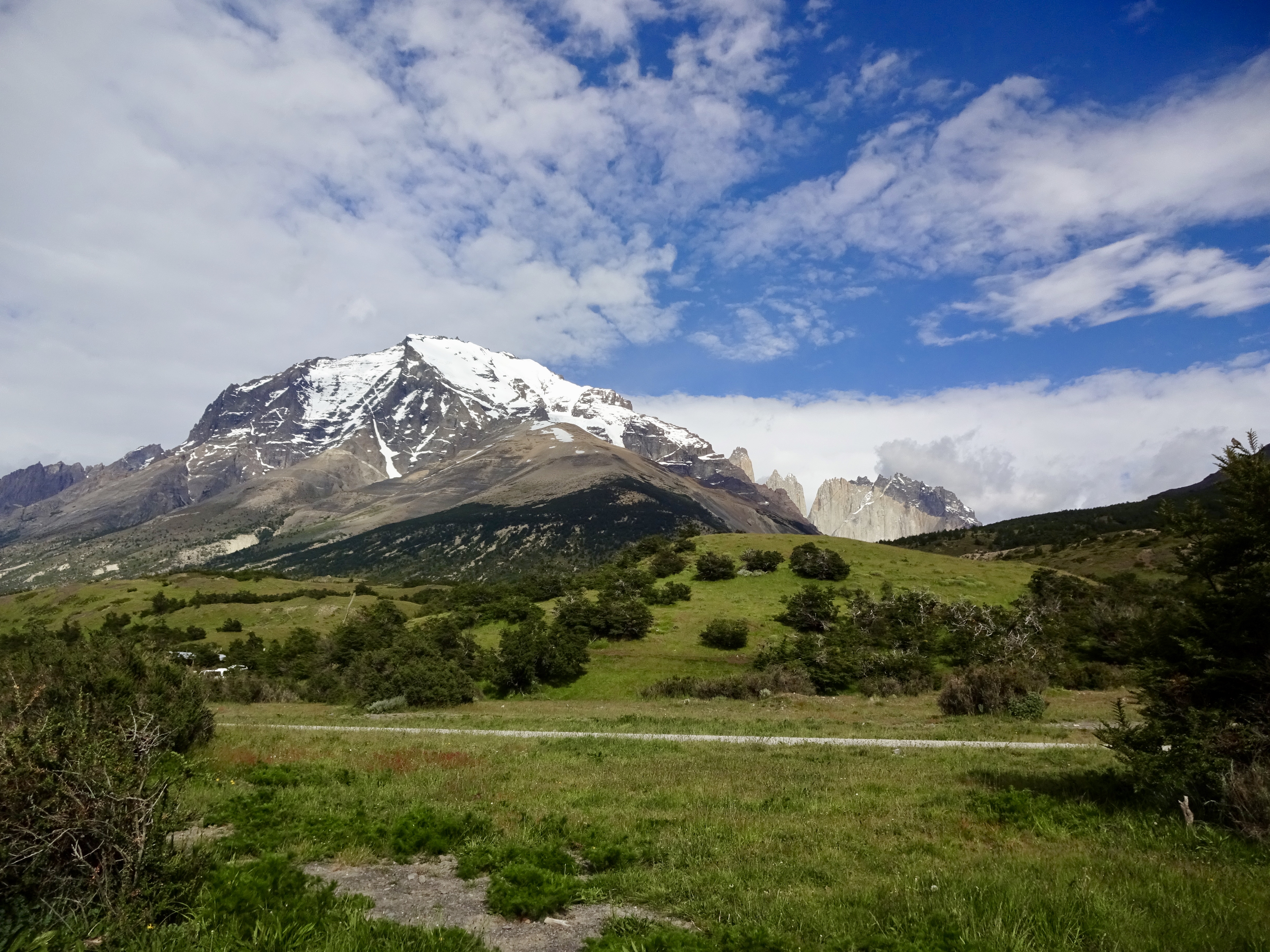
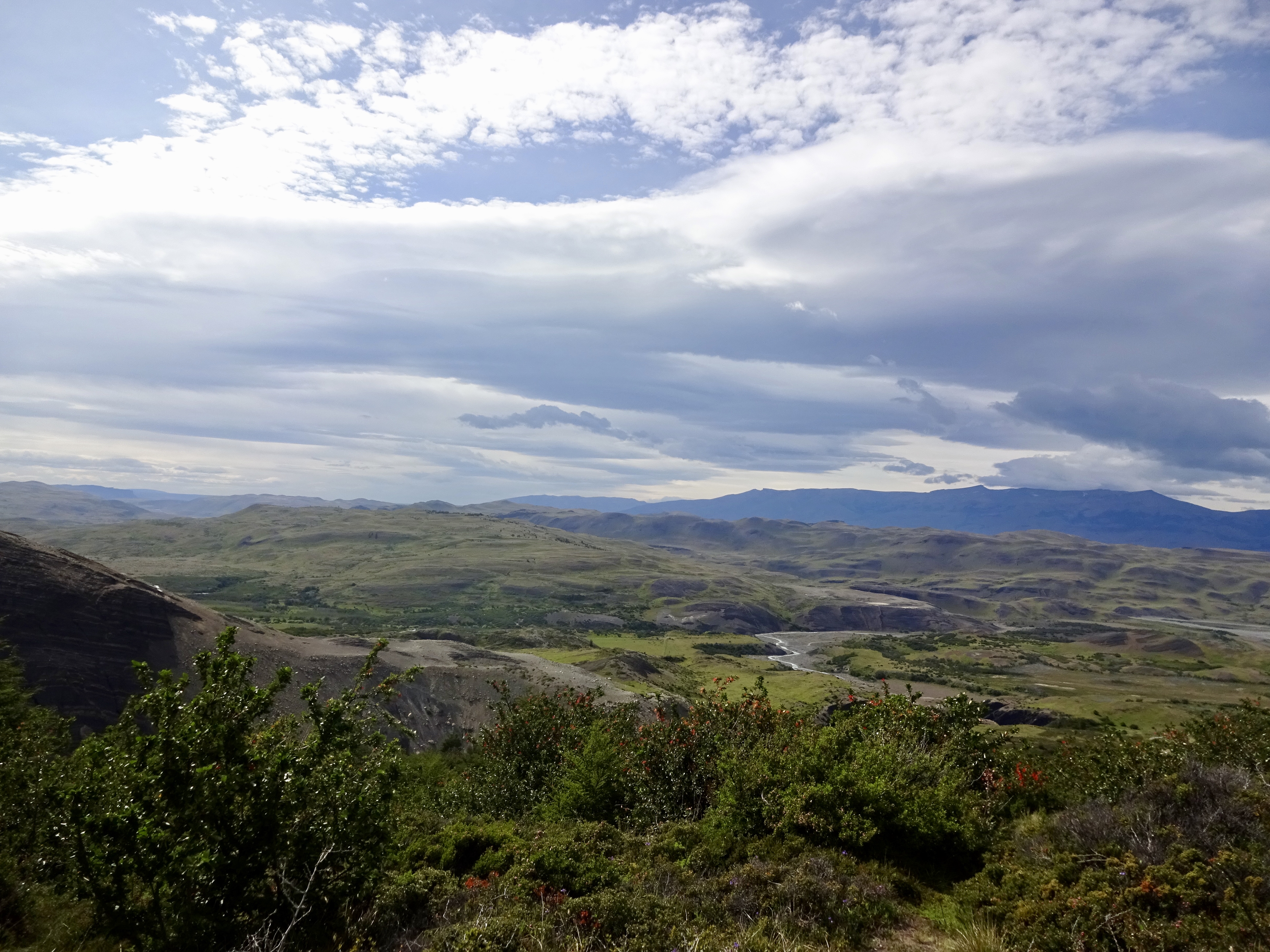
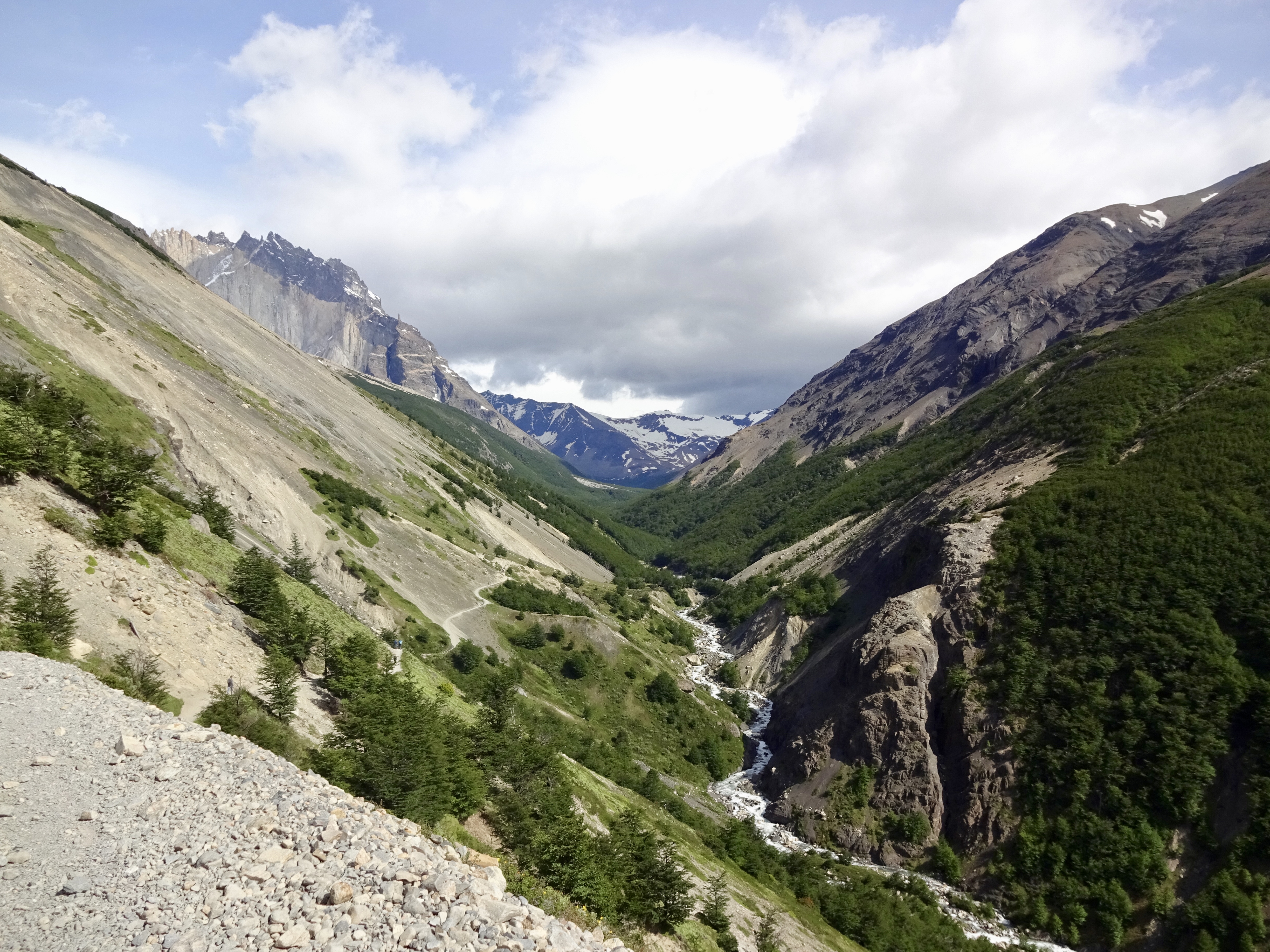
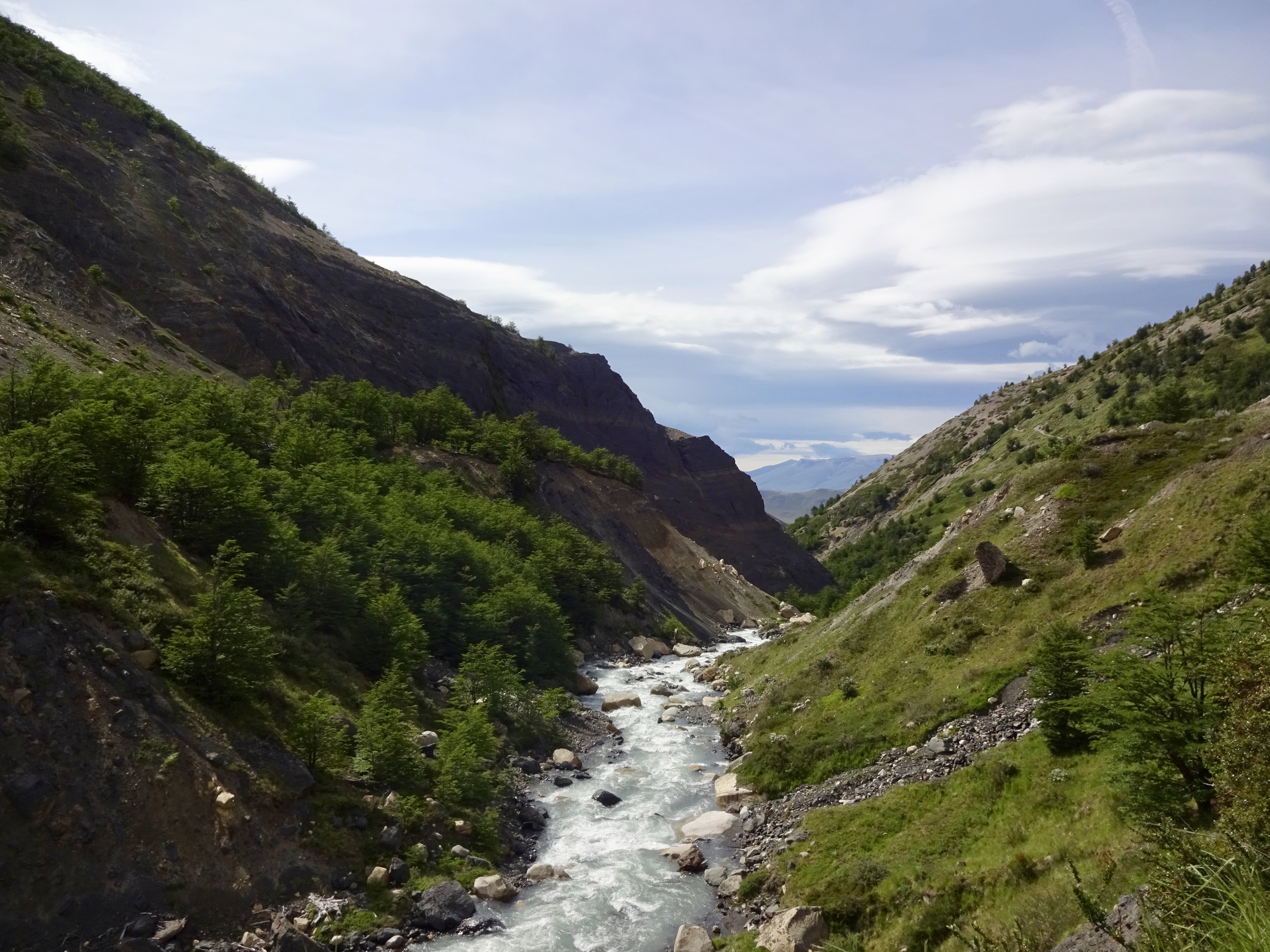
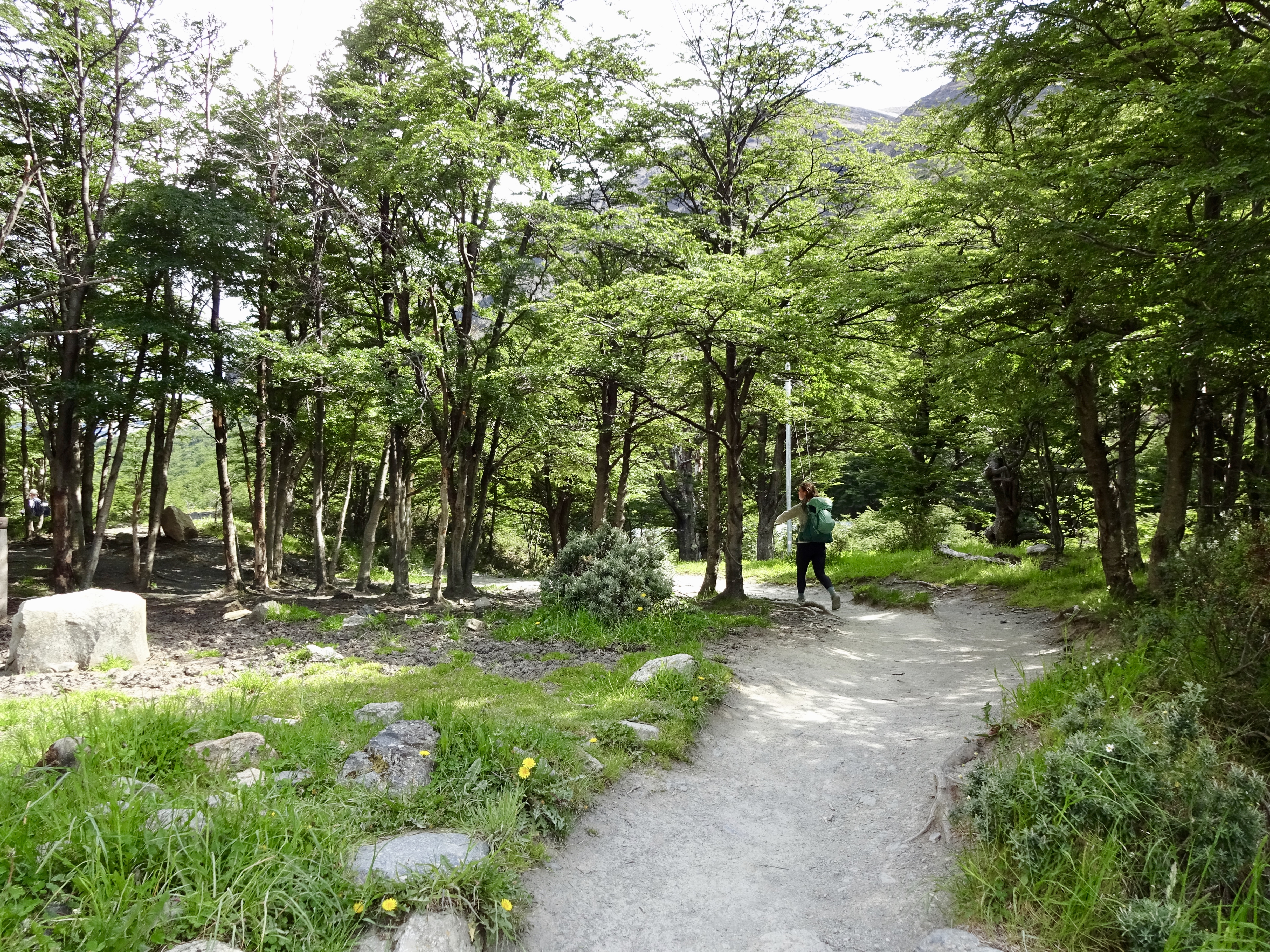
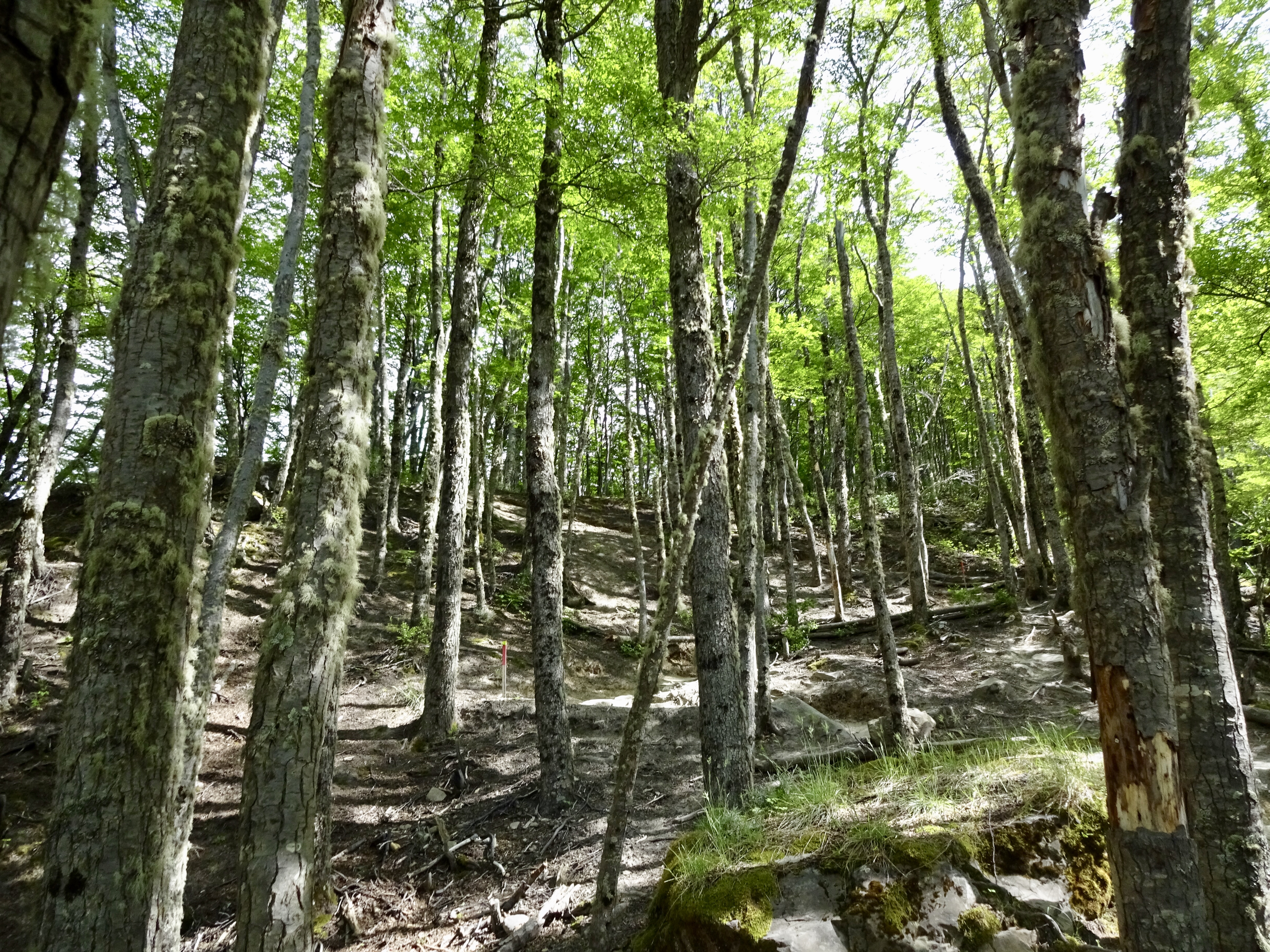
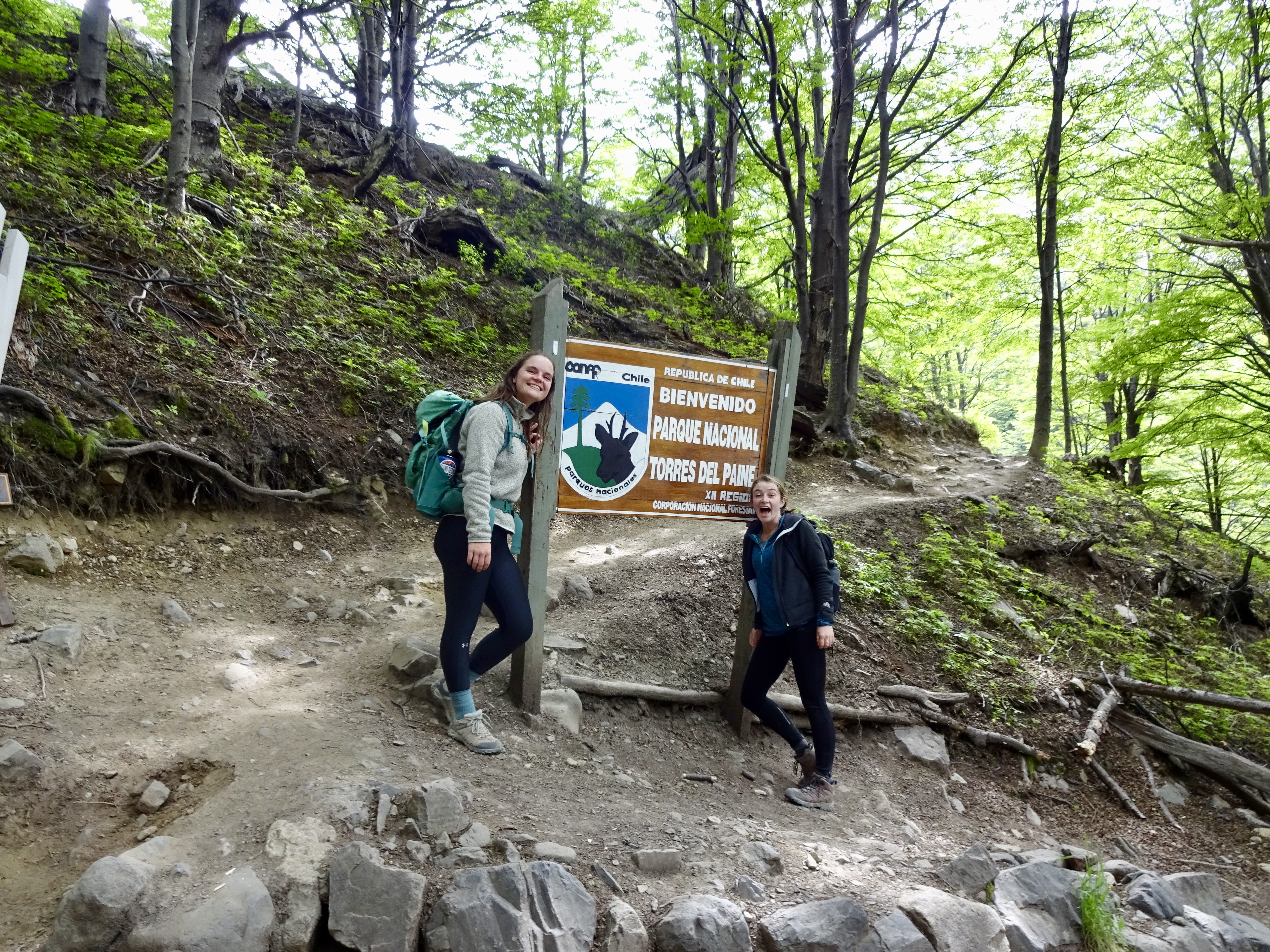
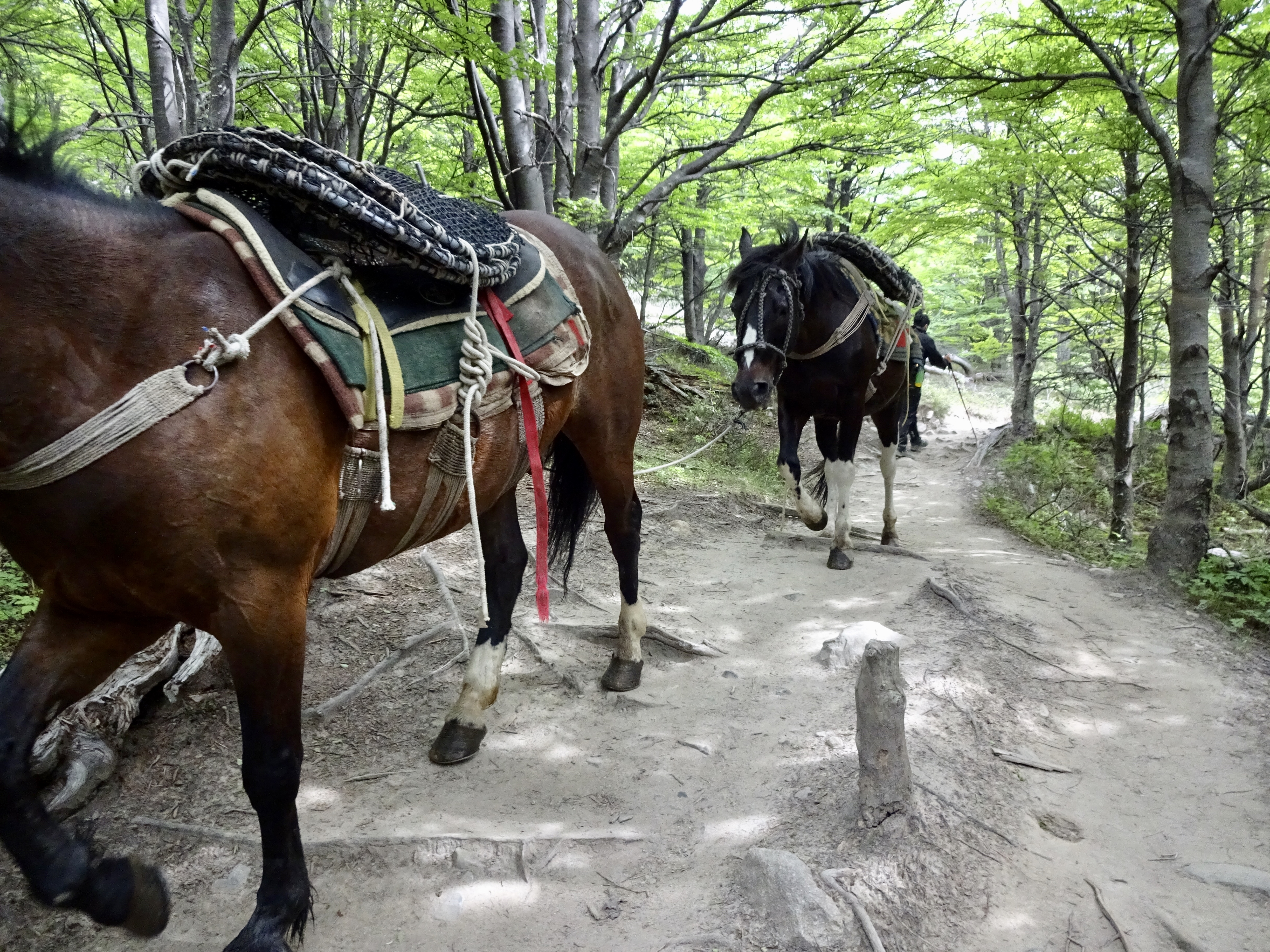
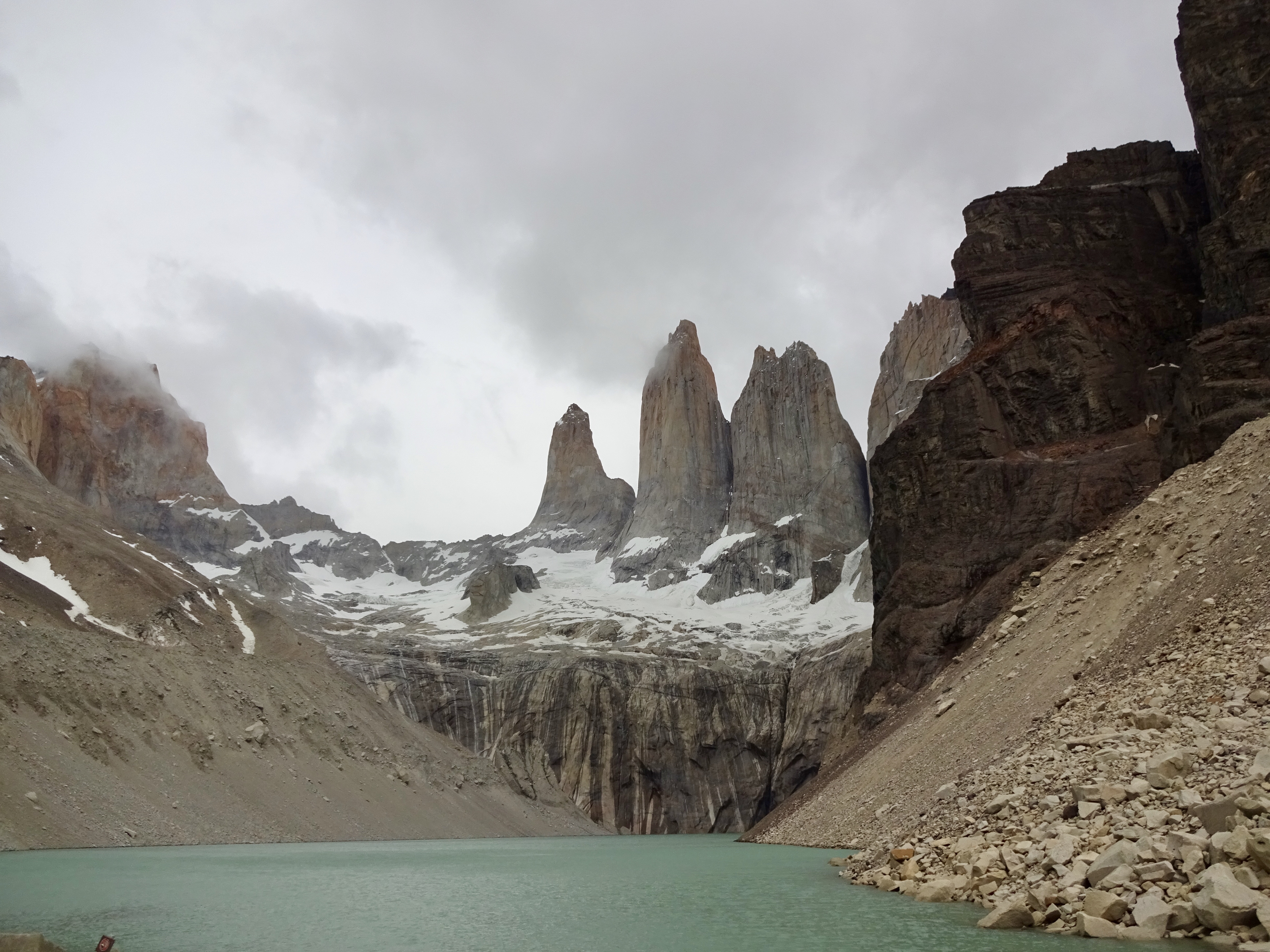
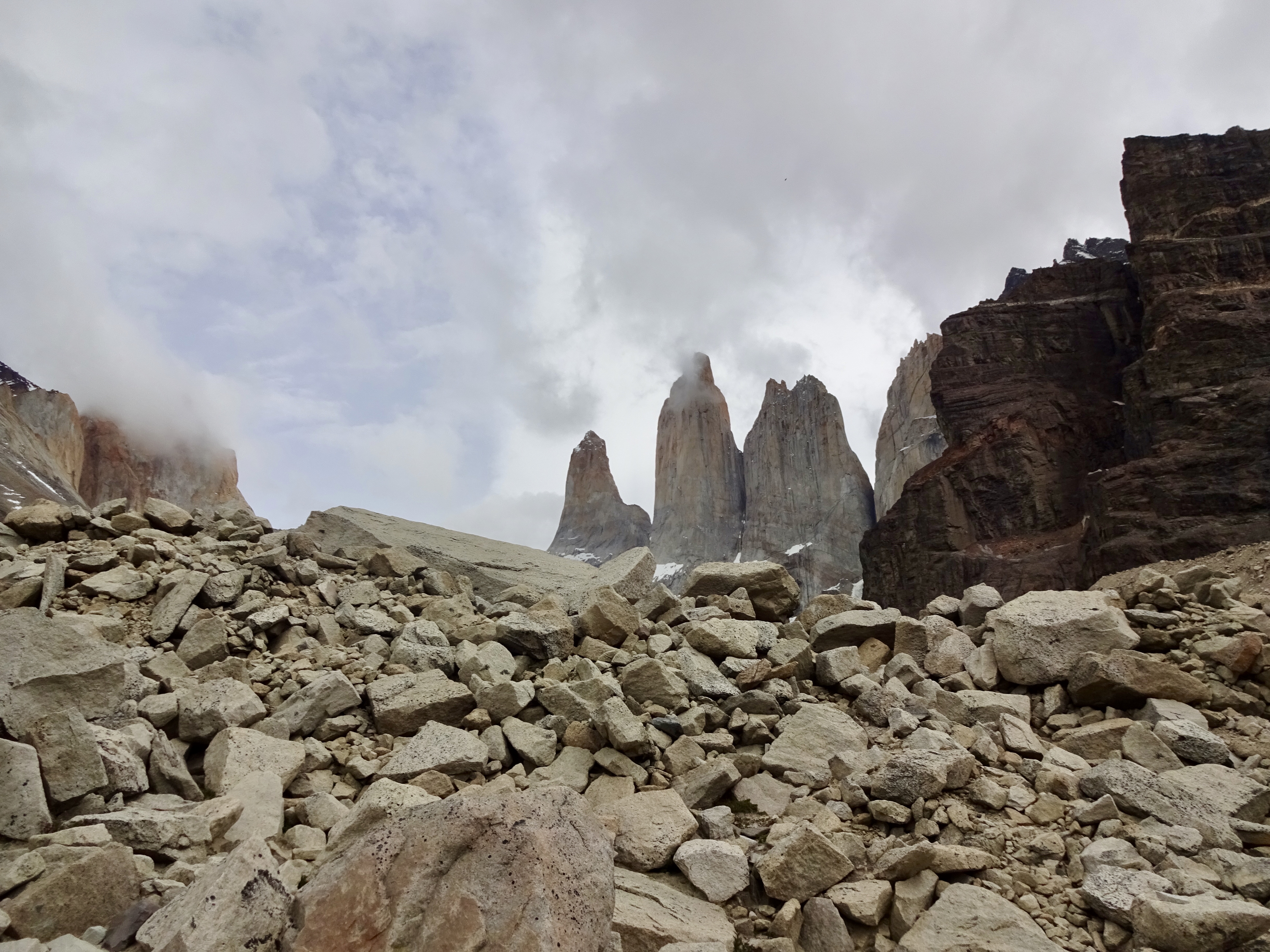
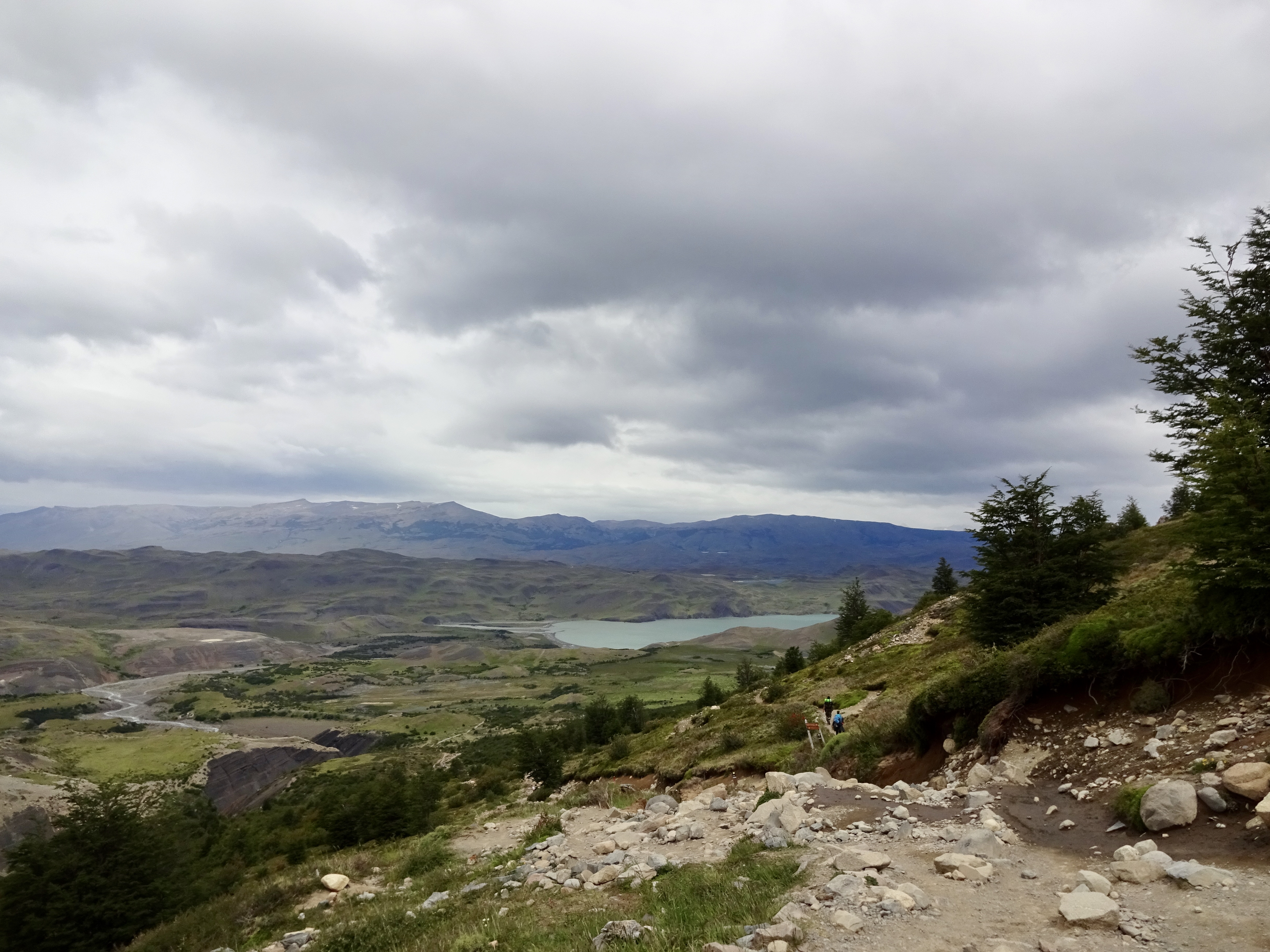
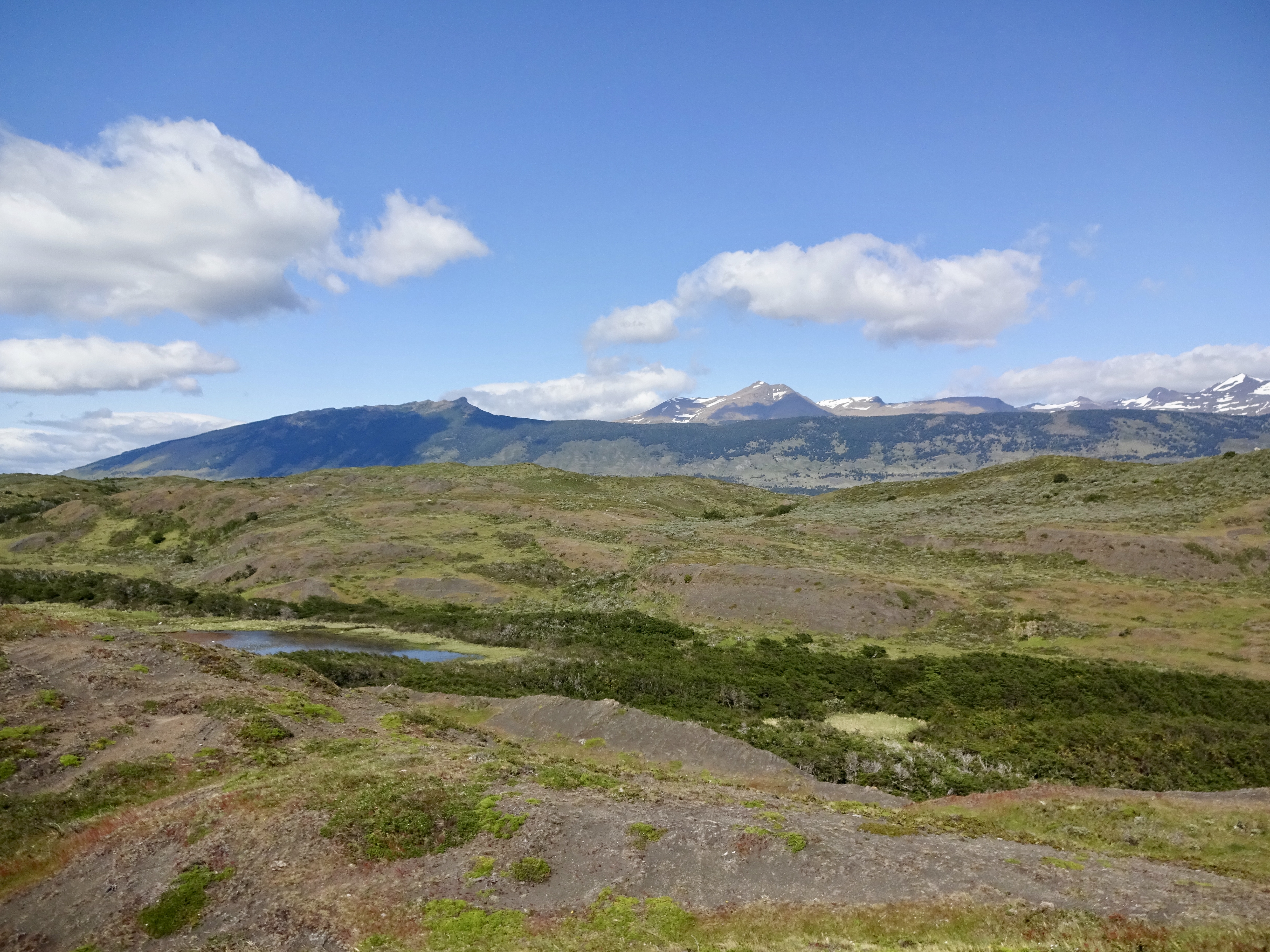
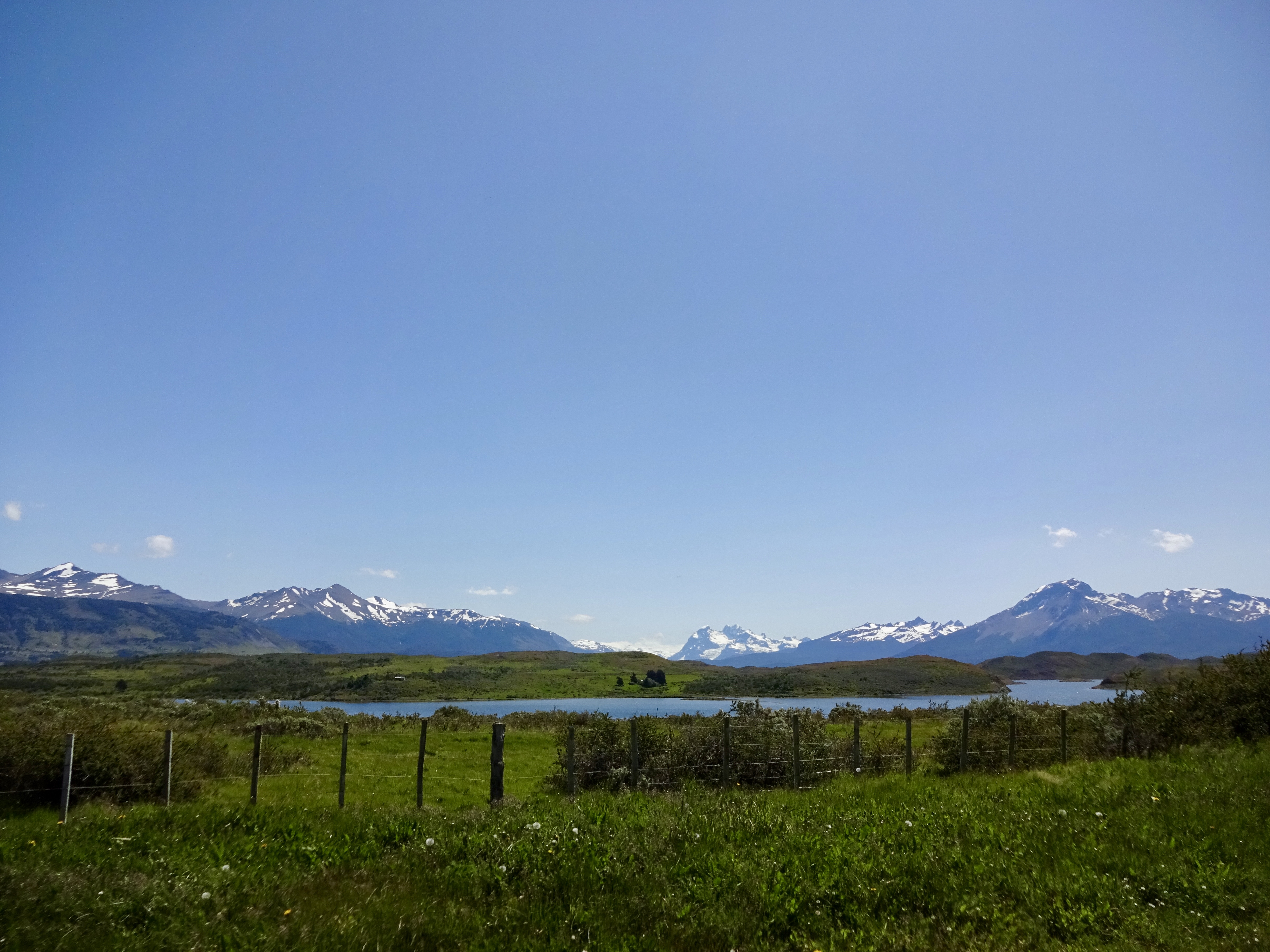
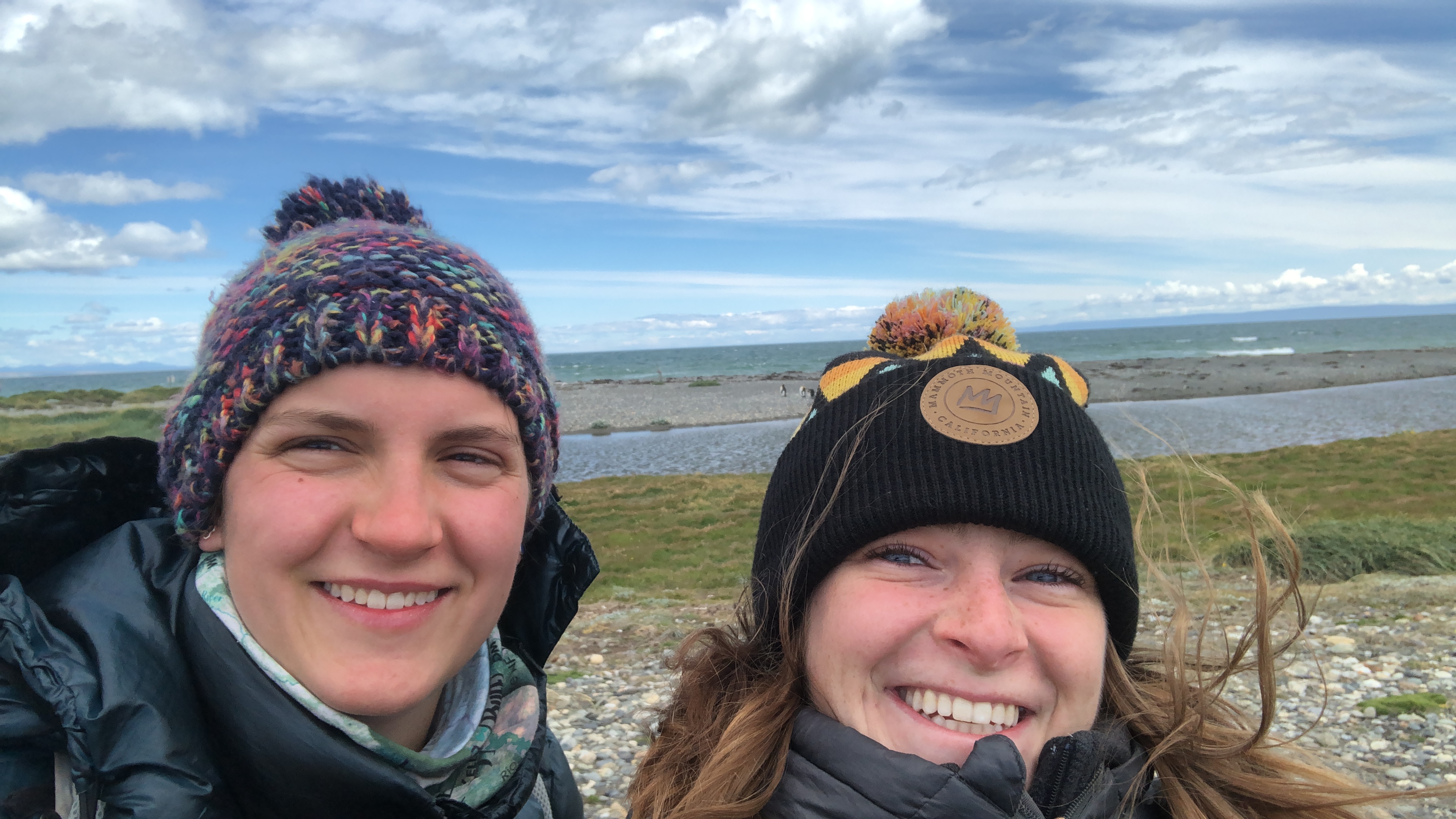
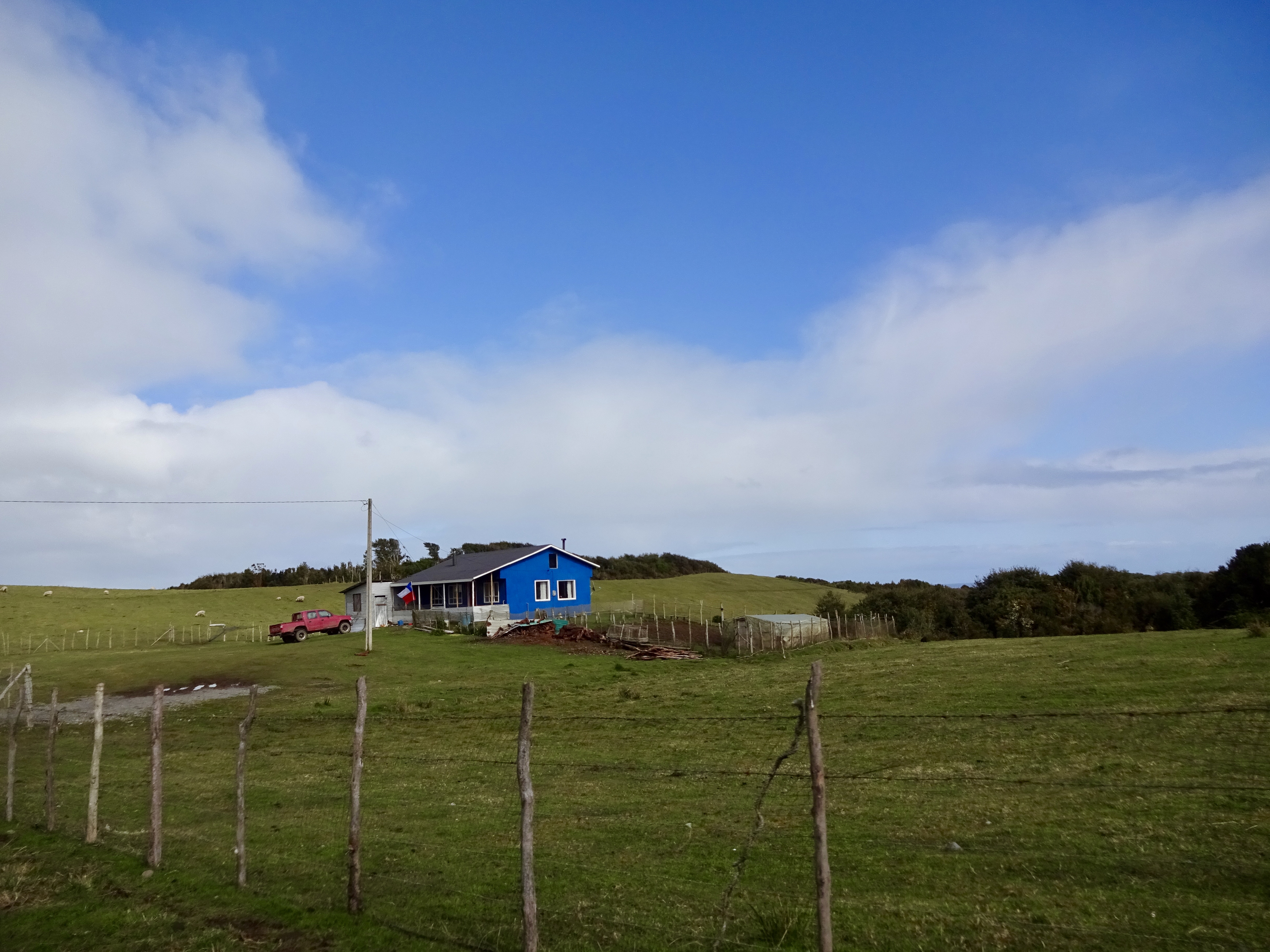
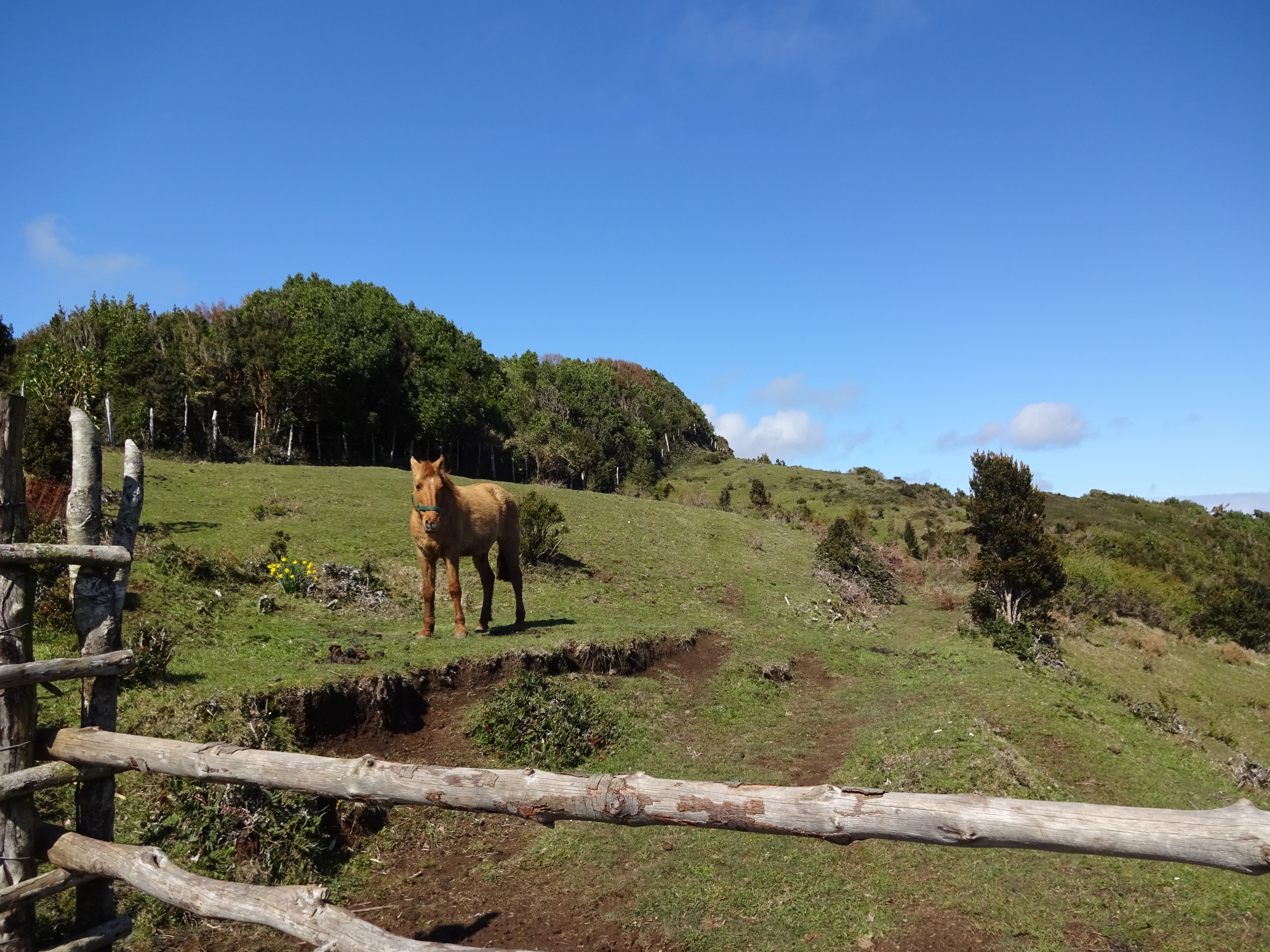
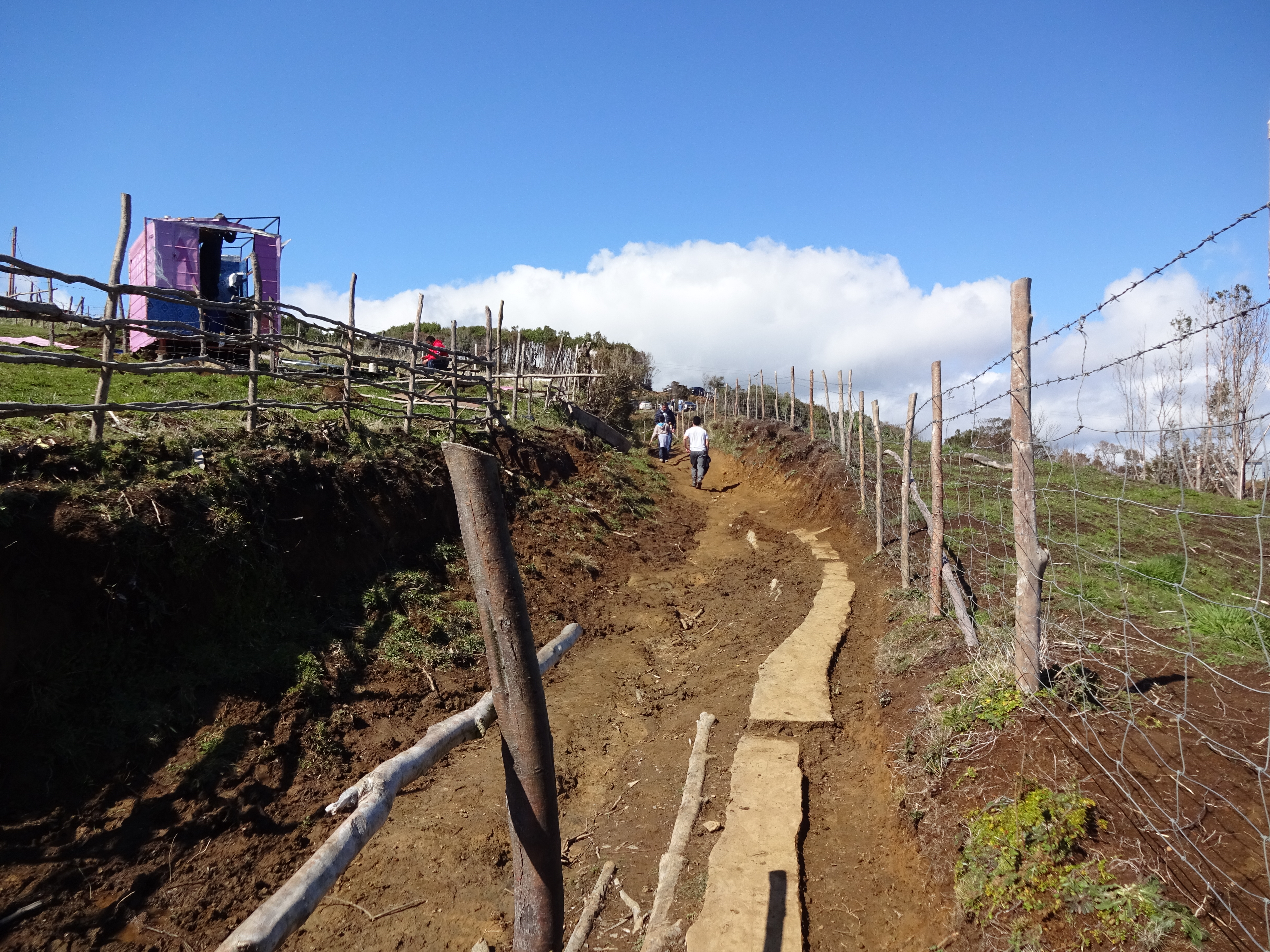
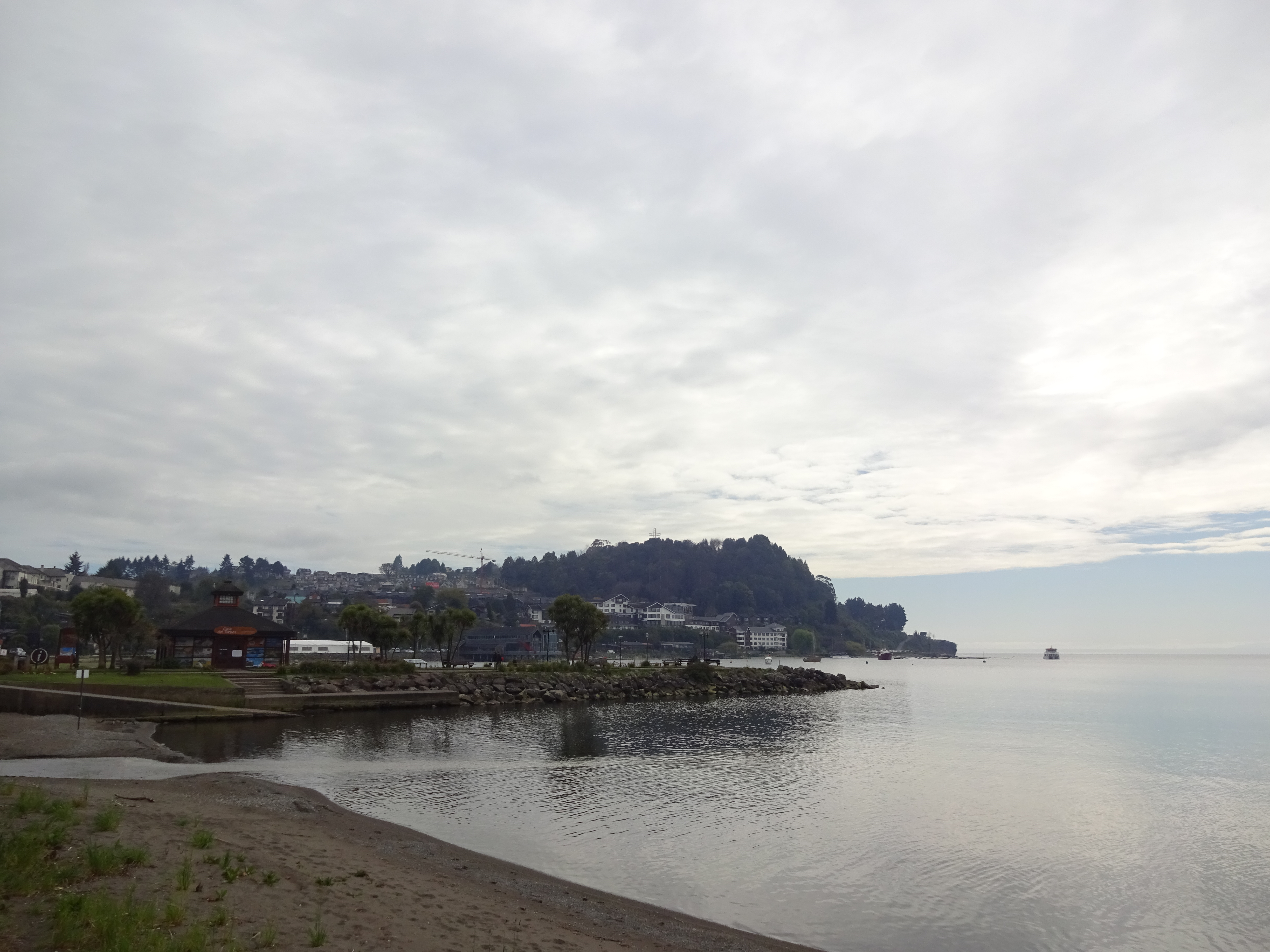
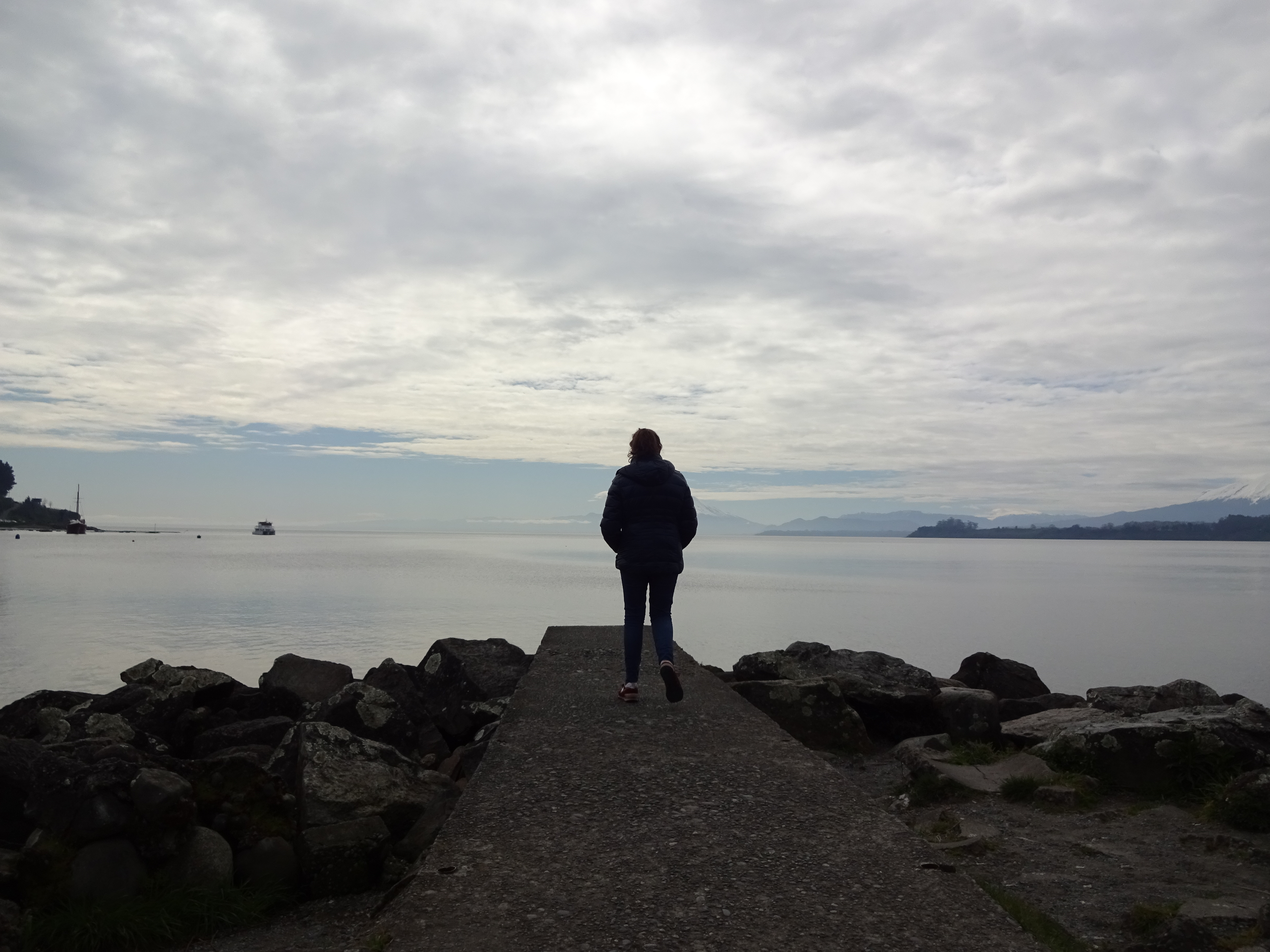
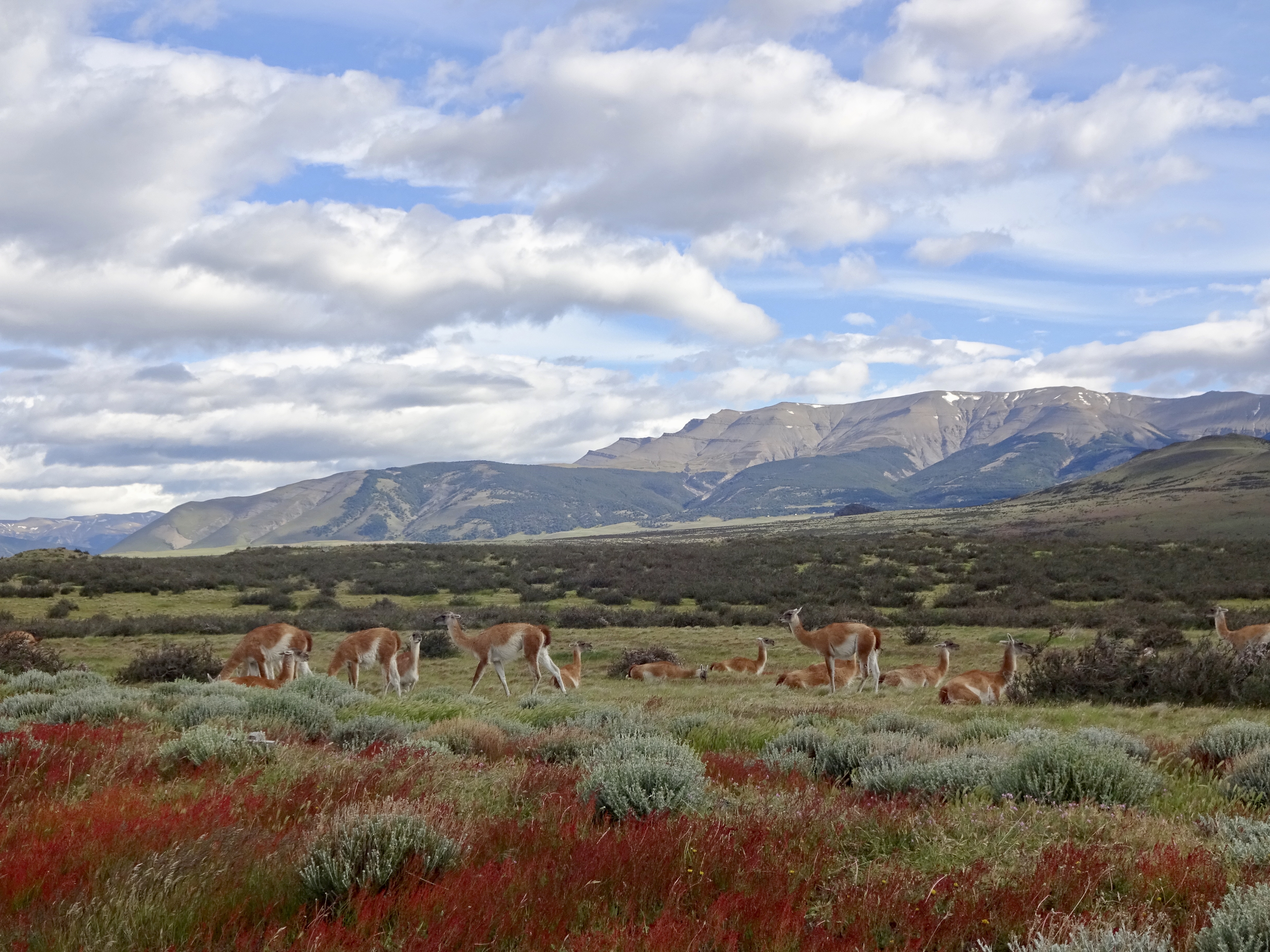
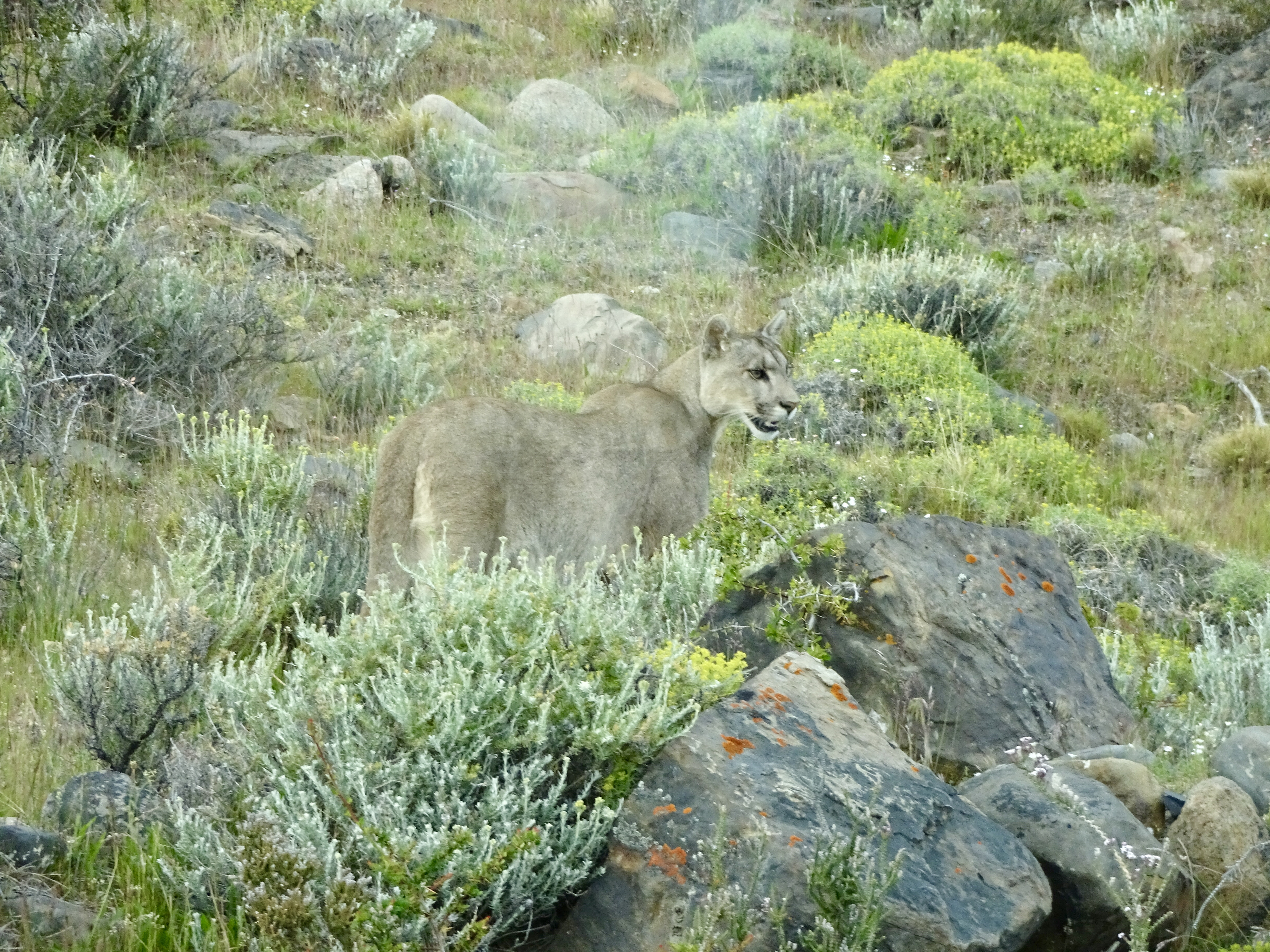
The first day, we took a bus tour throughout a good chunk of the Torres del Paine National Park, seeing famous vistas like the Paine Grande Mountain, el Salto Grande waterfall, Lago Grey and the Grey Glacier, etc. We also saw the wild, chilean cousins of the alpacas: guanacos! I will let the pictures tell most of the story of this day because it was so incredibly beautiful that I can’t describe it!

The second day was the most *classic* Torres del Paine day because we did one of the famous day hikes there: the Mirador de los Torres hike. It is a 9-hour, 11 mile round trip hike to the base of the famous towers that gave the park its name. It was really cool to hike alongside people who were completing the longer, multi-day W or O treks. We met people from all over the world, ate lots of food along the way and saw some pretty awesome sights. Besides the achy bodies, we had an incredible day!

Our third day was supposed to have a kayaking trip included, but since it was incredibly windy we just slept in, nursed our soreness and wandered around the cute little town of Puerto Natales where we were staying.

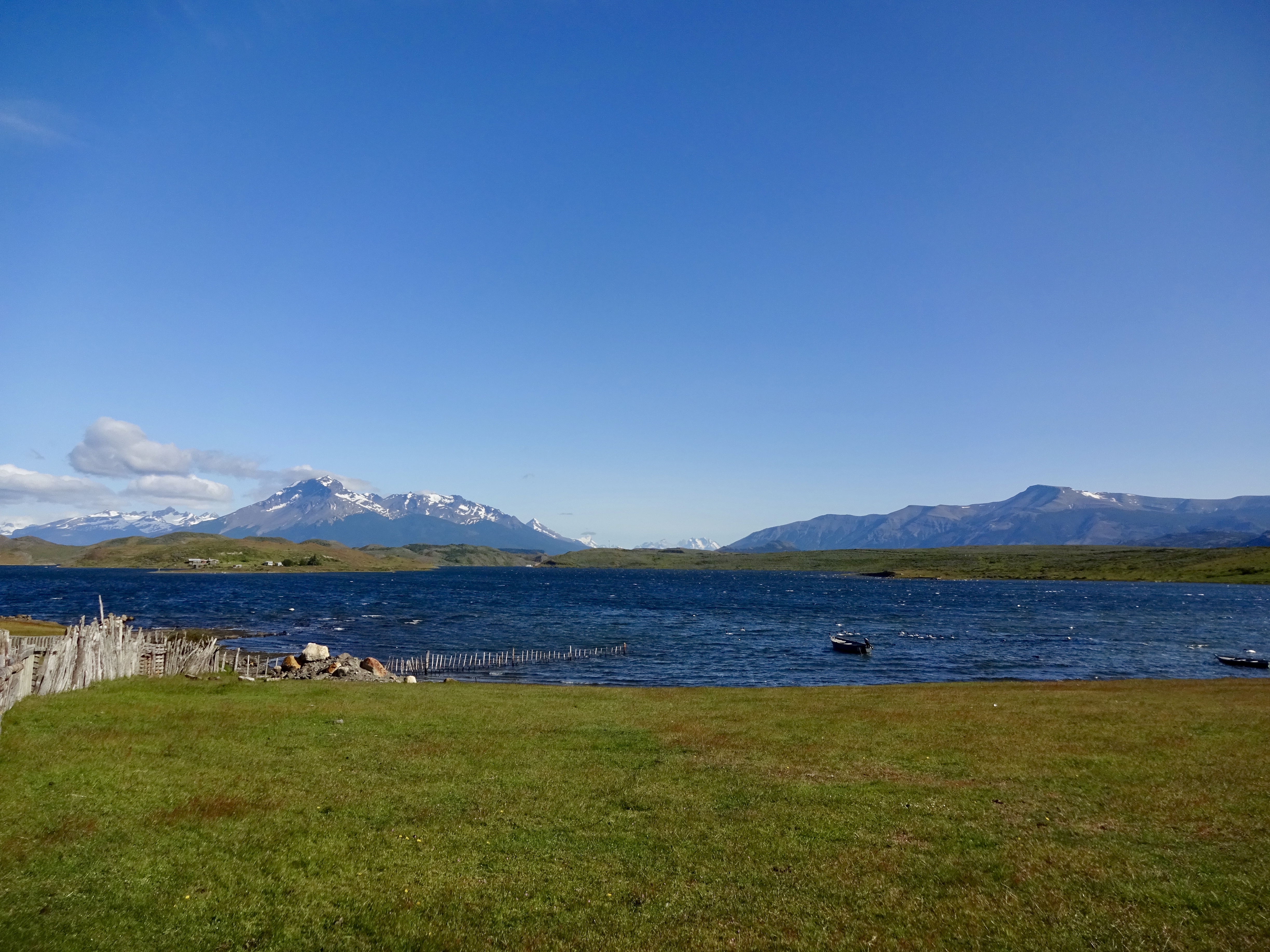
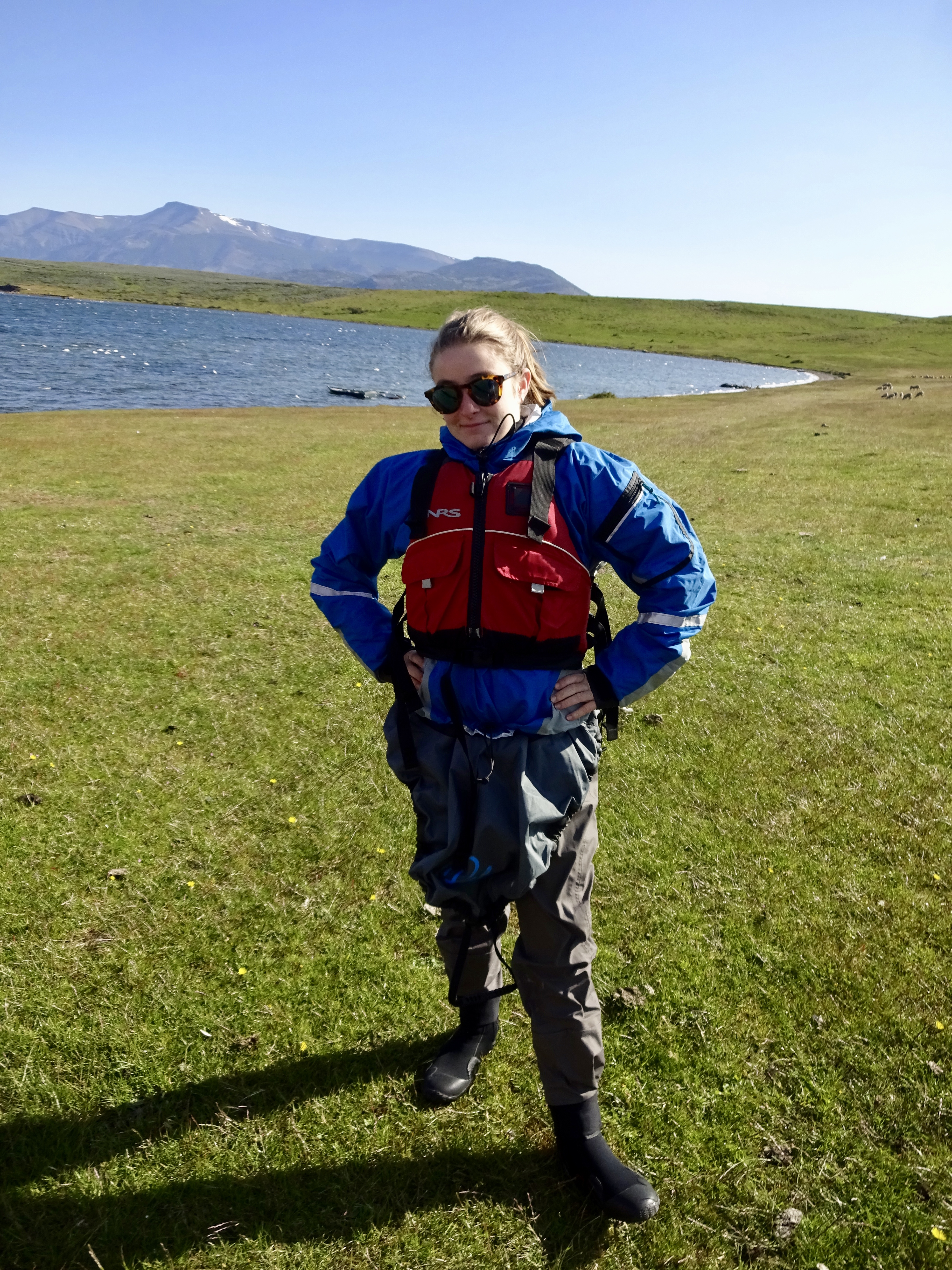
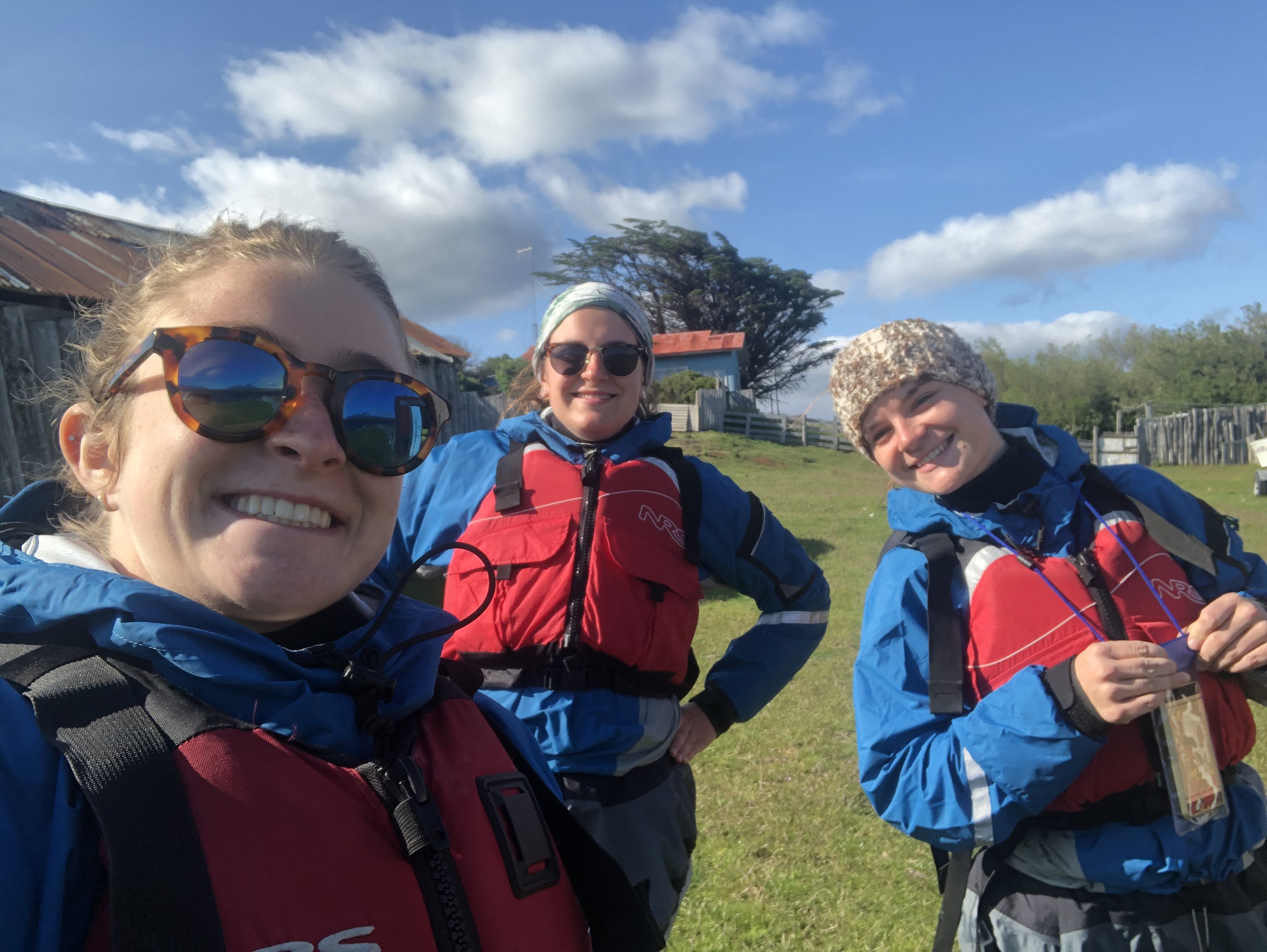
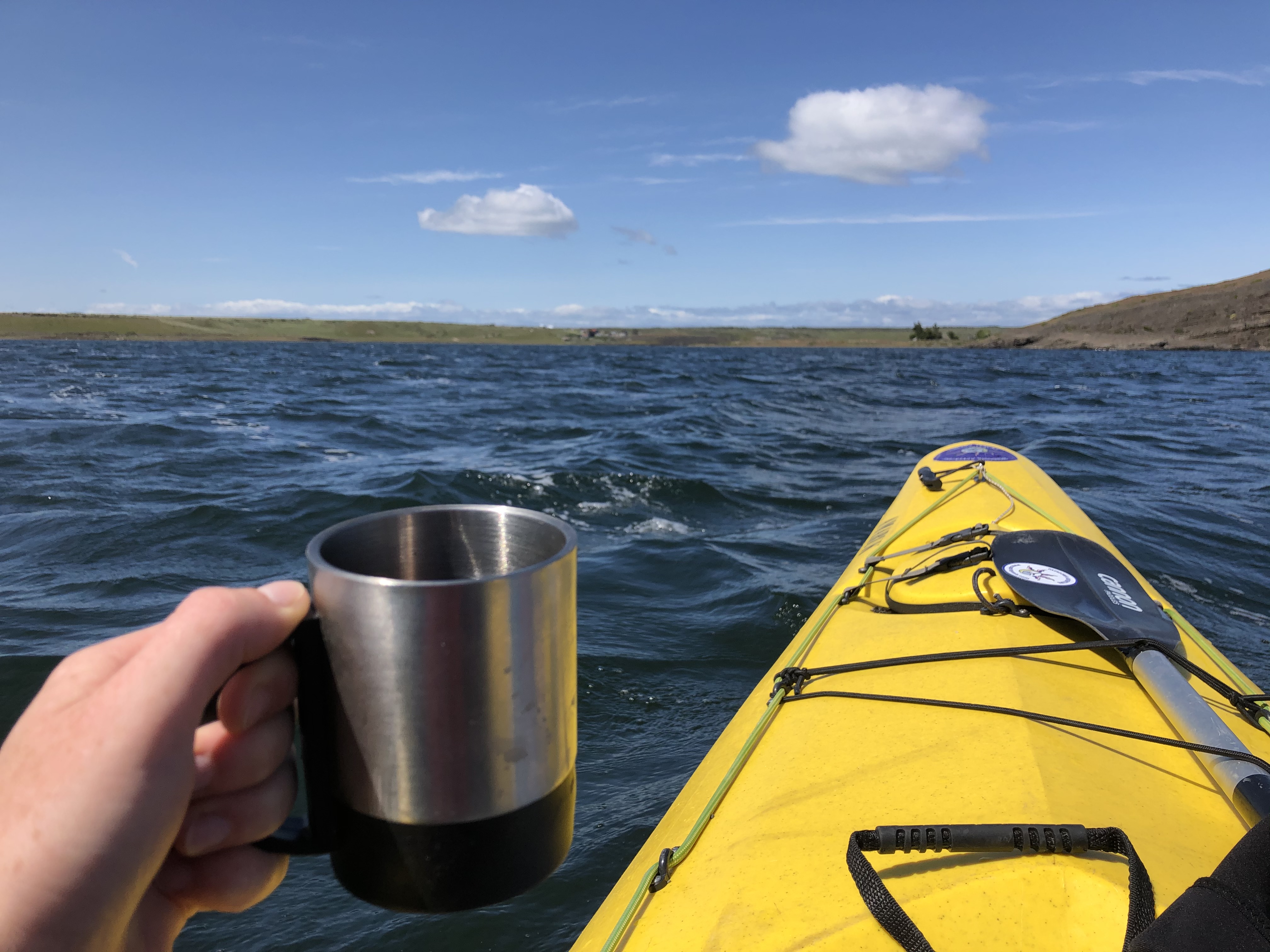
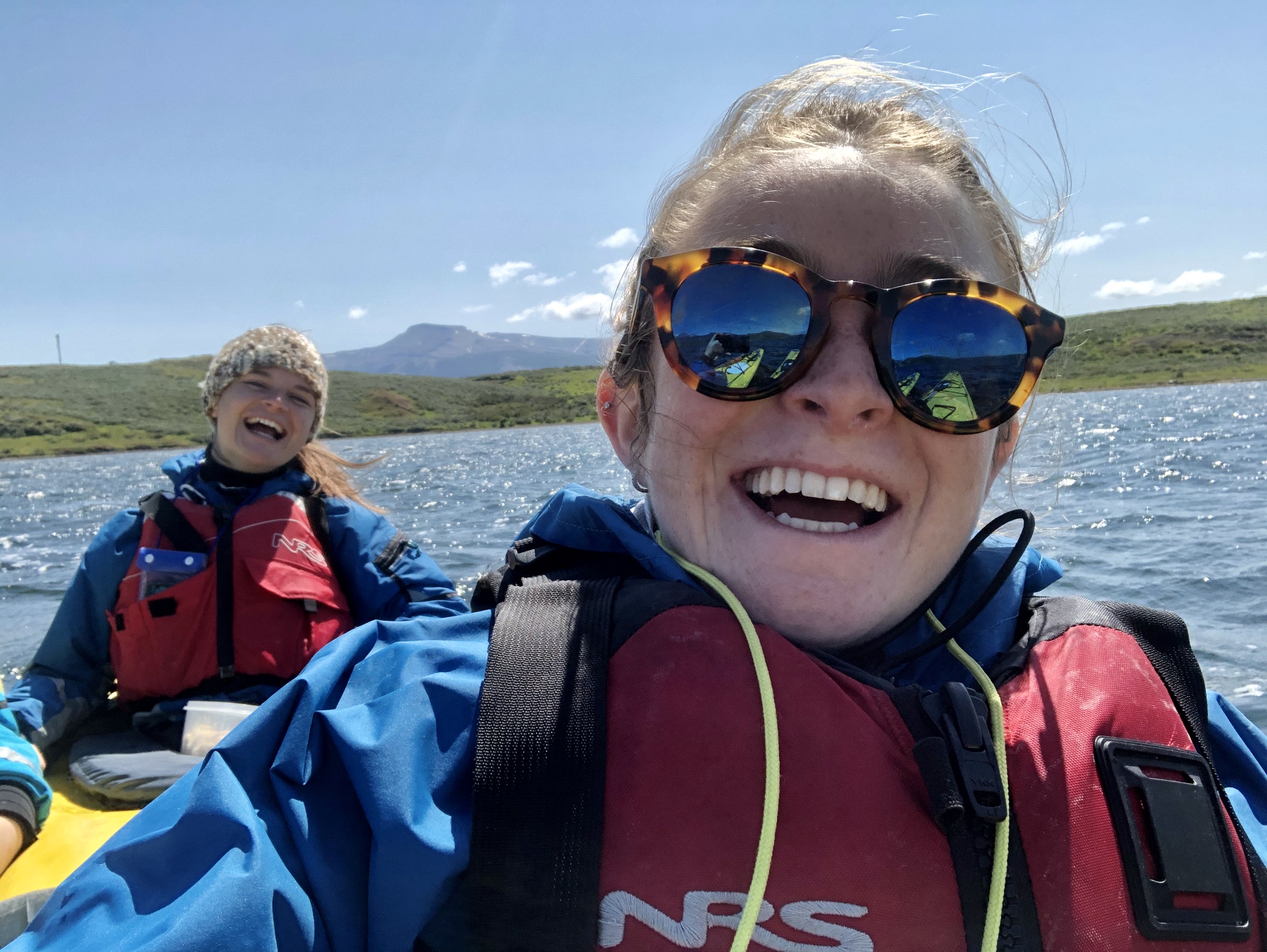
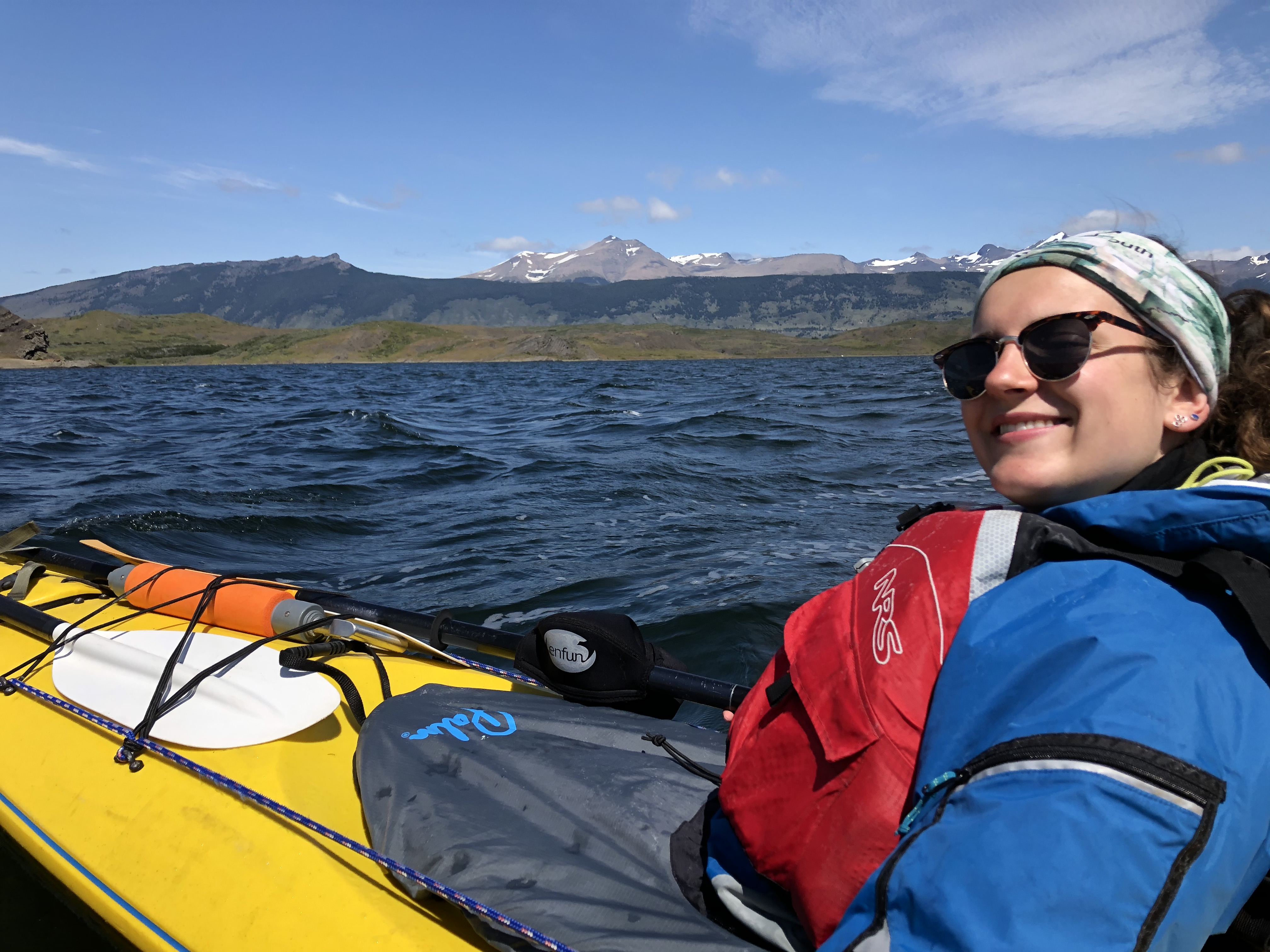
Day four was our last day in Puerto Natales and we squeezed our delayed kayaking trip in for a couple hours before we had to go to the bus station. We went with a guide for about 3 hours and we kayaked around a bay, saw tons of animals and enjoyed the incredible mountain views. After we had put all the gear away, we had a delicious snack of sopaipillas (chilean pastries) and scrambled eggs before we headed to the bus station to go back to Punta Arenas for our last day excursion.

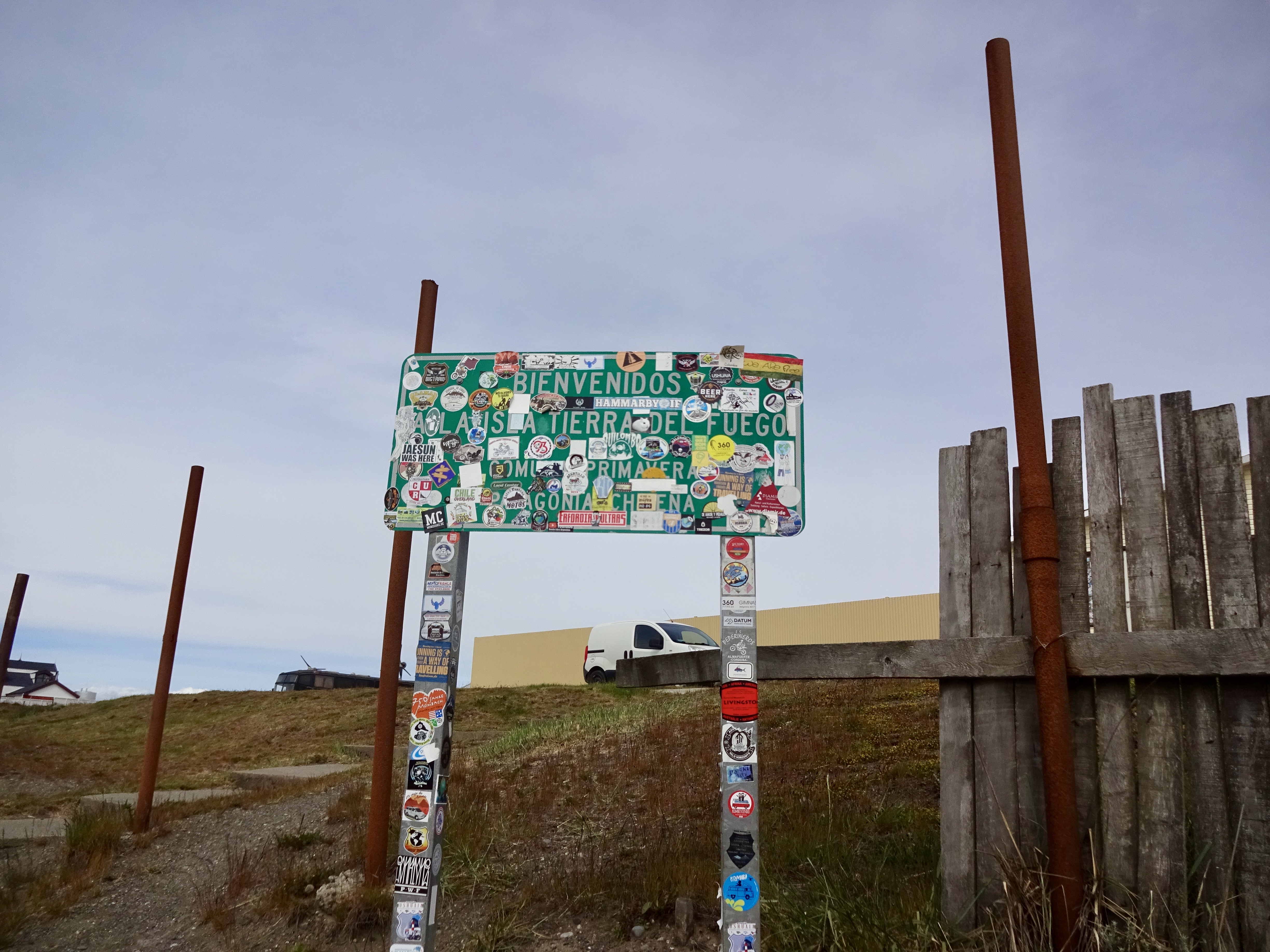
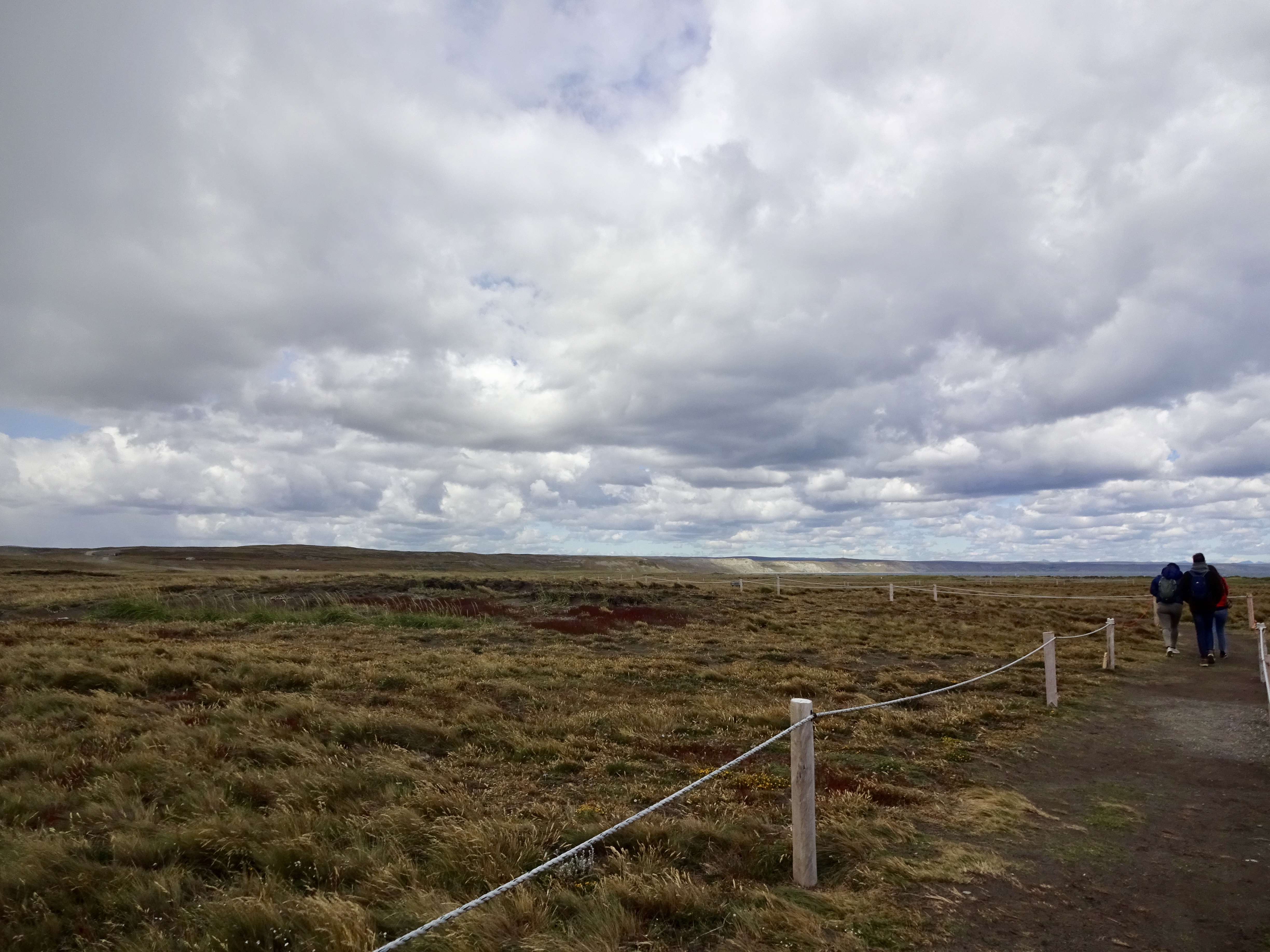
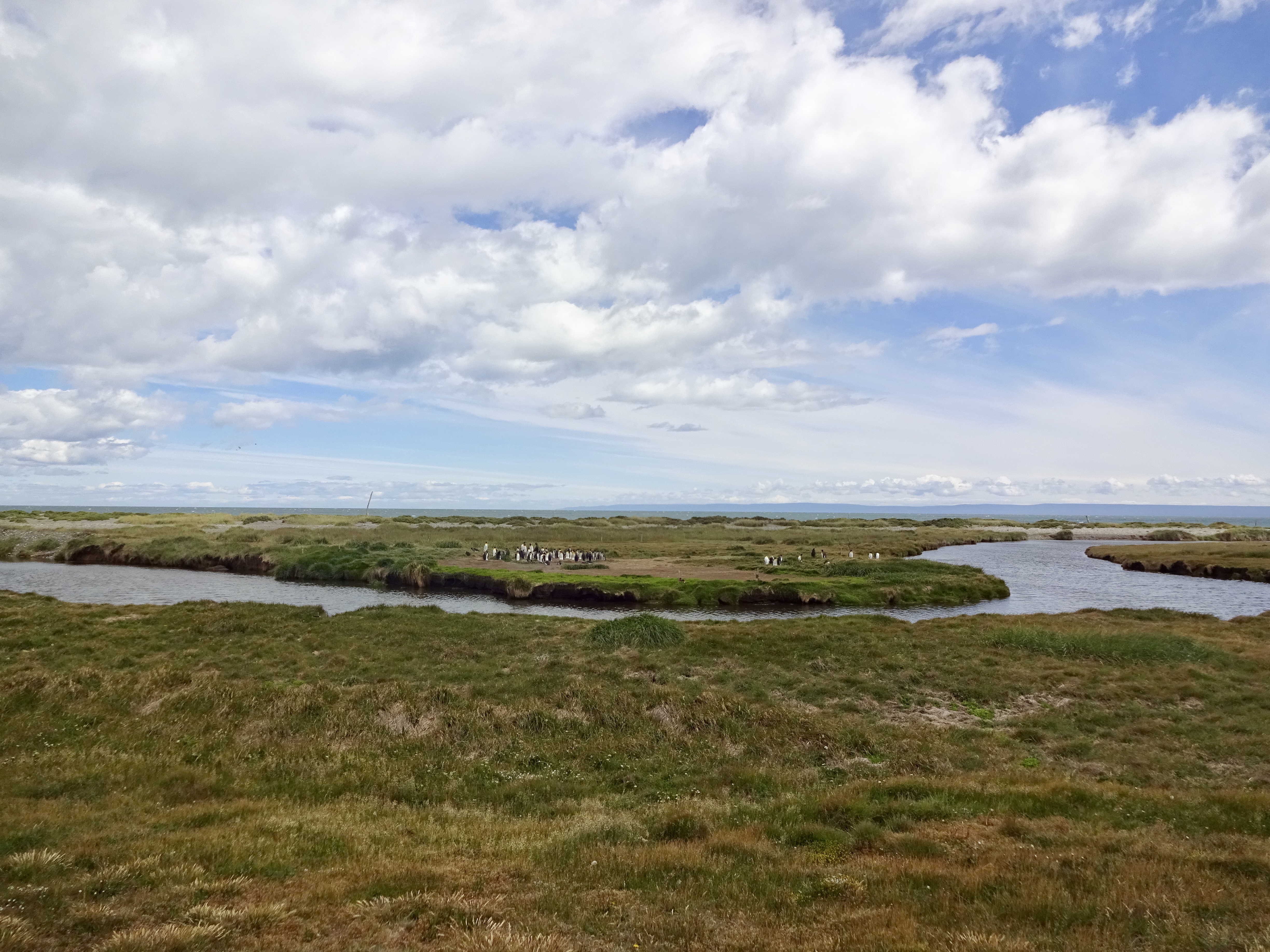
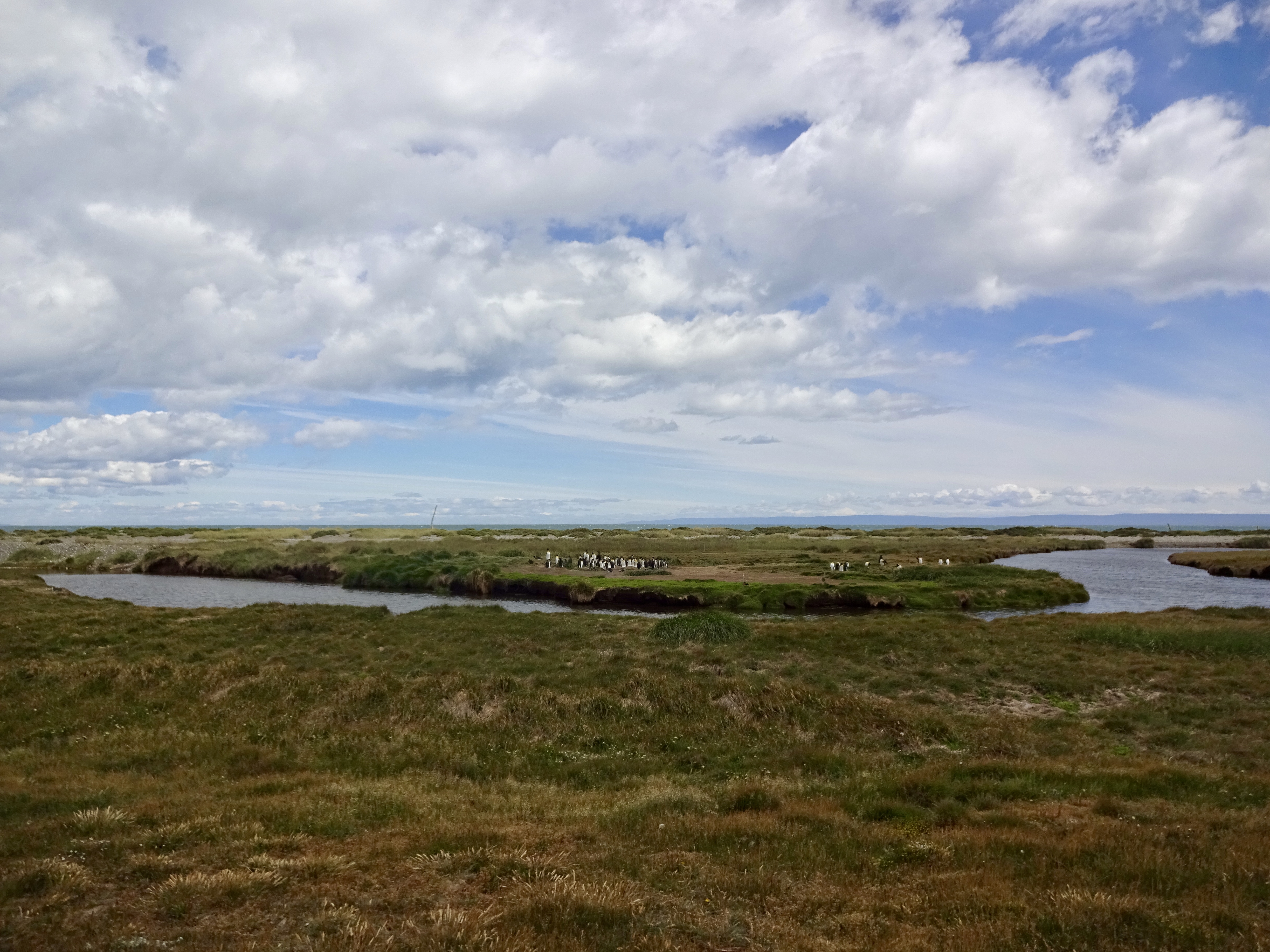
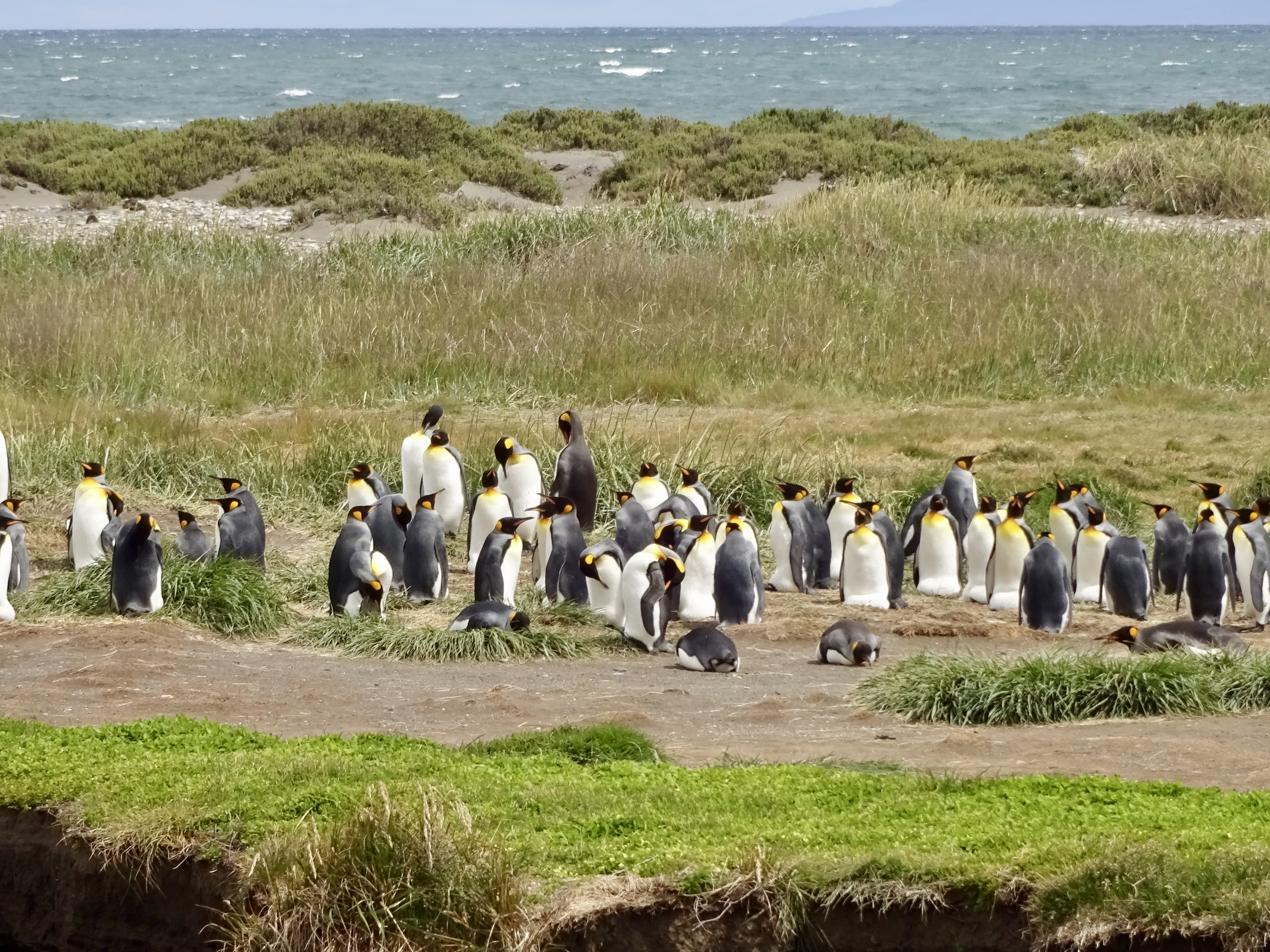
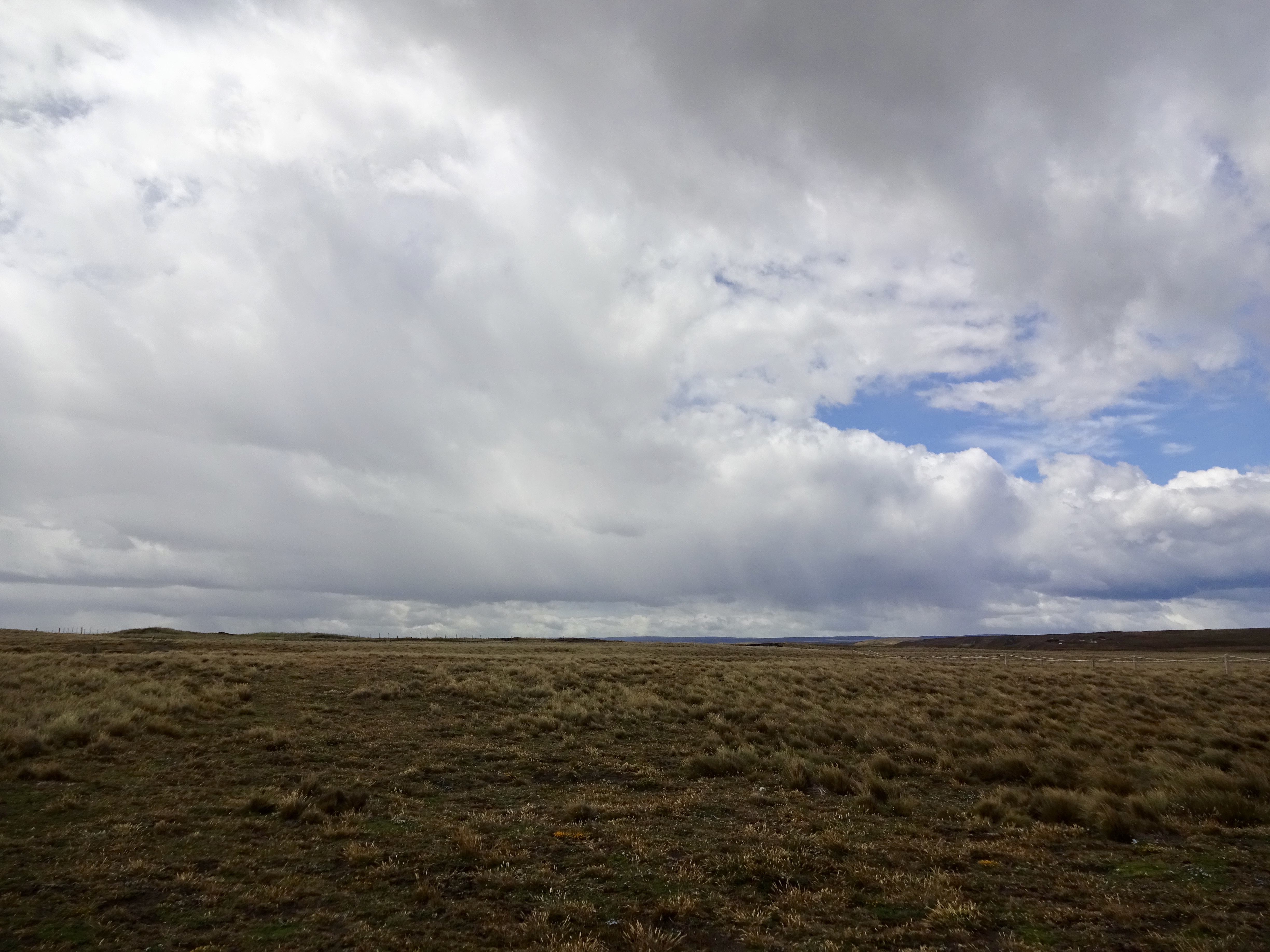
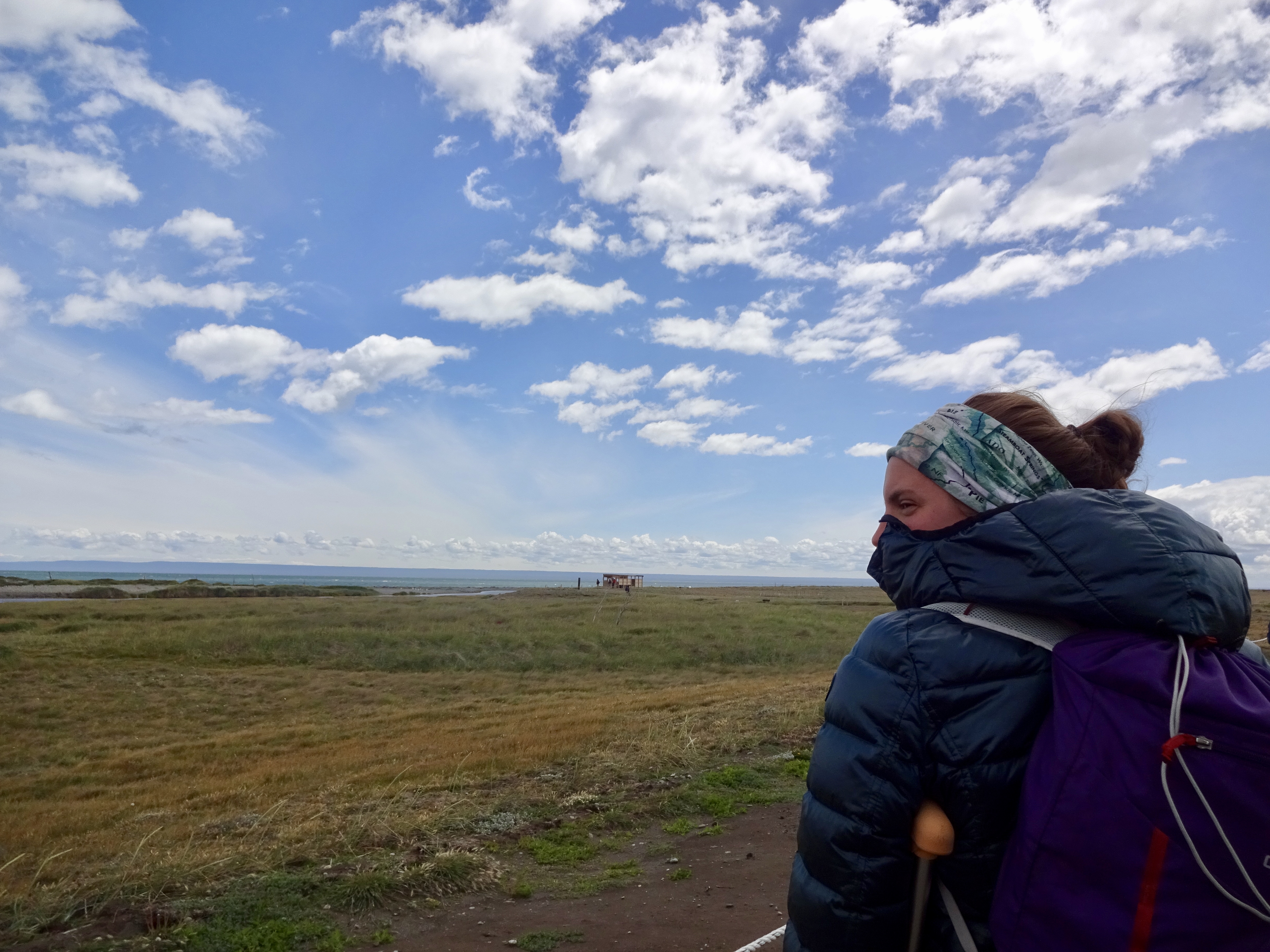
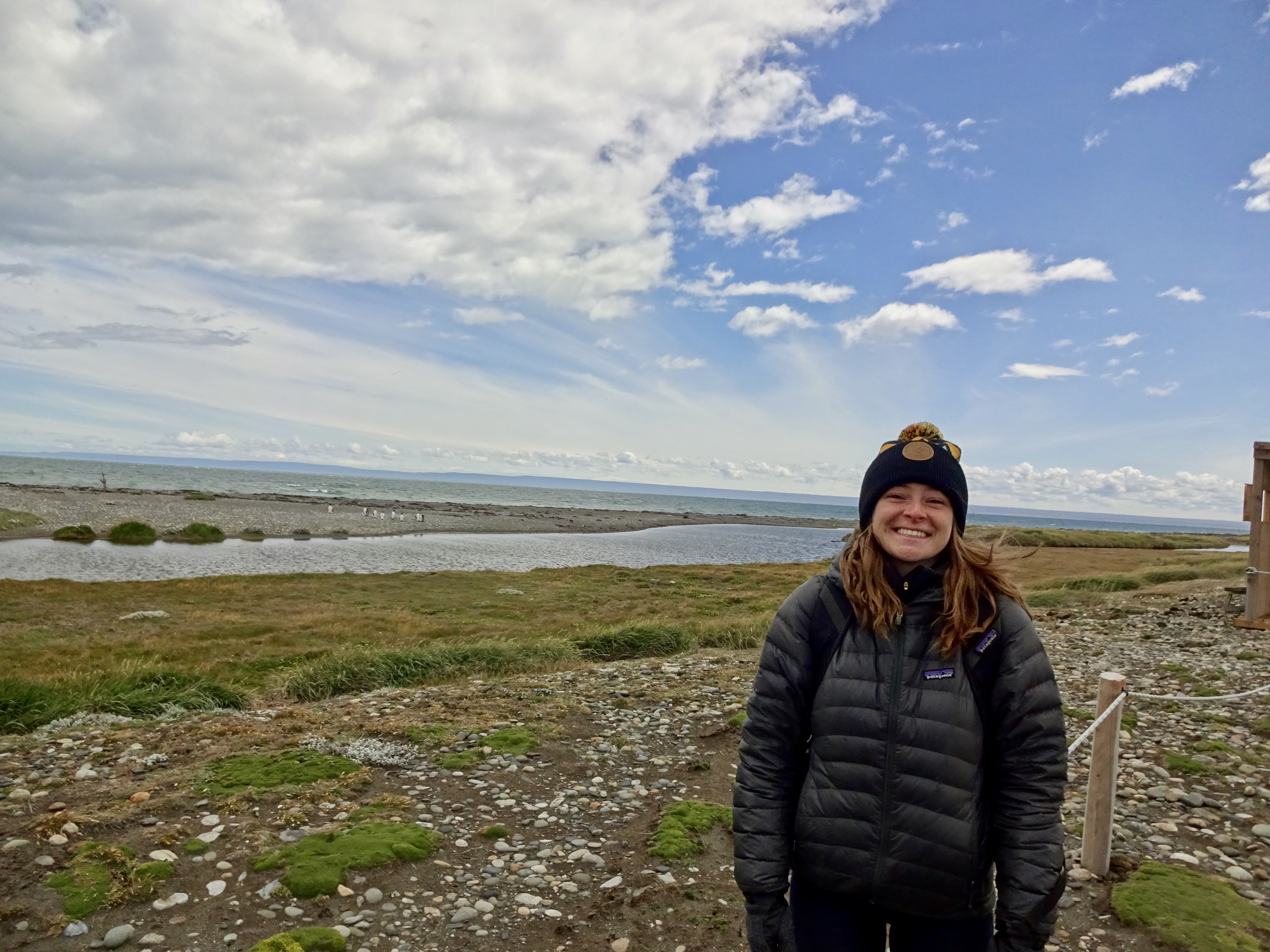
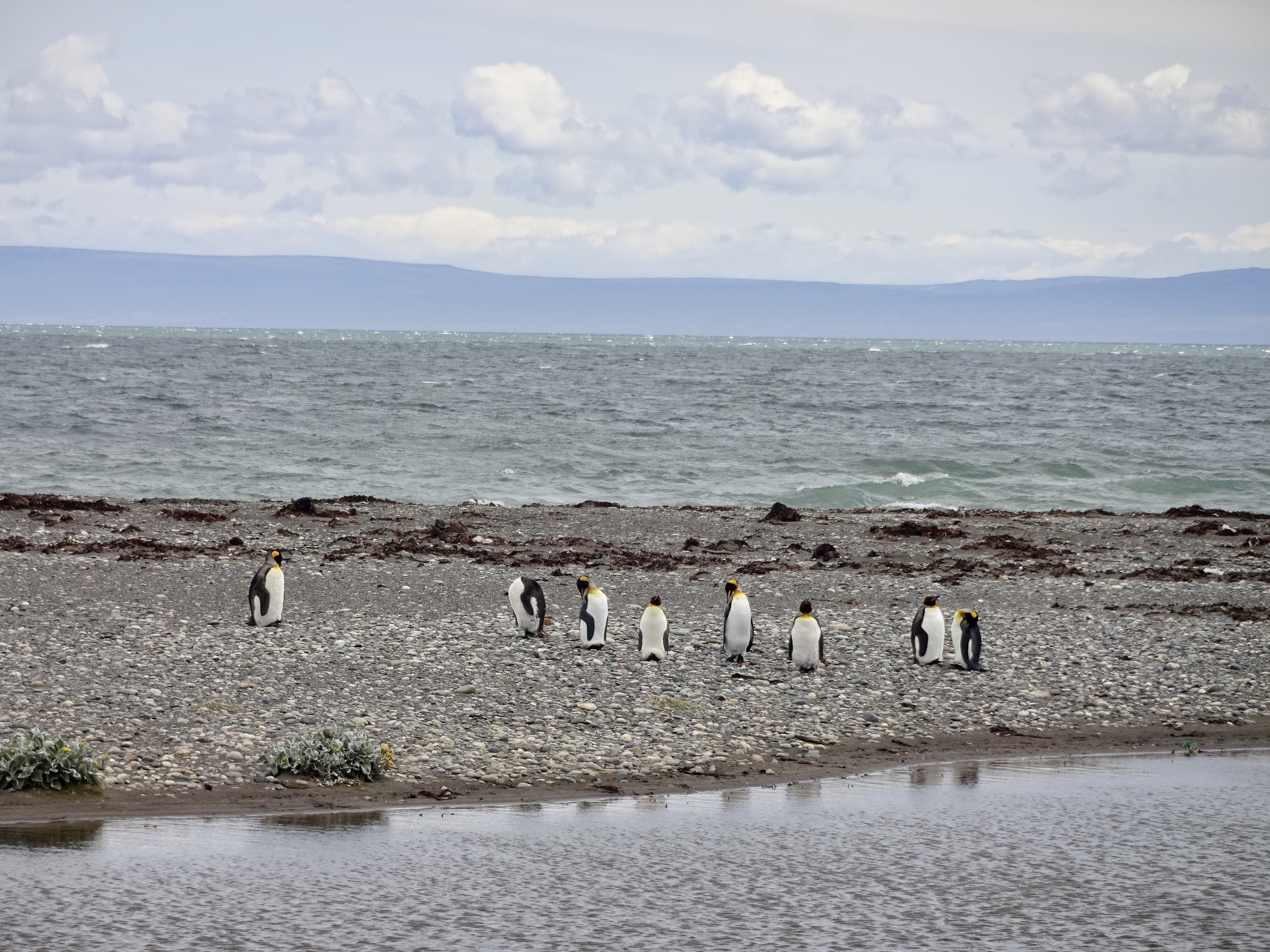
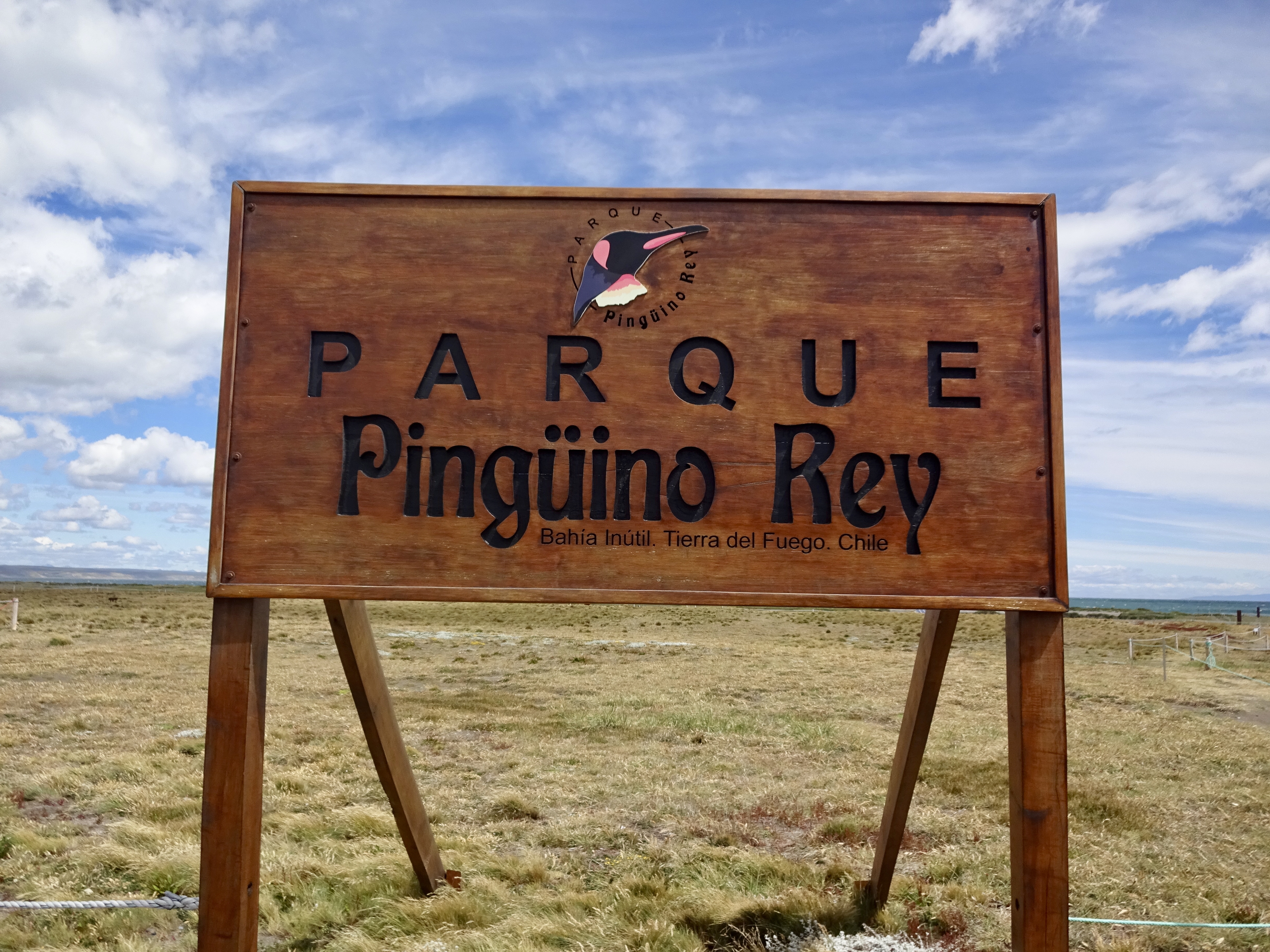
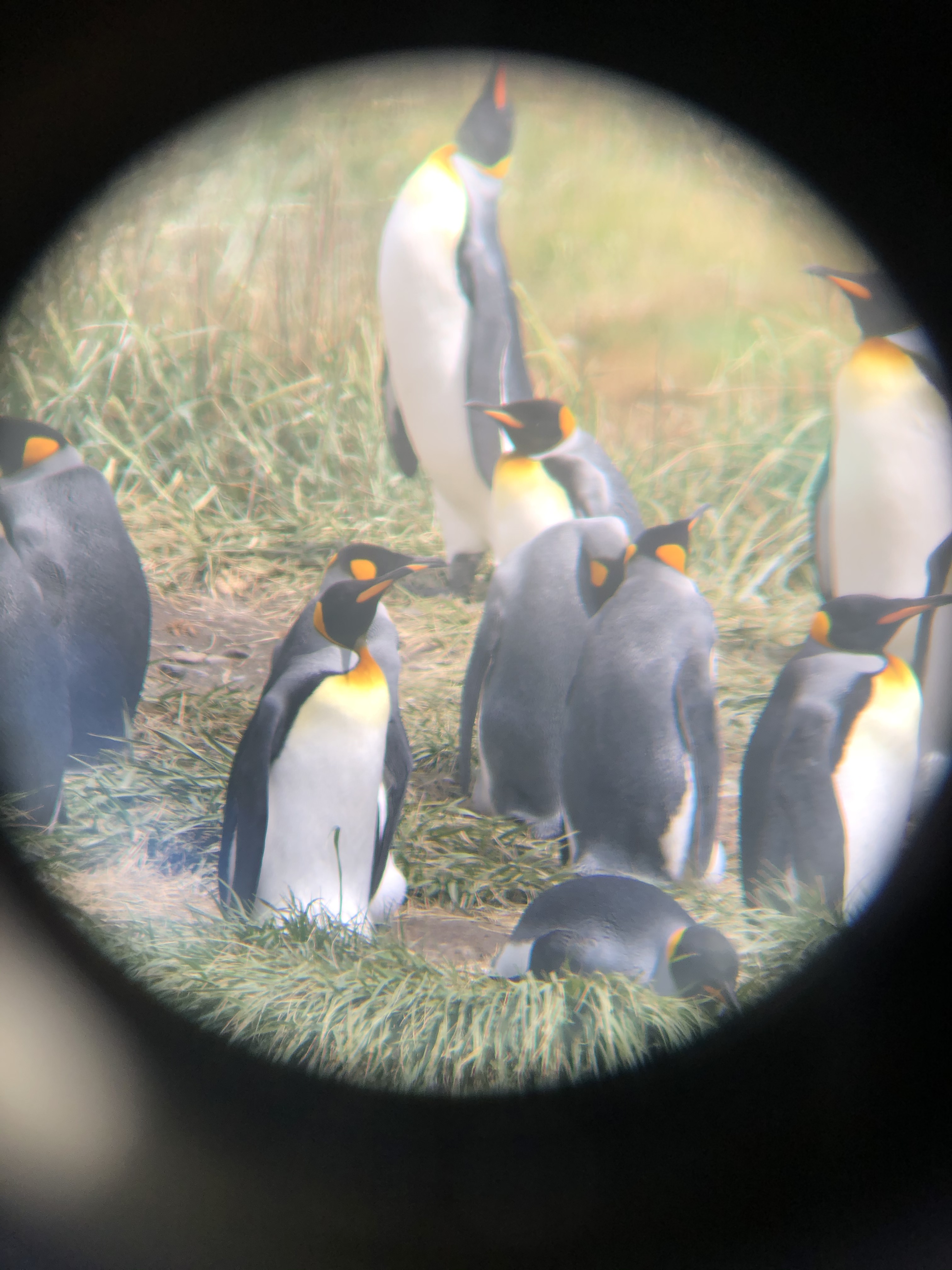
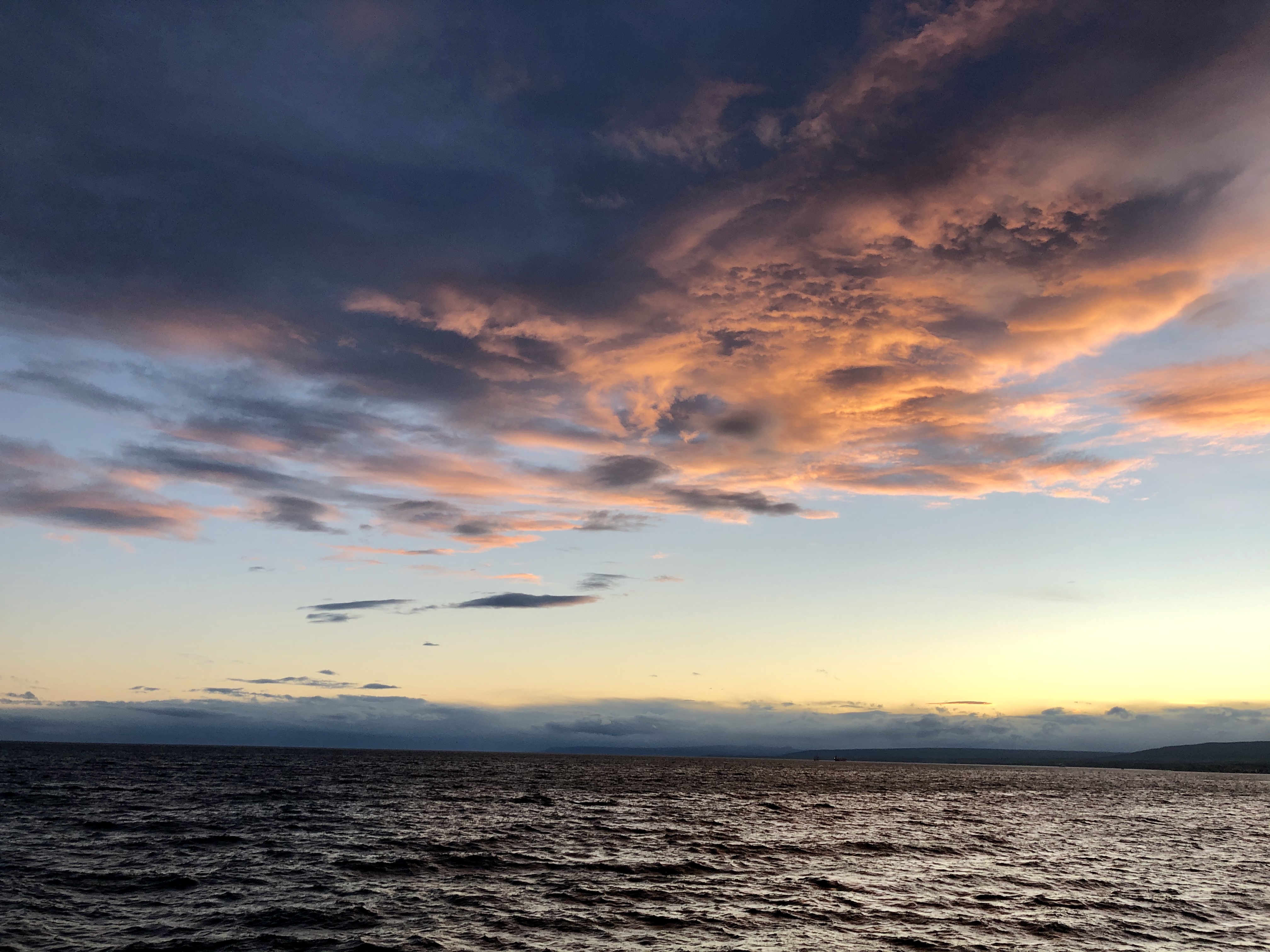
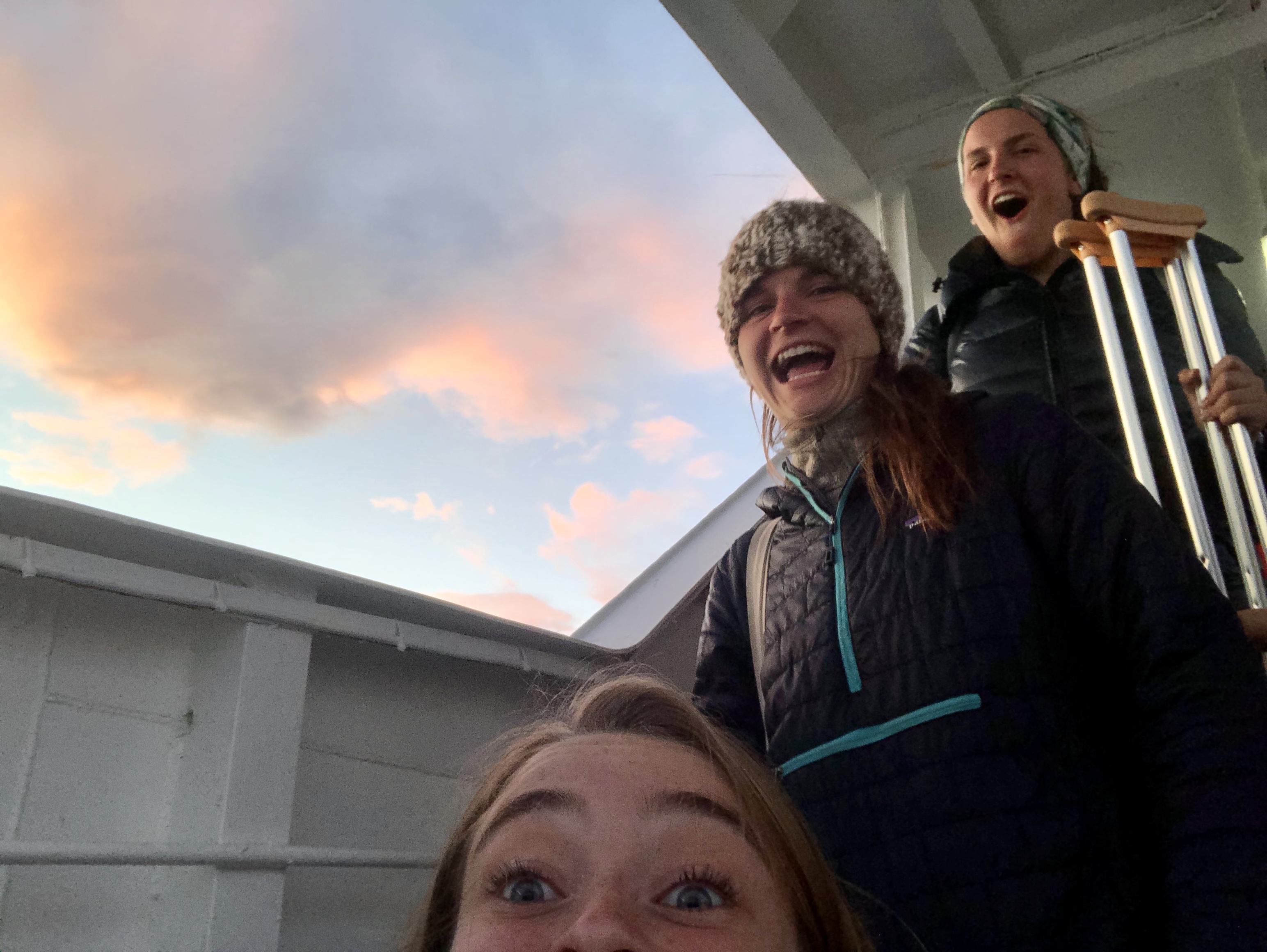
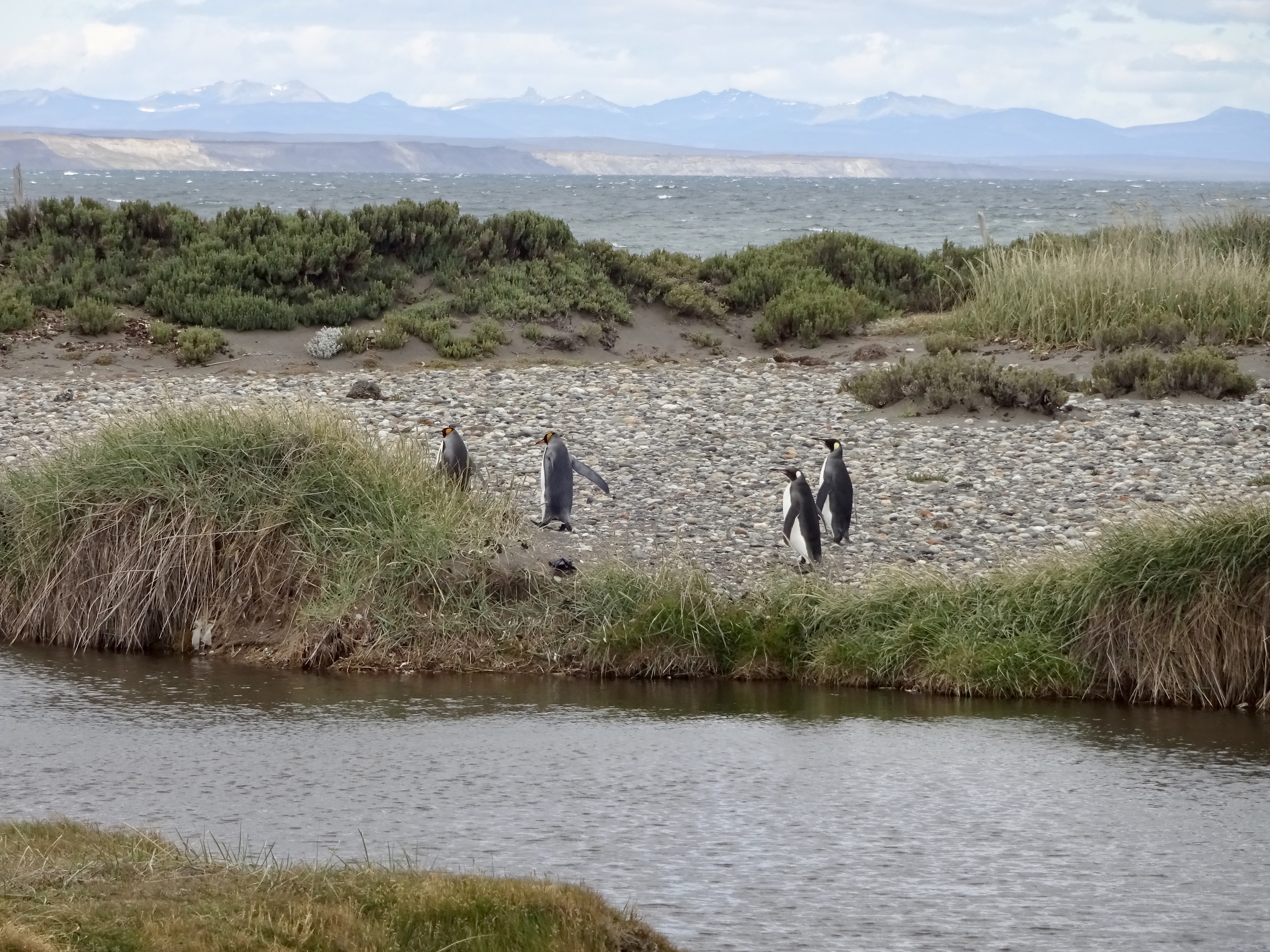
Our last day in the south was a full day tour of “Tierra del Fuego,” which is the biggest island in South America and also the last Chilean territory before Antarctica. We drove through a good chunk of the island and saw how barren it is. It is exactly the type of place that you can imagine that ice was on top of everything a couple million years ago and then it just.. slid off. It is very flat, with only little rolling hills and not a lot of jagged edges. During our trip, we got to go to a King penguin reserve and observe King penguins in their natural habitat and that was incredible! They were very cute and a lot of them were expecting babies soon so we got to see them sitting on their eggs! We ended up in the capital of Tierra del Fuego – Porvenir – from where we took the ferry back to Punta Arenas for our last night before catching our flight in the morning back to Santiago.

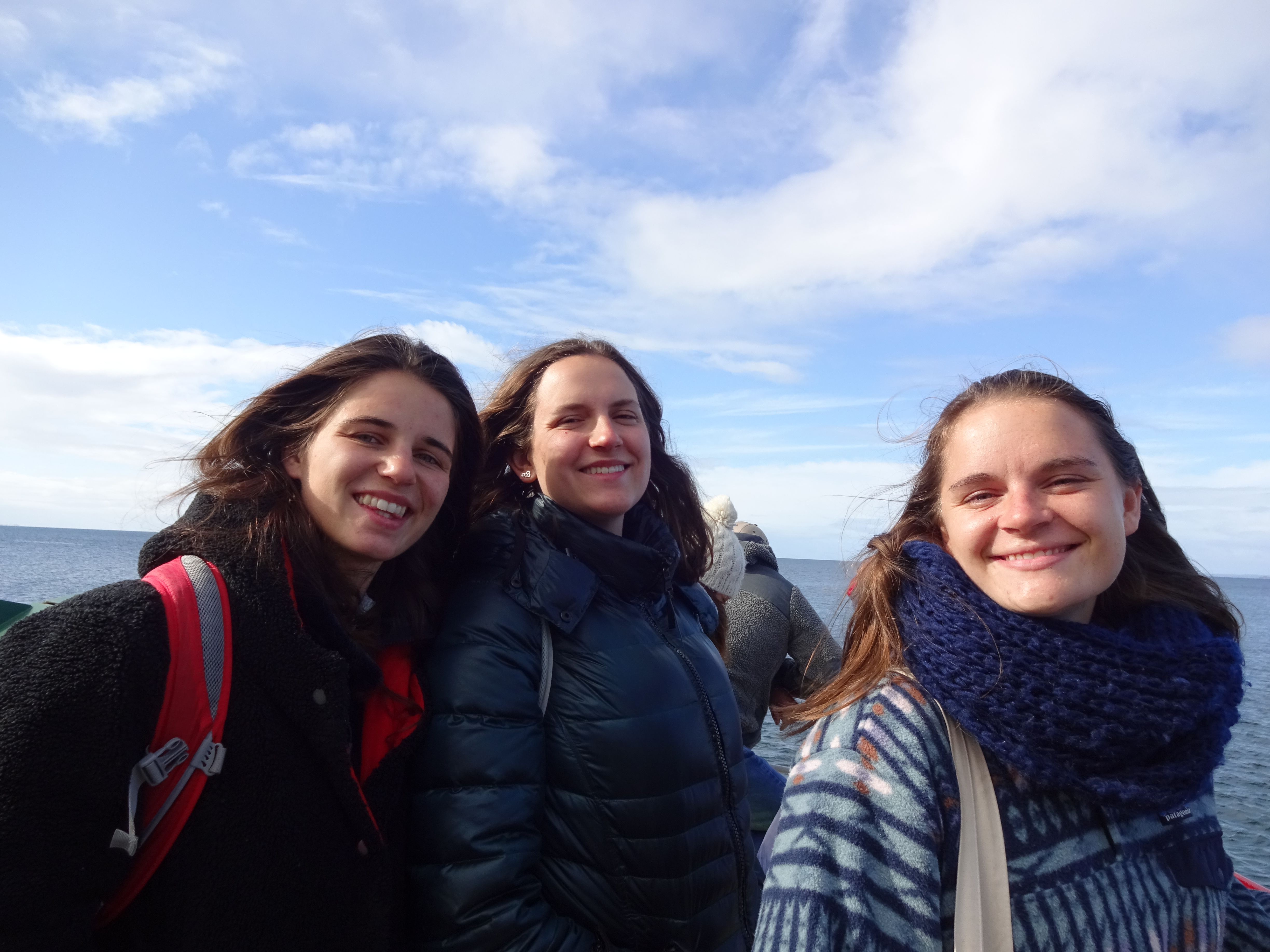
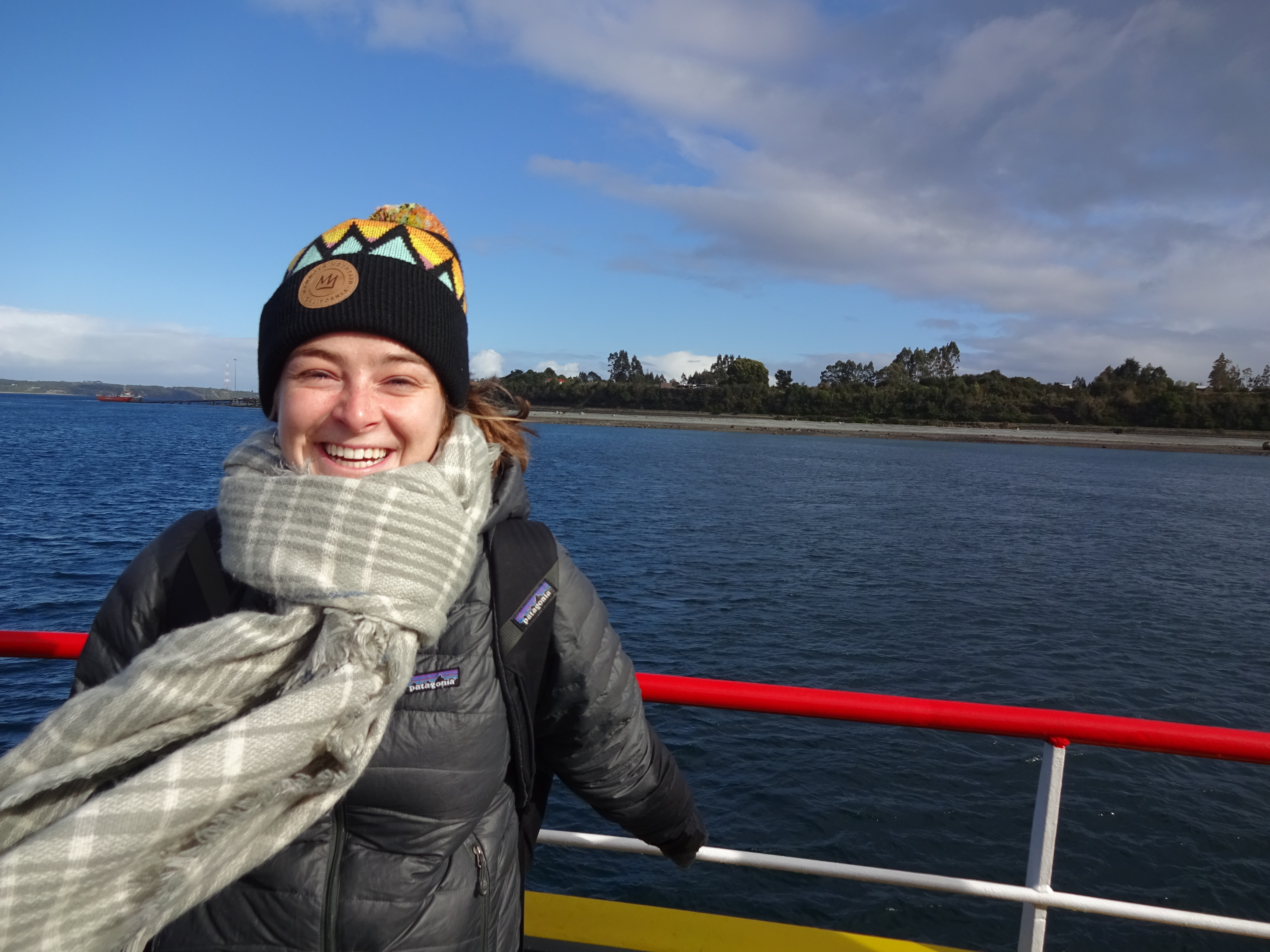
I think during these last days we all felt a bit like those paper boats fighting against the water and the wind. The whole trip felt like we were fighting against something inevitable (and we were, honestly). Erin and Kelsey are leaving Chile tonight and I leave tomorrow. It feels surreal that we are all departing as it also feels like we got here yesterday. Pretty crazy stuff. The trip to Patagonia, however sad it made us feel about having to leave Chile, was an incredible trip. We saw beautiful sights and met awesome people (and penguins). I can’t wait until the next time I find myself at the edge of the world.

Lots of love,

Cecilia

The Rival

Chile and Peru and big-time rivals. There is definitely some bad blood there…see the War of the Pacific 1888, where Chile basically took a bunch of Peru and Bolivia’s territory to make their country longer than it already is… ok Chile. The Chileans and Peruvians are both convinced that their shared national liquor, pisco, originates from their respective countries and you will never convince either of it otherwise. You get it, they’re rivals.

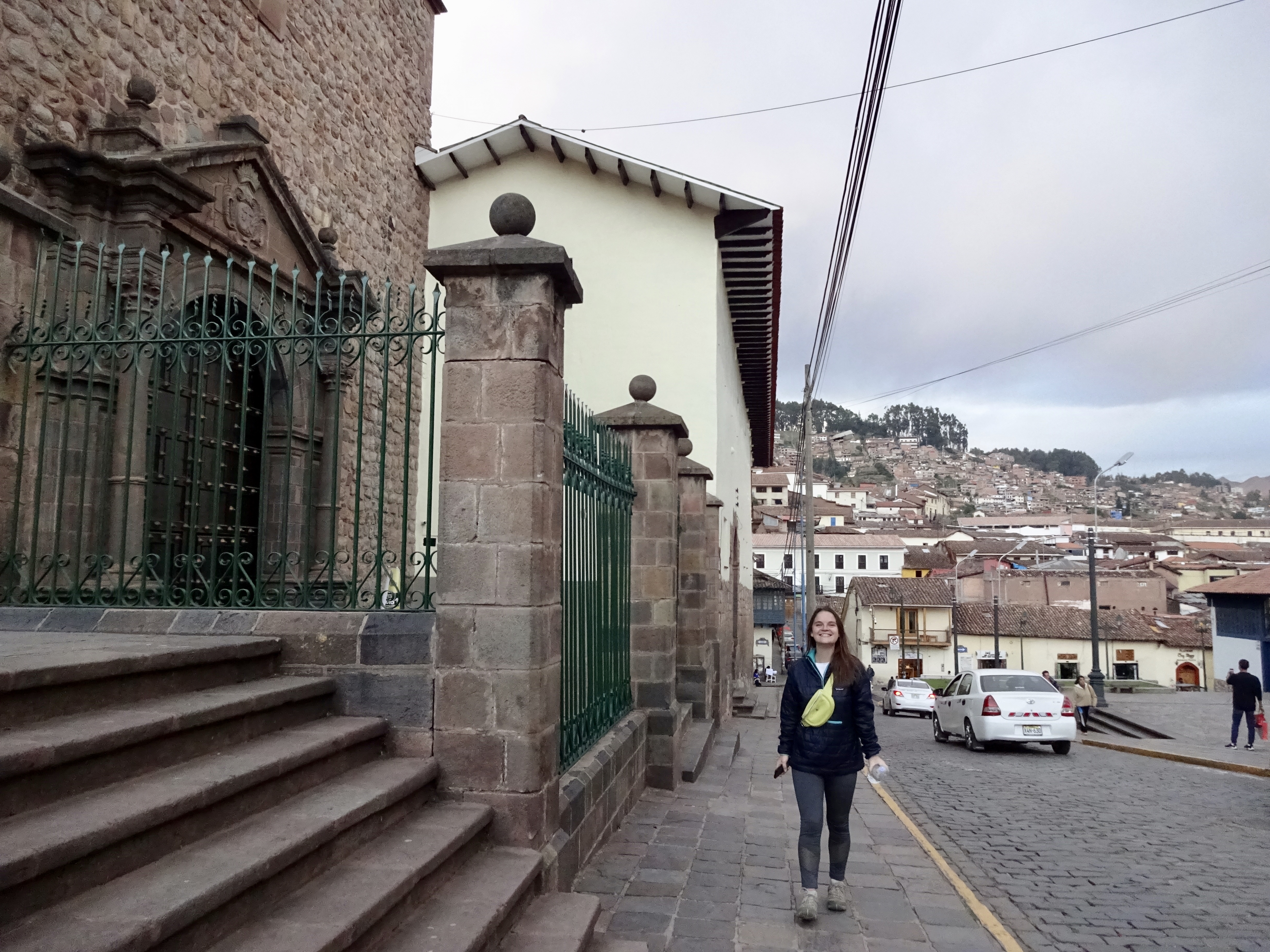
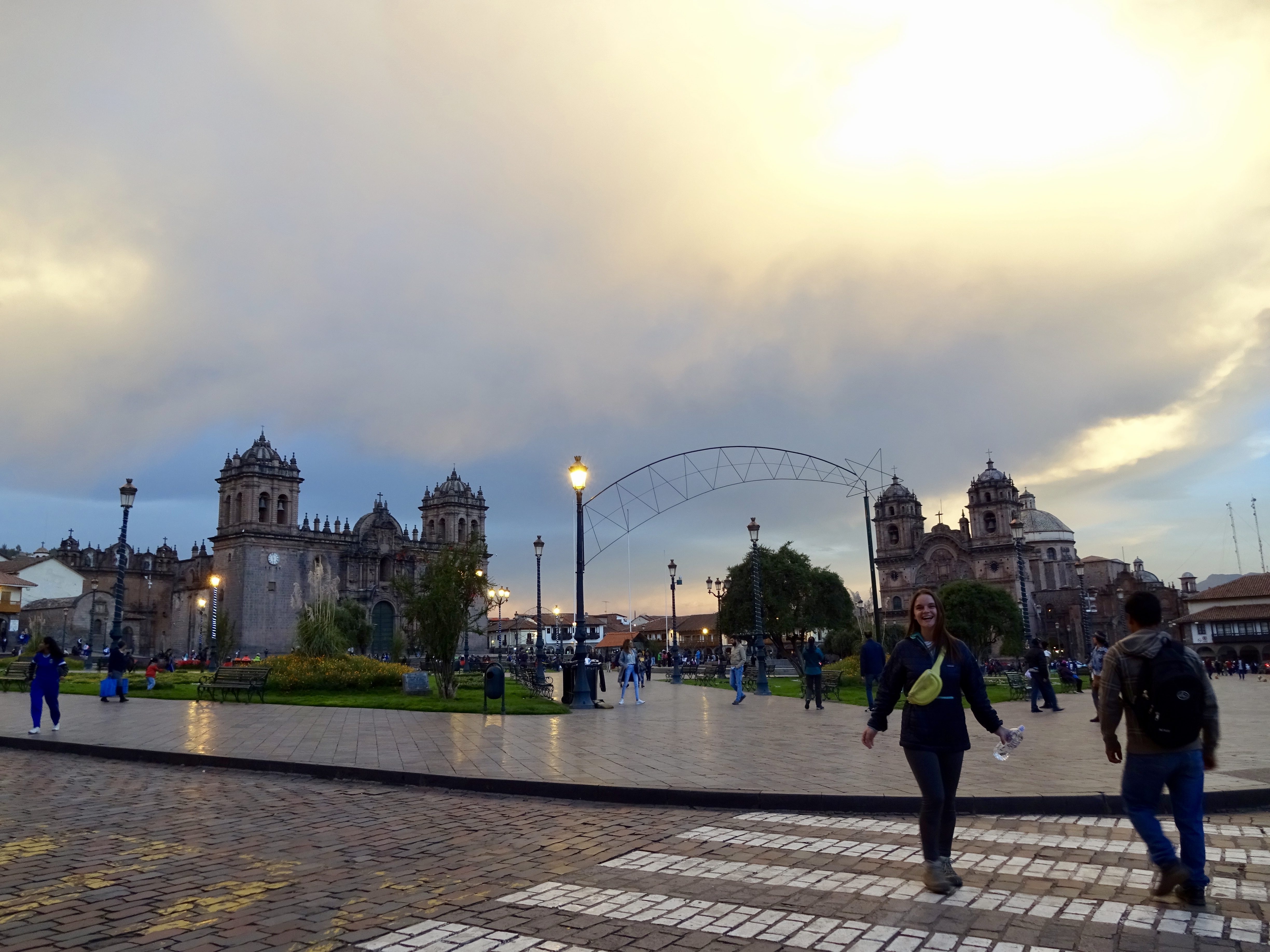
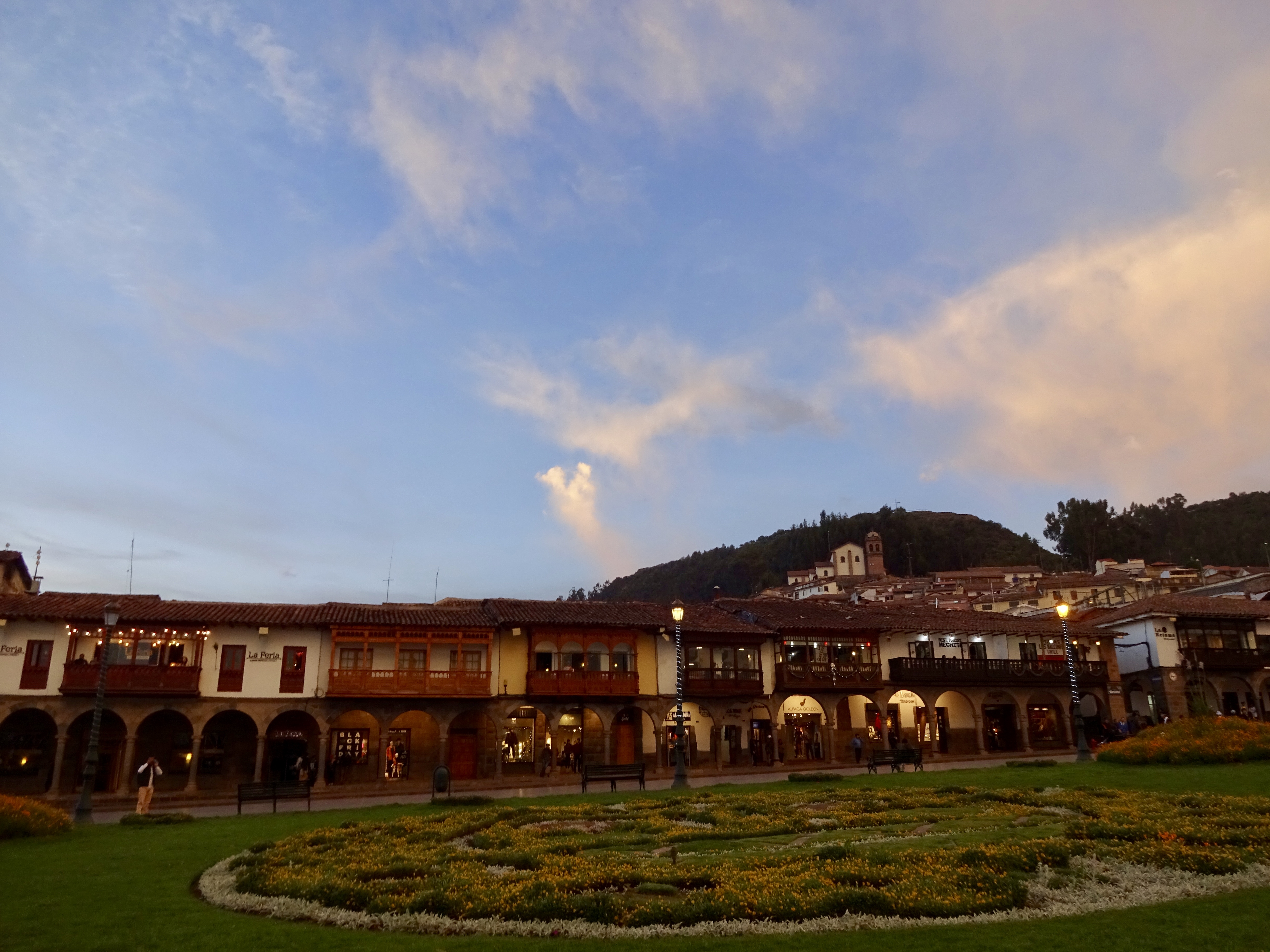
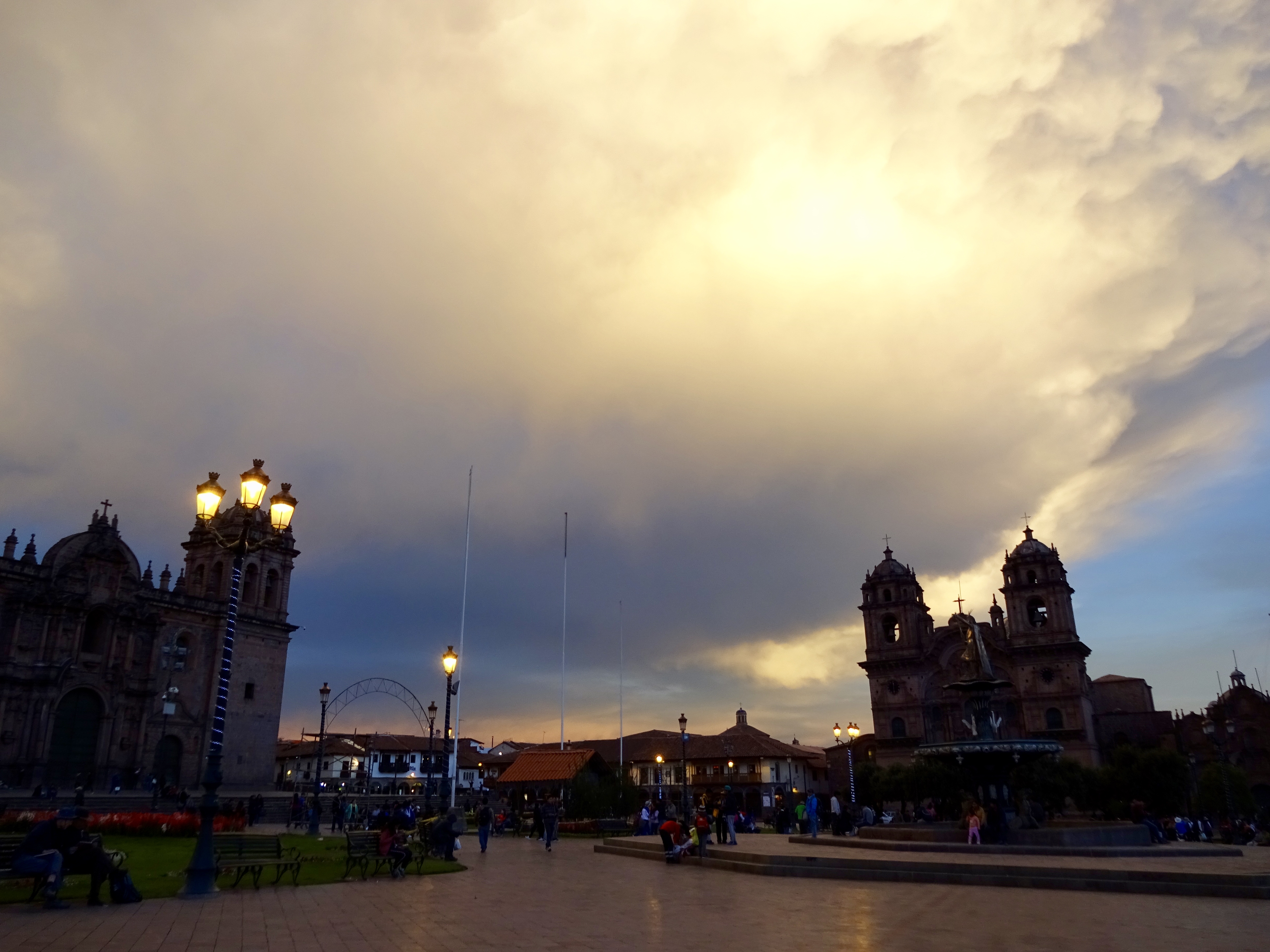
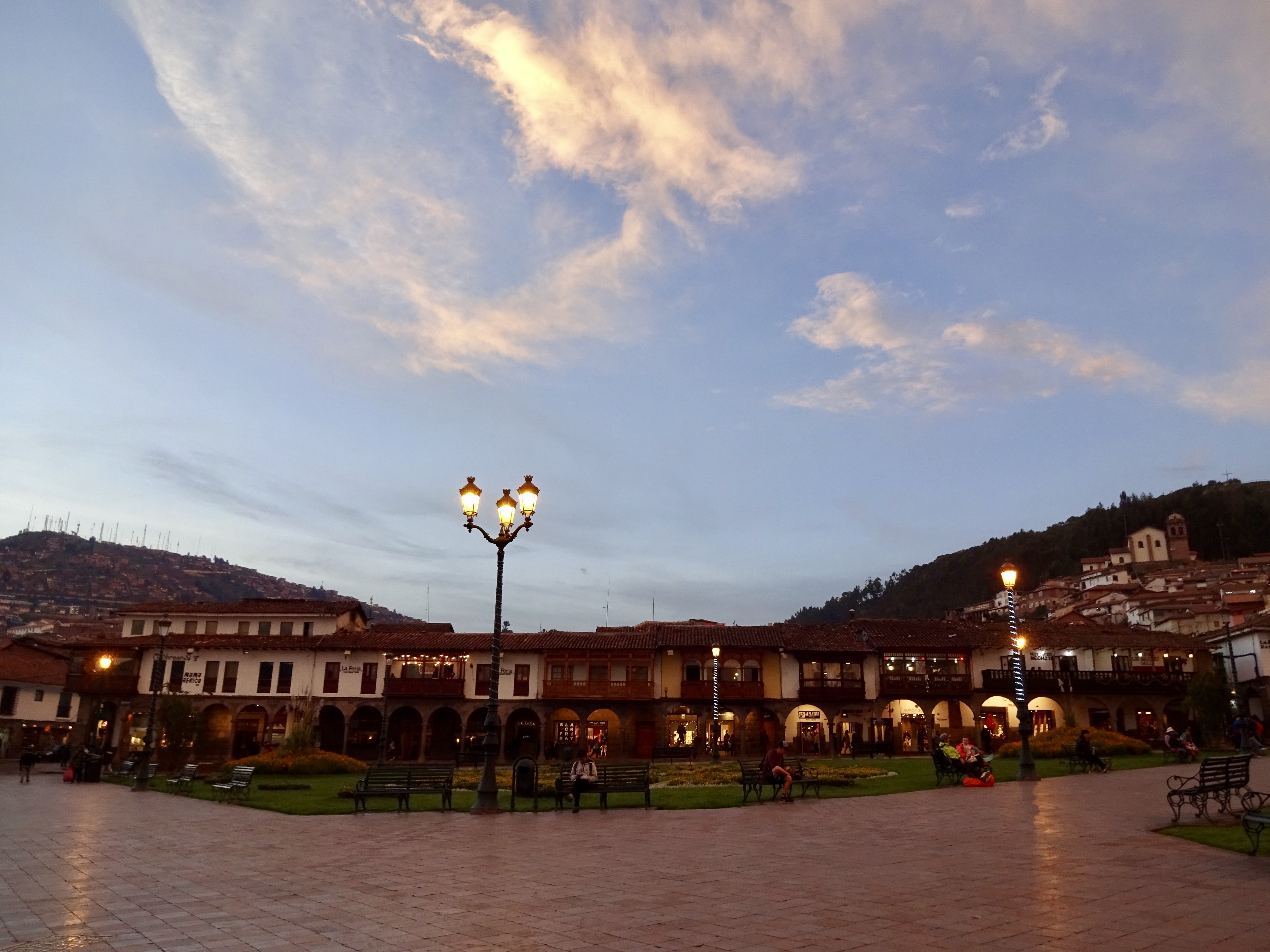
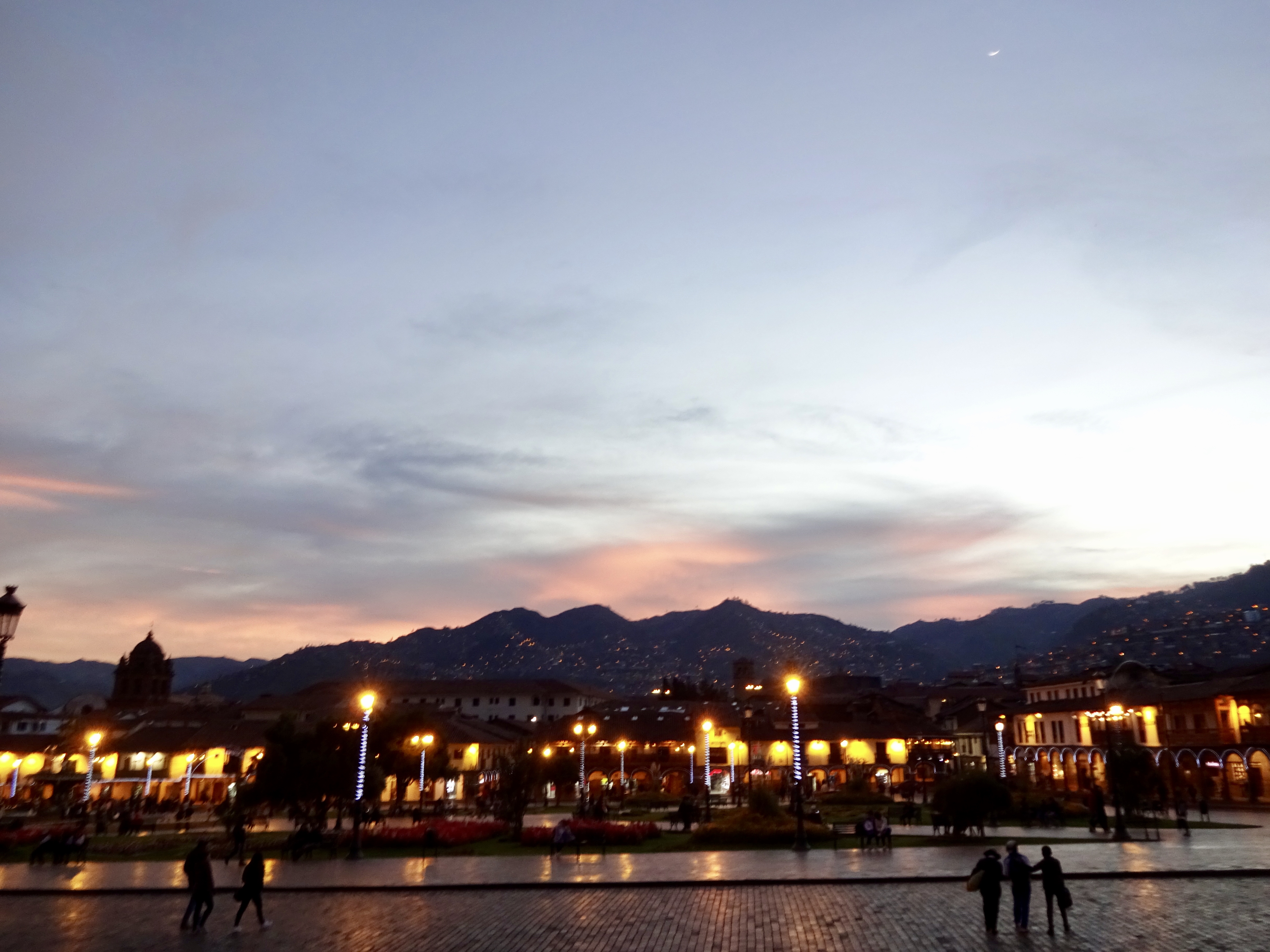
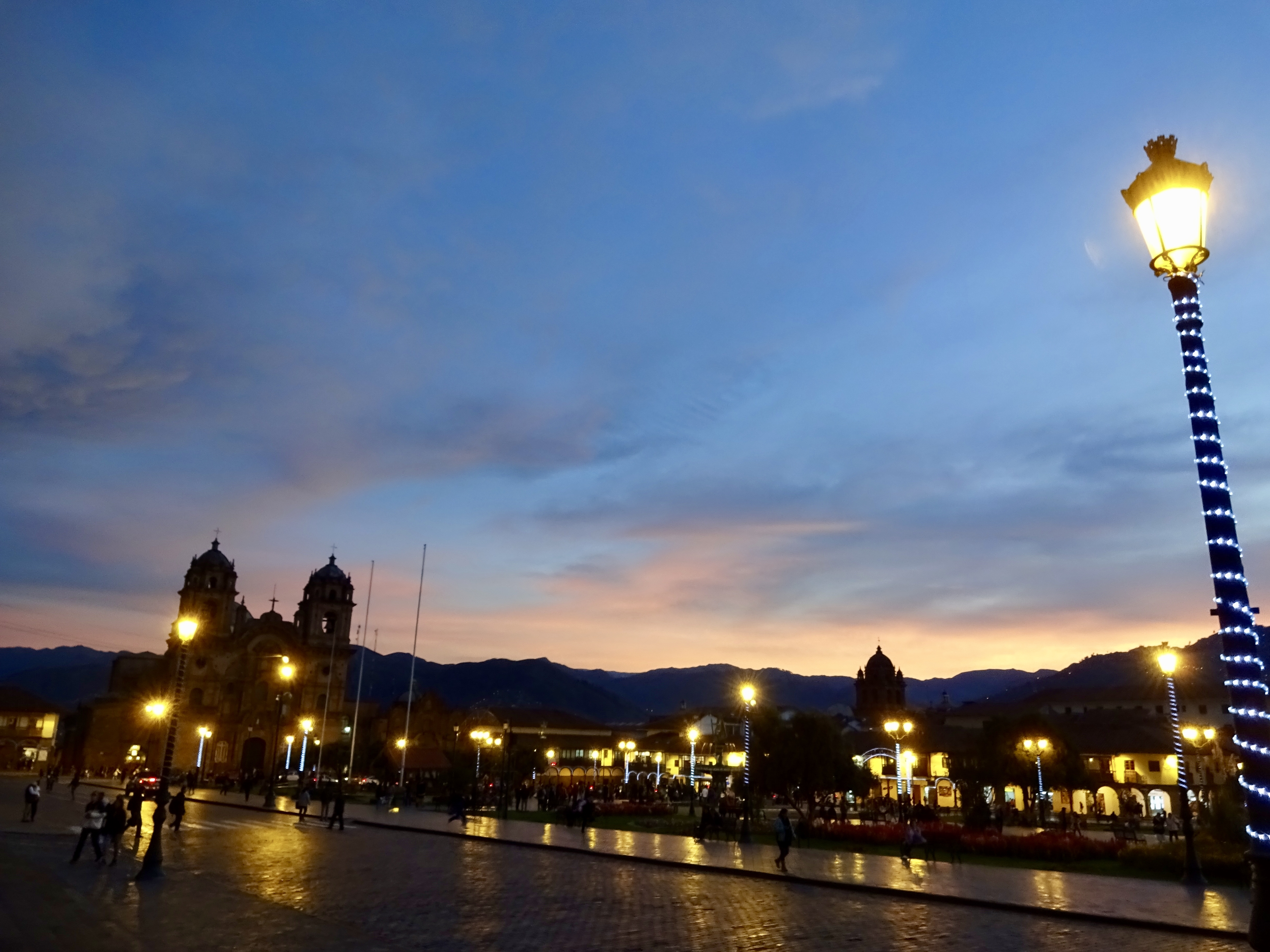
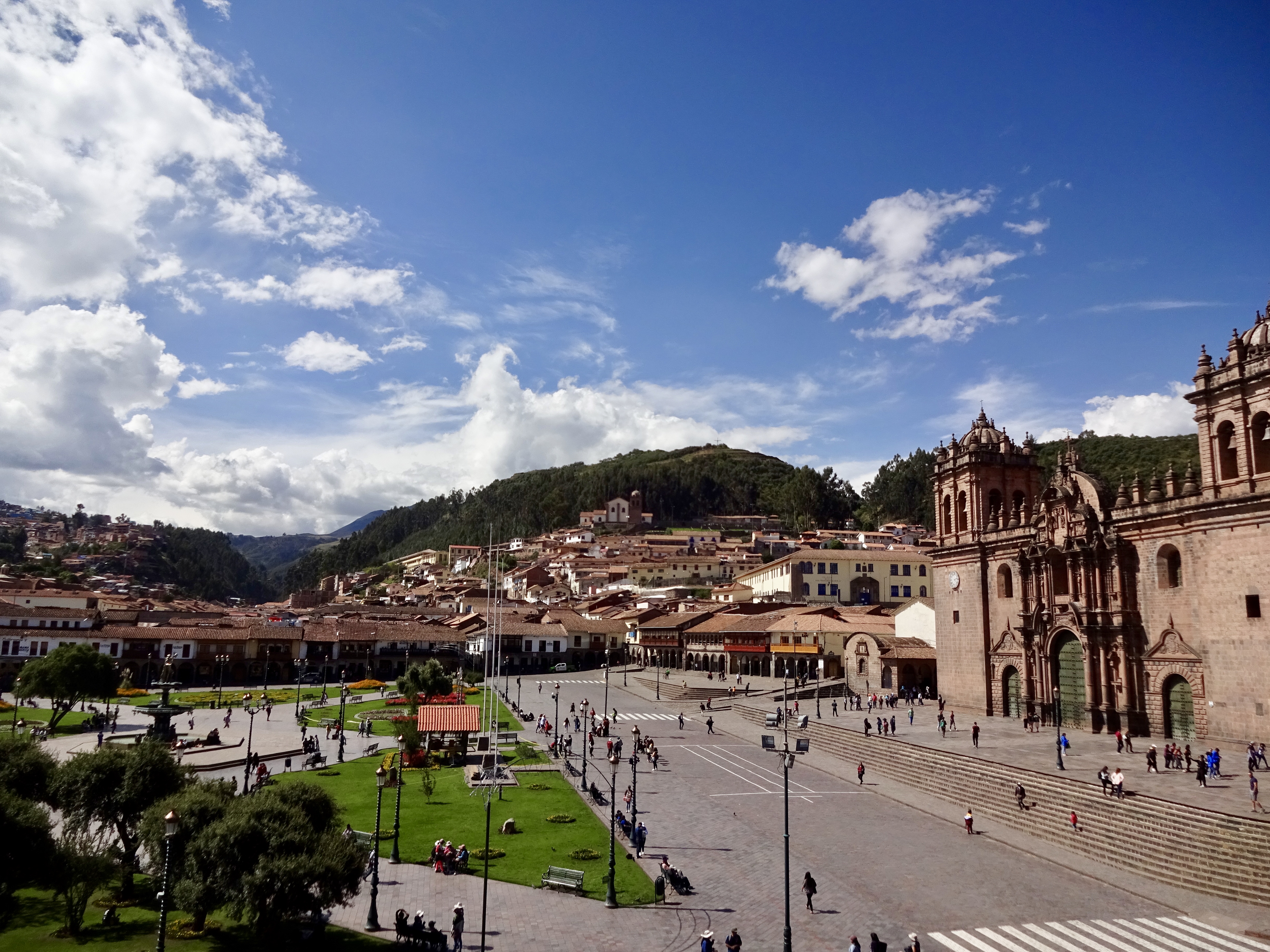
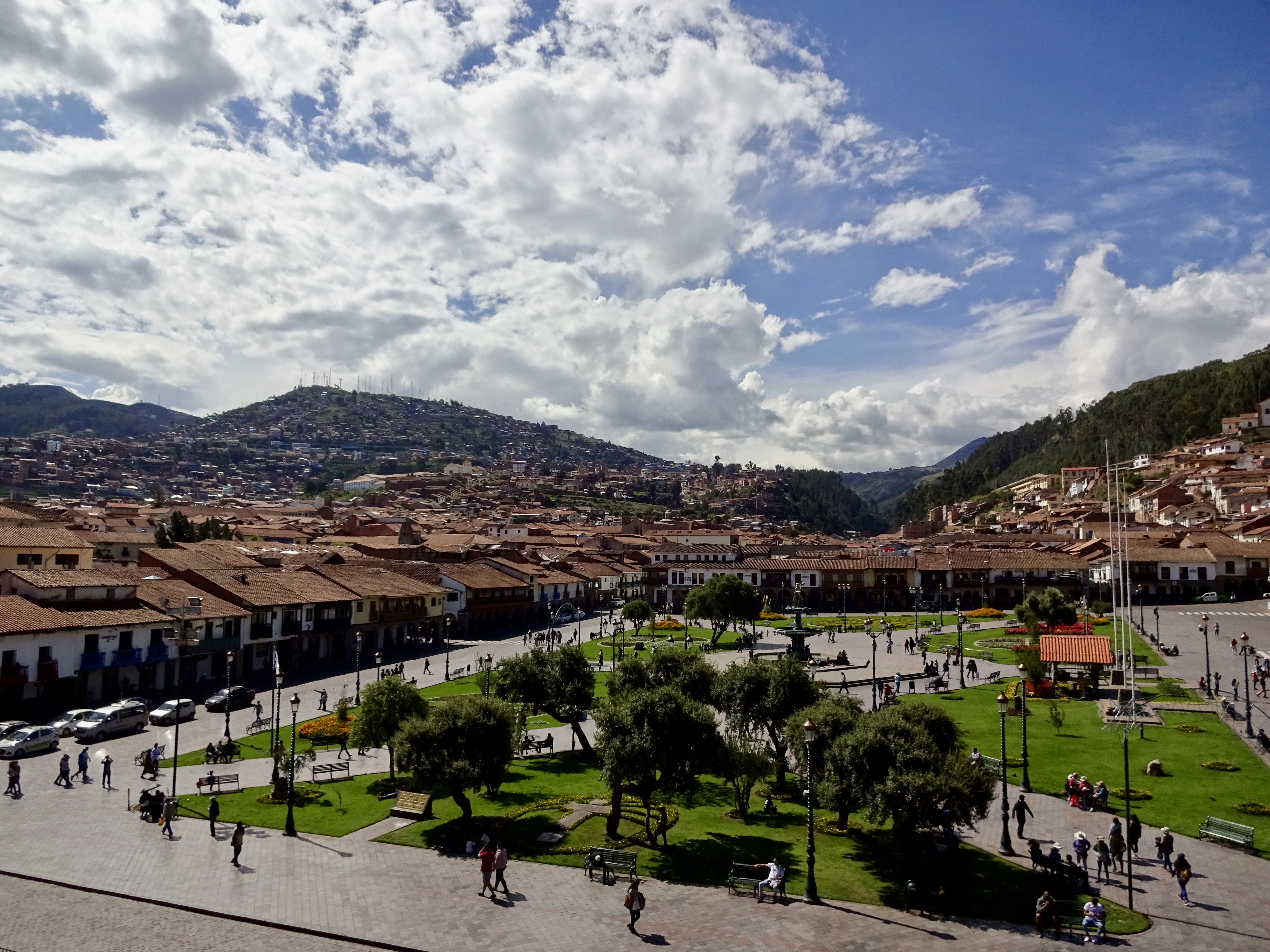
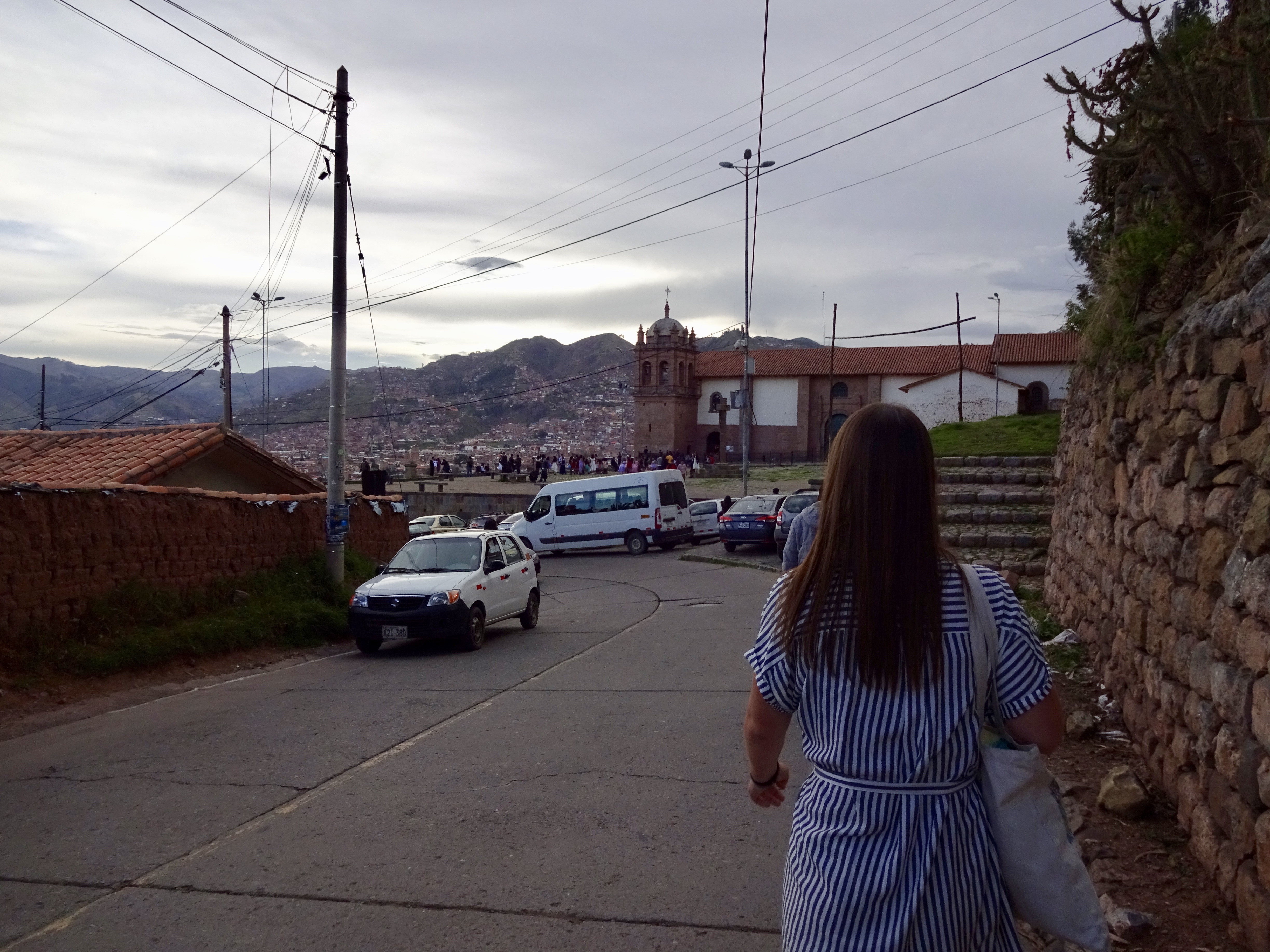
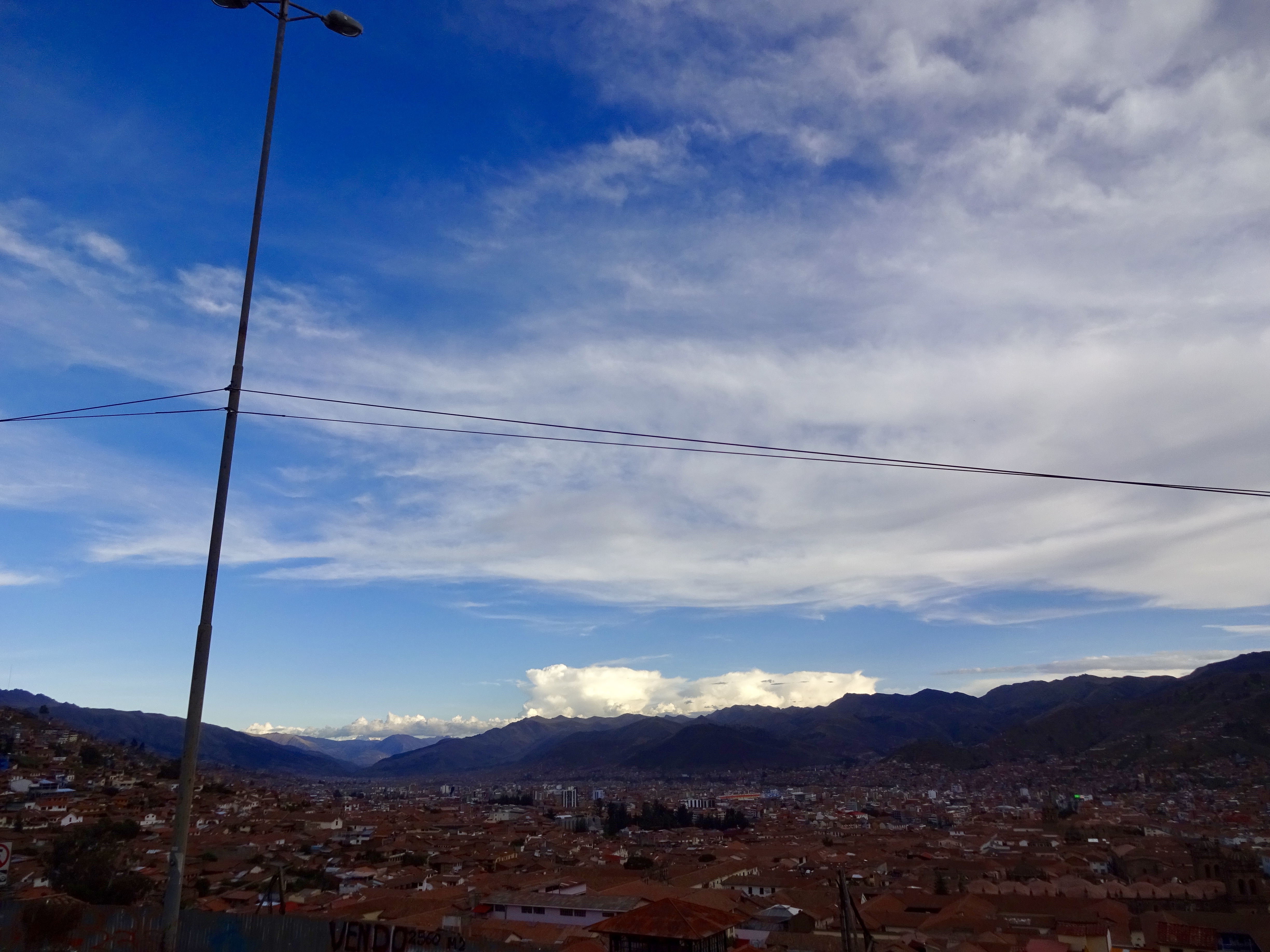
I had heard amazing things about Peru, so naturally it was on my South America travel list. Kelsey and I luckily found direct flights from Santiago to Cusco all the way back in September, so we bought them! Little did we know all of the things that were going to happen between that day on campus and when we were slated to leave on November 29th. By the time the 29th did arrive, it felt so fast and yet so slow at the same time. Had the last two months of turmoil REALLY happened? Either way, we were on a plane bound for Peru with an itinerary stacked to the brim with Inca ruins and hiking (yes, including the must-see Machu Picchu). We arrived in Cusco and checked into our hostel, an adorable place with a courtyard and a great vibe in general. We walked to our dinner reservation in the main Plaza de Armas and when we got there, we were greeted by the most amazing view of the sun setting over the hills surrounding the city. We then had a delicious dinner of Japanese-Peruvian fusion food and headed back to the hostel to rest up before our first day of exploring.

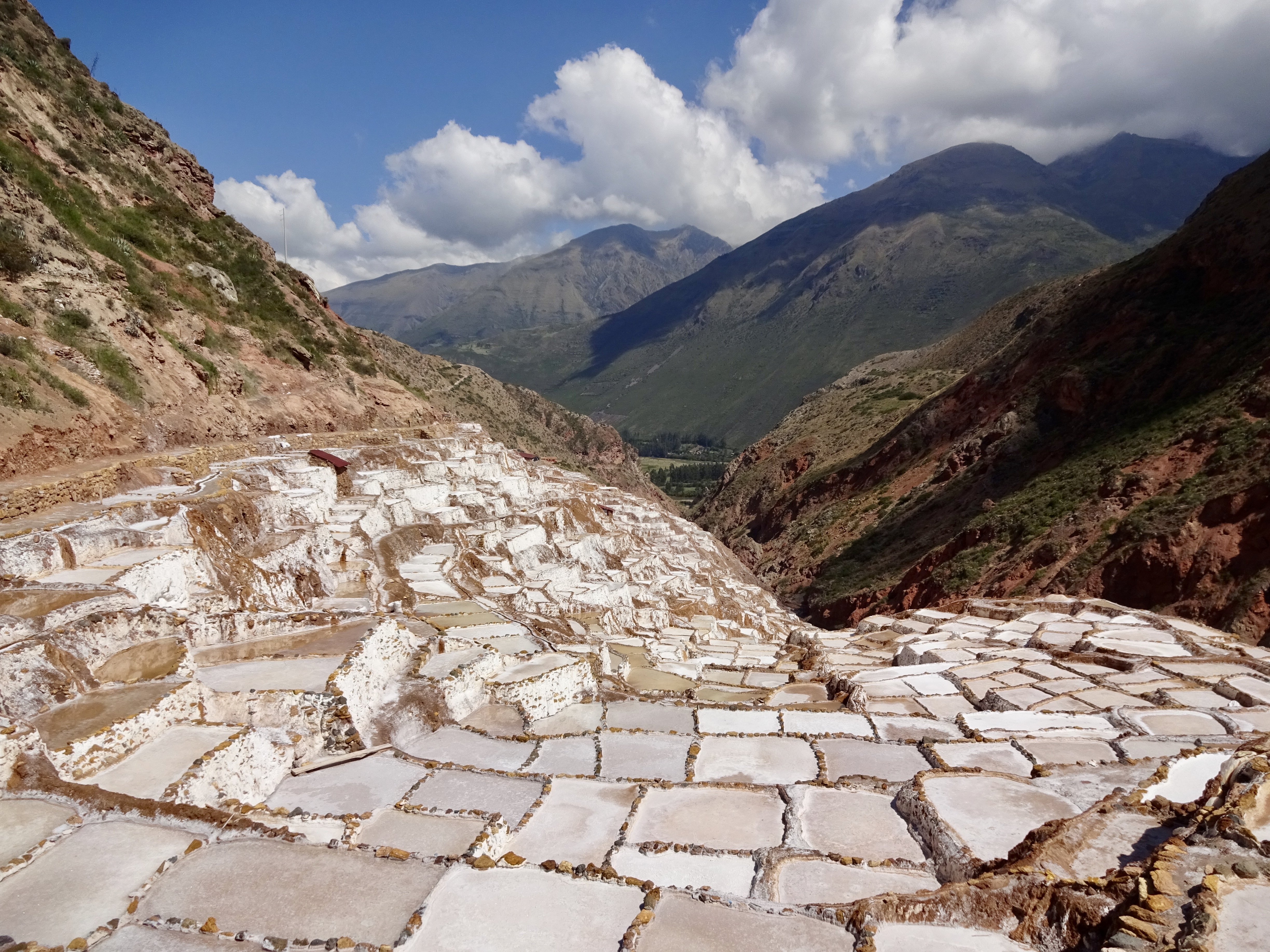
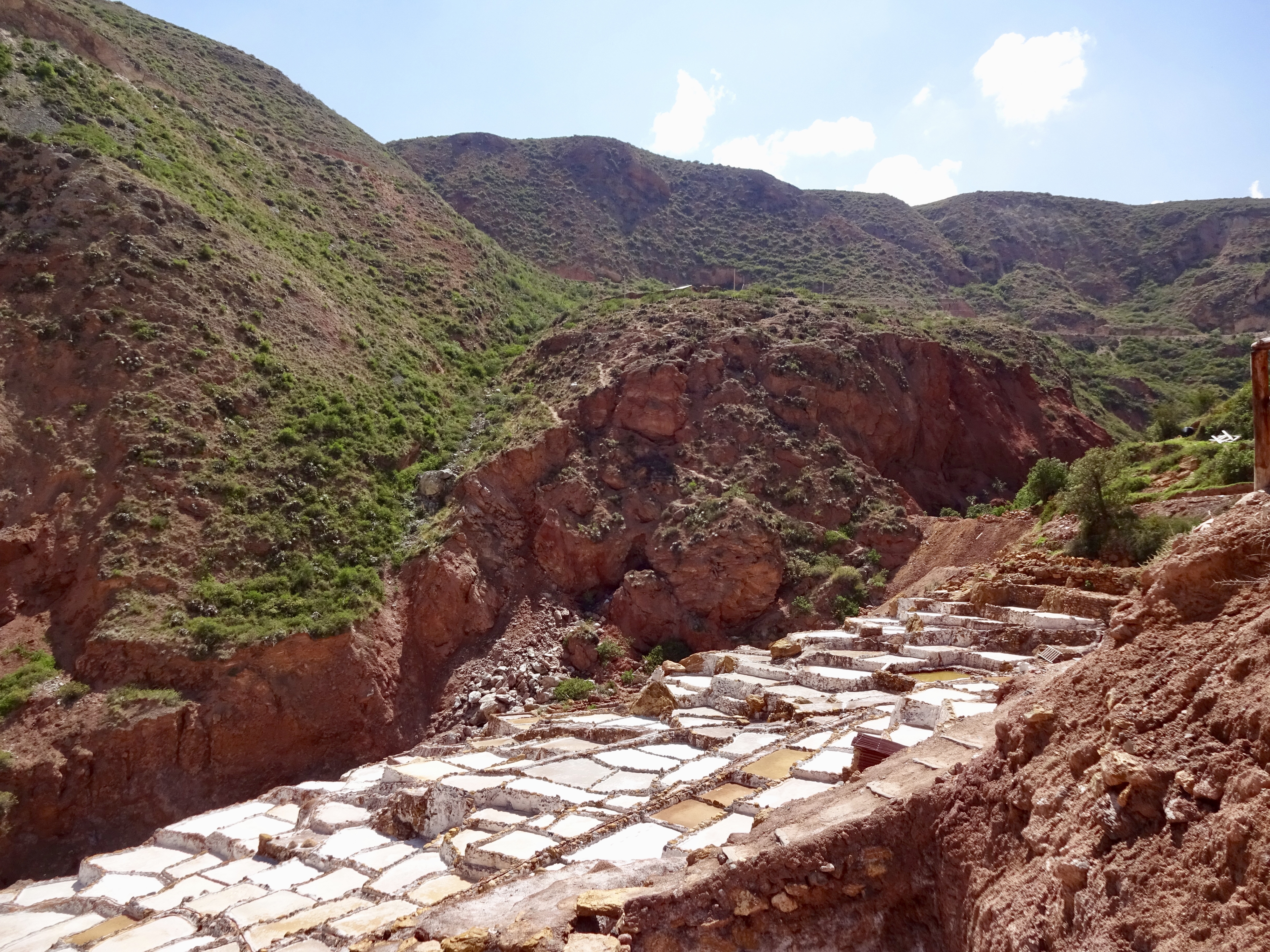
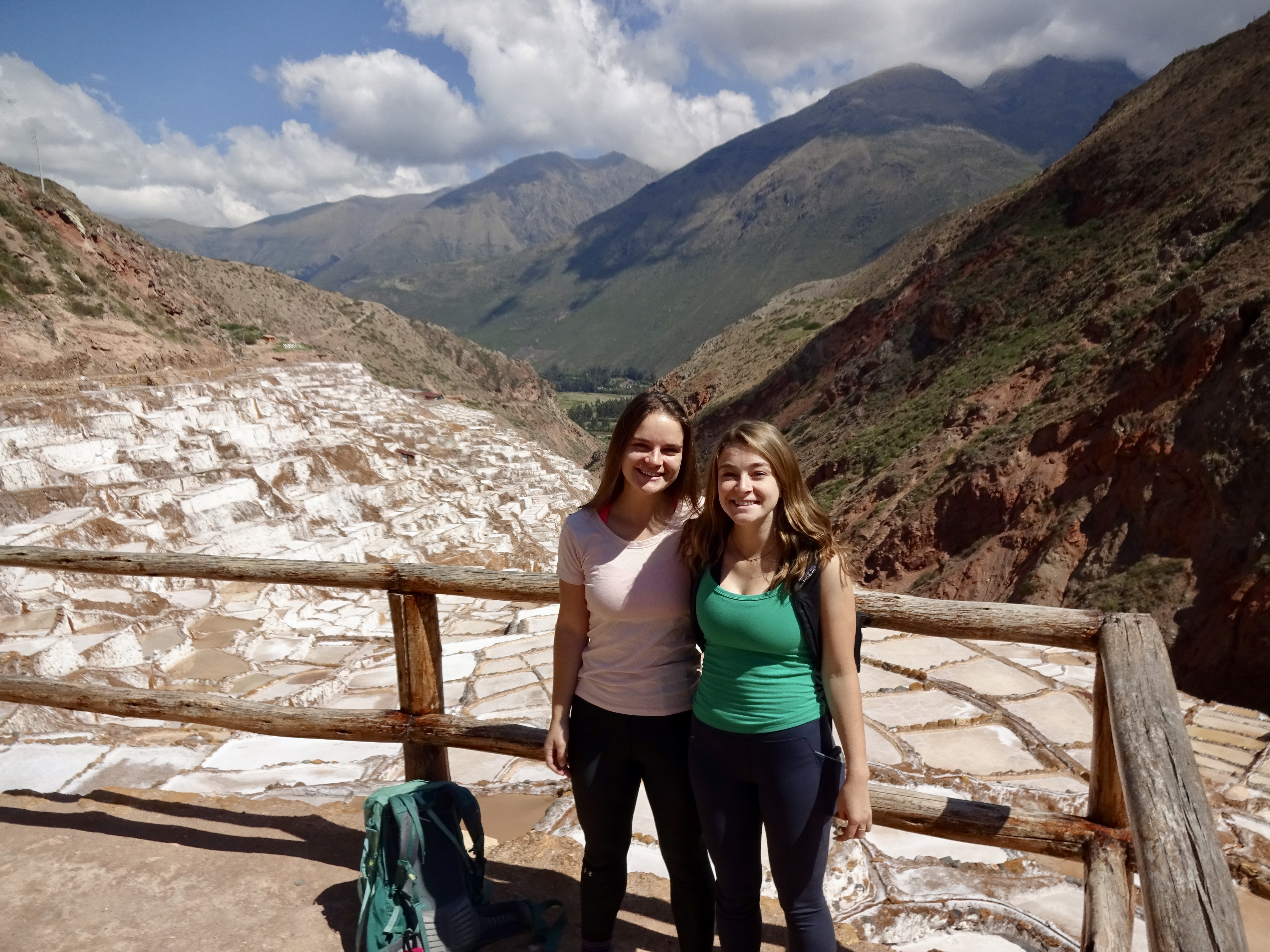
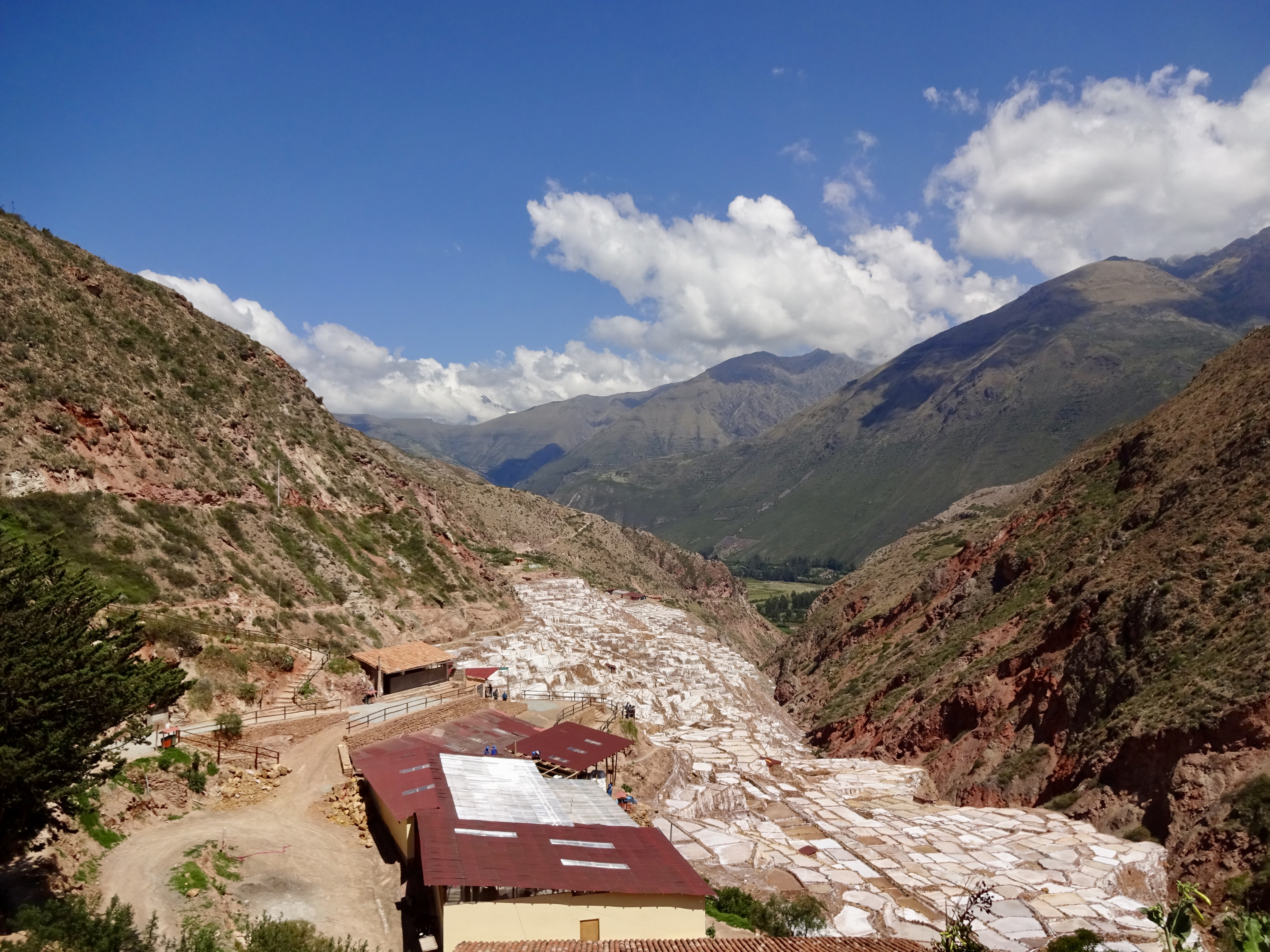
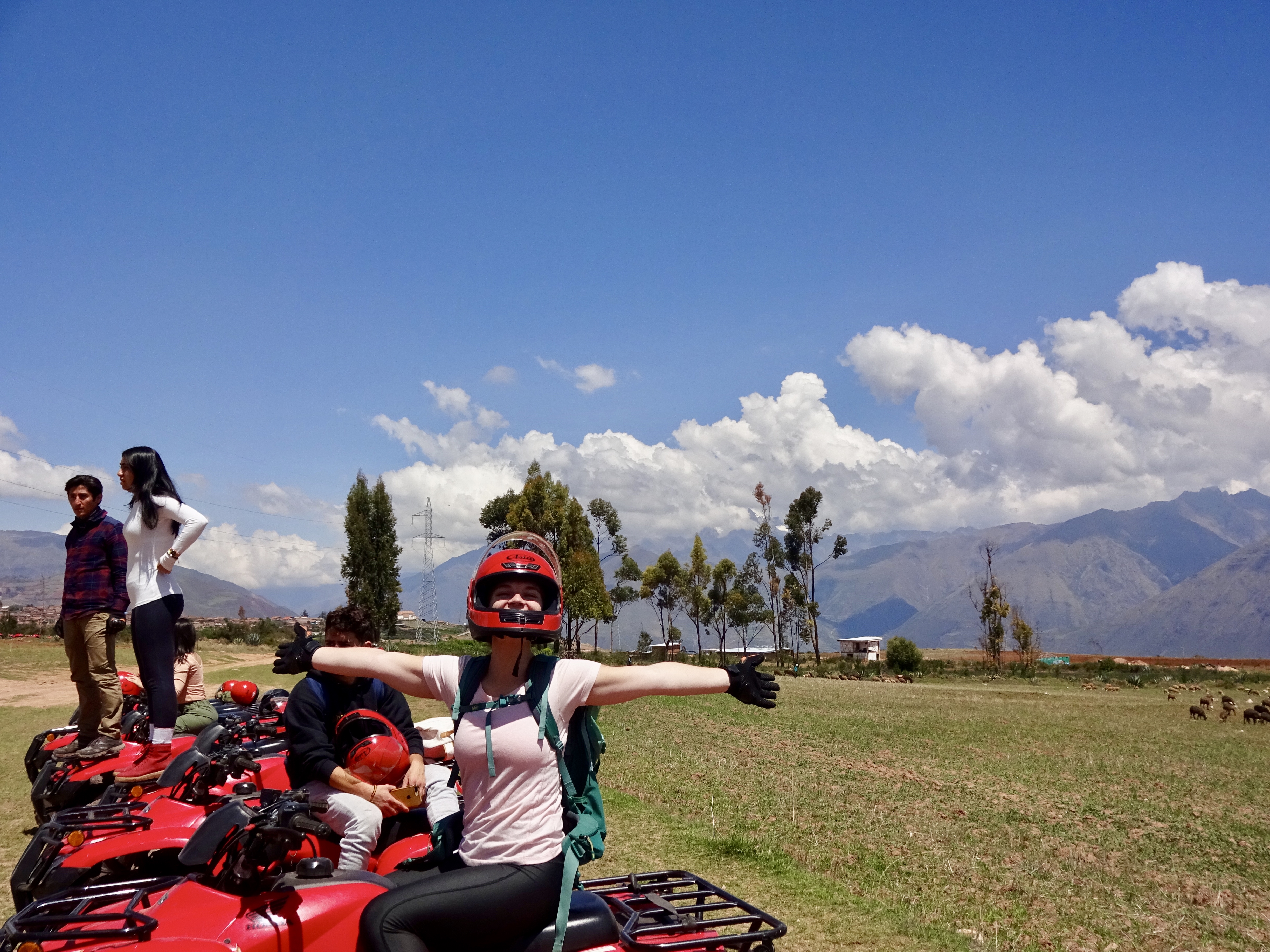
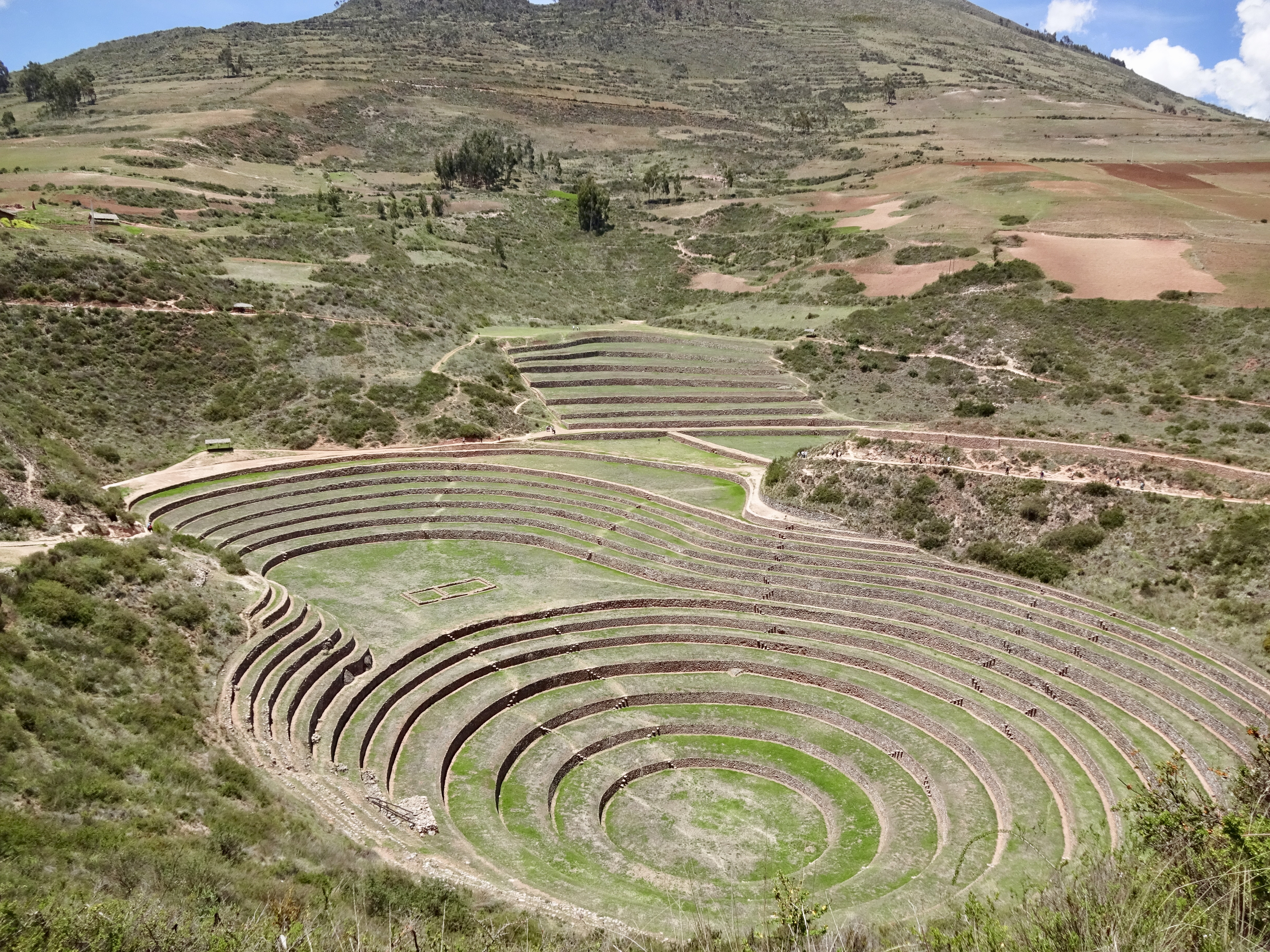
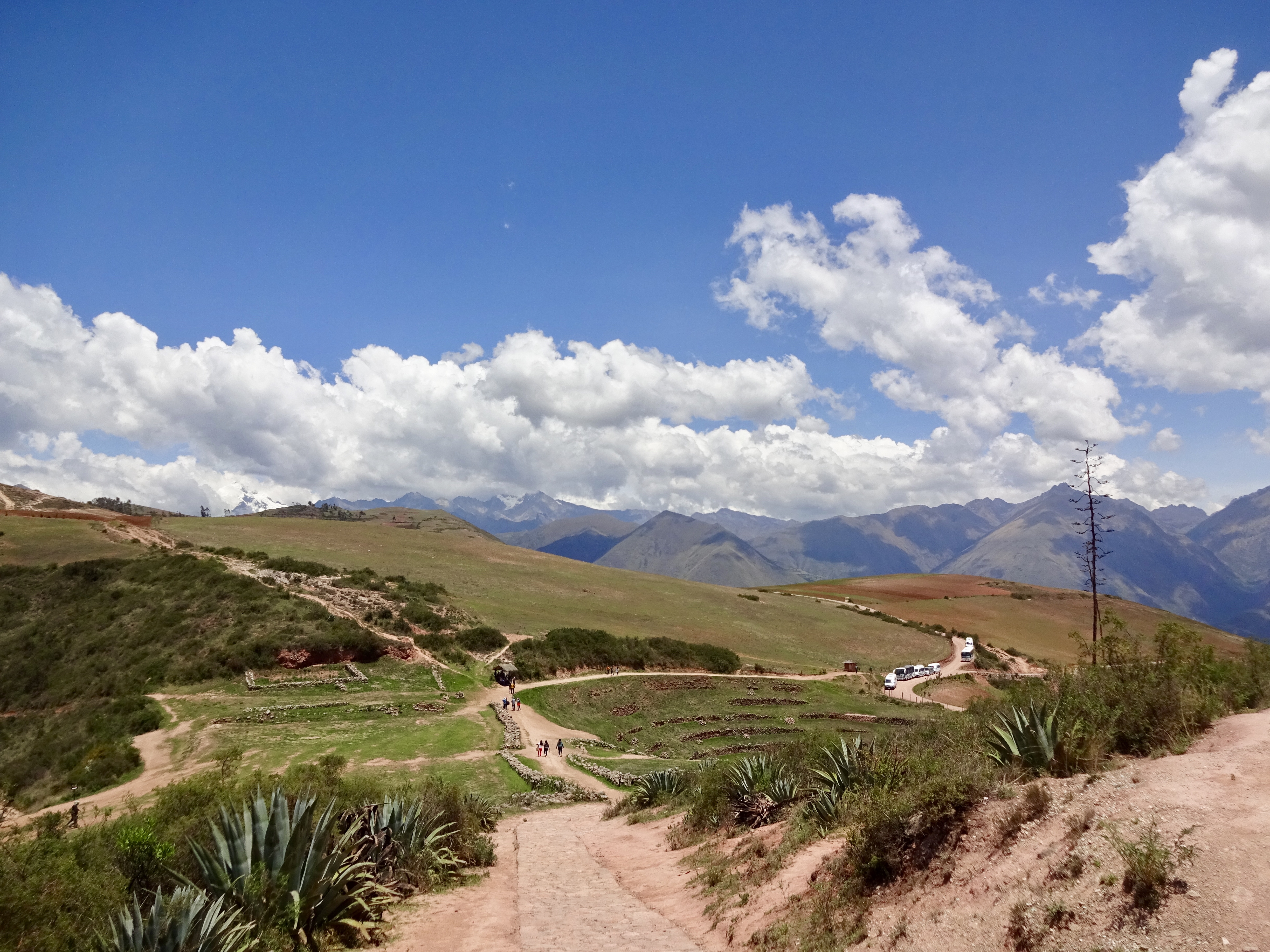
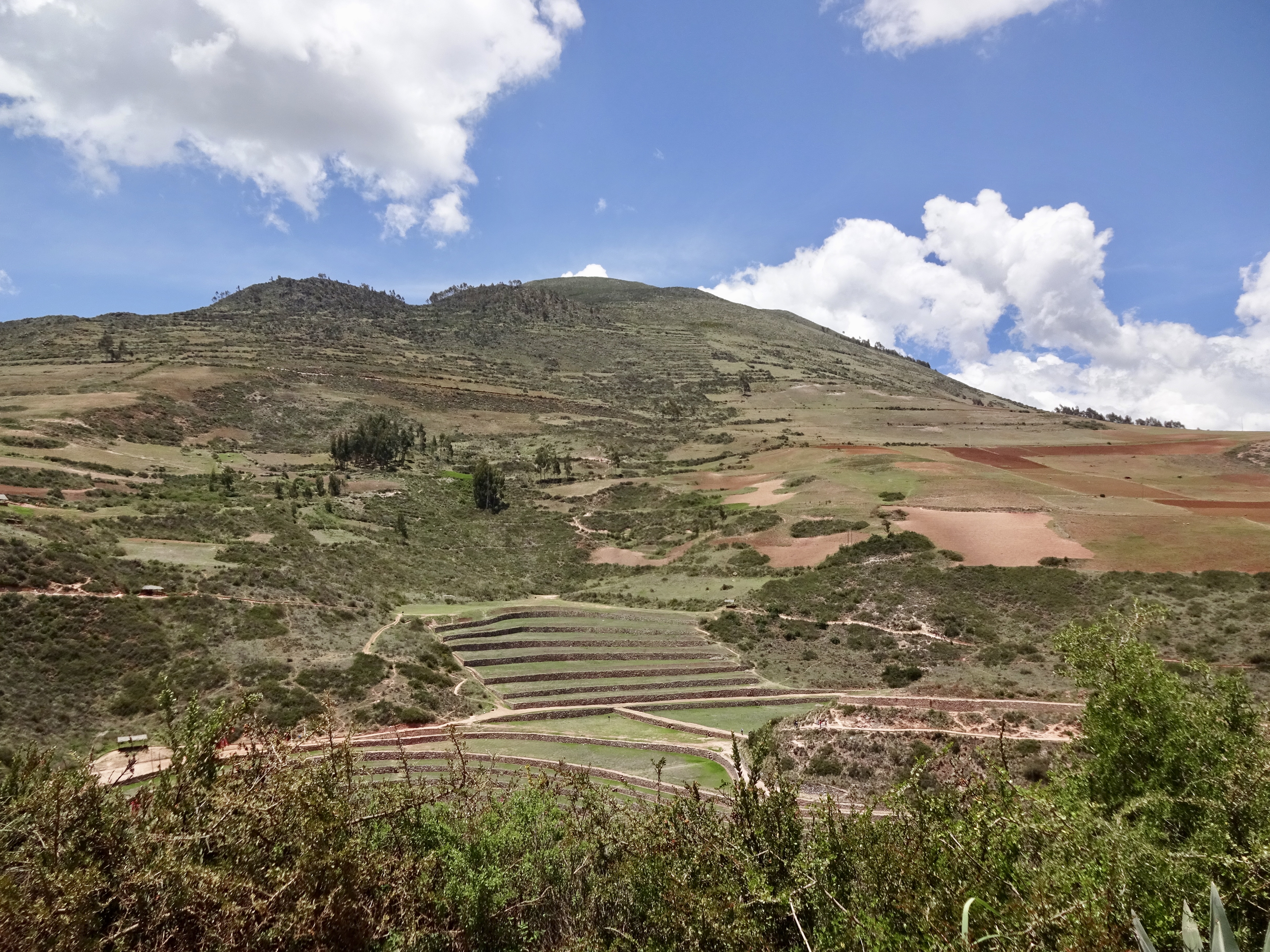
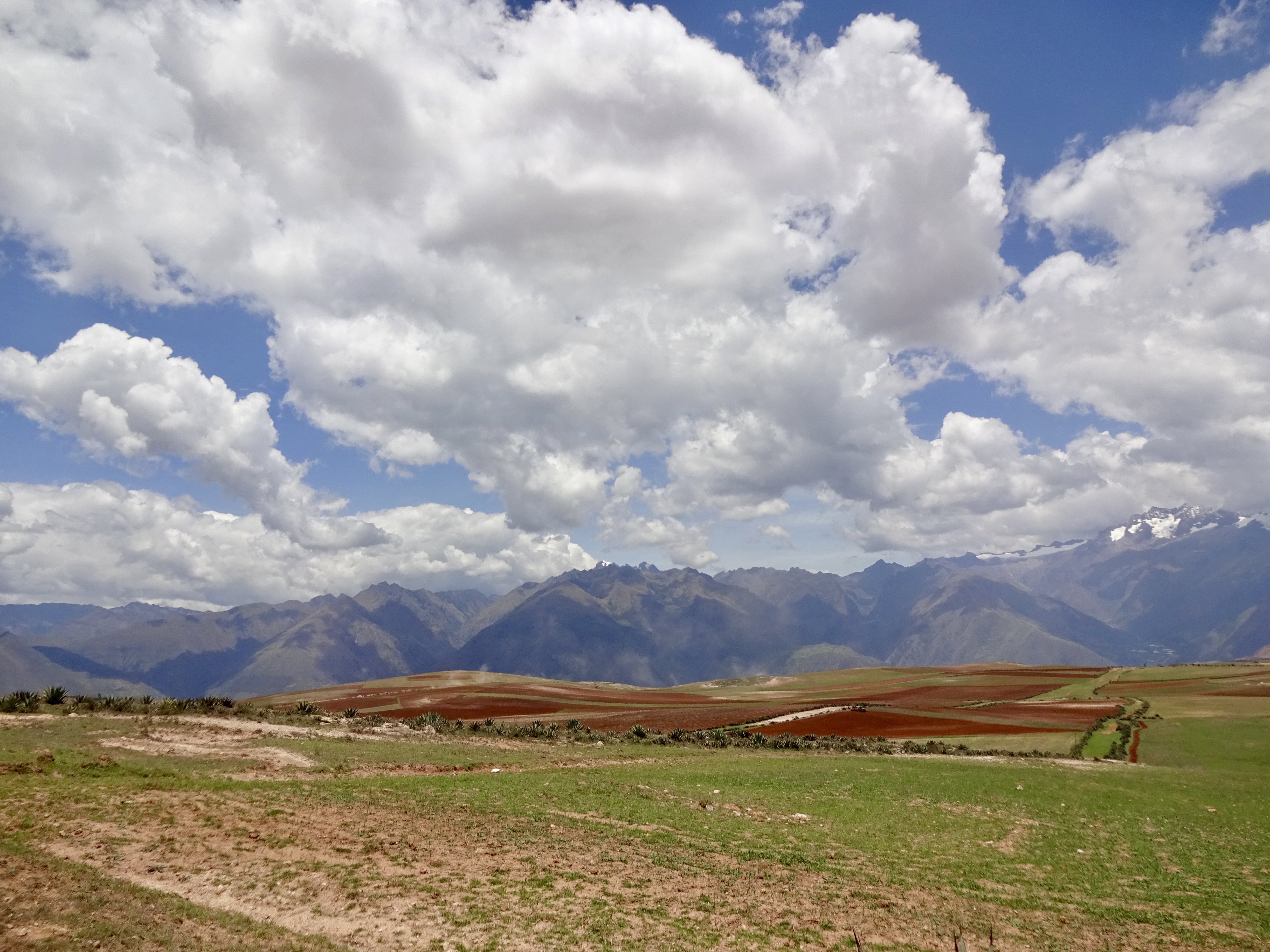
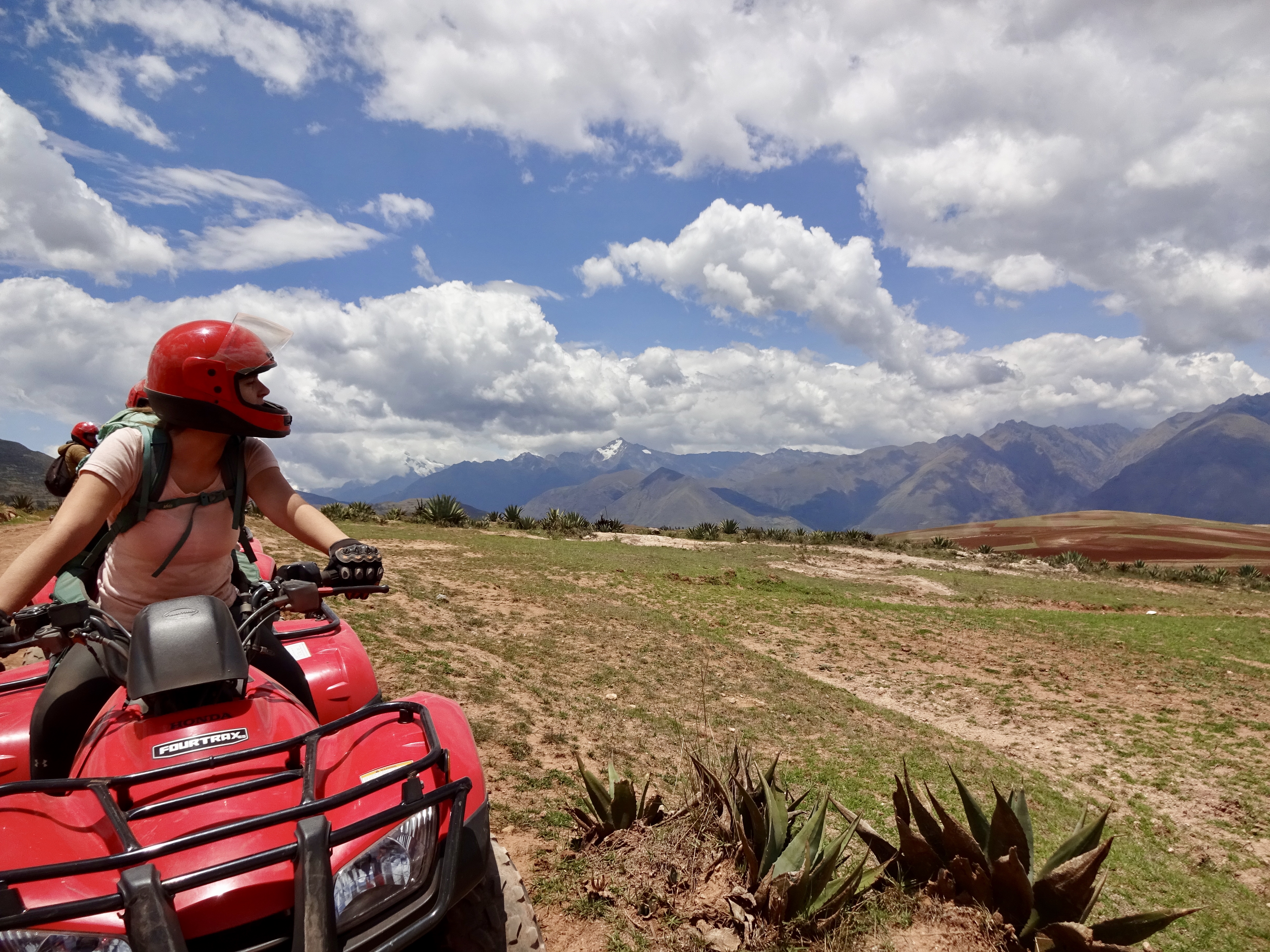
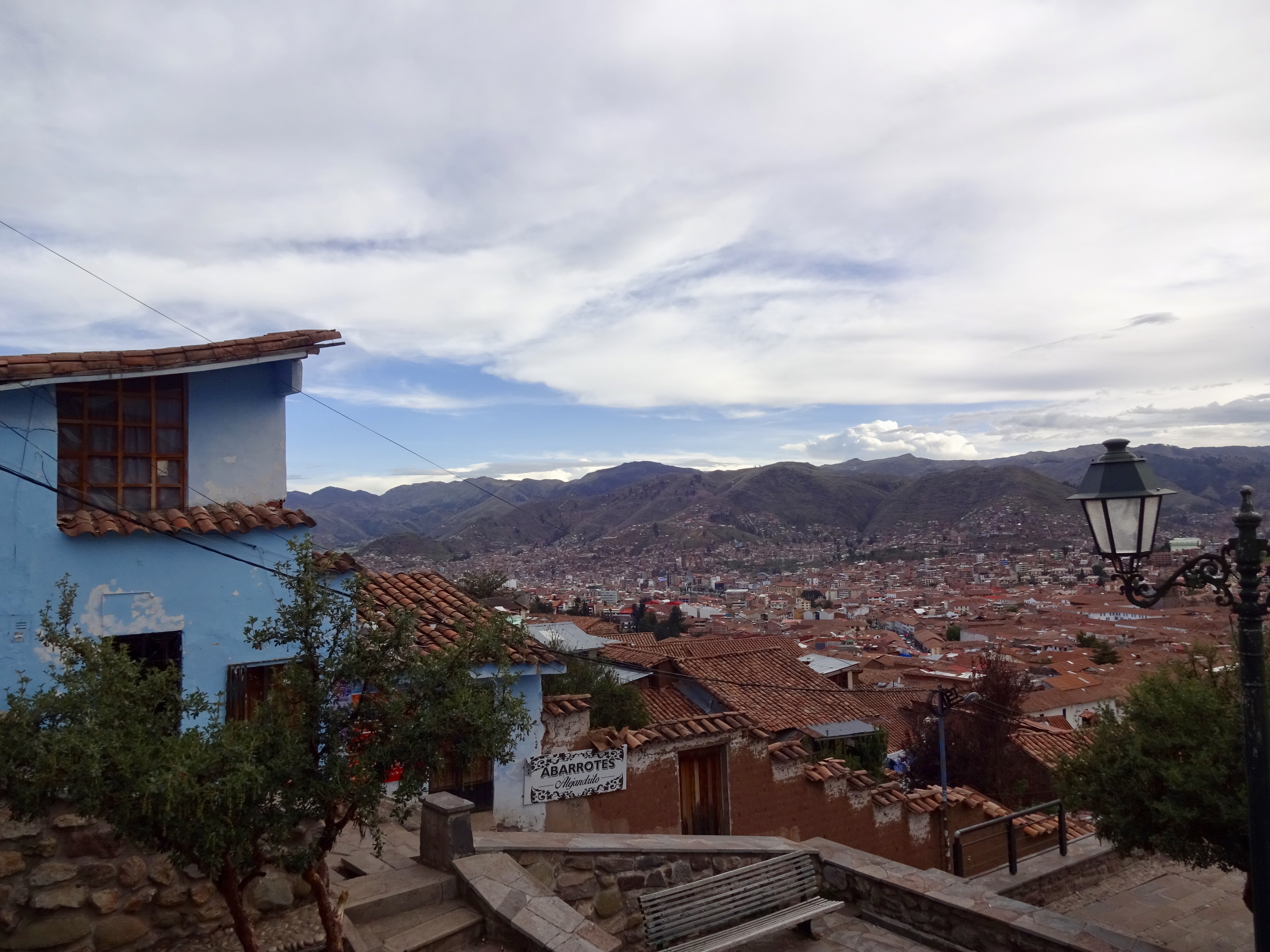
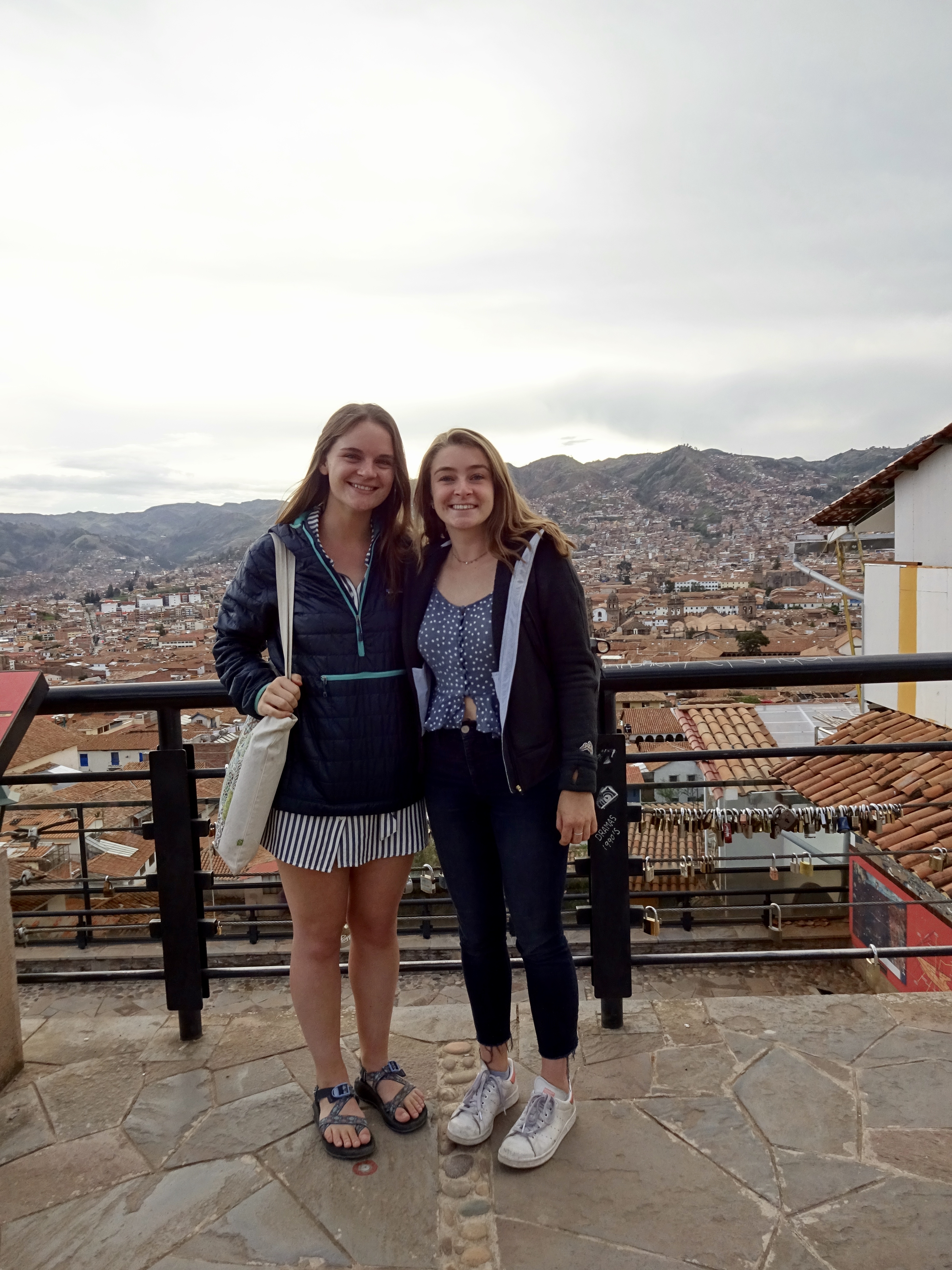
The first day was a half day exploring ruins (on ATVs!!) and the rest wandering around Cusco. We were picked up at our hostel by our tour at 7am, took a lesson on how to work the ATVs and we were off. First, we visited the Maras Salt Flats, which is a site run by the people of the village of Maras. Each family has 3-5 salt pools, which they curate all year. These salt flats export internationally too, which is crazy! Next we took the ATVs to Moray, an Incan ruins site. This site was particularly incredible because we learned that the terraces were each different micro-climates! This means that the Incas could grow different plants from different climates (think rainforest, ocean, etc.) all in the mountains! Pretty awesome if I do say so myself. After the tour was over, we went to this yummy vegan restaurant and wandered around the cute neighborhood of San Blas, where every turn has adorable houses and incredible vistas of Cusco. We had an early dinner and then headed home to pack before the next day: we were headed to Machu Picchu!

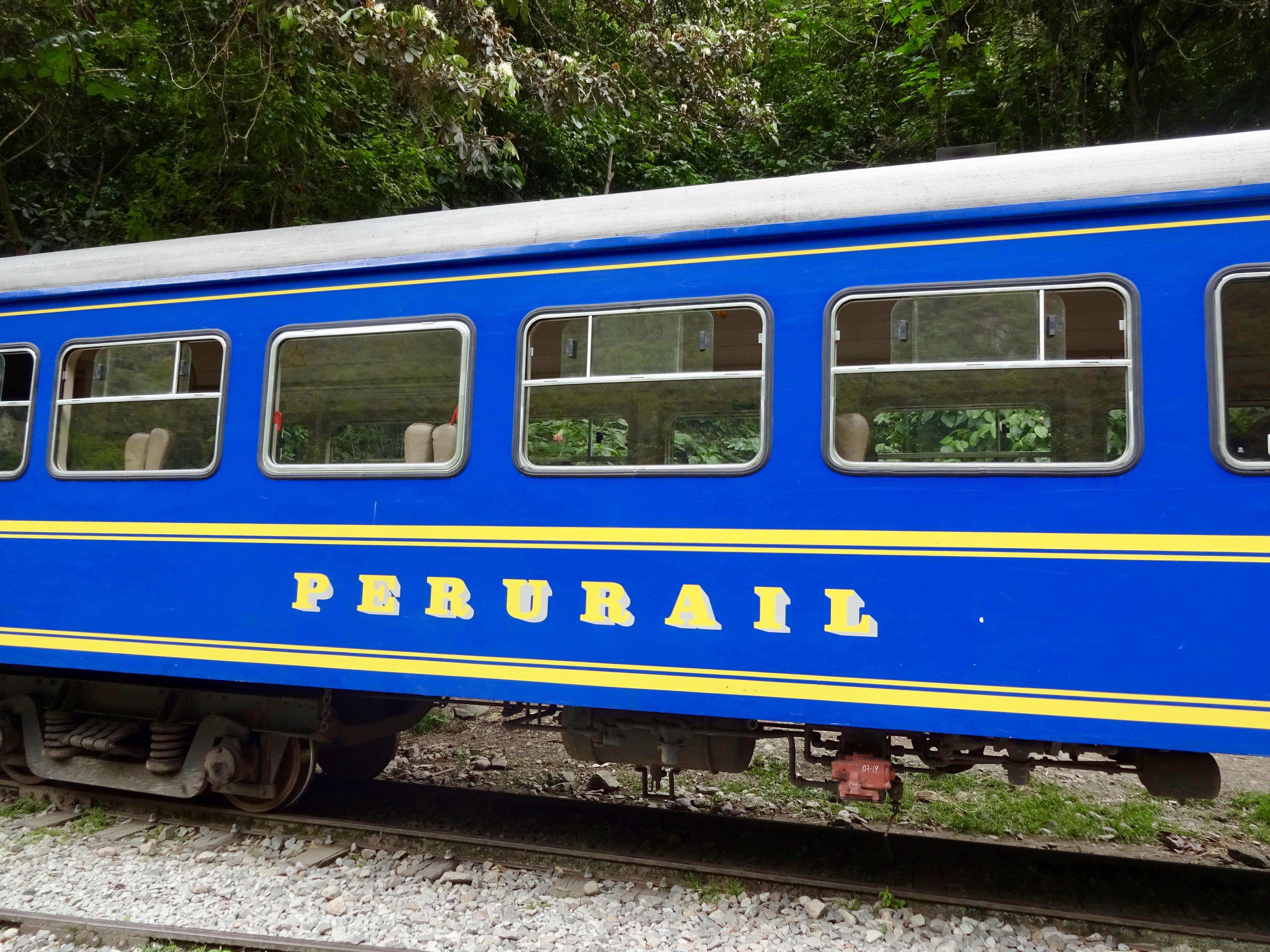
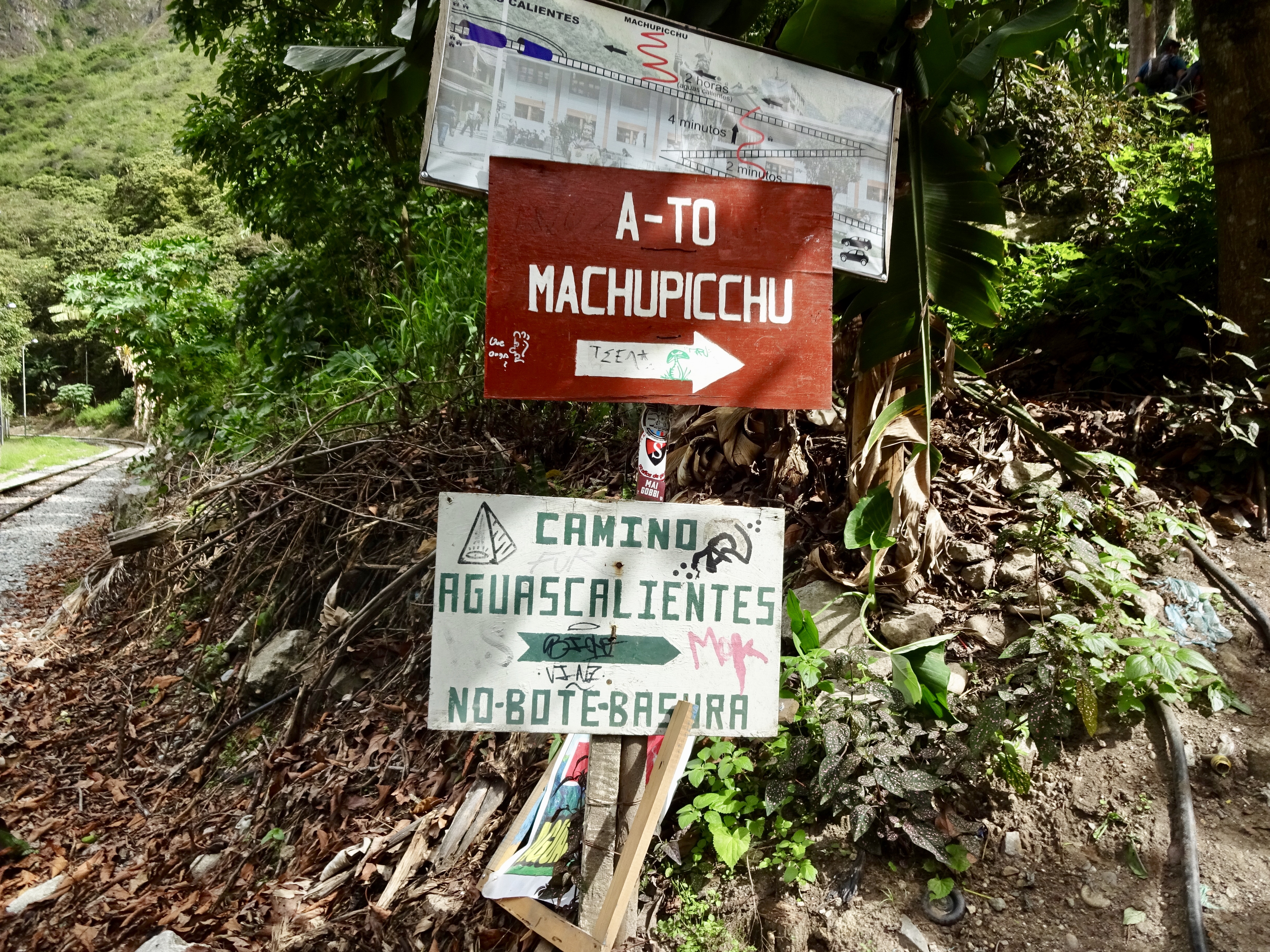
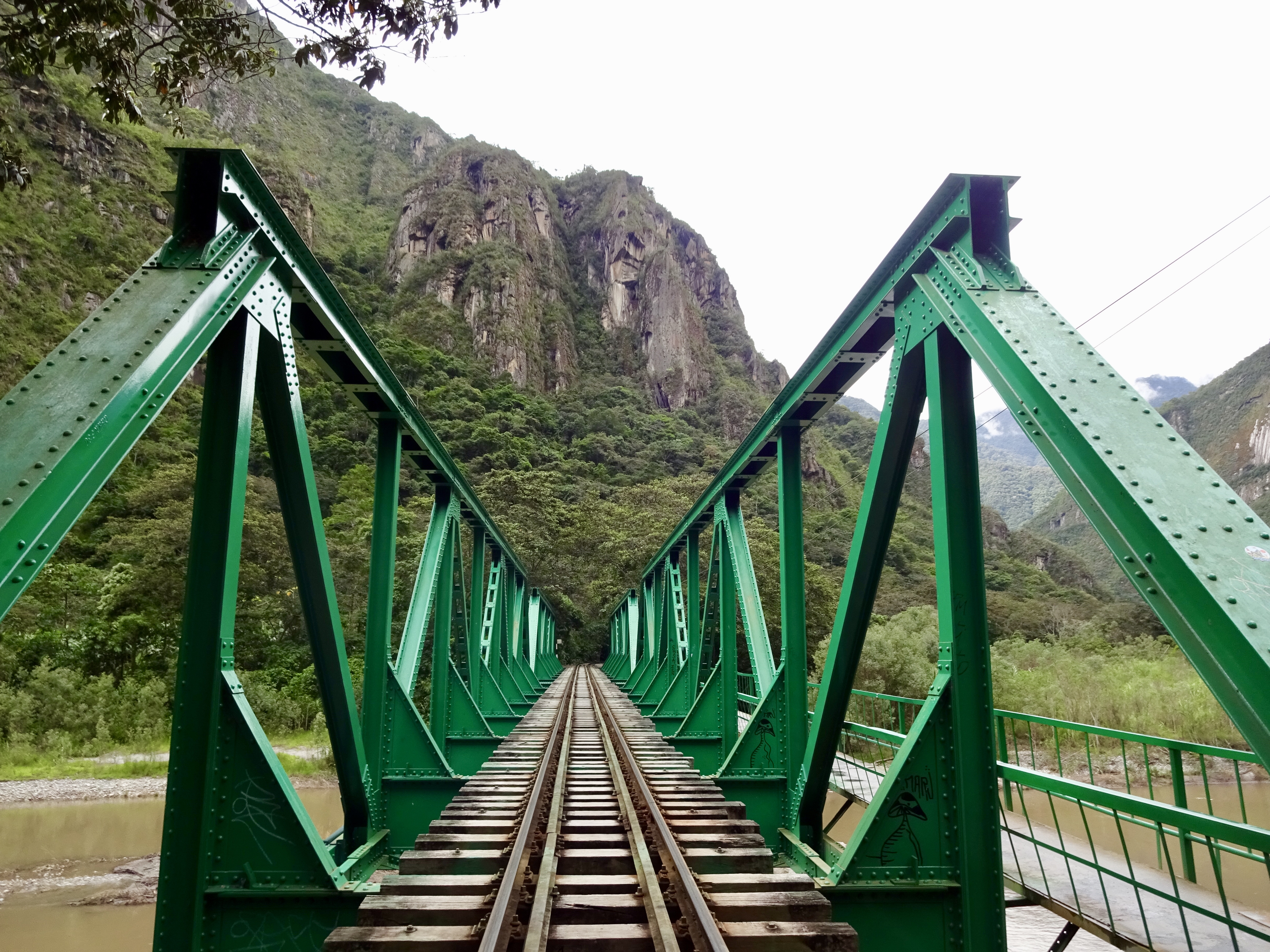
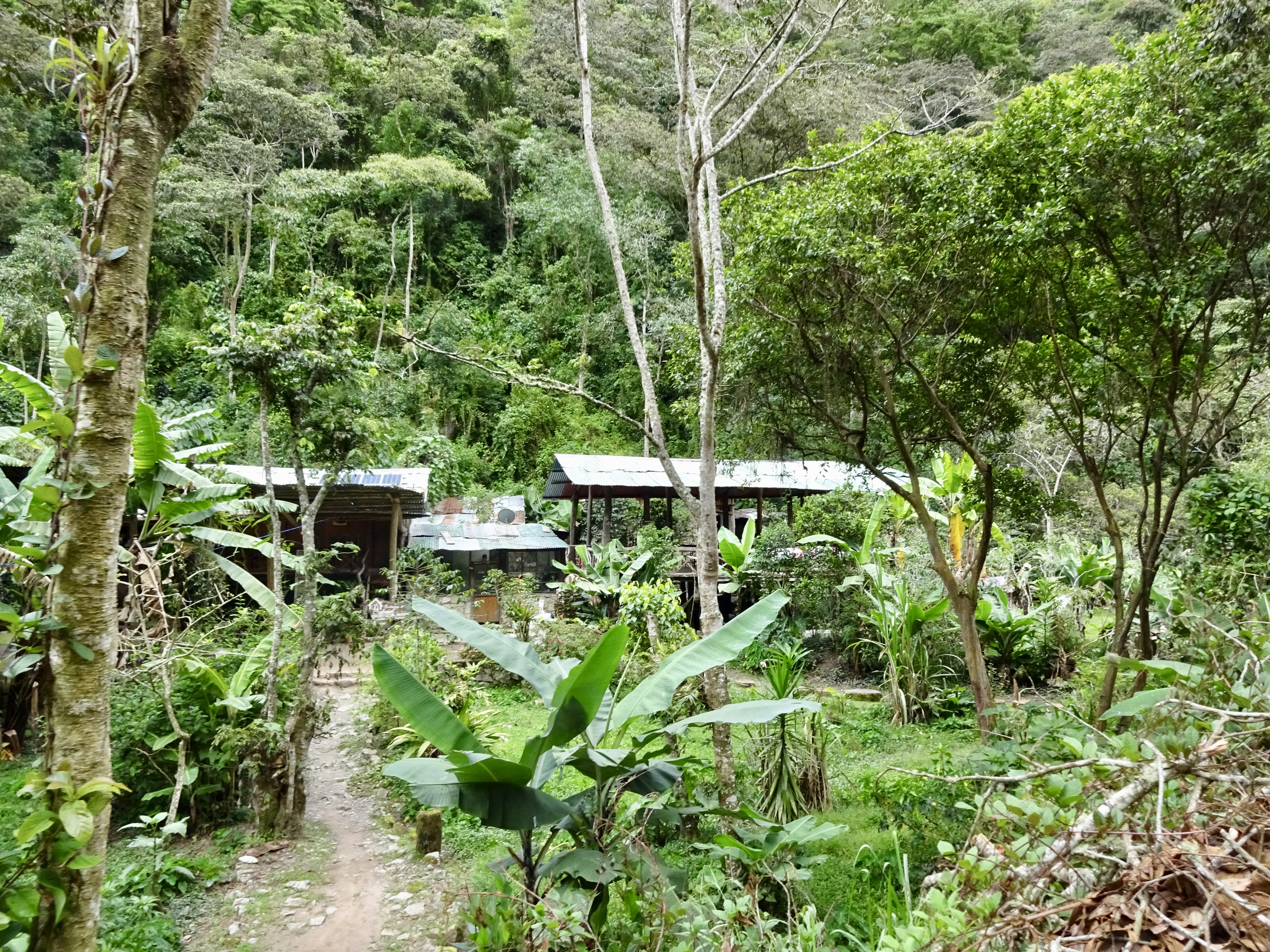
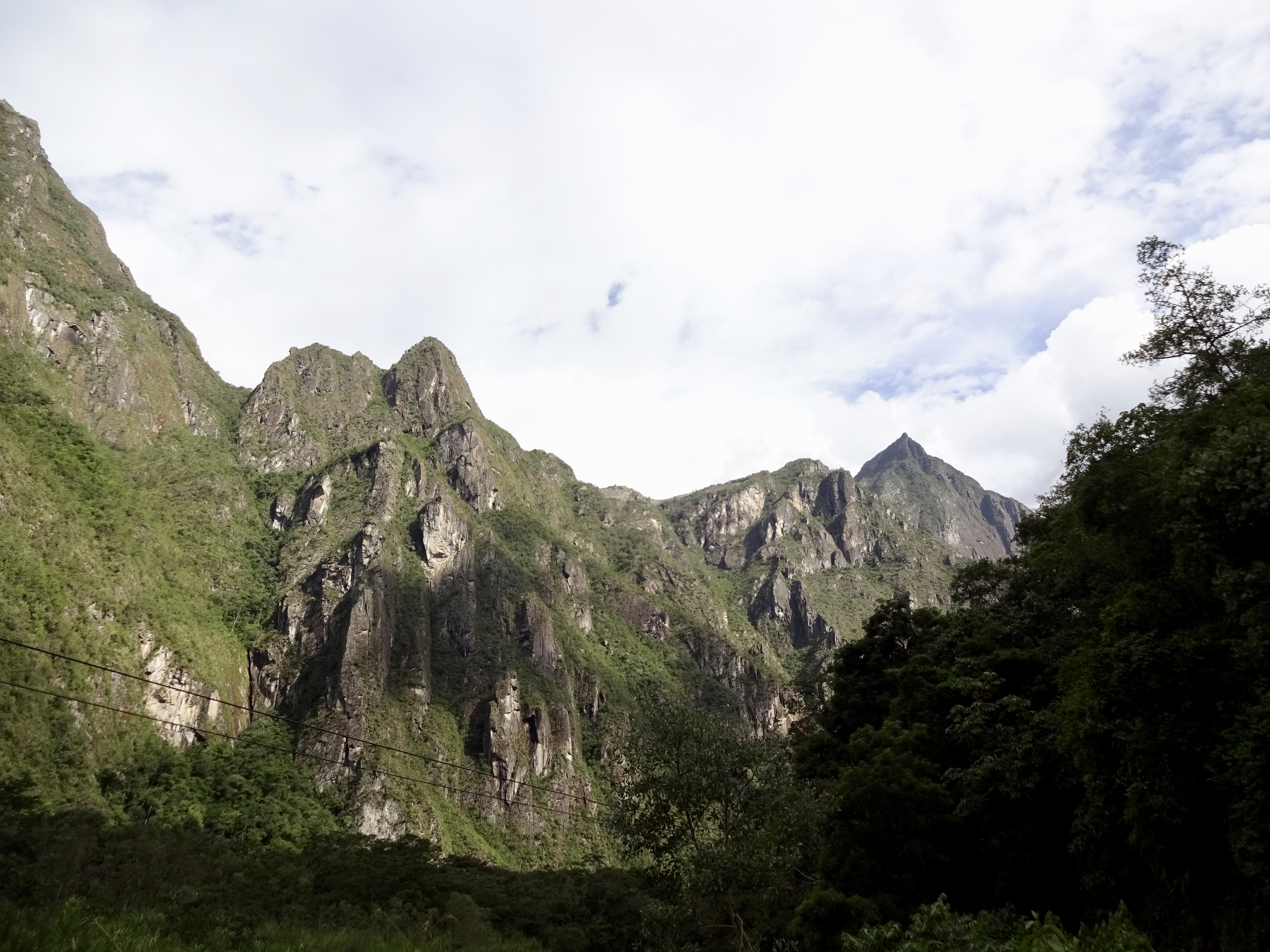
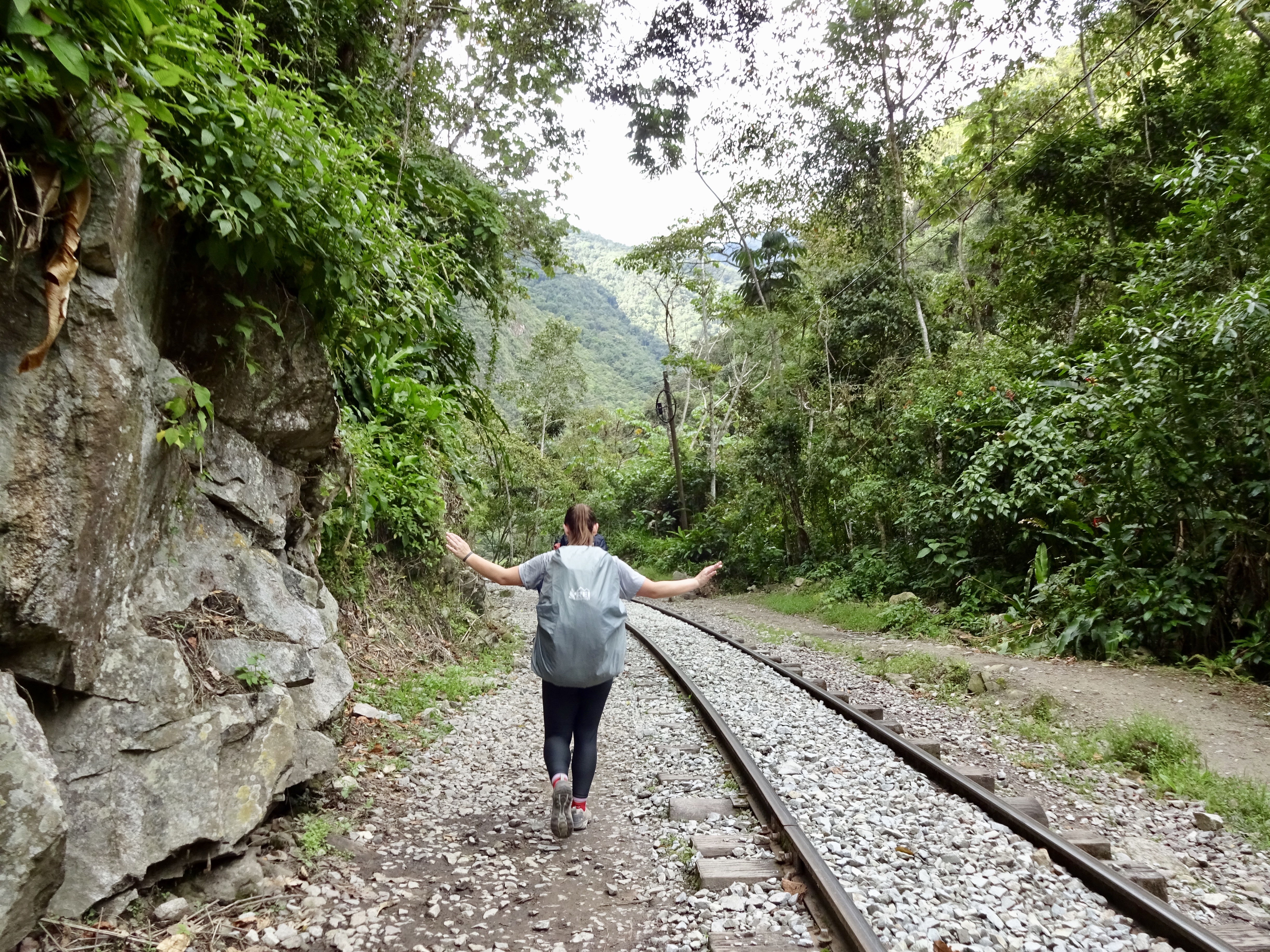
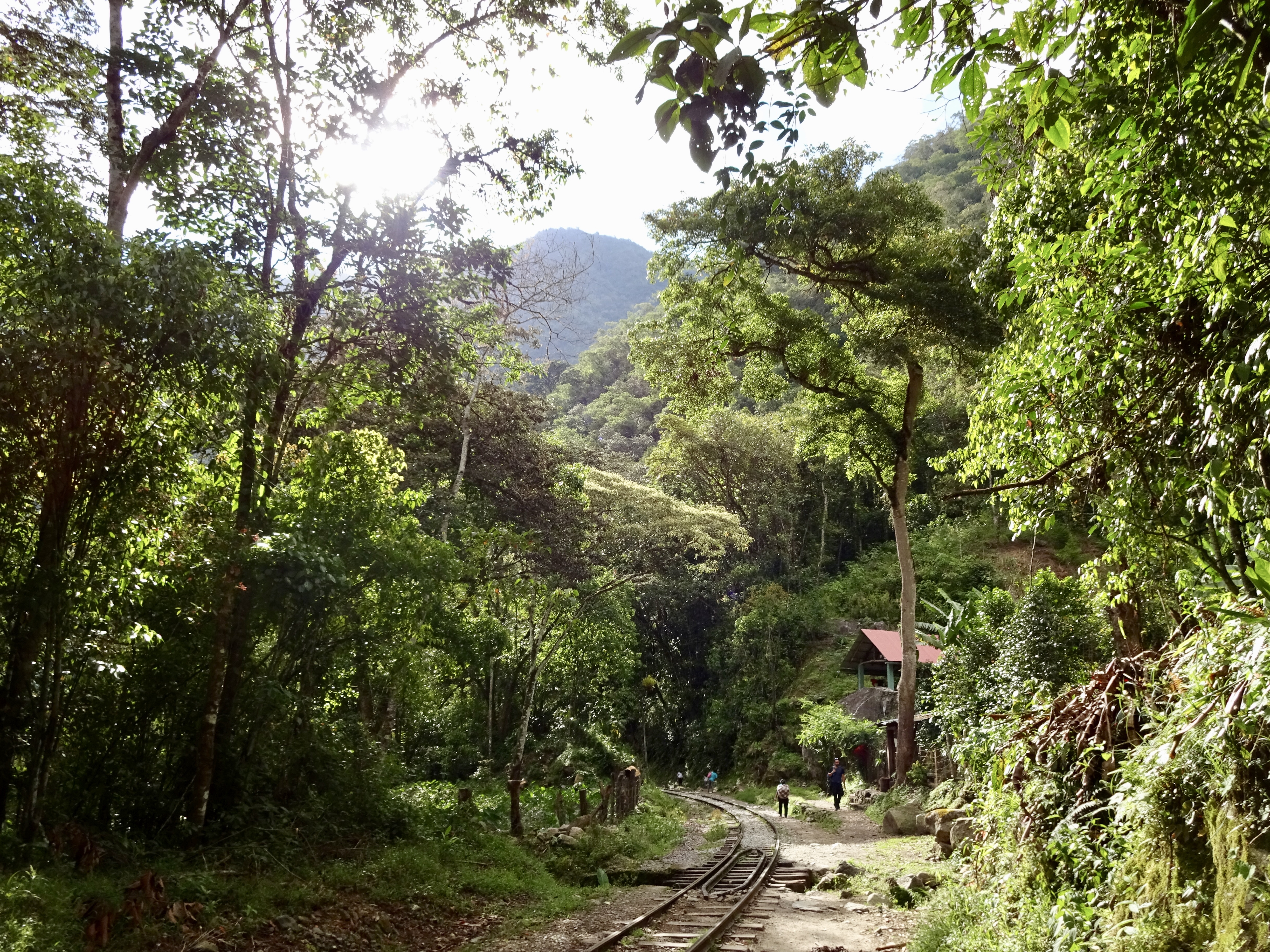
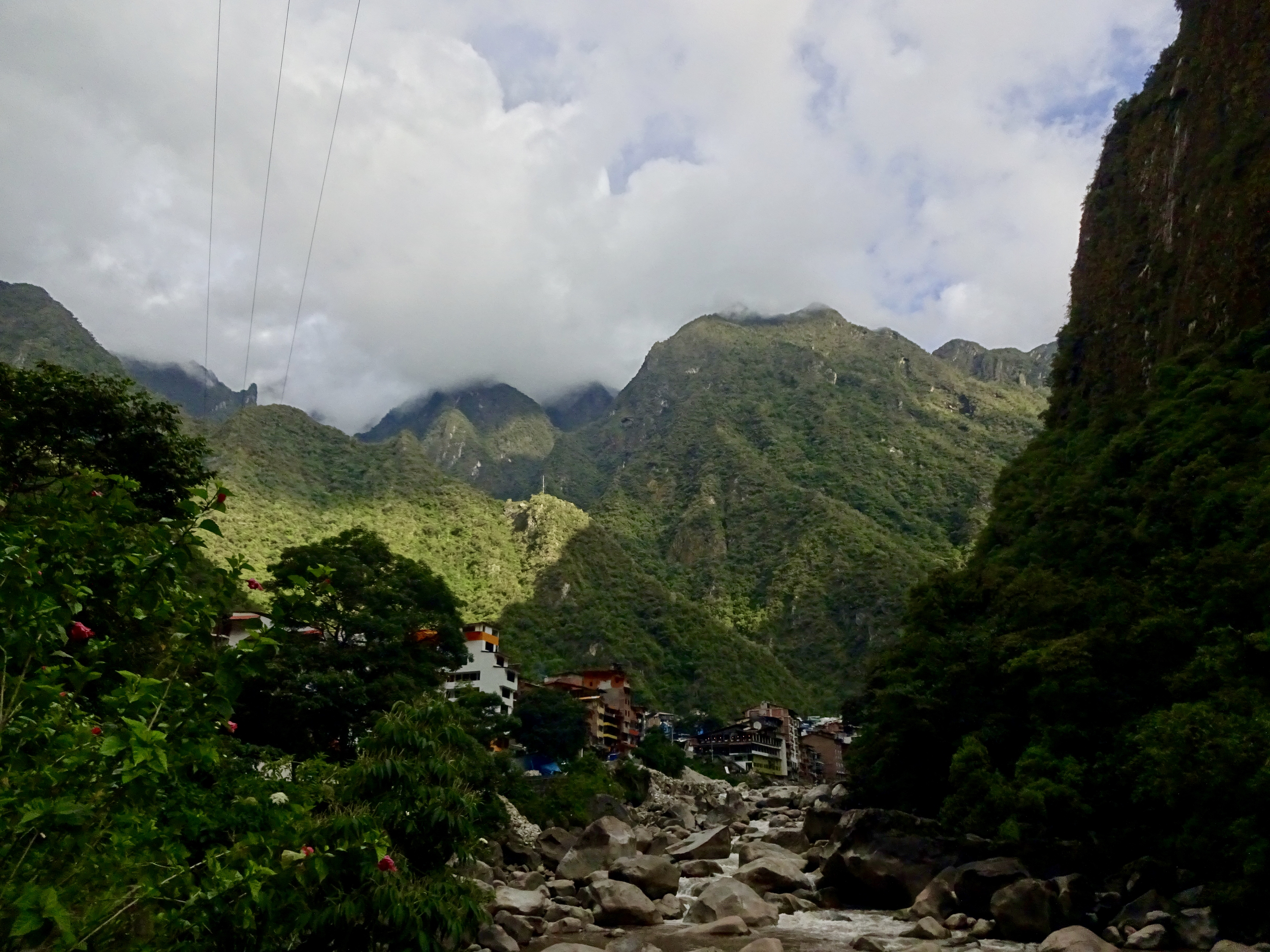
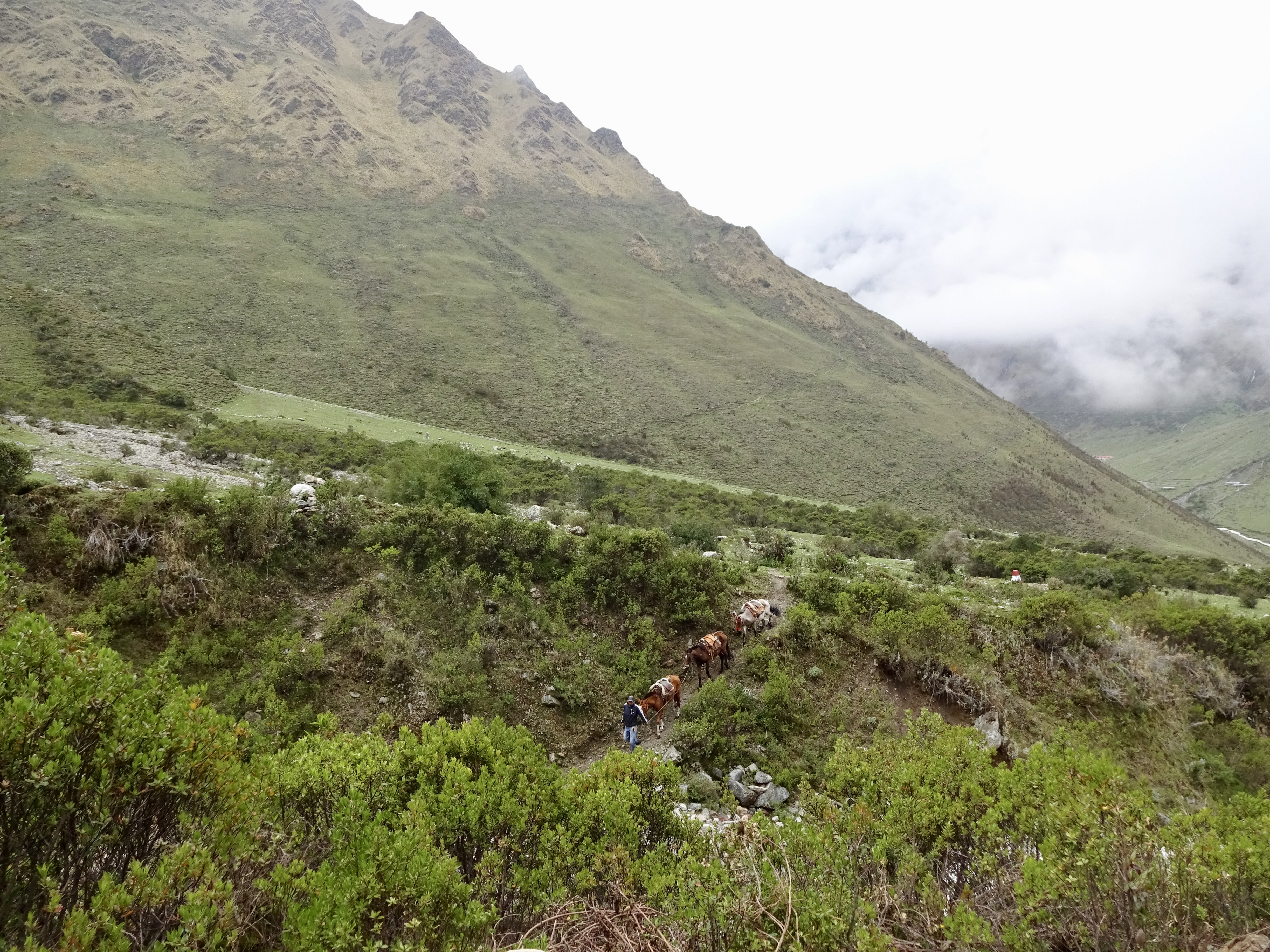
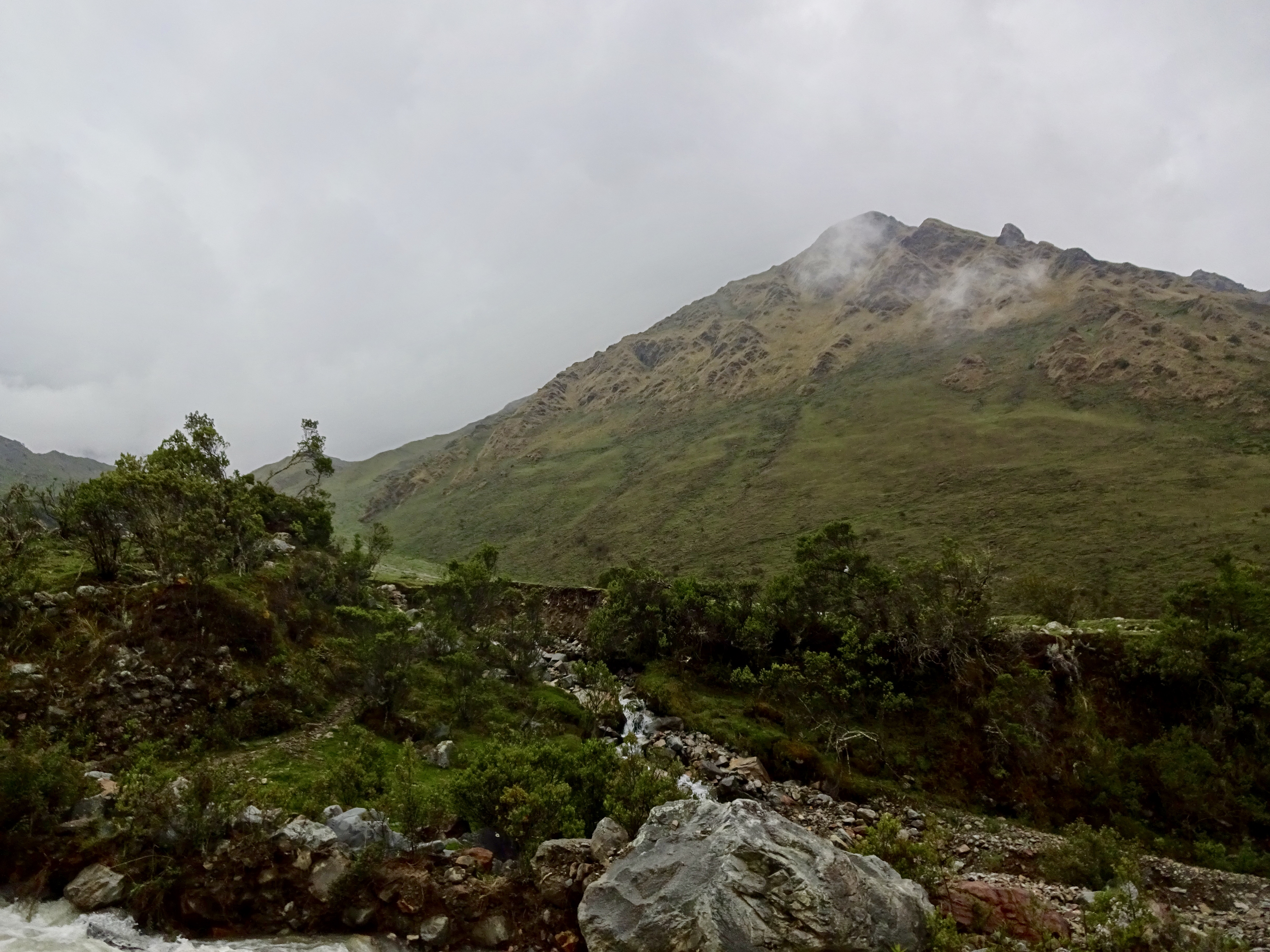
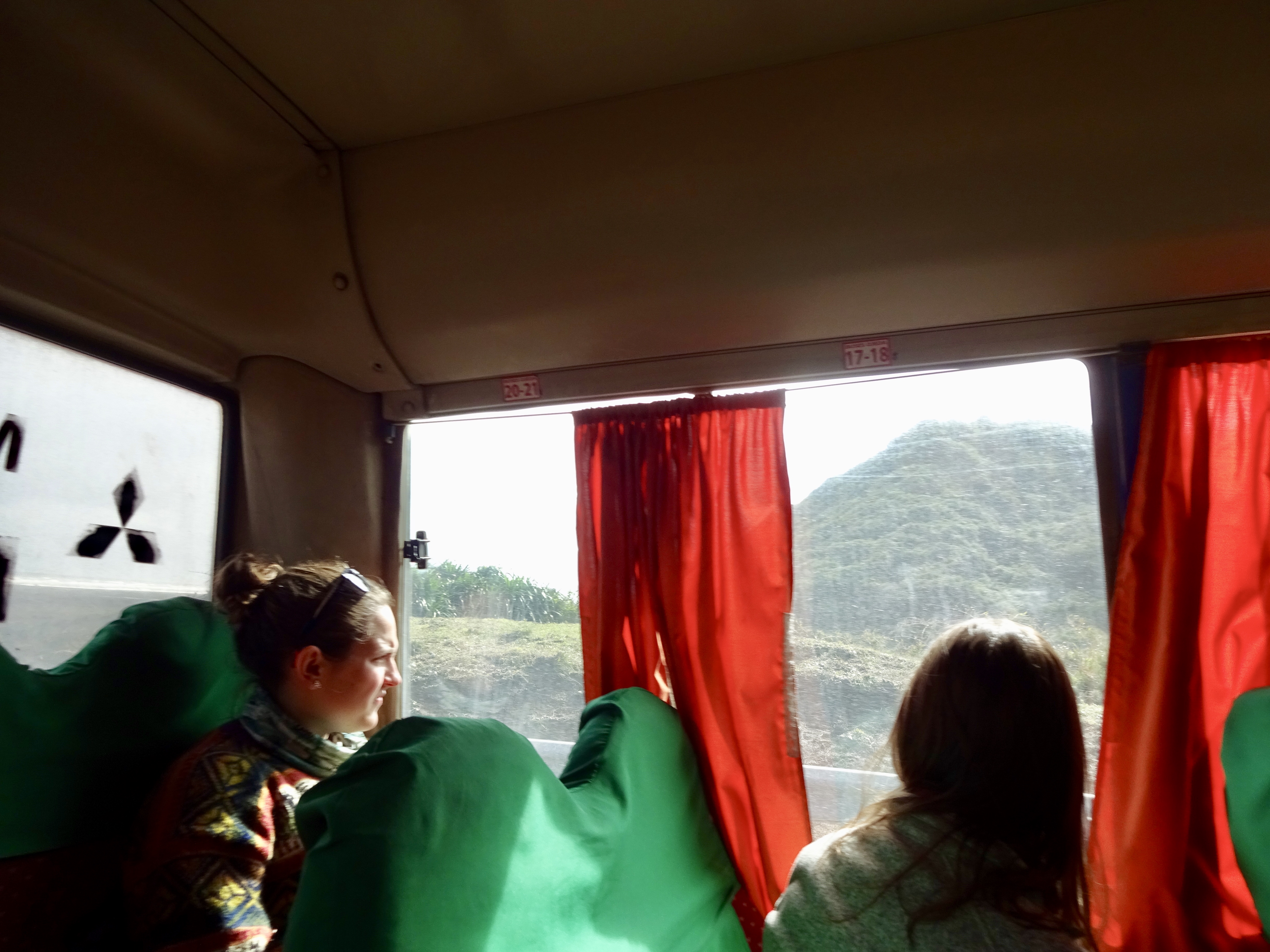
There are lots of ways to get to Machu Picchu. Like honestly, over 5 different ones. The most basic is just taking the PeruRail train to Aguas Calientes (the town at the base of Machu Pichu) there and back. There are several treks you can do (the Inca Trail, the Salkantay Mountain Trek, the Jungle Trek, etc.) and finally, there is a bus you can take. The bus takes you up and over the Peruvian landscape (for 7 hours!) and leaves you in Hidroelectrica, which is a town 12km outside of Aguas Calientes. The thing about Aguas Calientes is that there is no road to get there, so you cannot drive there and the only way to get there is either walking or by train. We decided to take the bus there, walk the 12k, stay in Aguas Calientes for a night and then take the train back the next day after the ruins. I can now confirm that this is my personal favorite way (if you don’t have weeks to do one of the treks). It was amazing to get to see so much of the landscape on the bus ride and the walk to Aguas Calientes was really enjoyable. Let’s just say our dinner that night was well-deserved!

**This is going to be a bit of a “Machu Picchu Guide” for a paragraph or so, so if that doesn’t interest you then you should skip ahead**

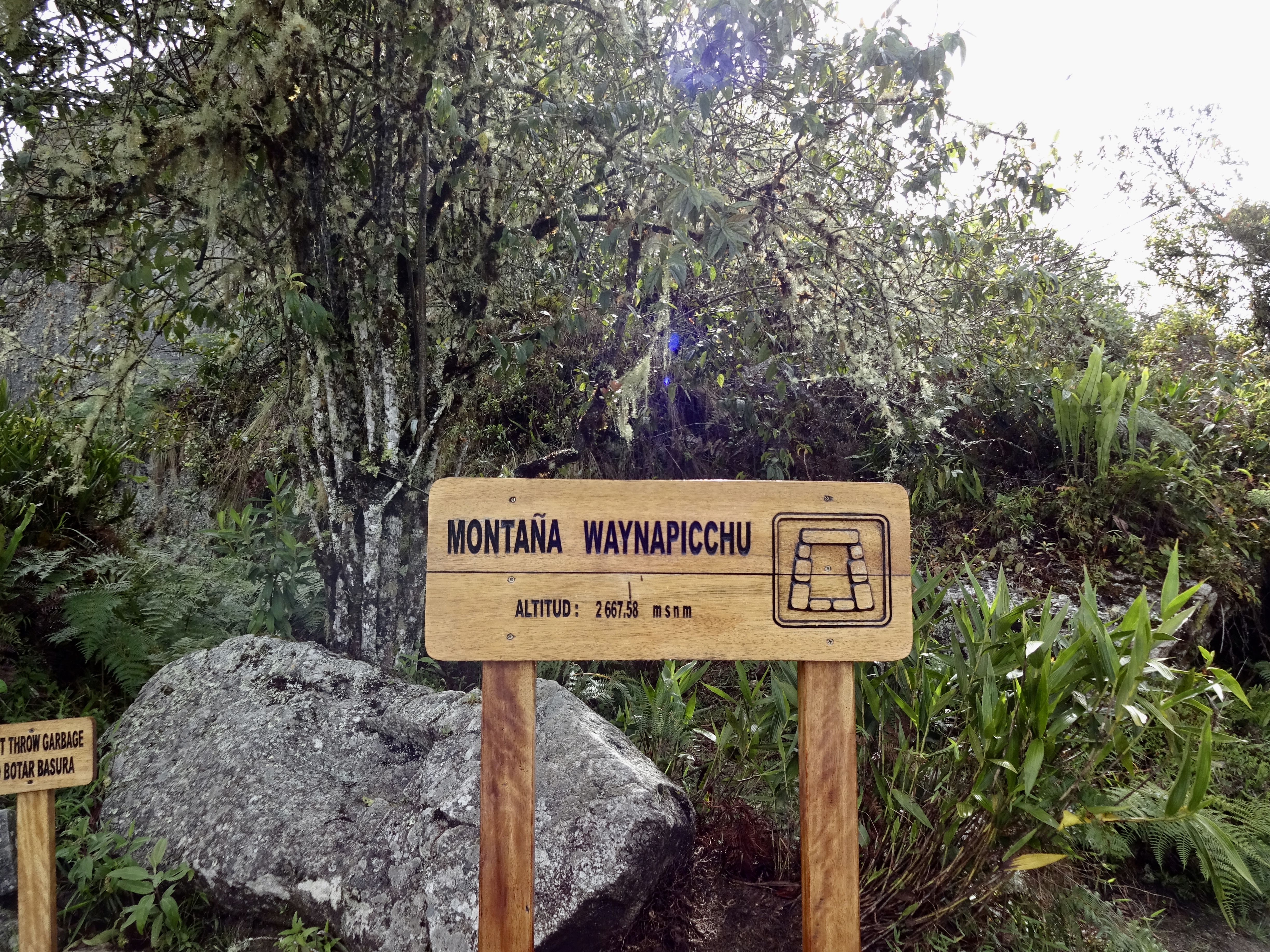
The day finally arrived: we were going to Machu Picchu! Ever since the new UNESCO regulations in January of 2019, everyone going to Machu Picchu has to buy a certain entrance time to regulate the flow of people visiting the ruins per day. There are over 2,500 people that visit every day! When you buy the entrance ticket, you can buy a ticket to just see the ruins, to climb Machu Picchu Mountain or Wayna Picchu Mountain. Machu Picchu Mountain is the more “classic” view of Machu Picchu over the ruins BUT Wayna Picchu is described as the Mountain of Death, so we just HAD to see what that was about and climb it. Along with the entrance time for the ruins, you get an entrance time for either of the mountains. For Wayna Picchu, the entrance time is between 7-8am so you pretty much have to go to the mountain right away. After you climb the mountain, you come back down and are required to go out of the site and re-enter to see the rest of the ruins. Don’t worry, when you show them your Wayna Picchu ticket they will understand as people do it every day! You can then walk along the ruins with everyone else and be just as amazed since you also got to see it from the top of the huge mountain in the background of all the pictures! Pretty incredible.

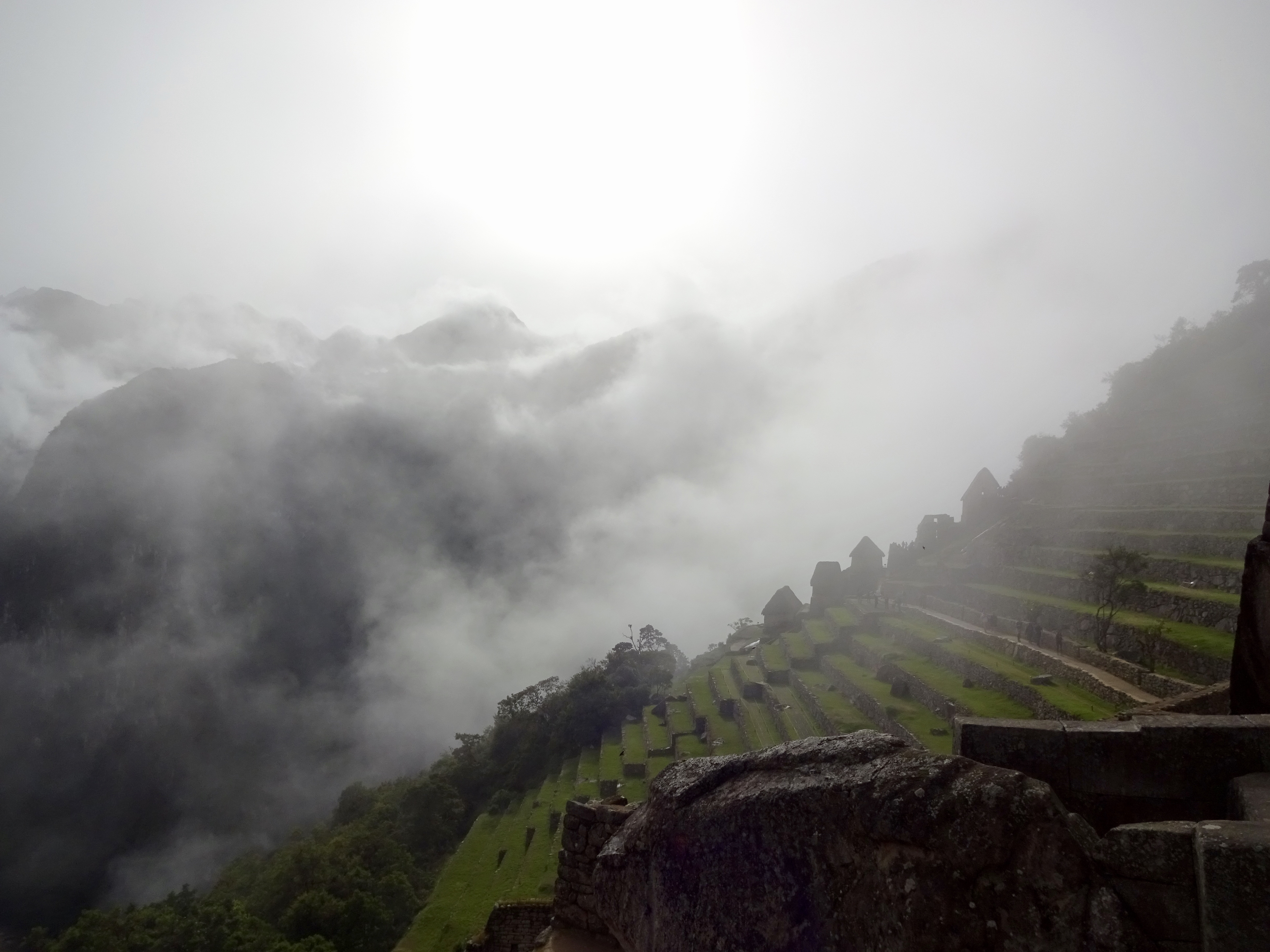
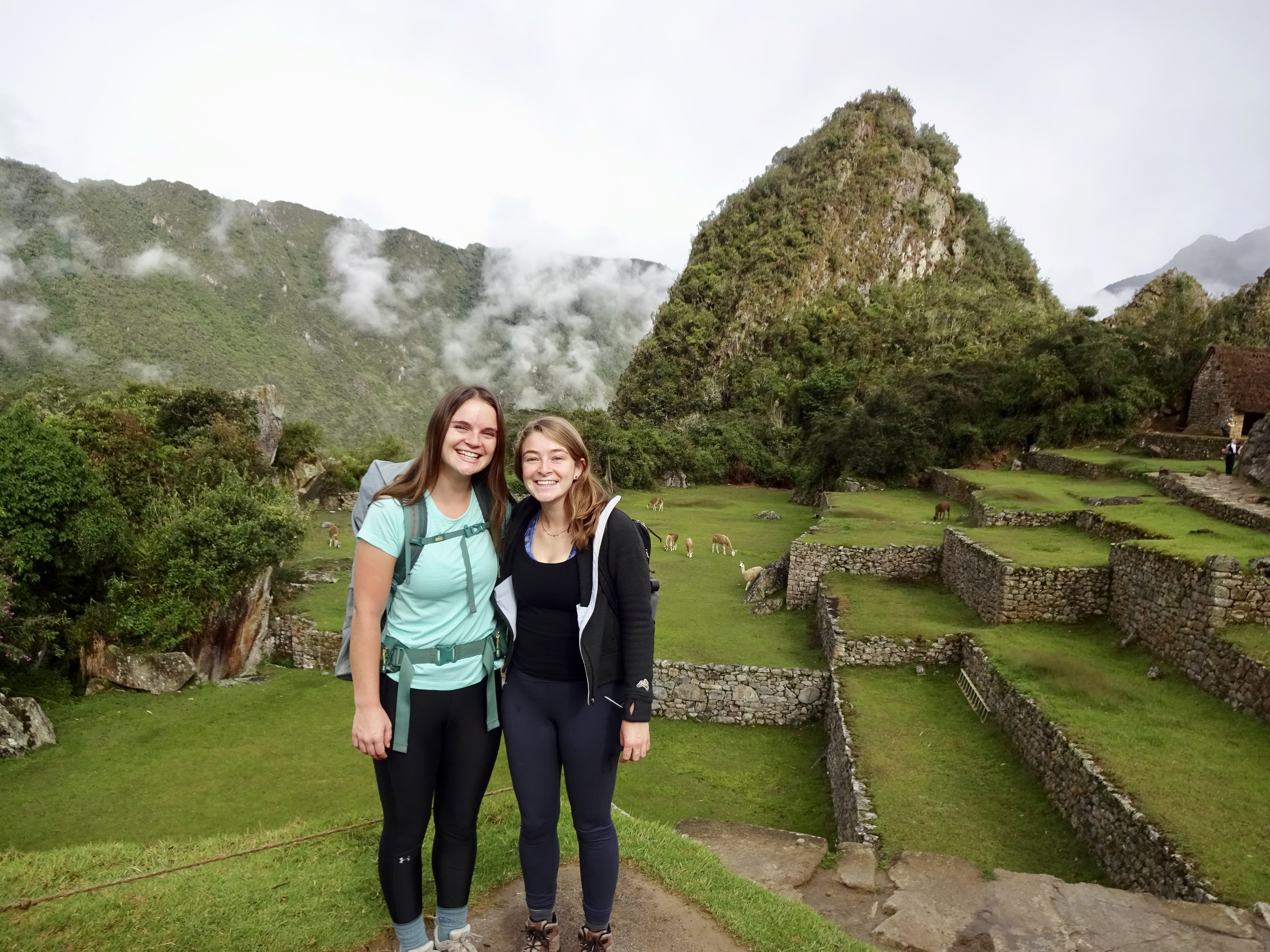
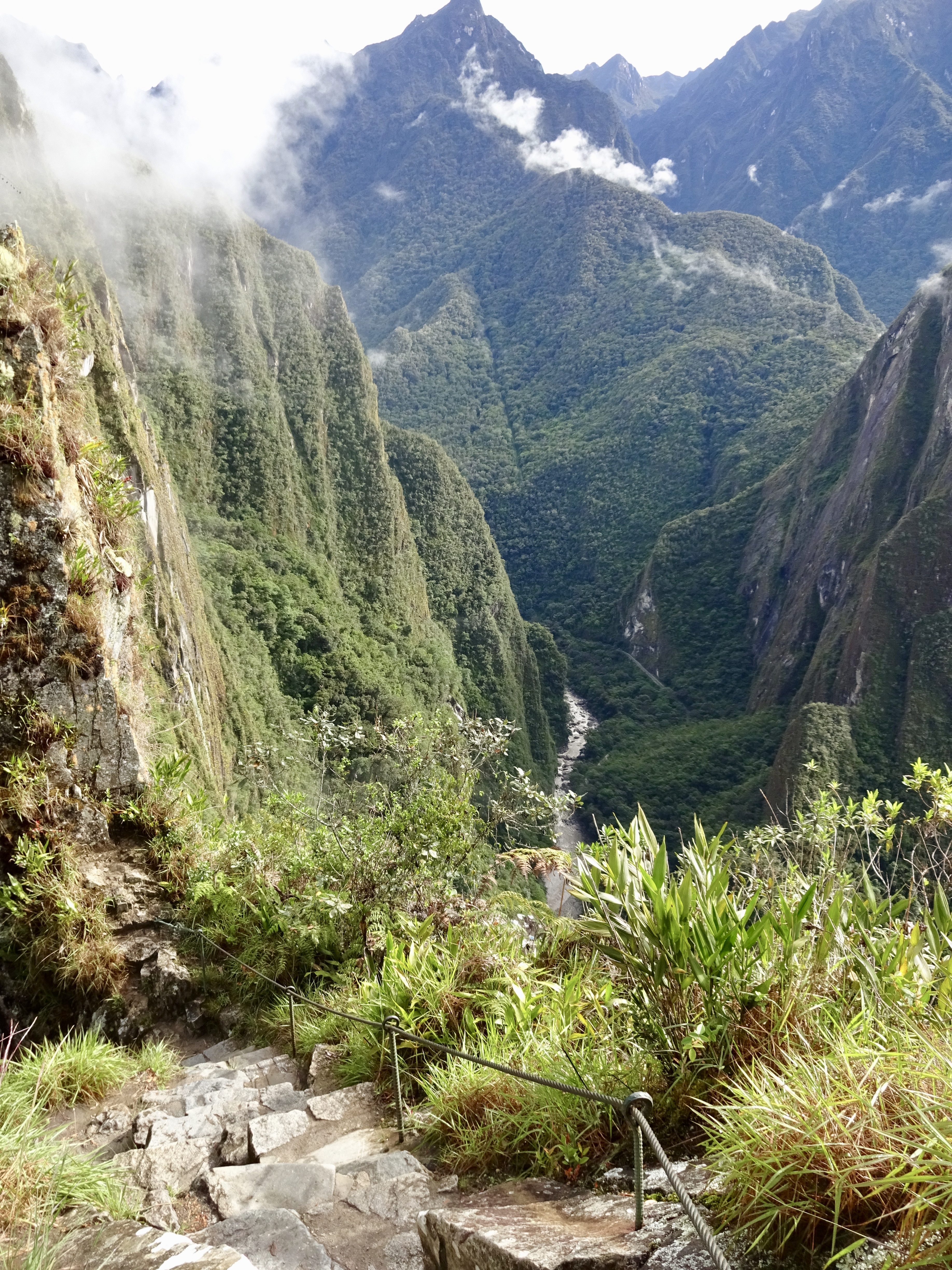
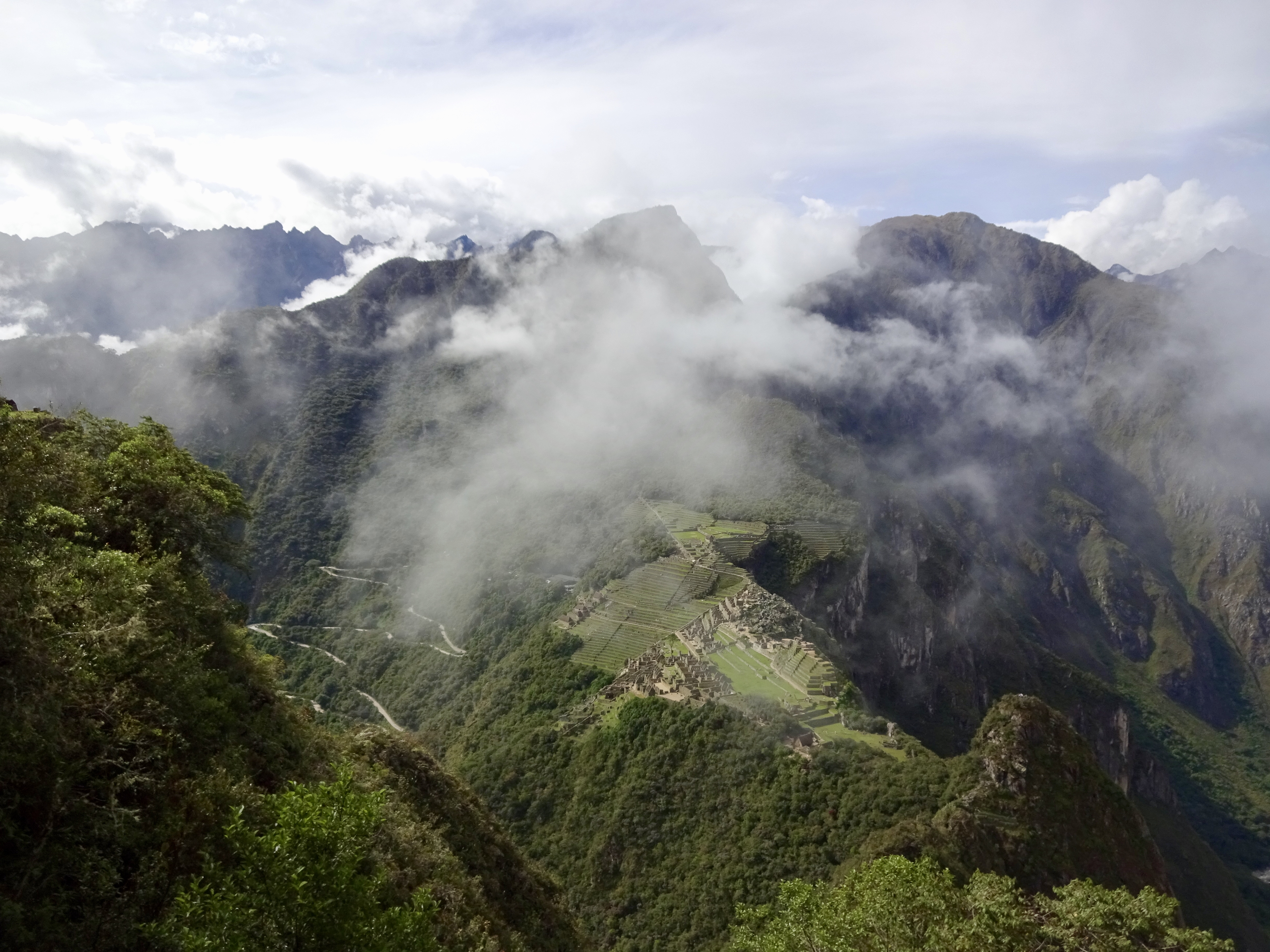
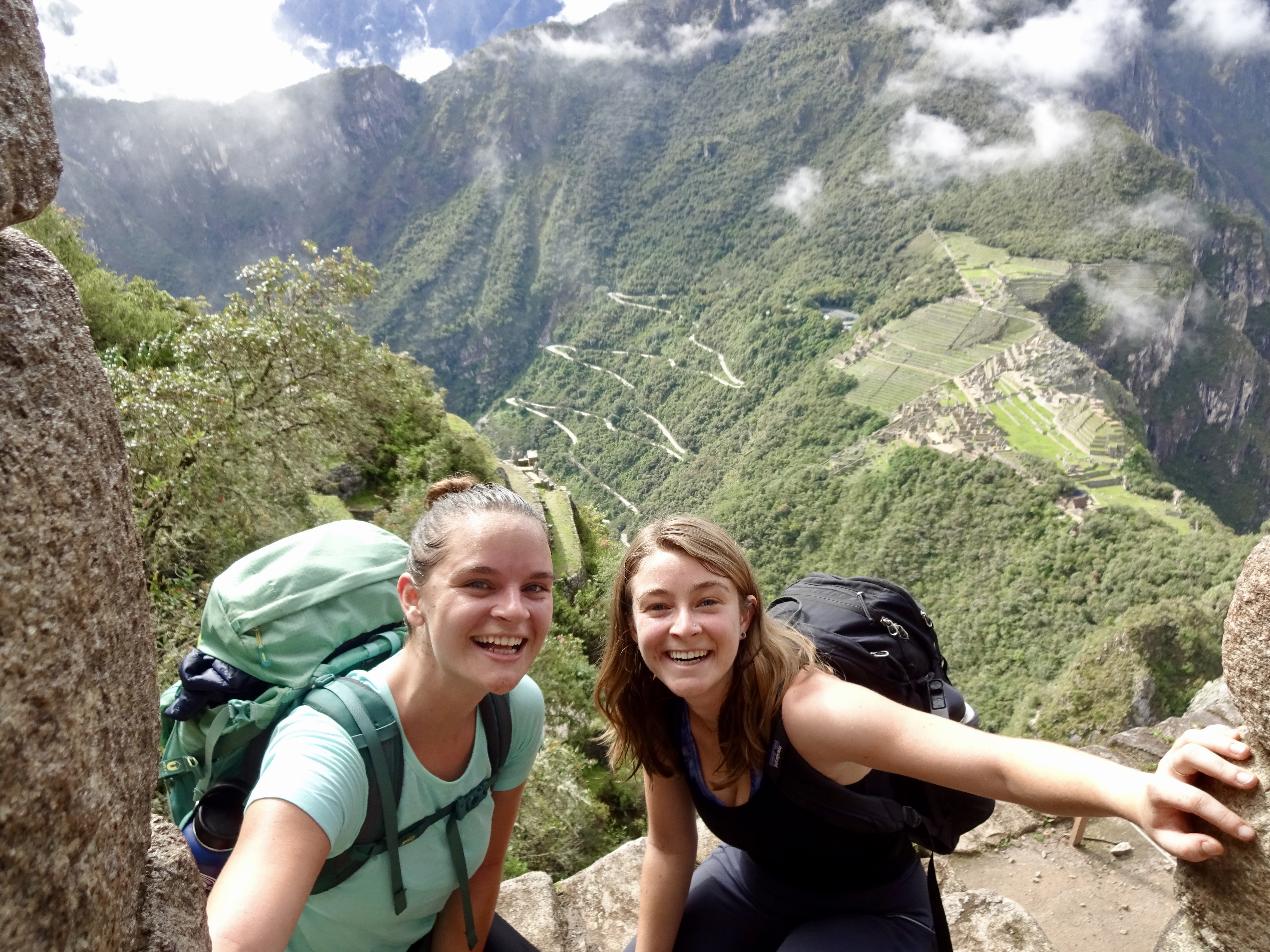
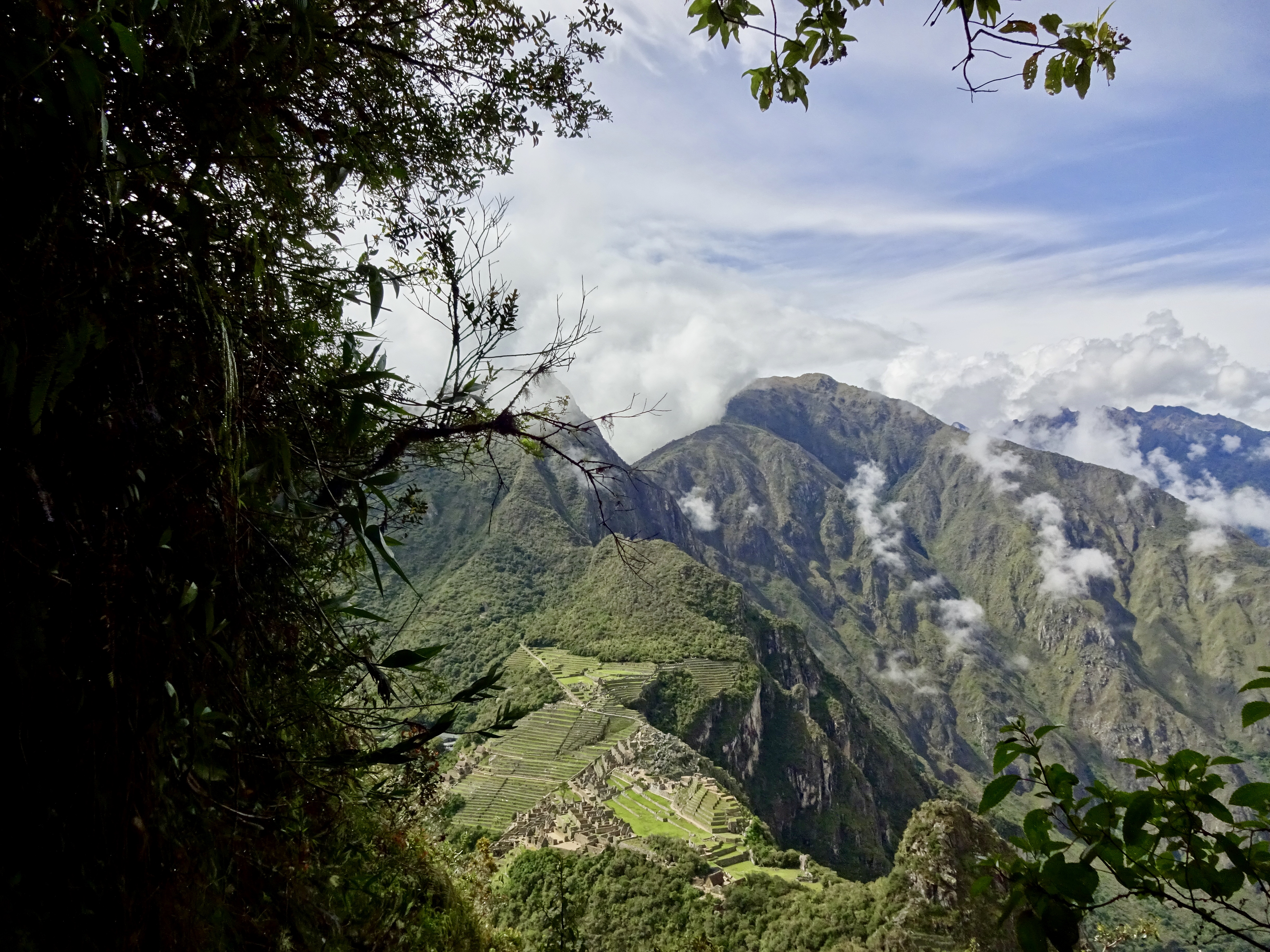
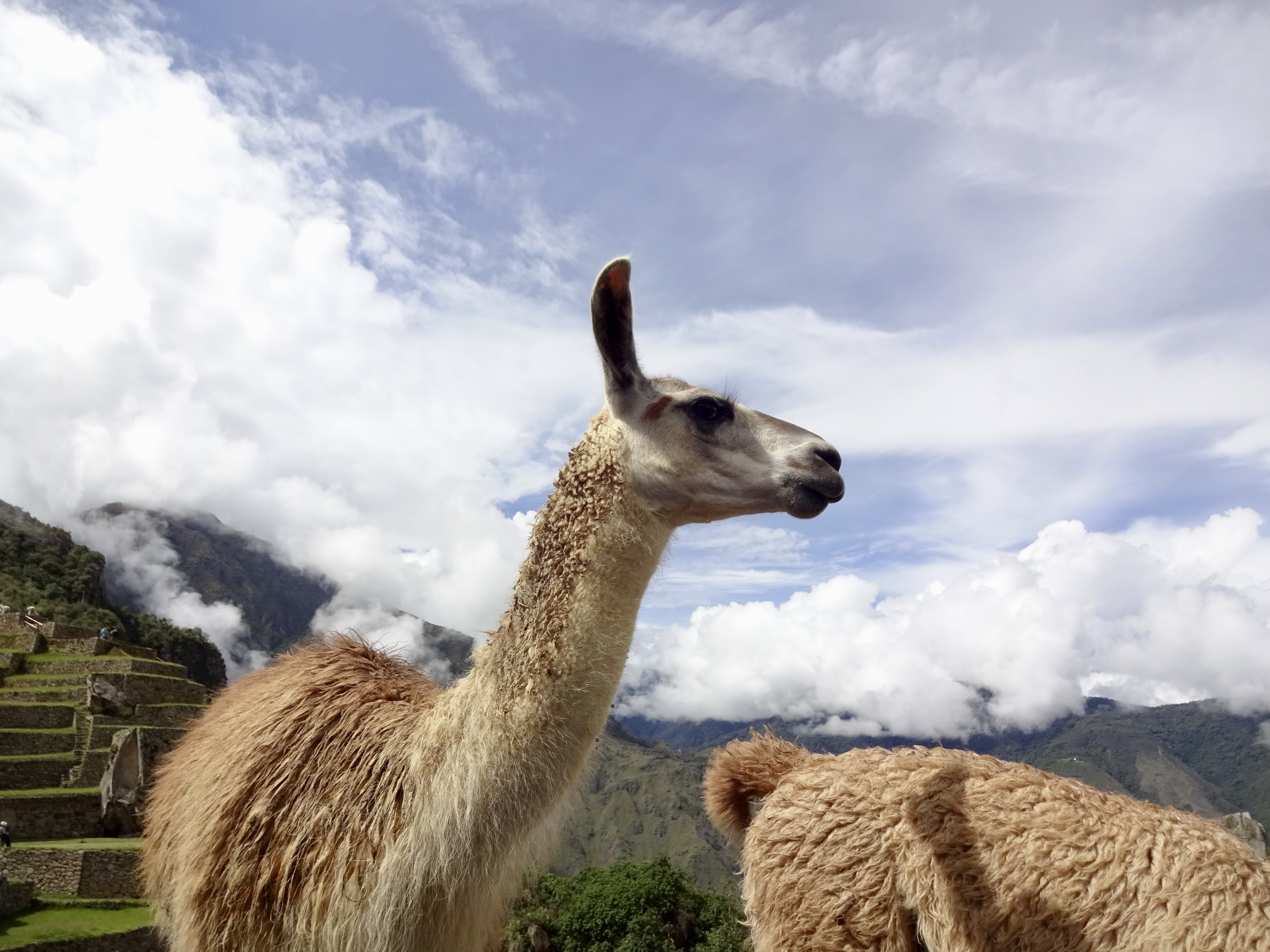
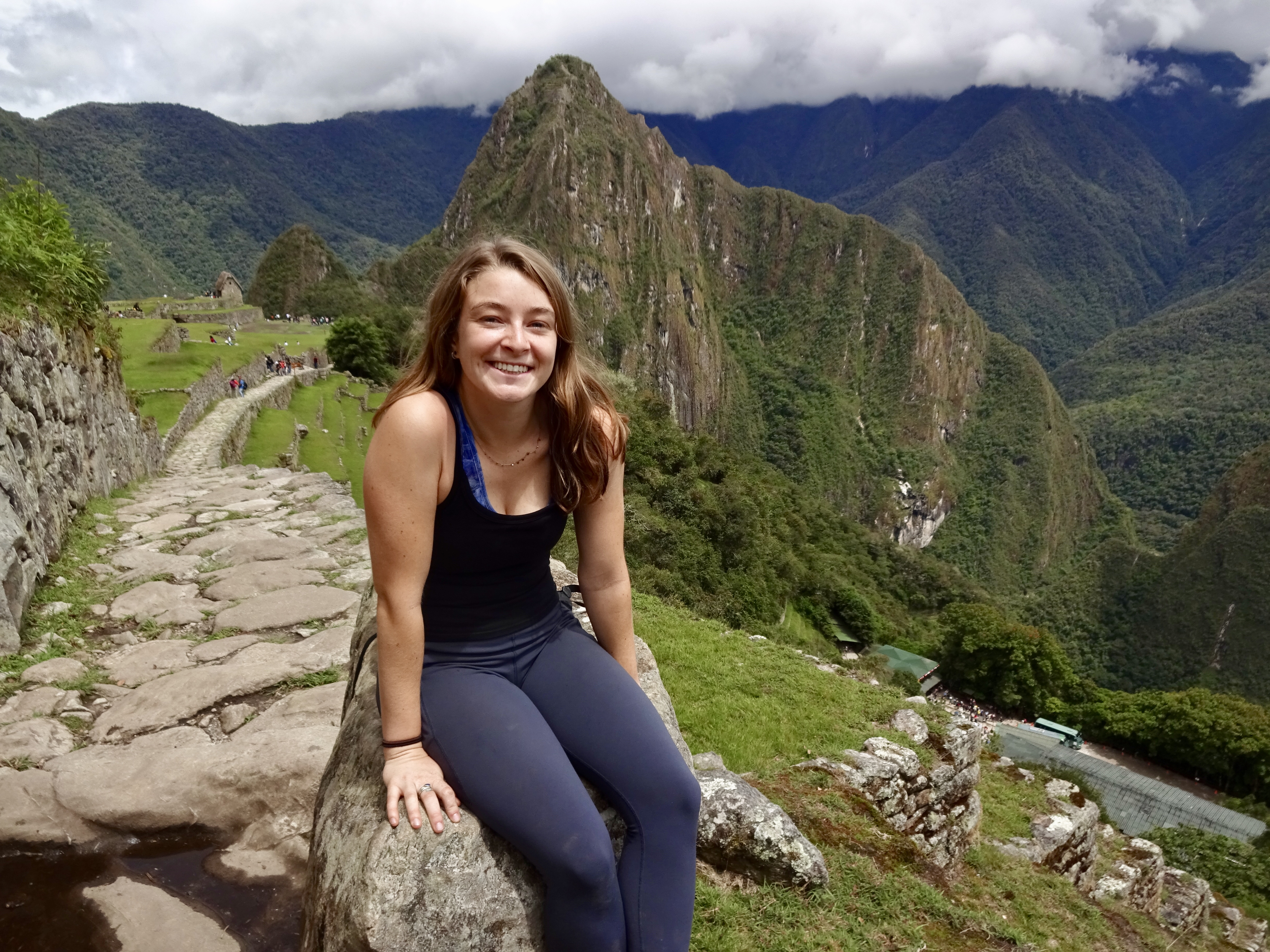
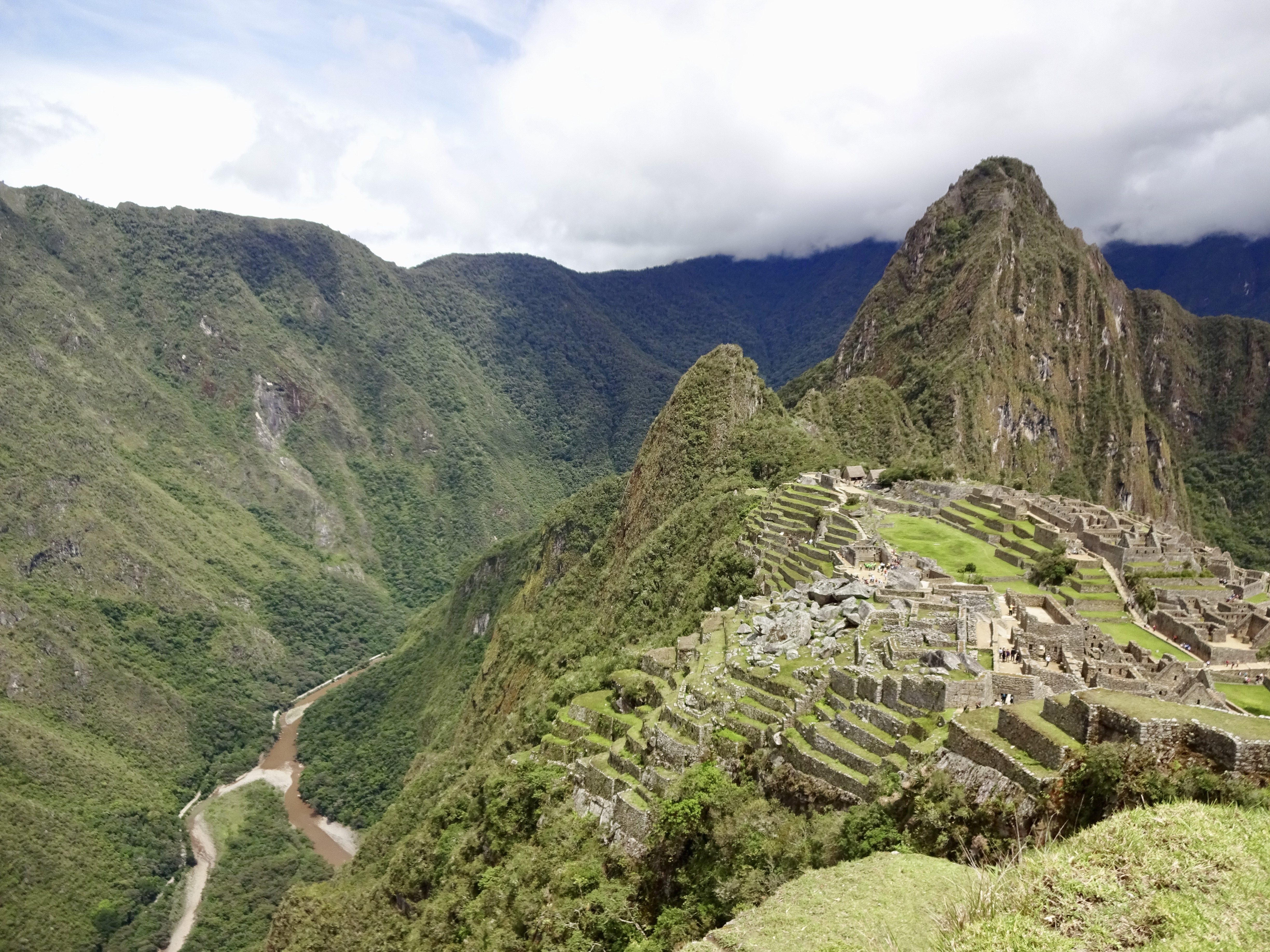
**Okay back to my own experience. Hiking Wayna Picchu was one of the coolest things I have ever done. We started the hike and it was pretty foggy and there was mist everywhere. Because of this, the stairs (just rocks that the Incas carved out of the mountain if we are being honest) were so slippery and wet! I really expected it to be just a hike to a lookout point at the top, but there was a ton of Inca construction up there! I was so surprised! It was basically an addition to the ruins below us, but with an even more incredible view! We got down at around 10am (absolutely drenched in sweat) and went to explore the ruins for another hour or so. It is such an amazing place. I cannot say this enough. I was a bit worried that it was going to be overhyped because it is so famous, but it is 10000% worth it to go. I could go back again and again.

We got down from Machu Picchu at around 12 and headed RIGHT to a restaurant to eat after our very eventful morning. We ended up finding this adorable Italian place where we ate pizzas, had pisco sours and just sat for a couple hours before we had to go catch our train. The train takes about 3 hours, and I spent them staring out the window (yet again) because the views of Peru are just that beautiful. We got back to Cusco, had a quick dinner and then went to bed early, as we had yet another day of exploring ahead of us. No, we did not rest basically at all during this trip… and yes, I am feeling it now, but it was so worth it!

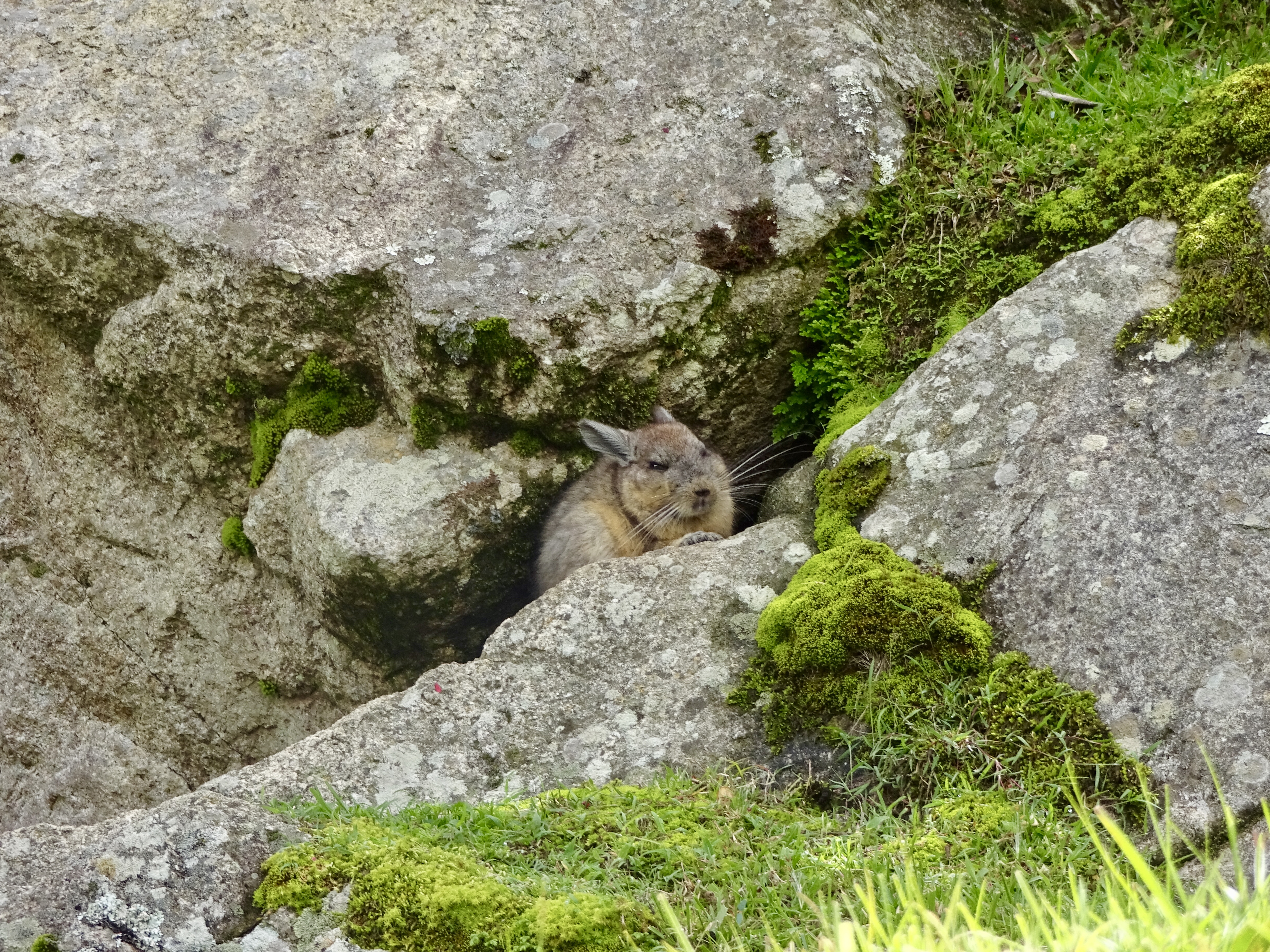
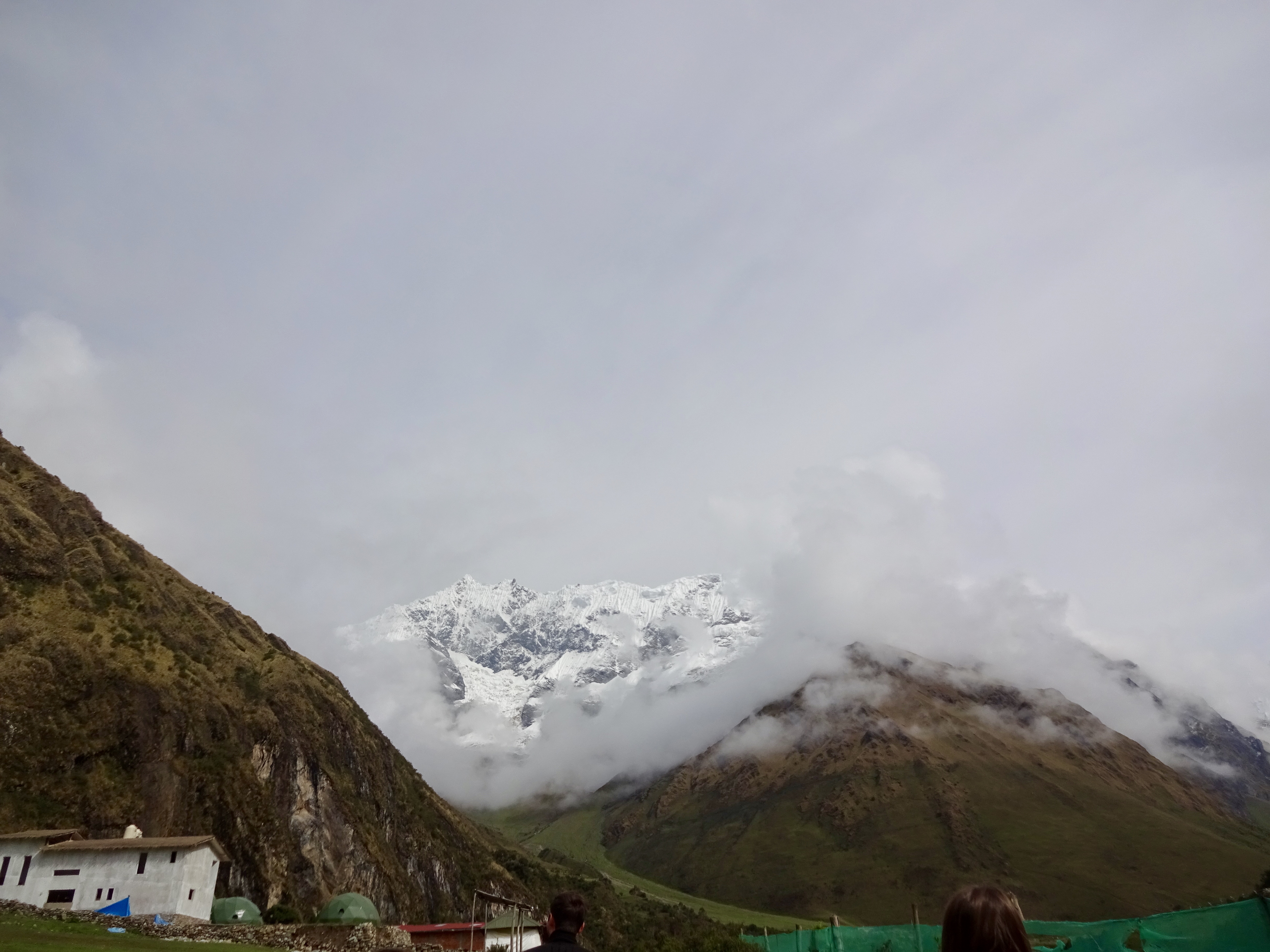
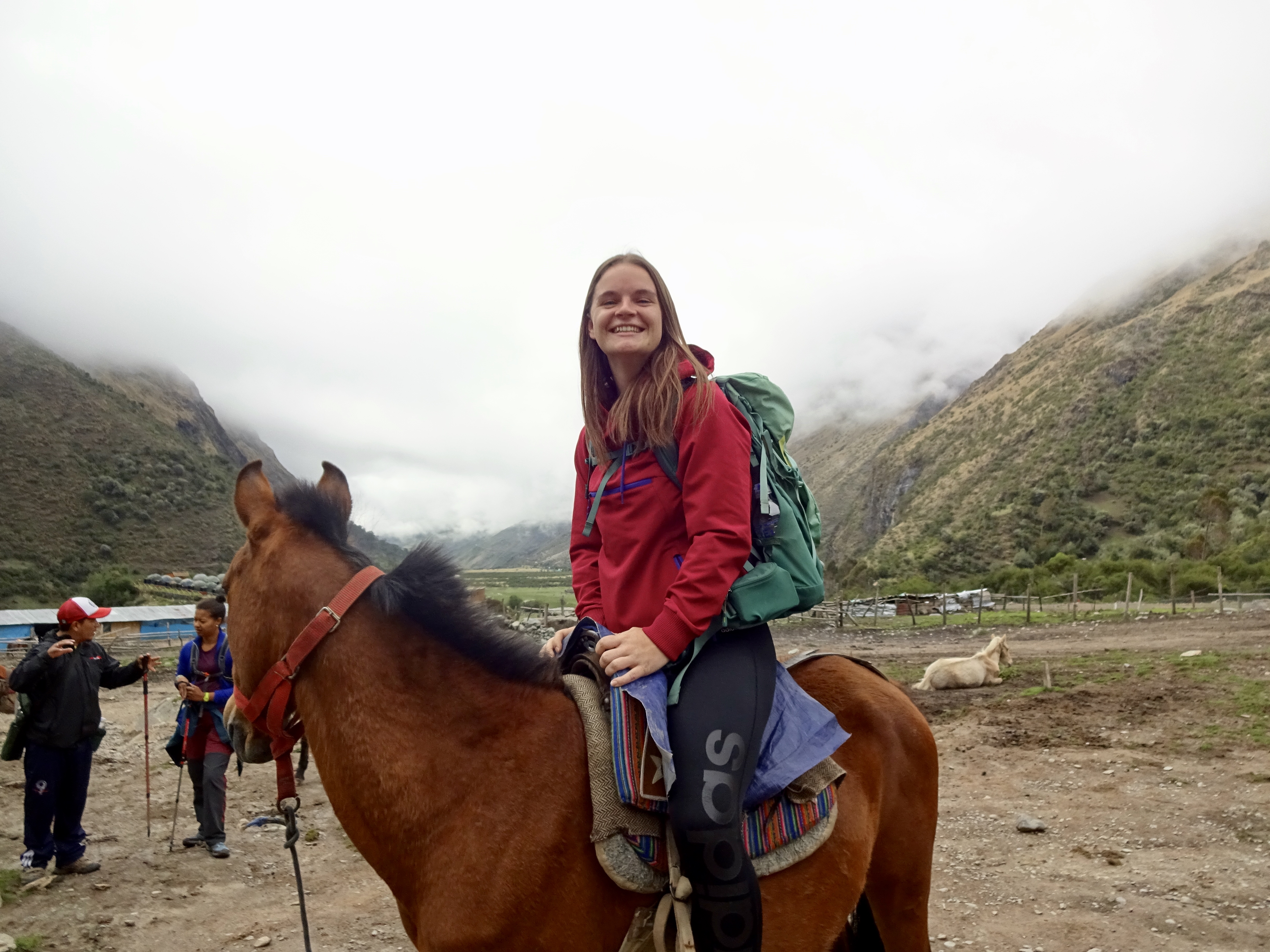
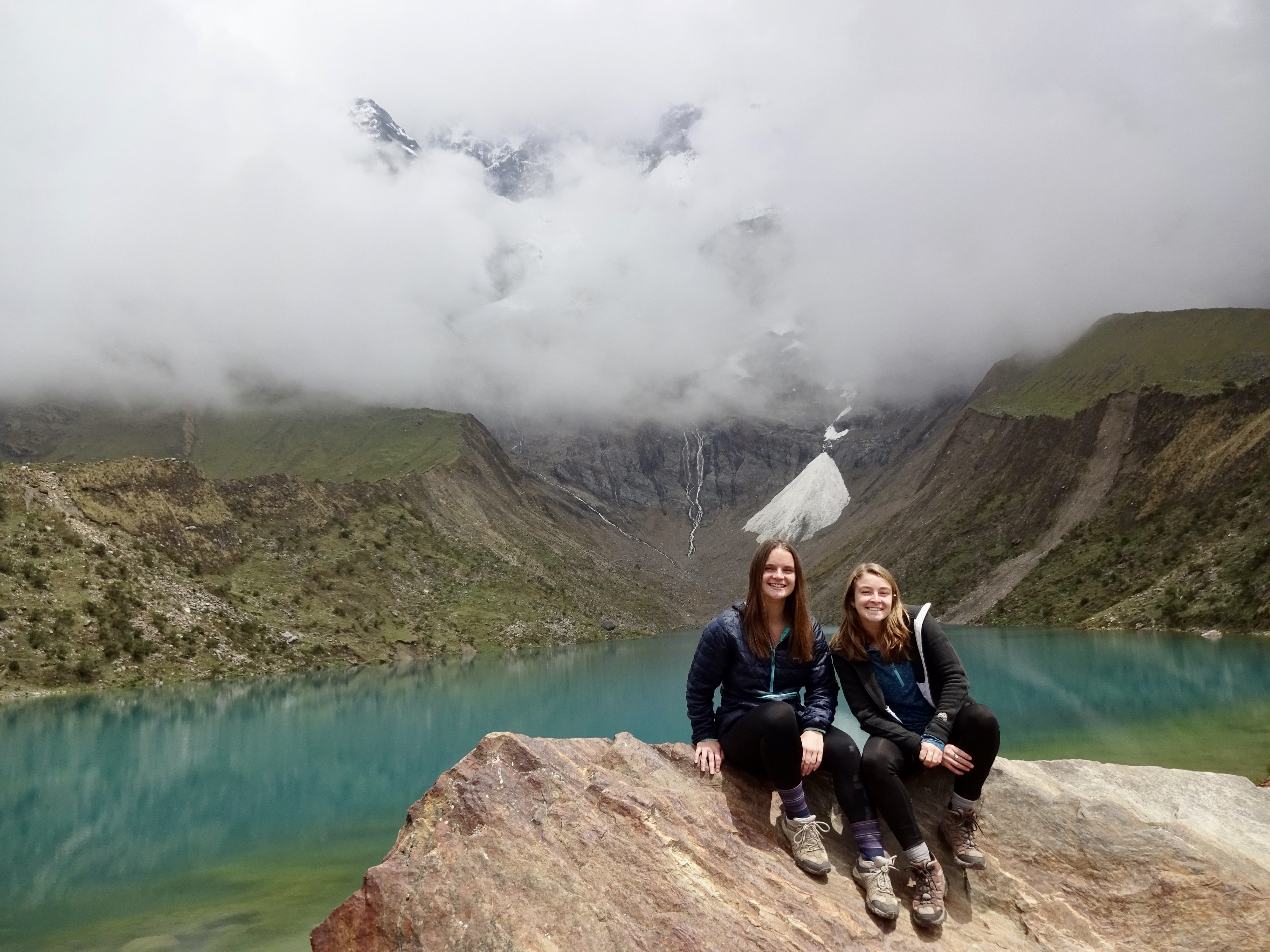
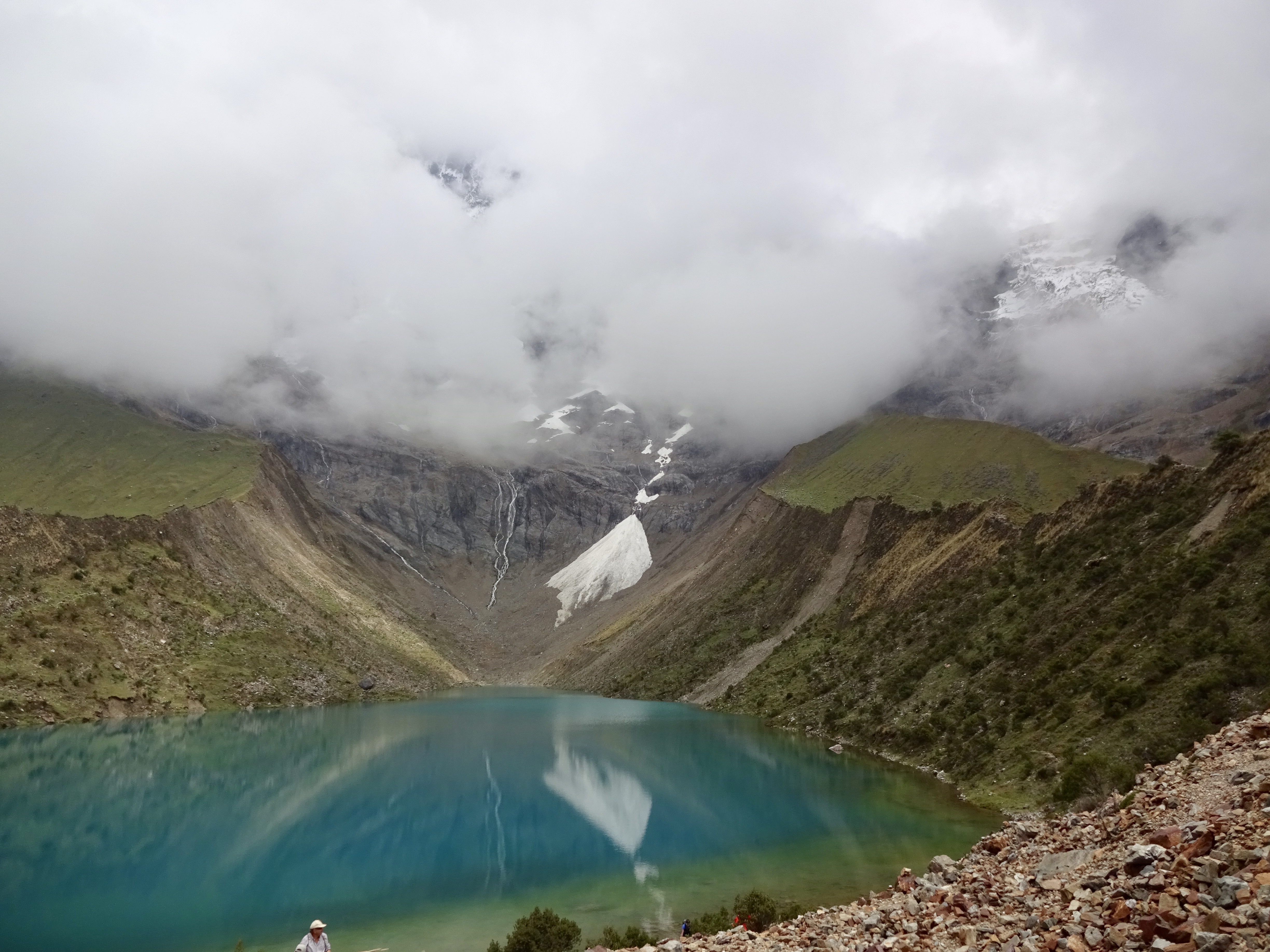
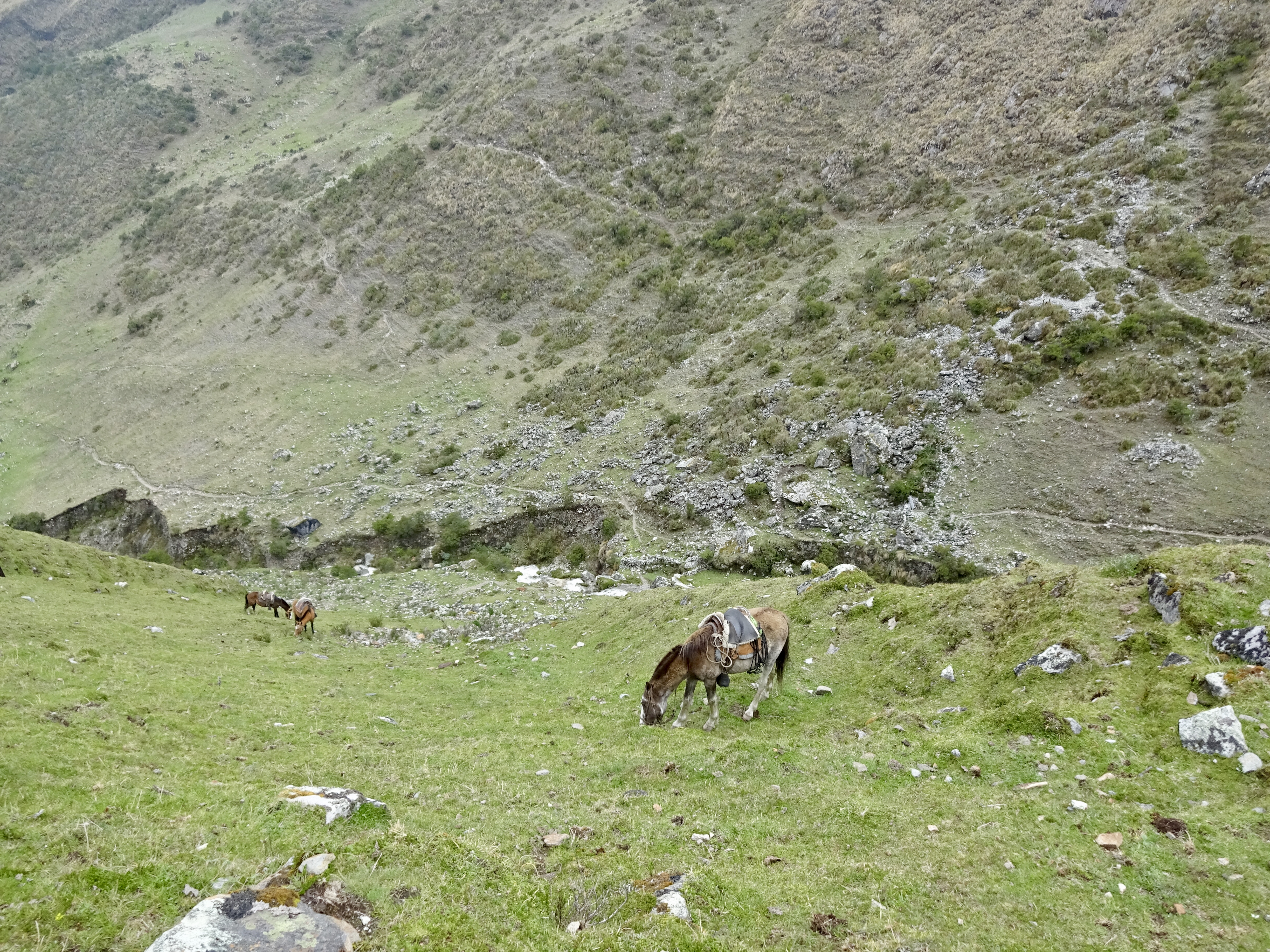
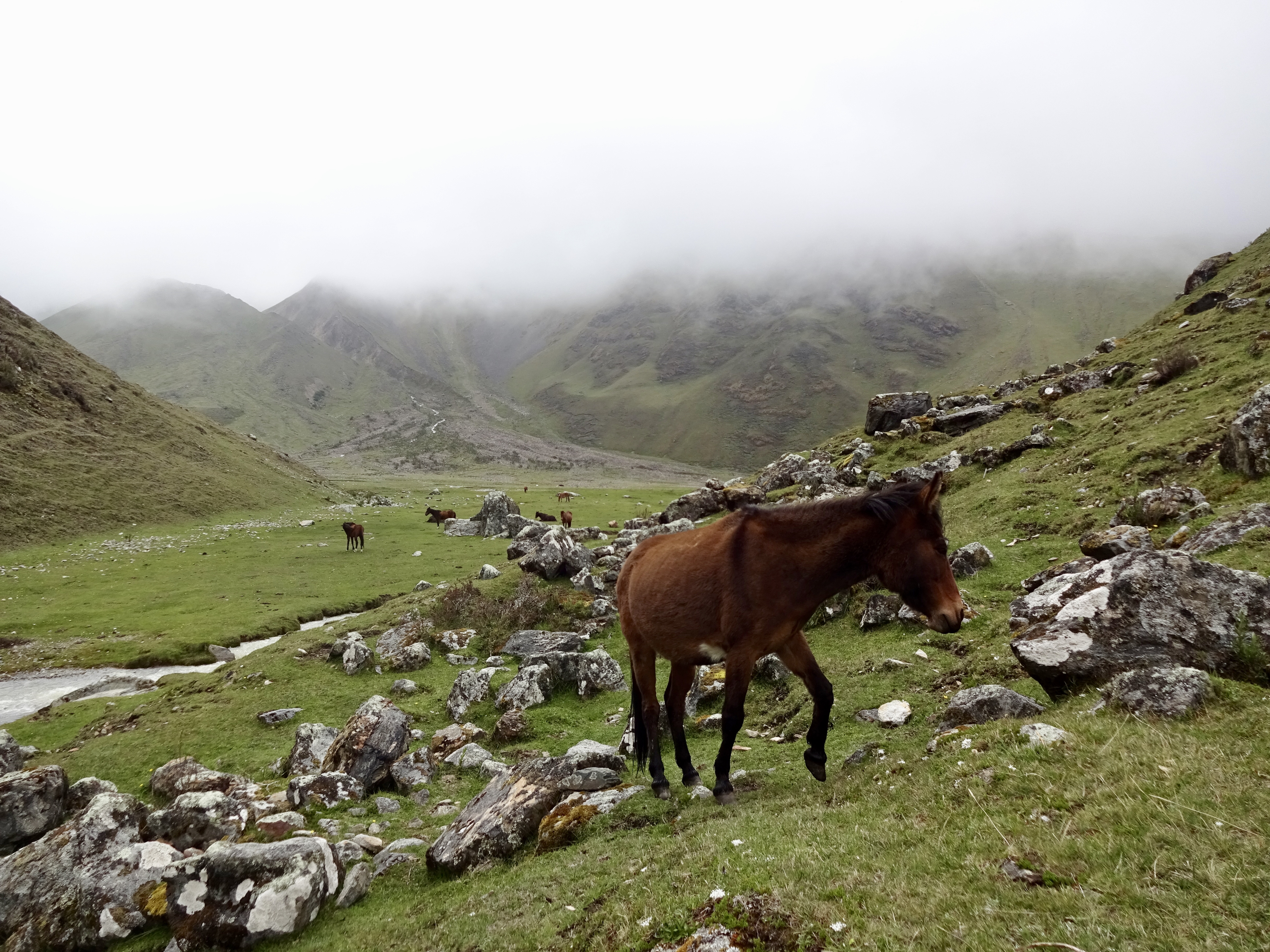
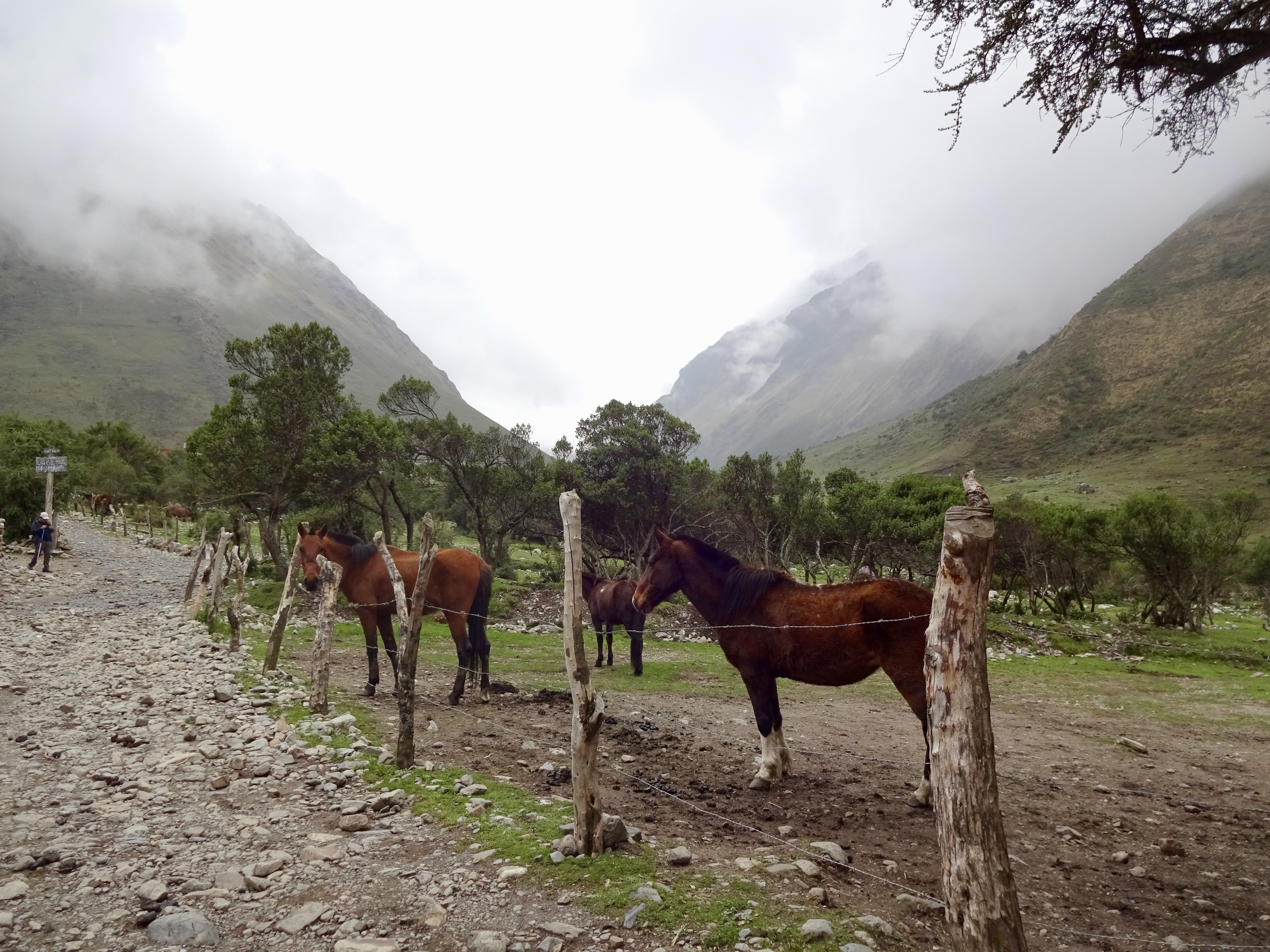
The last day in Peru was another adventure to Lago Humantay. We woke up at 3:30, our tour picked us up at 4, and we were driven two hours to a place where we were given a hearty breakfast and then continued on to the trailhead. There was the option to ride horses up the trail to the lake so of course we took them up on that offer! It was a surreal experience to ride the horses up to the lake, with sweeping views of the valley between mountains behind us. The lake was a beautiful blue color and we hung out there with our tour group for a bit before hiking back down the mountain. We had lunch after the hike and were dropped back in Cusco. Right after we got back to Cusco, a HUGE thunderstorm started (it is the rainy season in Peru) and the rain was so heavy that we put off going to dinner until after we packed. After a last dinner, we went to bed and then got on our flight the next day back to Santiago!

What a good trip. I can’t wait to go back to Peru; I feel like I have only seen the tiniest portion of an amazing country.

Lots of love!

Cecilia

Portugese?

My favorite movie for the longest time as a kid was “Rio,” the Disney about a blue parrot from Minnesota who goes to Rio de Janeiro because he is the last of his kind and needs to mate with this other parrot. The soundtrack is amazing, the colors are amazing; 10-year-old Cecilia was hooked. My sister and I would sing and sing those songs in the car wherever we were going… we were obsessed. So, I have wanted to go to Rio for a very long time now. It was not in my original South America travel plans because 1) it seemed so far away and 2) I don’t speak ANY Portuguese.

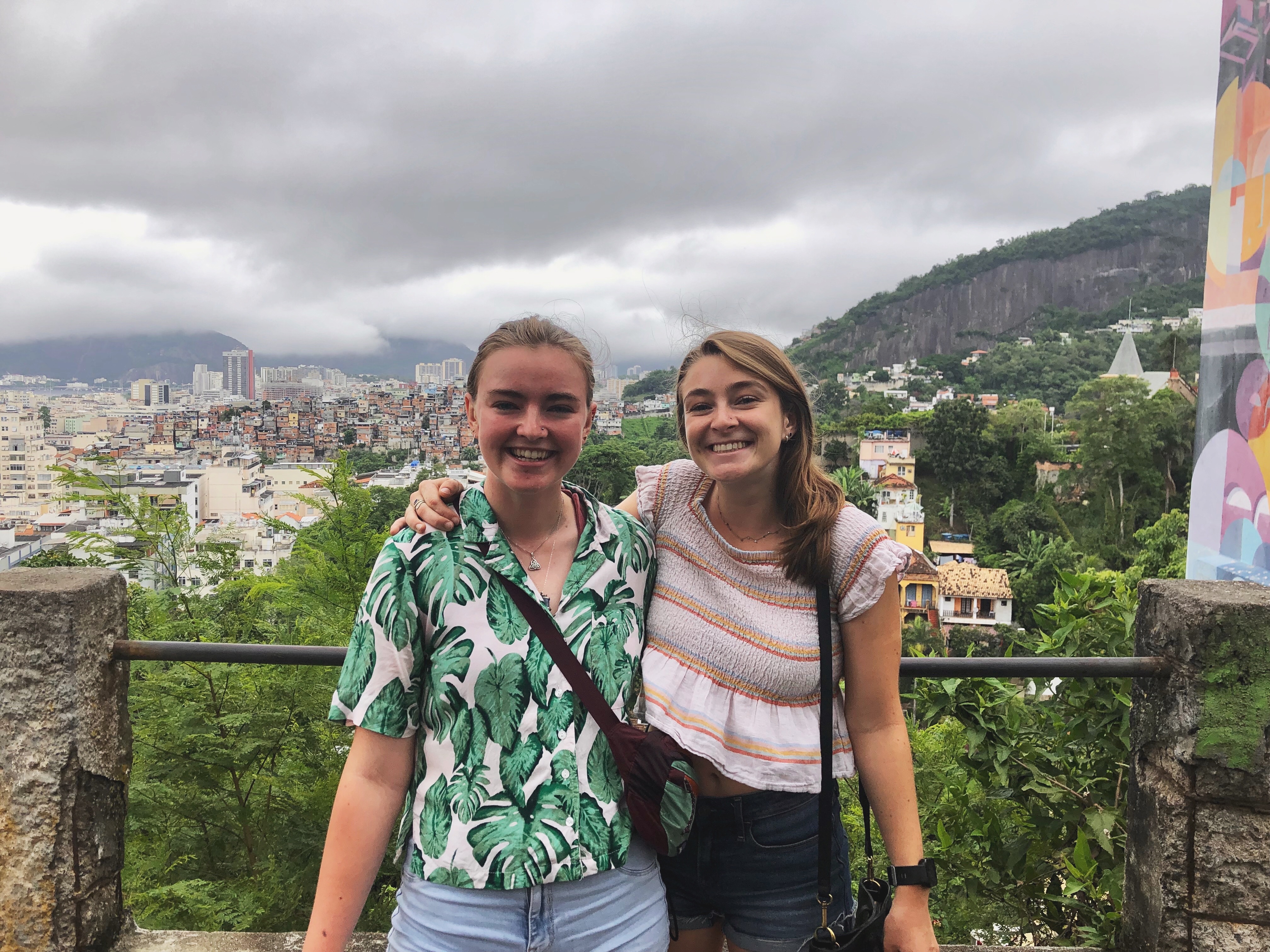
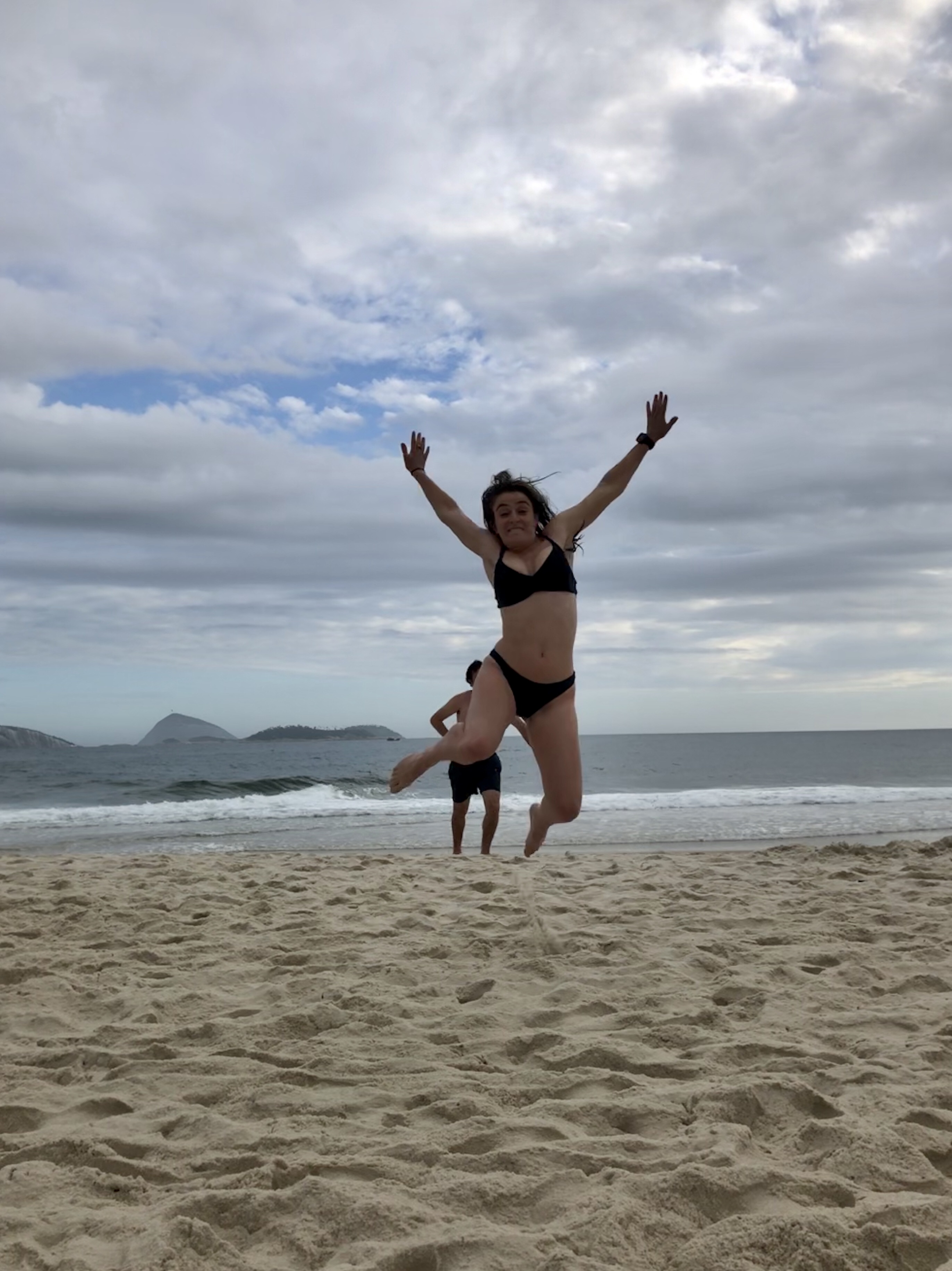
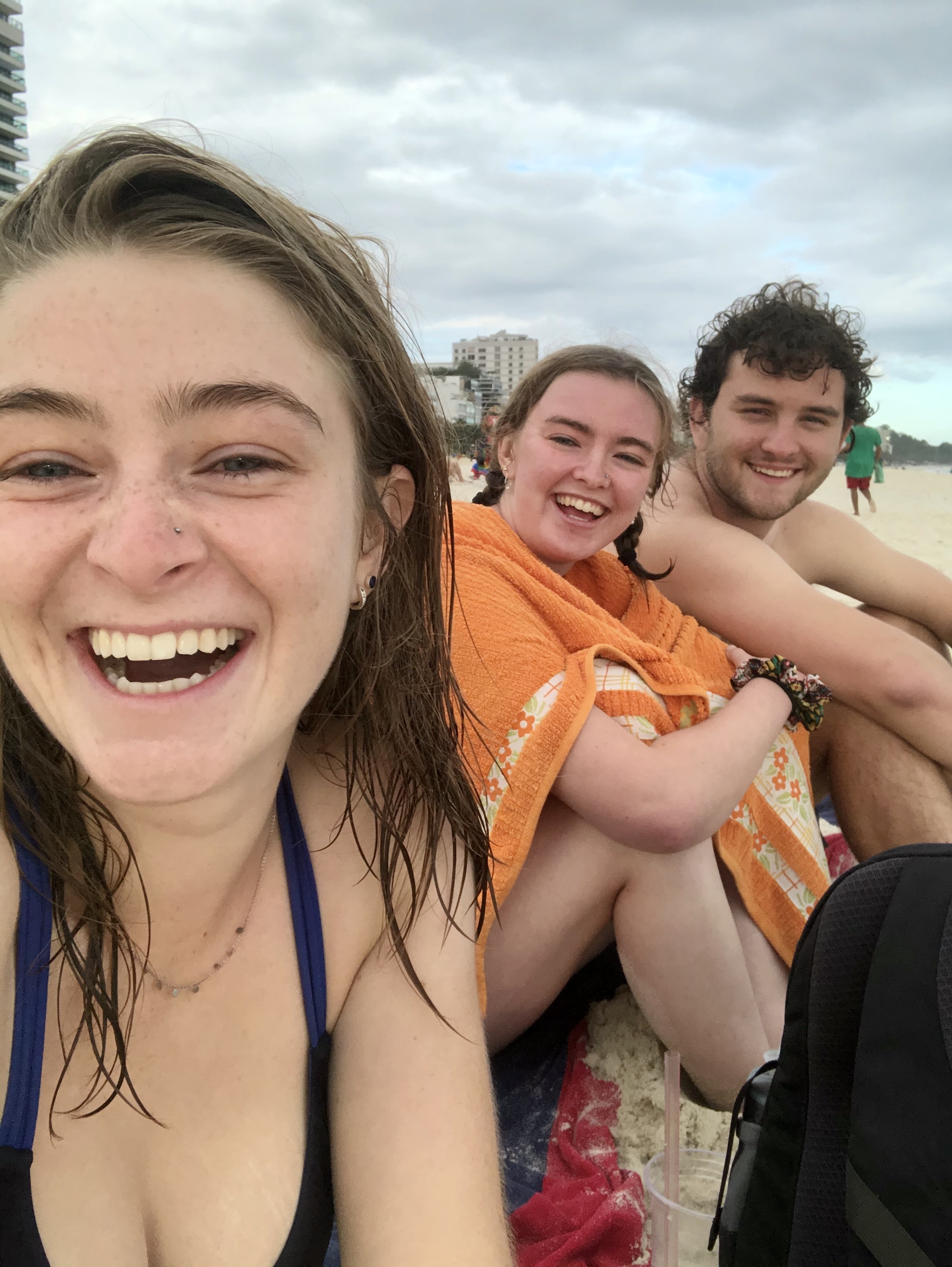
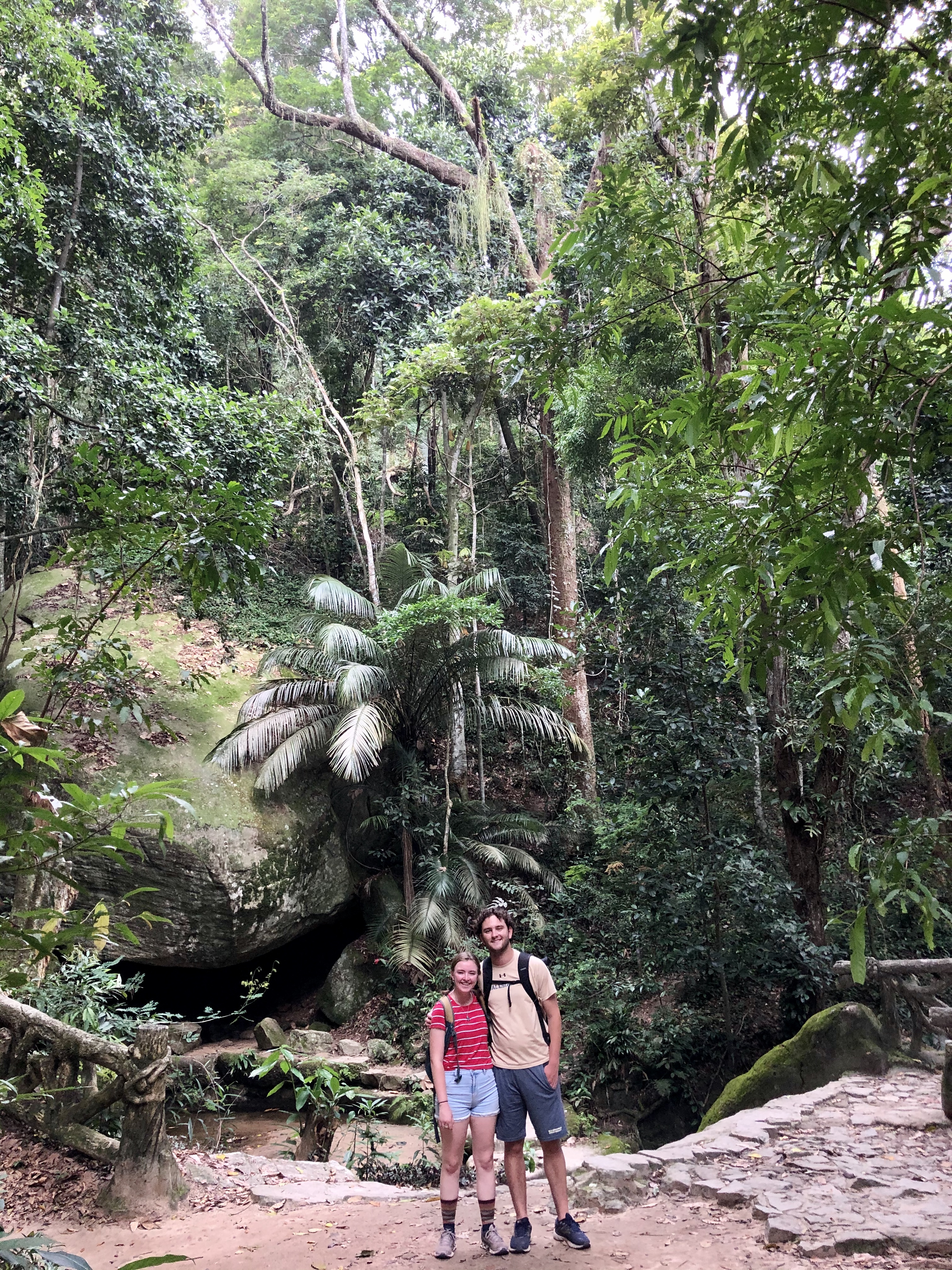
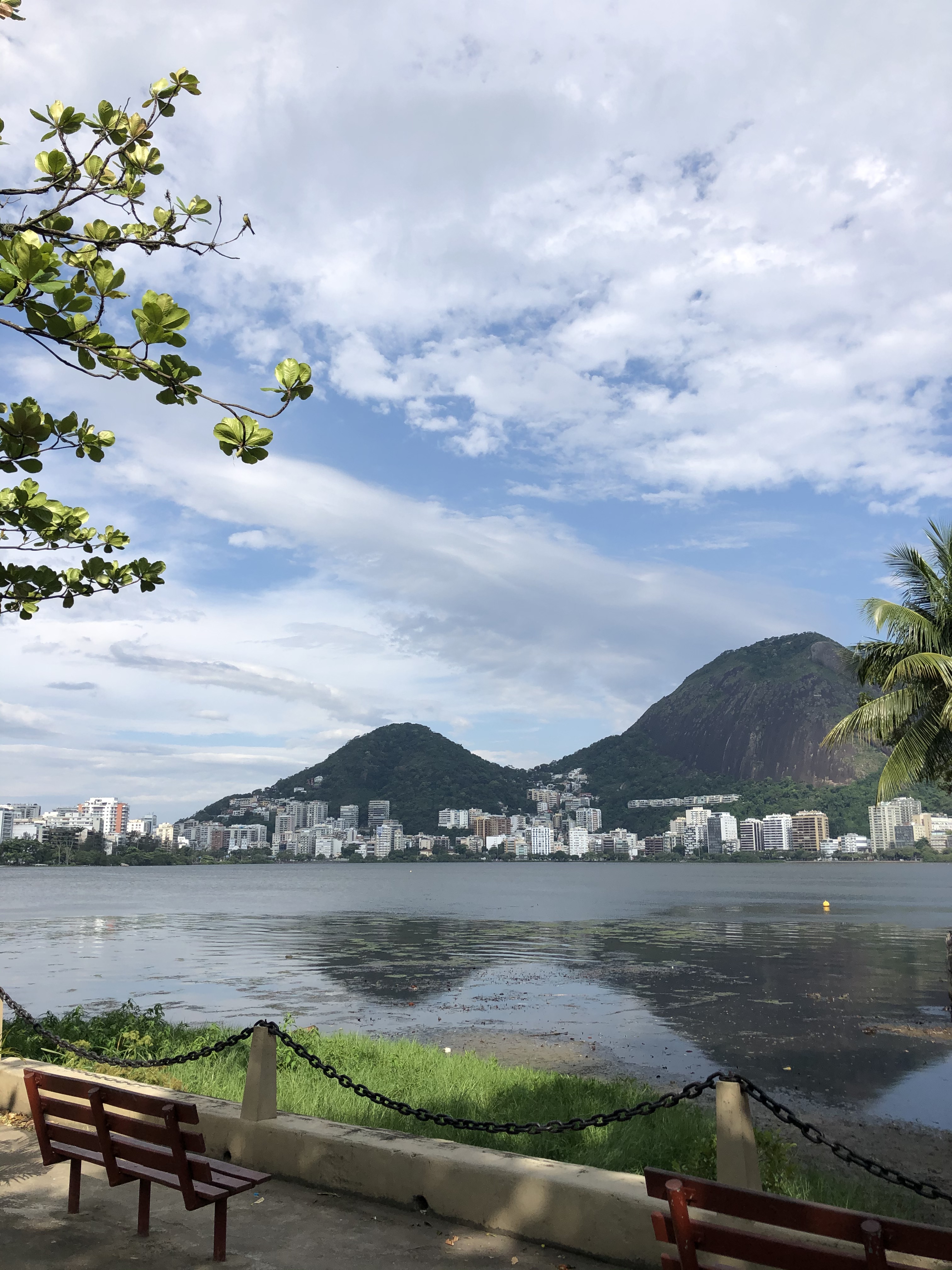
However, when the prospect of ever having class in Chile again shrank to almost nothing, I decided to see where I could take an unexpected trip. Since I couldn’t go to Ecuador or Bolivia (hello more social unrest), I hesitantly tried to find flights to Rio. I was amazed when I found decently priced flights for a weeklong trip, so I decided to give it a go. My friends Jack and Caileigh were happy to accompany me and we bought the tickets! A week later, we were on our plane to Rio. The plan was to spend about 4 days there and then head back to Chile. Reflecting back, these four days were so packed full of stuff, I am honestly shocked we got to spend 2 of those afternoons relaxing on Copacabana Beach.

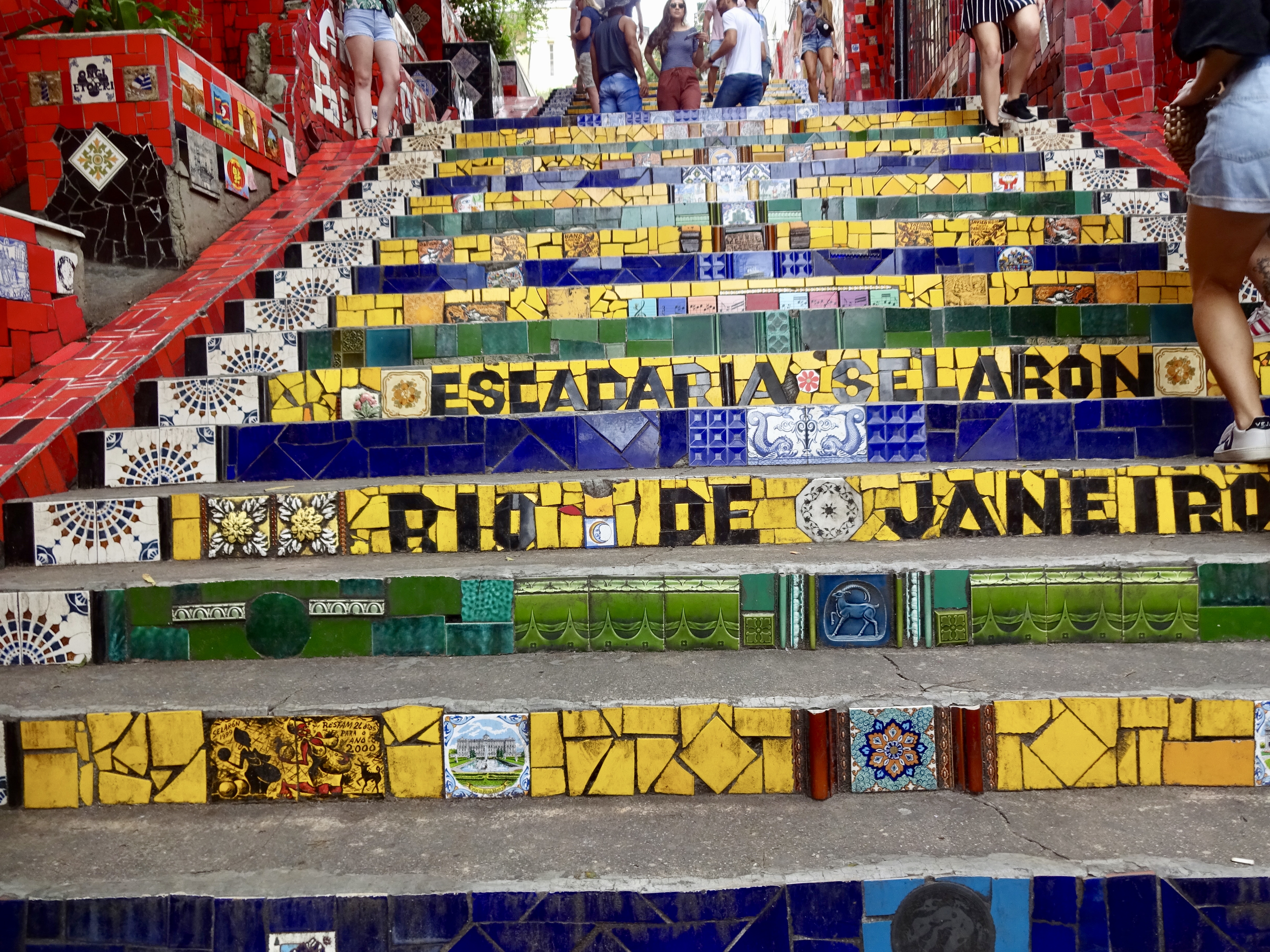
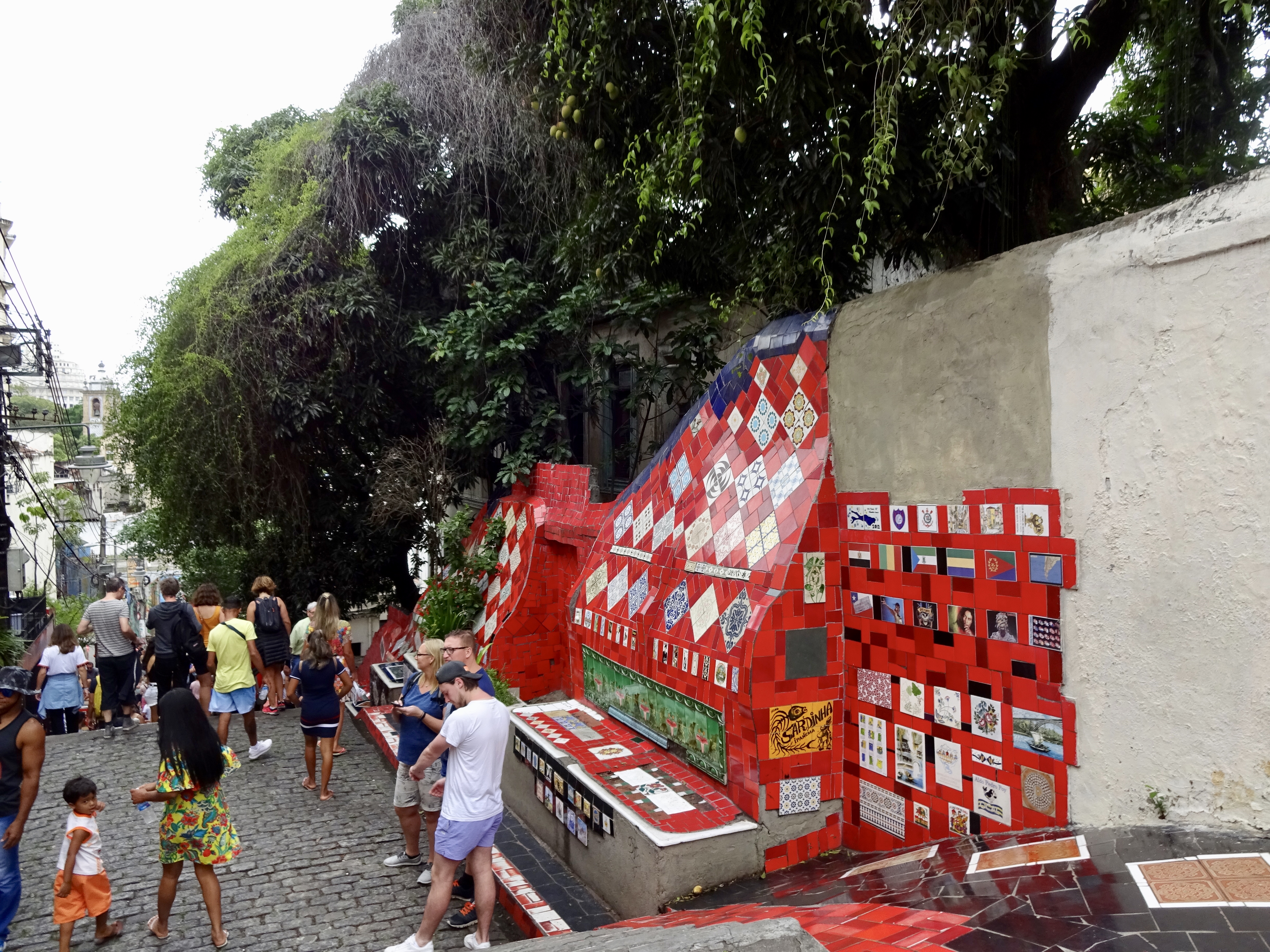
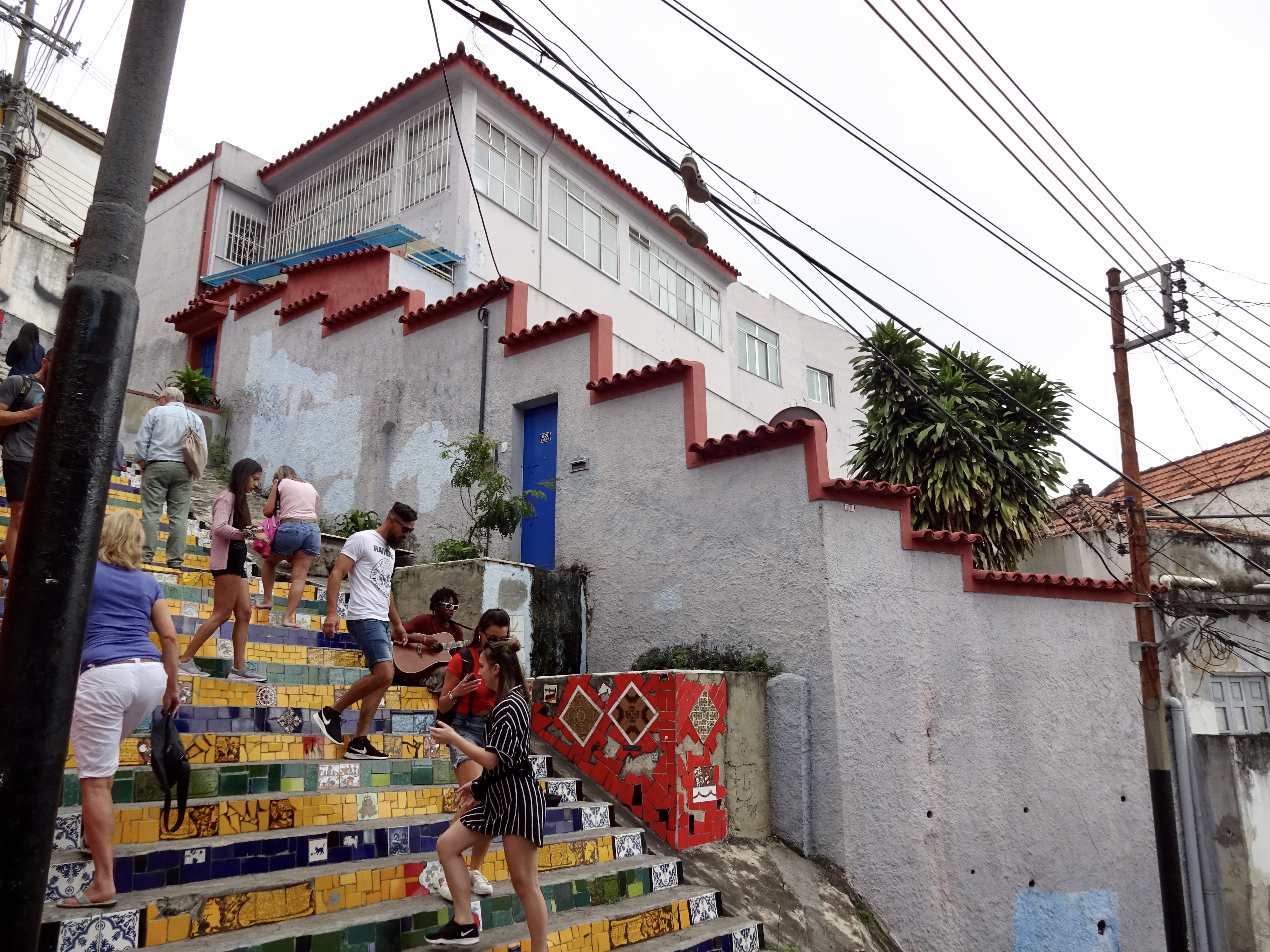
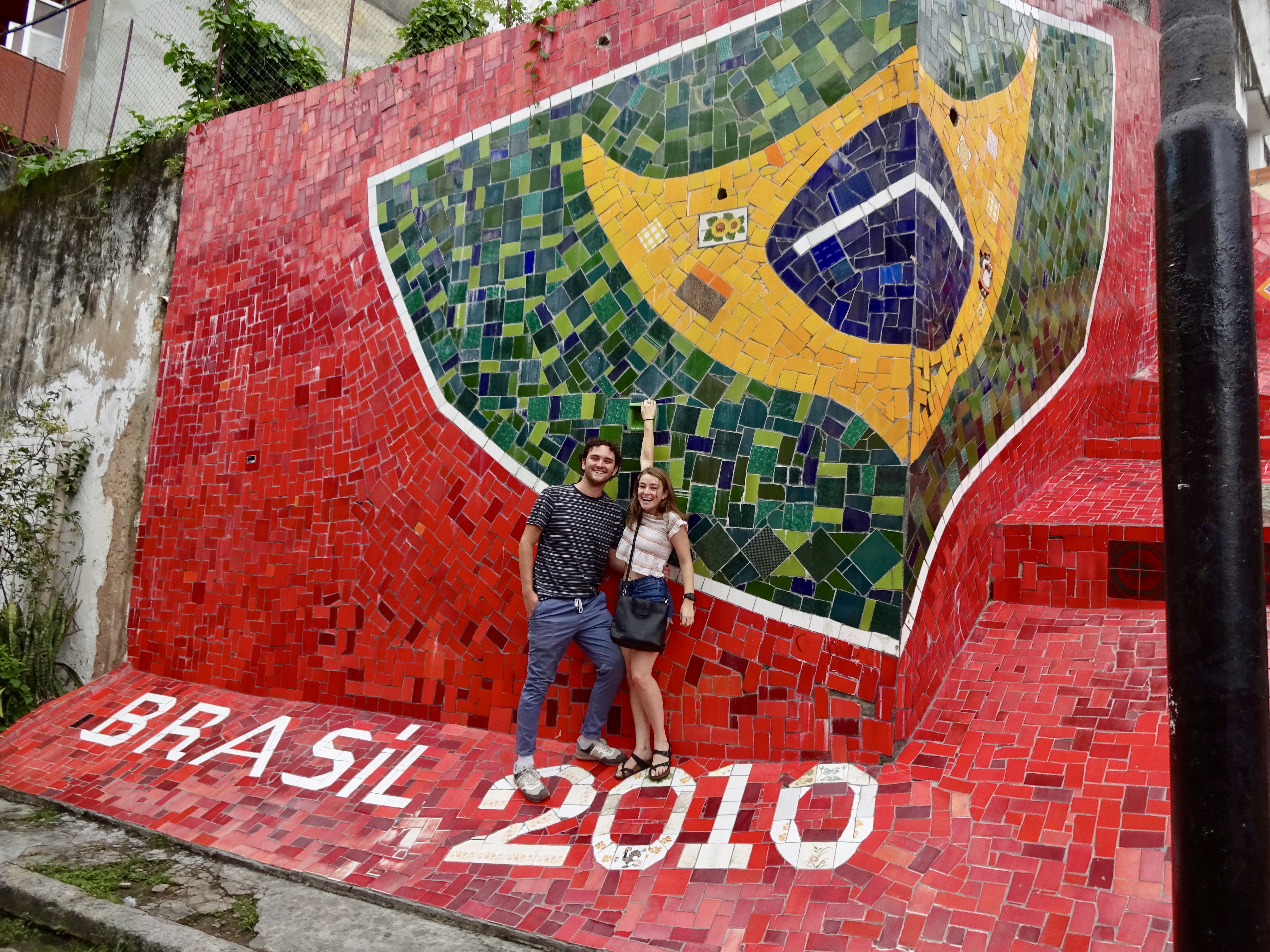
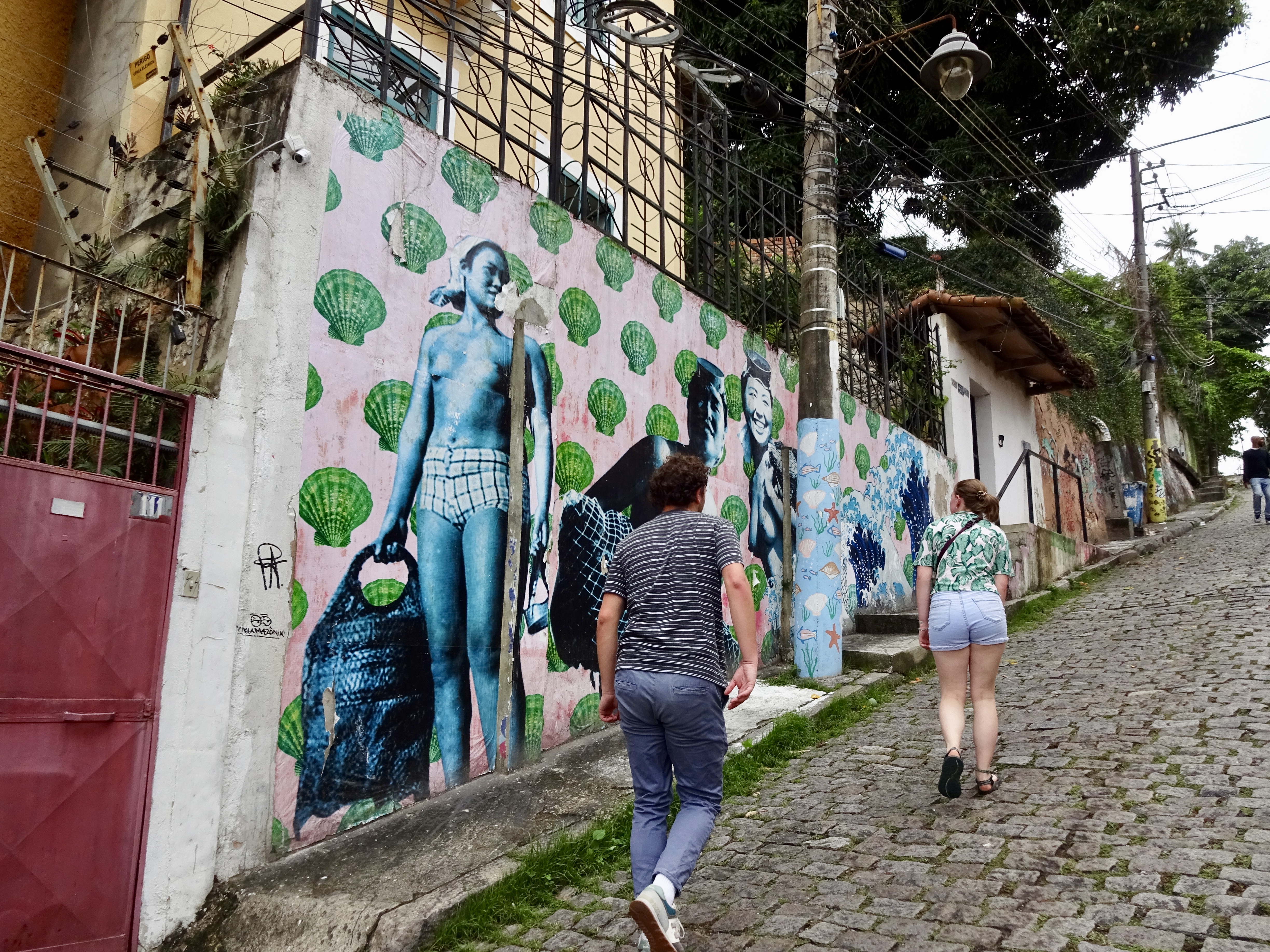
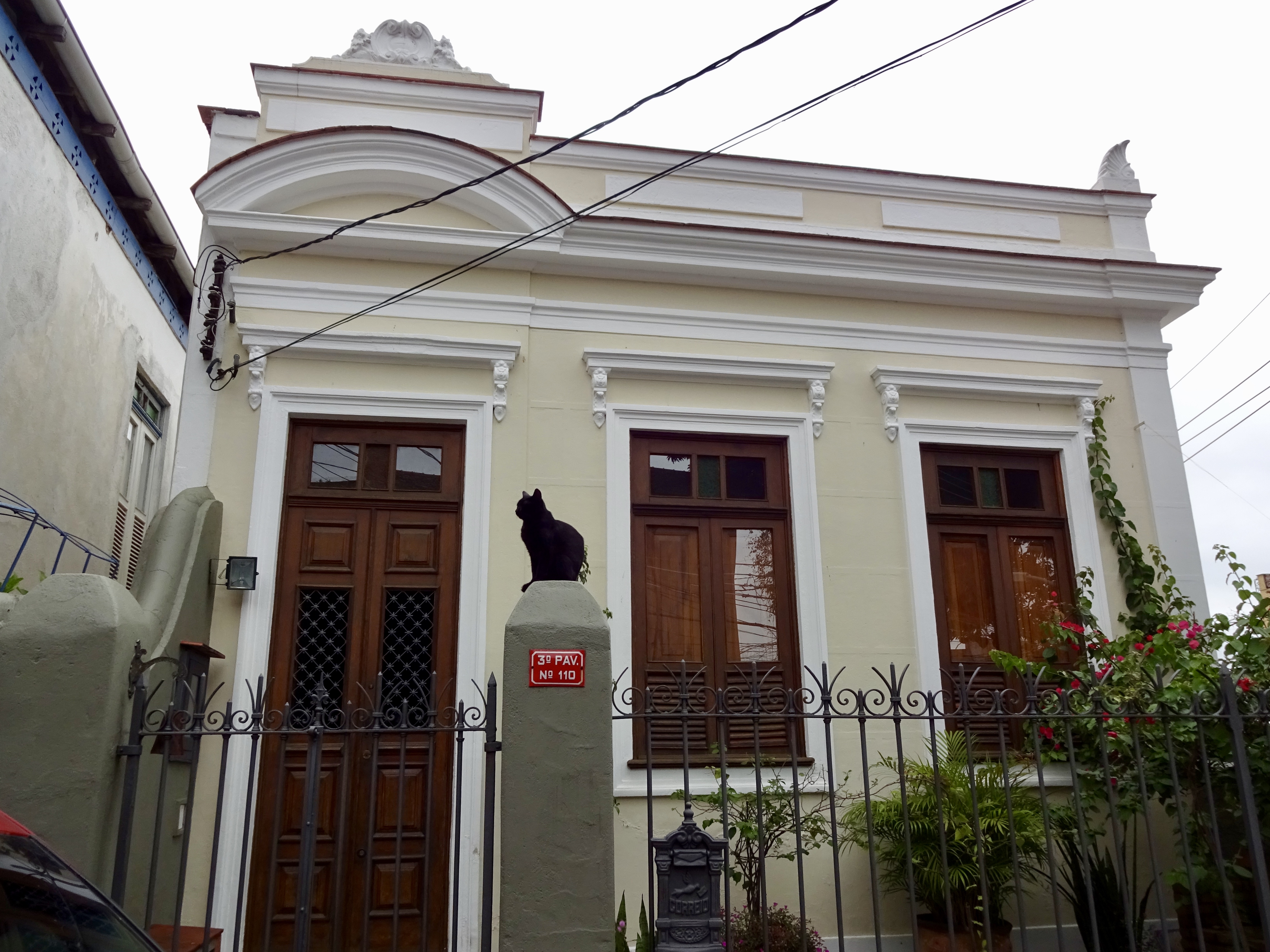
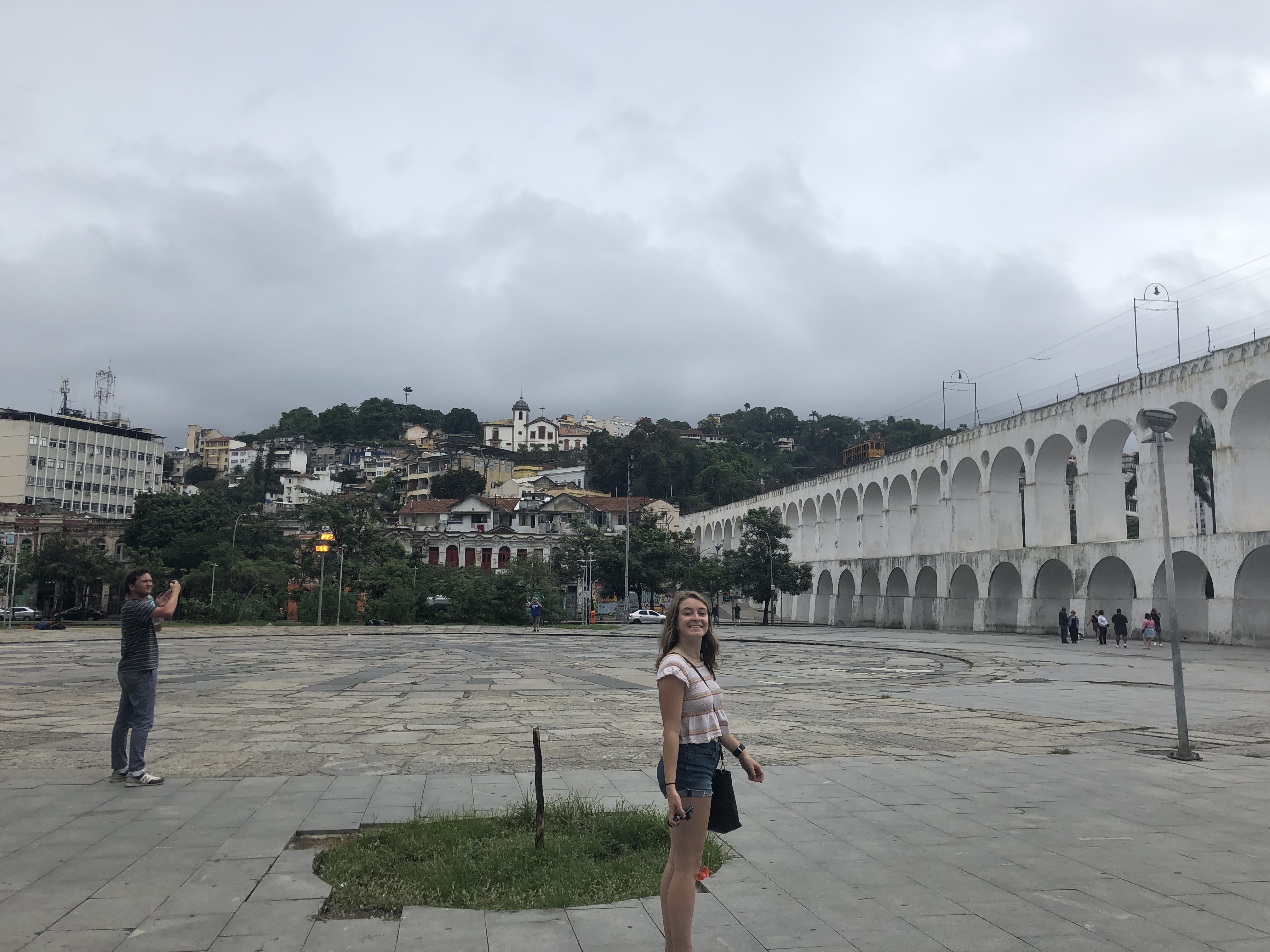
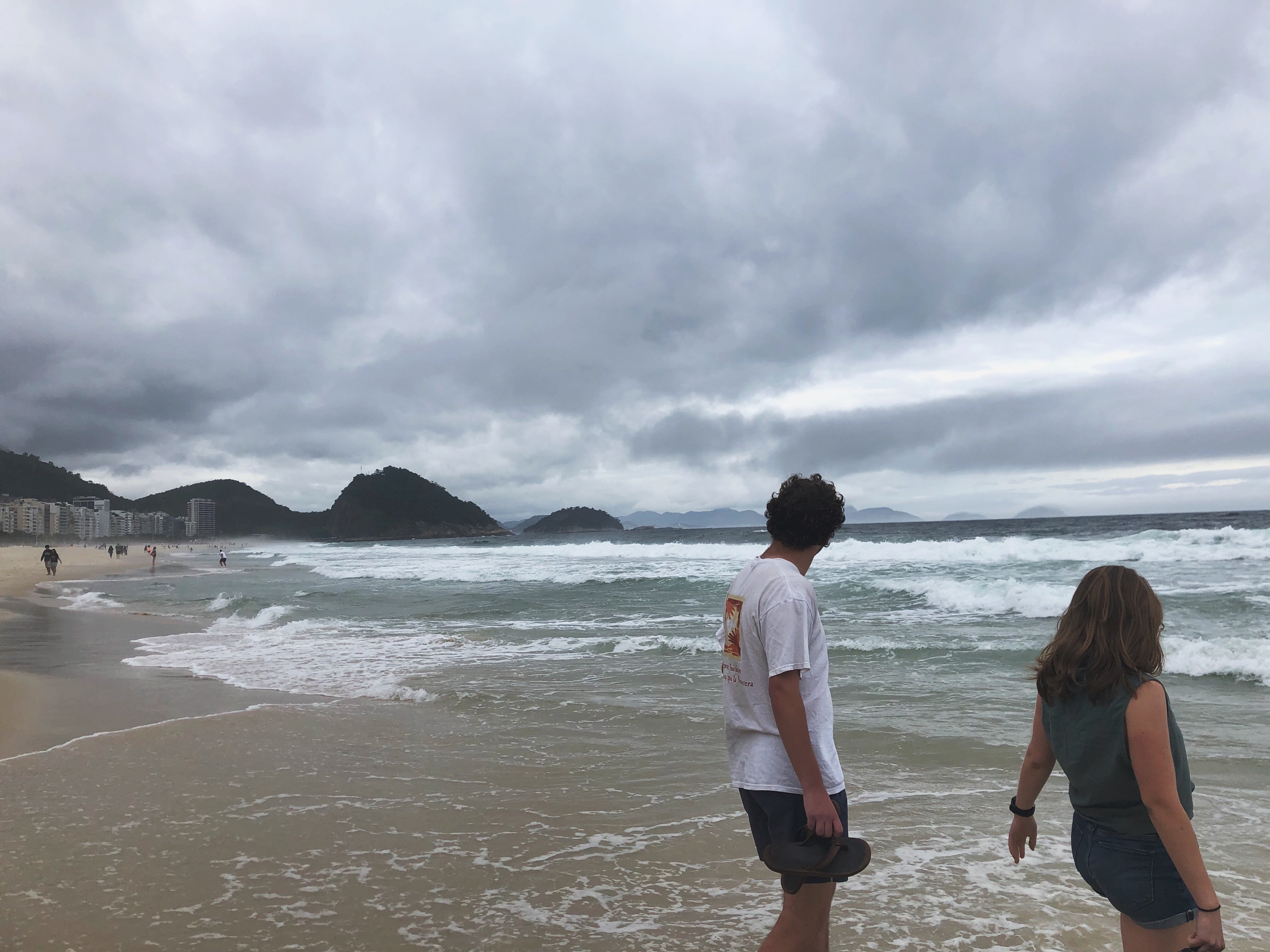
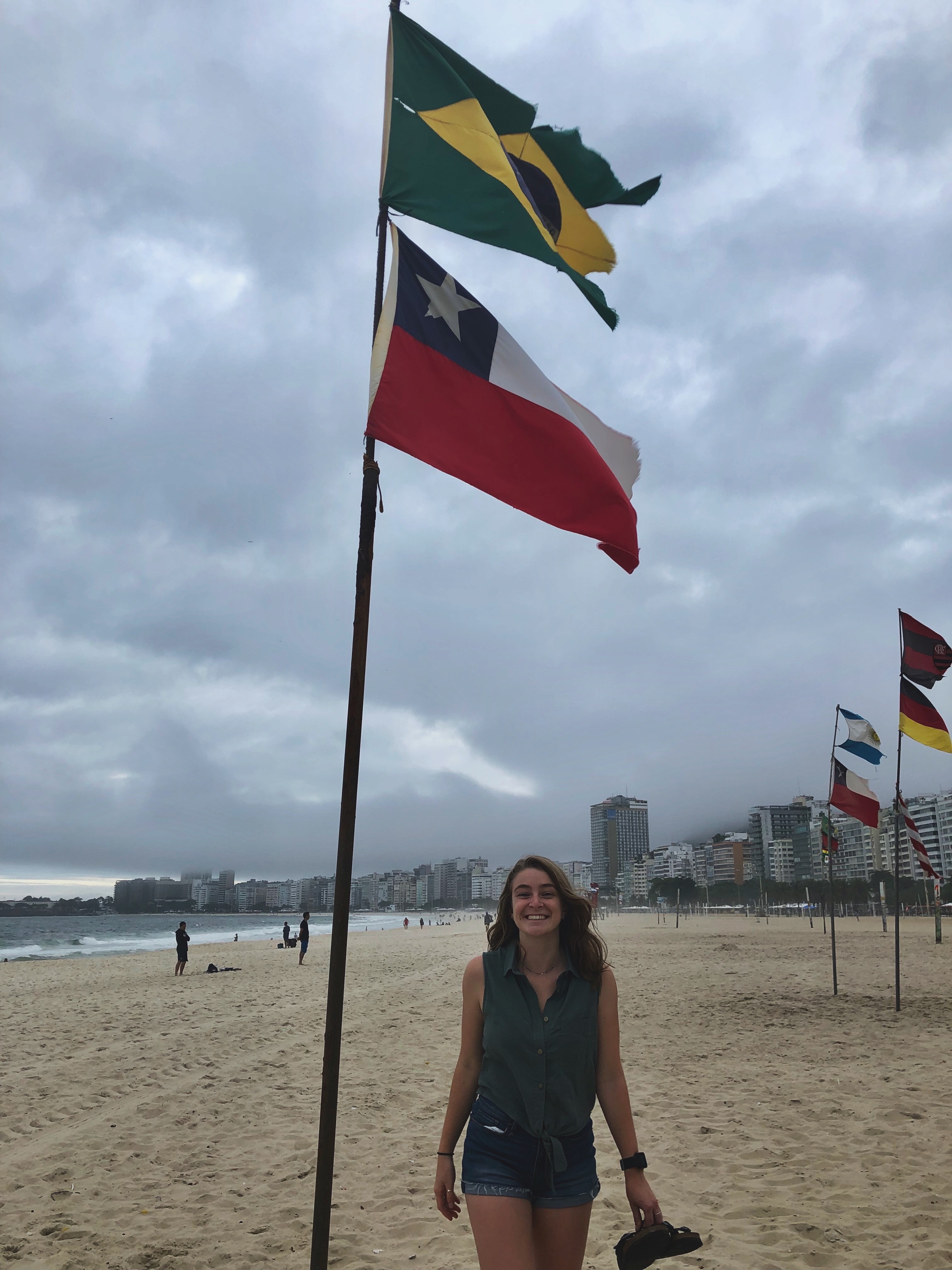
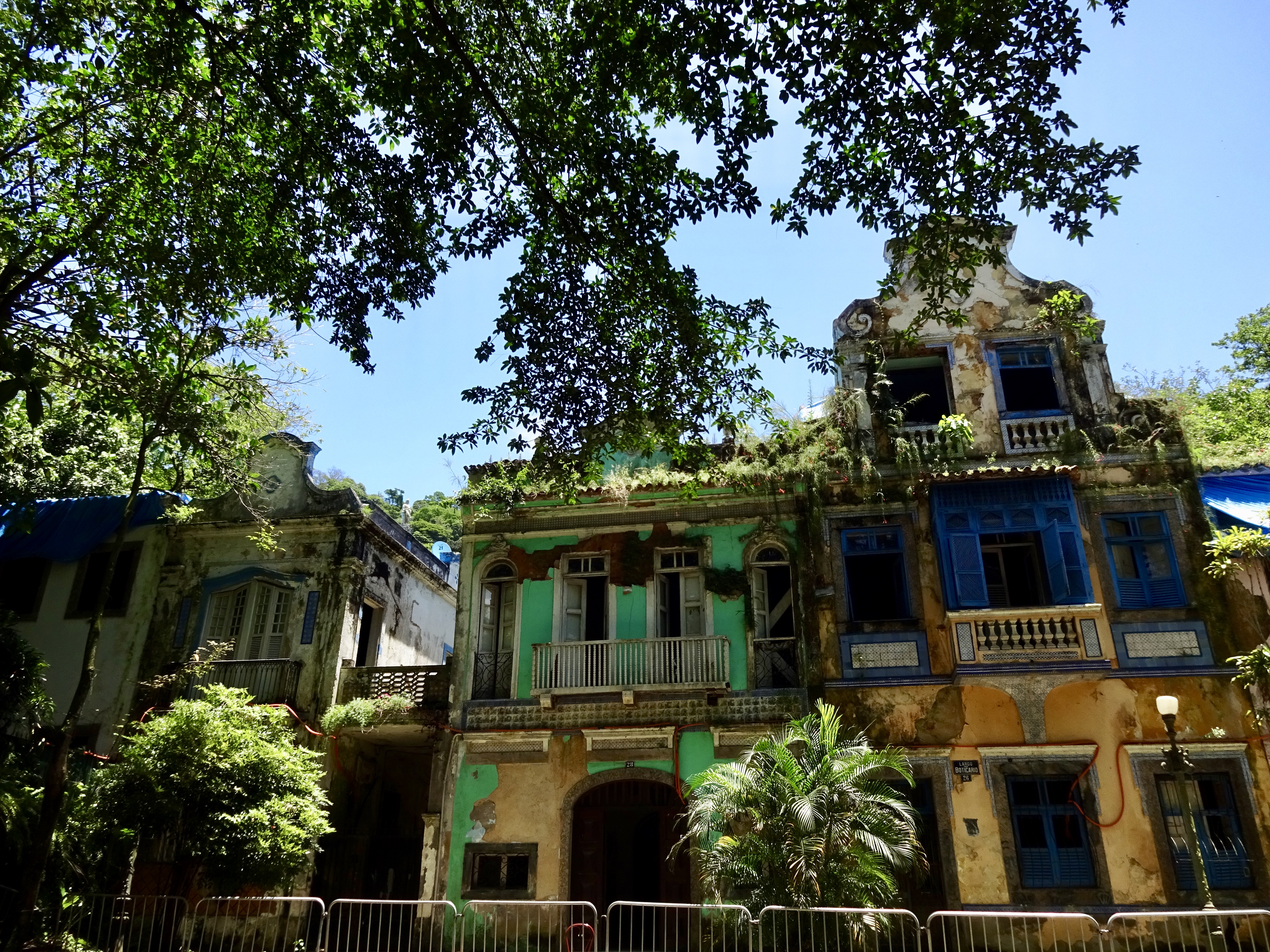
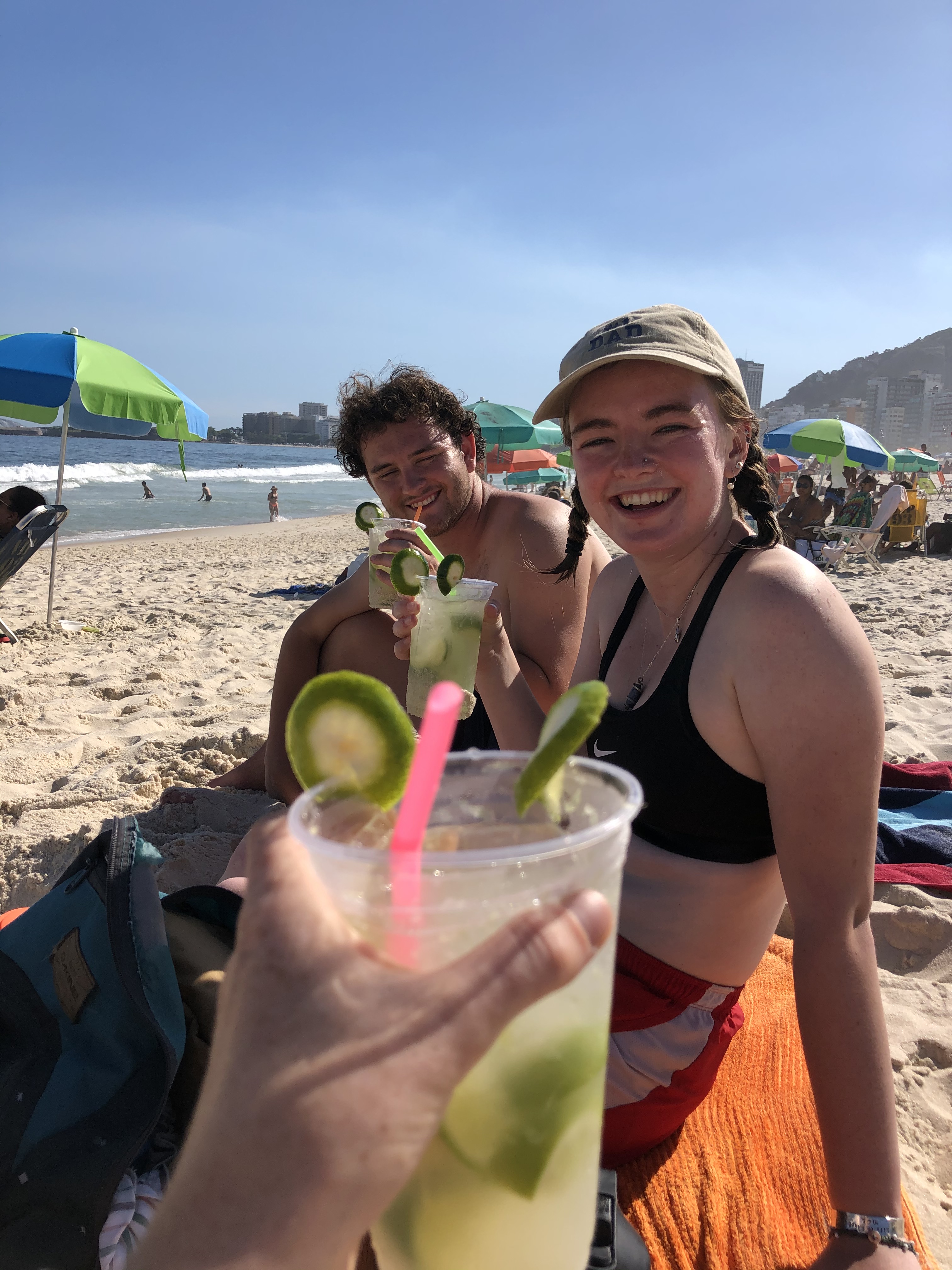
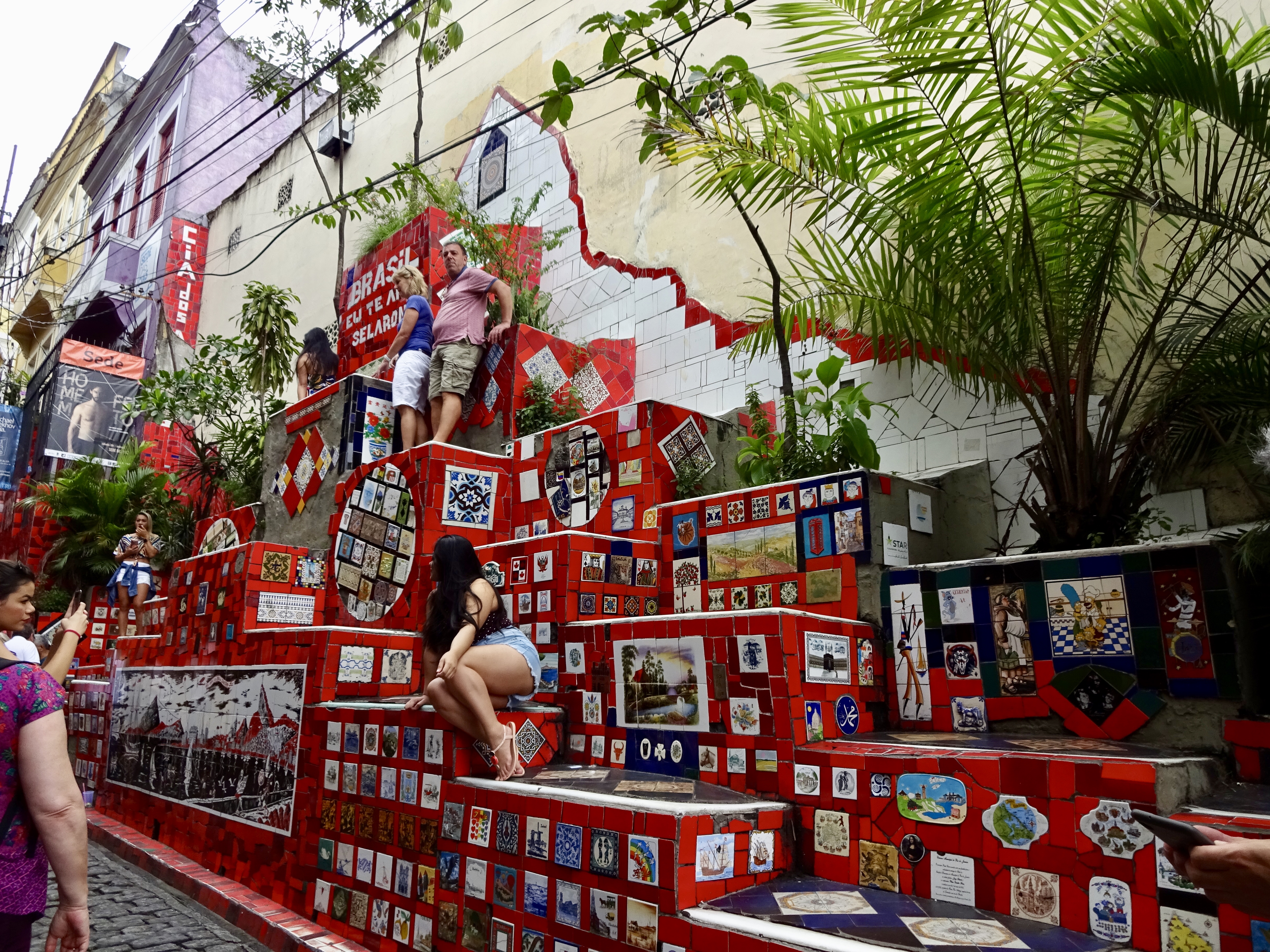
The first day it was a bit overcast so we headed north from where we were staying to the Centro to check out some sights there. We went to the “Escaleras de Selaron,” a famous art installation of tiled stairs, conveniently done by a Chilean artist! We then wandered around the neighborhood of Santa Teresa, took a streetcar, and saw some more of downtown Rio. We had a delicious late lunch at this classic Brazilian restaurant (hello yummy fish and rice!) and then headed back to Copacabana. Even though it was cloudy, we walked along the beach, ran in the water and generally yelled about our disbelief about being in Rio de Janeiro at that exact moment. We wandered into a beachside bar, had a couple of classic Brazilian “caipirinha” drinks, and headed back to our neighborhood for dinner and a good night’s sleep.

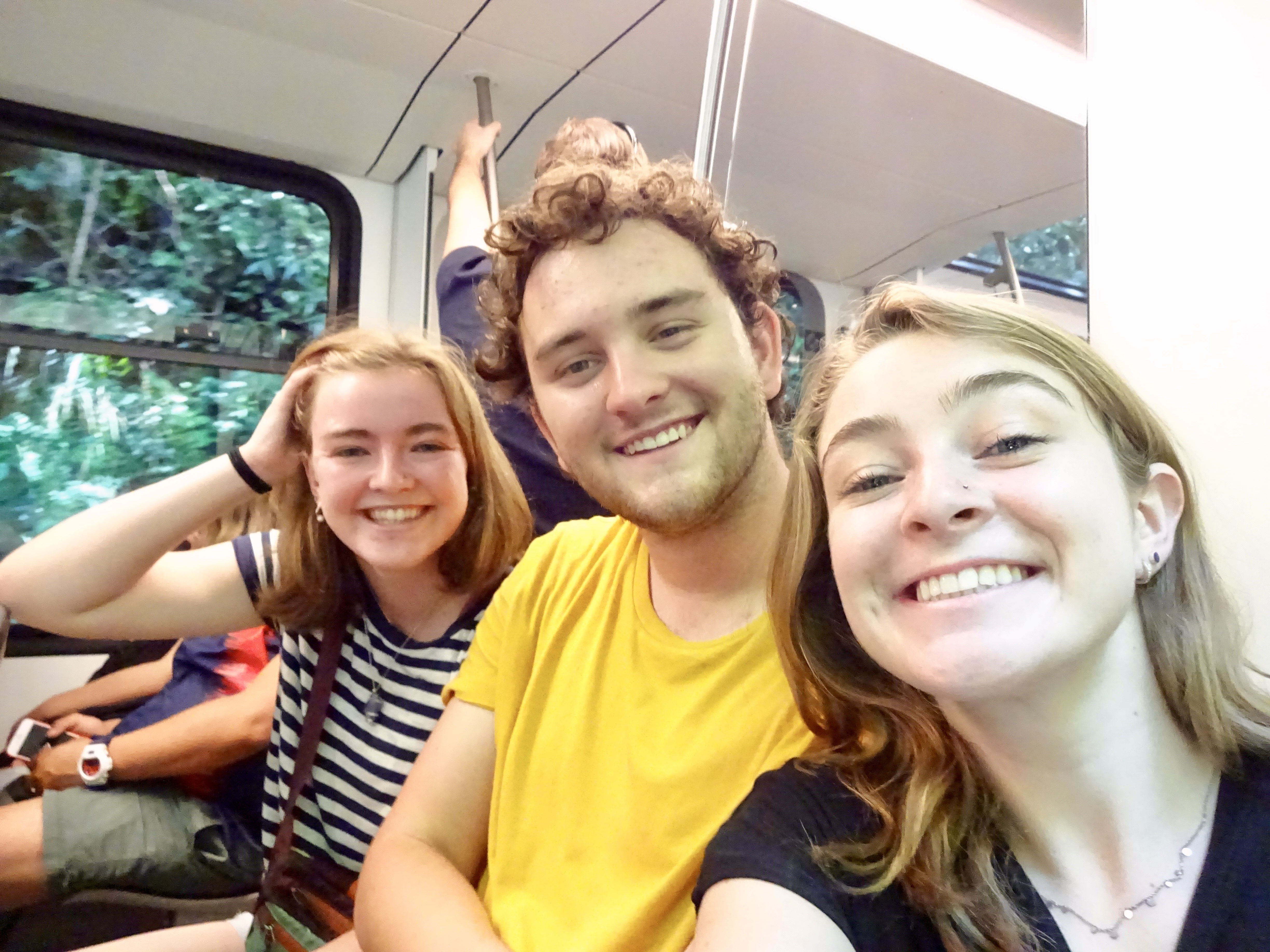
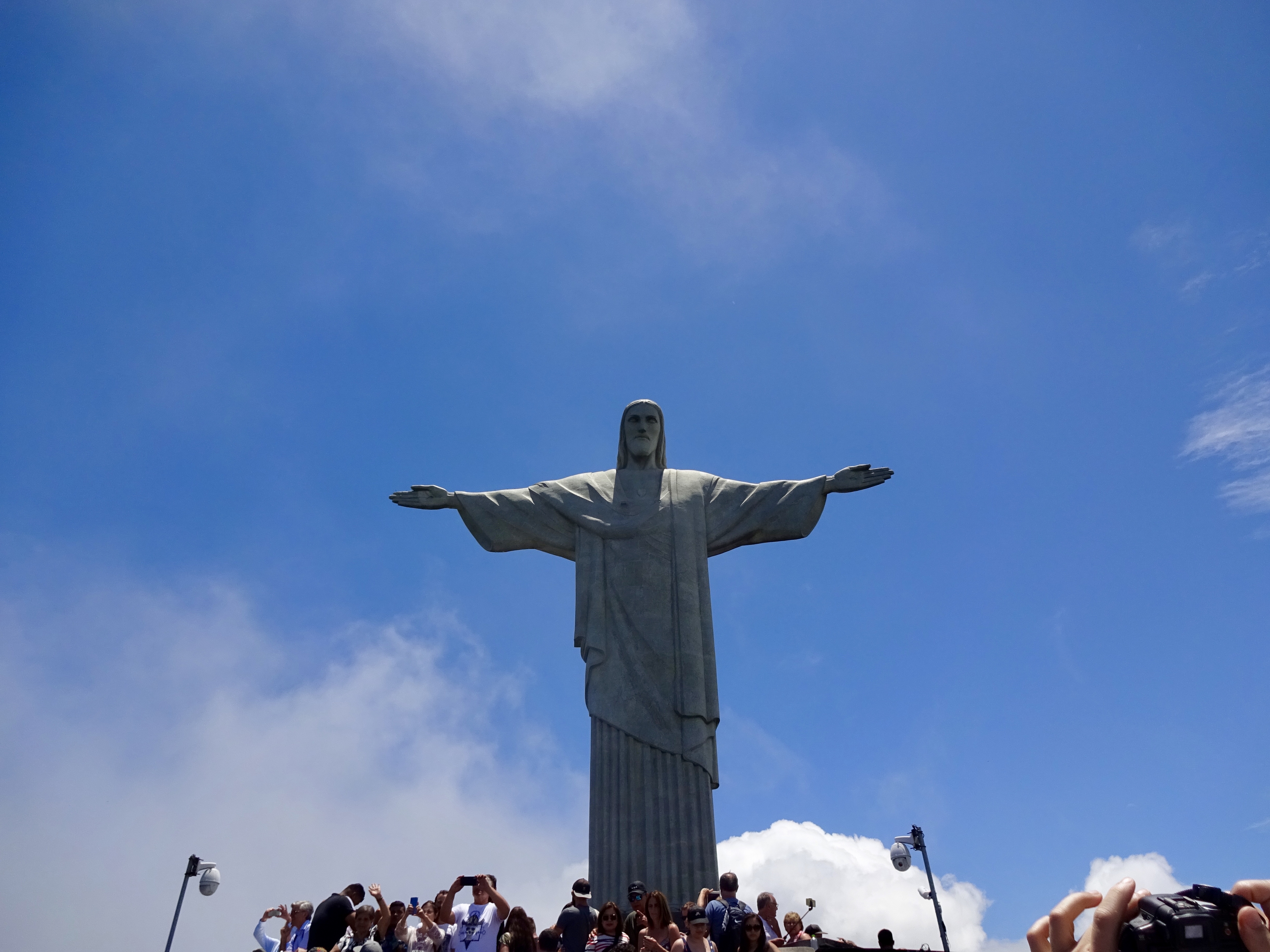
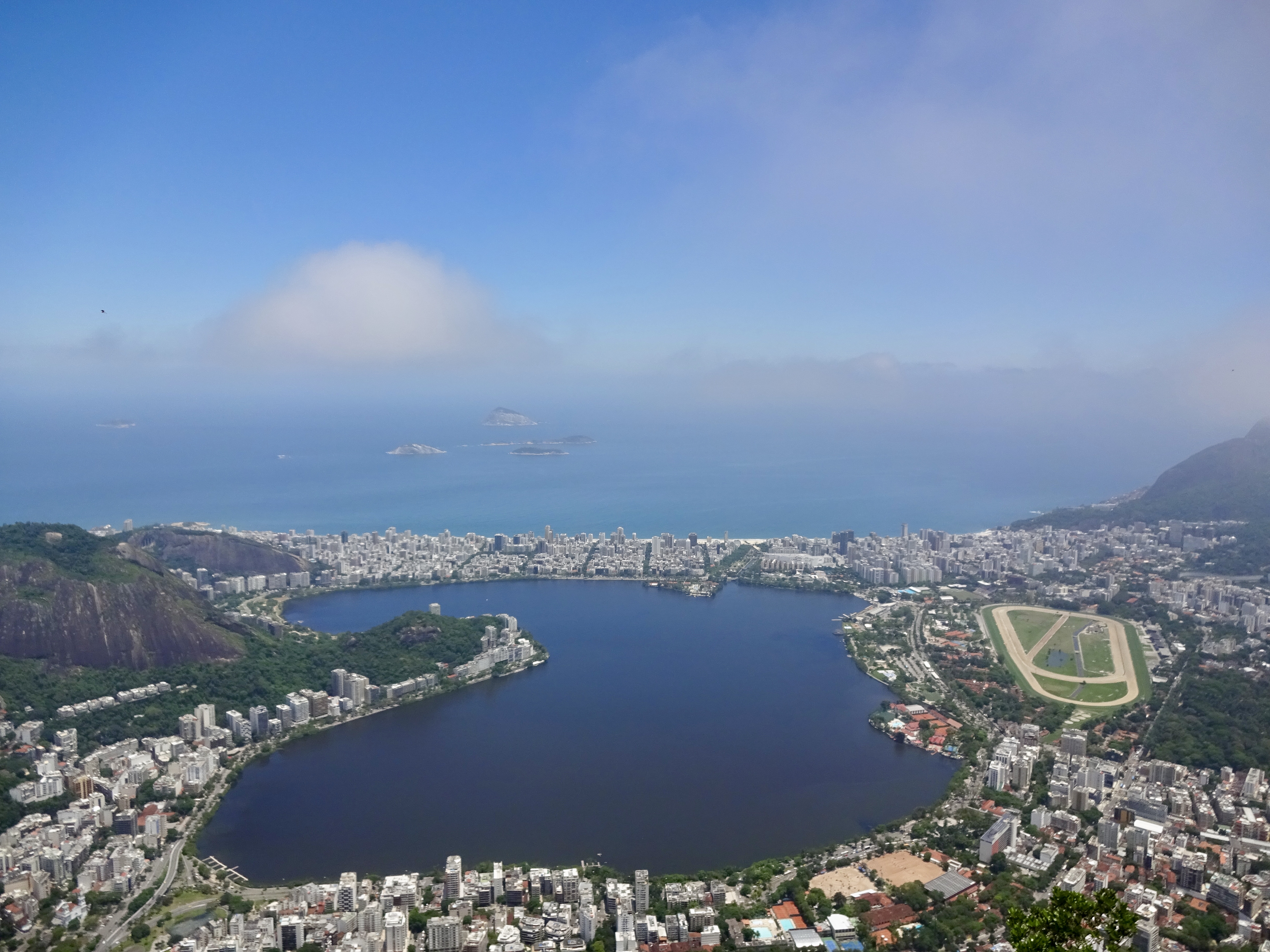
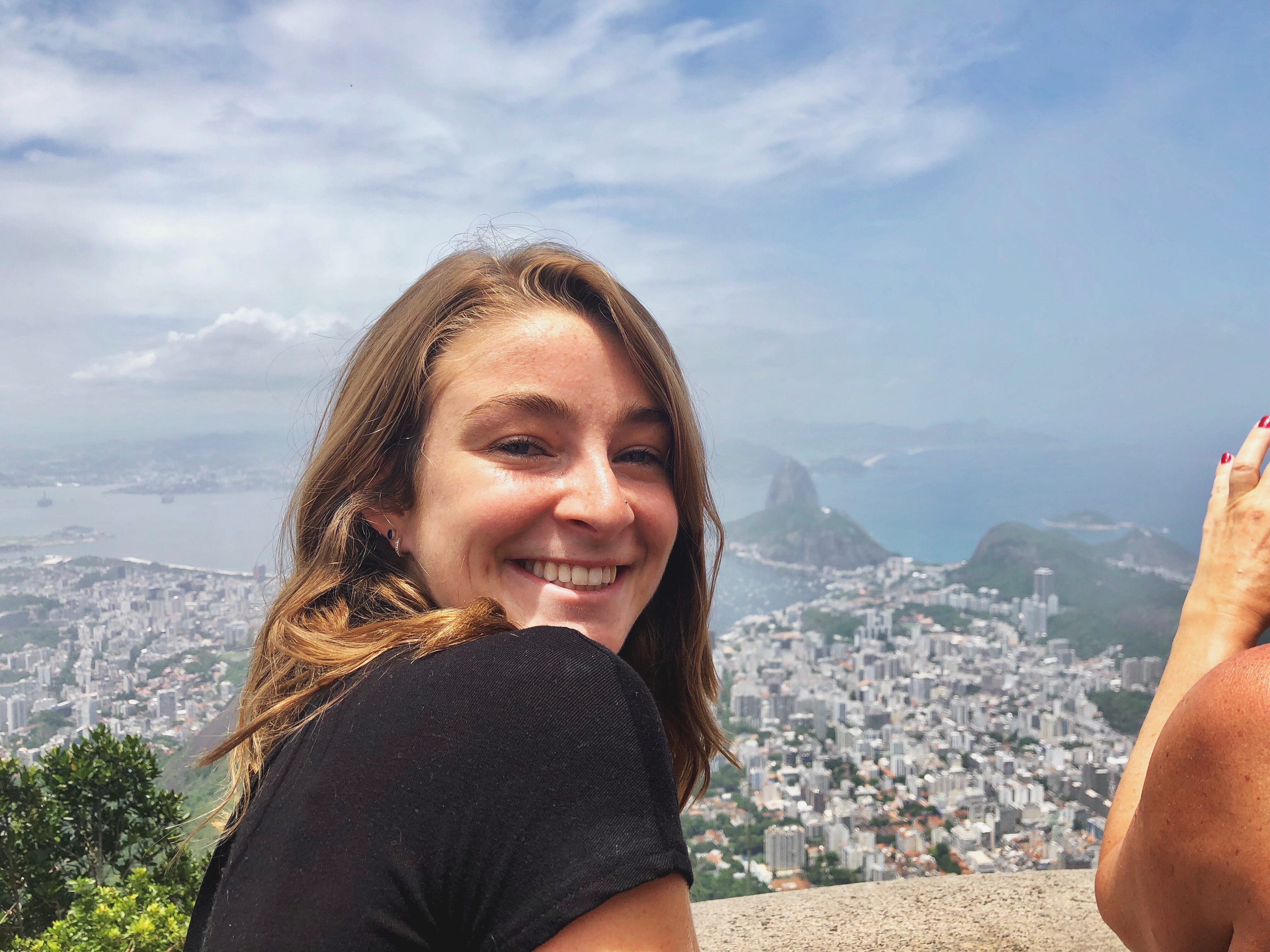
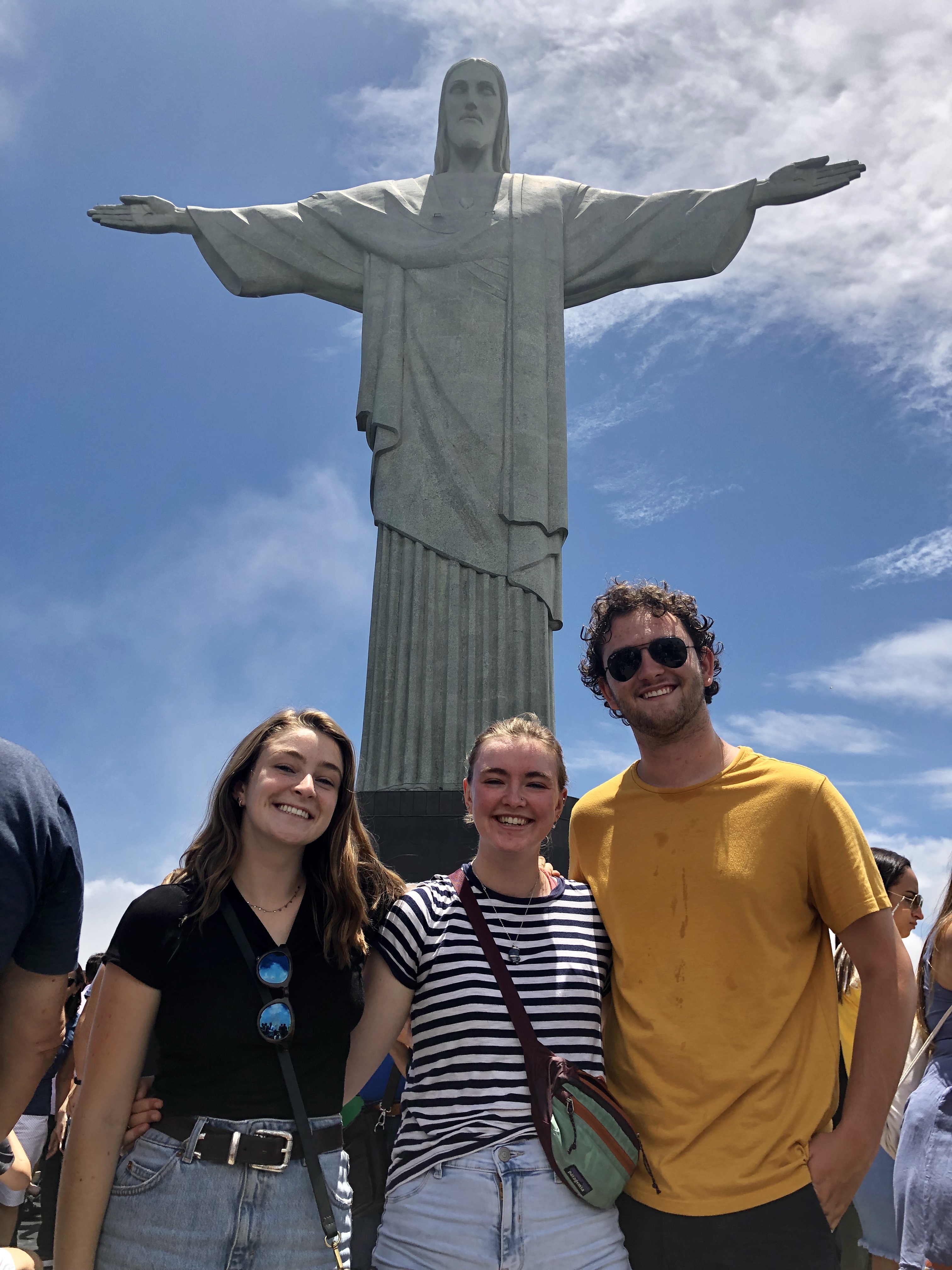
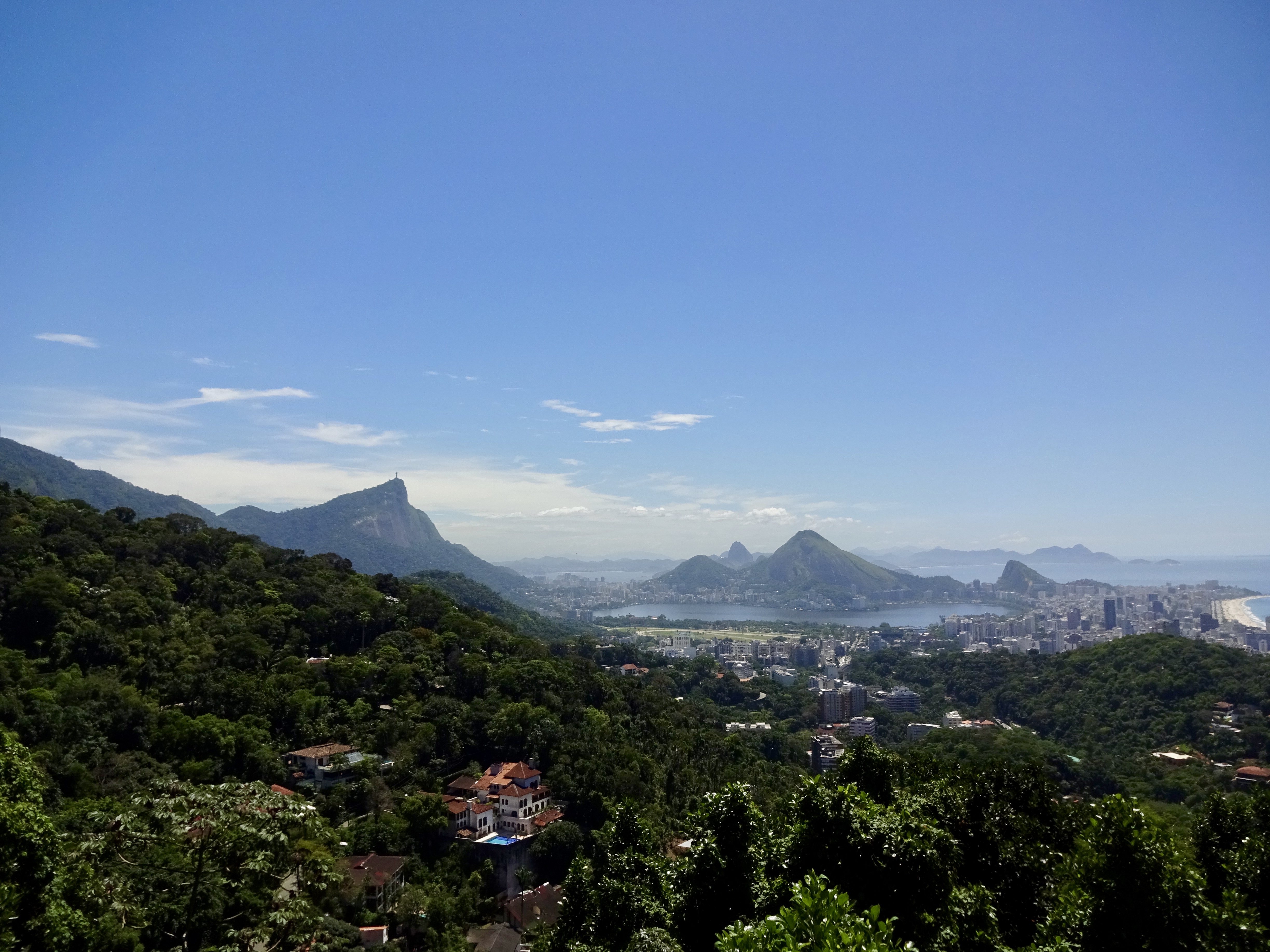
The next day dawned bright and (almost) cloudless, so we decided that this was going to be the day that we went to the famed Christ the Redeemer statue. It is important to go on clear days so that you can take advantage of the incredible views from the top. There are three ways to get to the statue: 1) walking up the mountain, 2) taking a van up, or 3) taking a scenic train. We decided to go the train route because it seemed like the coolest and none of us really felt like walking up that enormous mountain. The ride up was breathtaking, as we could see the intricacies of the jungle surrounding the city on all sides. When we finally arrived, it was… sweaty. And packed with tourists and selfie sticks. And a bit cloudy. Not exactly the splendor I had expected. We pushed our way through the throngs of tourists to the edges to see the view of the city and fought some more to get a good picture of us and Christ. After we had done these two essential things, the three us of decided to head back down, a tad underwhelmed by Christ himself. I guess some wonders of the world are not meant for everyone.

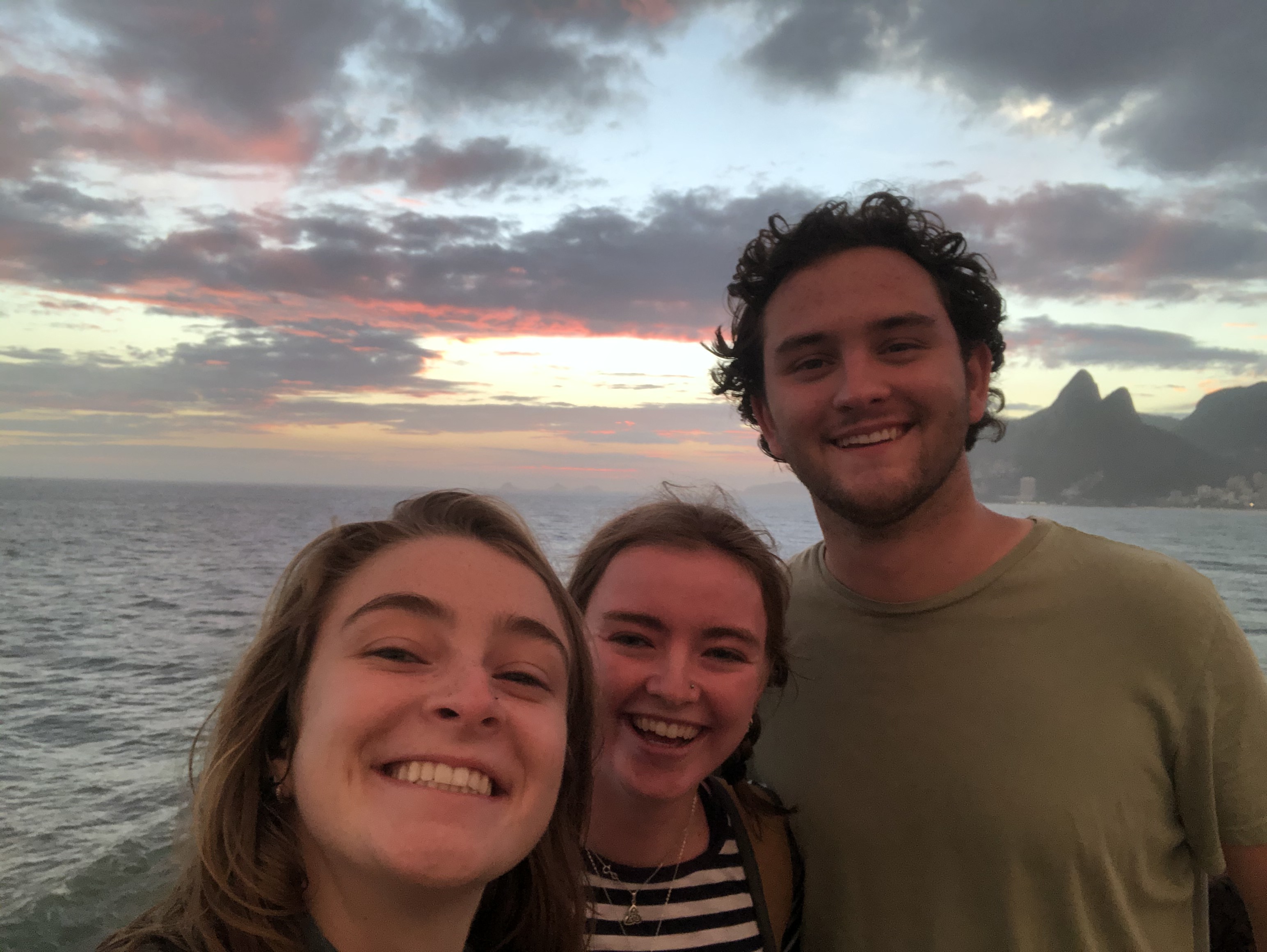
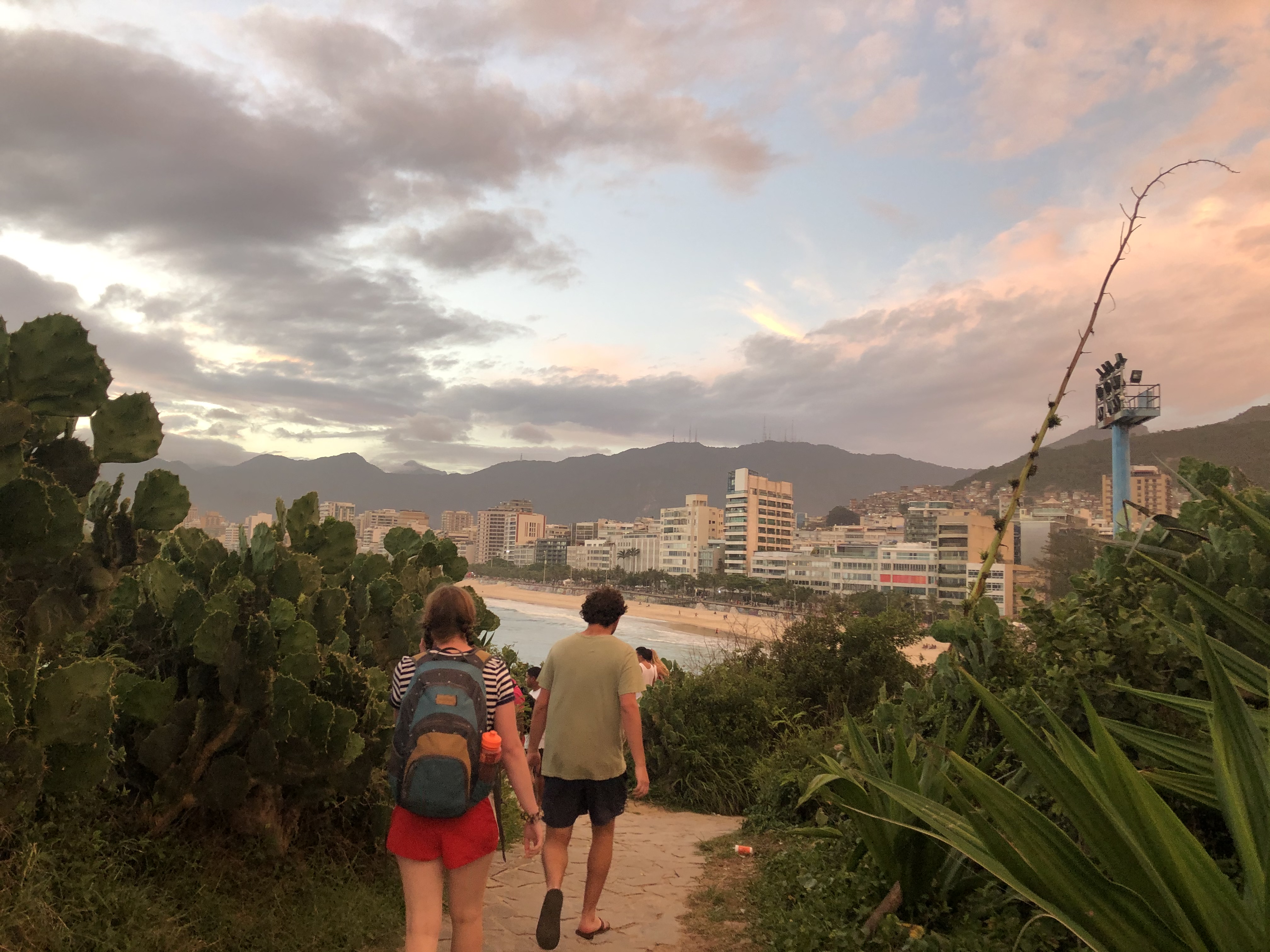
Later that day, we went to get a late lunch (more yummy fish and rice!) and headed to Ipanema Beach for some quality sand and seawater. I much prefer the seawater part as I am not really a sand girl (it gets everywhere forever, hello)! After frolicking in the waves, listening to music and having a cocktail, we walked back towards Copacabana and watched the sunset from rocks jetting out from the shore.

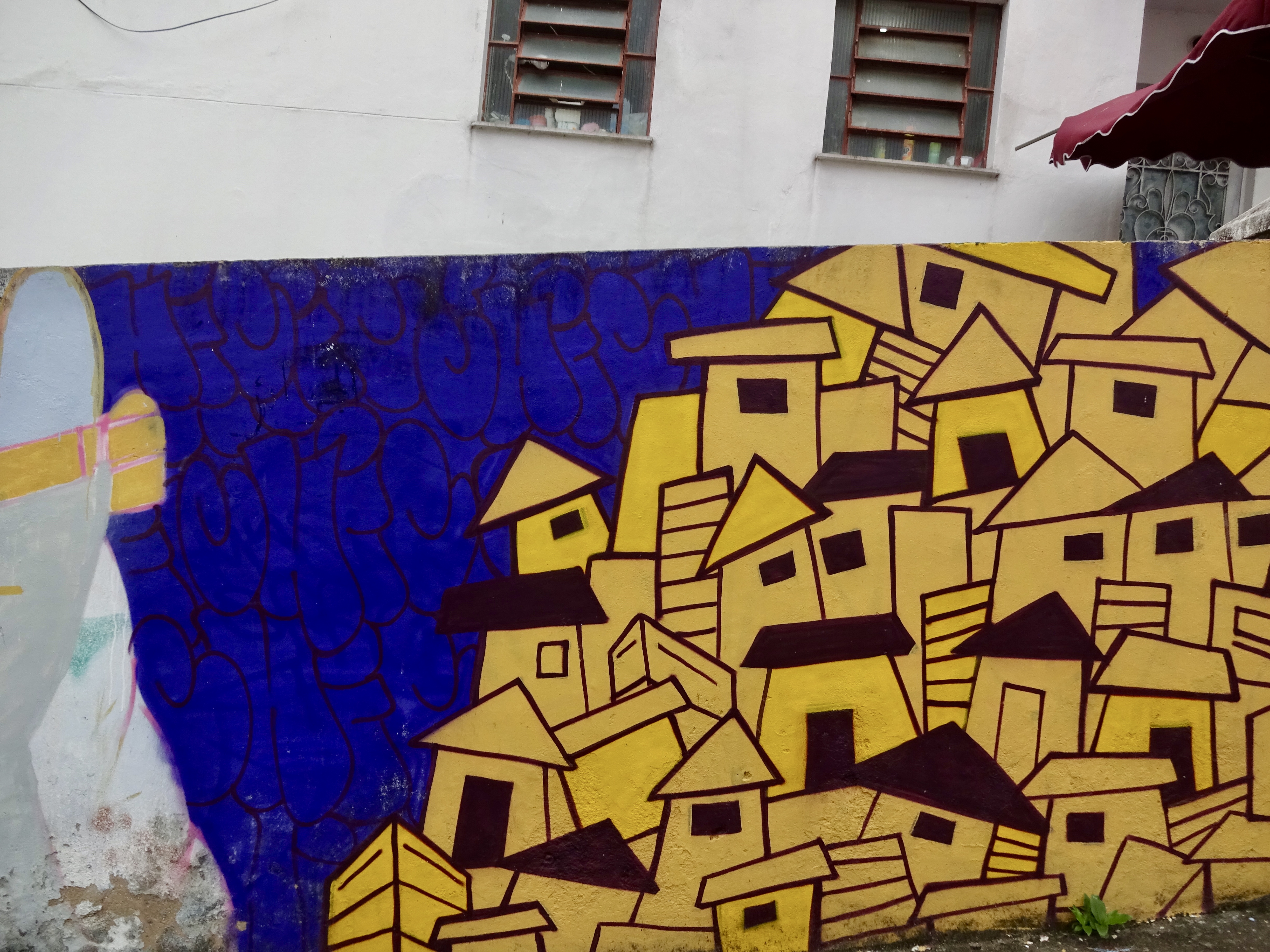
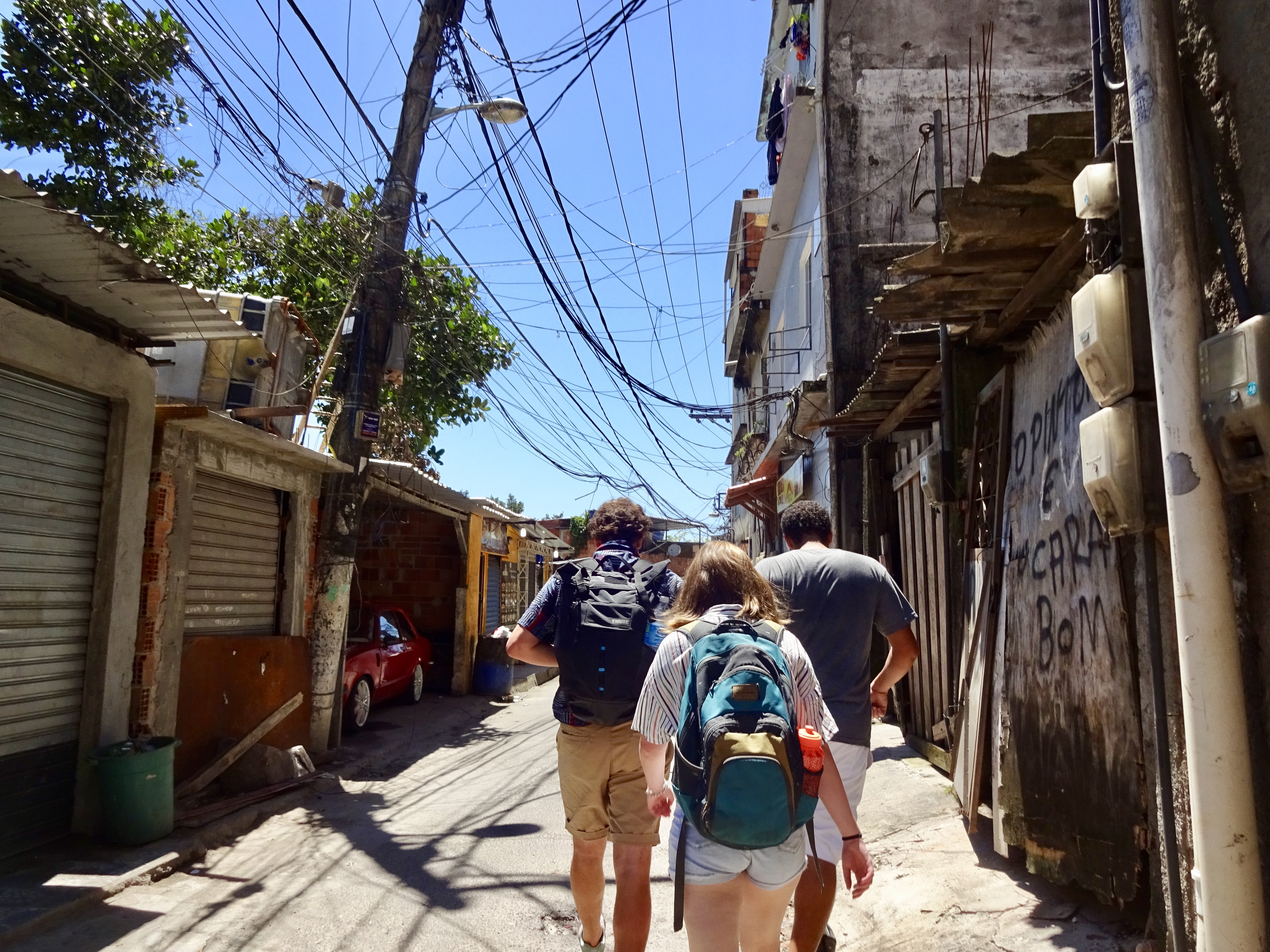
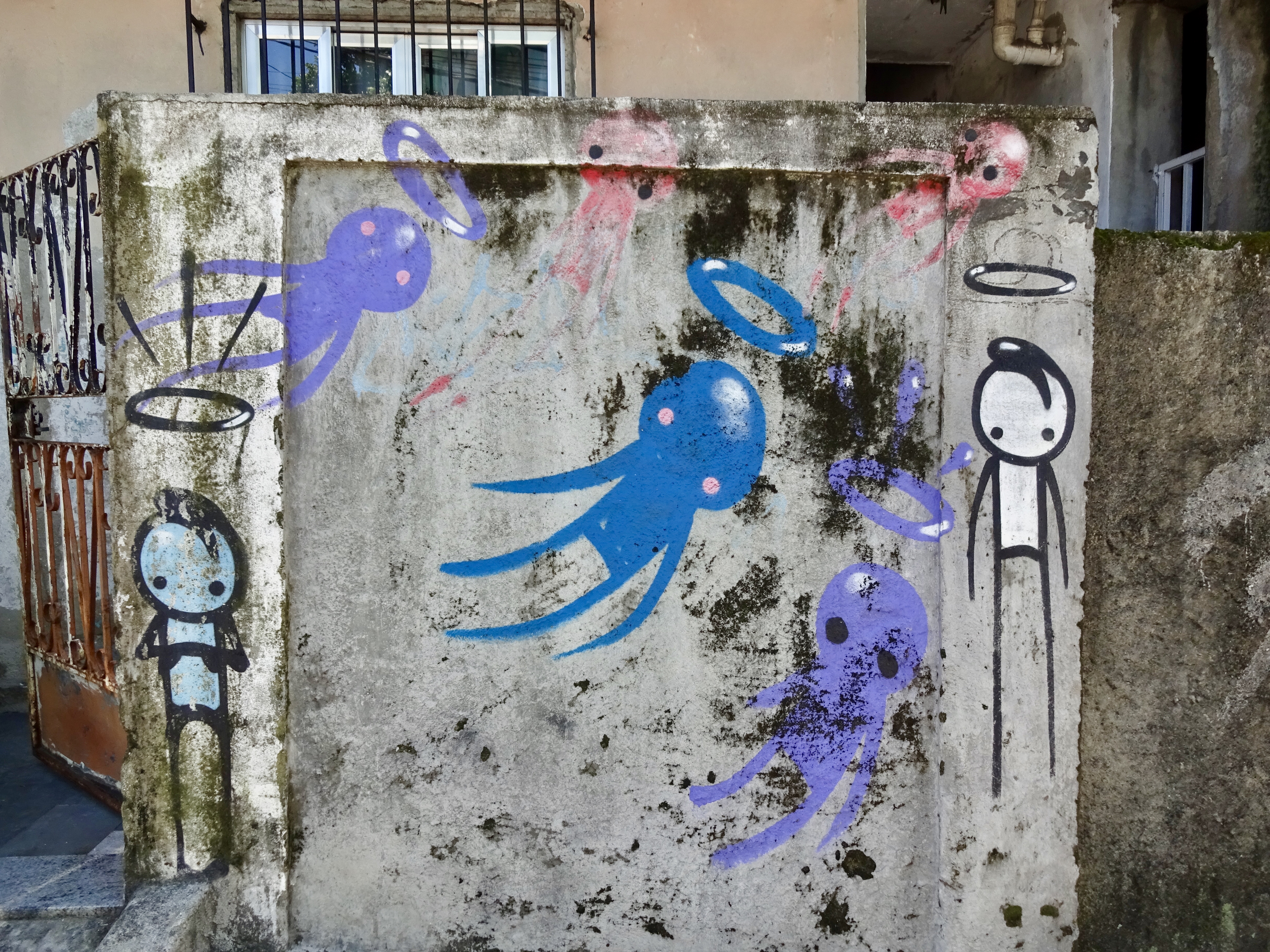
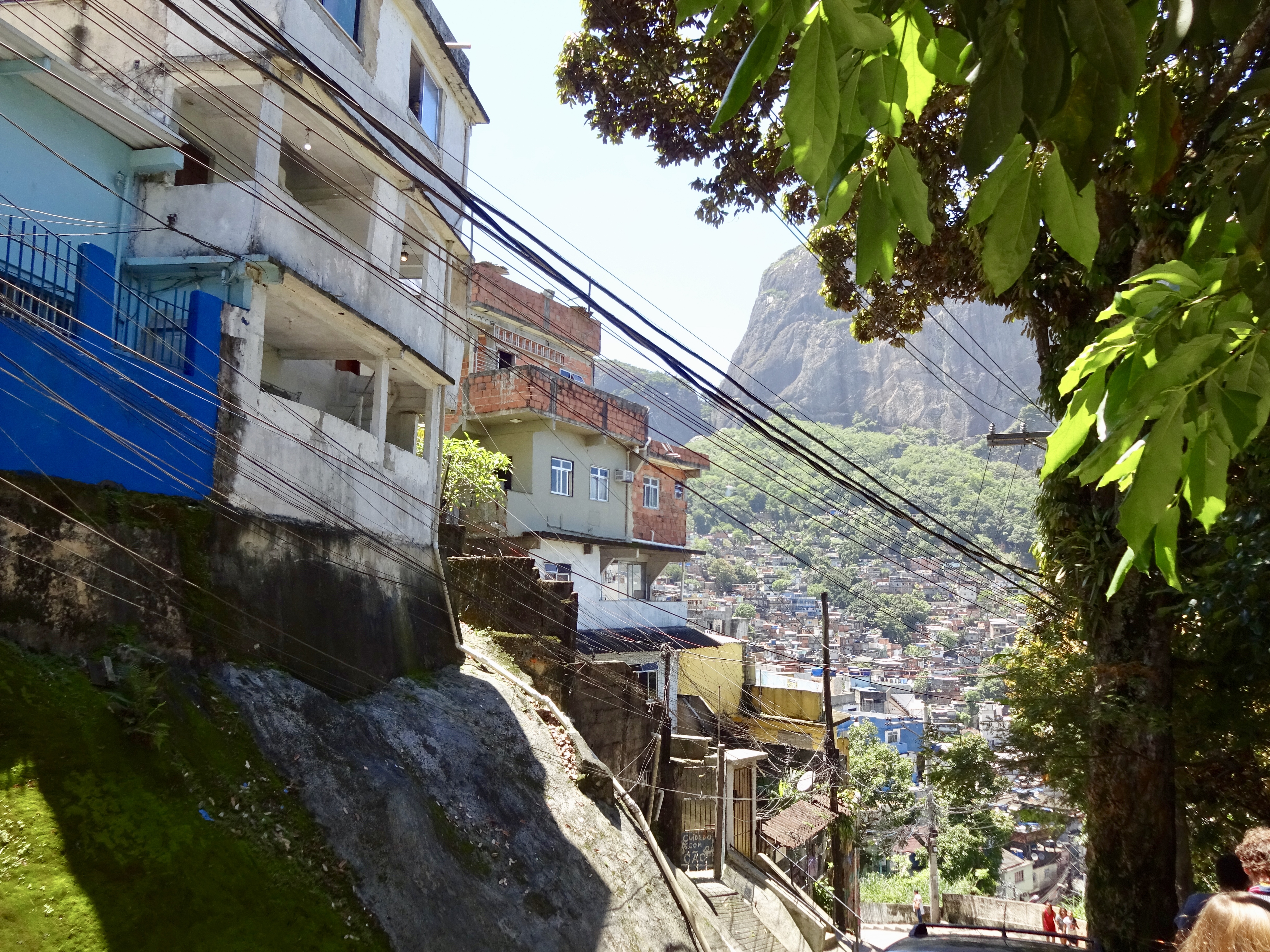
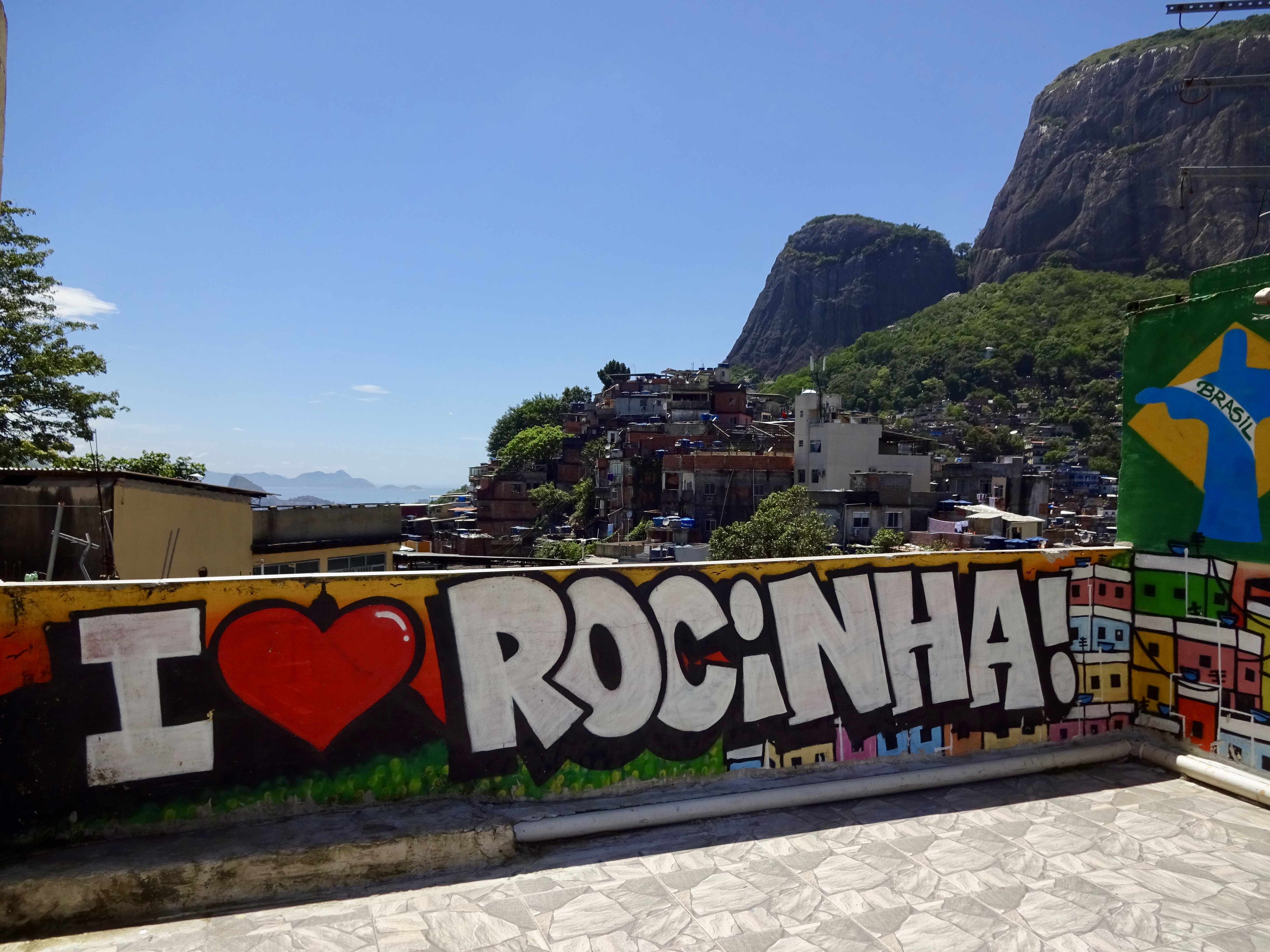
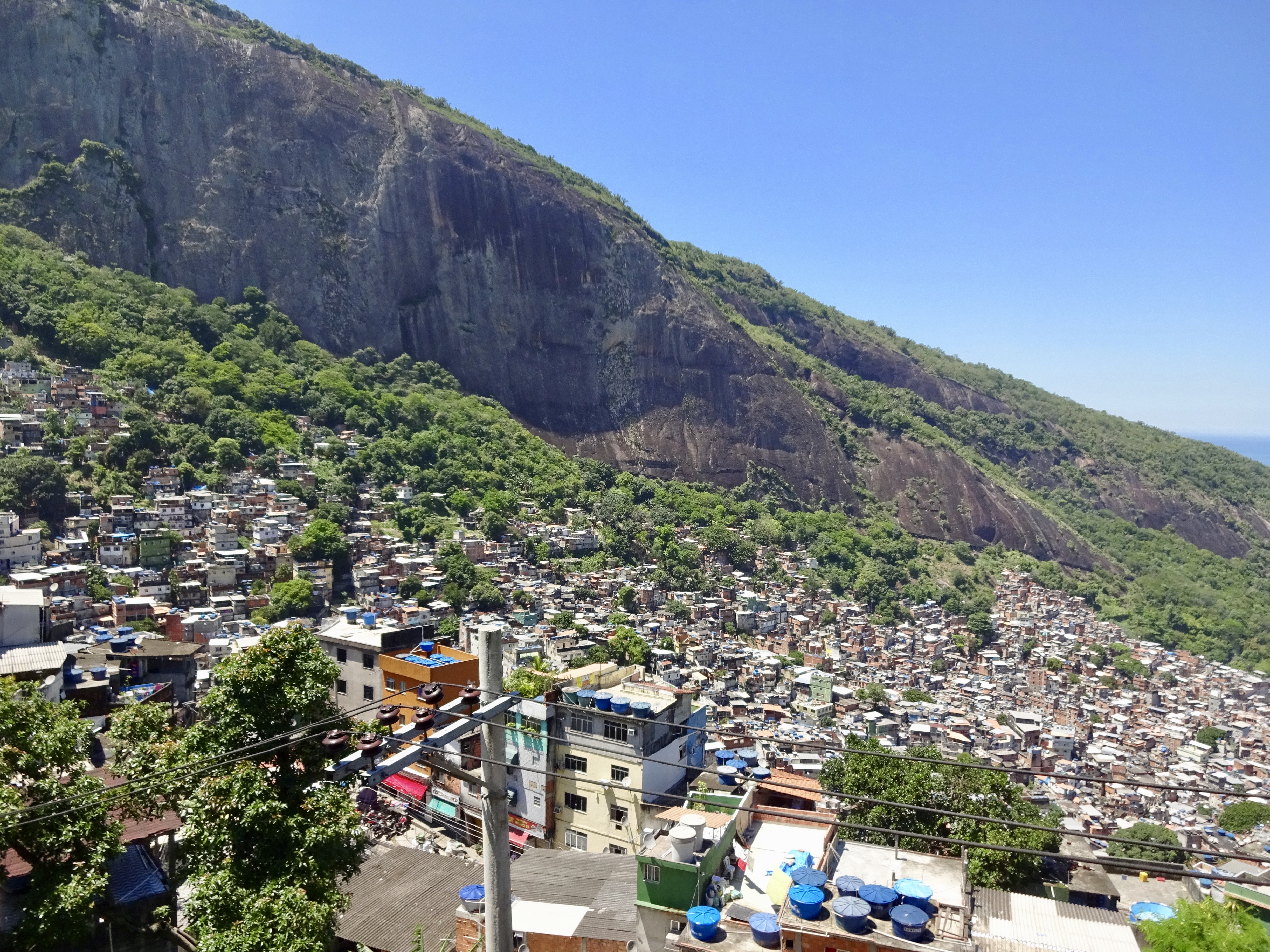
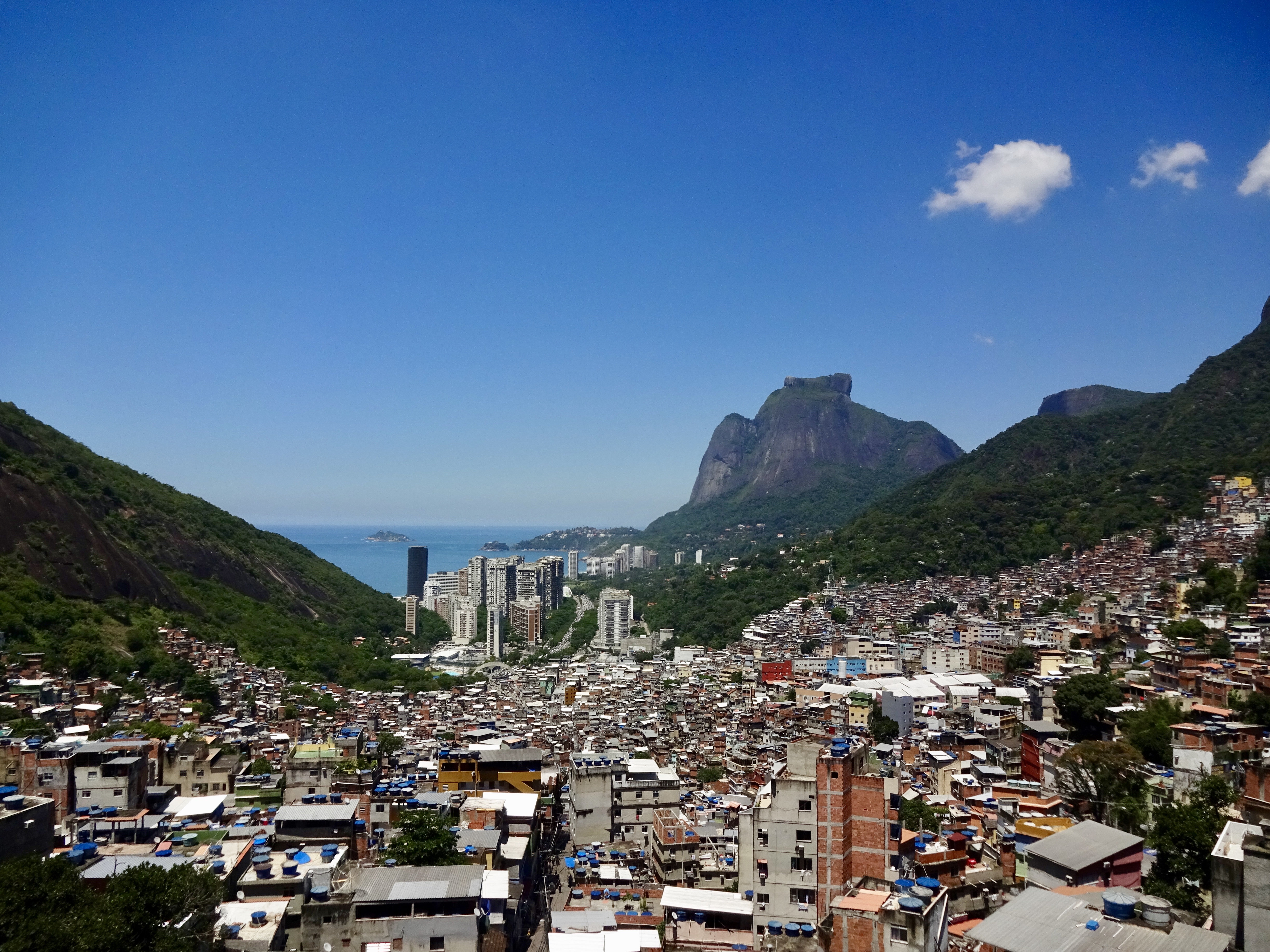
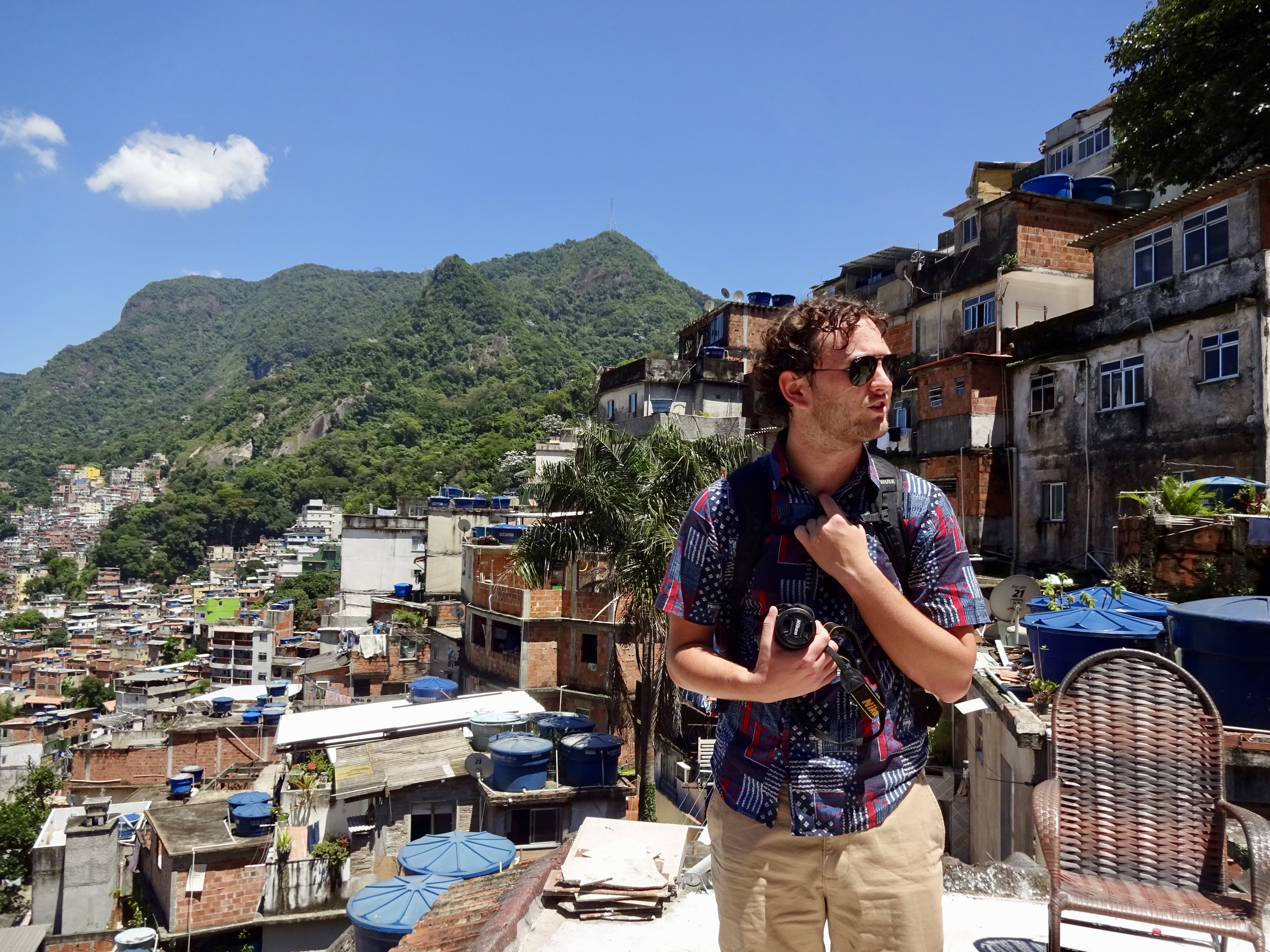
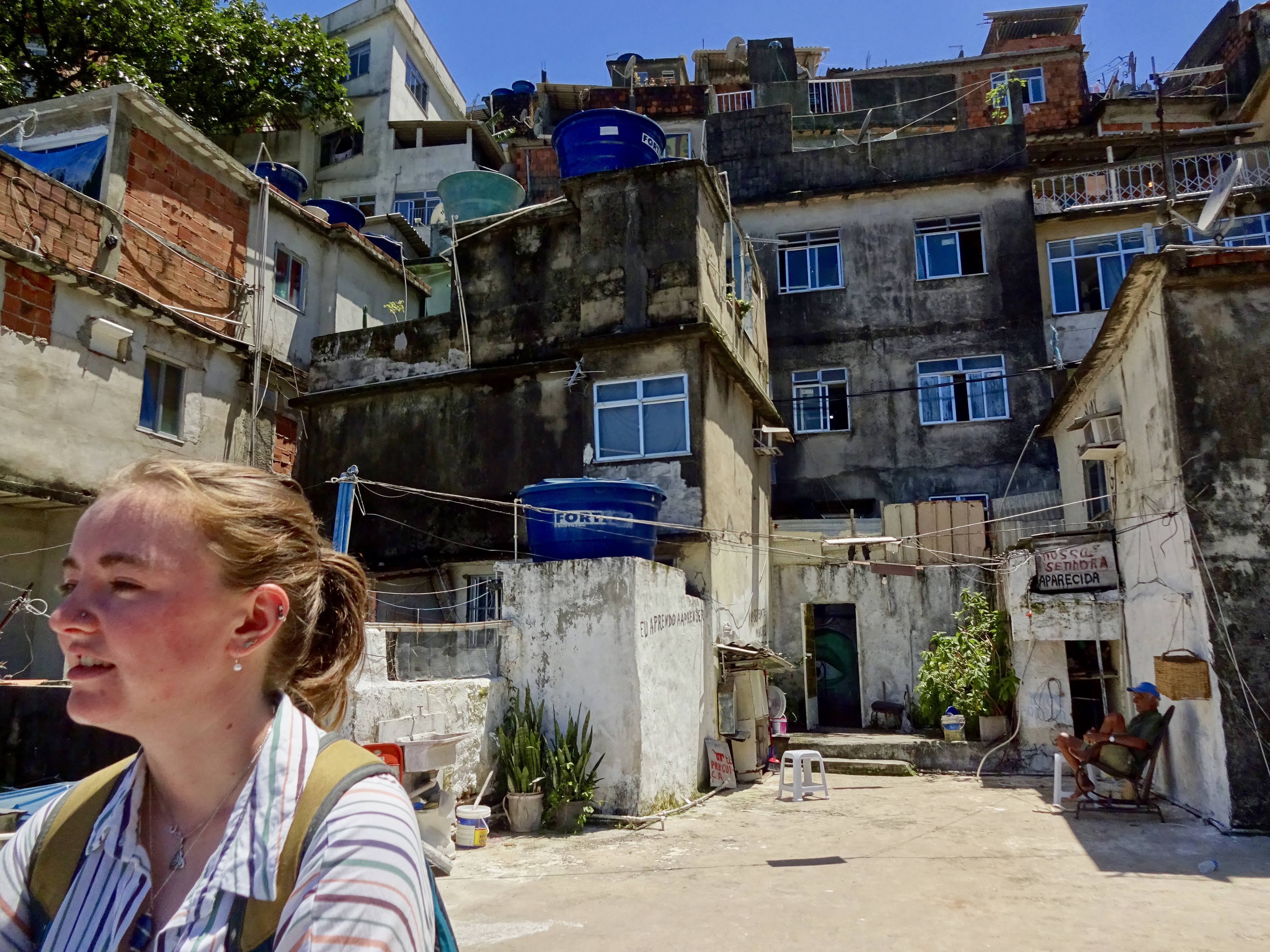
Friday was probably my favorite day. A couple days before, Jack had asked Caileigh and I if we felt comfortable enough to go on a tour of a favela. A favela is basically a slum/shanty town, and they are abundant in Rio. Since Jack was in a Geography of Inequality class and he seemed really interested to go, we said yes. We got picked up by our guide, a guy in his early 30s who had lived in the favela his whole life. The favela we went to is called Rocinha, and it is the biggest favela in Latin America. We rode moto-taxis up the huge hill that it is built on, fearing that the steepness of the roads would just let us fall right off the back. The tour started in the school to which most of the tour profits go, to show how our money was going back into the favela (which I loved). We then basically just walked through the whole thing all the way down to the bottom, winding through alleys and passages that no one but a local could navigate, as our guide educated us on the complex relationship within the favela of the mafia and the Brazilian police. Basically, the mafia control the favela because they are the natives and the police can’t navigate the tiny alleys if they tried. The police that we see on the street, our guide told us, are all on the payroll of the mafia and stand in the street so as to not make anyone suspicious. Another amazing part of the tour was the discovery of Wark. Wark is a street artist that I had seen in other parts of Rio, and when I saw his work in Rocinha and asked our guide, he told us that he was a local artist and took us to his studio! It was awesome!

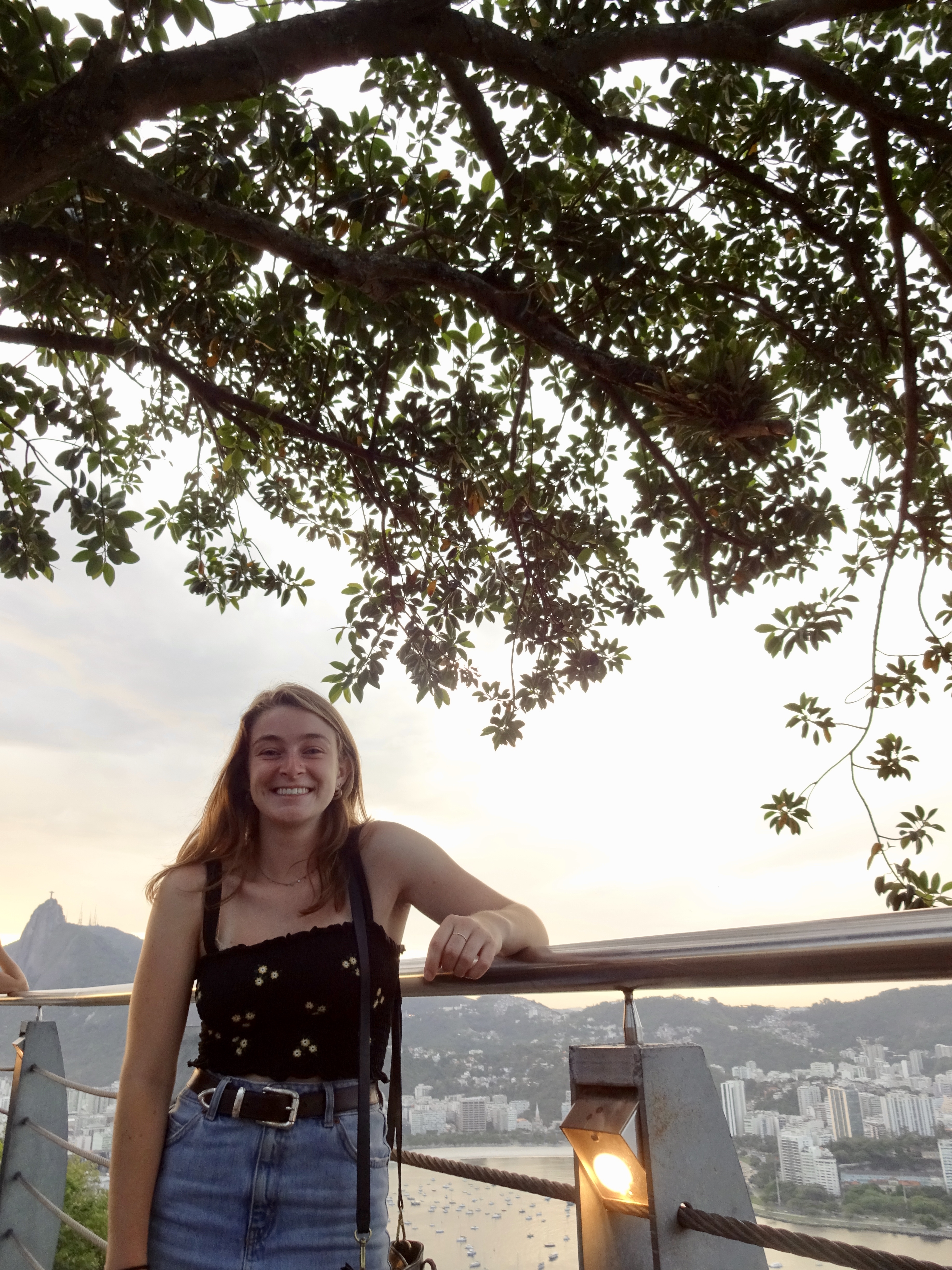
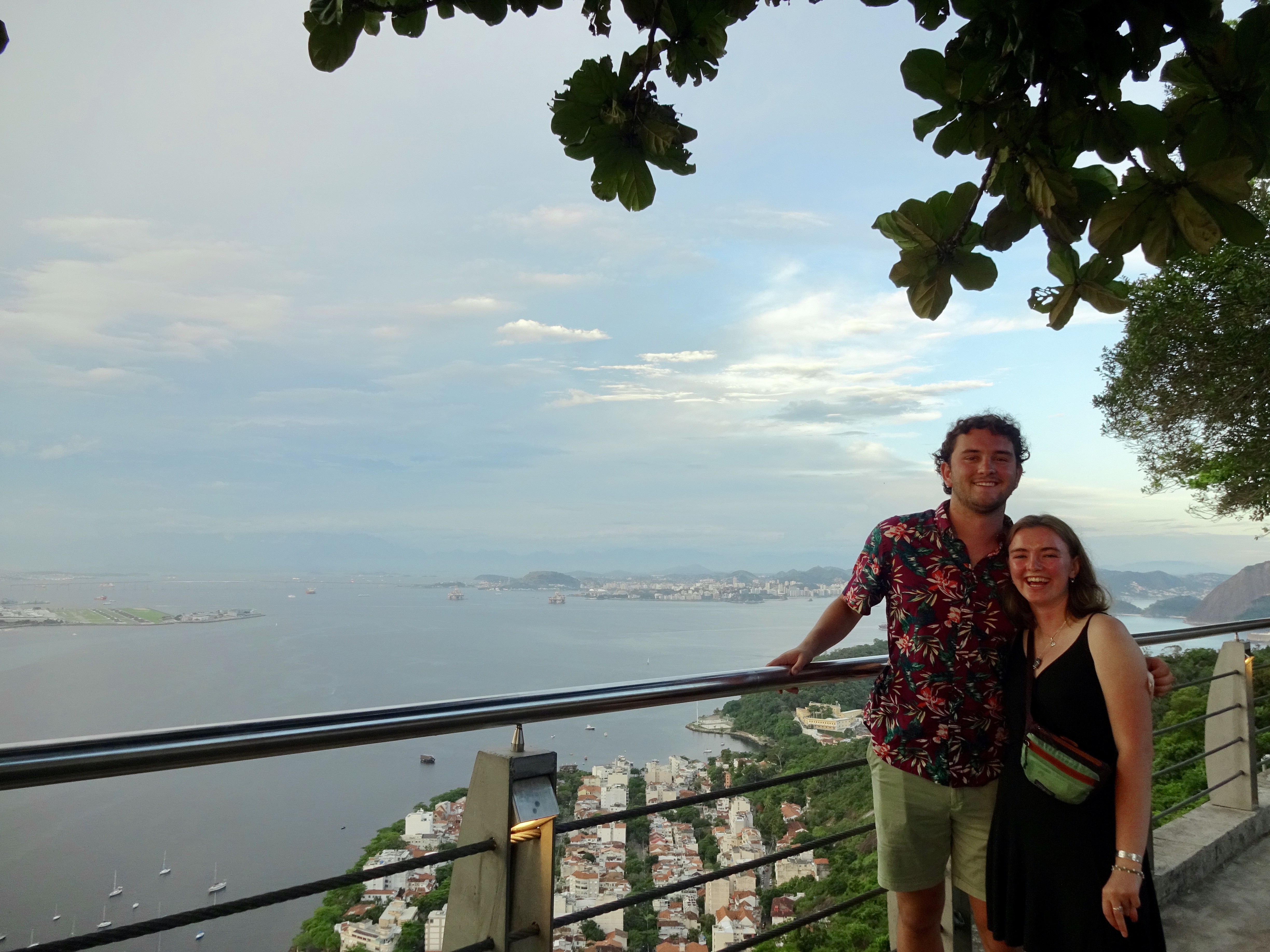
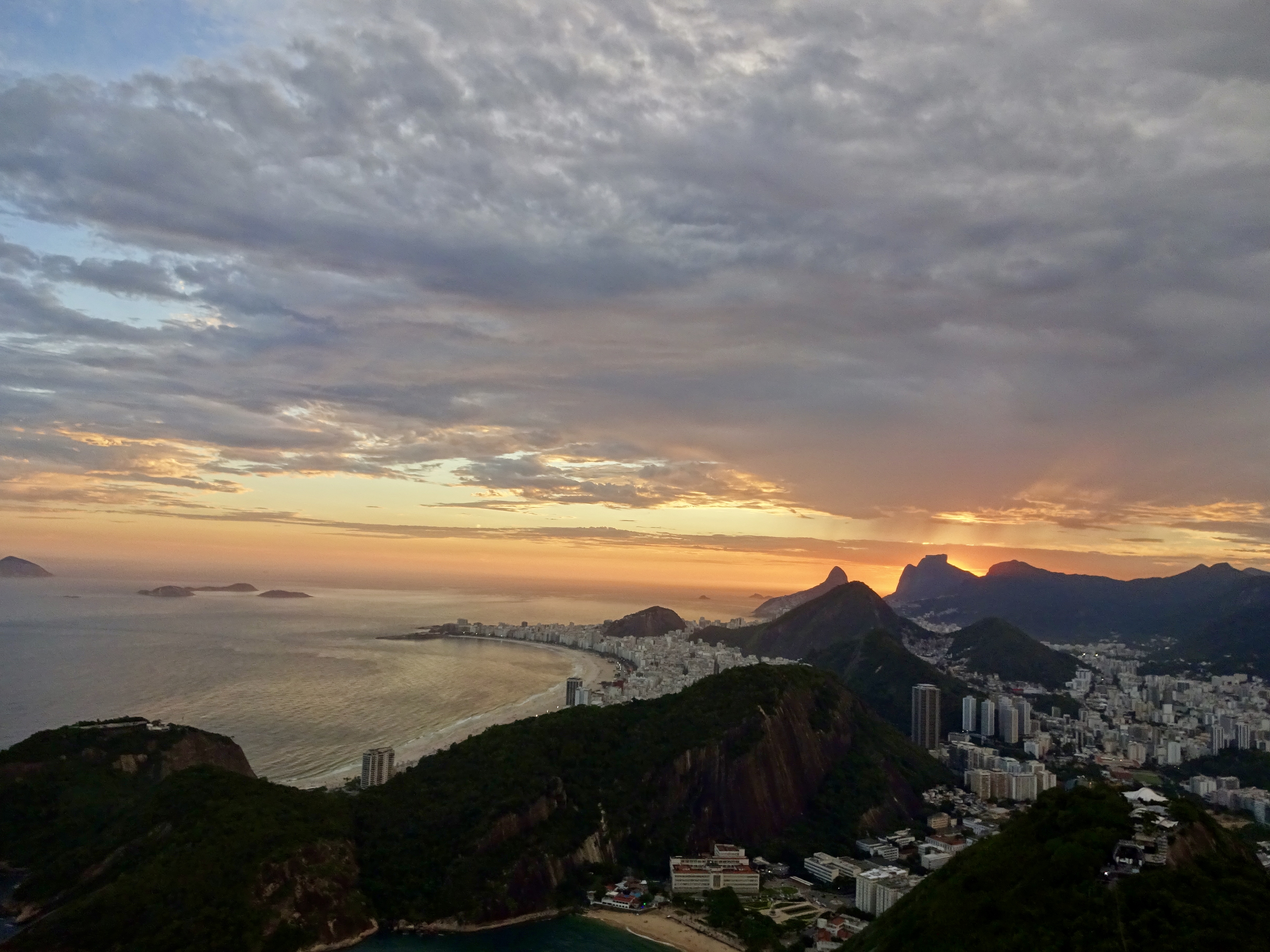
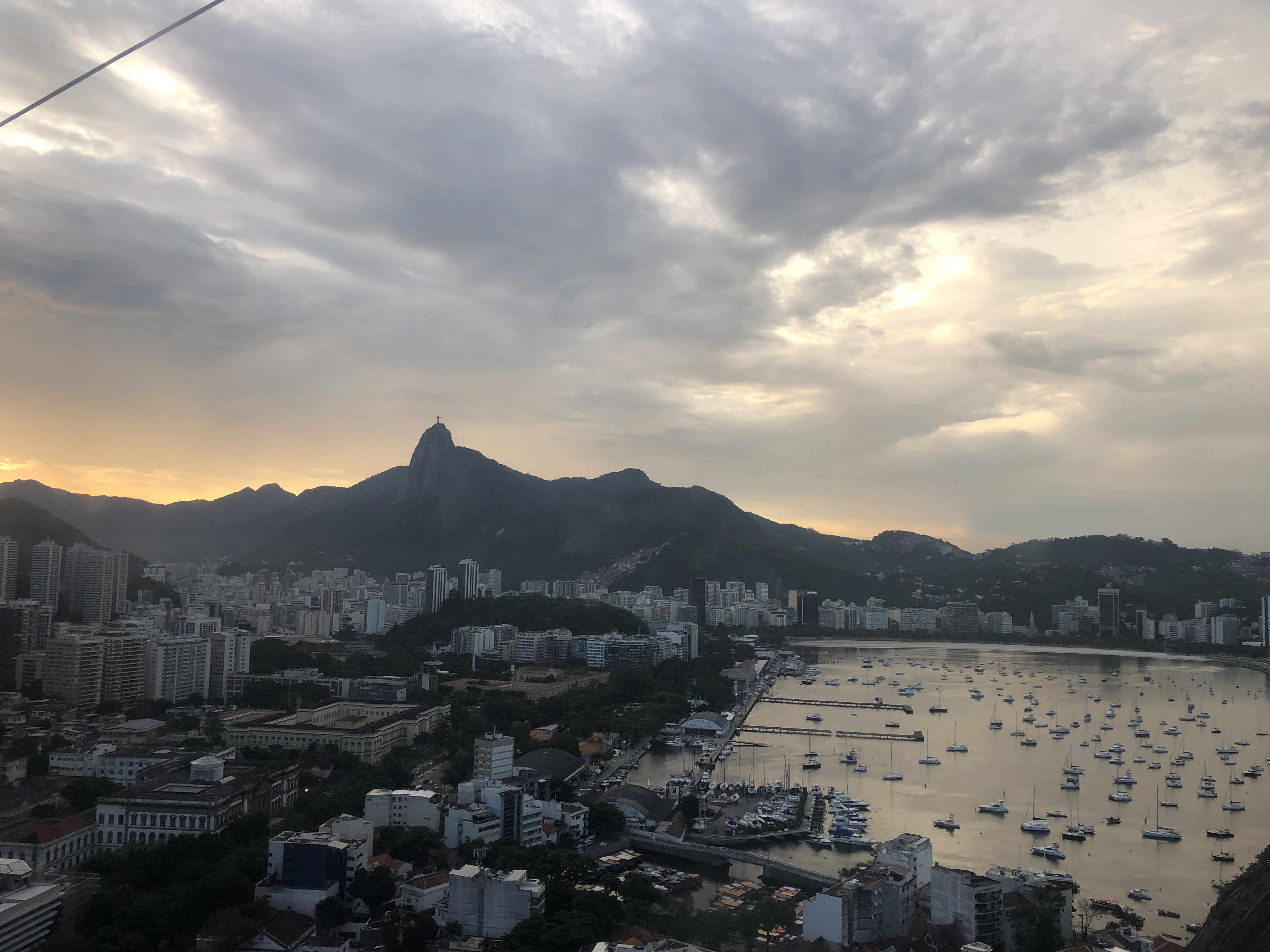
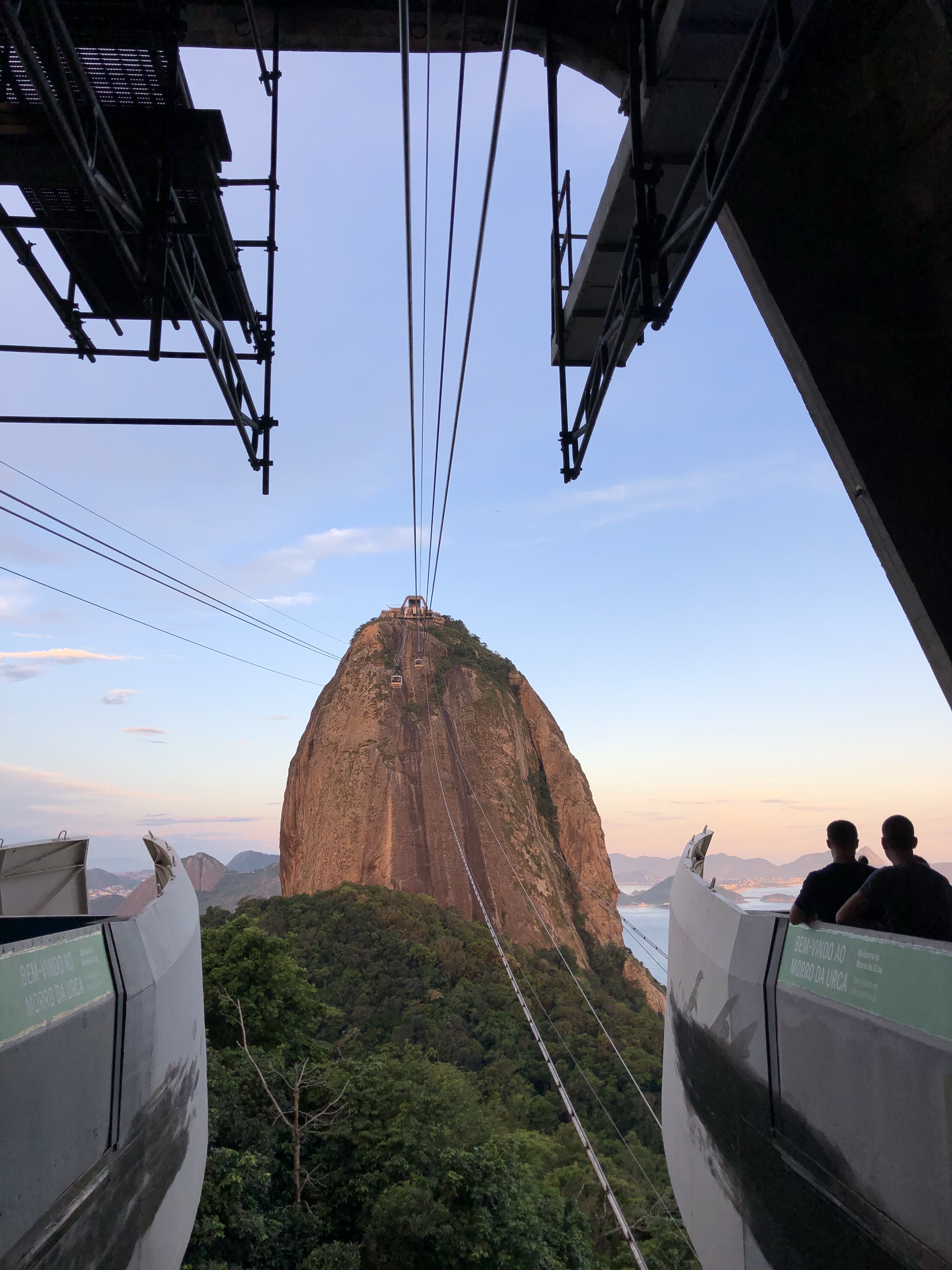
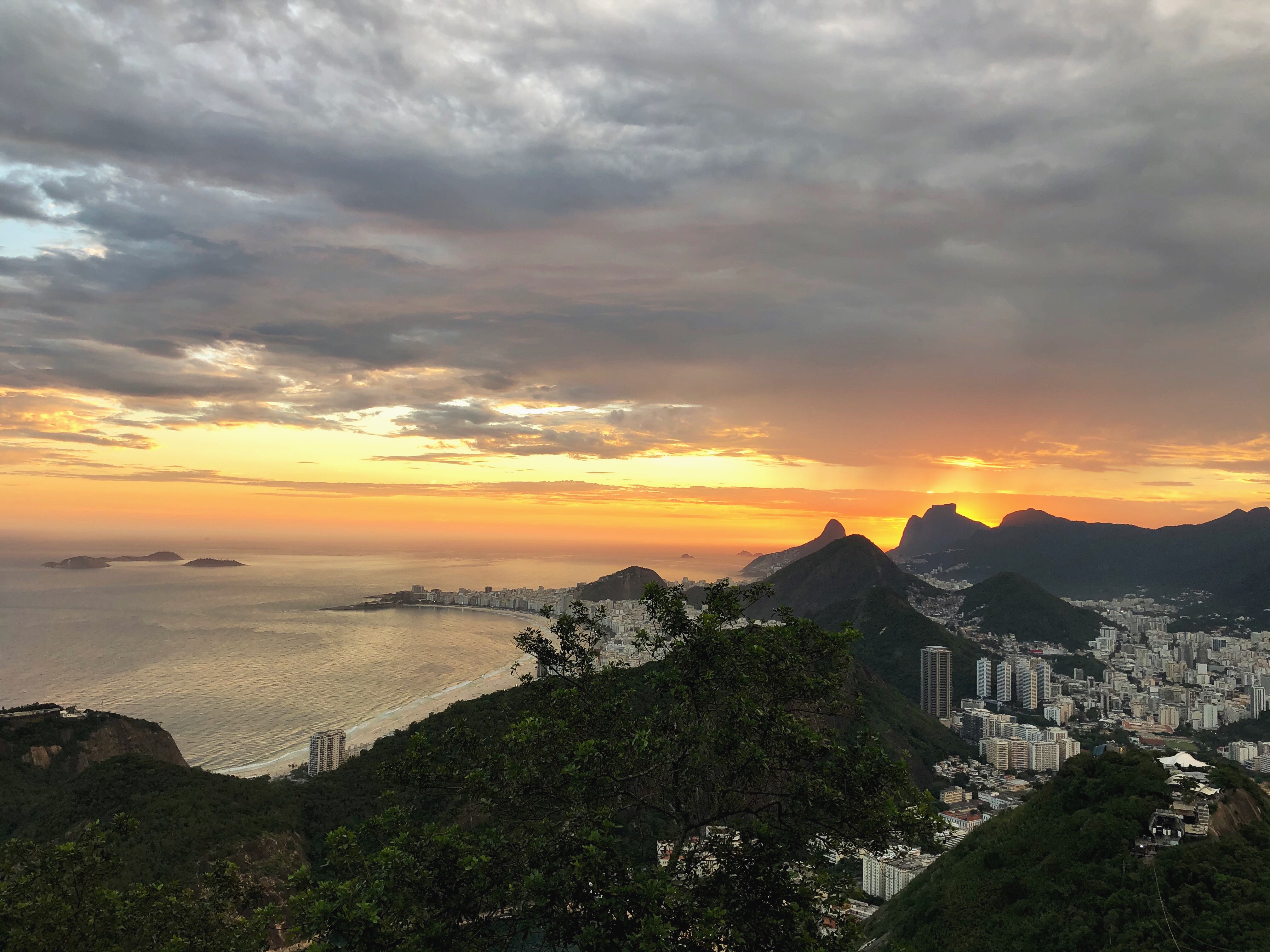
Since our tour ended at about 12, we decided to head to the beach that afternoon. After spending a couple hours there, we went back to the Airbnb to quickly shower so that we could get to our next destination on time. We were headed to take the cable car up to the top of Sugarloaf Mountain to watch the sunset. This was probably one of the most beautiful sunsets that I have seen in my whole life. It was just incredible to see the whole Rio skyline light up while the sun set behind it. I could have just stared at that view forever.

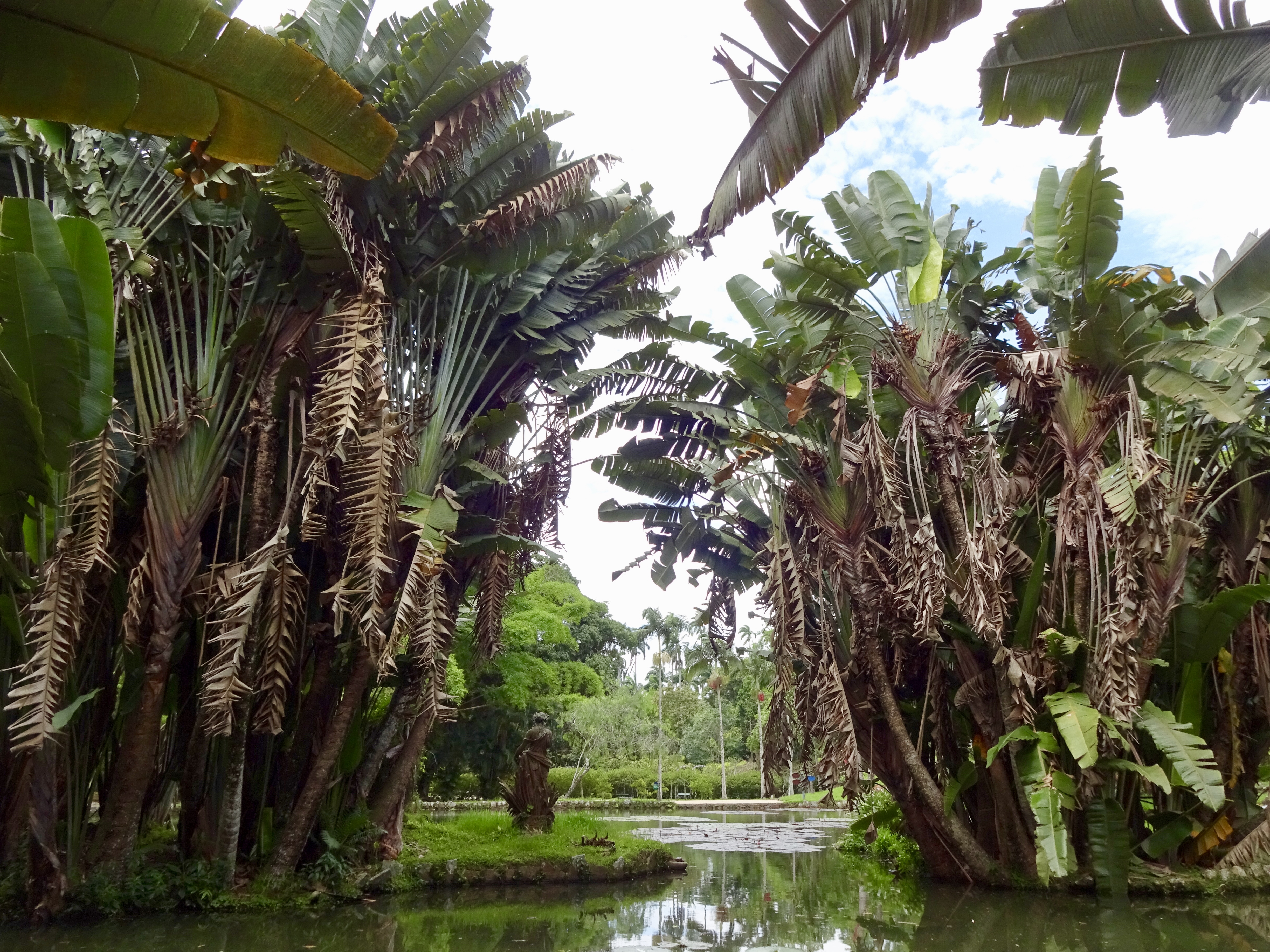
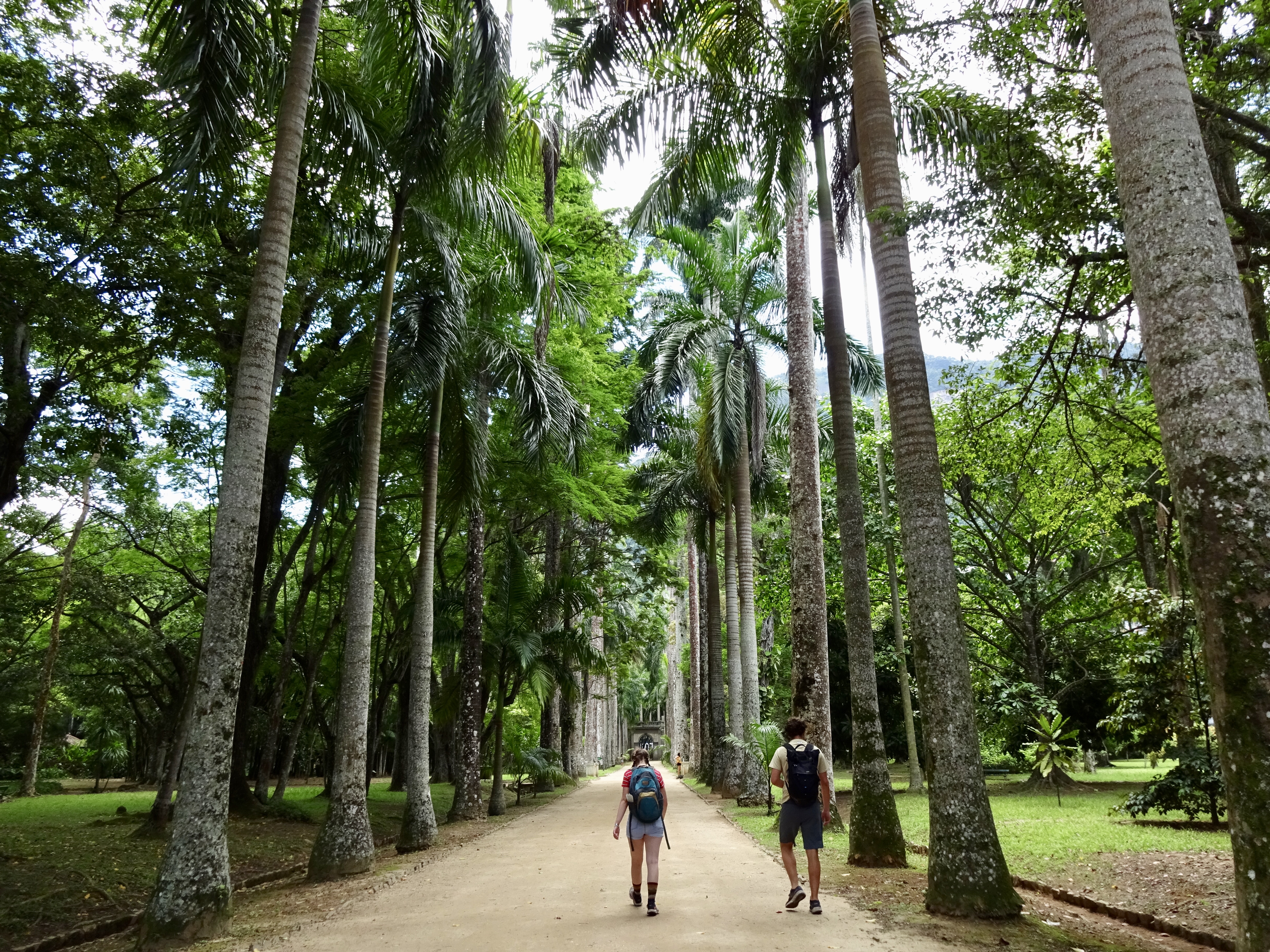
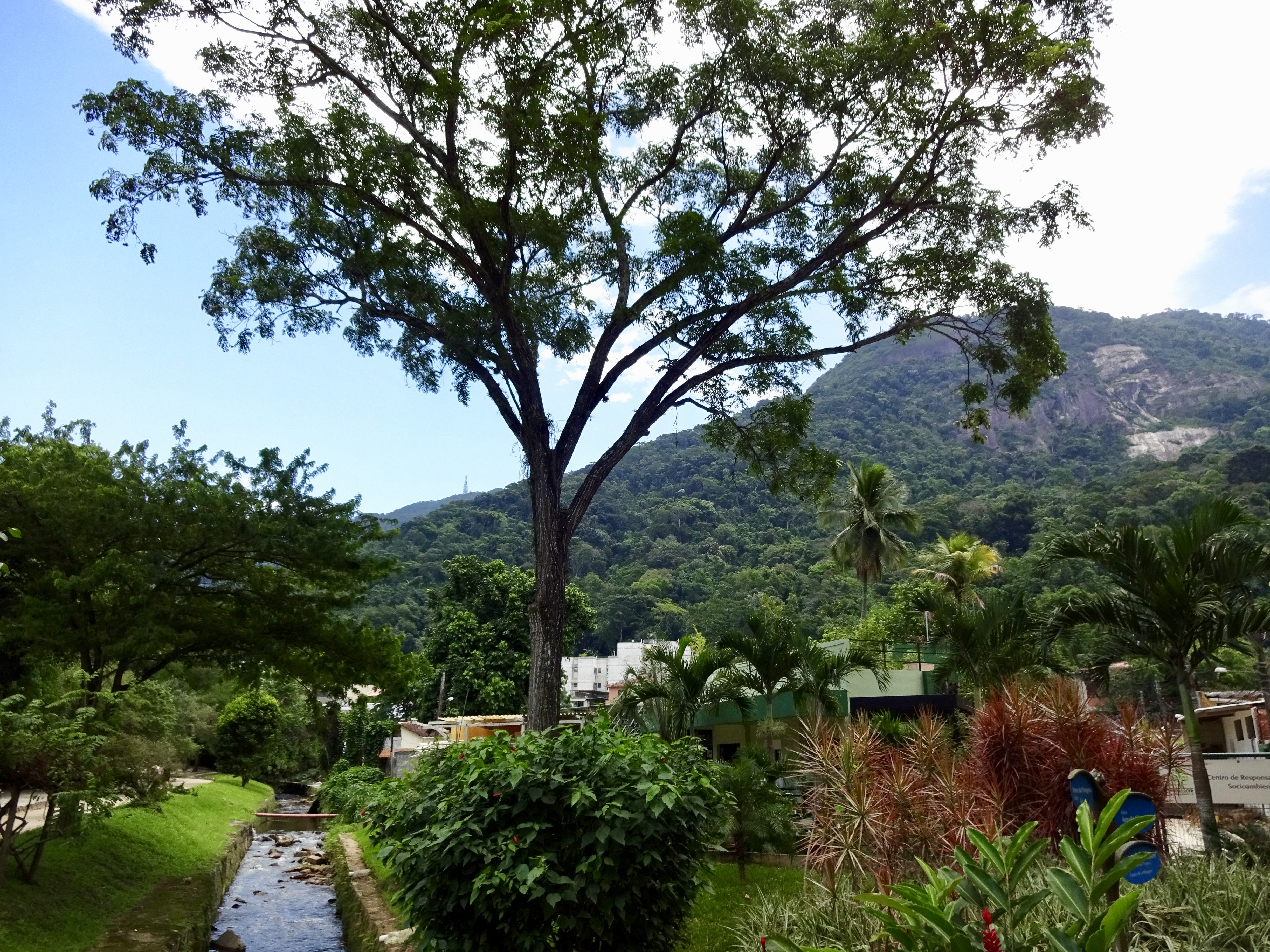
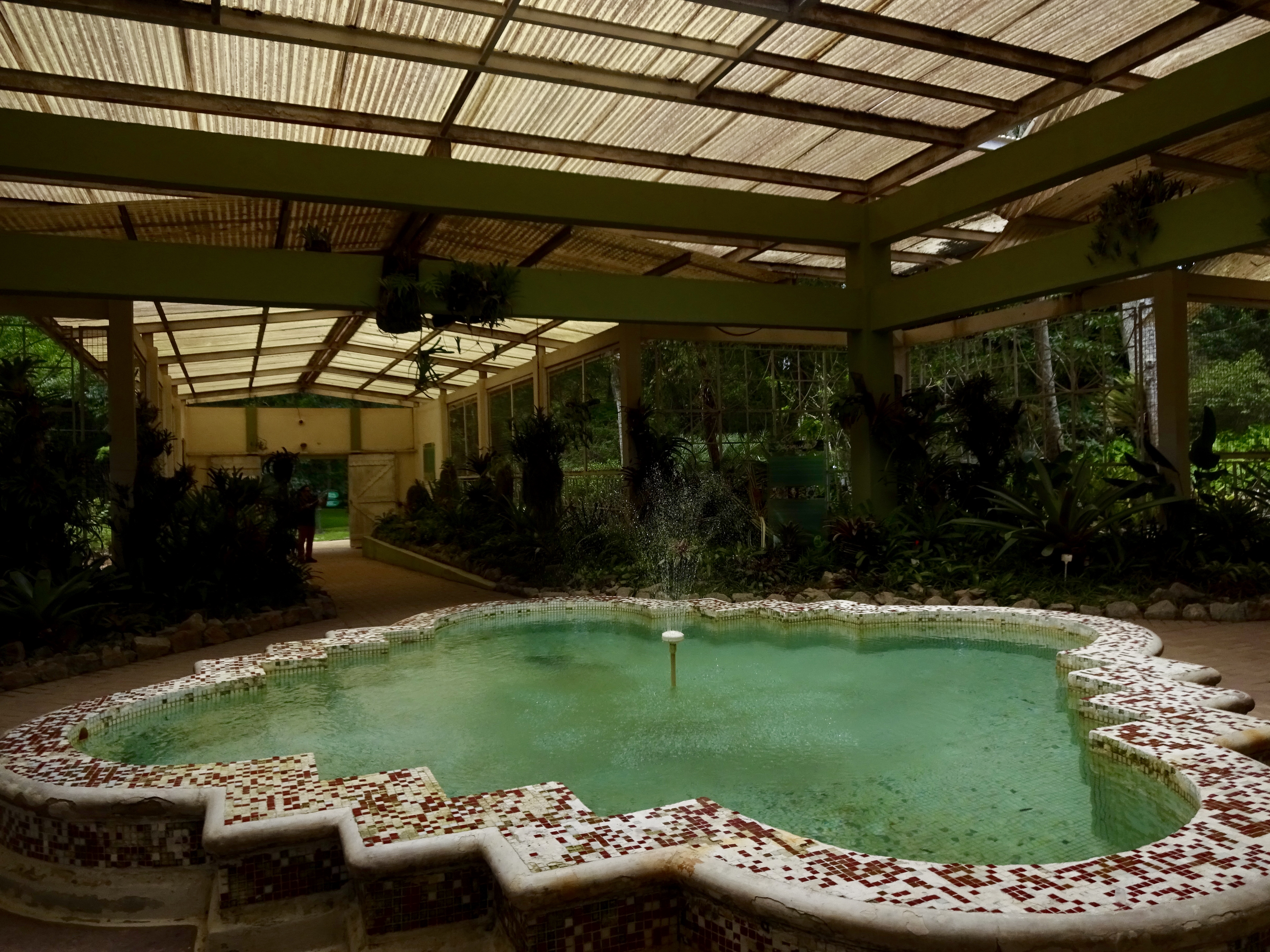
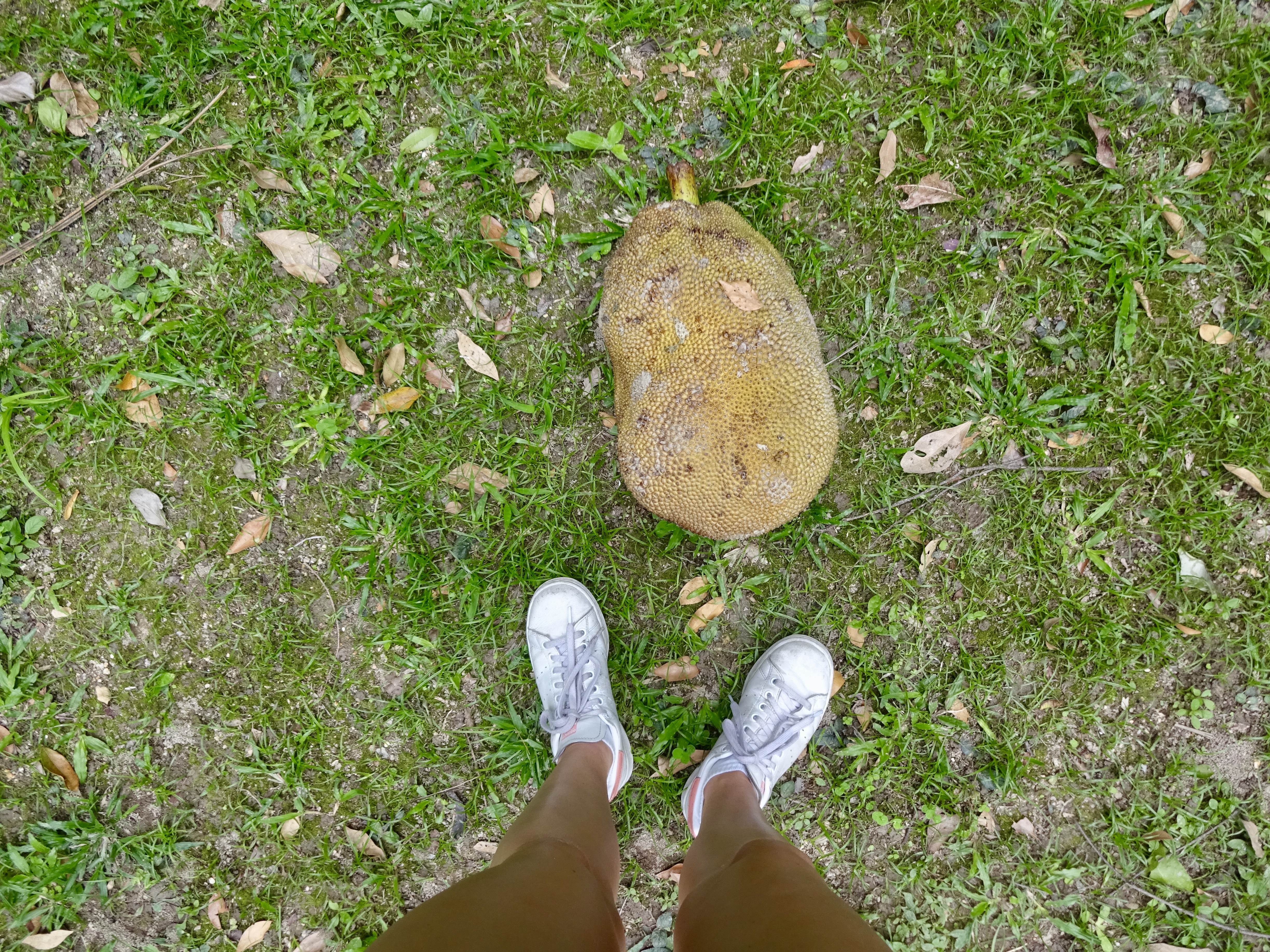
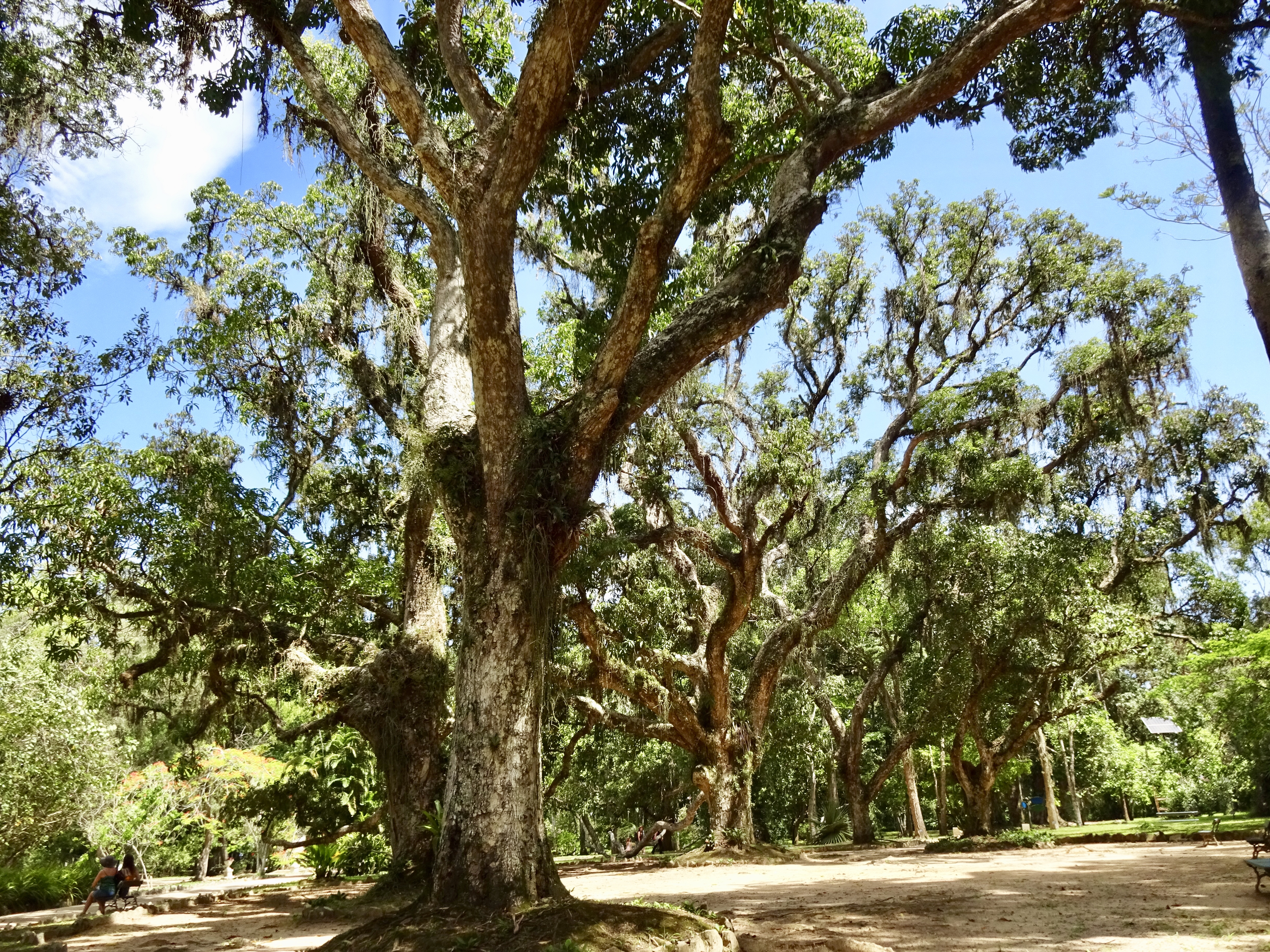
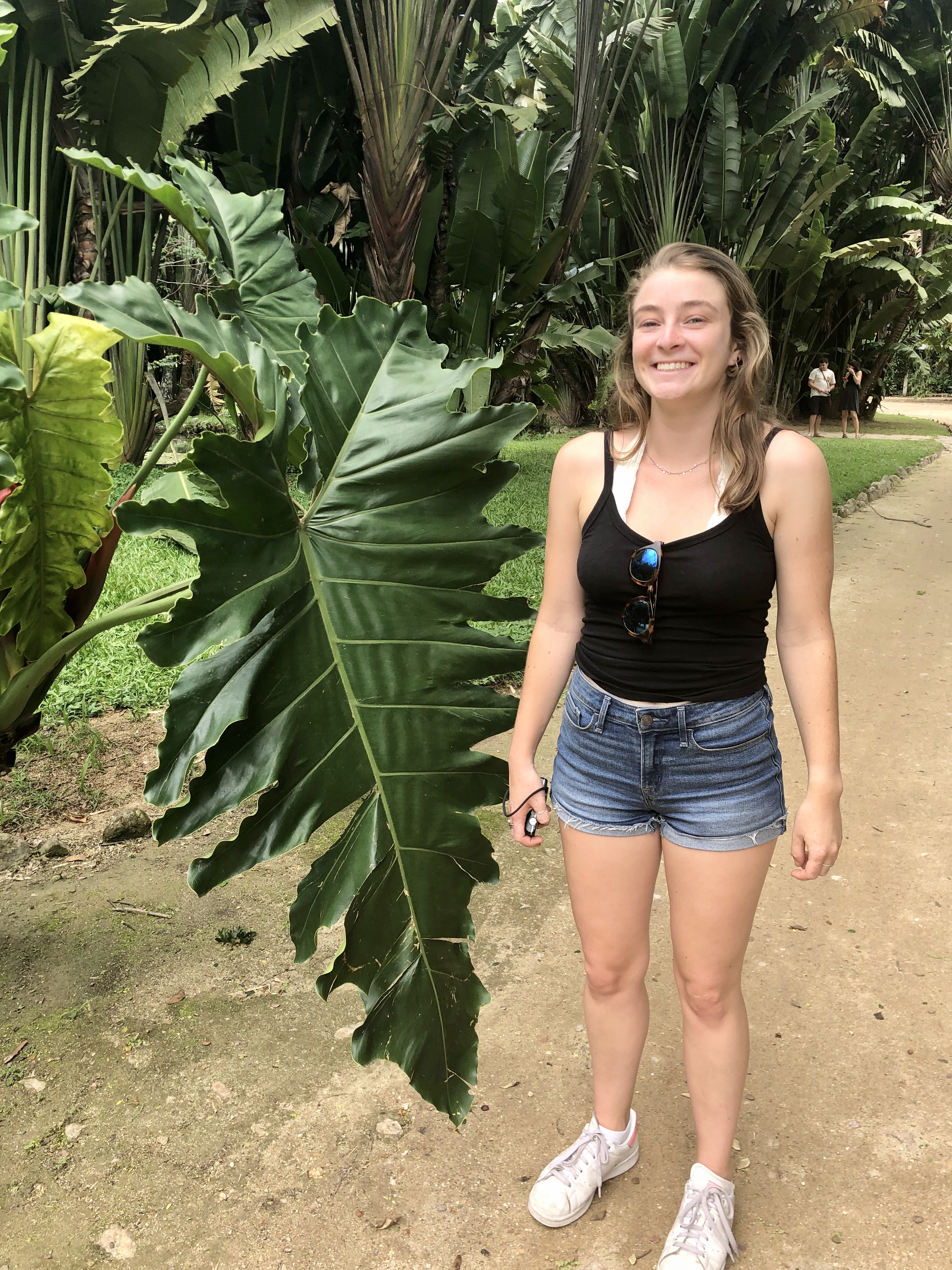
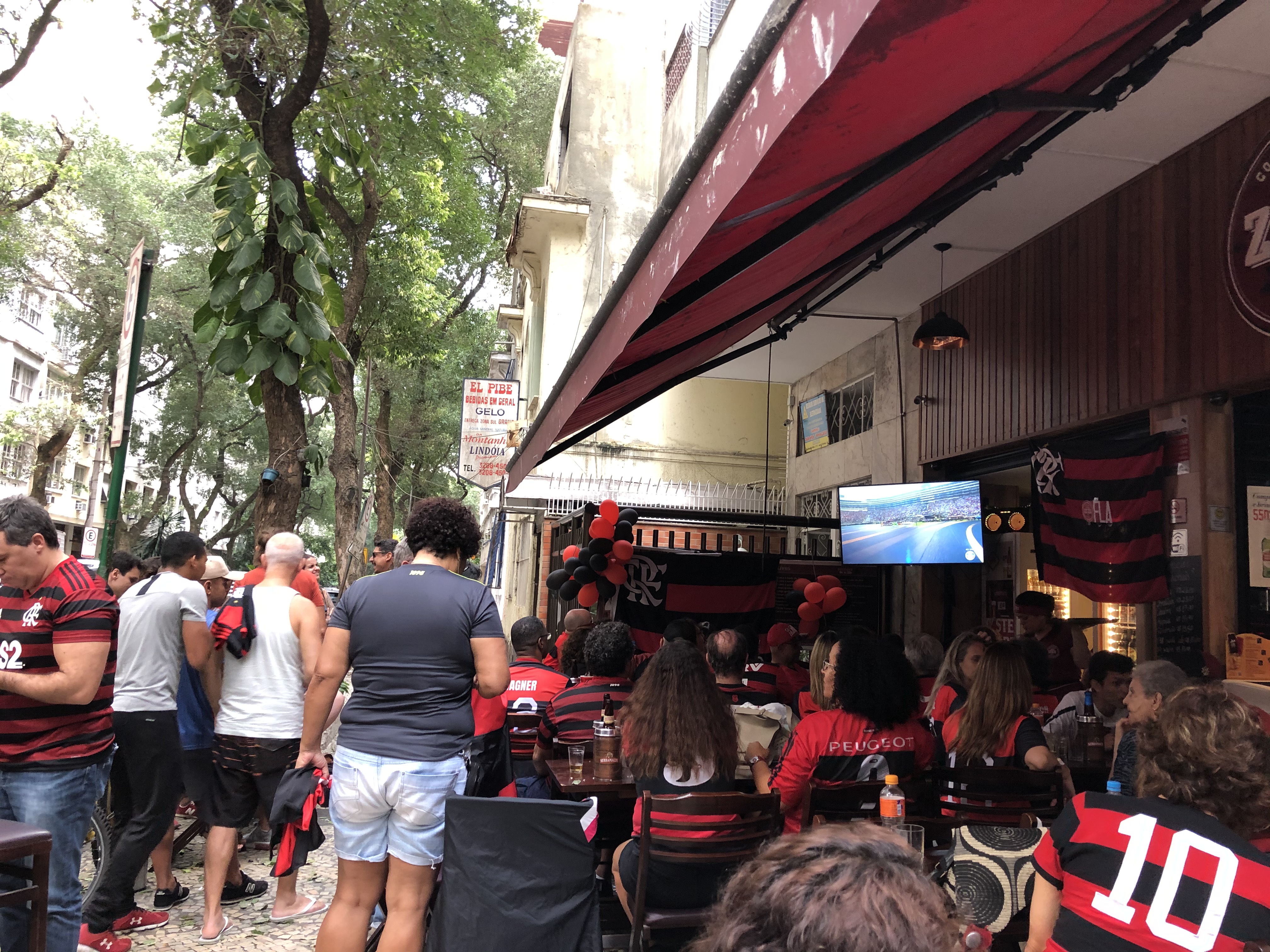
Our last day was more relaxed than the day before but still super fun! We slept in a bit, had breakfast and then went to explore two parks: The Botanical Gardens and Parque Lage. In the Botanical Gardens, the whole of Rio’s tropical ecosystem was on display to us, MONKEYS included! Yes, we saw tons of monkeys (and baby monkeys riding on their moms’ backs)! After getting a late lunch to abate our hunger from wandering around the tropical paradise, we headed back to our neighborhood for the main event of the day. We had discovered that there was a huge soccer game this day, a club team final between Brazil and Argentina. Therefore, we MUST go to a sports bar and watch with the locals! The game was pretty depressing most of the time, because Argentina scored early and Brazil kept trying to tie it up but couldn’t. During minute 87, we (and the sad Brazilians around us) pretty much had come to terms that Argentina was going to win 1-0 and it was a somber atmosphere. BUT THEN! In minute 88, Brazil scored and tied up the game. The bar went absolutely INSANE. Think of seeing World Cup reaction cams where the whole crowd all throws their beer up into the air at the same time. That was the feeling, essentially. We were all super amped up that we were going into overtime, but then BRAZIL SCORED AGAIN. The time ran out. This literally meant that the game was over and Brazil had WON in the last 2 minutes. Apologies for all the capitalization but the thrill of those last couple minutes honestly still courses through me every time I think about the game. We then walked home along the beach in the rain to the sound of fireworks and victory chants. What a perfect way to end our perfect trip to Rio. 🙂

One Month In, One Month Out

Today, November 14th, is an important day. It has been exactly one month since the protests started and our lives here turned upside down, but it is also one month from the day that I leave Chile. One month into protests, one month out from departure.

A quick update about the current situation here is in order. First of all, the city is trying to get most of the metro up and running, although most of the stations in the poorest sections of the city are still debilitated and I suspect they will be for months. Second, I have not had school. The last class I went to was on October 18th. It feels like so long ago but also like no time has passed. The best way to explain why we haven’t had school is this: the country has fundamentally changed in the last month. It isn’t necessarily because it is too dangerous – while that could be an argument – it pales in comparison to the mentality that people have about the movement right now. Chile has always had a robust protest culture, and this is no different. The university students don’t want to be in class, they want to be out on the streets, protesting and fighting for change and a better future.

I 100% respect this. I enjoyed my classes here a lot and I am sad that I don’t get to go anymore, but the protests are vastly more important. We have received directions from our professors on how to finish the semester via essays and reports submitted online, and that is that. I don’t think I will ever go back to campus, which is crazy to think about, but we have to adapt to the new circumstances of our time abroad.

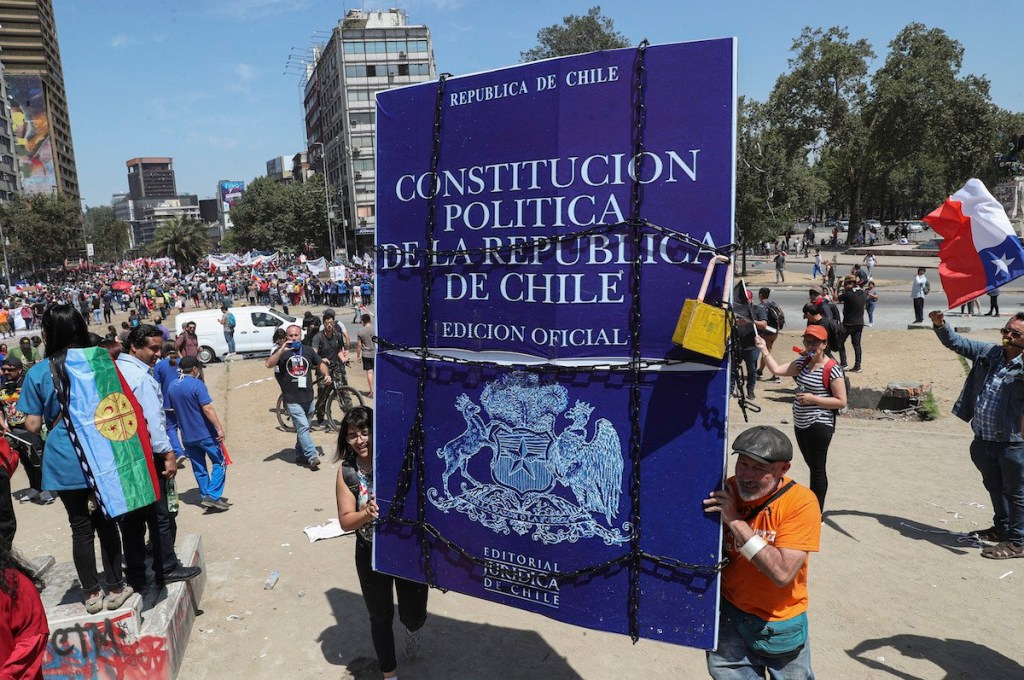
Continuing with a Chile update, they have begun the long process to create a new constitution. The government hopes to set up a “constituent congress,” in which a group of legislators would decide on a new text “with participation from citizens,” and submit it for approval through a plebiscite. However, even though this is a win for Chileans, they are still demanding more direct popular involvement in the constitutional process, so we shall see where that goes.

(image from https://www.latinorebels.com/2019/11/15/pensionersstrugglingchile/)

I think that I will be ready to leave Chile on December 14 to go home and, but not ready to not come back (at least for a long time). By my calculations, I have a month left in the hemisphere (travels to Brazil, Peru and Patagonia National Park in the next few weeks) but less than a week left in Santiago itself. I honestly could not tell you if I would have been more or less prepared to leave had the last month of social upheaval not happened, and we will never know. I did register for my next semester’s classes this past week, so I am getting more and more excited for what is next!

That is about all I have for this little update! Stay tuned for more travel blogs in the coming weeks!

Love to all!

Cecilia

“Just Buy the Plane Ticket”

That was what my Colombian friend, Juan Pablo, told me when I expressed interest in coming to visit him in Colombia this fall. He told me that he was going to plan the whole trip and the only thing I had to do was tell him the dates that I was coming. As a person who is inherently a “planner,” the idea was a bit stressful, but faced with the amazing opportunity to see Colombia through the eyes of a local, I hesitantly agreed.

Juan Pablo and I met during the internship that we both did this past spring in DC, me commuting and doing part-time from GW and him on a type of “semester interning abroad” from his university in Bogotá. We became very close, hanging out in each other’s rooms on the weekends, doing museum tours and many more things that college kids do living in DC. One time we were at his house and he said (knowing I would be in South America the following semester), “Cecilia, you need to come visit Colombia!” My response: “Bet.”

Fast forward to early September, when I sent the dates of my trip to Juan Pablo: October 29th to November 4th. We had a long weekend off from school, so I decided to extend it a bit and take that chance to go and visit Colombia. “Perfecto! Nos vemos en octubre!” (Perfect. I’ll see you in October.”

Little did I know how much was going to happen during the two months leading up to my trip. As everyone is very aware, my situation in Chile changed drastically on October 19th with the social upheaval and protests. It was a very stressful first week, both due to the situation in Chile and my fear that I would not be able to get out of the country to take my long-awaited trip to Colombia (obviously minuscule in comparison to the uncertainty about the protests, but still nerve-wracking). As my departure date drew closer, luckily the country seemed to stabilize; I breathed a sigh of relief and started packing. Juan Pablo did tell me that we would be spending two days in his hometown of Bogotá and then three days staying with his best friend, Javi, in Medellín. He left out a lot of details, but we will get to that later.

I arrive in Bogotá and am greeted joyously by Juan Pablo. He is ecstatic that I actually came to visit, as he informs me that he always informs people he meets to come but they never do, until me! The next morning, over a breakfast of arepas and tropical fruits, he informs me that he has a surprise for me: we are going in Javi’s PLANE on Friday, flying from Medellín to Cali so I can see Colombia from the air. Of course this is incredible, and I thank him profusely. He then tells me another secret: we are going to Javi’s boyfriend’s ESTATE in the Colombian countryside (his boyfriend is older and very wealthy…whoa).

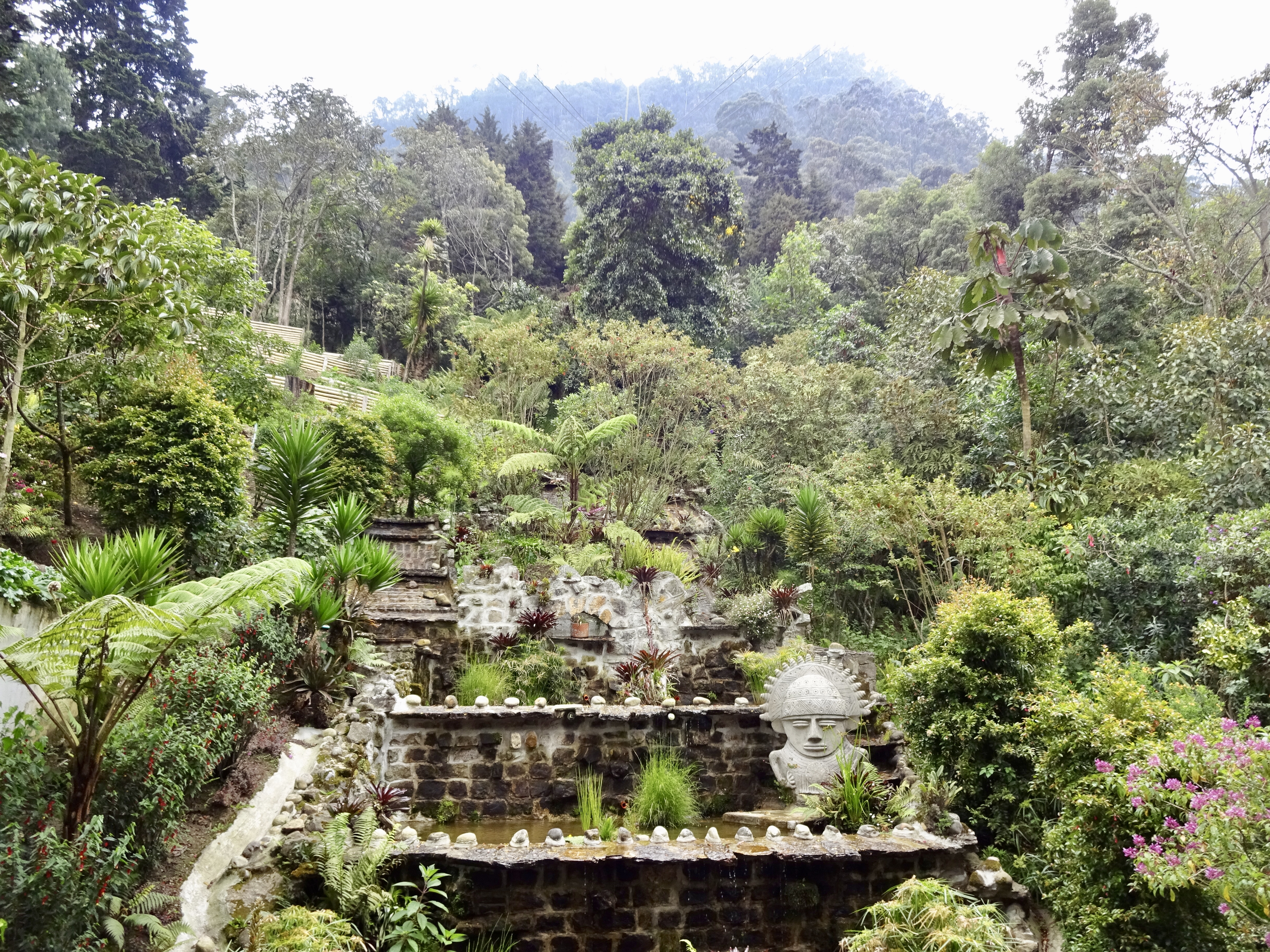
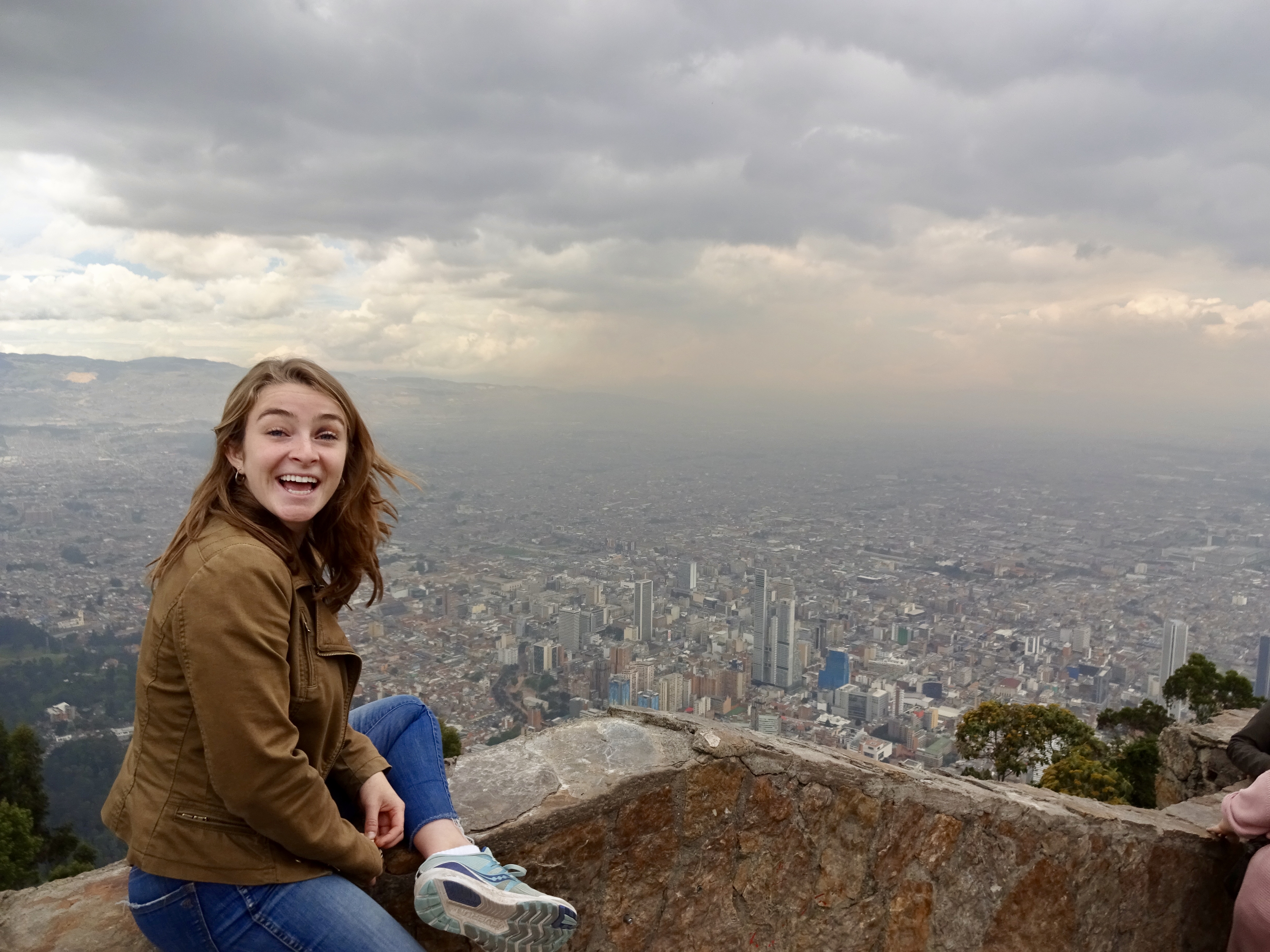
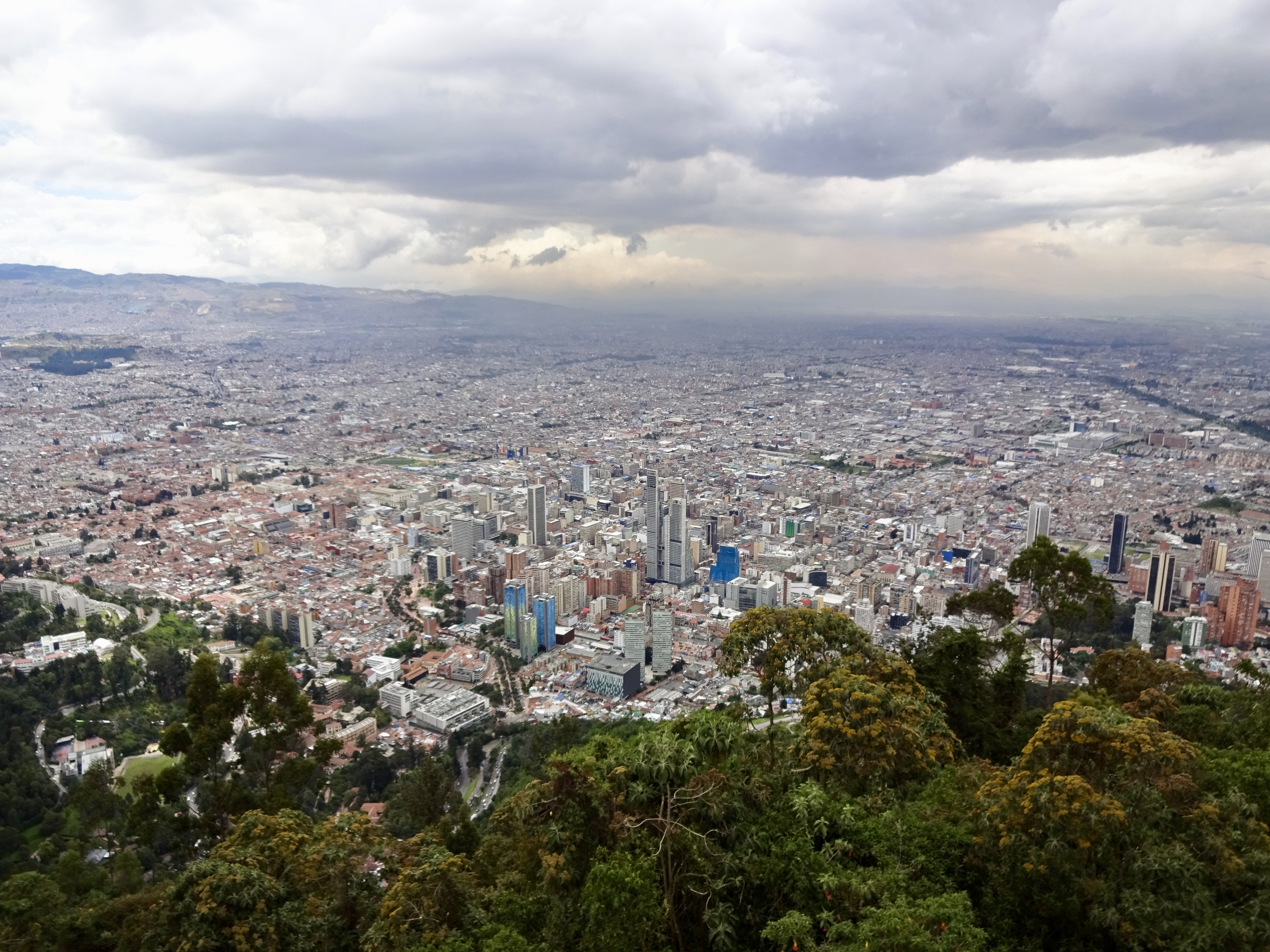
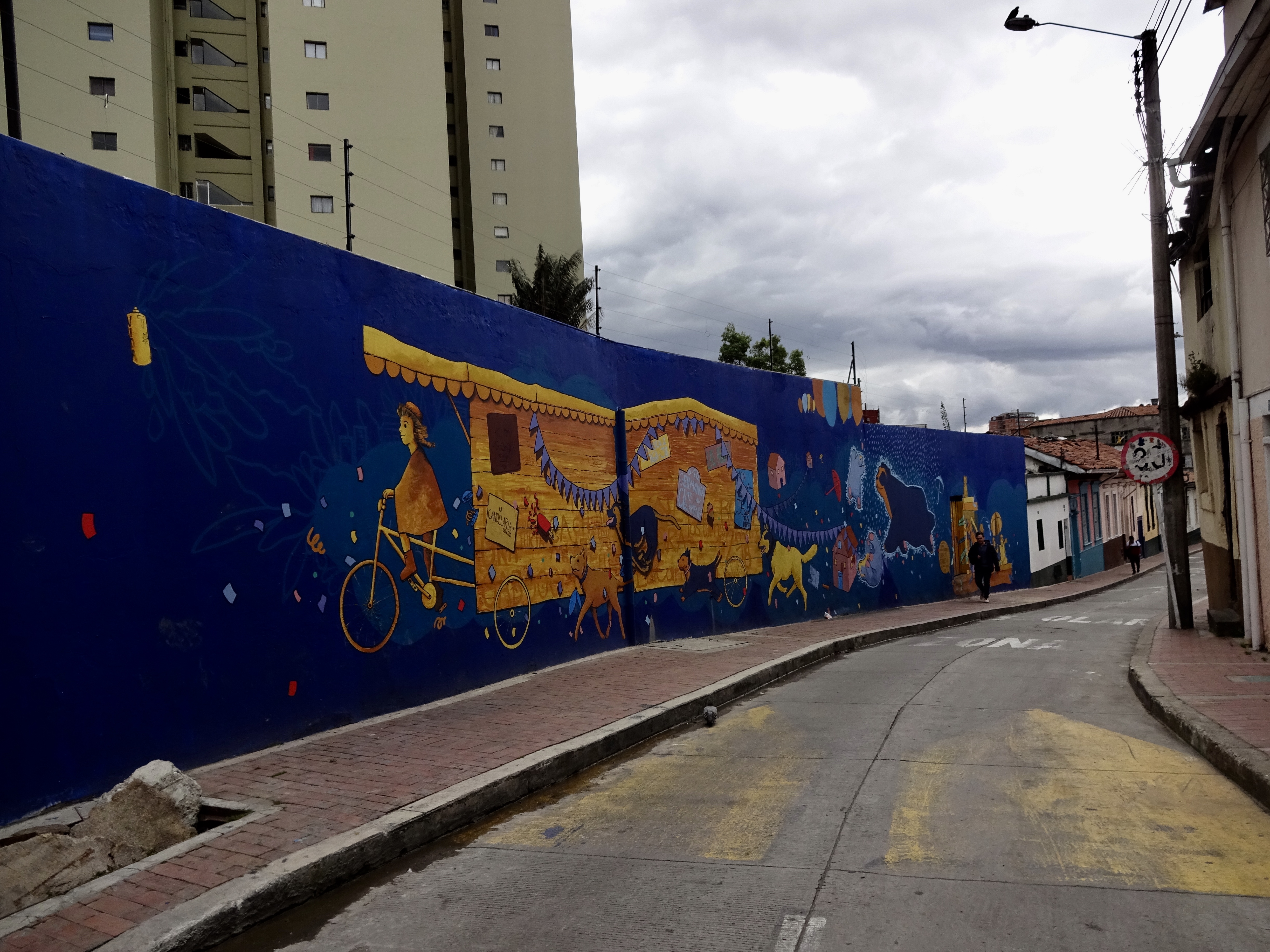
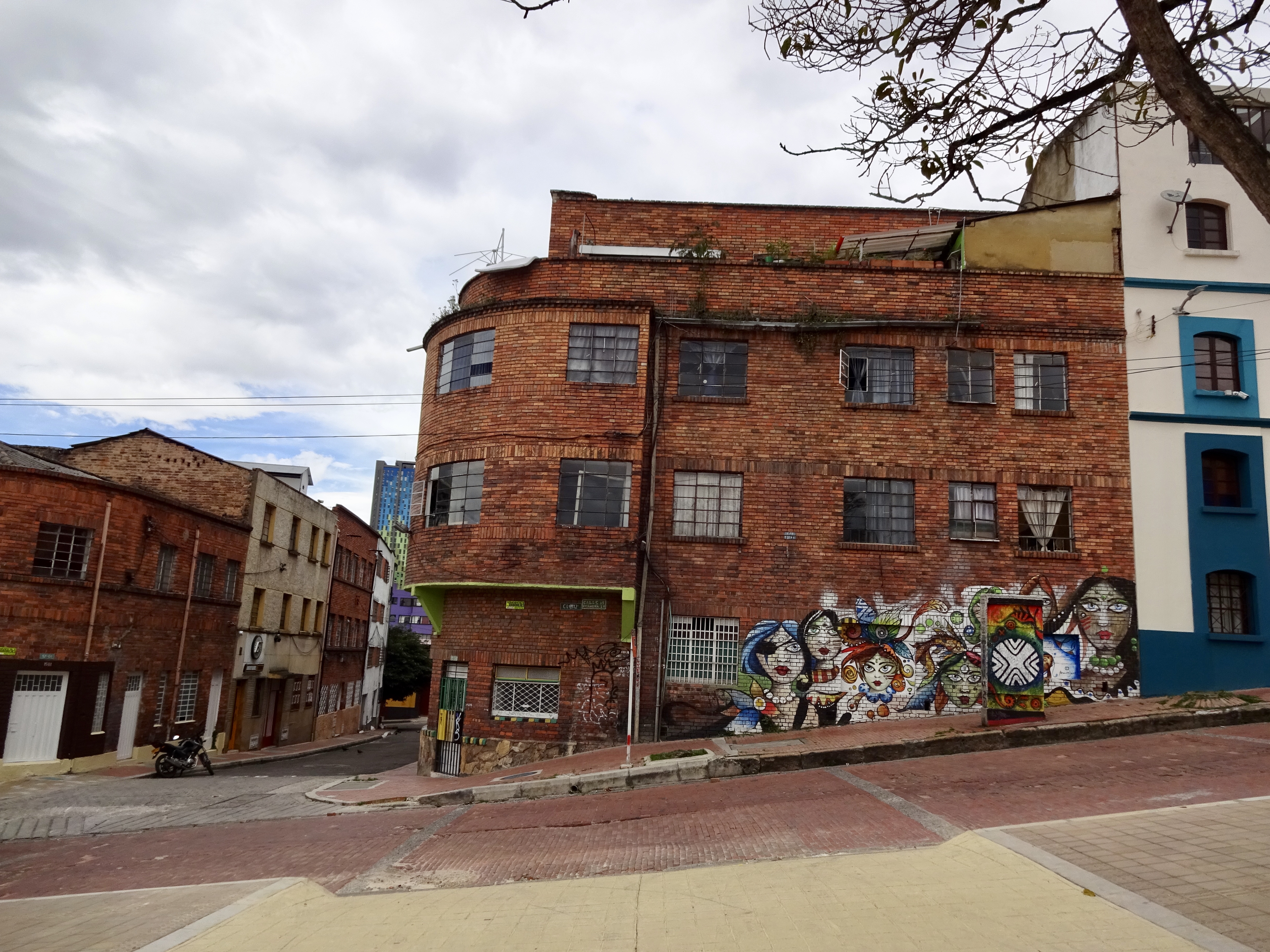
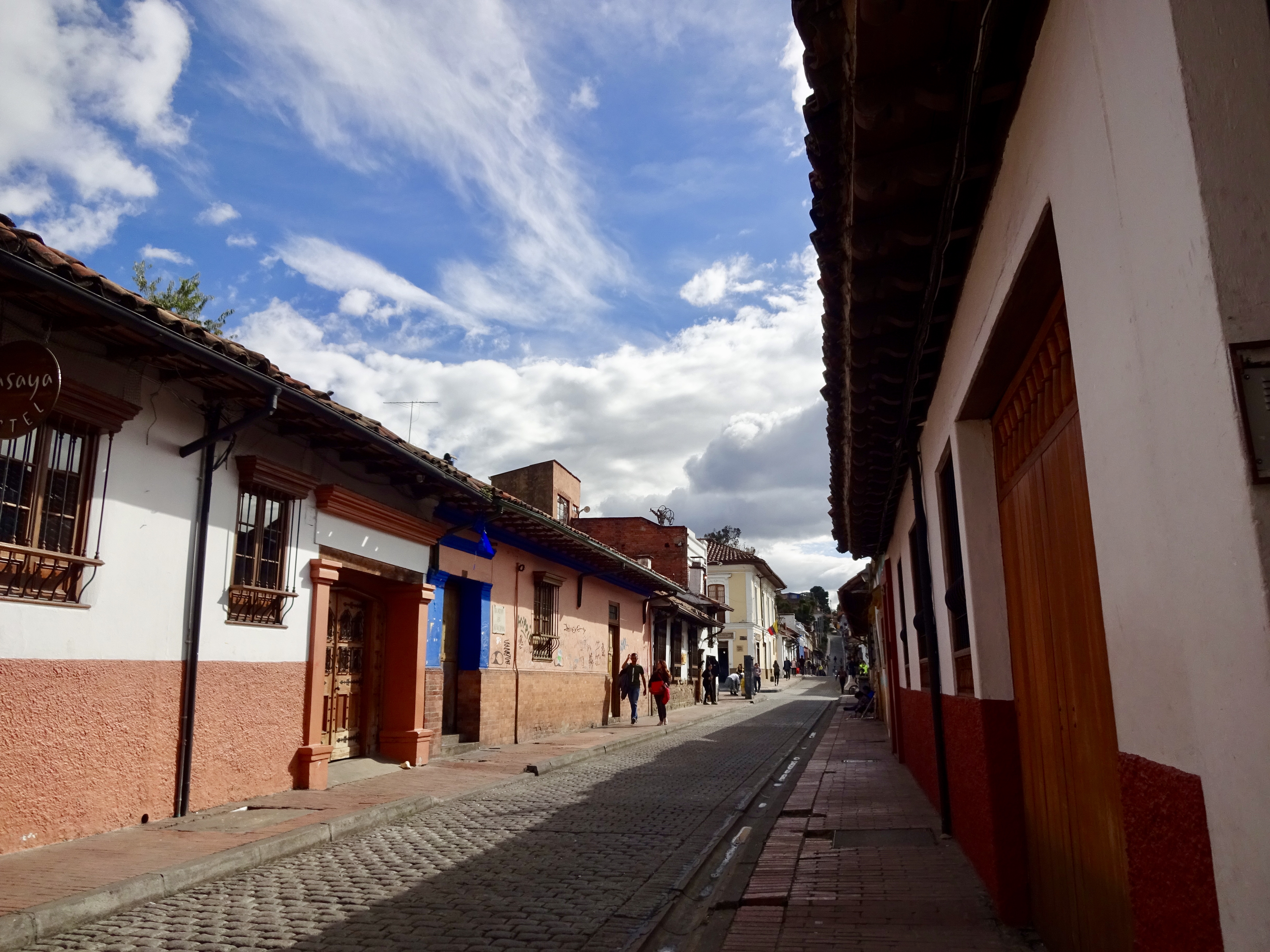
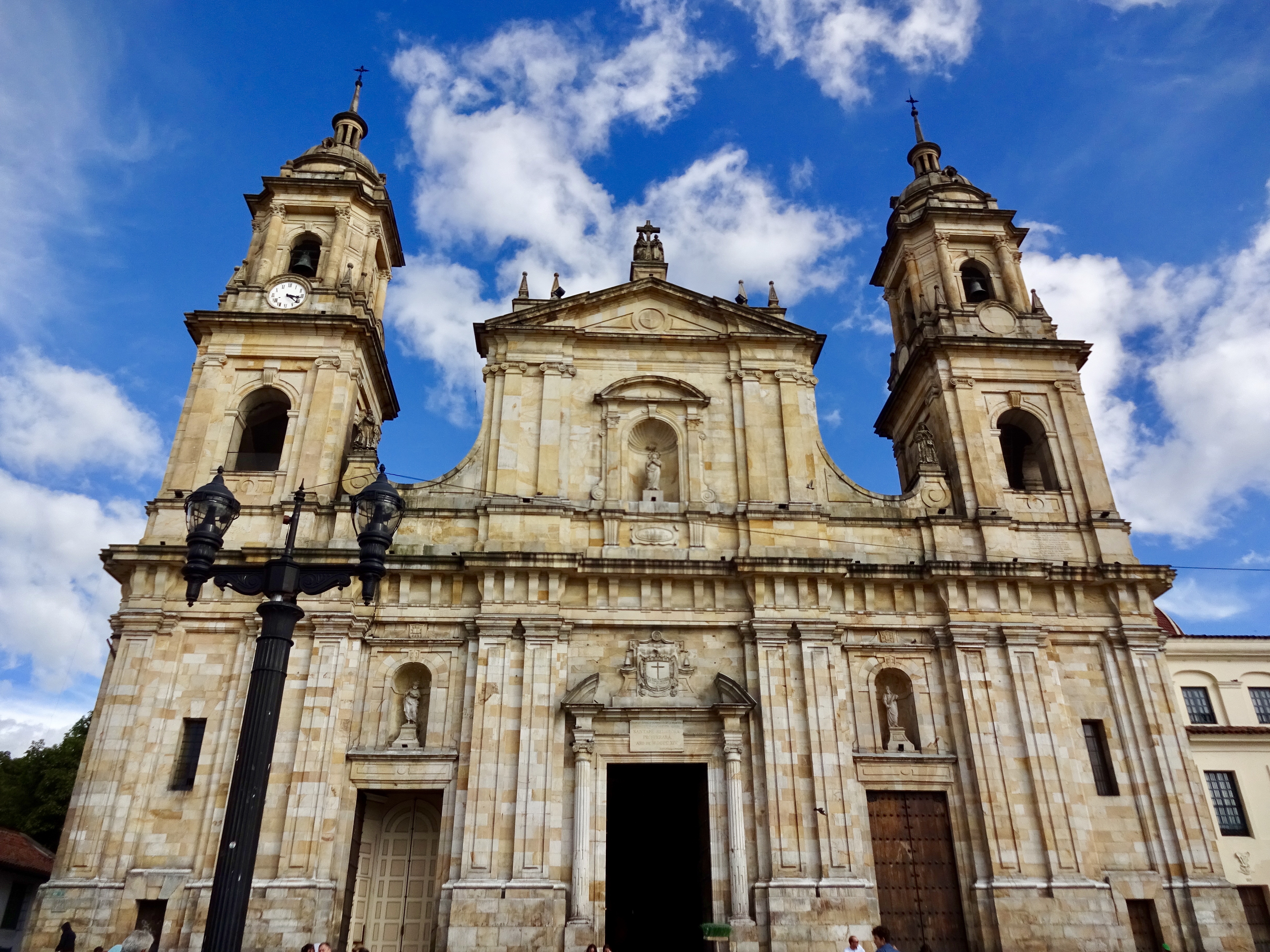
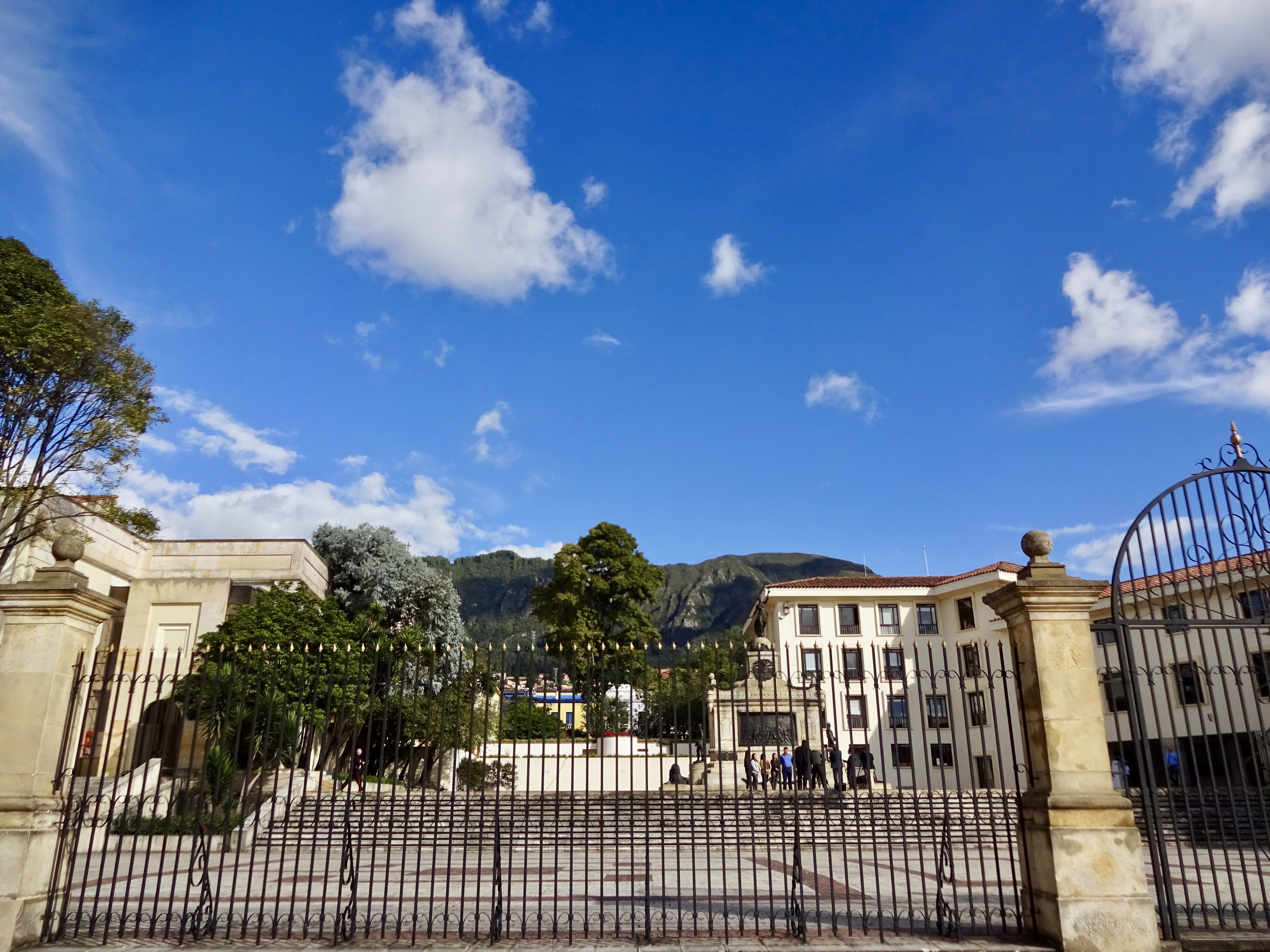
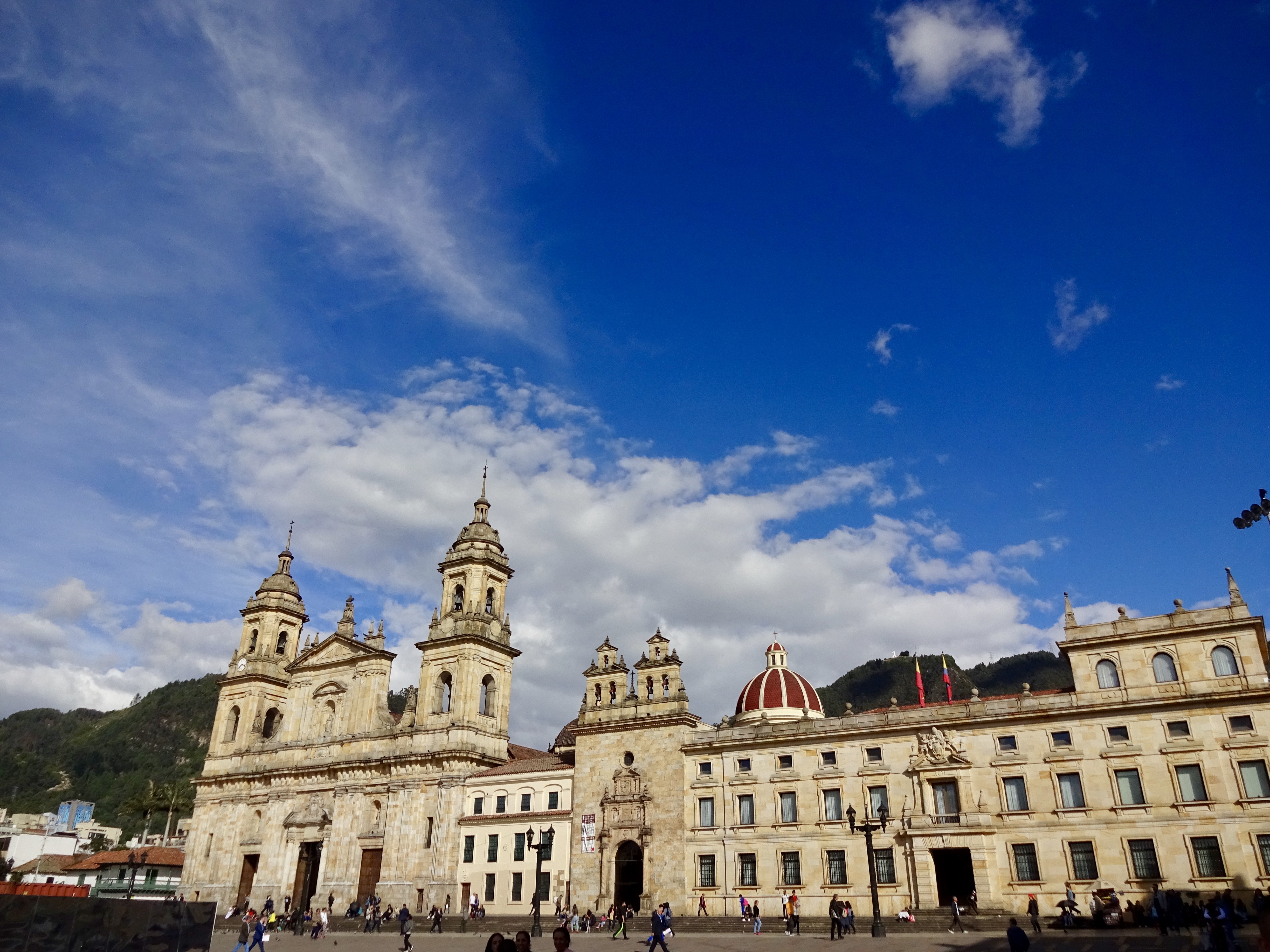
With these two new pieces of news, my expectations for the weekend change drastically, but I was still determined to keep an open mind because it sounded amazing. The next two days, Juan Pablo took me on a tour of Bogotá, which was beautiful! It also is hard not to love Colombia when Juan Pablo is your tour guide, due to how much he himself loves Colombia. Below are some pictures of those two days in Bogotá 🙂

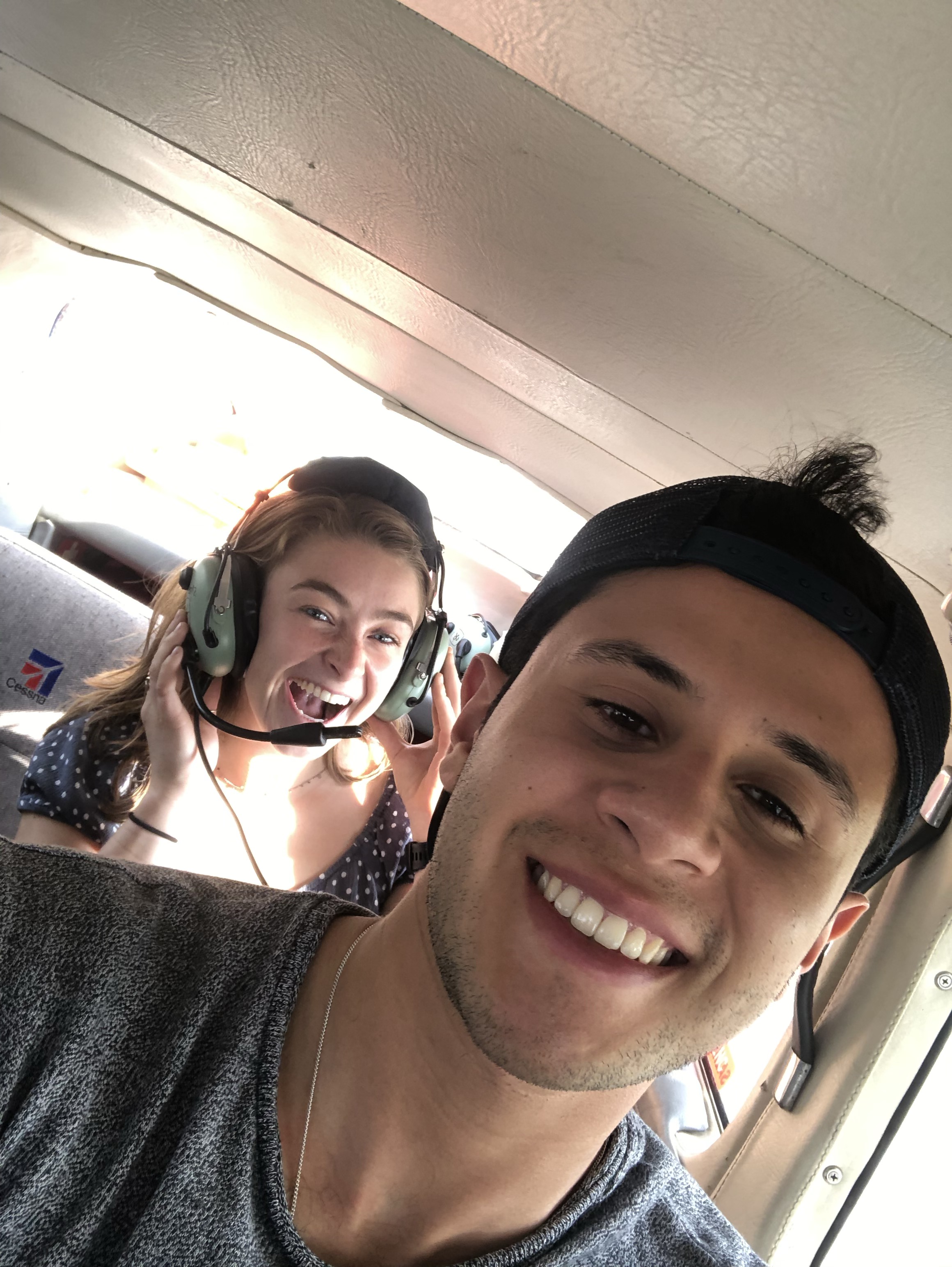
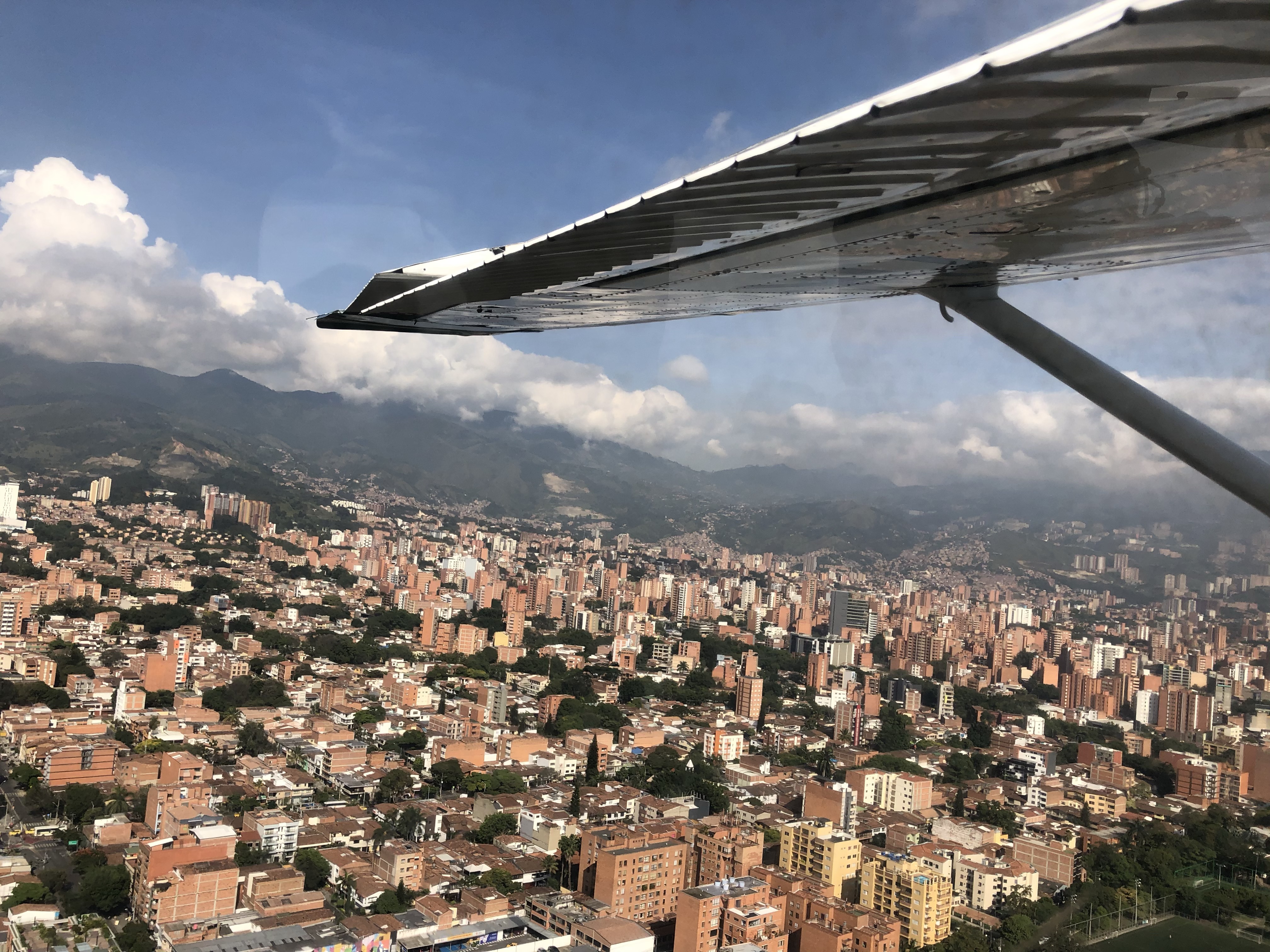
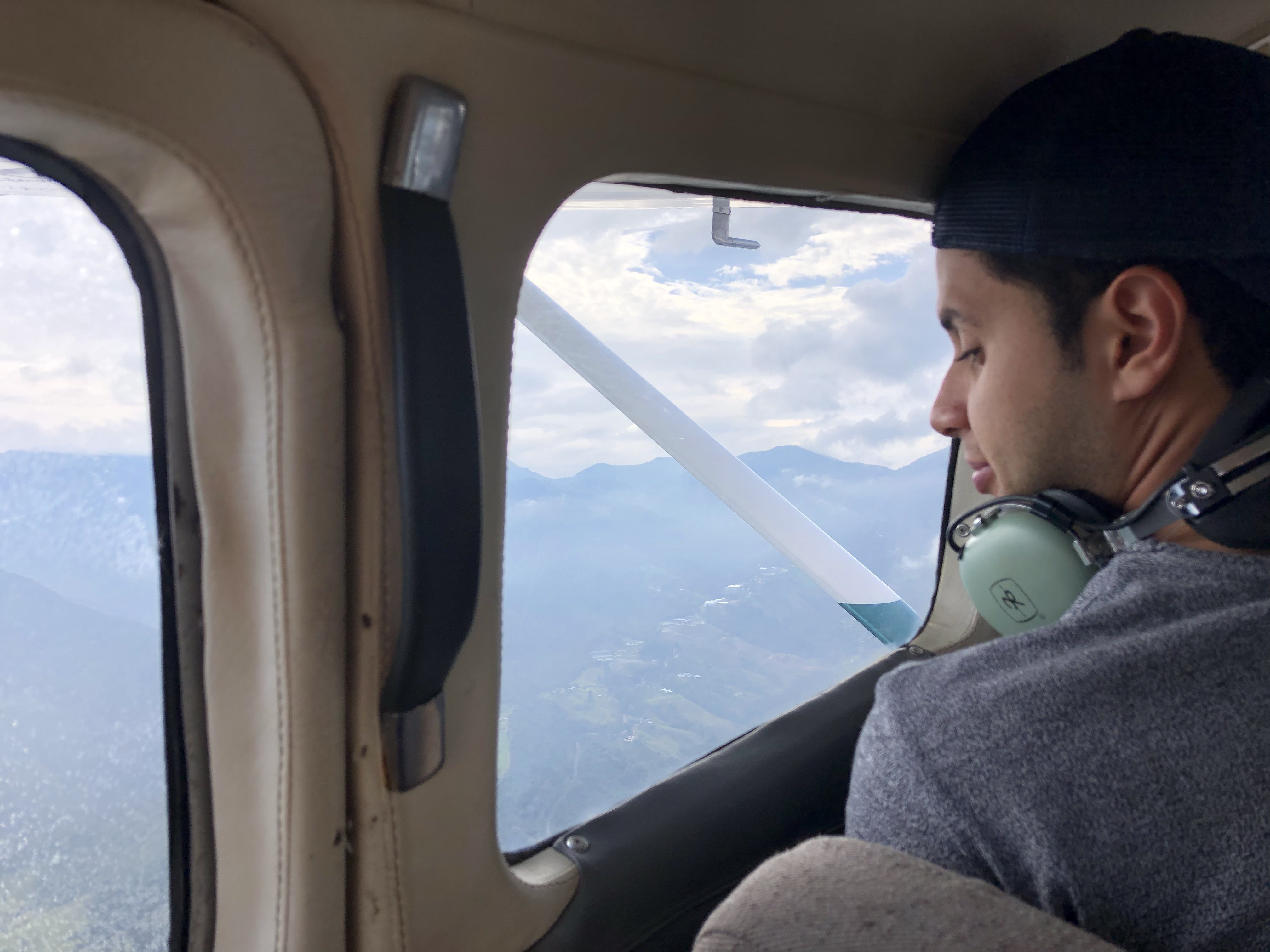
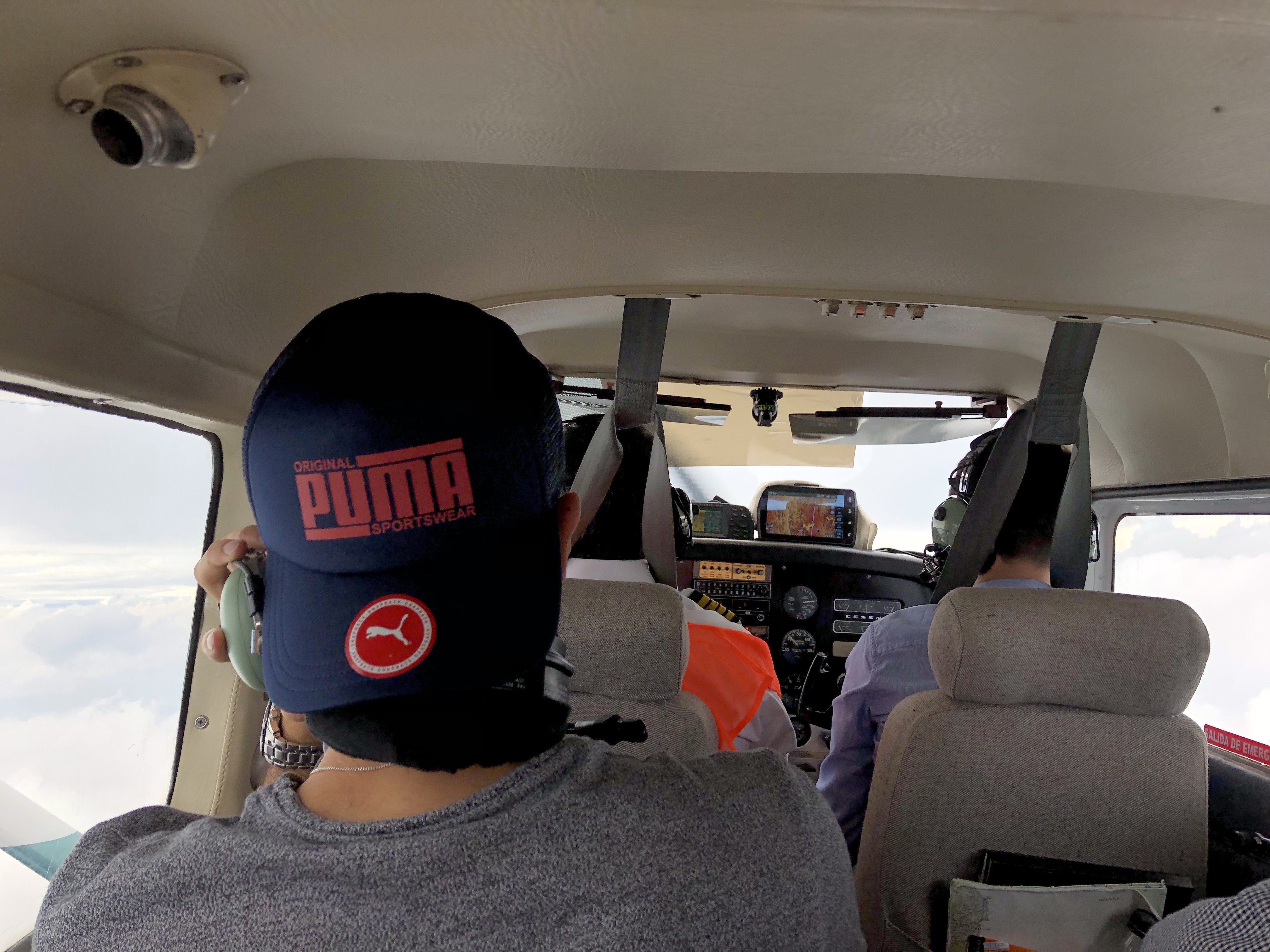
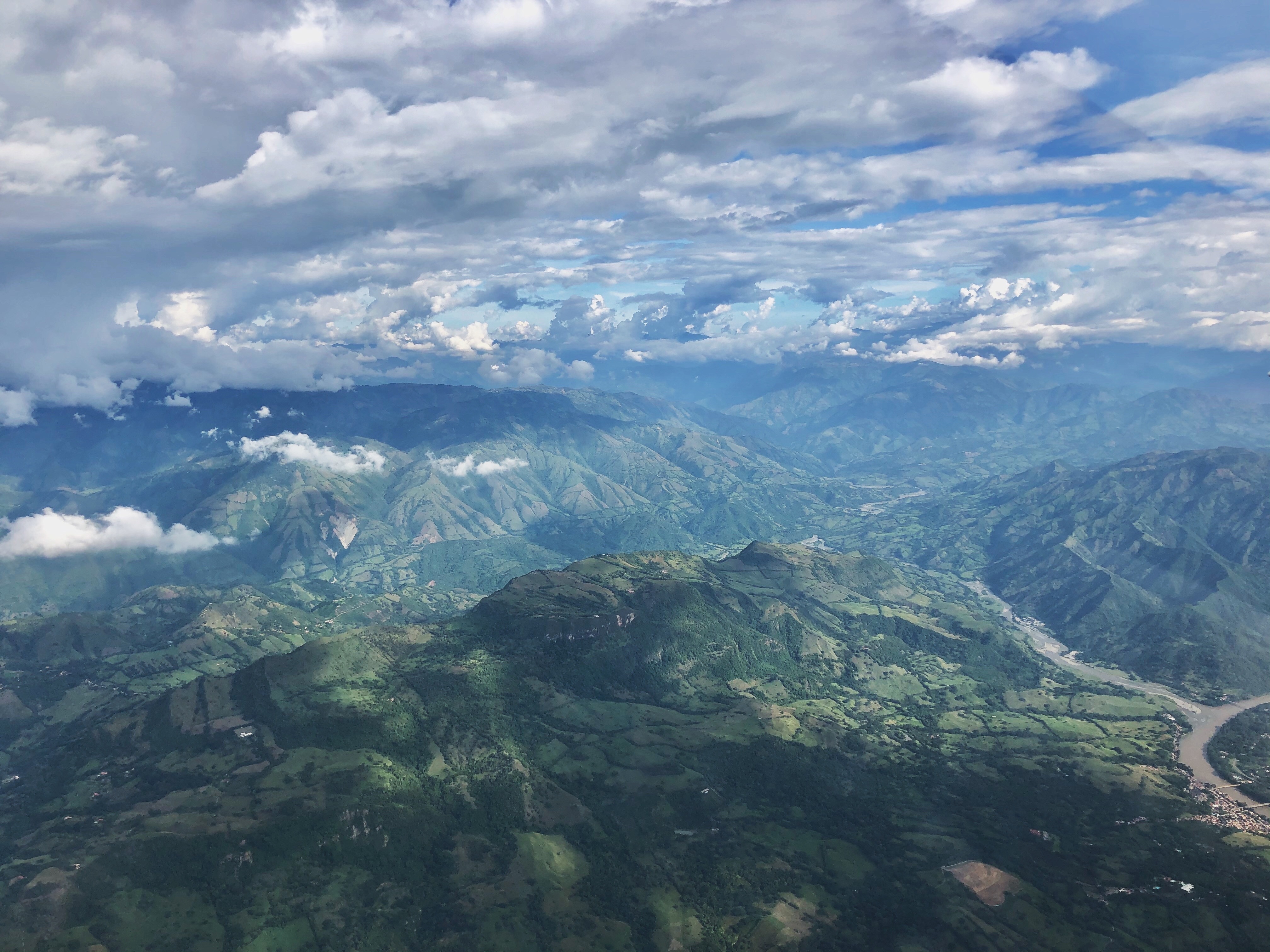
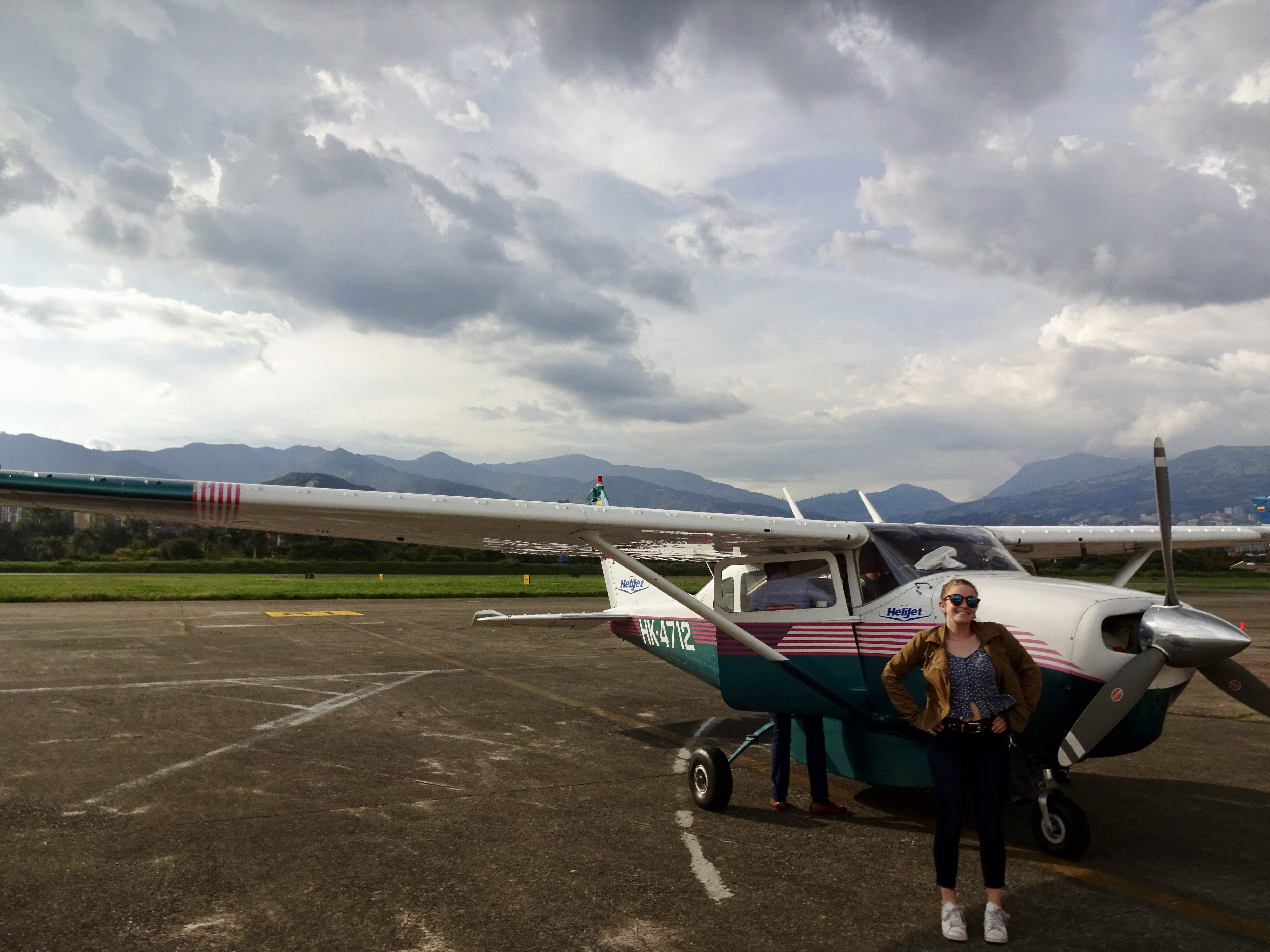
After Bogotá, we hopped on the 30-minute plane to Medellín. We were greeted there by Javi and his boyfriend, “The Señor,” in their huge apartment complete with panoramic views of Medellín. The next morning, we got up at 6:30am, went to the small airport and went up in the tiny plane! It was absolutely incredible to see the Colombian rainforest from that viewpoint and I can confirm that it was one of the coolest things I have ever done in my life.

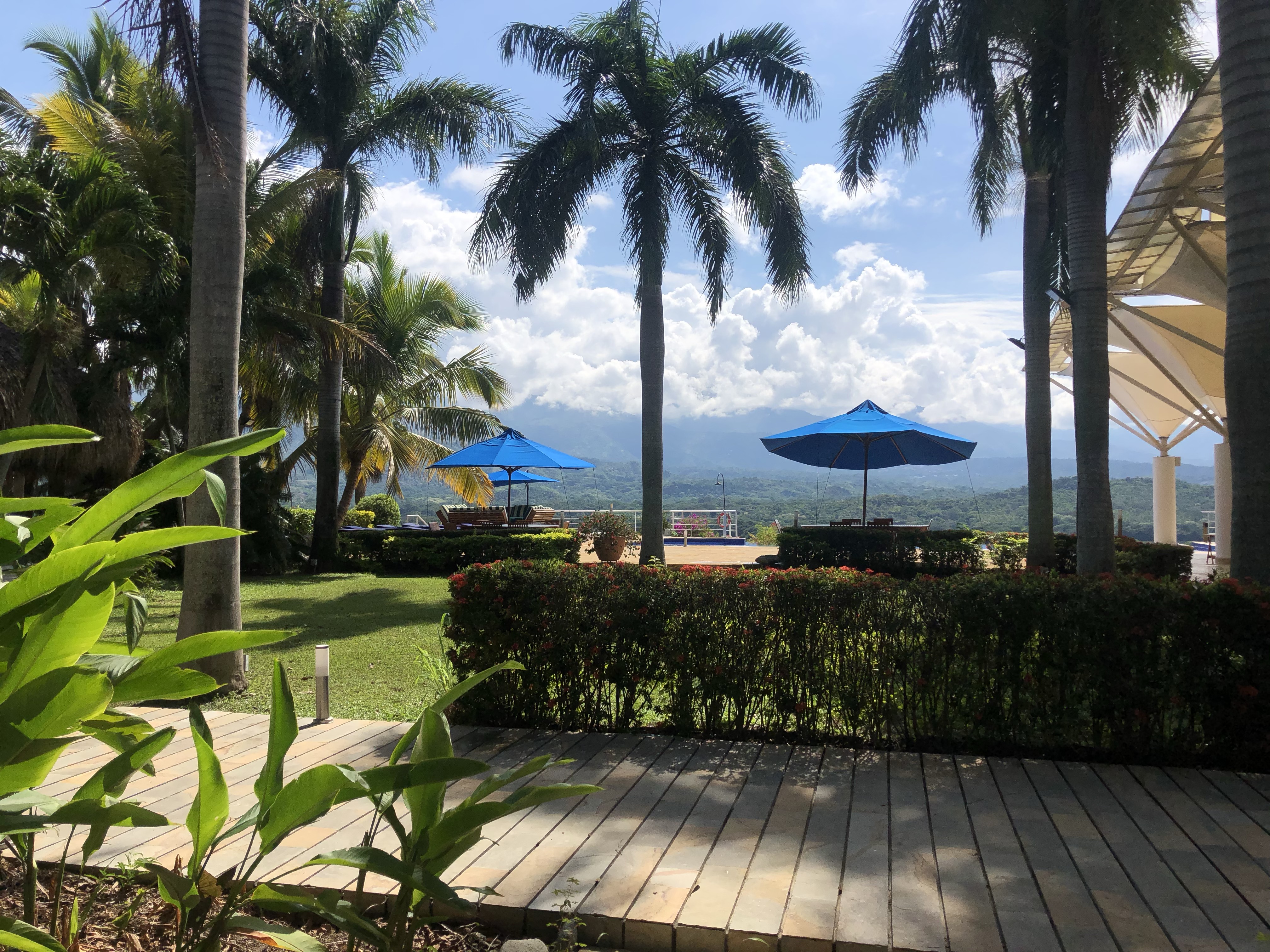
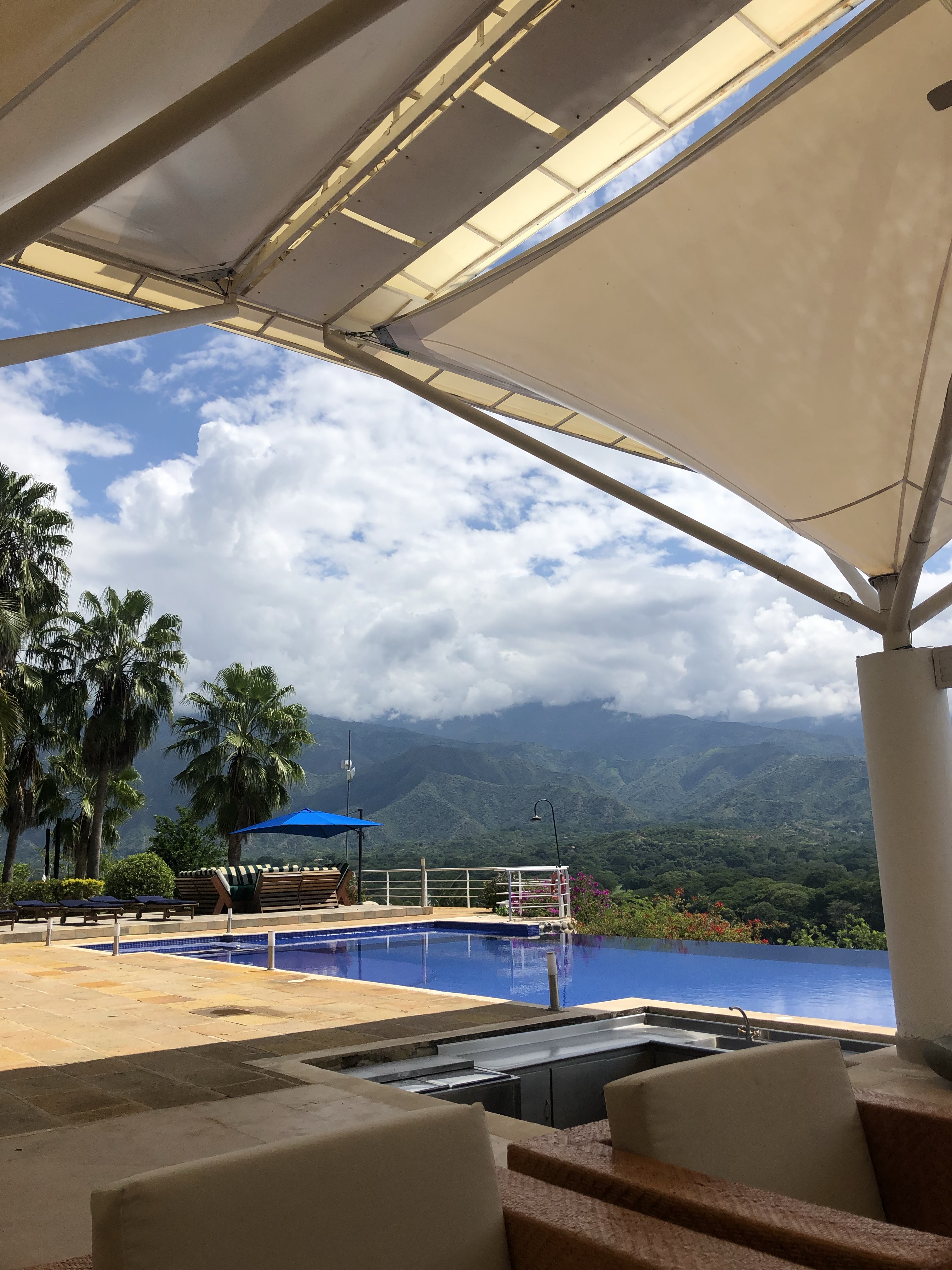
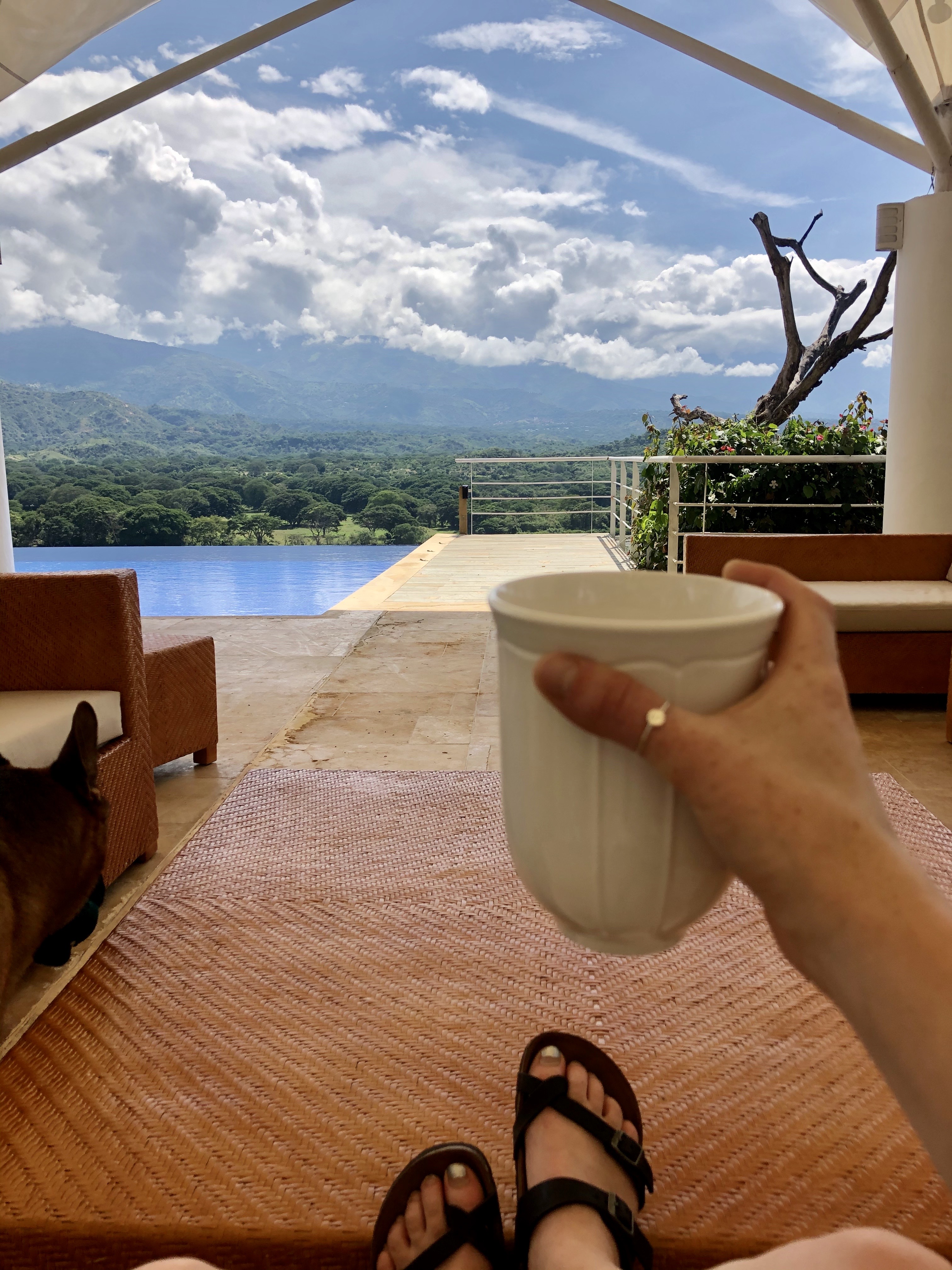
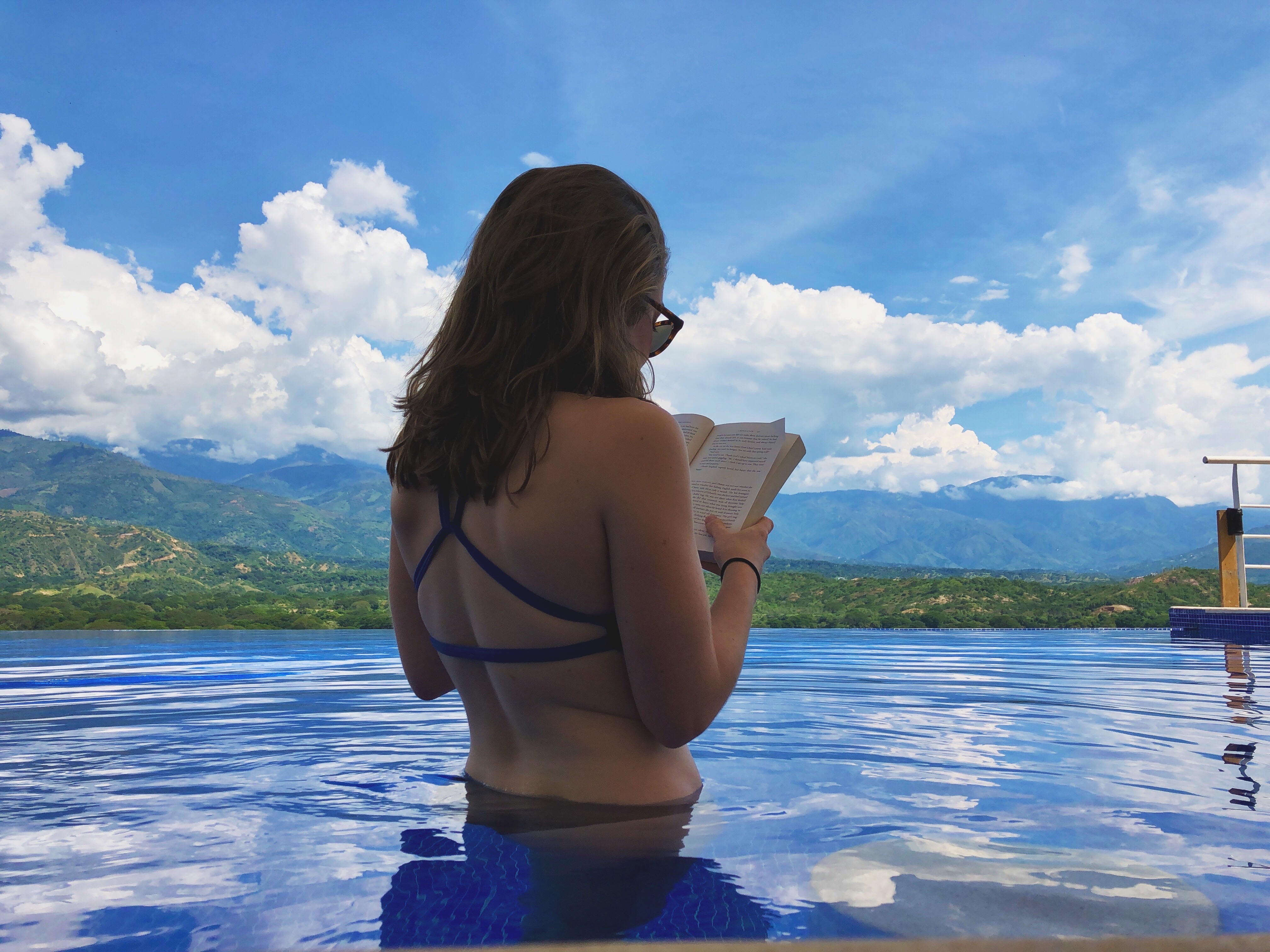
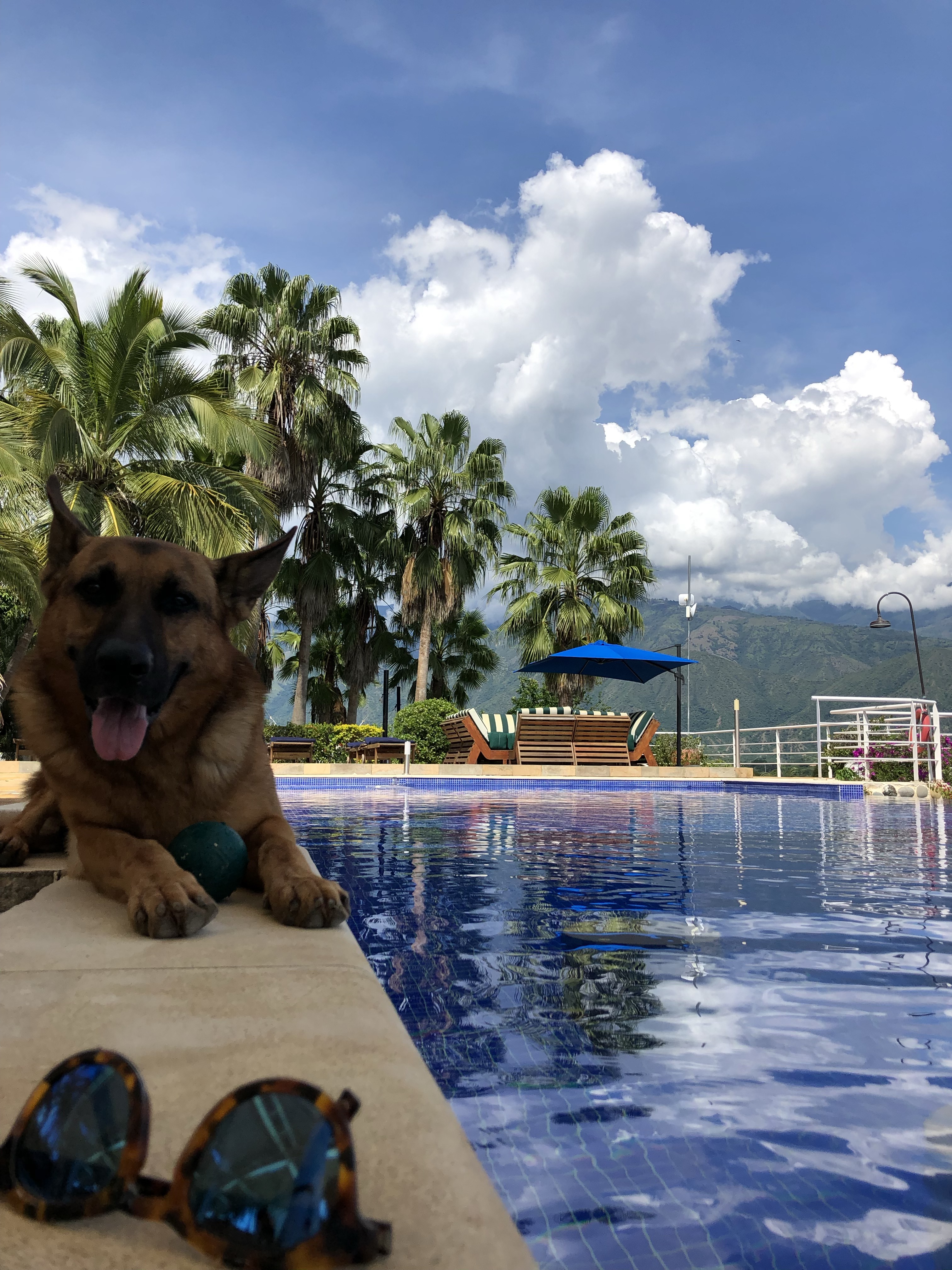
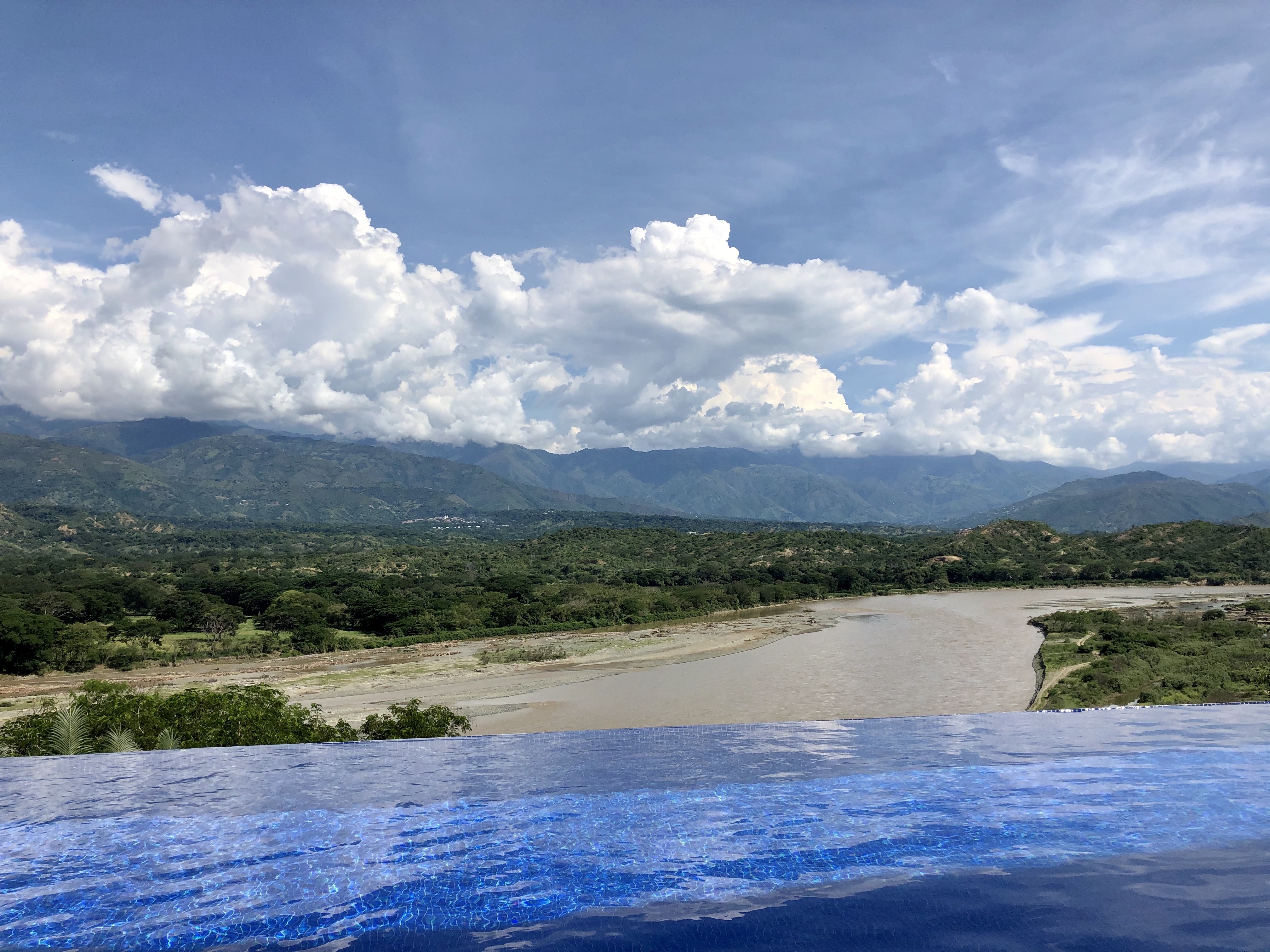
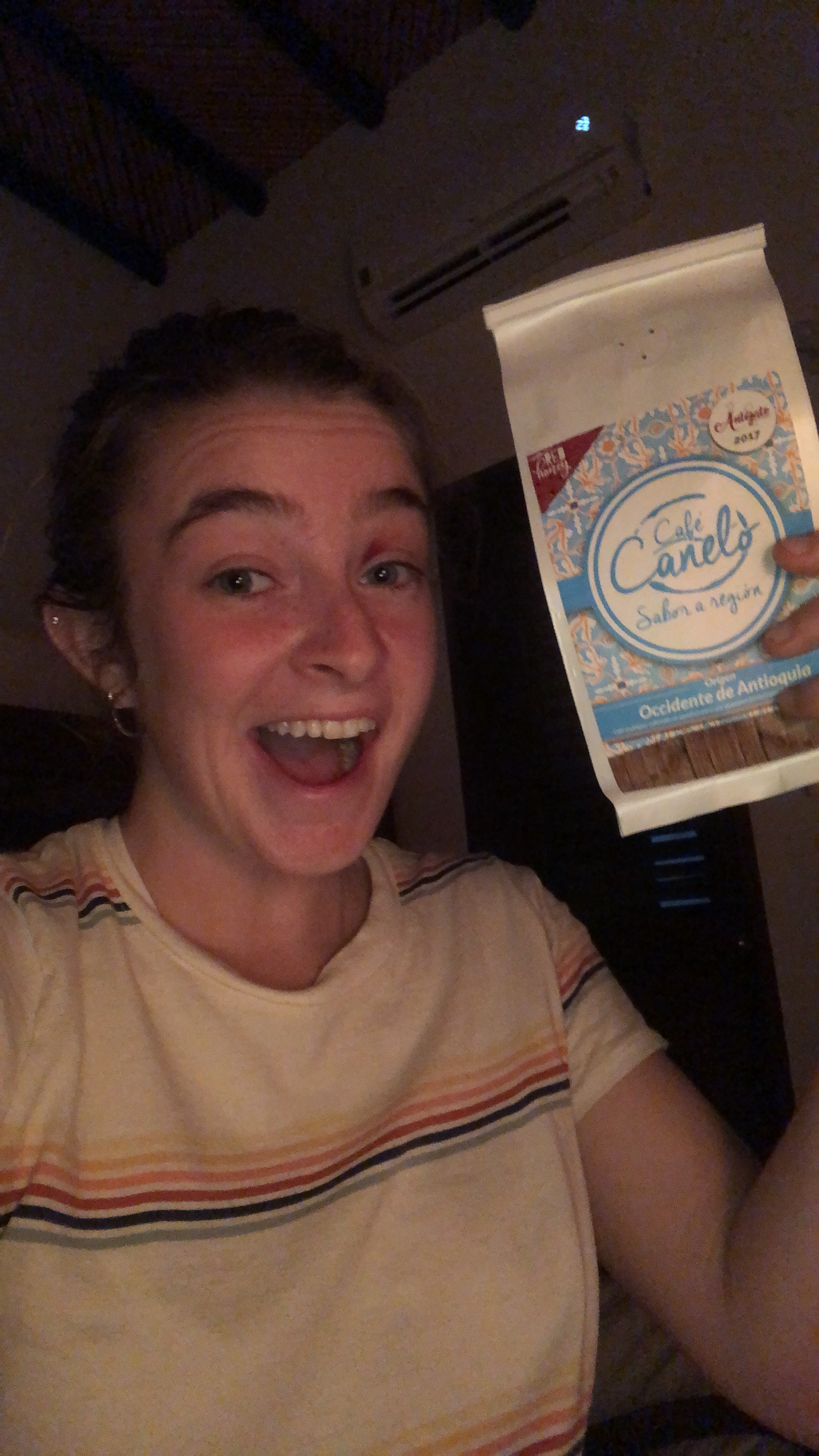
After this awesome experience, we headed to the countryside. The 10 of us mostly spent the weekend by the pool reading, relaxing and enjoying the amazing views. I did, however, manage to sneak into town to try some local Colombian coffee (I bought 5 bags to take back home…) and it was DELICIOUS!

Here are some photos from the weekend… yes, it was a very difficult time for me as I am sure you can tell 😉

That about concludes my crazy week in Colombia! I have so many things still on my Colombia bucket list, I fear I will have to go back many times… oh well! Haha!

Chau everyone! Lots of love always!

Cecilia

“It’s Not About 30 Pesos, It’s About 30 Years”

I have tried to start this post many times over the past week. I want to give a clear picture, an explanation, a justification to what is happening here in my beloved Chile. There are still so many questions, so many moving parts, so much in the unknown… hence my hesitation. Yet I want to have these reflections, memories for later, pieces of a social revolution to which we didn’t truly know the outcome of in the moment. I also hope that this account clarifies some questions that people on the outside may have, both about the physical happenings in Chile and my own personal experiences and reactions to these events.

I won’t go too deep into Chilean history for this, but there are some base things to know so as to grasp both the enormity and the importance of the social upheaval going on. Chile had a military dictatorship in place from 1973-1990. It was the most authoritarian dictatorship in Latin America in the 20th century (that is saying something) and due to this harsh authoritarian state, much of that generation is indued with a kind of social trauma that we in the United States cannot imagine: the military patrolling the streets constantly and the secret police arresting thousands of people to torture them for information – all fostering a constant sense of distrust and insecurity among the Chilean people.

Now, when the dictatorship ended, it did not fall in the way one would think: in revolution and violence but eventual victory for the opposition. On the contrary, Pinochet (the dictator during that time) carefully crafted the end of the dictatorship by creating a new constitution that laid out the path forward beyond him and his regime. Chile STILL has this constitution. Yes. The one put in place by their former dictator. During the years after the “return to democracy,” Chile’s economy grew steadily, slowly but surely establishing the country as one of the most stable in Latin America. However, there are a lot of indirect consequences as well from Pinochet’s dictatorship, such as the rampant neoliberalism that has created insane levels of inequality. To give a few facts: 33% of the entirety of wealth in Chile is concentrated in the hands of the 1% richest people in Chile; additionally, 50% of the working population receives 400 000 pesos (550 USD) or less per month in their salaries, while 0.01% of the population makes around 570 000 000 pesos (800 000 USD) per month. Chile has a high GDP of around 298 billion USD, but only because of the large concentration of wealth in the richest sector of the population. In addition to these extreme levels of inequality, Chile has struggled with the privatization of pensions, the university system, and even water (the only country in the world where this is the case).

In conjunction to the overall inequality present in Chilean society, the public education in Chile is – for the most part- not up to par with what a country of such economic progress should have. This eventually lead to the Chilean Student Movement (coming to a height from 2011-2013), in which students from all over the country took to the streets, neighborhoods and schools to protest the dismal quality of their education. These protests evolved into students playing an important role in Chile’s overall protest culture, which brings me to October 2019.

Due to all of the things that I previously mentioned, Chile has been building up to some sort of social revolution for quite a while. During my group trip to the Atacama Desert in the beginning of October, our program director informed us that the prices of the metro fares were going up 30 pesos that next week. We did not think much of this honestly, because 30 Chilean pesos is about 3 US cents and as foreigners with US dollars in our pockets, it would not affect us much. Fast forward to a week later. It is a Tuesday and I am taking my daily 45-minute metro ride from my house in northeastern Santiago to our campus in the southern part of the city, and I notice that some of the metro stations on my line are closed. This seems strange, but I just assumed that they were doing maintenance on them or something along those lines. Upon asking my friends if they knew anything, they informed me that many high school students were using their influence with the student protestor culture to protest the fare hike. I still did not think much of this because Chileans protest a lot, university departments go on strike, etc. I continued through the week but as Thursday and Friday approached, we began to notice a heightened presence of the police by the metro stations.

Friday October 18th, THE day: more metro stations are closed. I decide to go to a park with my friend Kelsey to read our books and relax in Santiago’s amazing springtime sunshine. We were on our way back to our houses to eat dinner at around 7pm when we start hearing the news: the WHOLE metro system is closed. The protests are becoming increasingly violent. Someone was shot by the police. A bus was lit on fire in the center of the city. Suddenly there were hundreds of Chileans walking all around our bus because they had been cut off from their commute home by the metro closure. In an hour, things had escalated. Big time. When I finally made it home, close to 9pm, I would commence the 48-hour period in which we were all glued to the TV watching fires being started, metro stations burned and riots in the city center. The whole country was shocked. In hindsight, all the dots can be connected to create this perfect storm of a social movement. Yet if you had asked me on that nondescript Tuesday whether I thought the whole country would descend into revolution in 3 days, I would have laughed: “Not in Chile!”

On Saturday morning (1am), the president declared a state of emergency, instated a “toque de queda,” a curfew, and deployed the Chilean military to the streets of the capital. It all happened so fast, no one knew what to do. My fellow GW program participants were constantly in contact with our program director who assured us to stay calm and that we were safe, but we knew that she had no answers for our multitude of questions. We spent the rest of the weekend in our houses, pretty much glued to the news.

Foreigners are legally not allowed to participate in the protests so I abstained from most of the more intense protesting… although I did attend one peaceful one close to my house, which was enlightening. The protests got progressively less violent and more peaceful throughout this last week, which is a good thing, however: there is constantly backlash against the Chilean news media related to the fact that they do not cover the violence that the police and military are perpetrating against the poorer communities of Santiago. Since there is ample evidence on social media of said violence, the critiques are valid, but are a product of the very society that they are protesting against. Vicious cycle.

I was terrified when the protests started that I would have to leave Chile. I had nightmares about leaving during that whole long, stressful weekend in my house. I was not ready to leave. It was not fair!! Luckily, our program director reassured us that she did not think we needed to be evacuated at all and that we should turn this into an out-of-classroom learning experience. I definitely have.

From watching the news, talking and living with Chileans, and living here during these tumultuous times, I find my perspective on protesting drastically altered. Before, if I was watching this happen from afar in the US, I know I would be so much more judgmental of how they use violence (on both sides) here to protest. Although I do not agree with the methods, I now can better understand the specific context: the government does not care. Accountability is basically a non-existent concept. I can grasp better now the need to use this means of protest to get what you need, if that is the only way the government will even look your way. For all of the US government’s flaws (and there are so, so many), at least we have some semblance of accountability. It is better than here, at least.

On Friday October 25th, Chile had the largest march ever in its history. Over a million people filled the streets of the city center. This number was bigger than when Salvador Allende (socialist president before the military coup) was elected and bigger than the crowd in the capital when the country was celebrating the return to democracy in 1990. This means that the movement is big: literally and figuratively. Now that these inequalities have been shouted into the void and brought into the light, there will be change. I am here and I can feel it. I want that so badly for the Chilean people whom I have grown so fond of. We are still taking things day by day here in Santiago but I believe in the power of the people that I have witnessed over the course of what feels like the longest week of my entire life. It won’t be easy, but it will change.

Last point before I go: no, I have not had school the past week (and this upcoming one as well). The main reason that we do not have school is that the majority of students get there on the metro, and the transportation system is only slowly being reinstated and repaired. It will definitely take months to get it running up to full capacity again, so I truly do not know what direction my studies are going right now. Next Monday marks the three week mark until we finish classes for good (hypothetically…), but I really have no idea what is going to happen. I will for sure get my credits (we have been assured of this), but as to whether I will ever go back to campus or if we will finish out the semester online, I could not tell you. As you say in Spanish, ¡Vamos a ver! (We shall see!)

Thanks for sticking around until the end of this post. A disclaimer: this is not even HALF of the information on Chile’s current situation. The post is not meant to be a comprehensive history and political evaluation of Chile right now, but rather my own personal take on what has been transpiring. I wanted to balance some historical background with current events and tie it all together with my personal experiences and thoughts. I really recommend doing more research if you are at all interested in this because I have truly just scratched the surface! Here is a good Washington Post article that expands on what I talked about throughout this post: https://www.washingtonpost.com/world/the_americas/chile-is-the-latest-latin-american-country-to-erupt-in-violent-protest-heres-why/2019/10/21/6331d278-f382-11e9-b2d2-1f37c9d82dbb_story.html?fbclid=IwAR2wERp_Dop7QNQBixsU5G3BjLMYN6tNyGRameT3tR1OjU3HzR21653ifHg

As always, I love you all so much! I am quite safe, happy and very engaged academically and personally in the social revolution that I get the privilege to witness here in Chile. That is all for now (but if we are being realistic, there will probably be another post about this as it continues to develop). Love to all!
Exploring Another Planet

I cannot emphasize enough 1) how LONG Chile is as a country and 2) how many different landscapes it has. I honestly am still in shock from experiencing them basically back to back (see my last post for Chiloé in addition to this one).

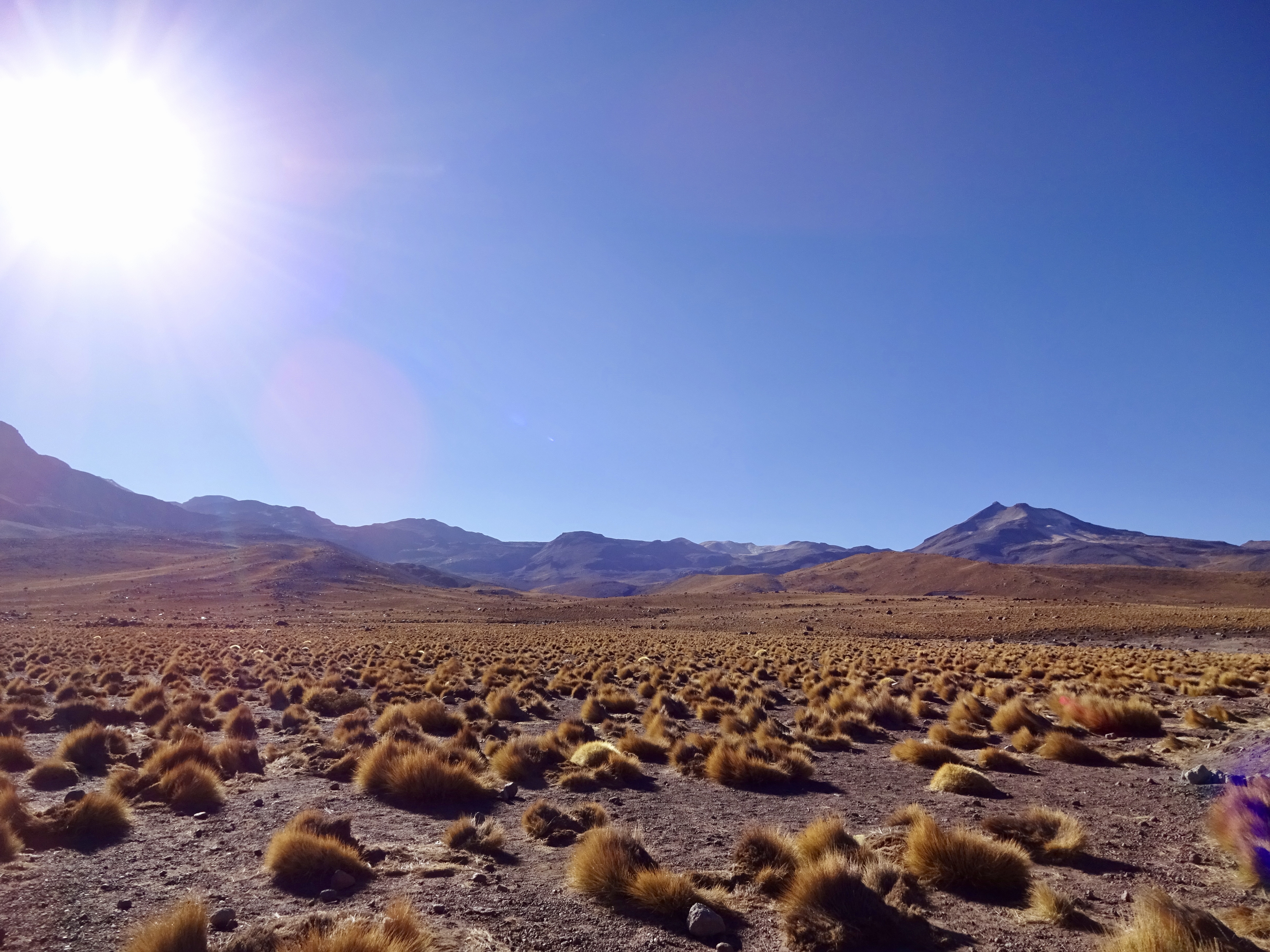
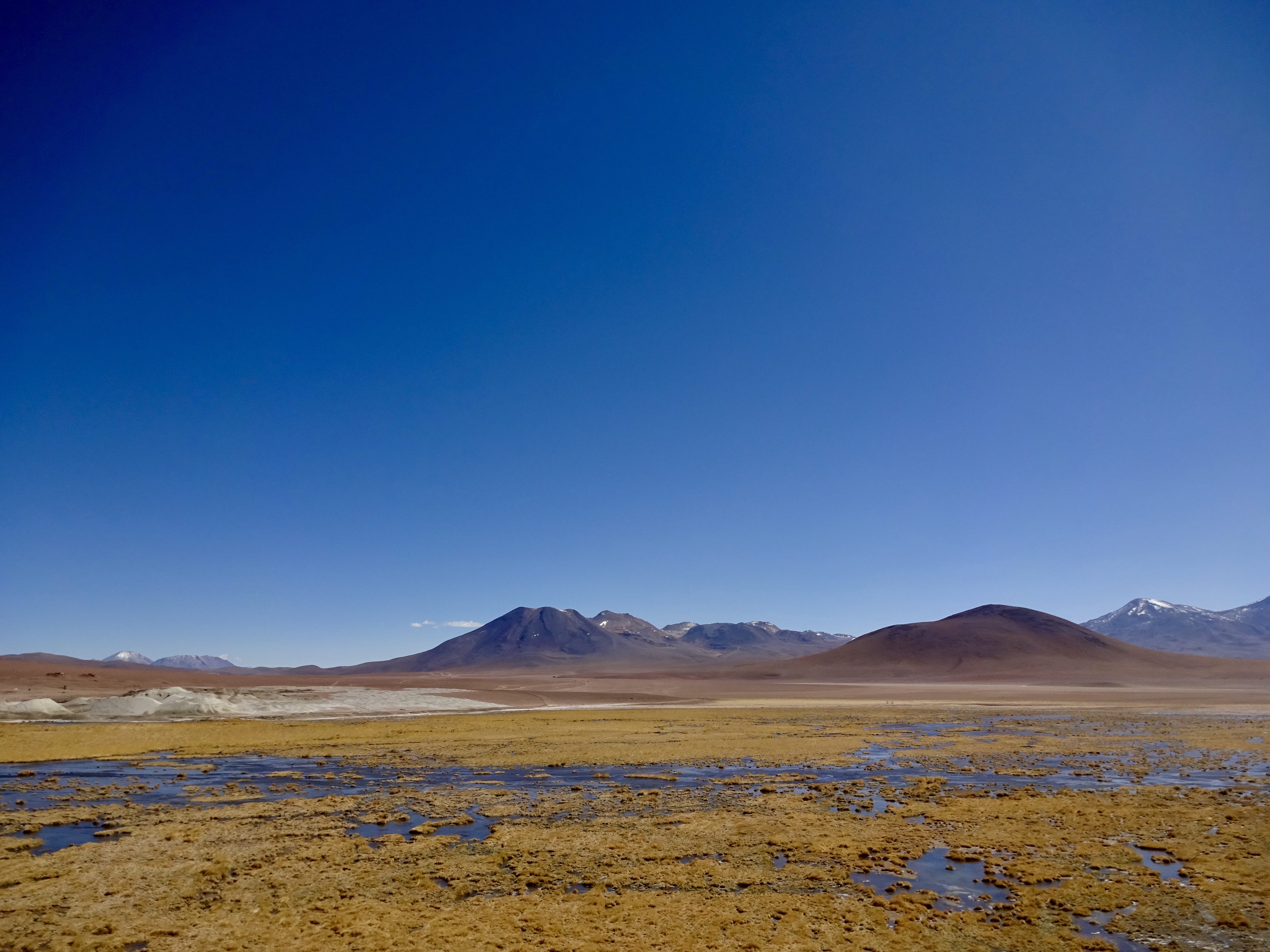
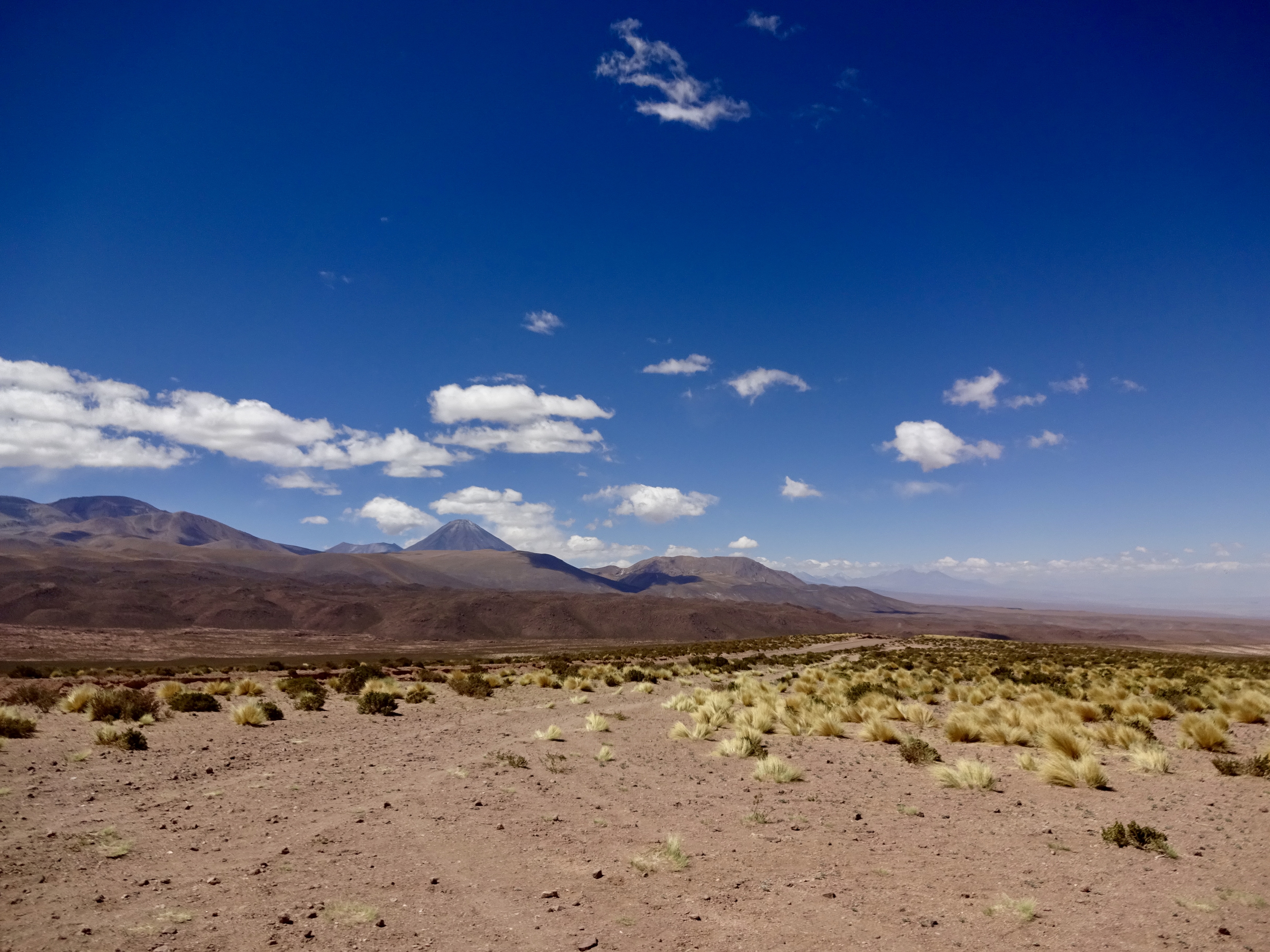
The Atacama Desert is the most arid desert in the world, and NASA uses it to test for missions on Mars because it is the closest place on earth that actually resembles the terrain of planet Mars (crazy)! This is a difficult place to get to if you are traveling on your own, so since we have a group trip with my GW program every semester, our residence director makes Atacama the trip so we can experience it without having to go through the arduous planning.
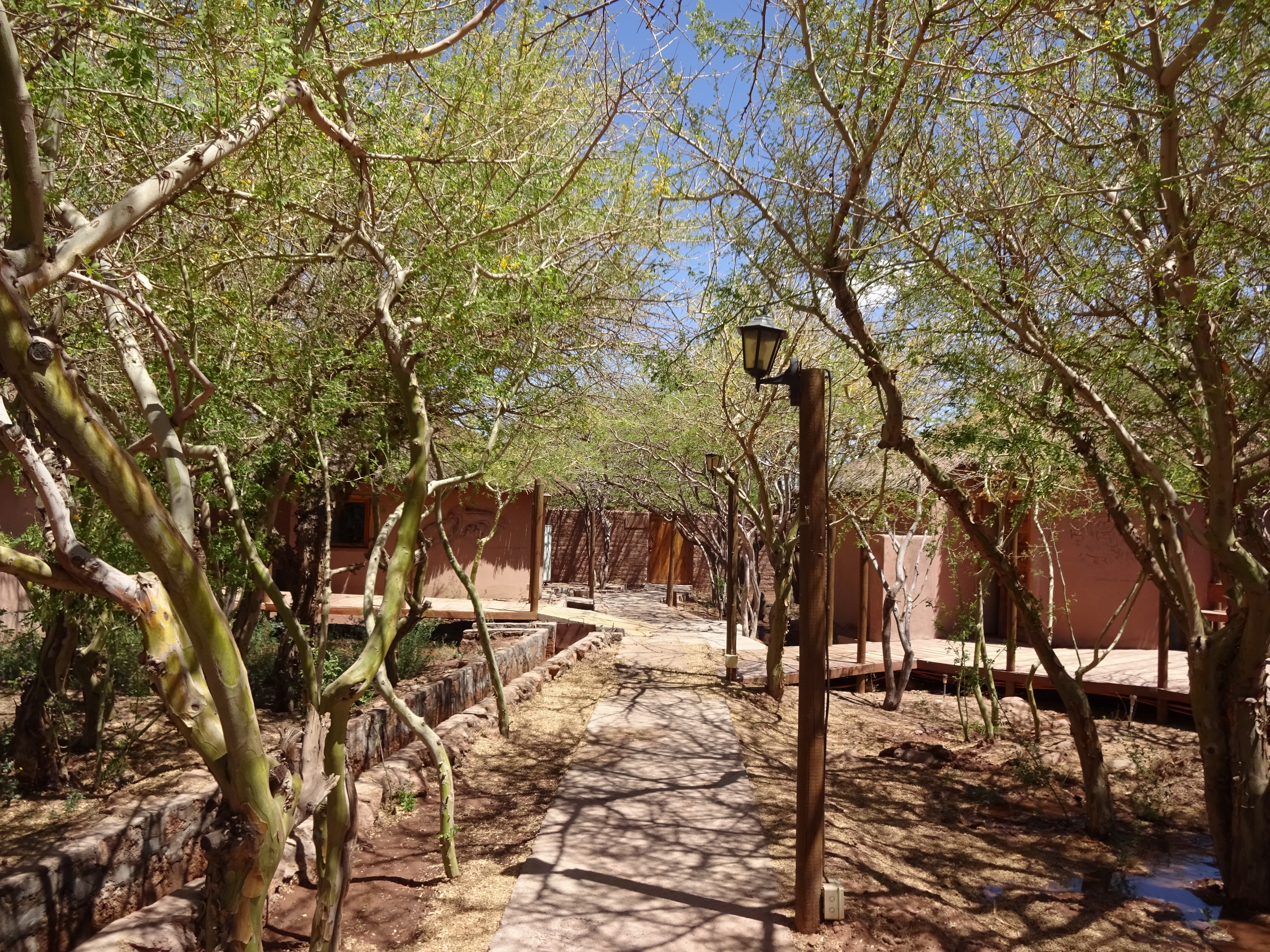
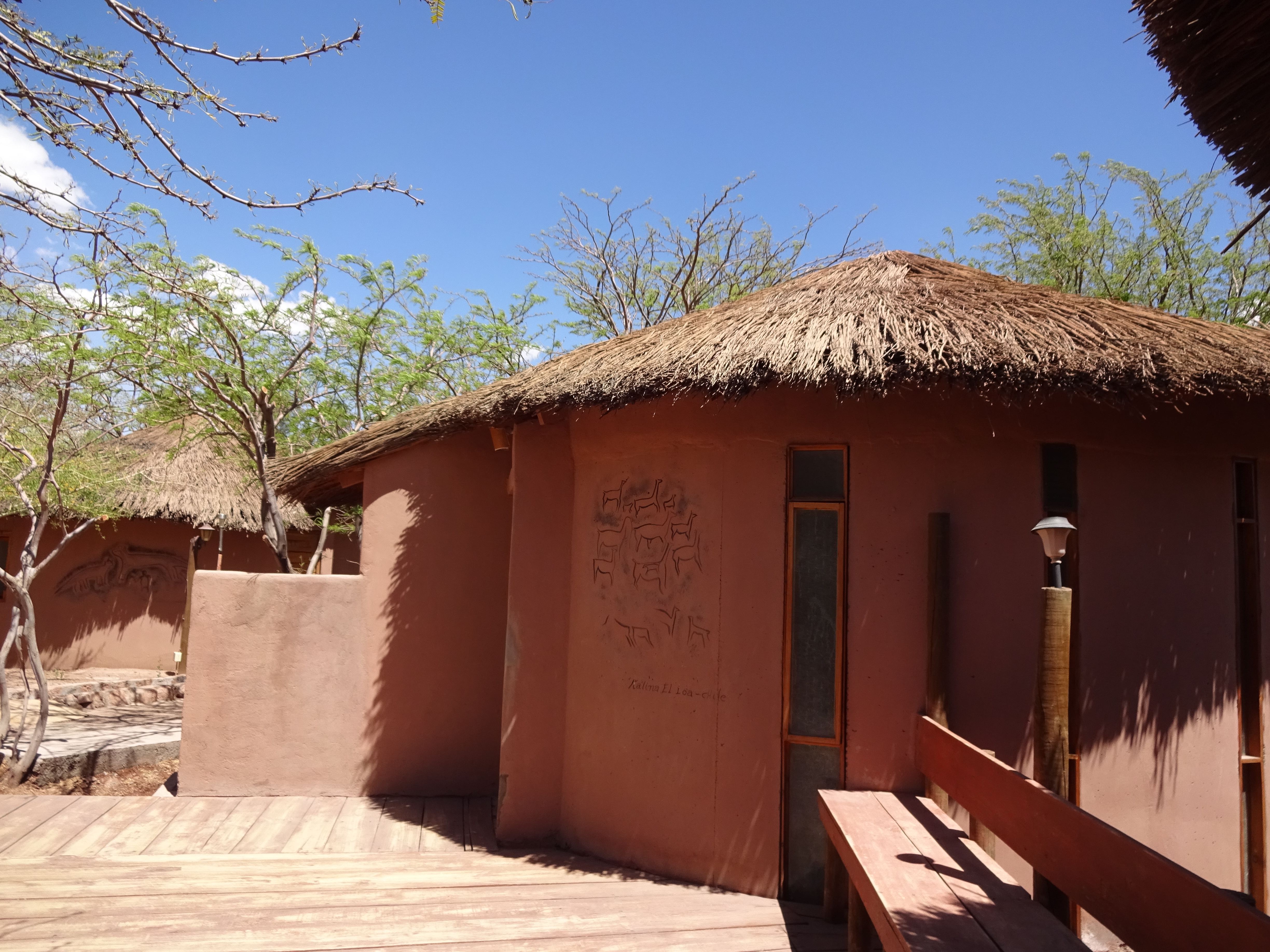
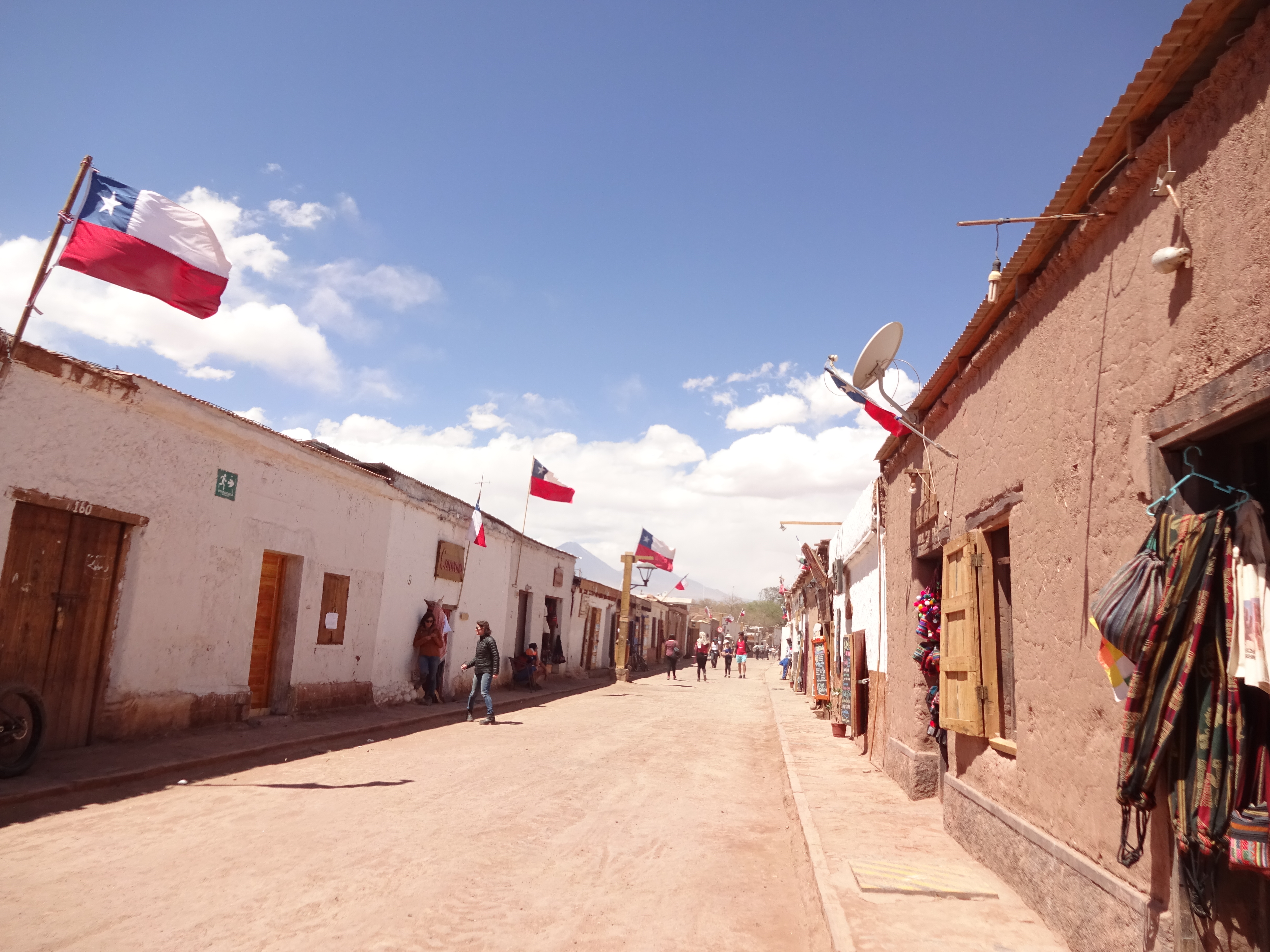
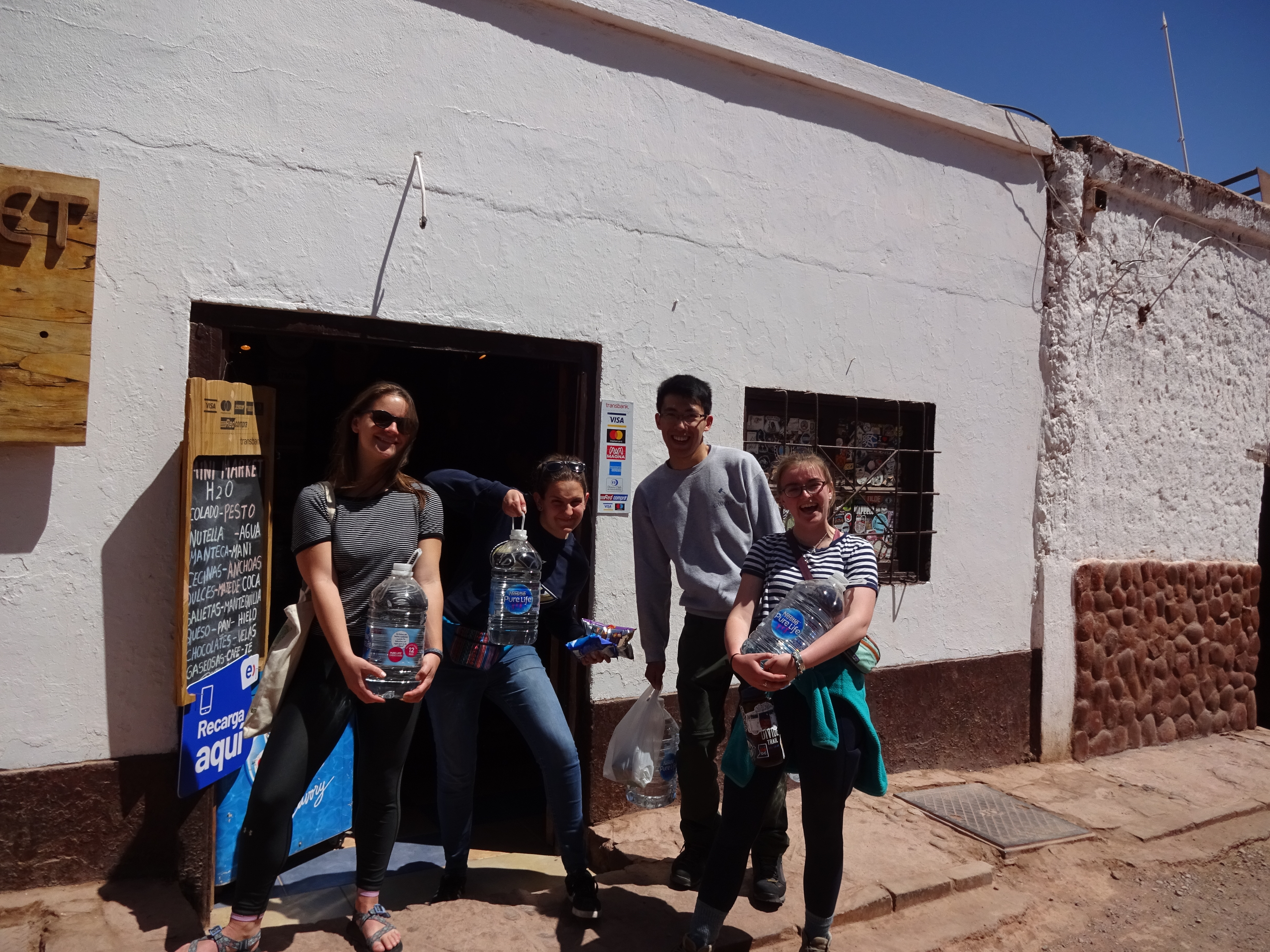
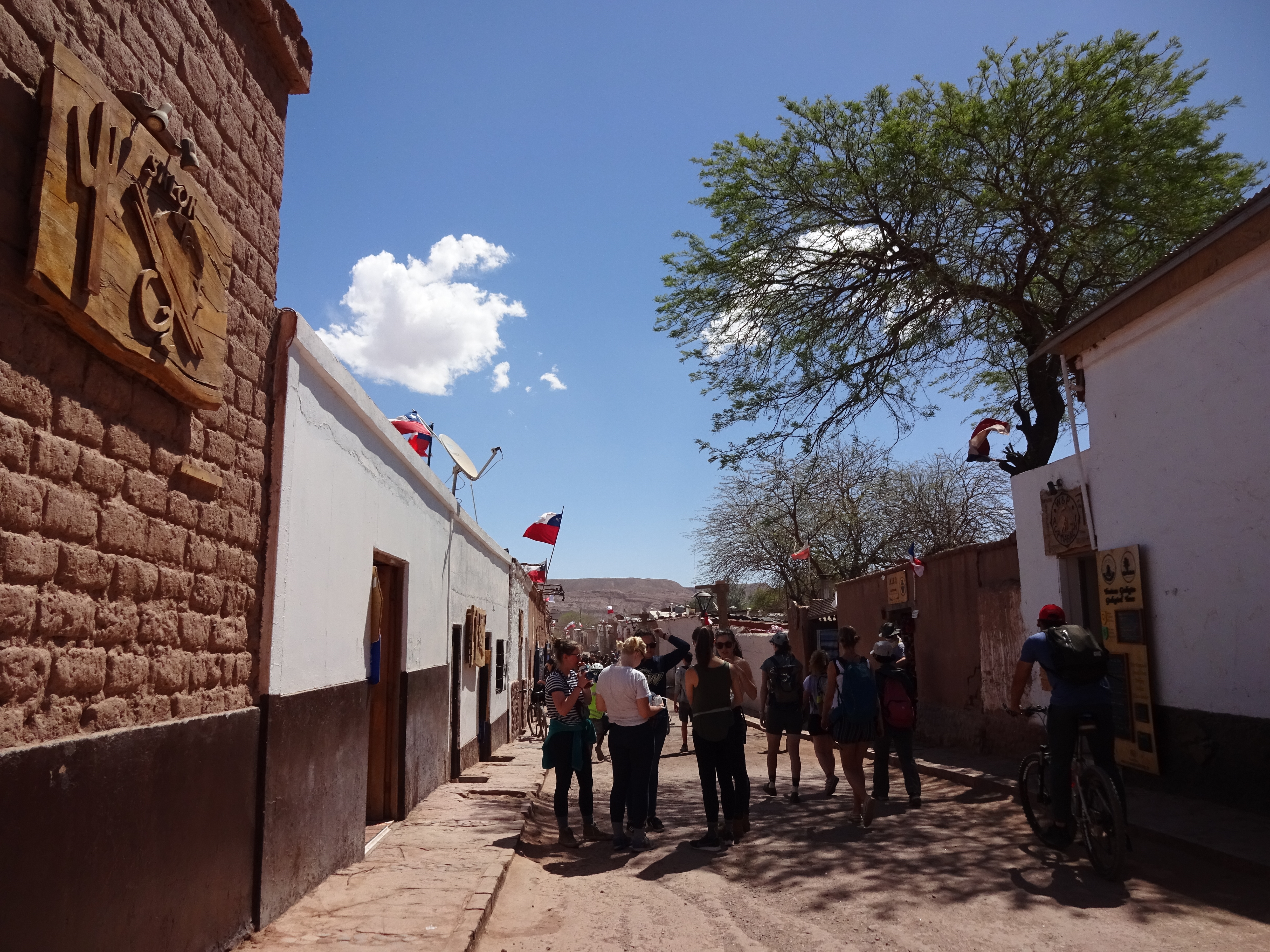
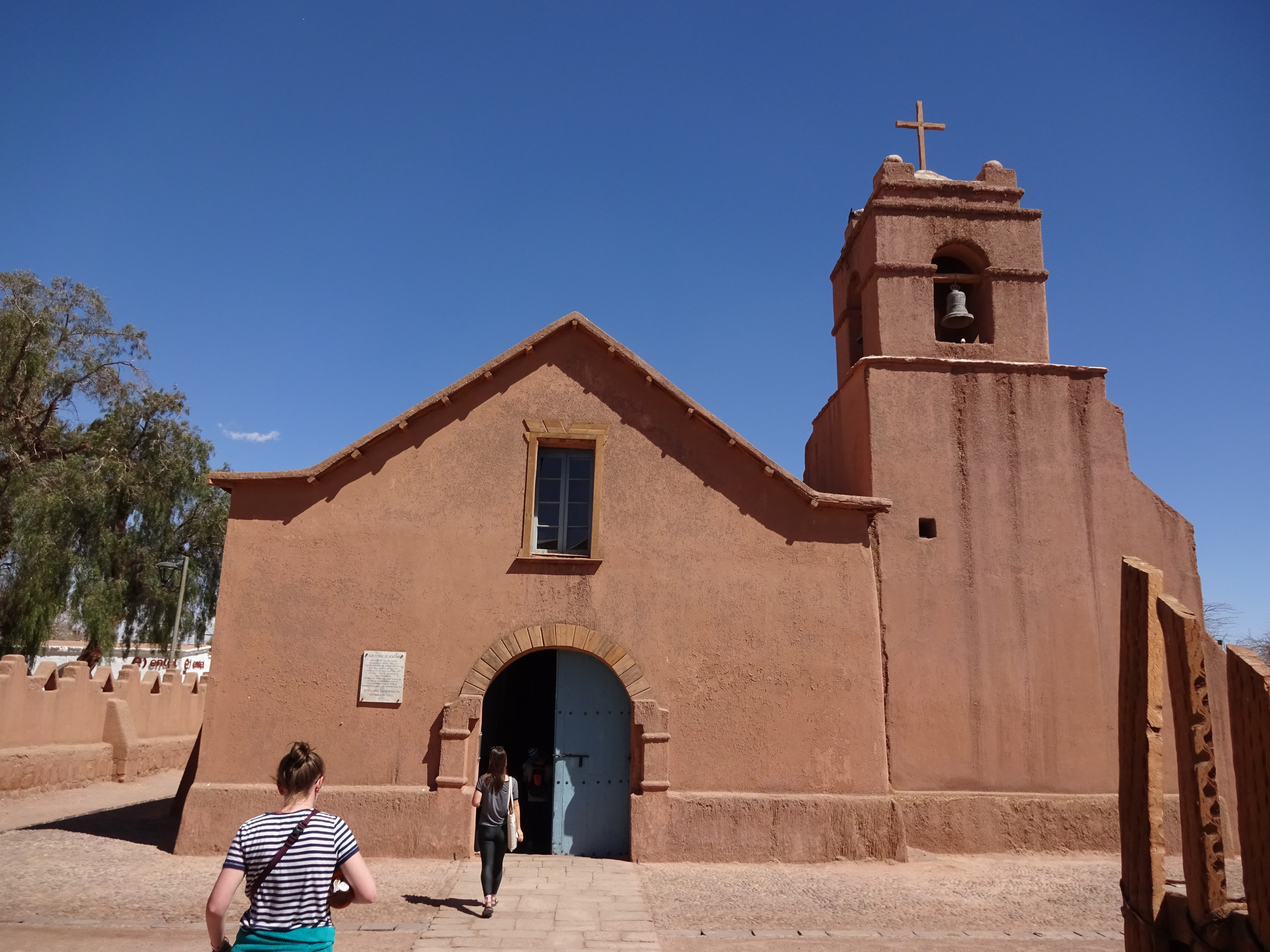
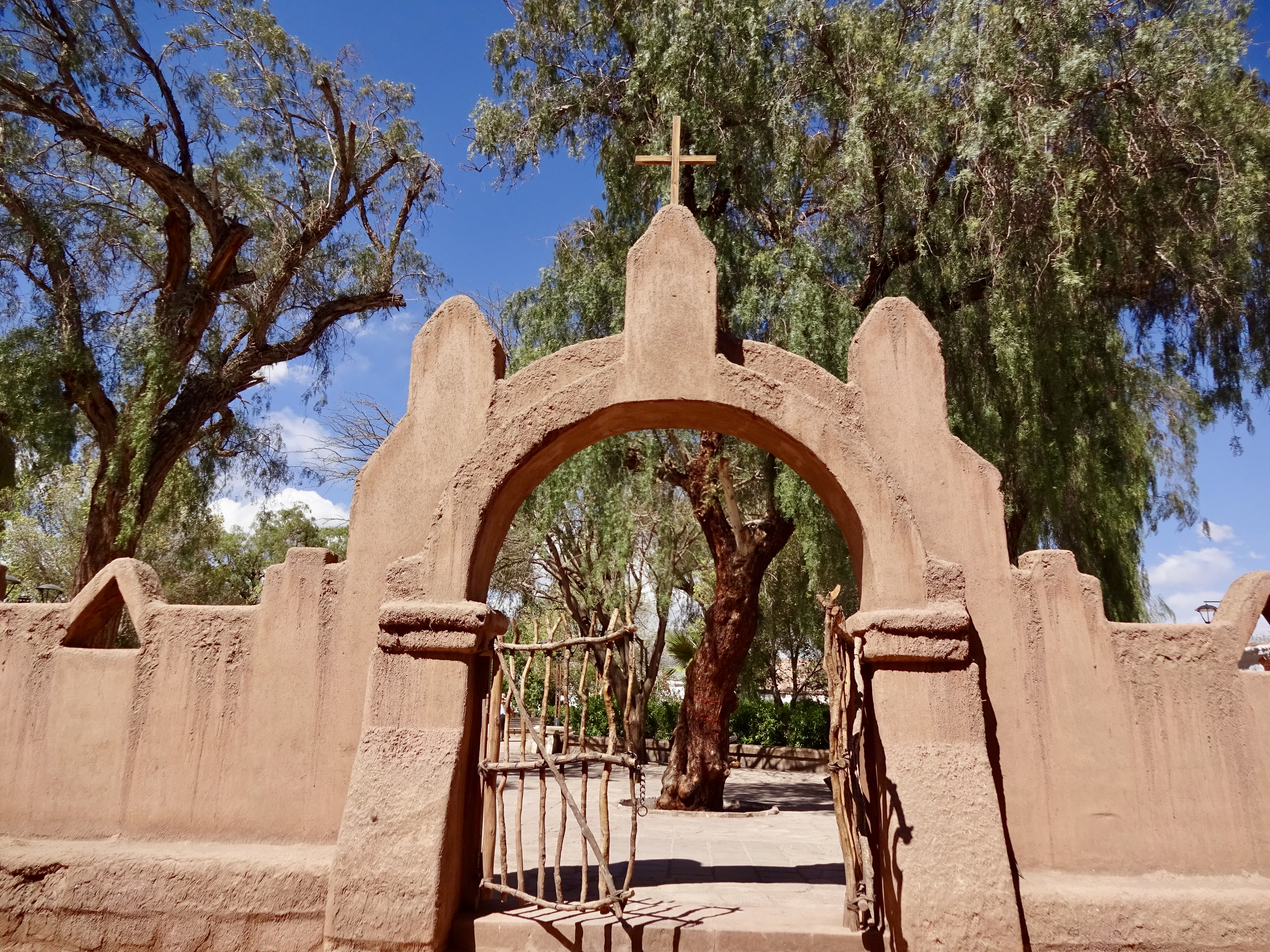
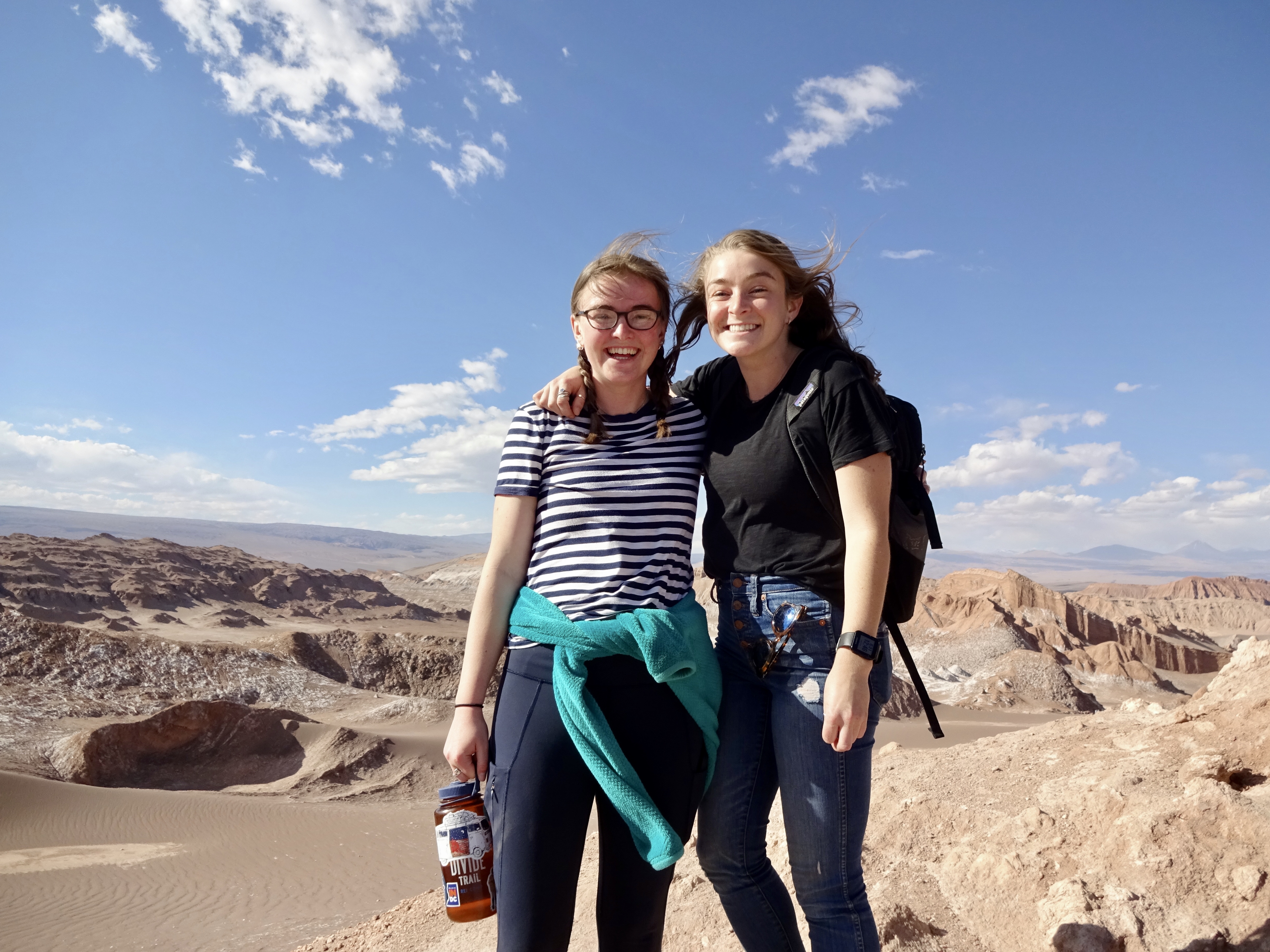
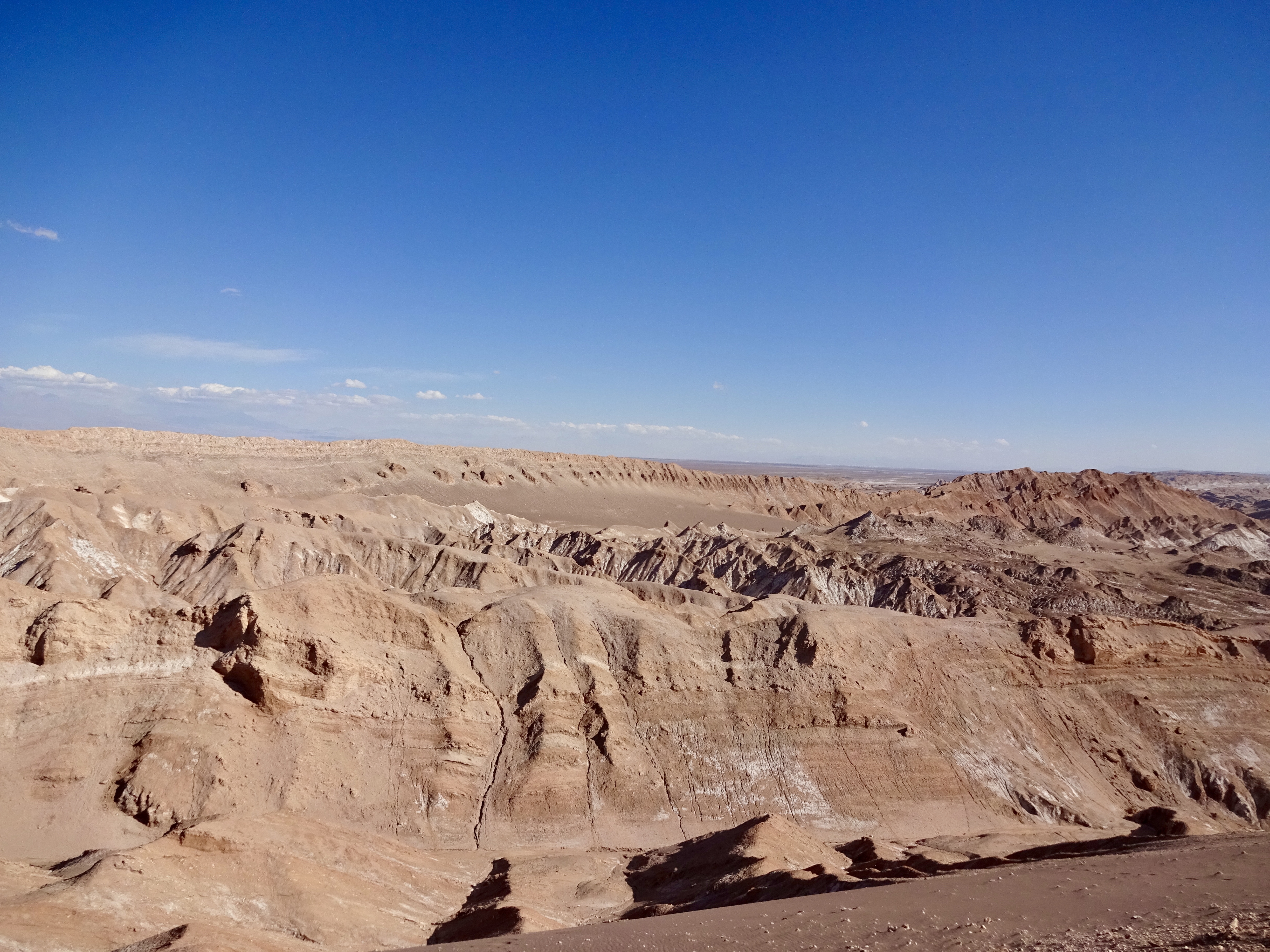
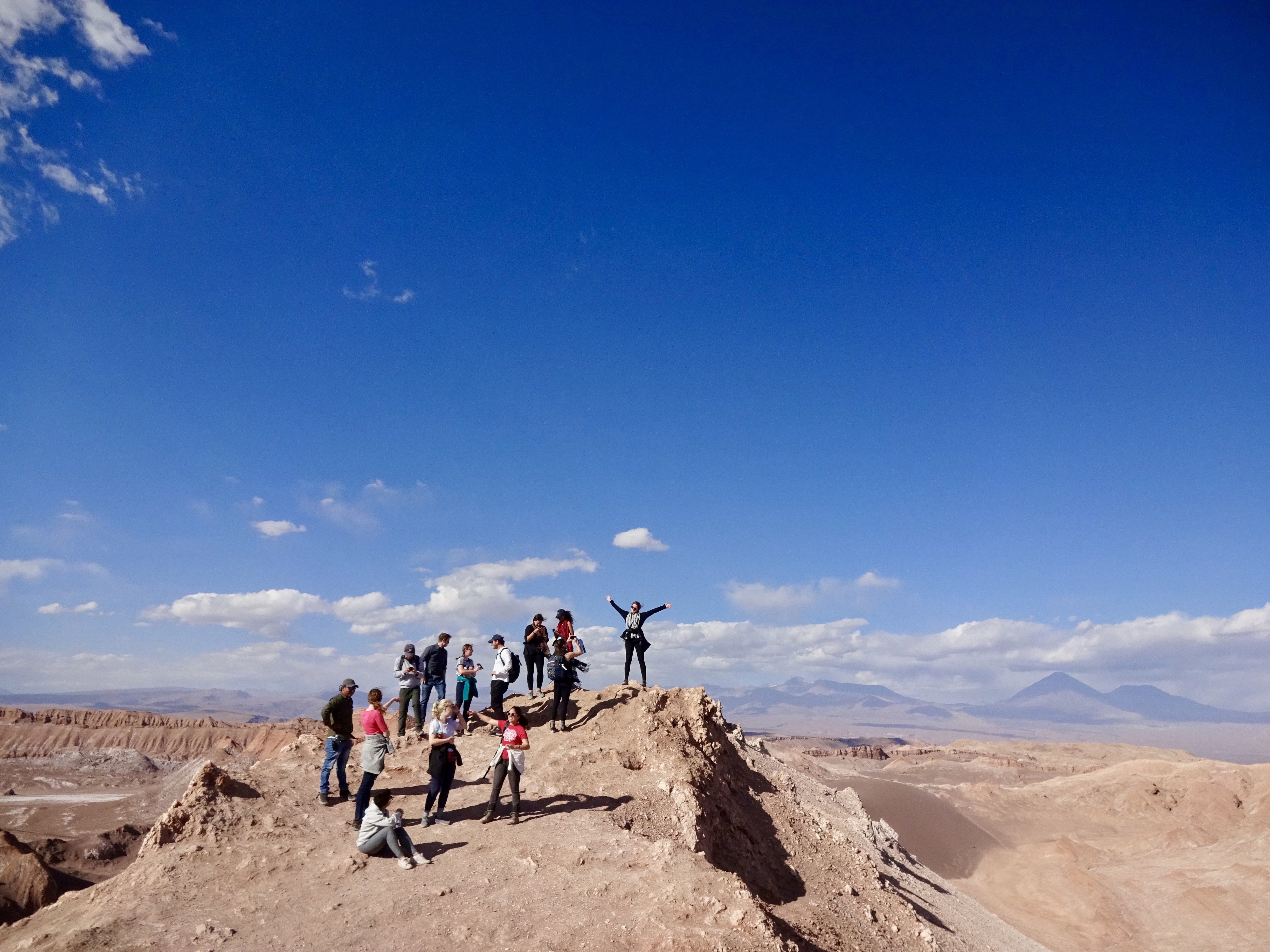
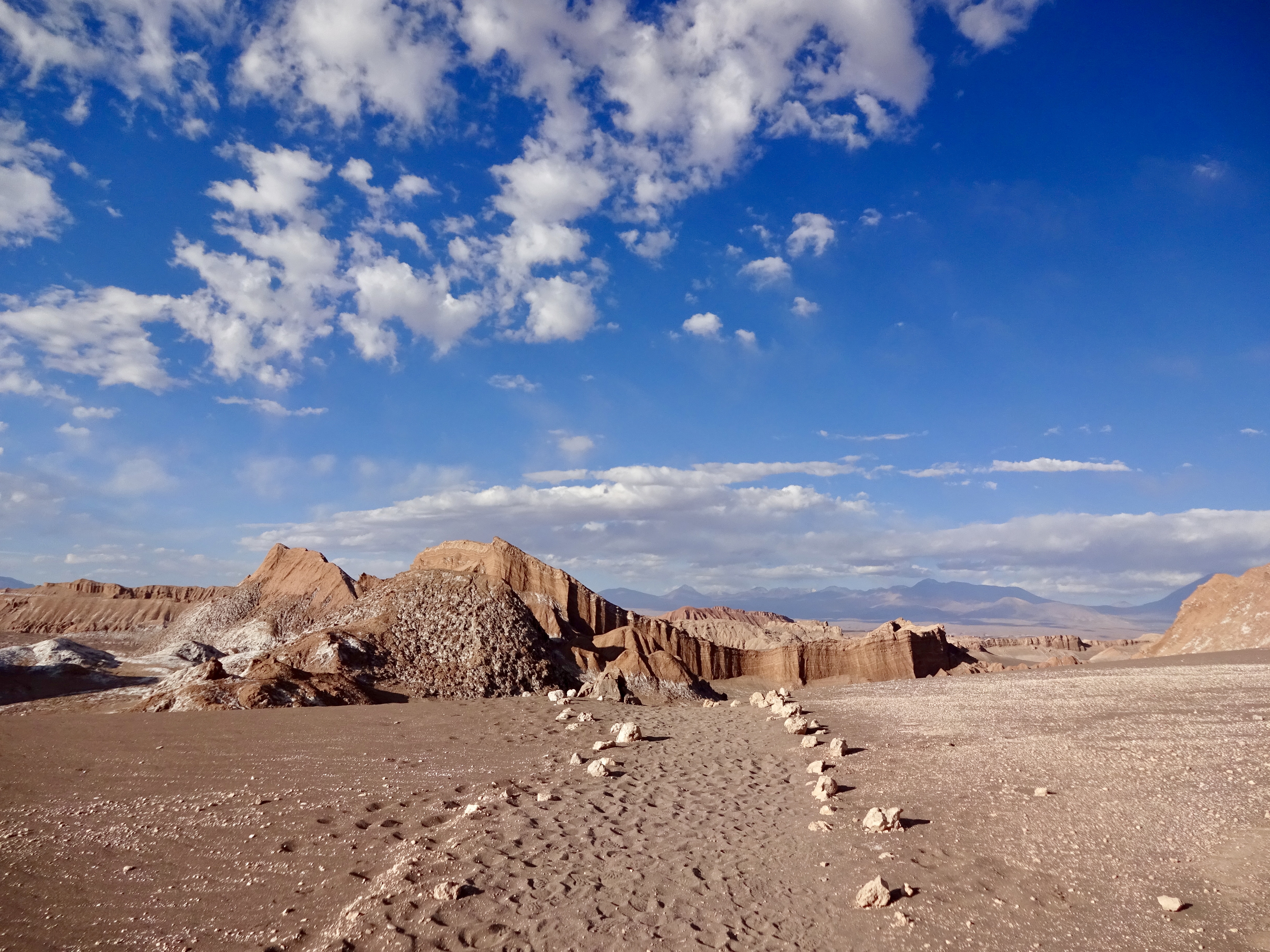
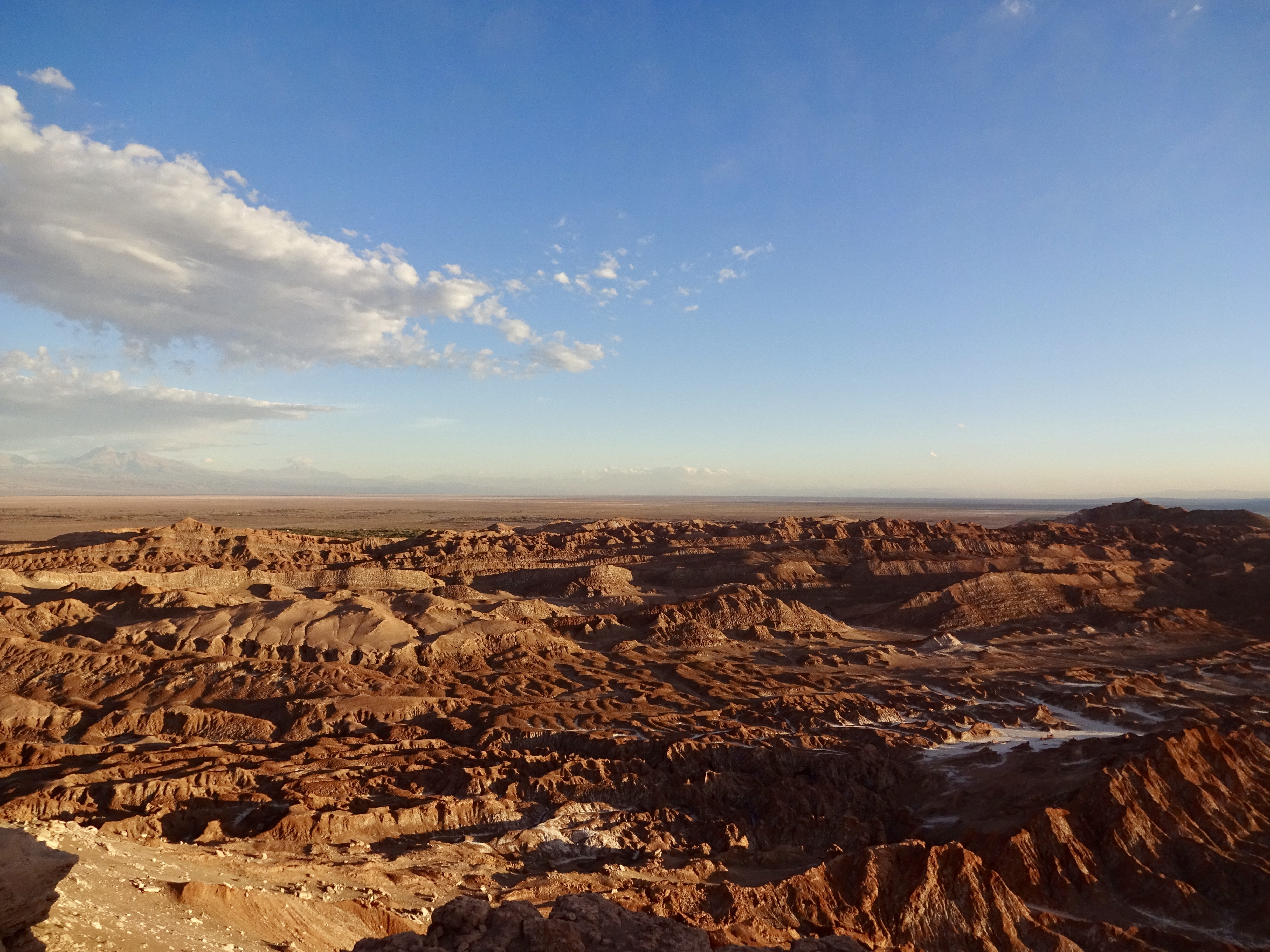
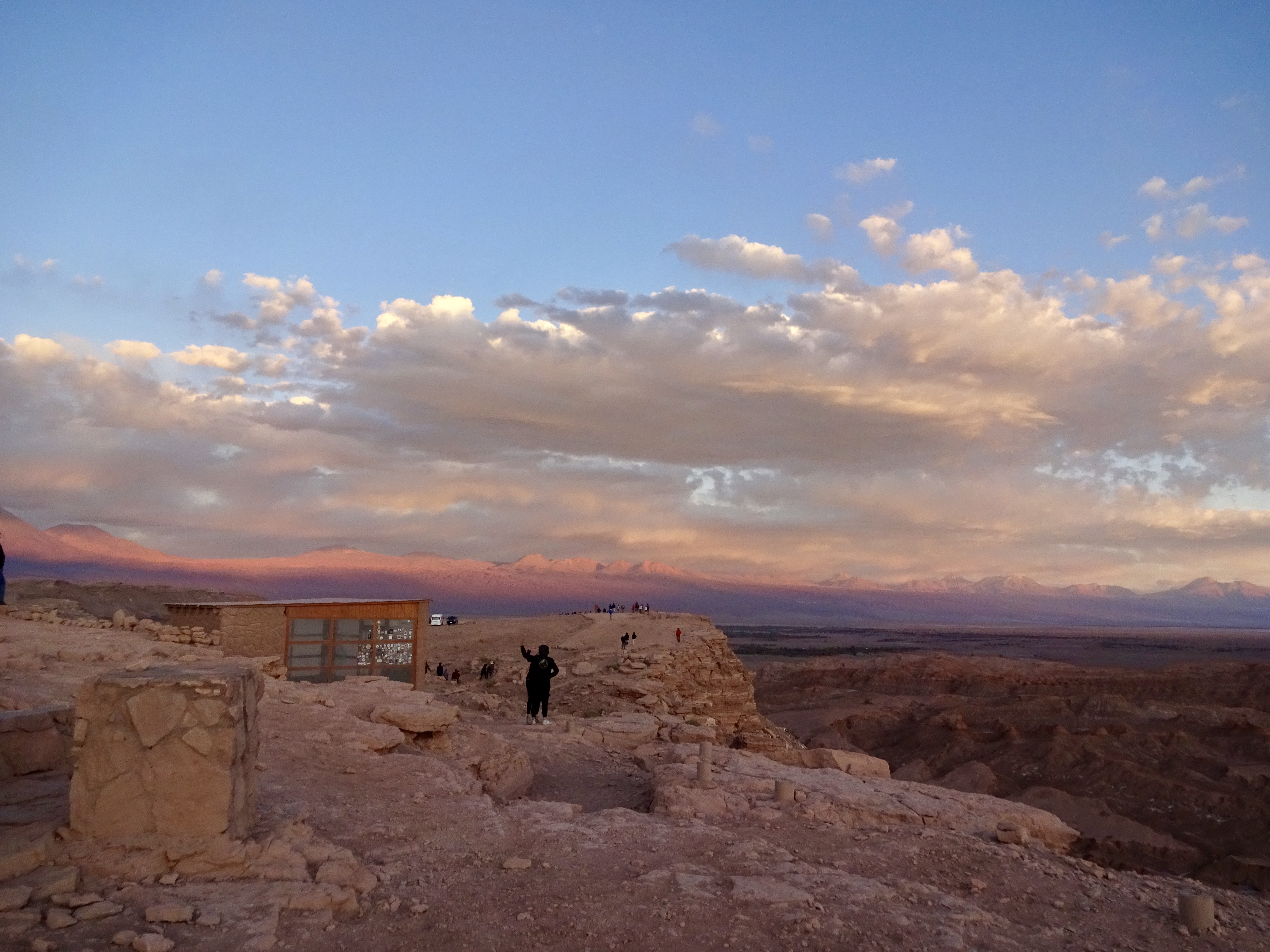
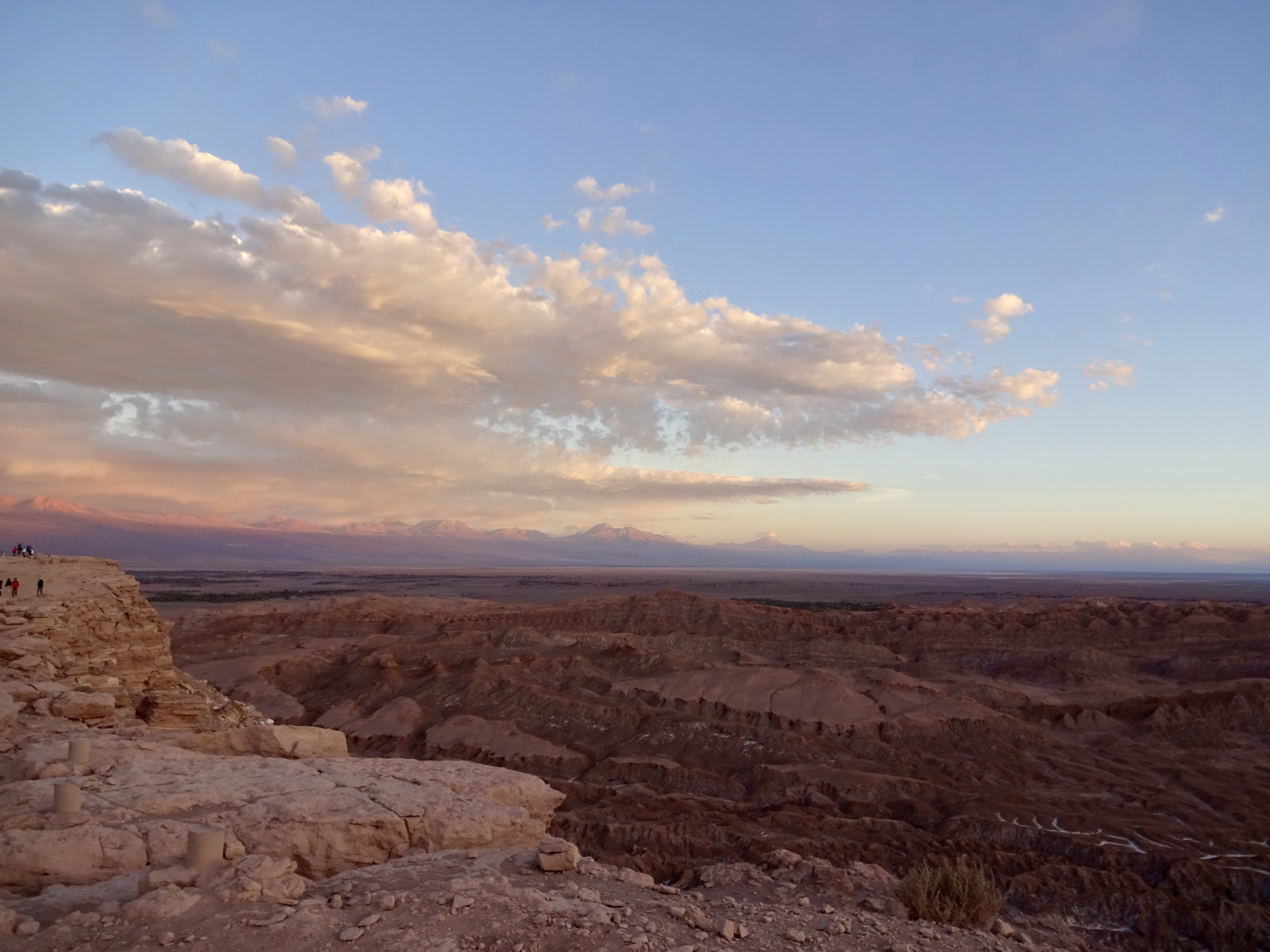
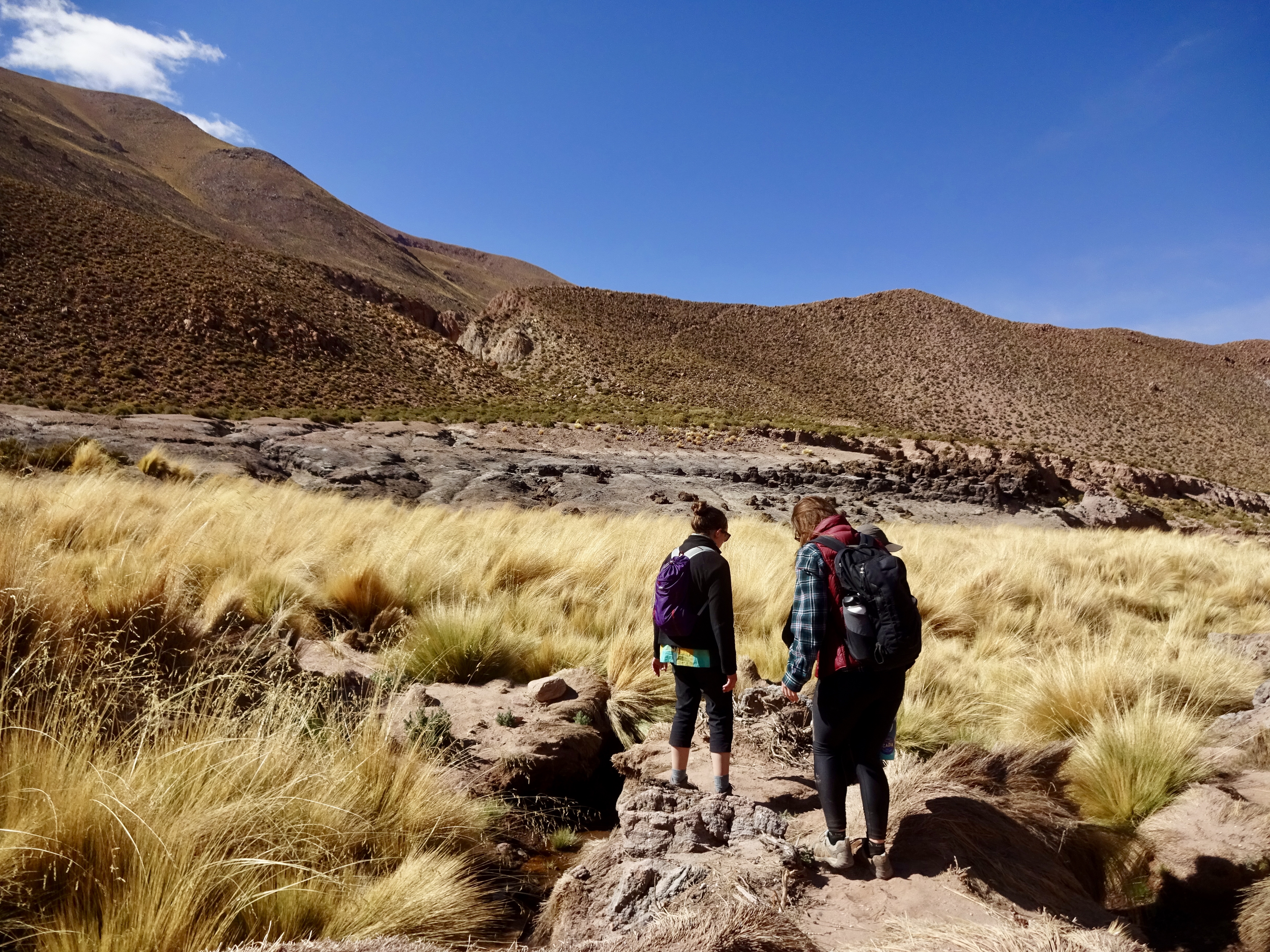
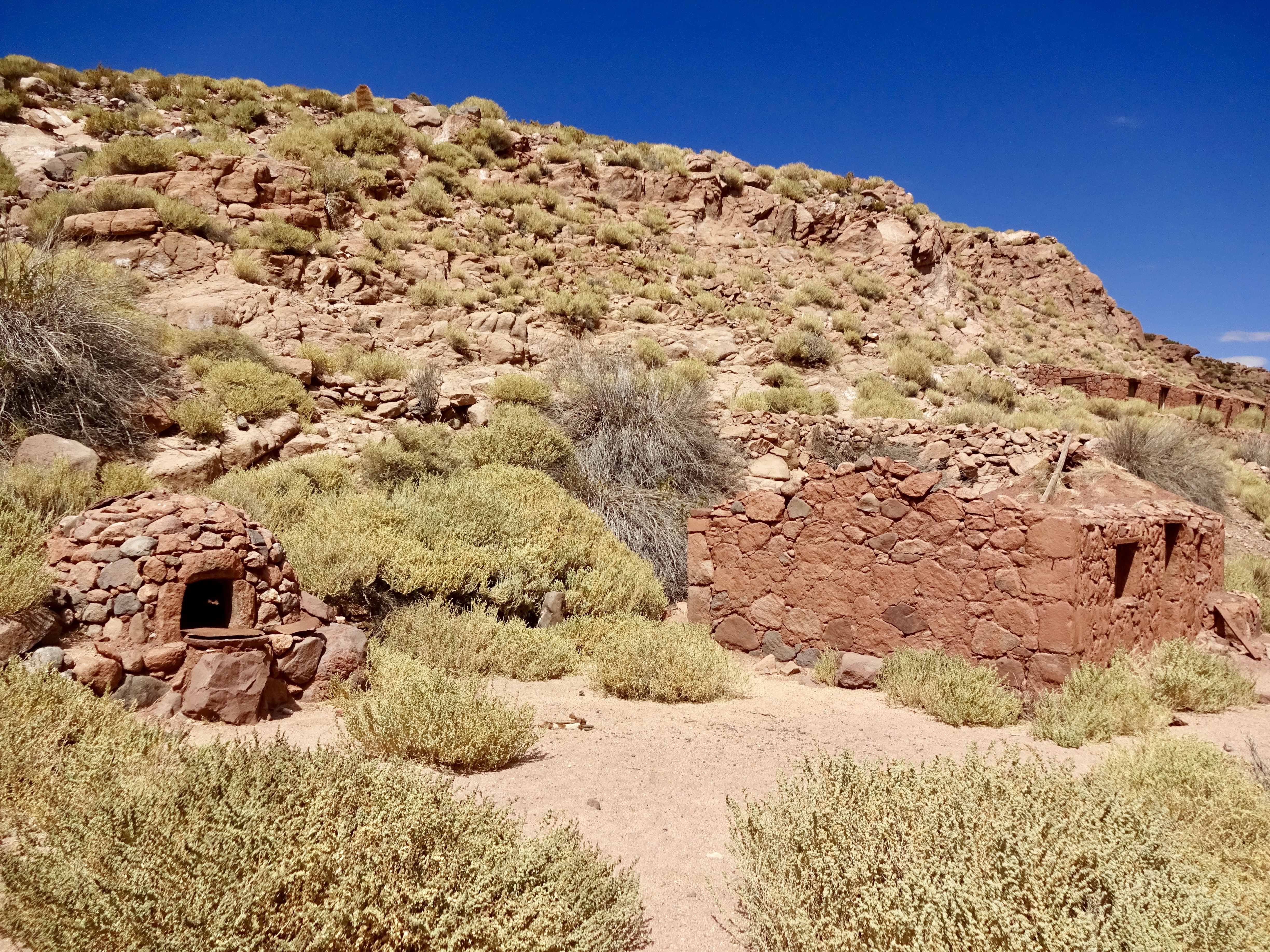
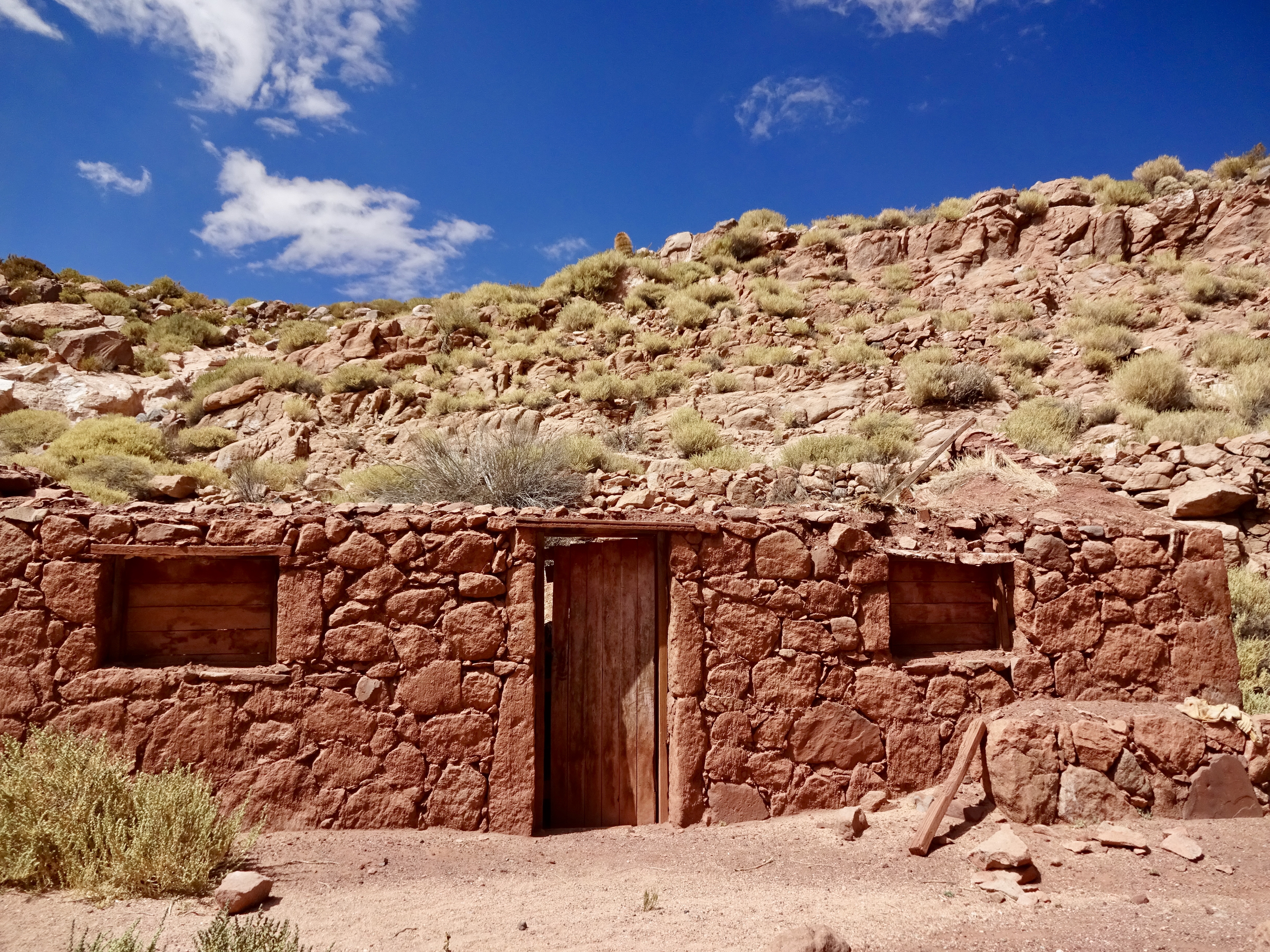
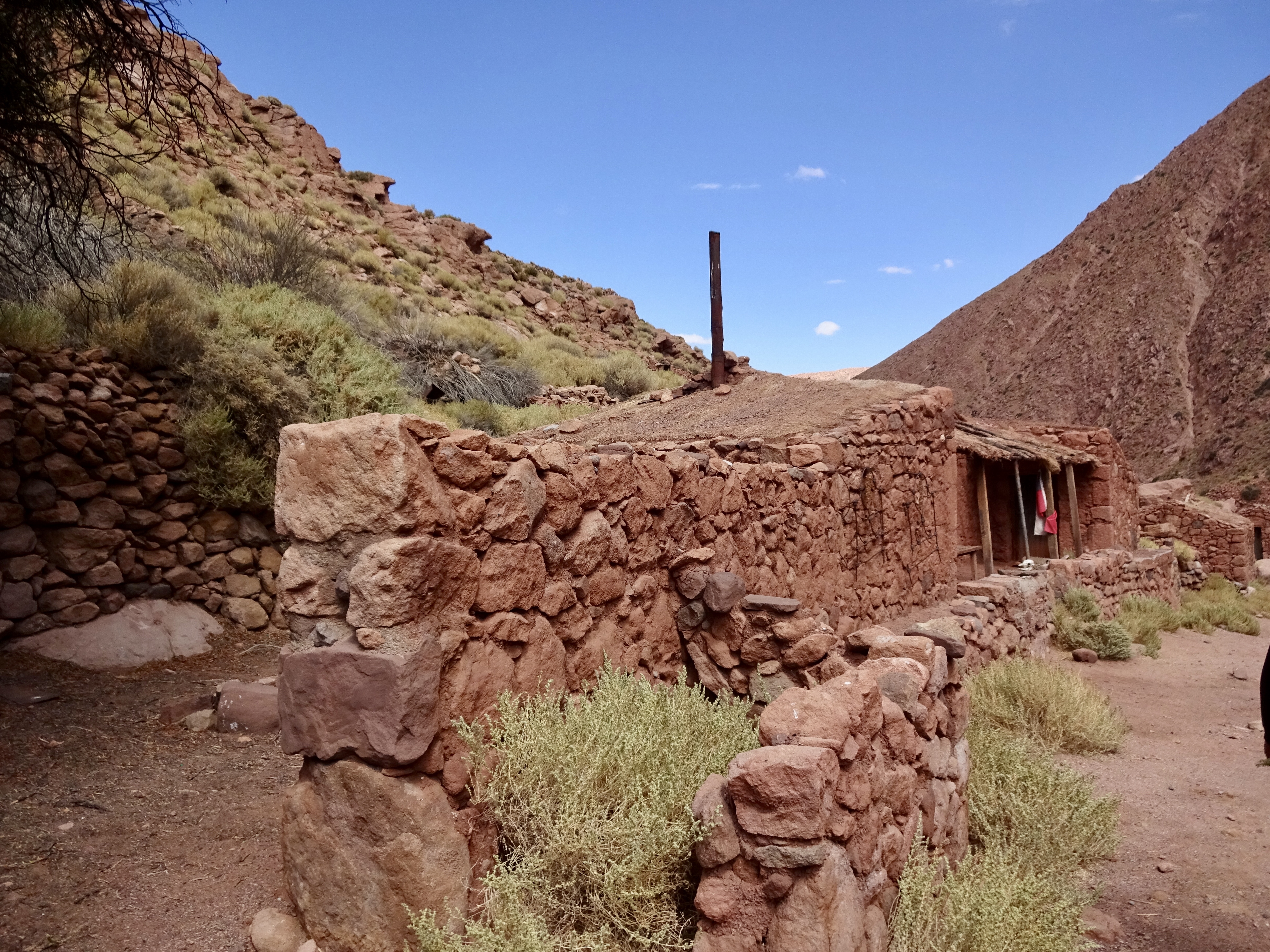
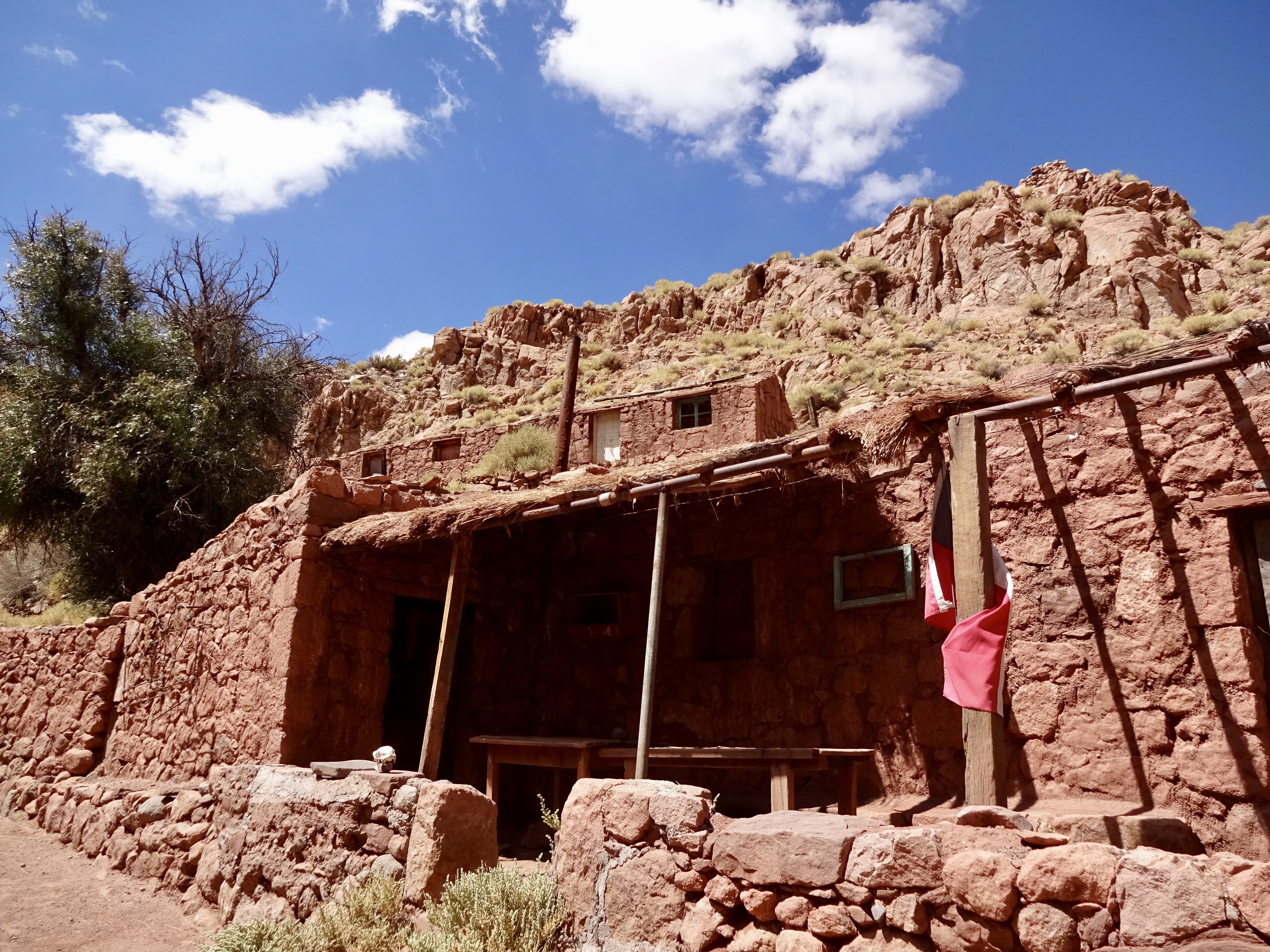
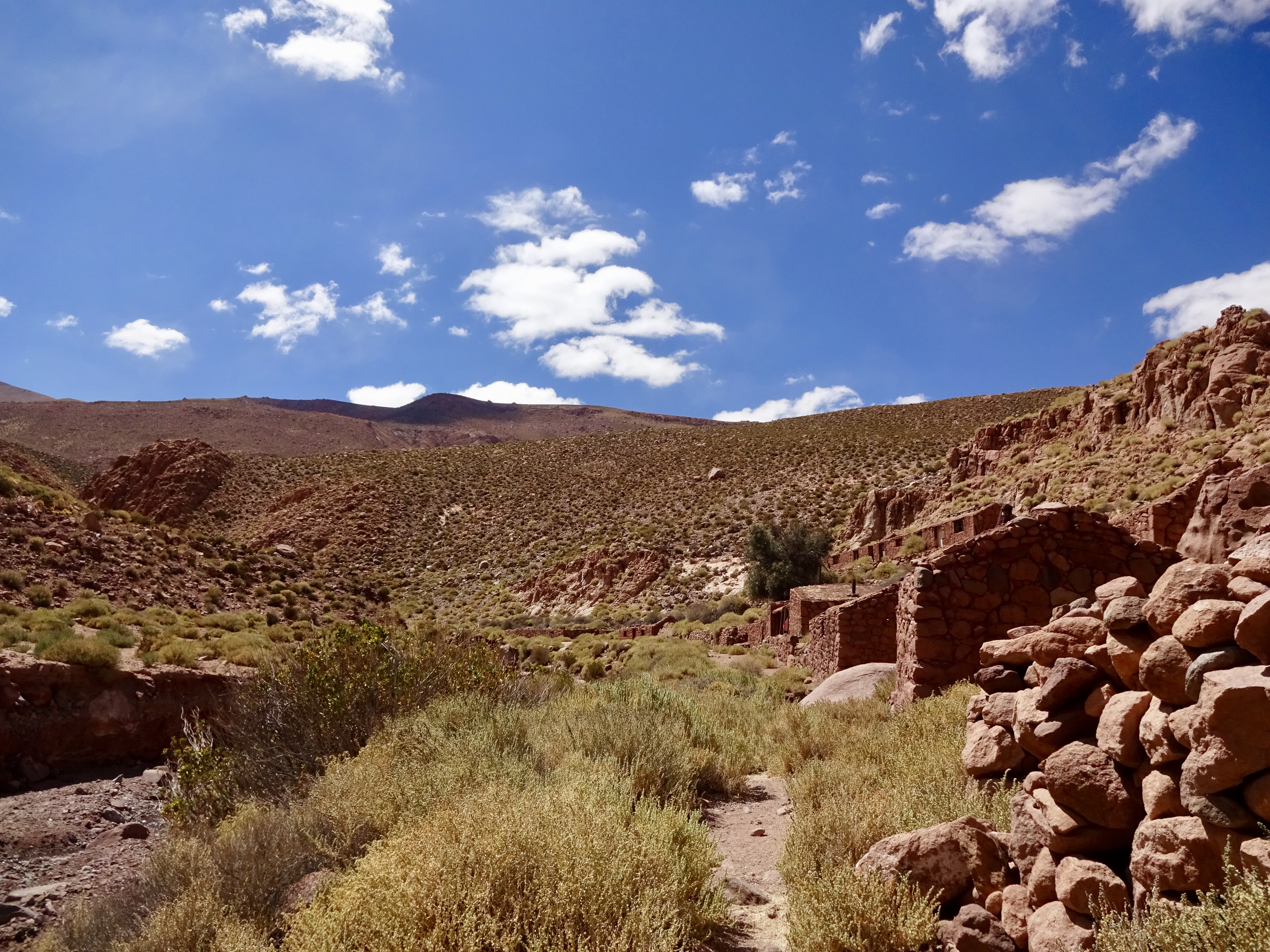
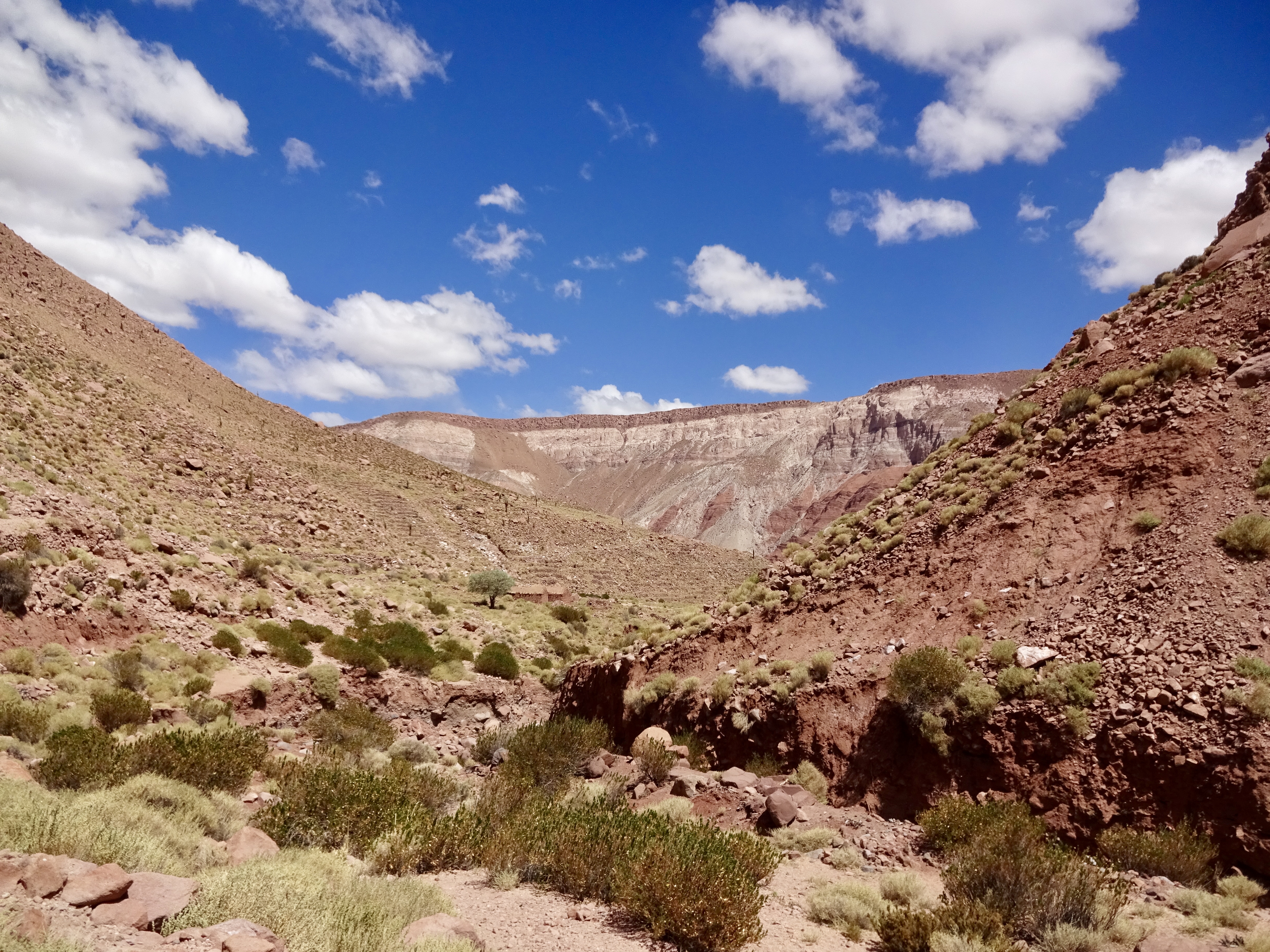
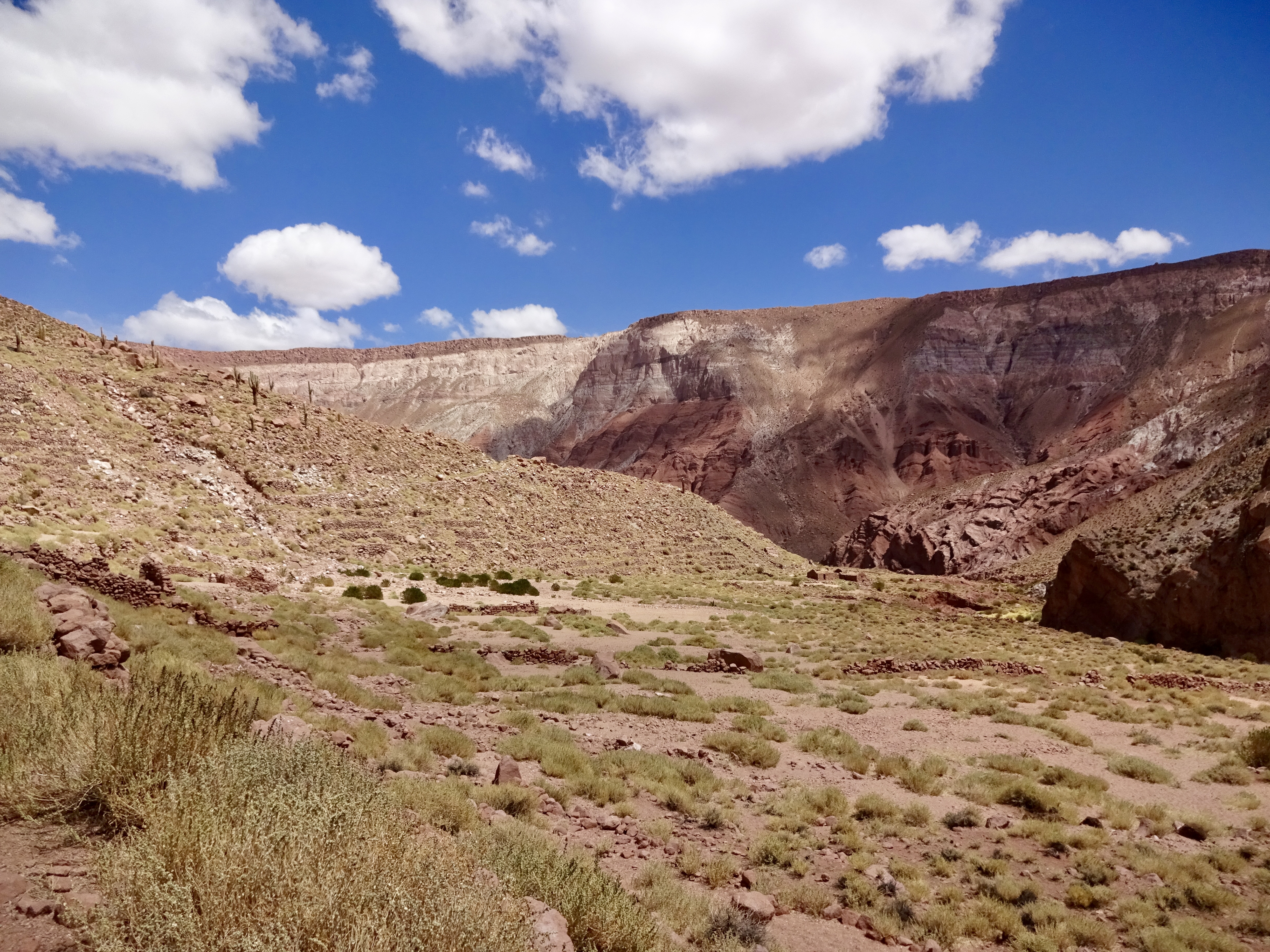
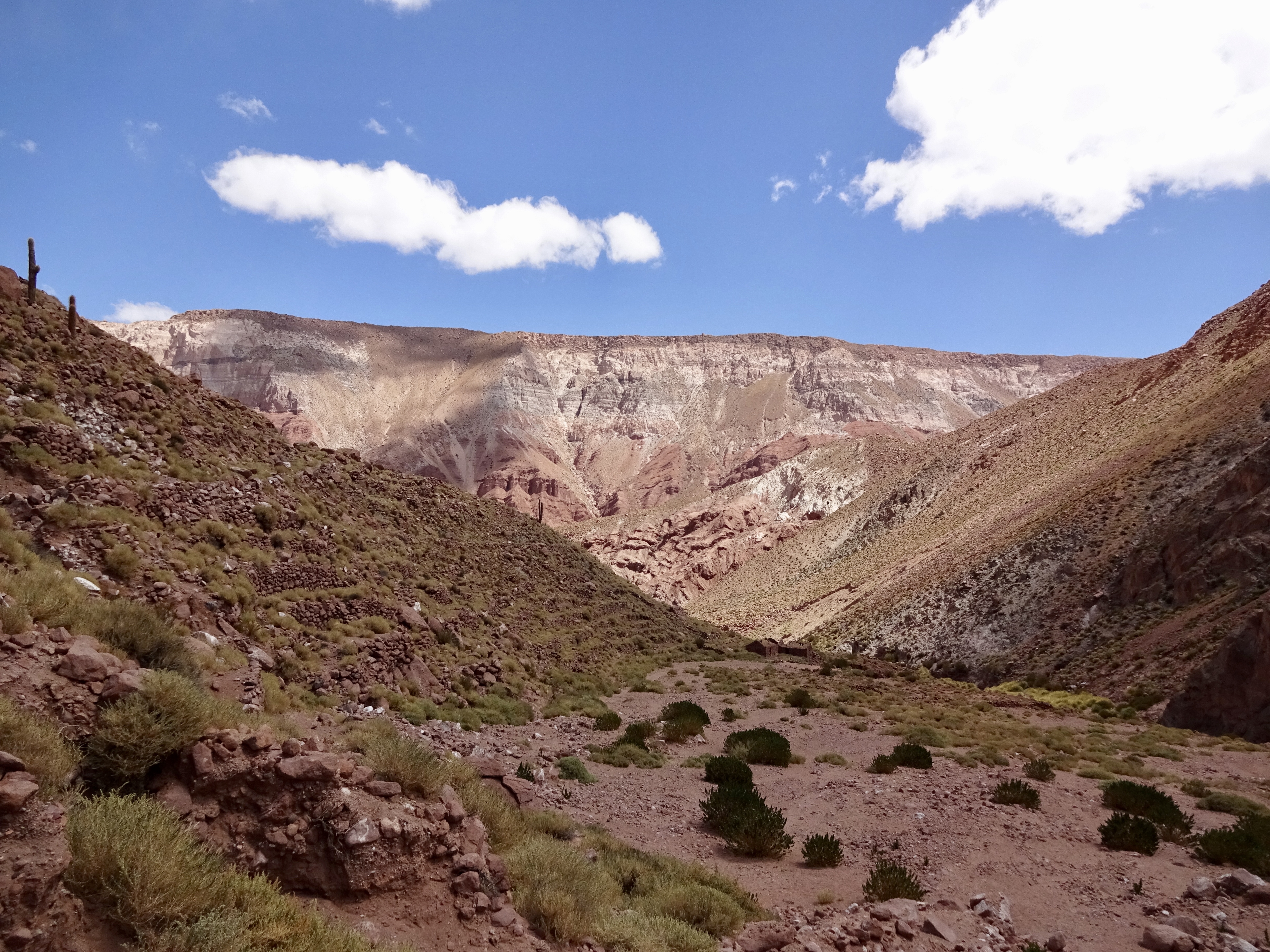
We left Thursday, October 2nd and flew to Calama, a northern city on the edge of the desert (2hr flight). From Calama, we took a 1.5 hour bus to the town of San Pedro de Atacama, an actual oasis at the edge of the vast desert. That afternoon, we visited Valle de la Luna (Valley of the Moon) where we went on a hike with our tour guide who instructed us to imagine this as another planet, although I had to use absolutely none of my imagination to believe that it could be another planet because it looks just that surreal. After the Valle, we went to see the sunset from an overlook of the valley and it was just incredible. I will let the pictures tell the rest of the story.

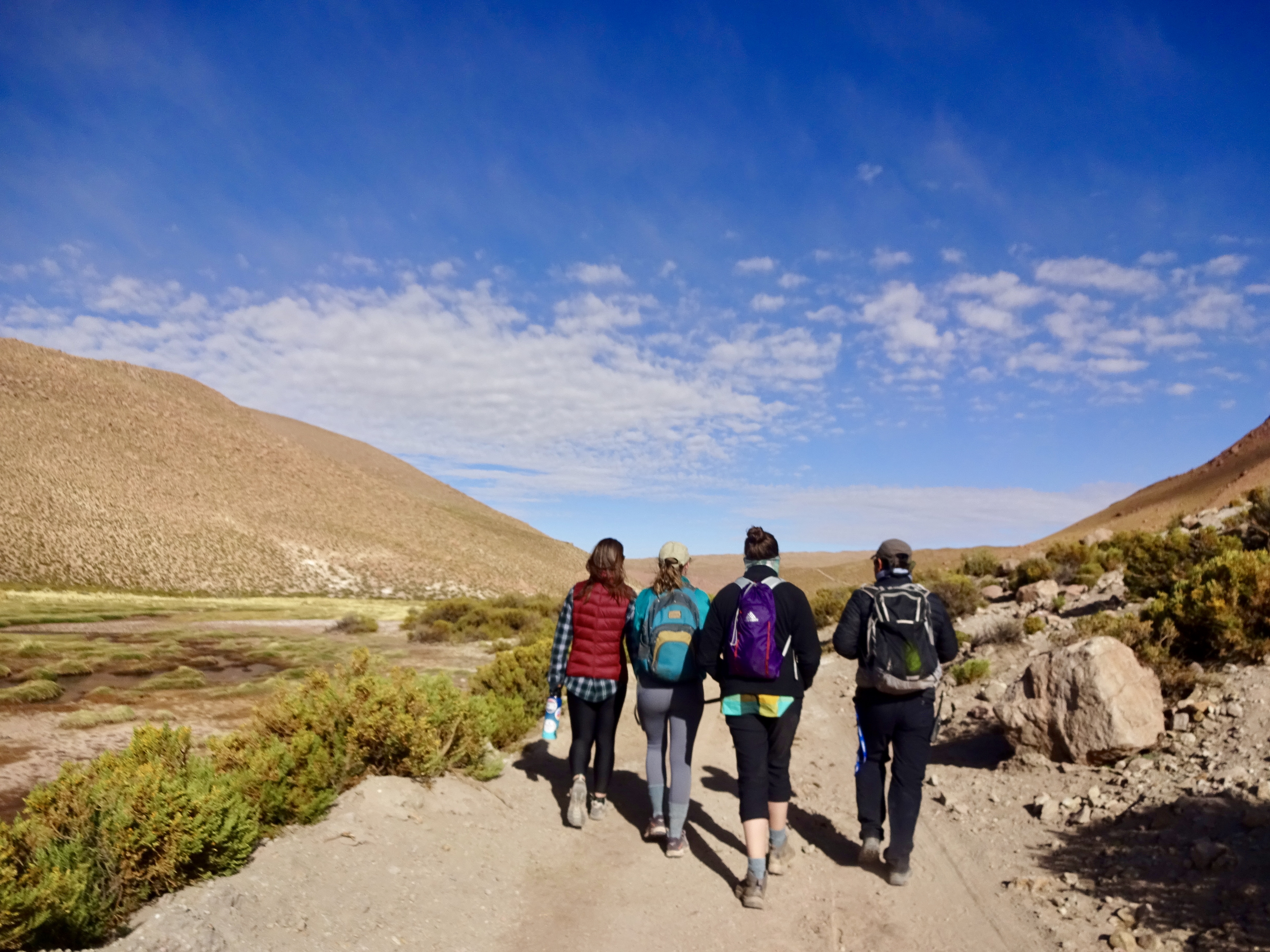
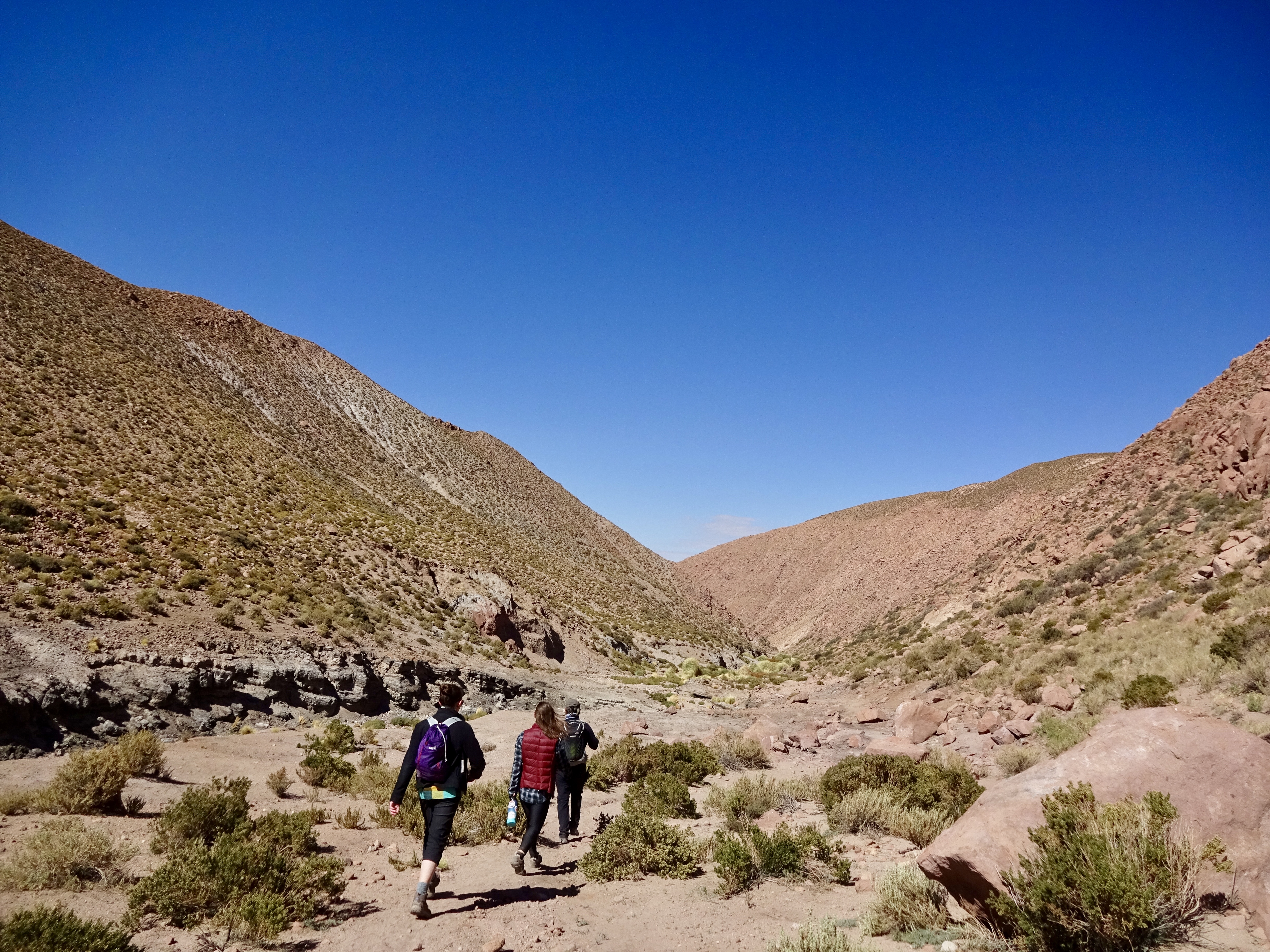
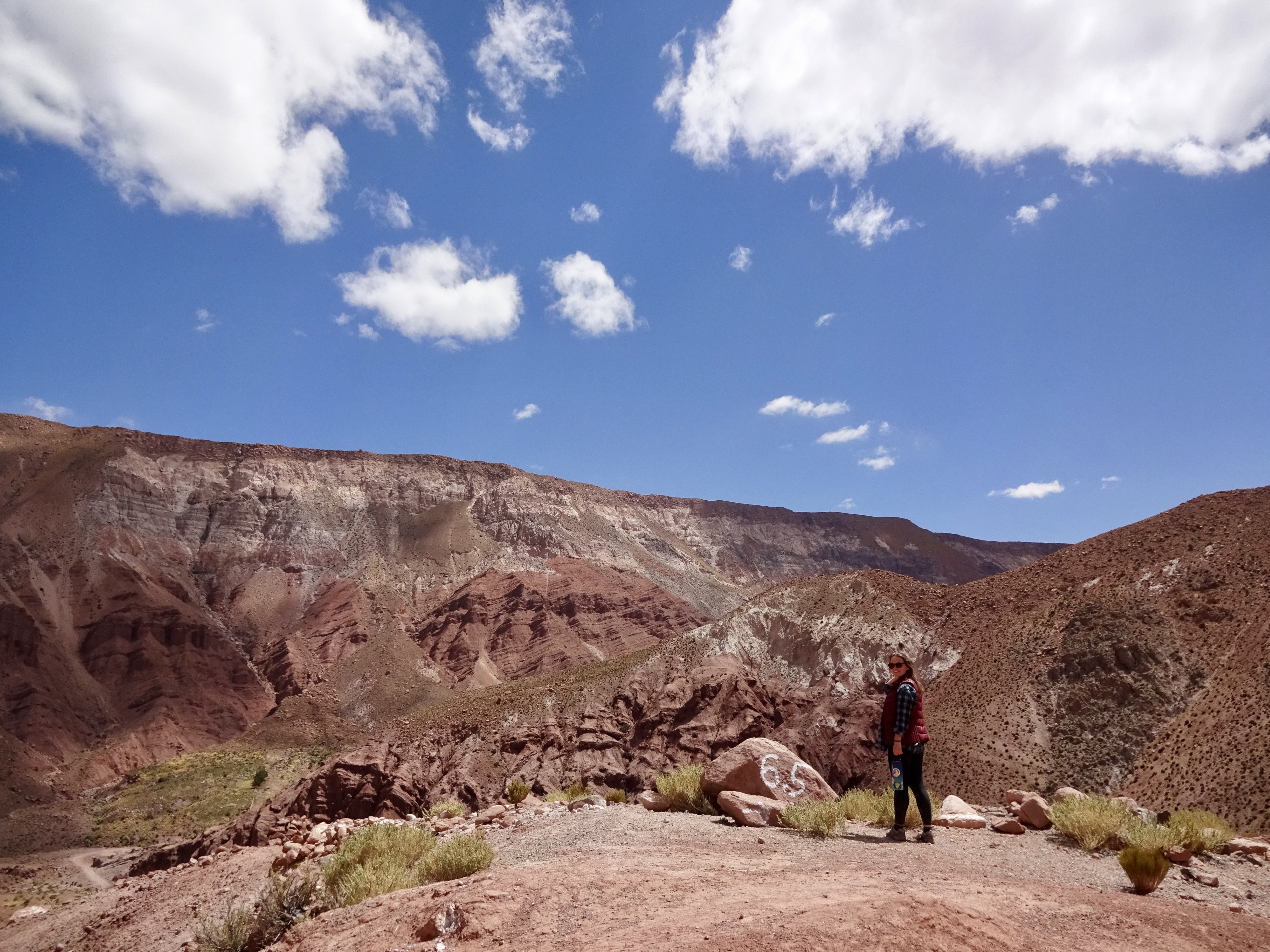
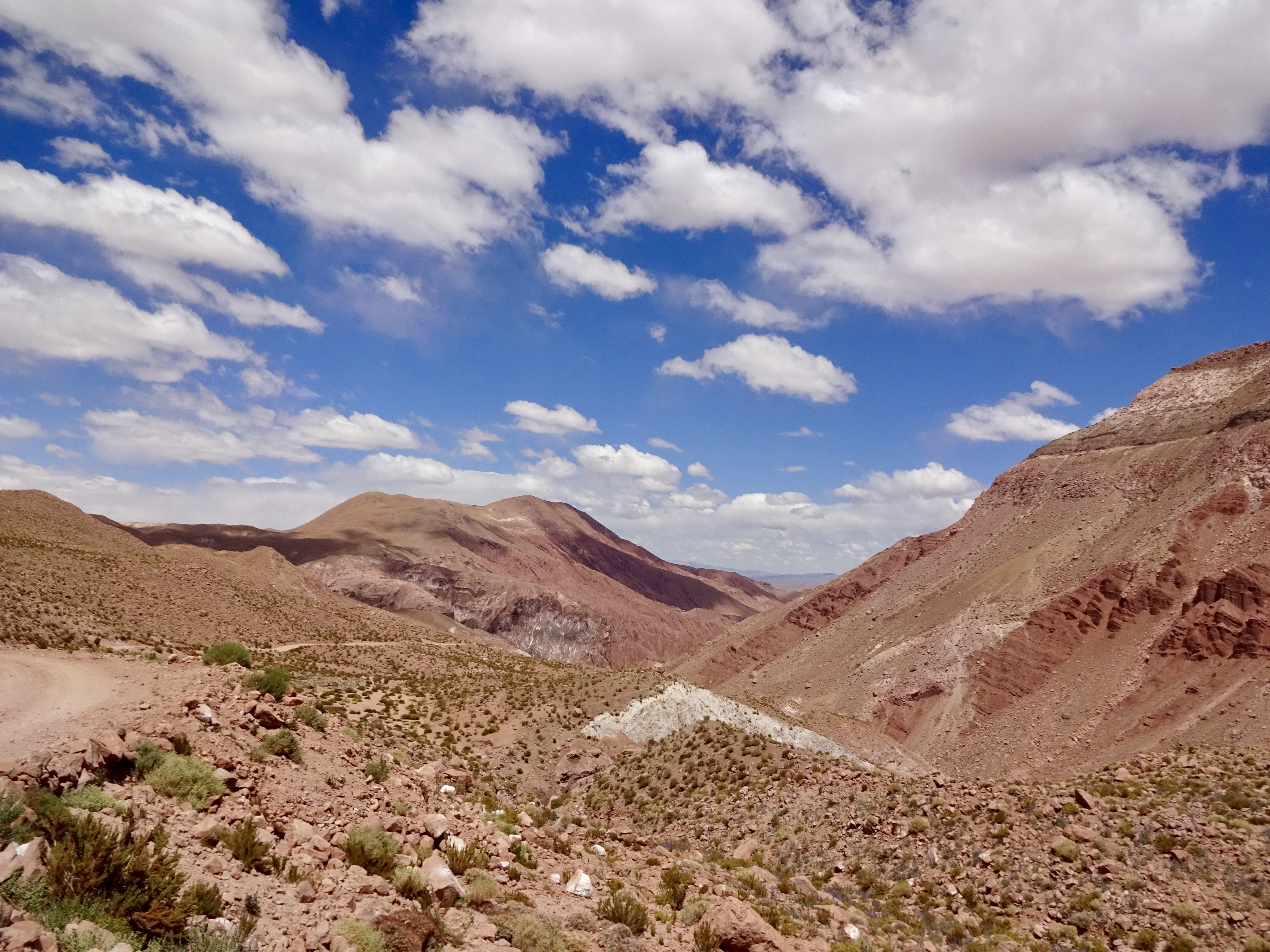
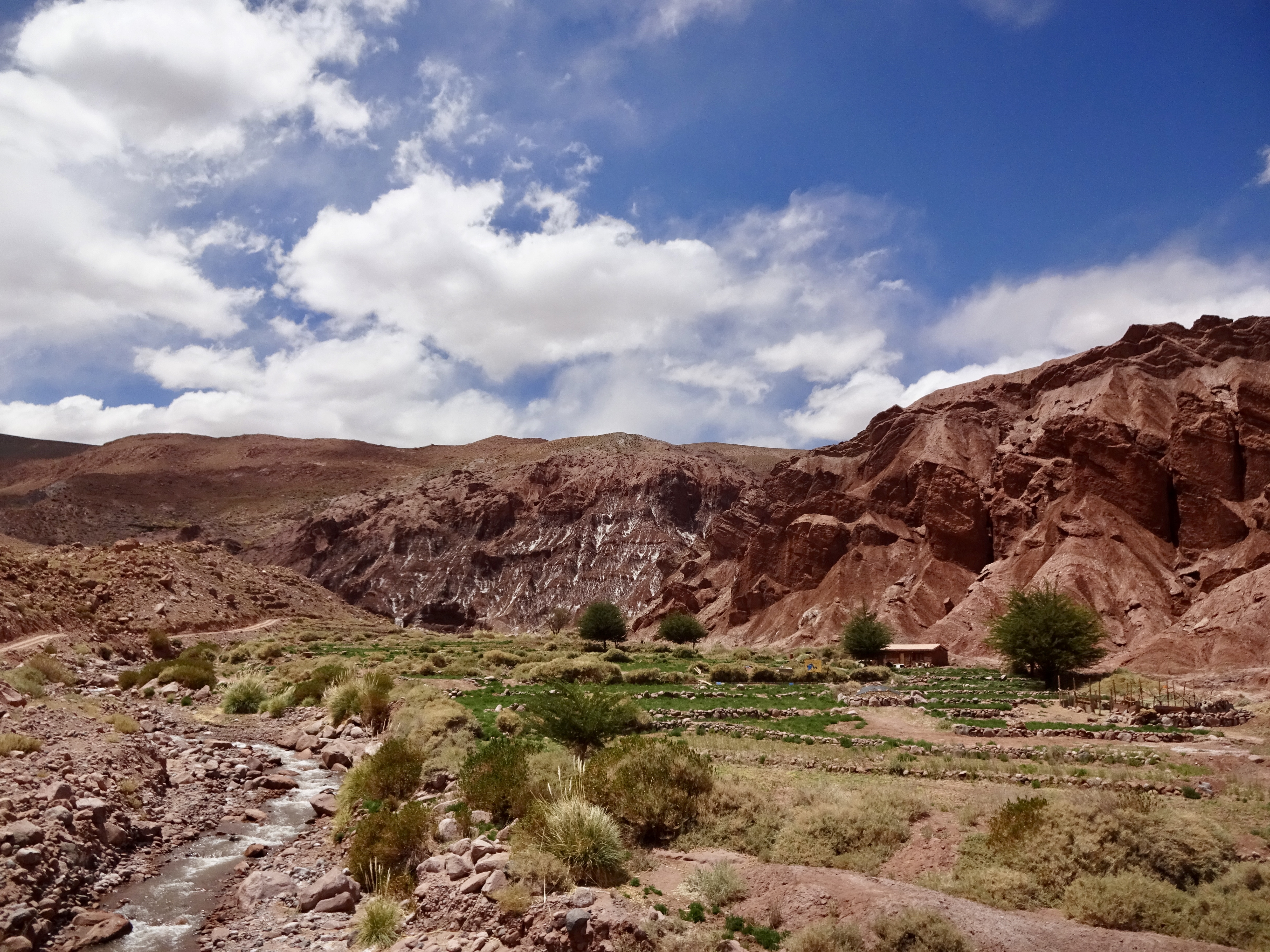
The next day, myself and three of my friends (Kelsey, Erin and Caileigh) woke up earlier than everyone else because we had signed up to go on a long hike through a part of the desert (everyone else went to the salt flats and had a great time too).

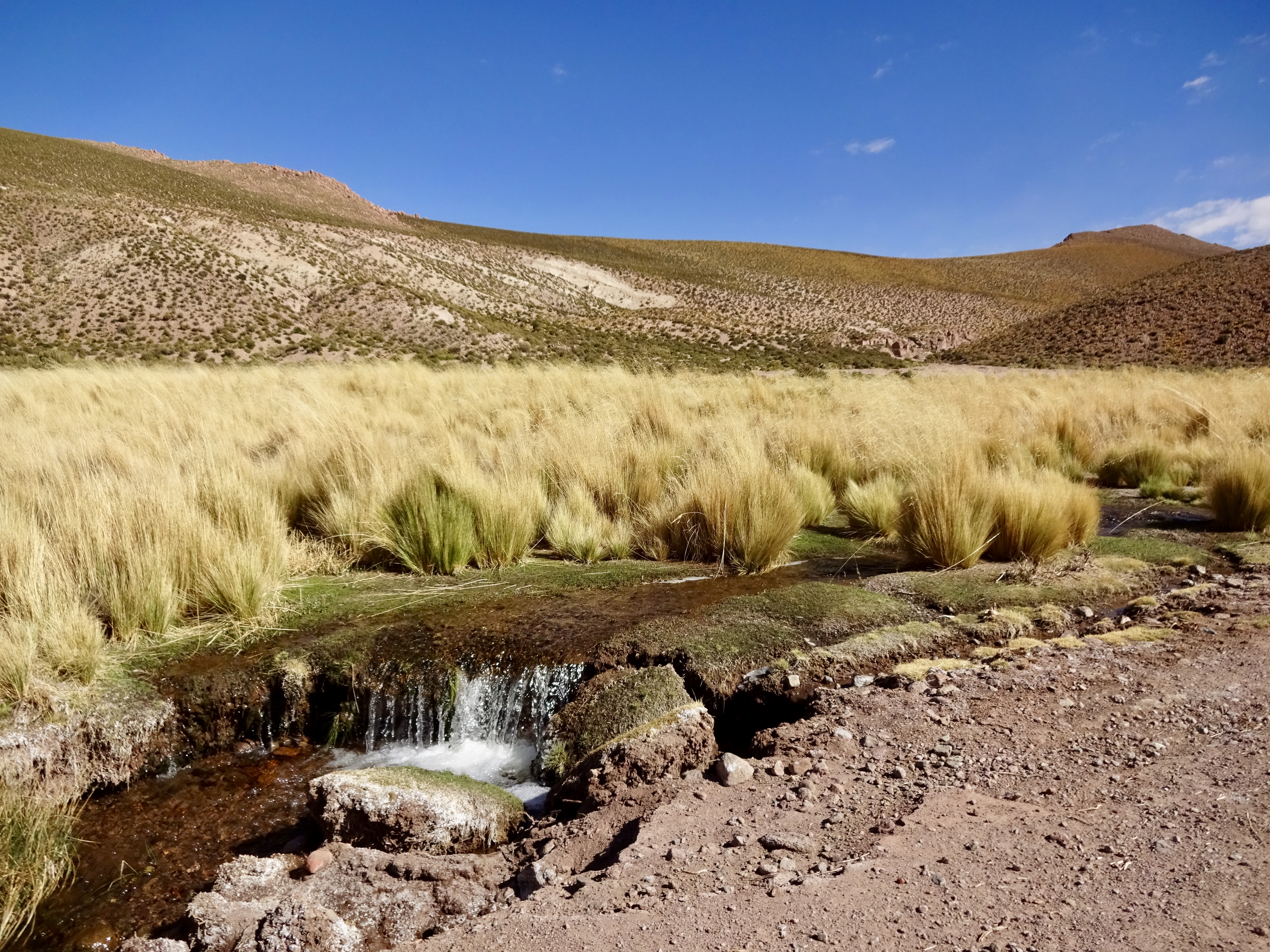
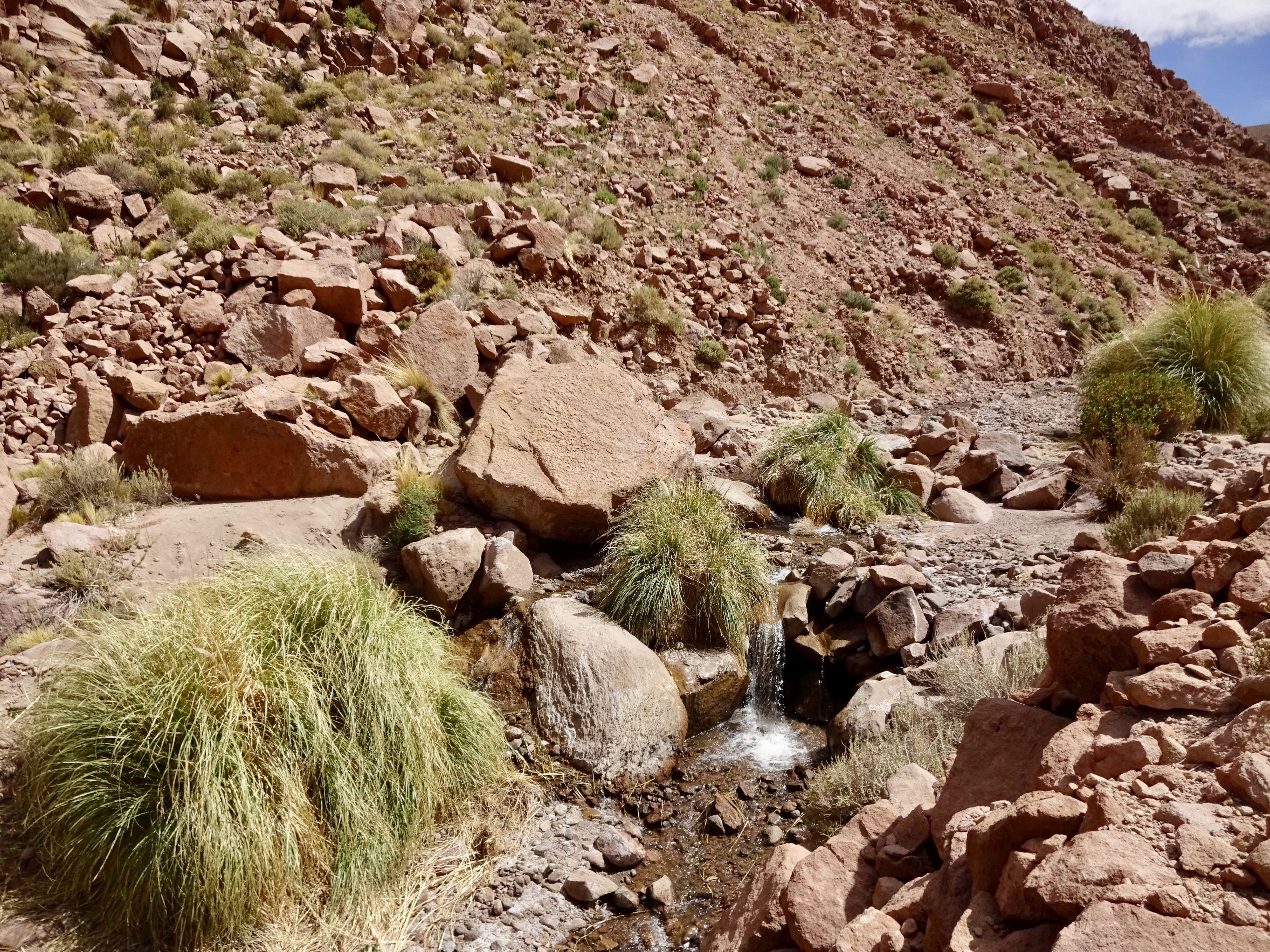
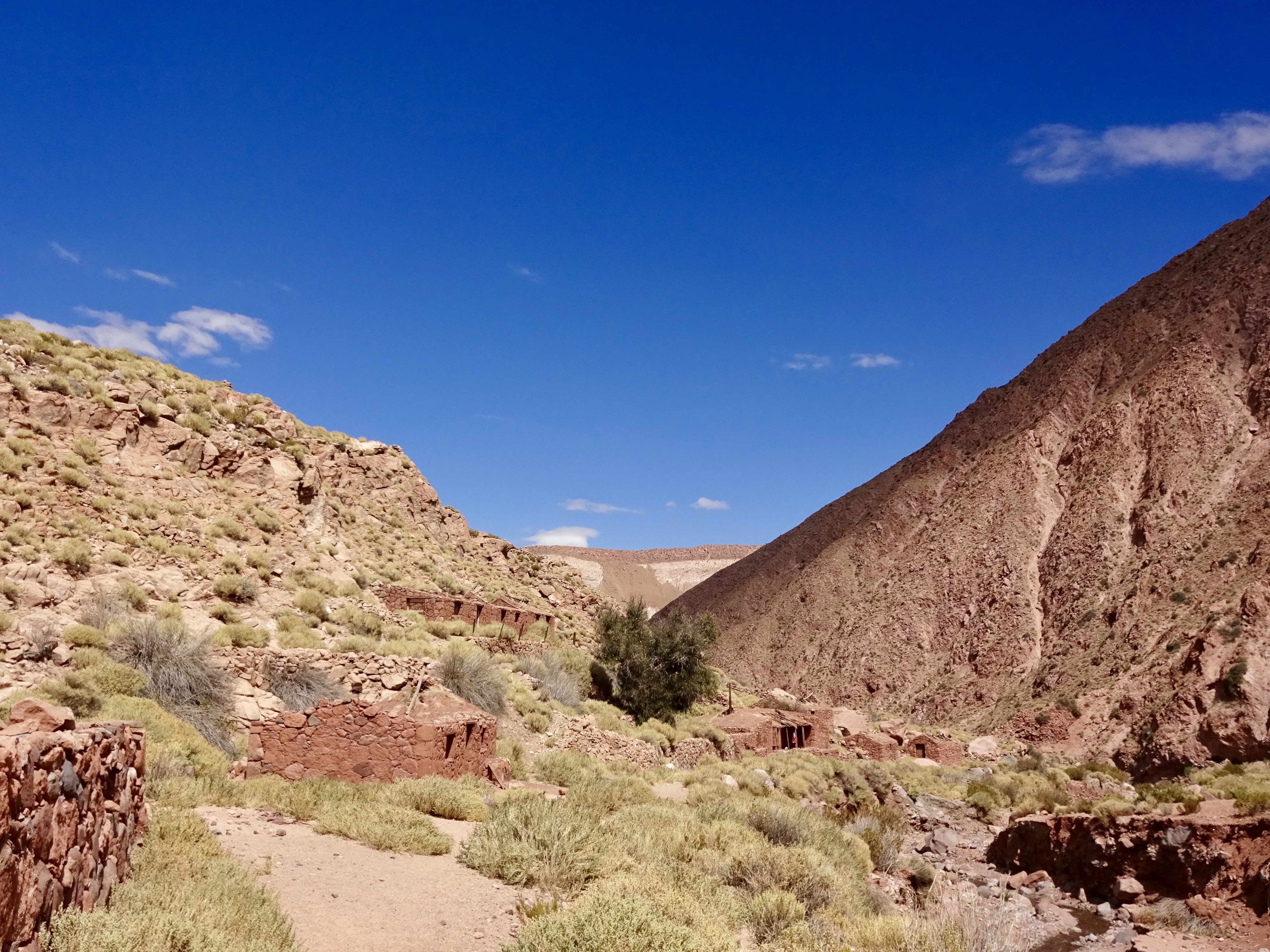
Our guide for the weekend led the hike, and it was probably my favorite part of the trip. It was about 7.5 miles and unlike anything I had ever seen. The four of us got to ask him so many questions about the landscape, animals and people who live in this unique place. It was so cool to have him there to answer questions, so different than if we had just gone on the hike ourselves! Again, I will let the pictures tell the rest of the story!
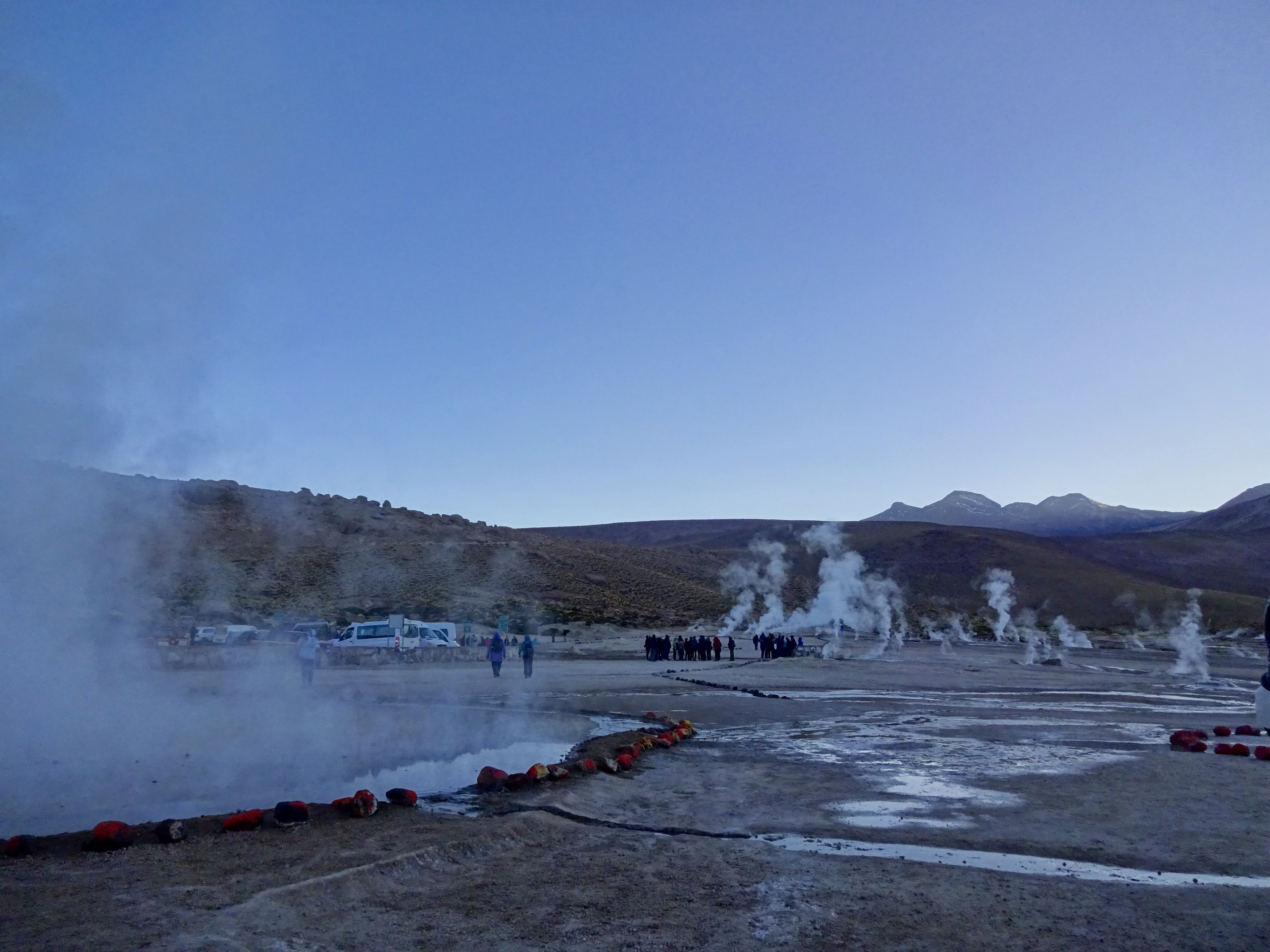
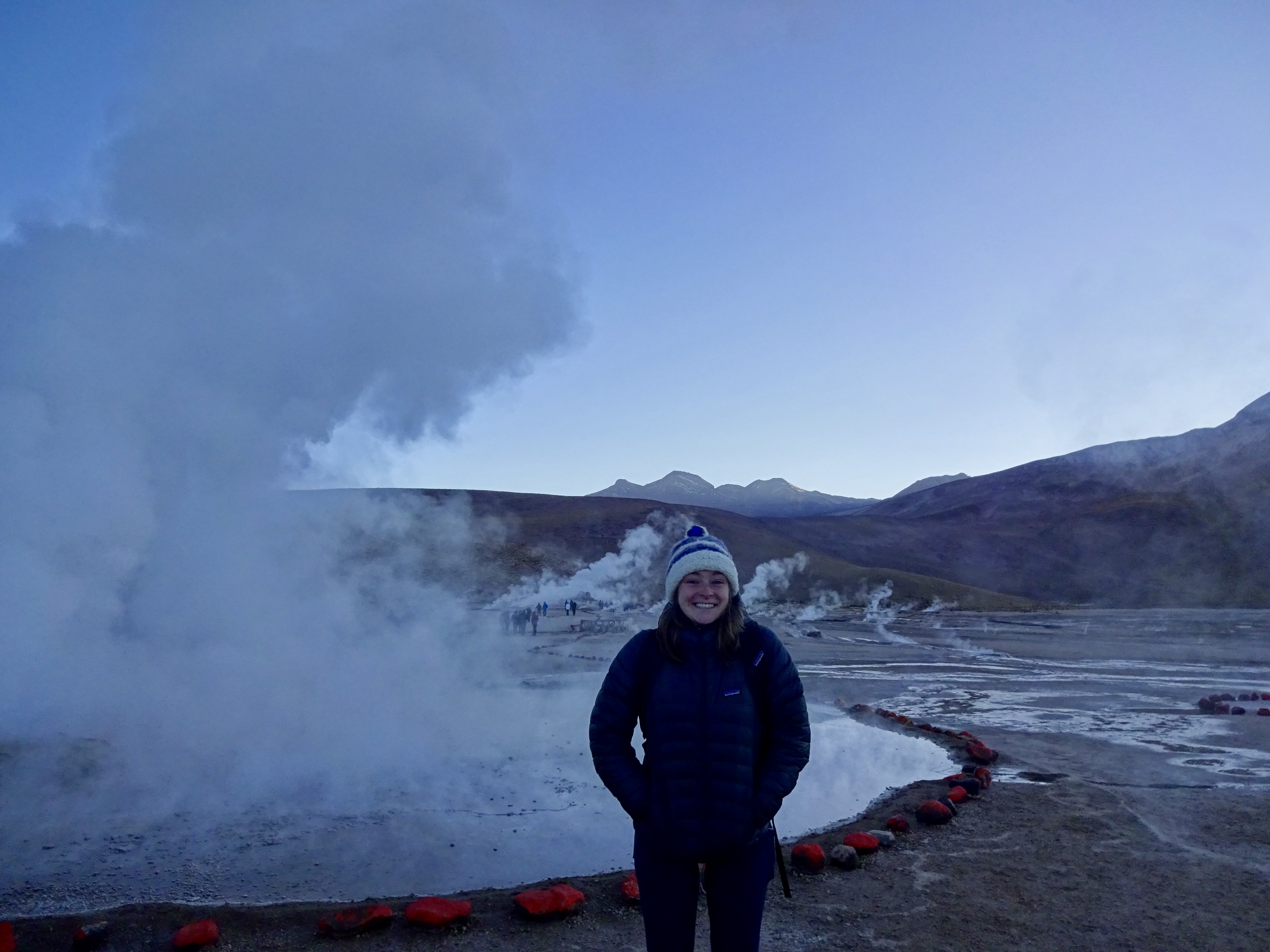
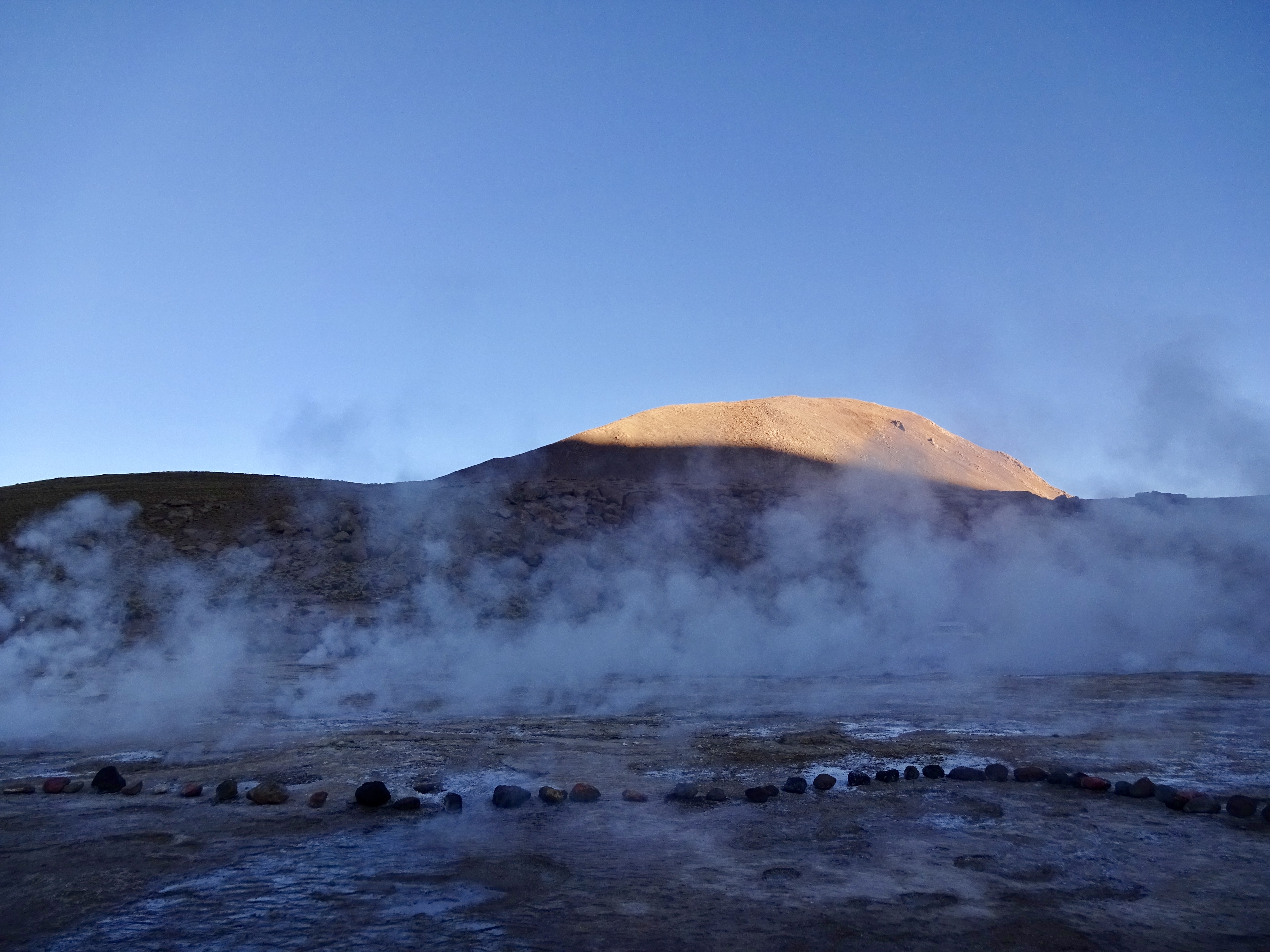
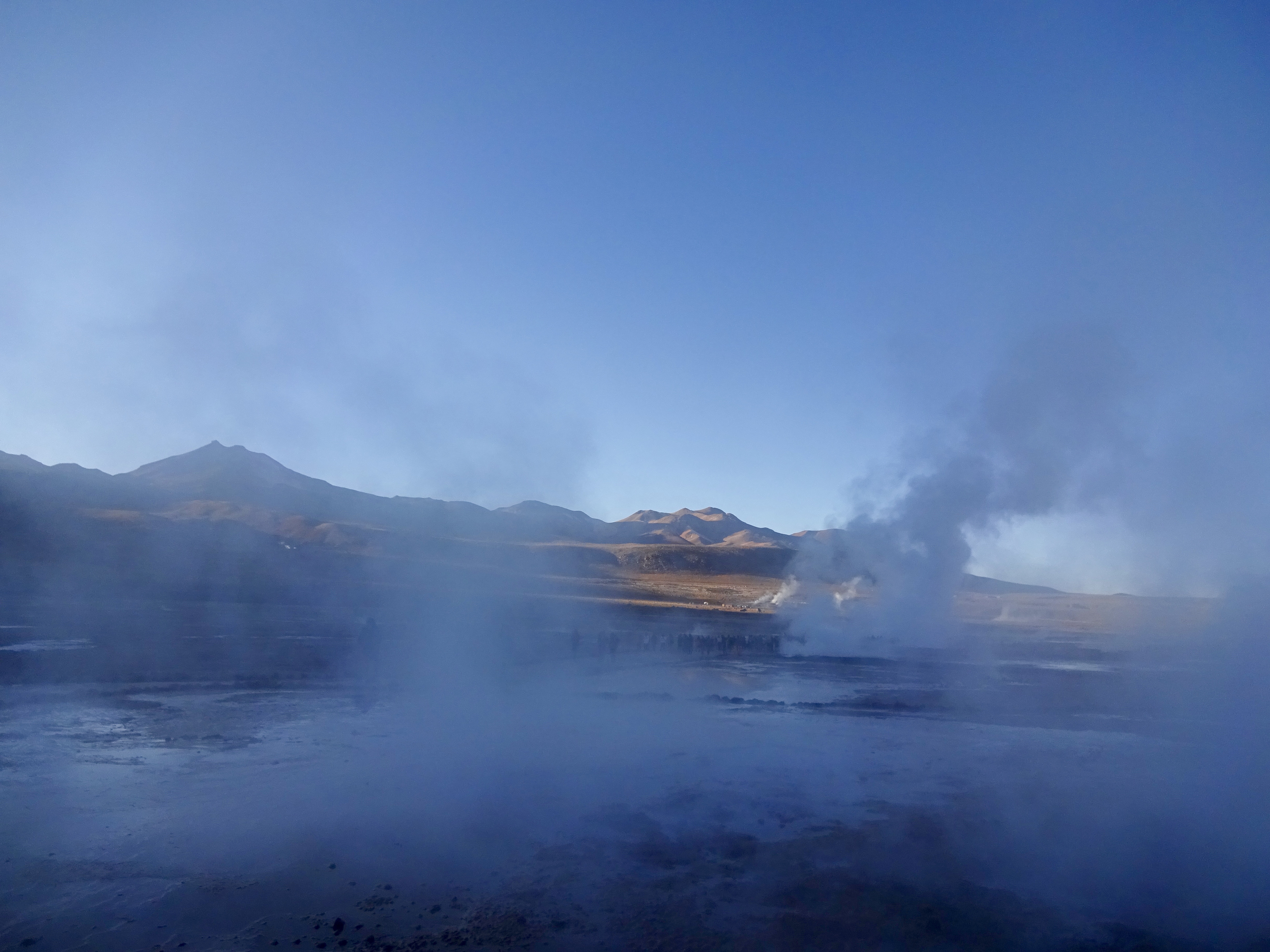
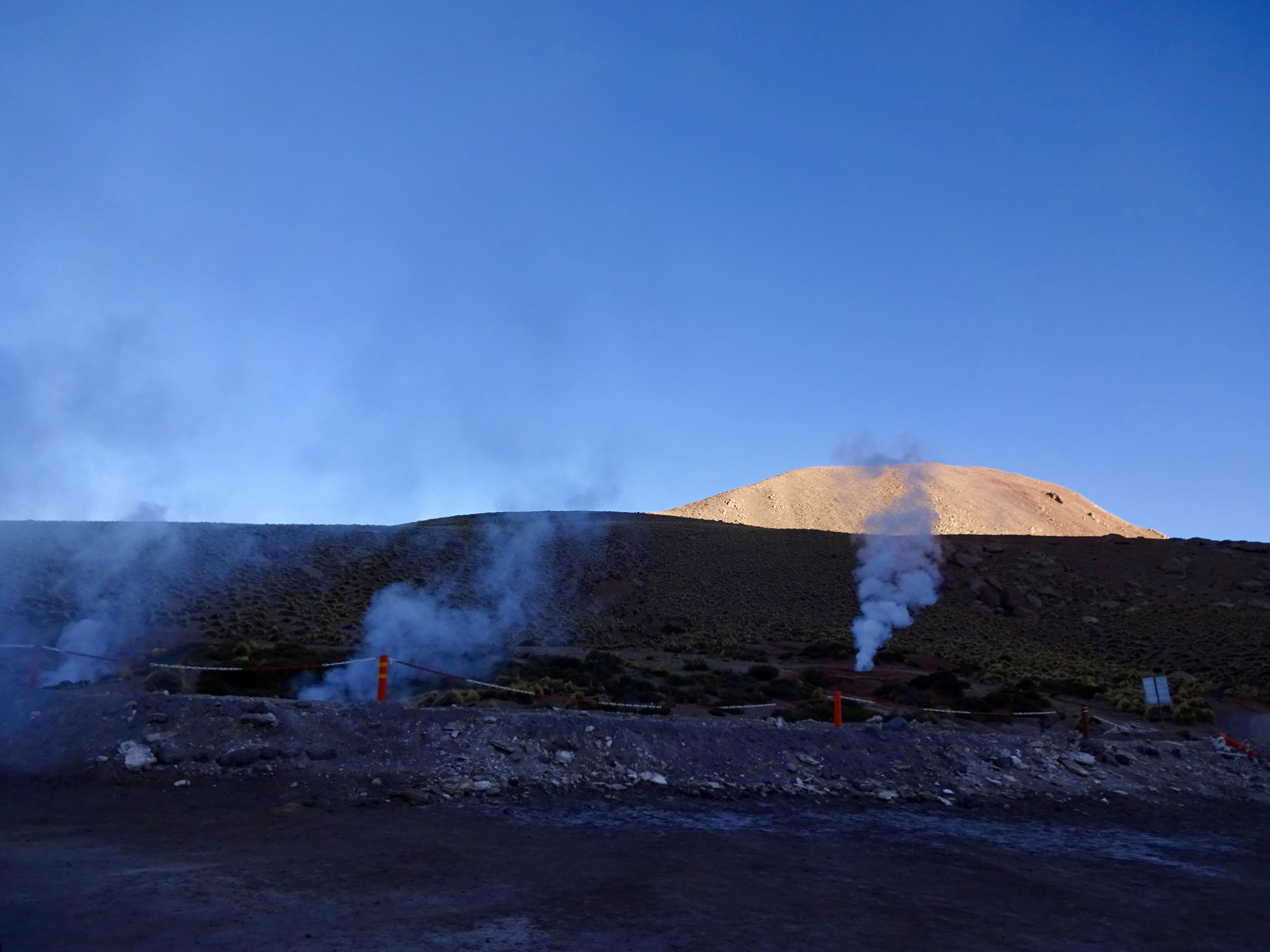
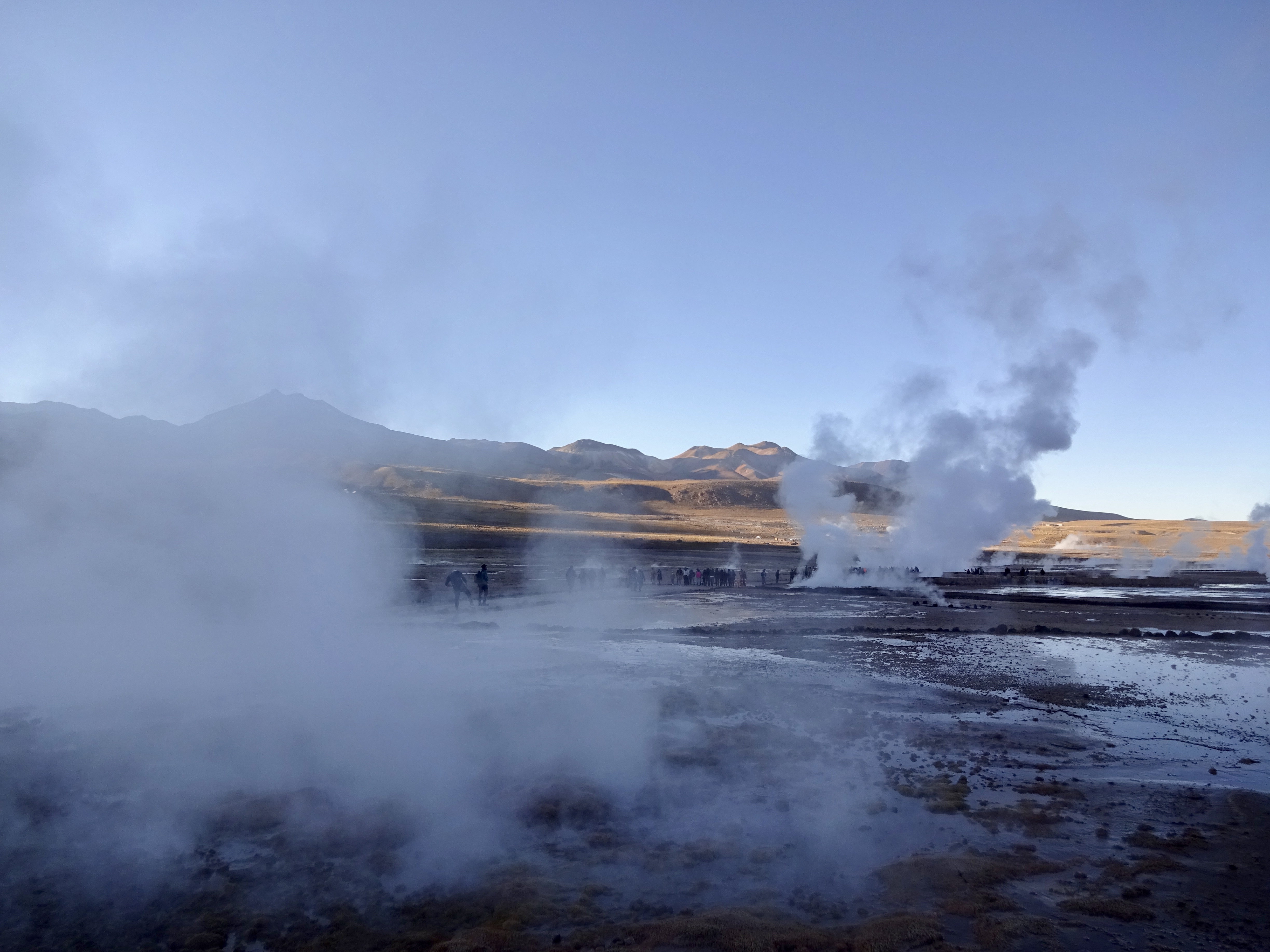
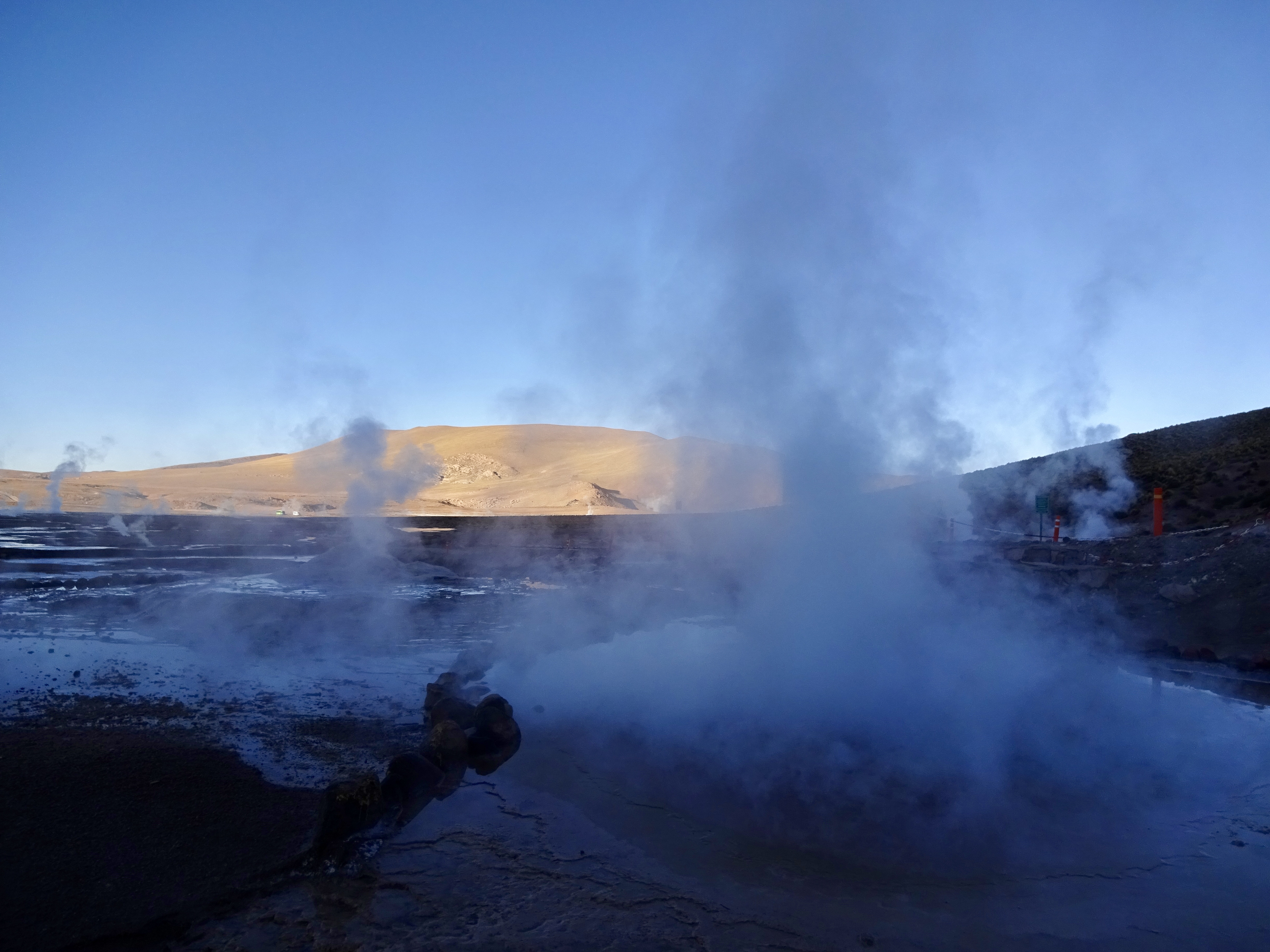
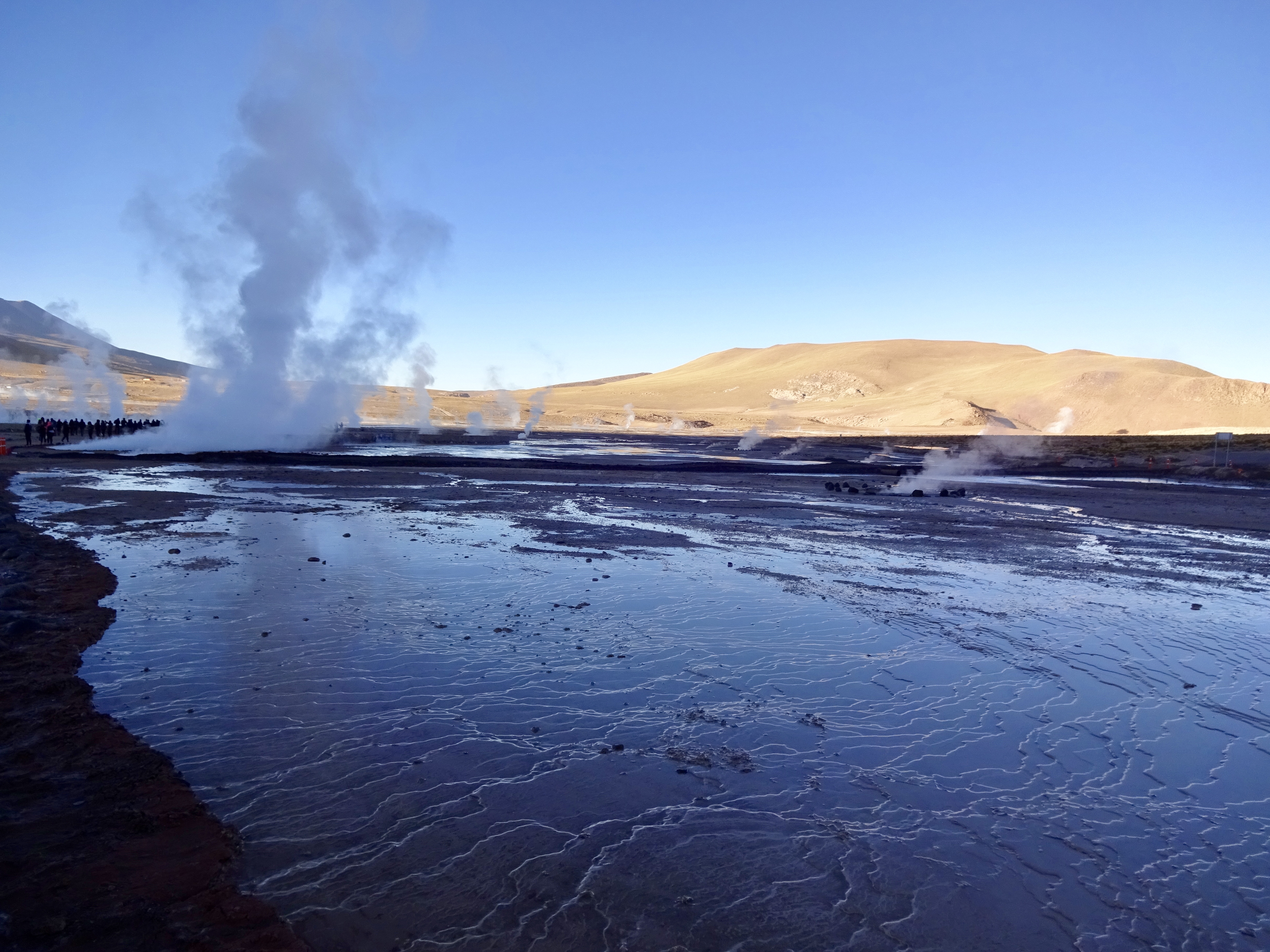
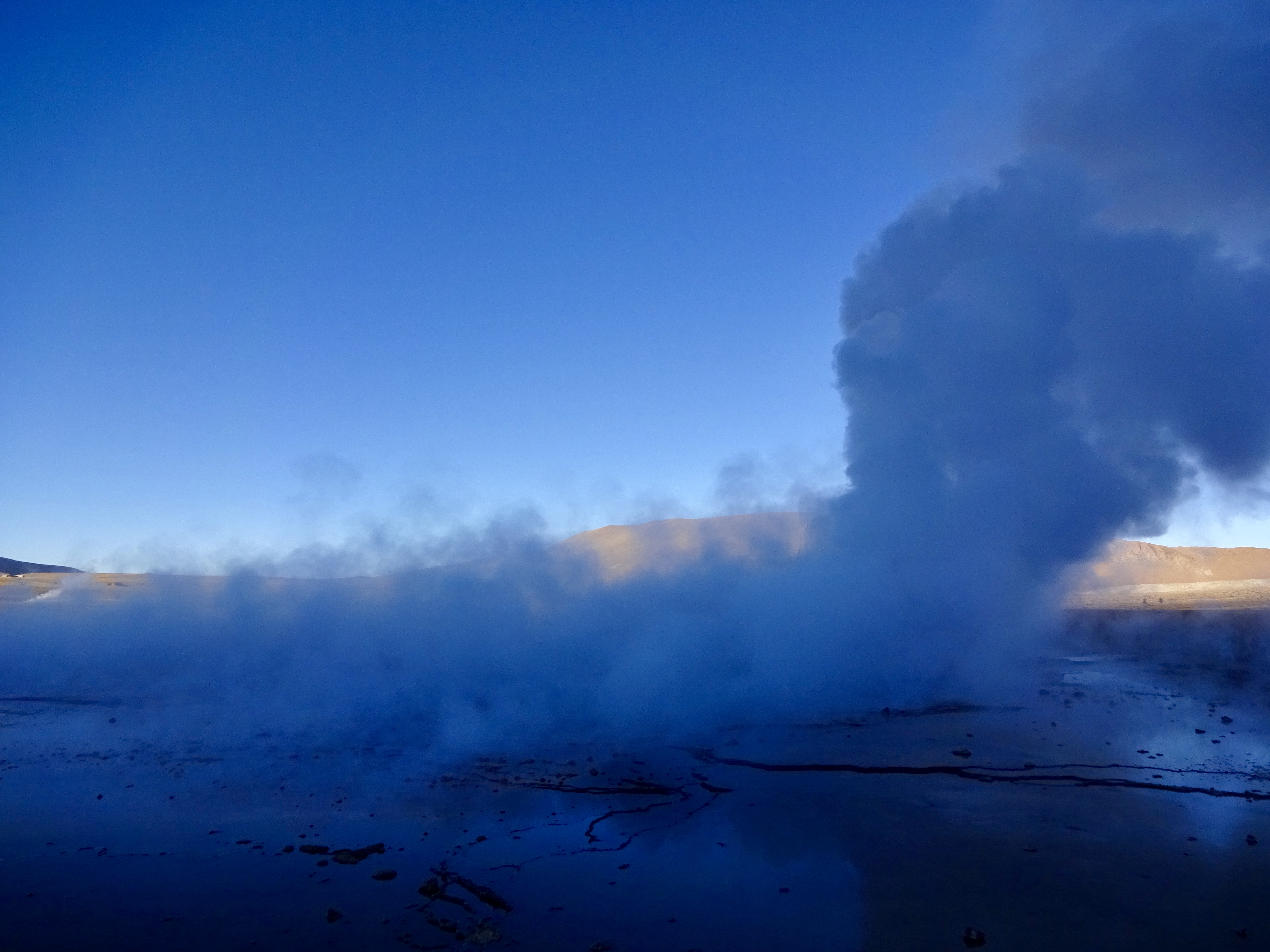
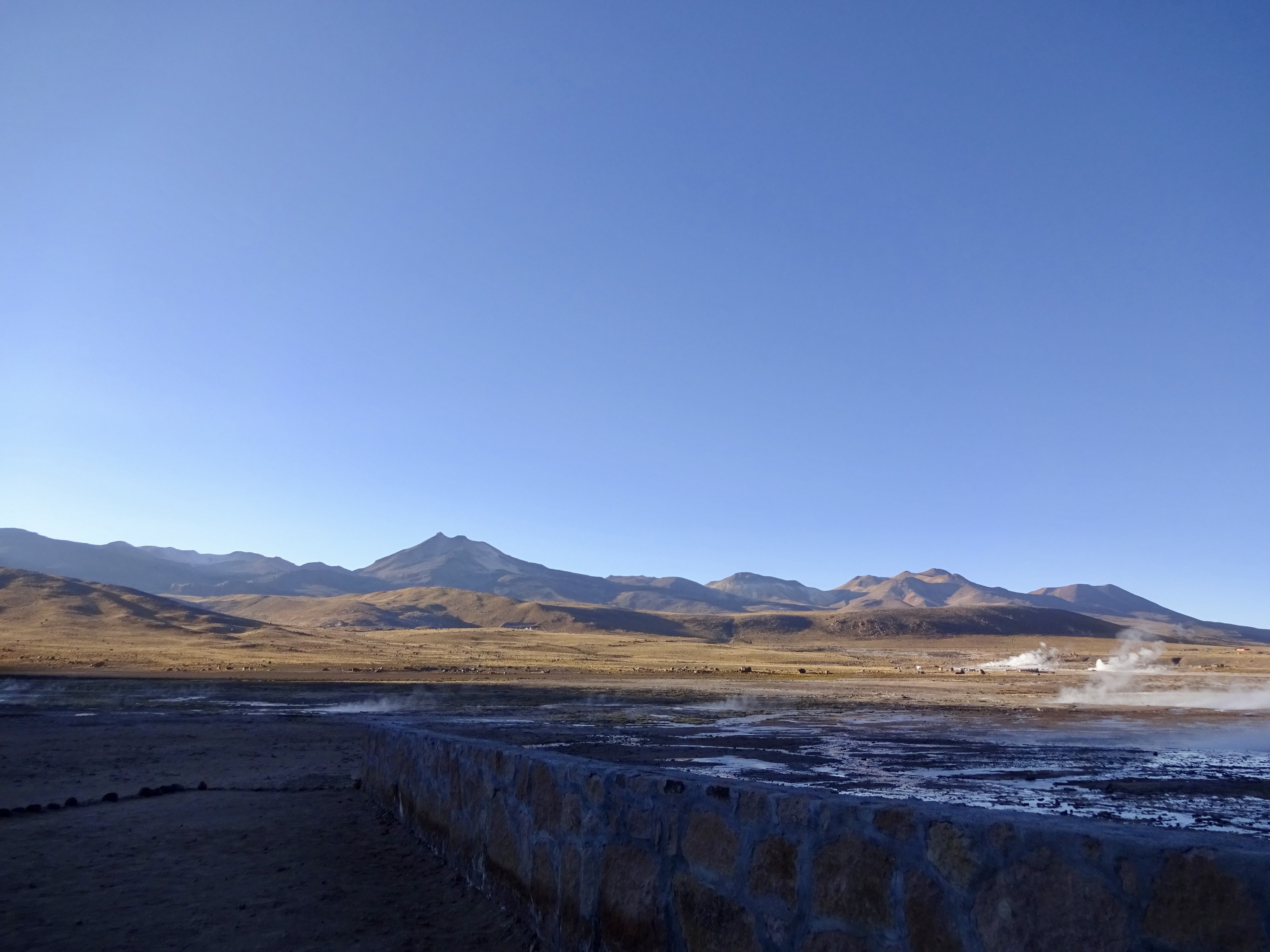
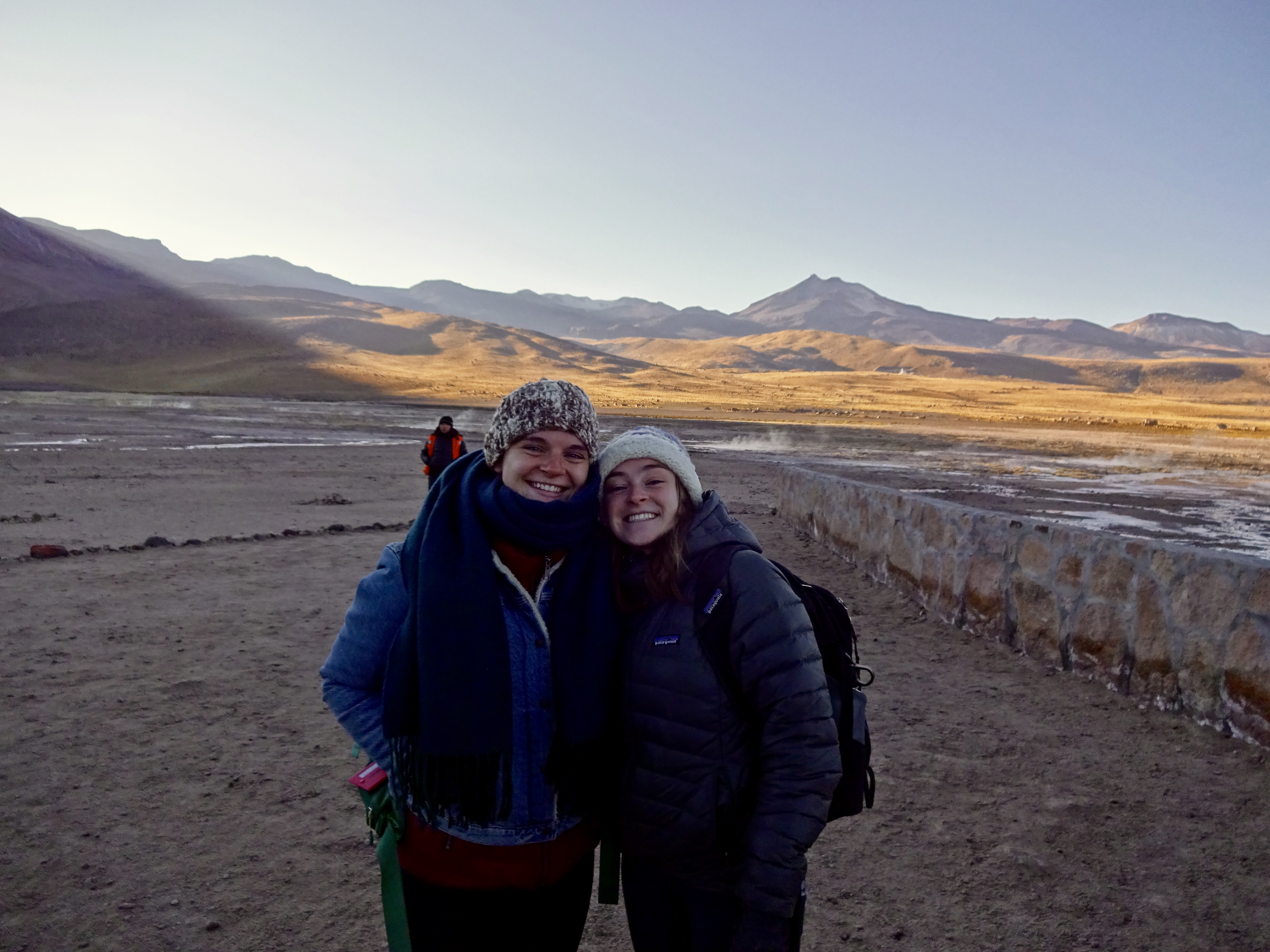
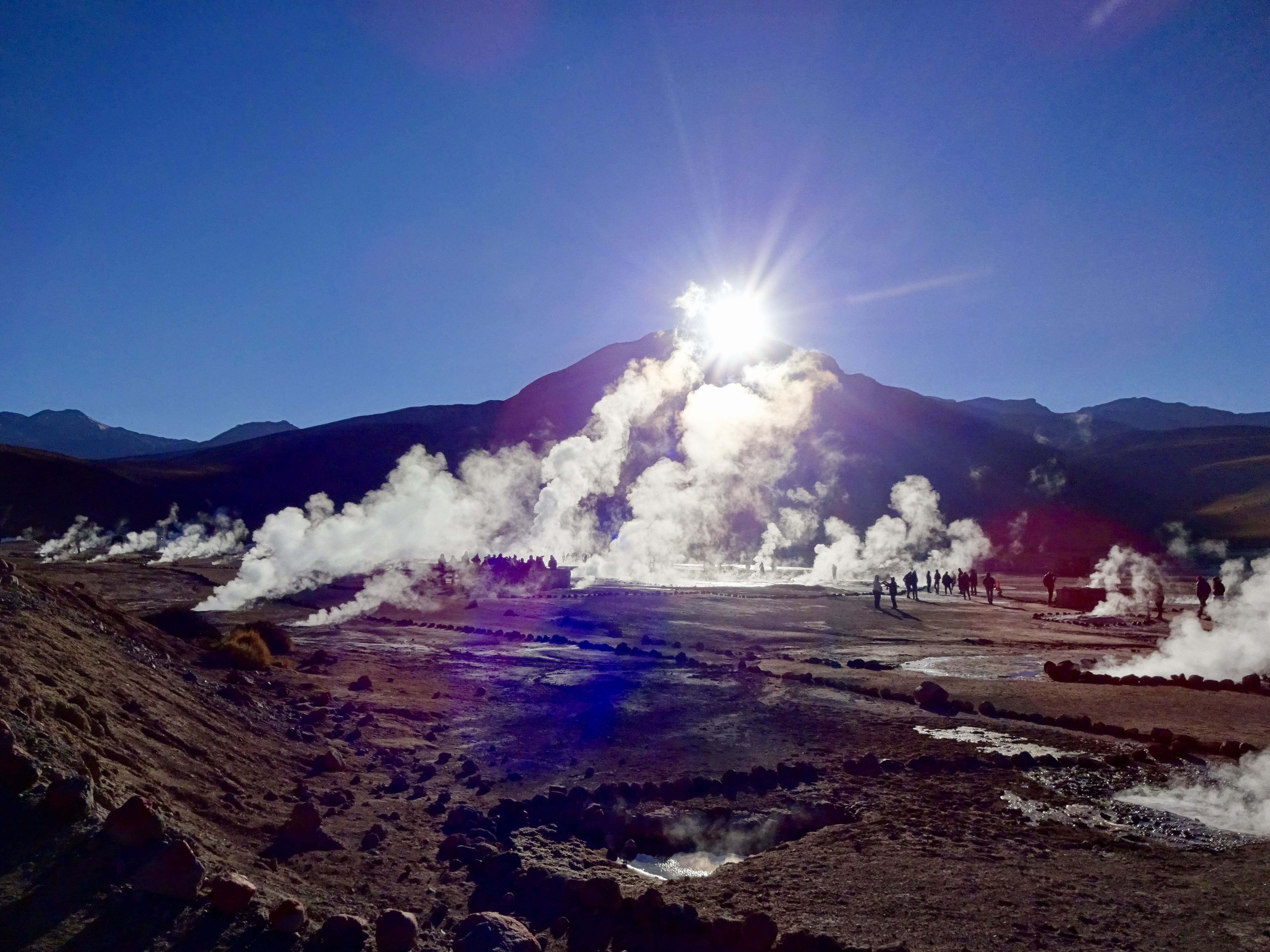
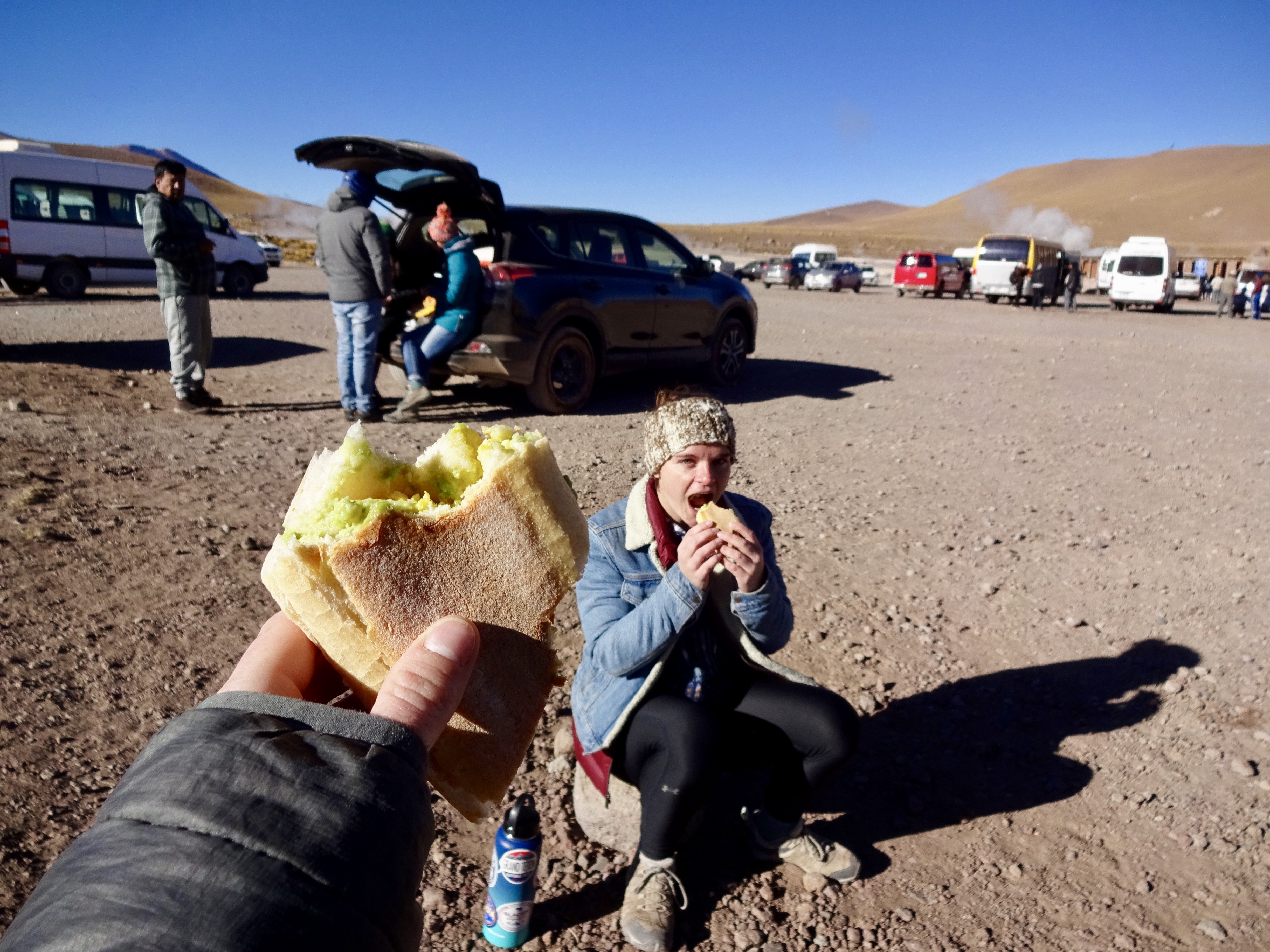
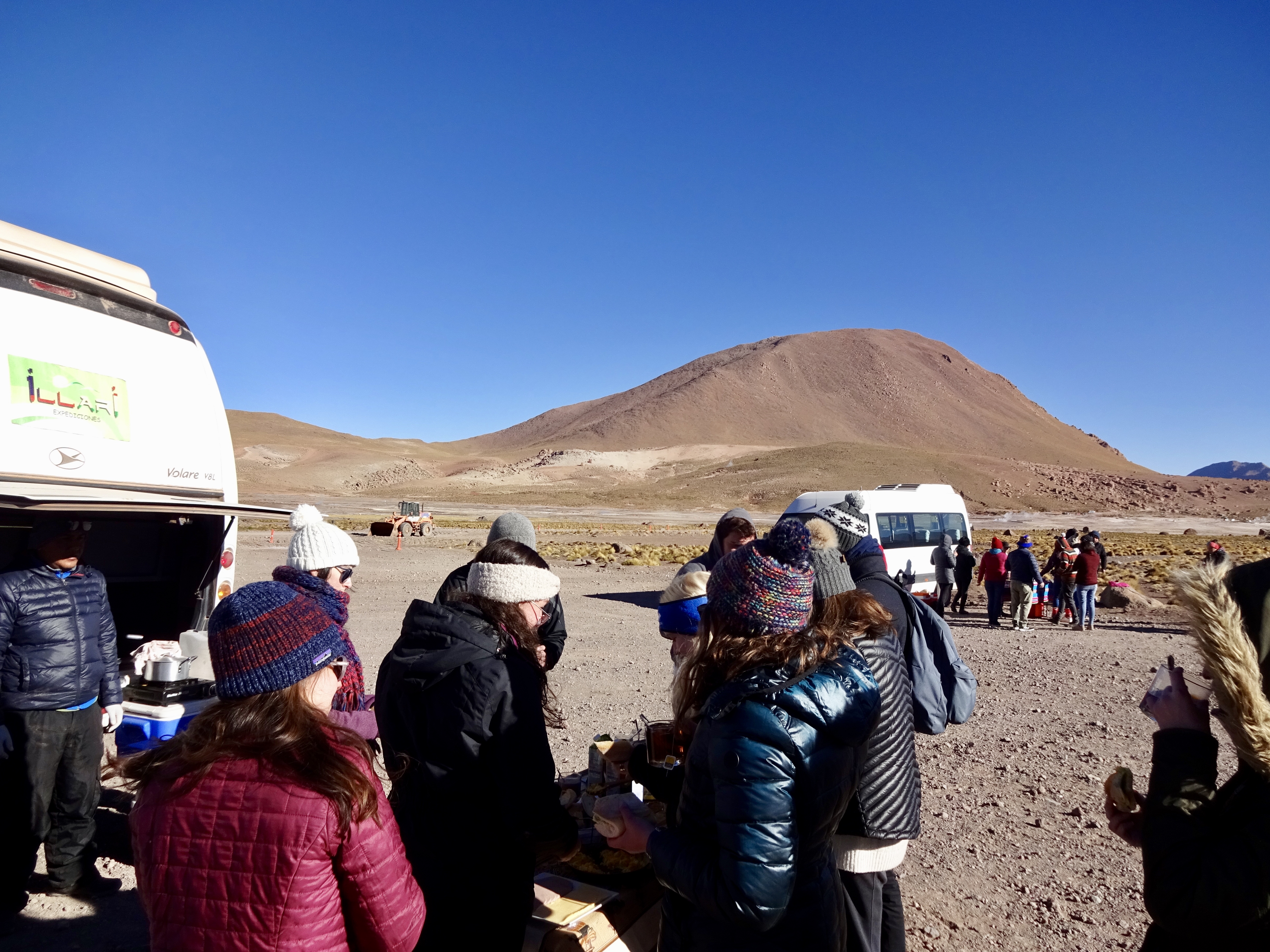
On Saturday, we had a very long but incredible day. We woke up at 4:30am to get on our bus at 5:30 because we were going to see geysers at sunrise. This is the best time to see them because the air before the sun rises is the perfect time to see the steam rising from them. The bus ride was about an hour, but since I do not sleep anywhere but bed, I was able to watch the stars for the whole ride there (so amazing). Once we got to the geysers, we got to walk around them and get so close! The park is not a national park of Chile, but rather a park maintained by the pueblos of the desert and all the revenue goes toward helping their towns thrive, which is really cool.

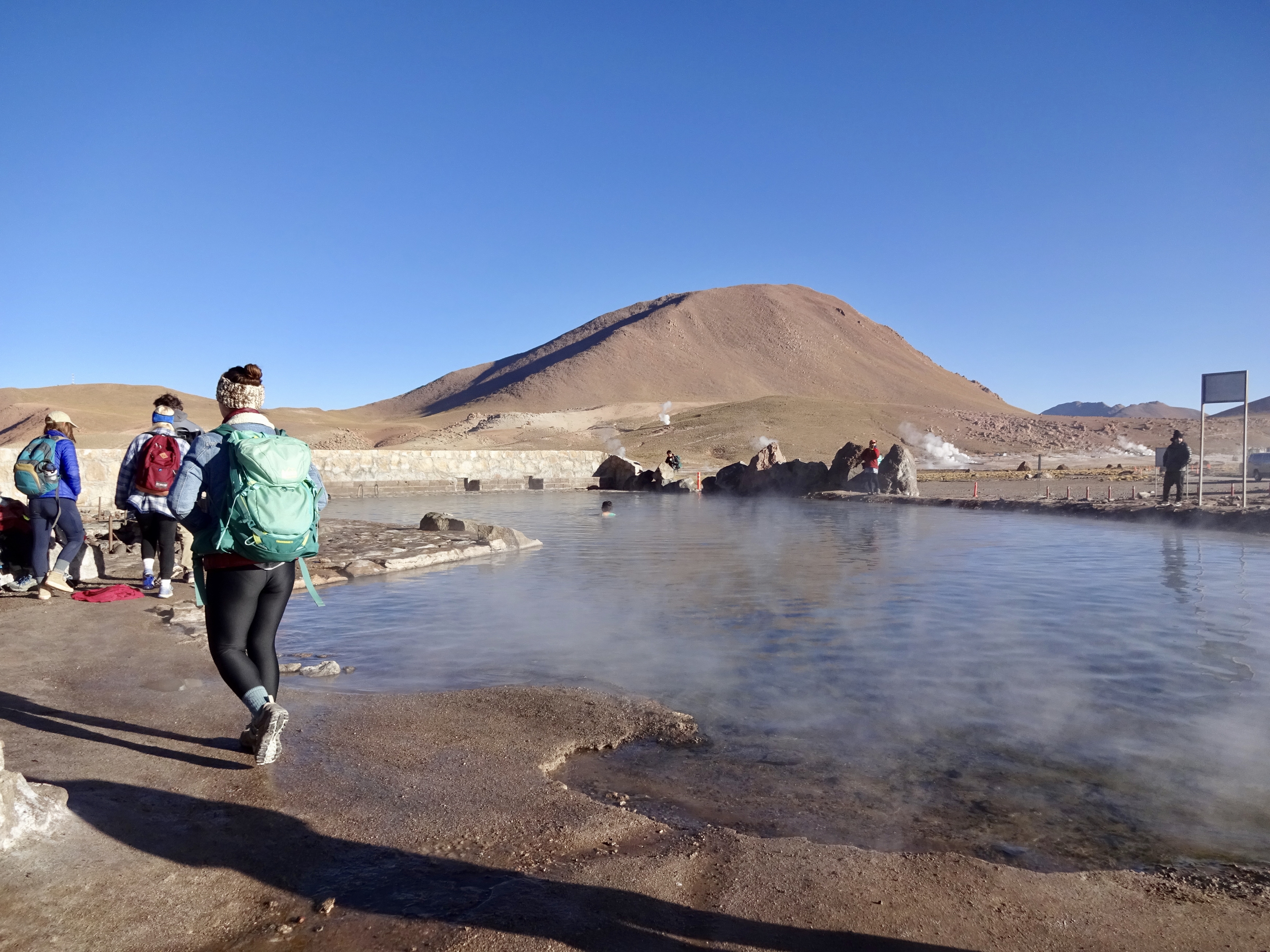
After the geysers, we were lucky enough to get to go into a hot spring a mile away from the geysers. It was not as hot as I was hoping, but we did eventually find the warm spots, and hung out there until it was time to eat the breakfast that our tour guides made for us!

After the geysers/ hot springs, we headed back to relax at the hotel in the afternoon and have dinner before we went STARGAZING to top the whole trip off. I do not have any pictures of them because my camera is not THAT good, but I can confirm that it was an amazing experience that I am so glad I got to share with my cool friends down here with me 🙂

That is all – stay tuned for more adventures!!

Lots of love always,

Cecilia

Chiloé: An Island Paradise

Hola everyone!

As I left off on the blog with Fiestas Patrias, I figured I would continue the adventures from that point forward. Since we get Fiestas Patrias as a vacation from school (Wednesday-Friday), my friends Kelsey, Erin, Marietta and I knew we wanted to take a trip somewhere else in Chile. Now during our month and a half so far, when we asked where we should adventure to in Chile, everyone said “Chiloé.”

I had no idea what this was, and to be honest, the first couple times I just thought I was mishearing “Chile” and that maybe they were making fun of us or something. However, upon further research, we discovered that Chiloé is a little island in the south of Chile that is known for its special “souther Chilean charm” so of course we had to go!

When we finalized the plans, the travel included a 6am flight to Puerto Montt, then a 4 hour bus ride (with a ferry ride in the middle of that) before we finally got to the actual town we were staying in, Castro. This long travel day was made infinitely longer by the fact that we were leaving Thursday, September 19th at 6am and since it was Fiestas Patrias, we were up all night drinking terremotos and eating empanadas before we rushed home to get our taxi to the airport at 3:45am.

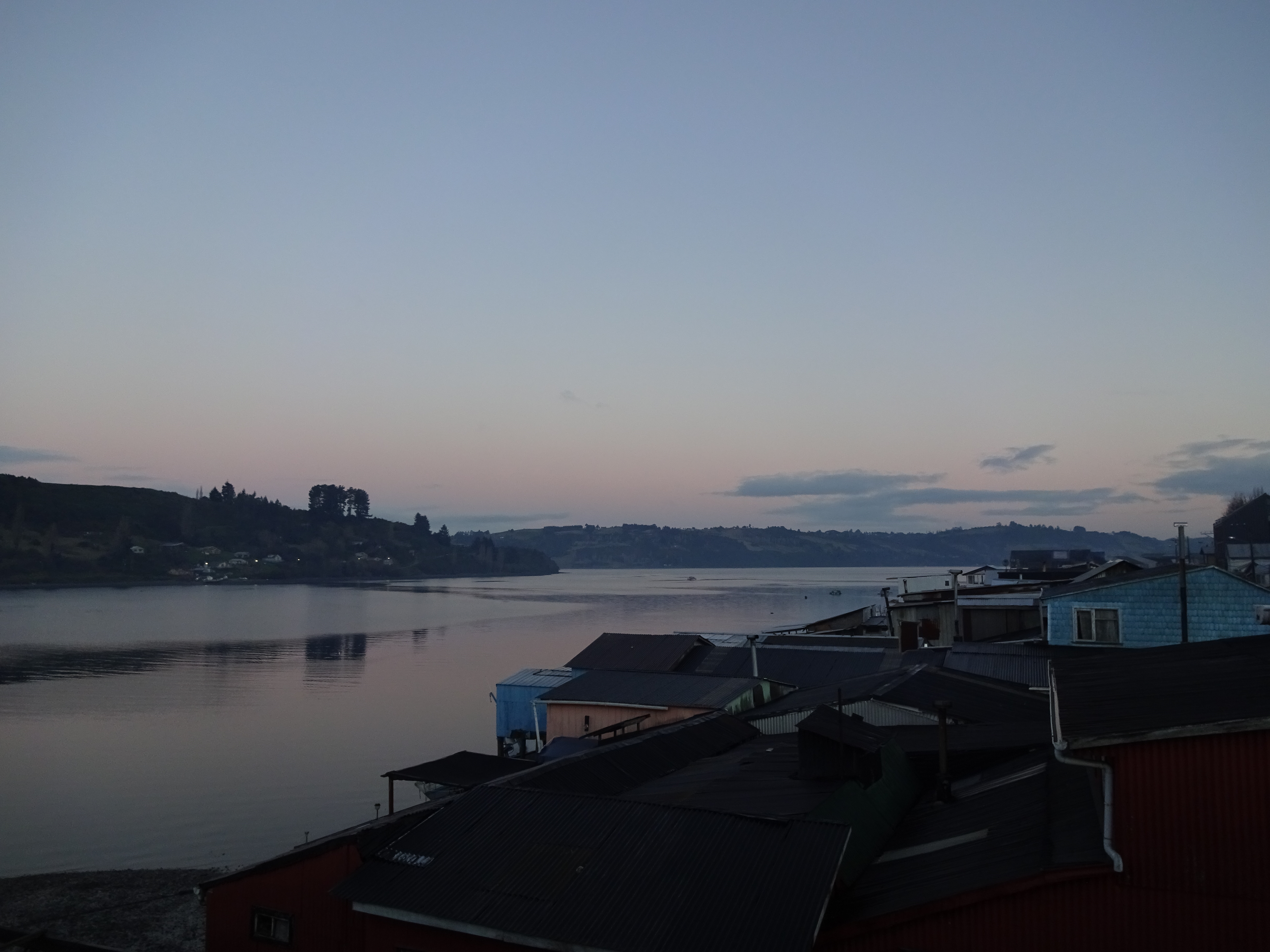
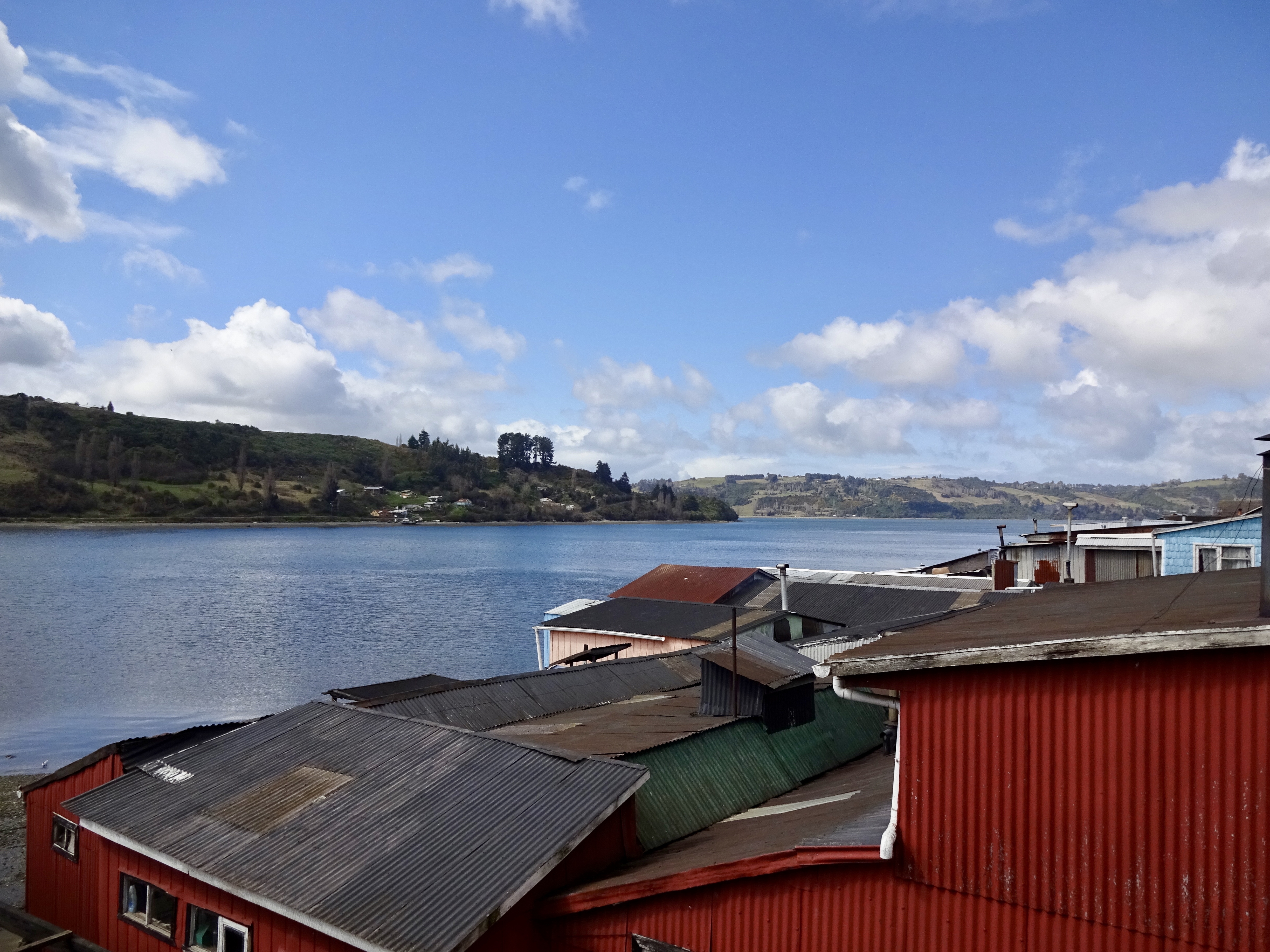
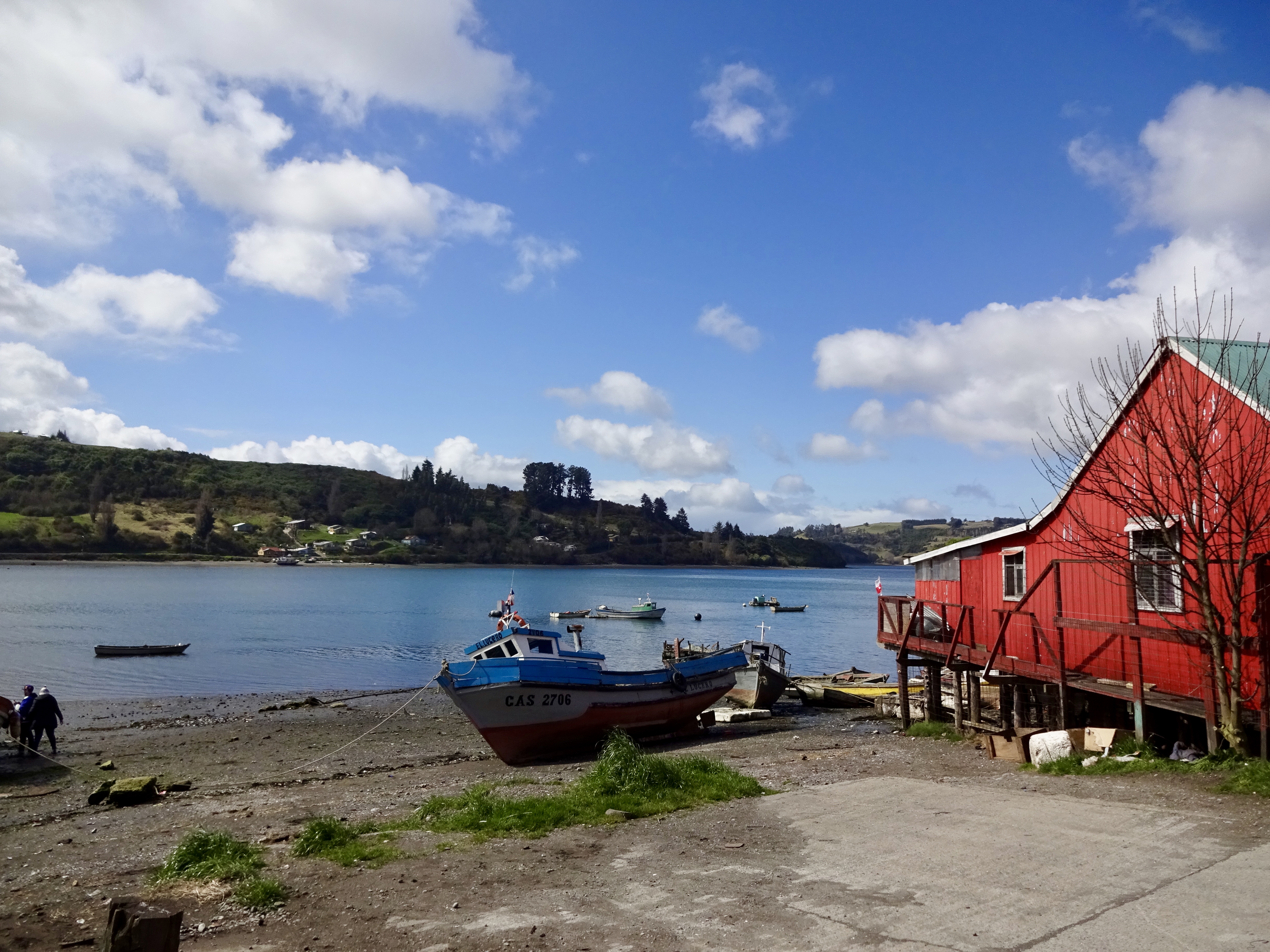
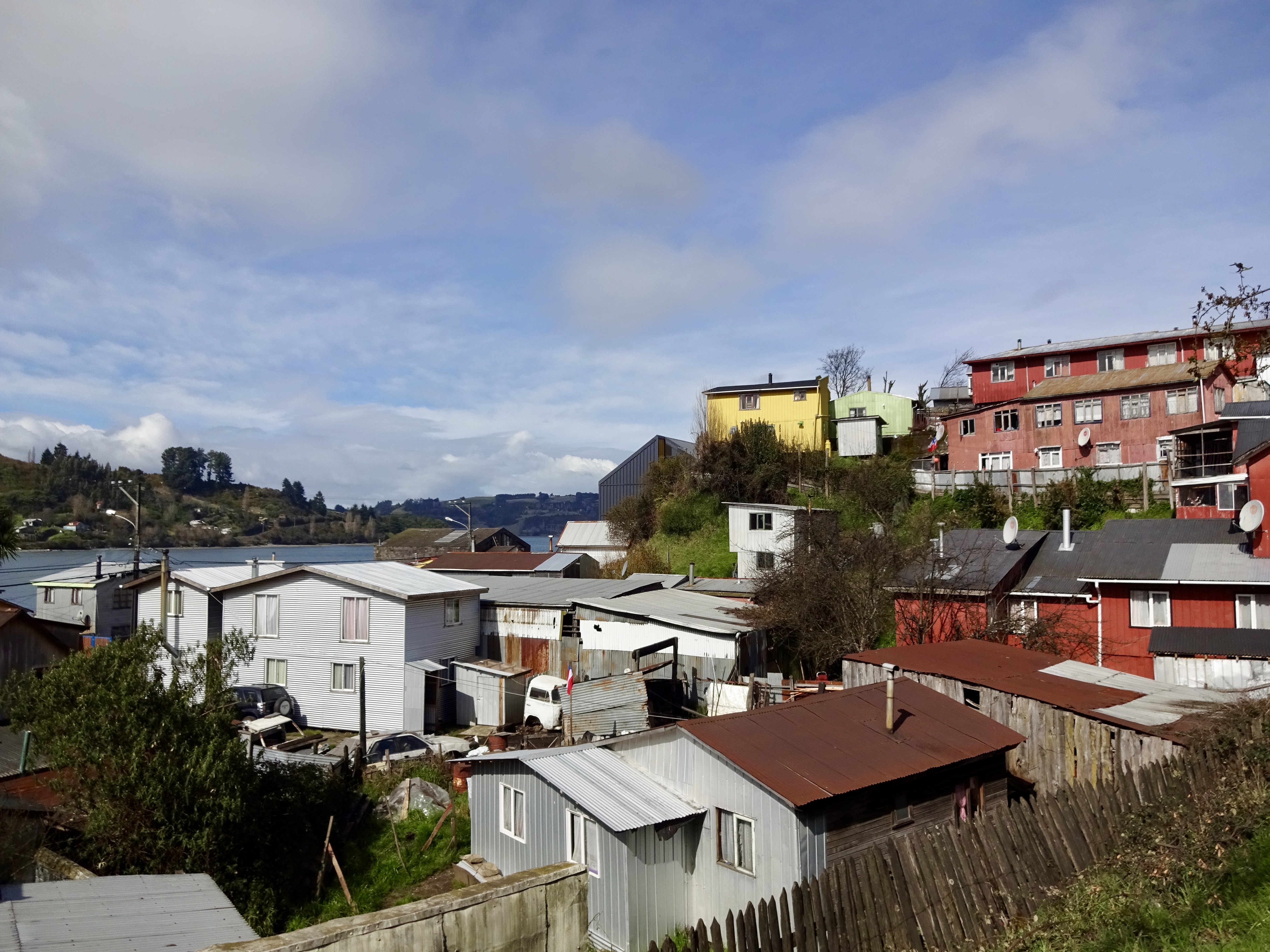
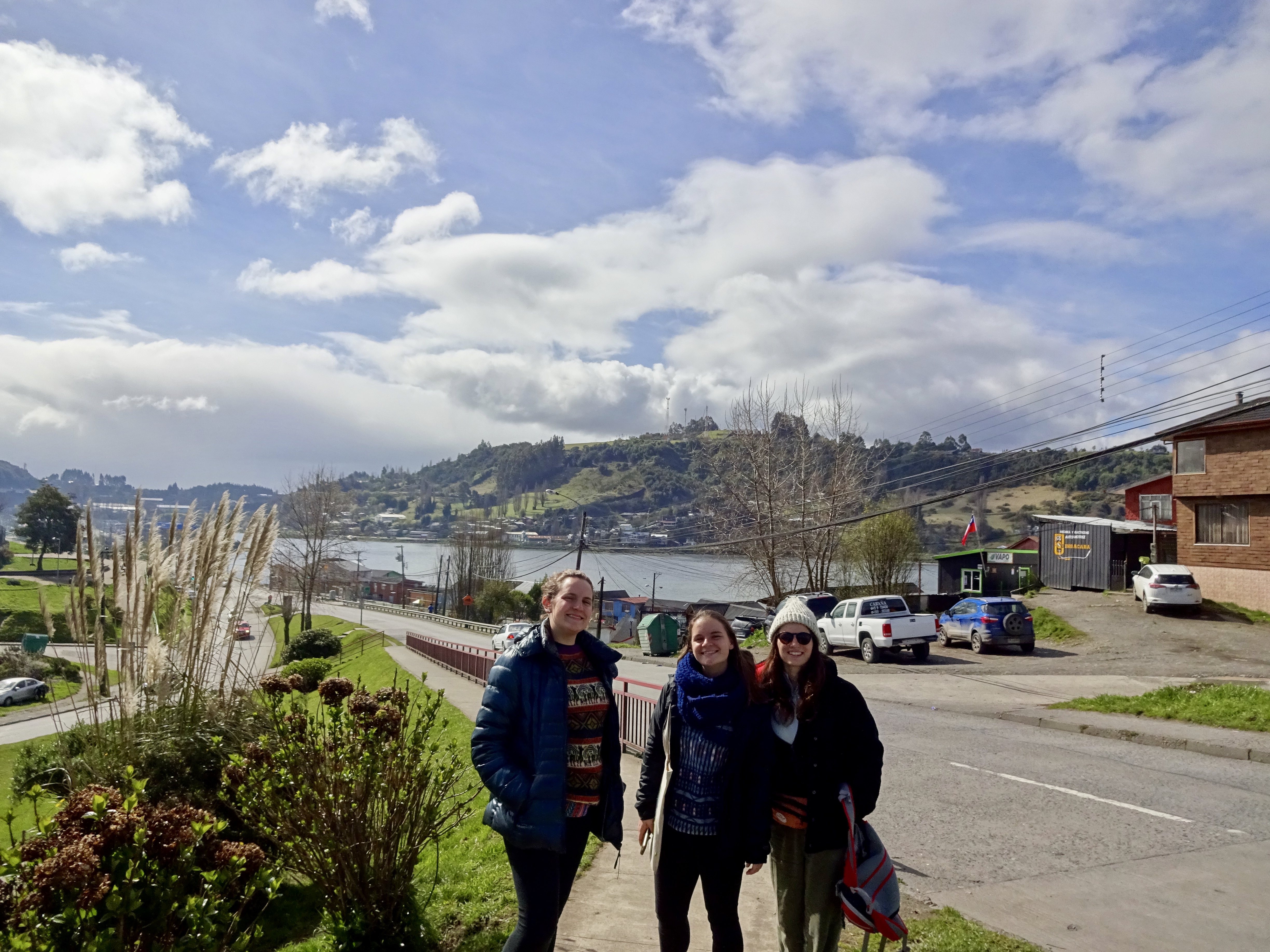
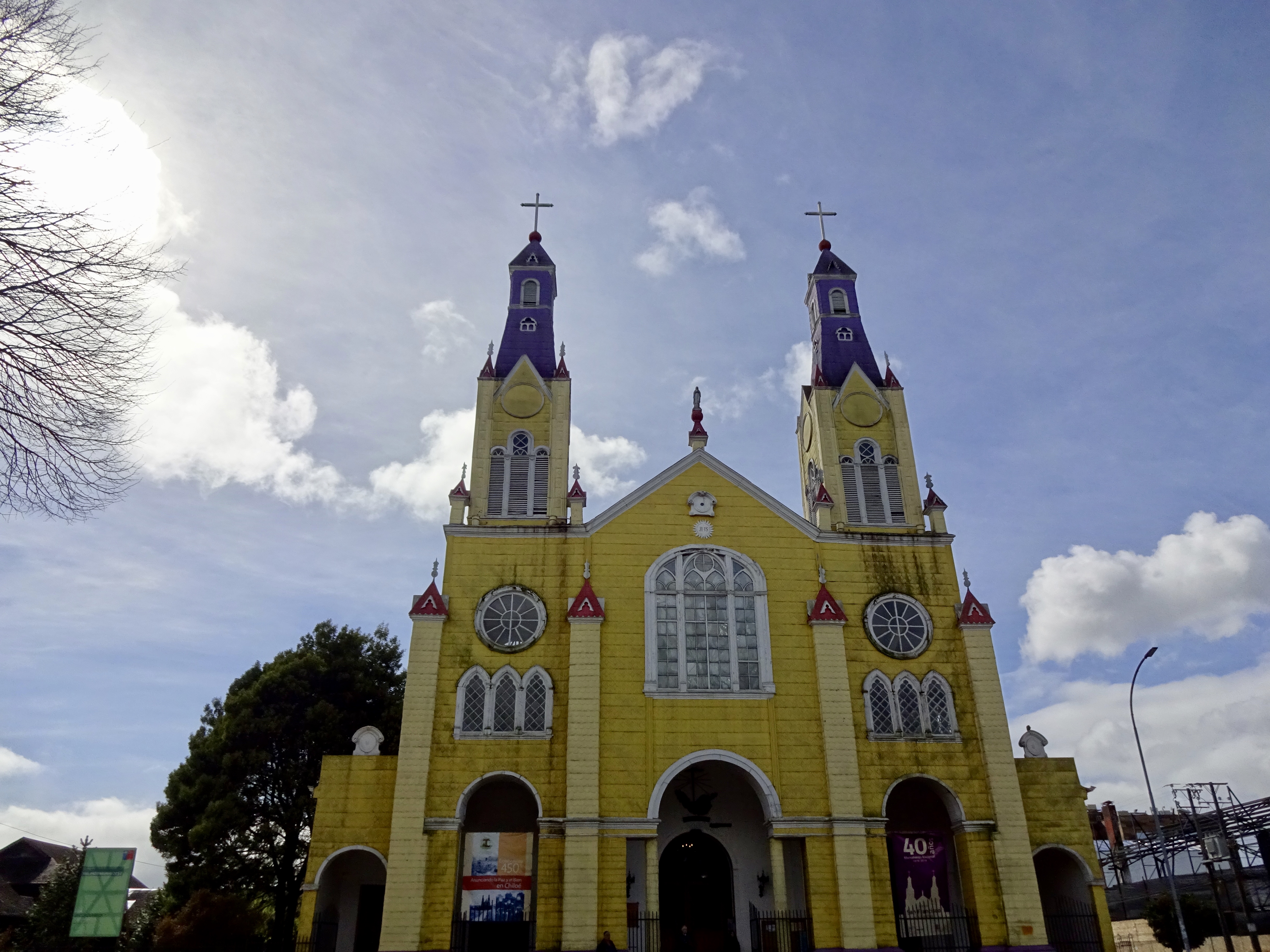
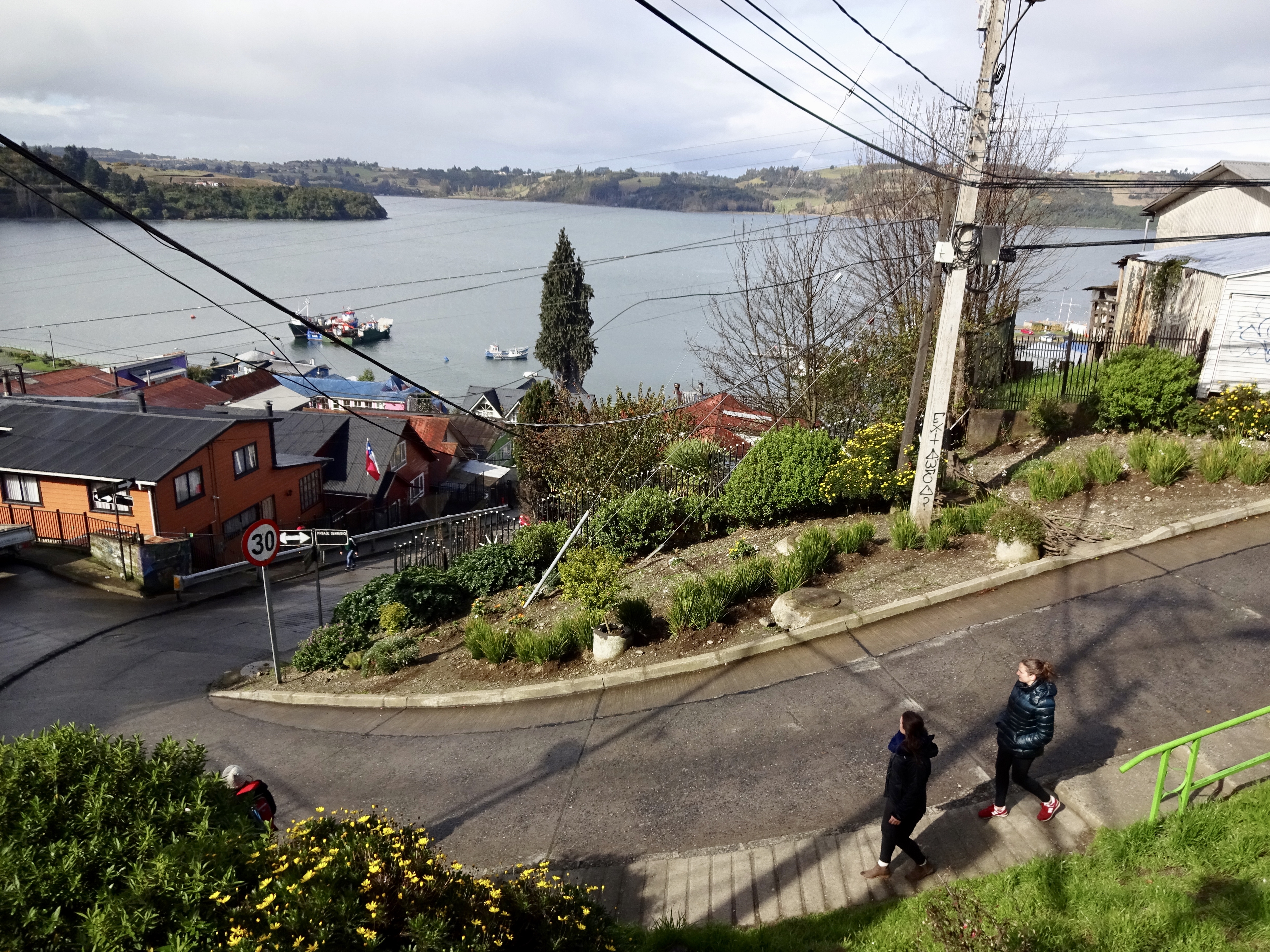
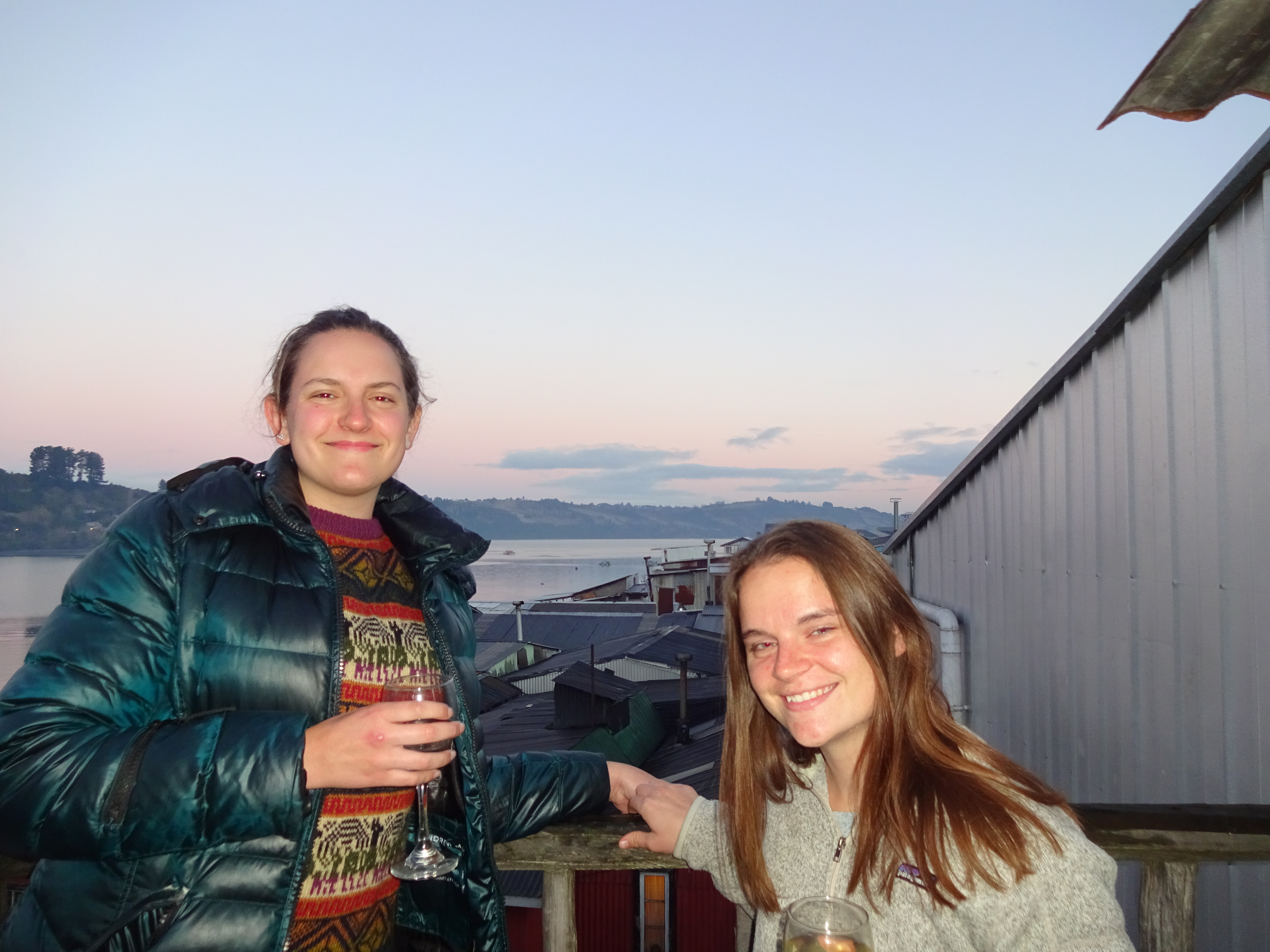
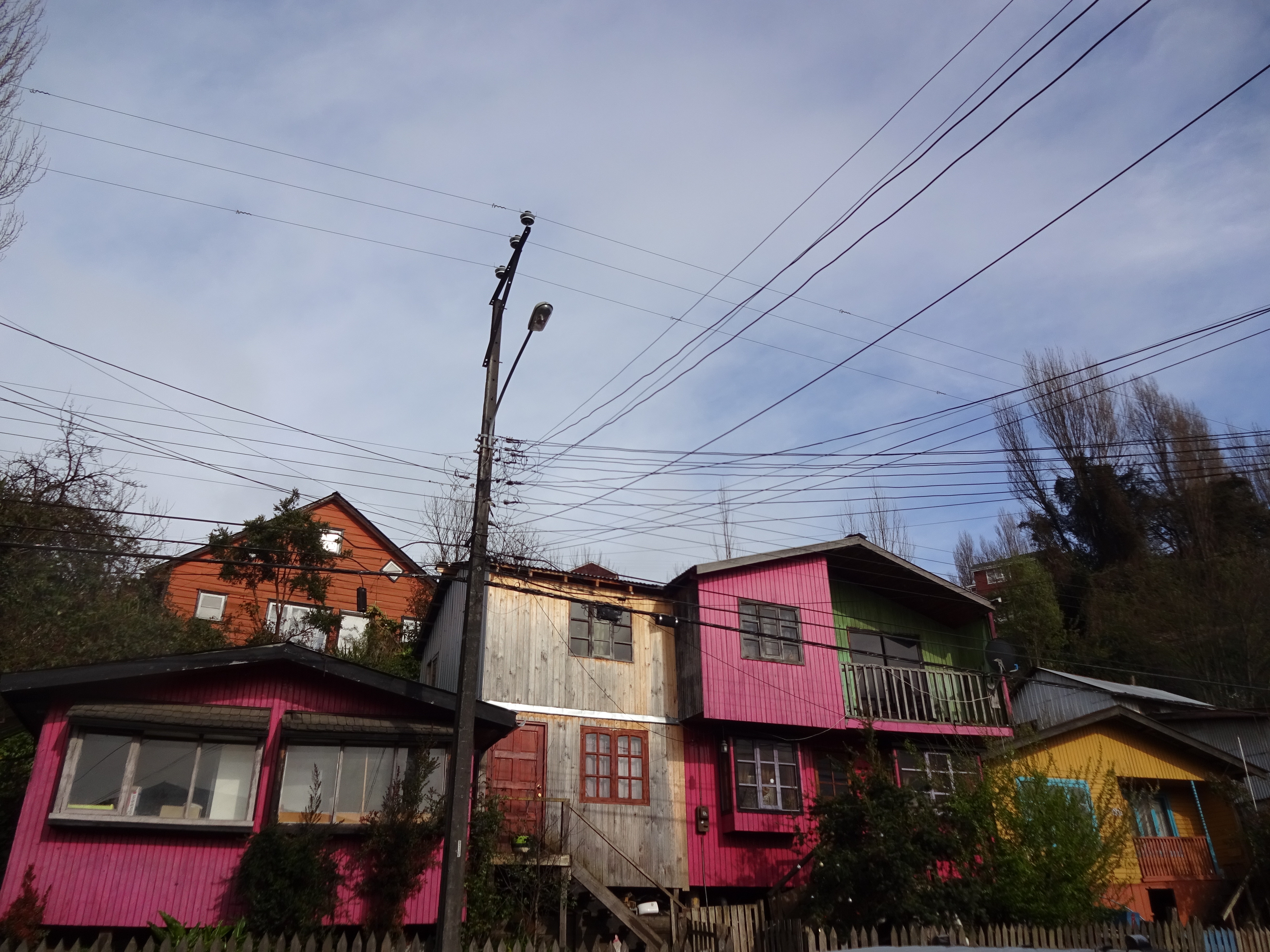
Thursday was kind of a crazy day because by the time we took the flight, bus, ferry and bus again, it was only 12pm when we arrived in Castro. We did not do much on Thursday except wander around Castro, bask in the sunlight and buy some sustenance for dinner that night. To cap off the day of traveling, we had a glass of wine on the little balcony of our Airbnb and watched the sunset!

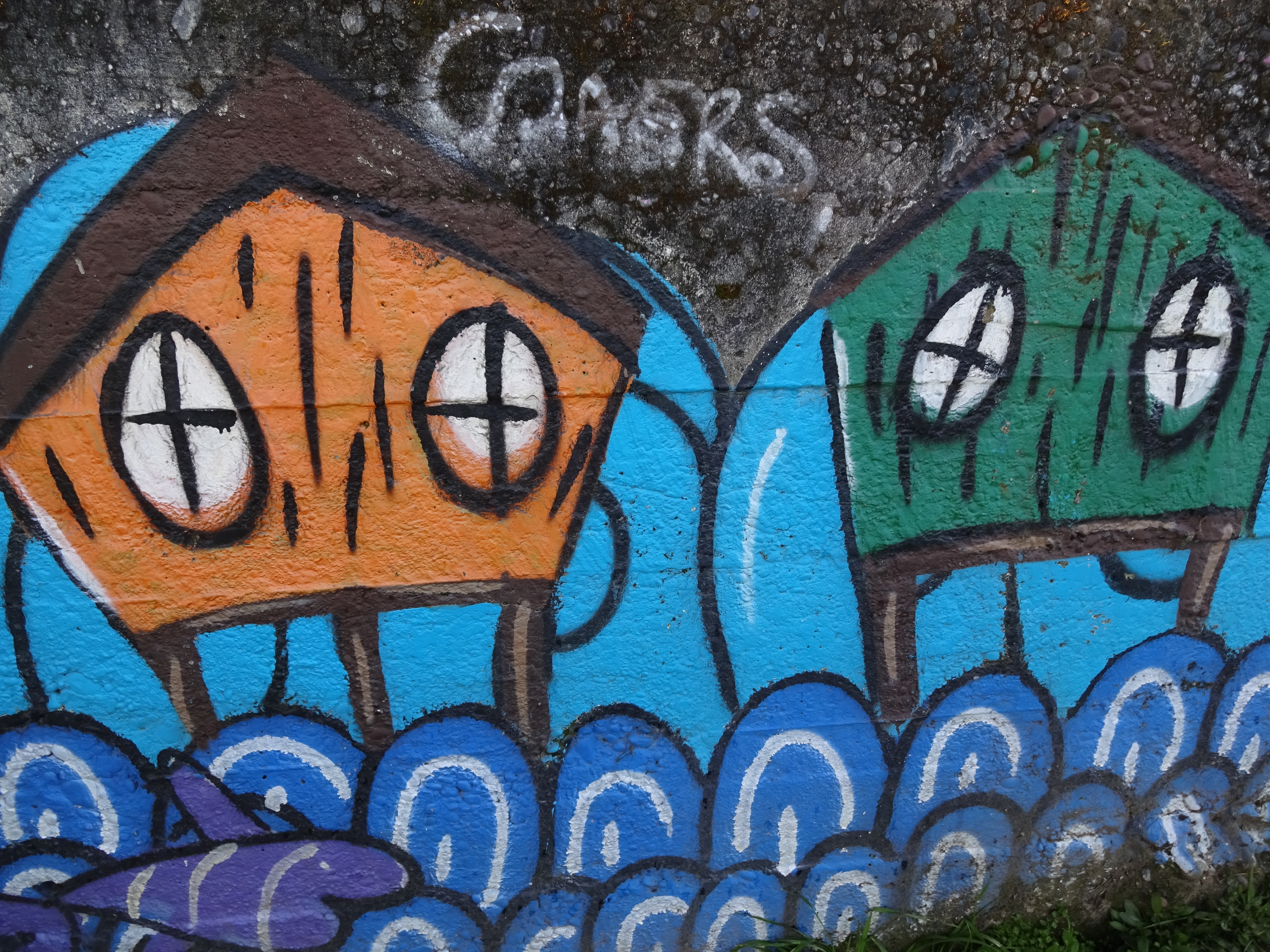
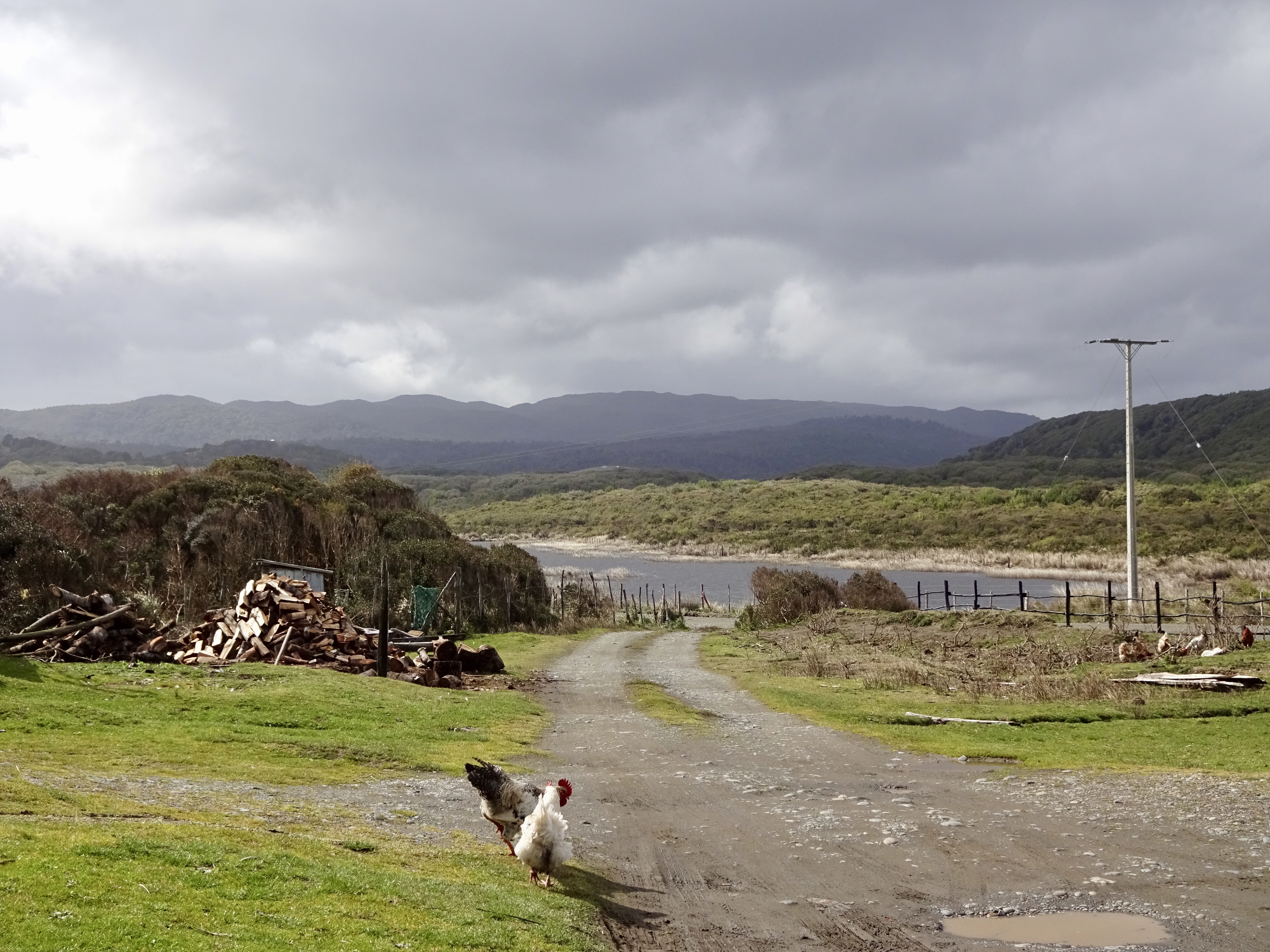
These are all photos from the first day we got there!

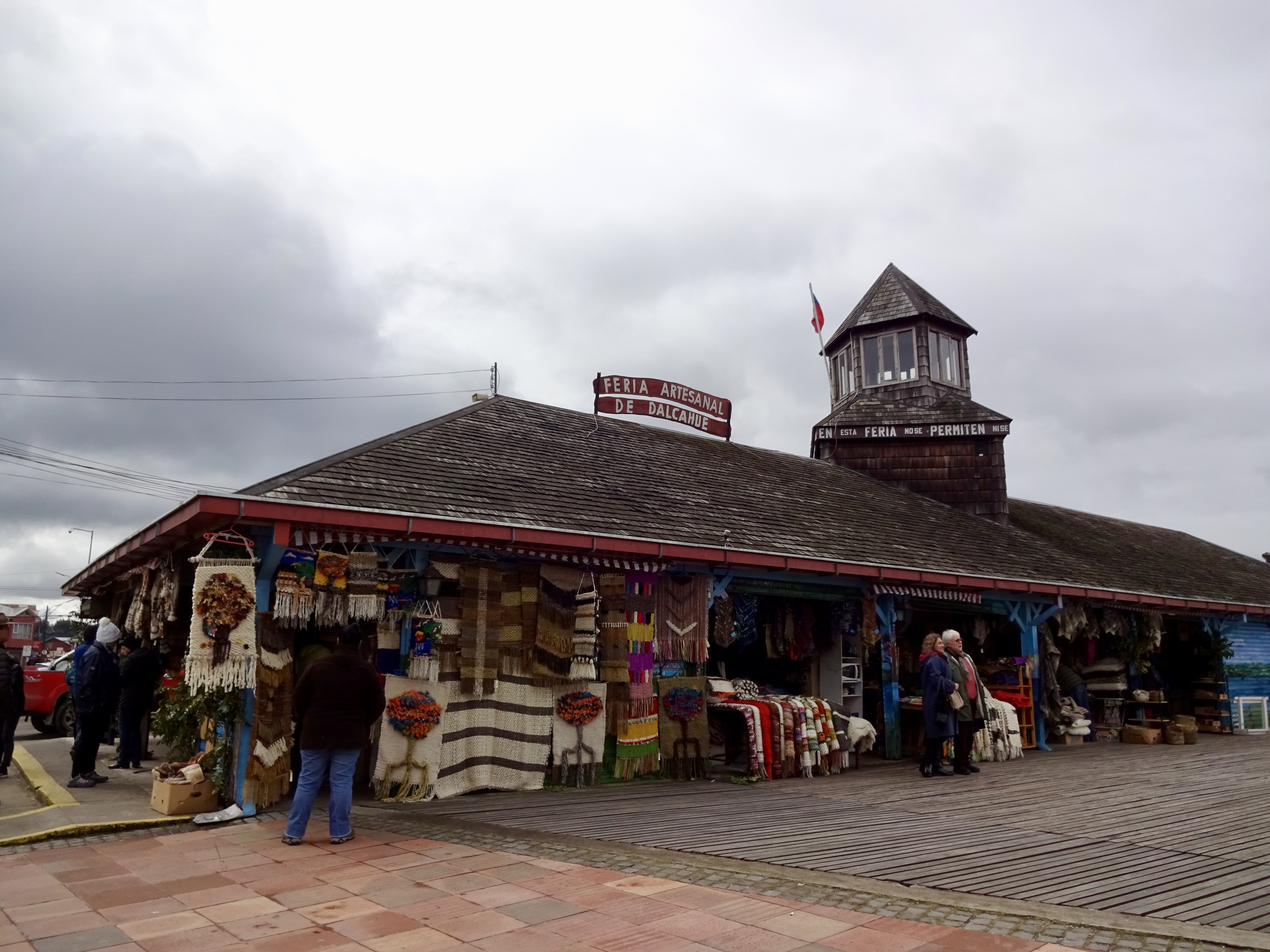
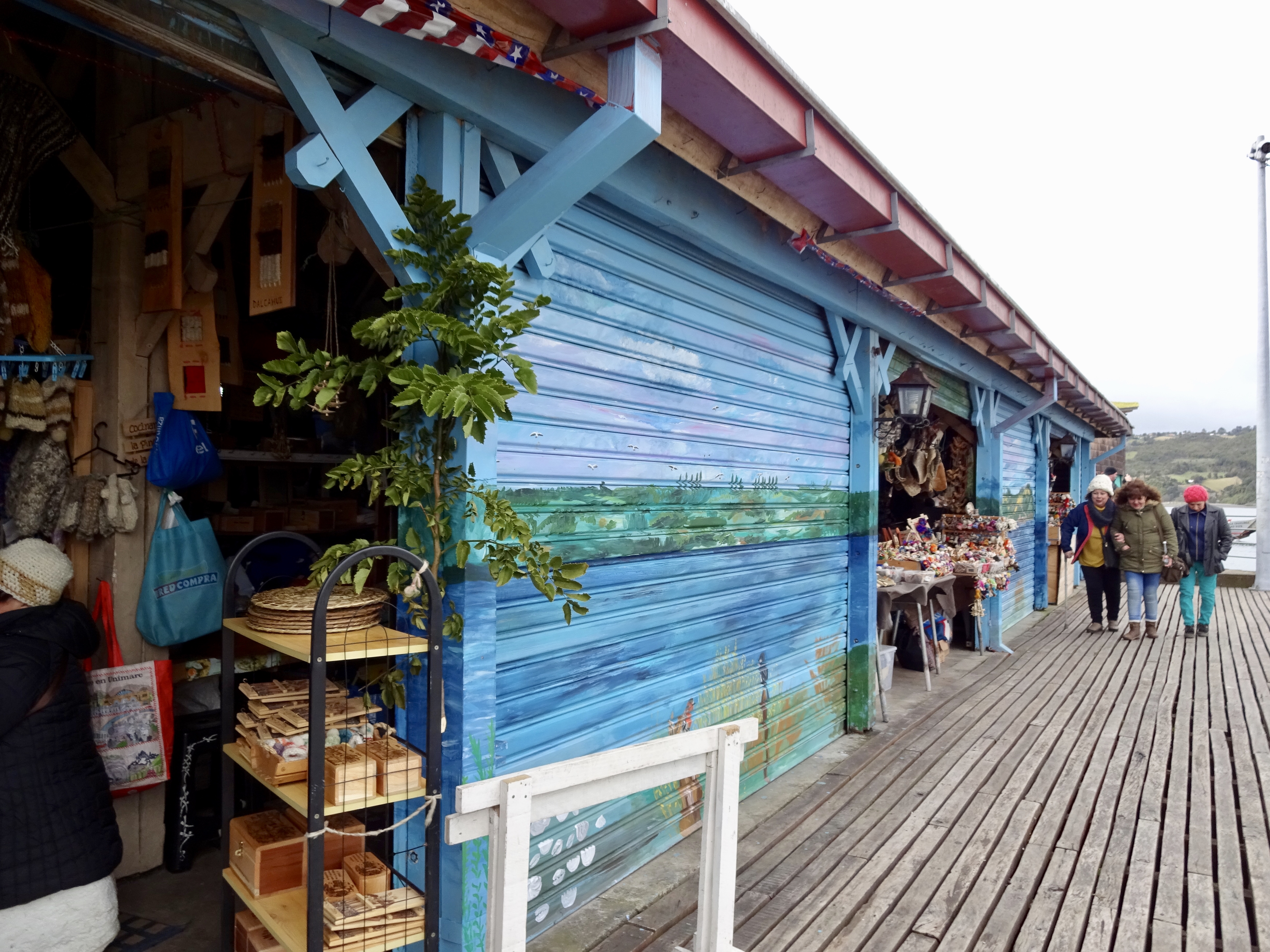
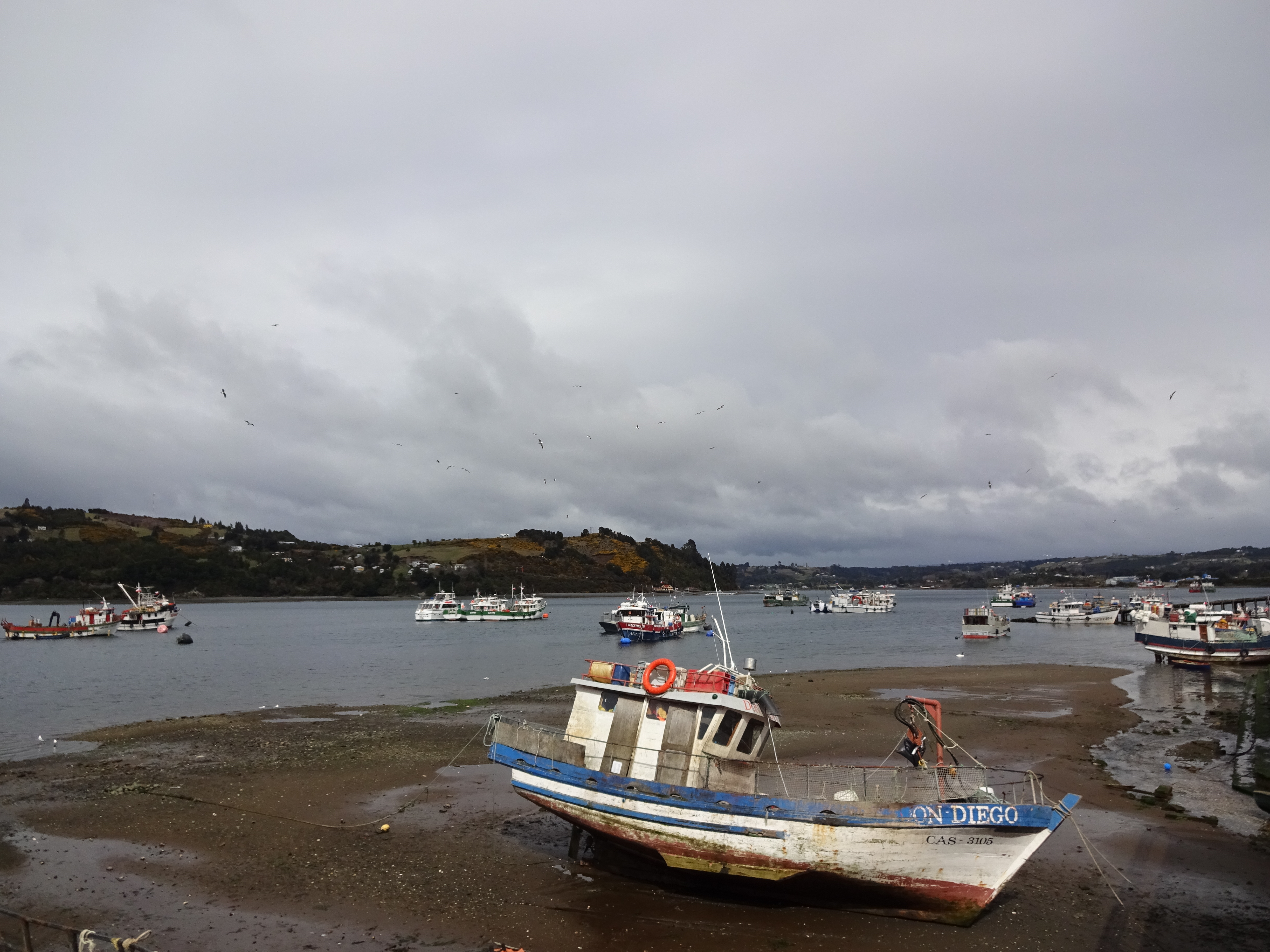
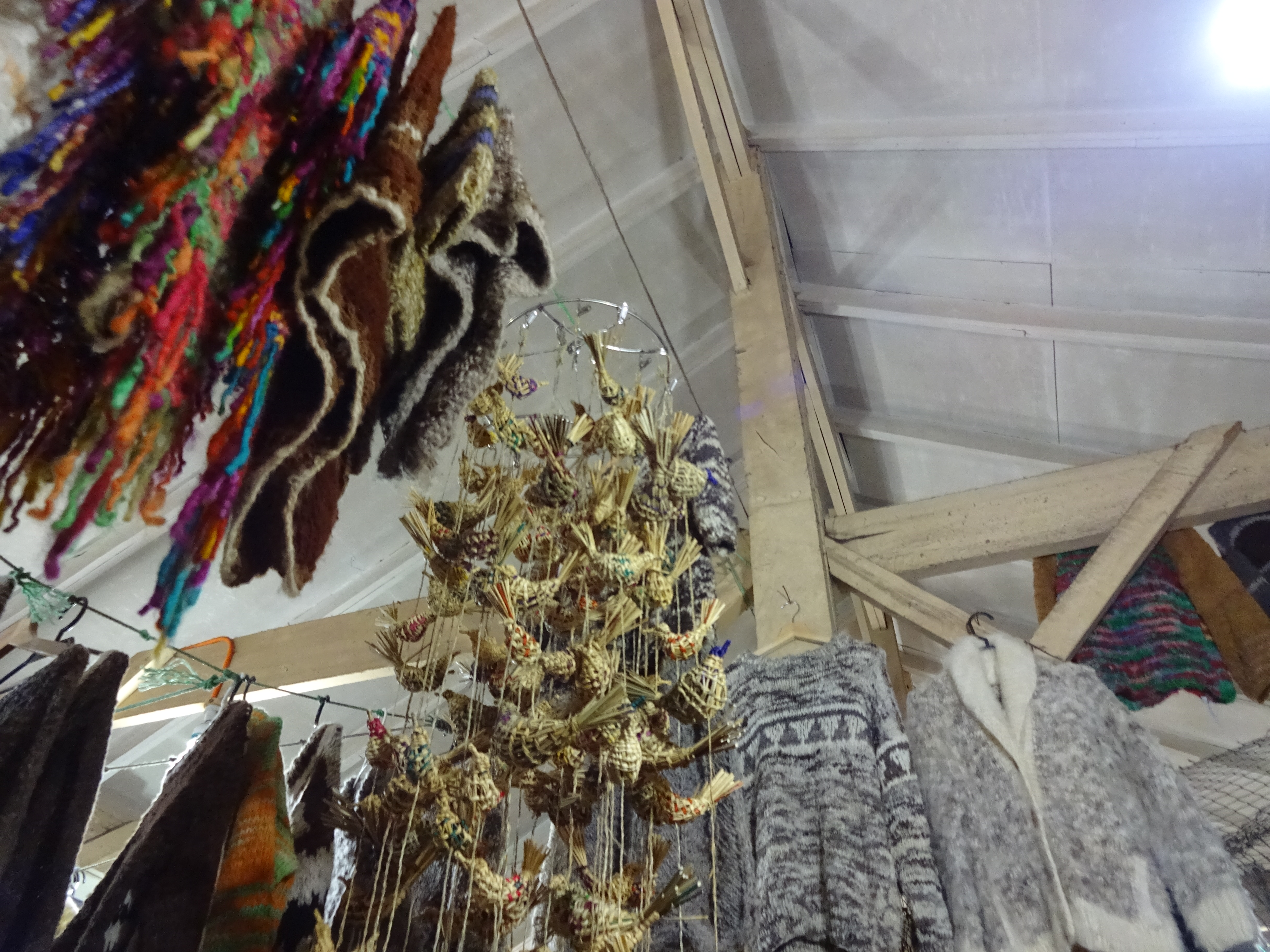
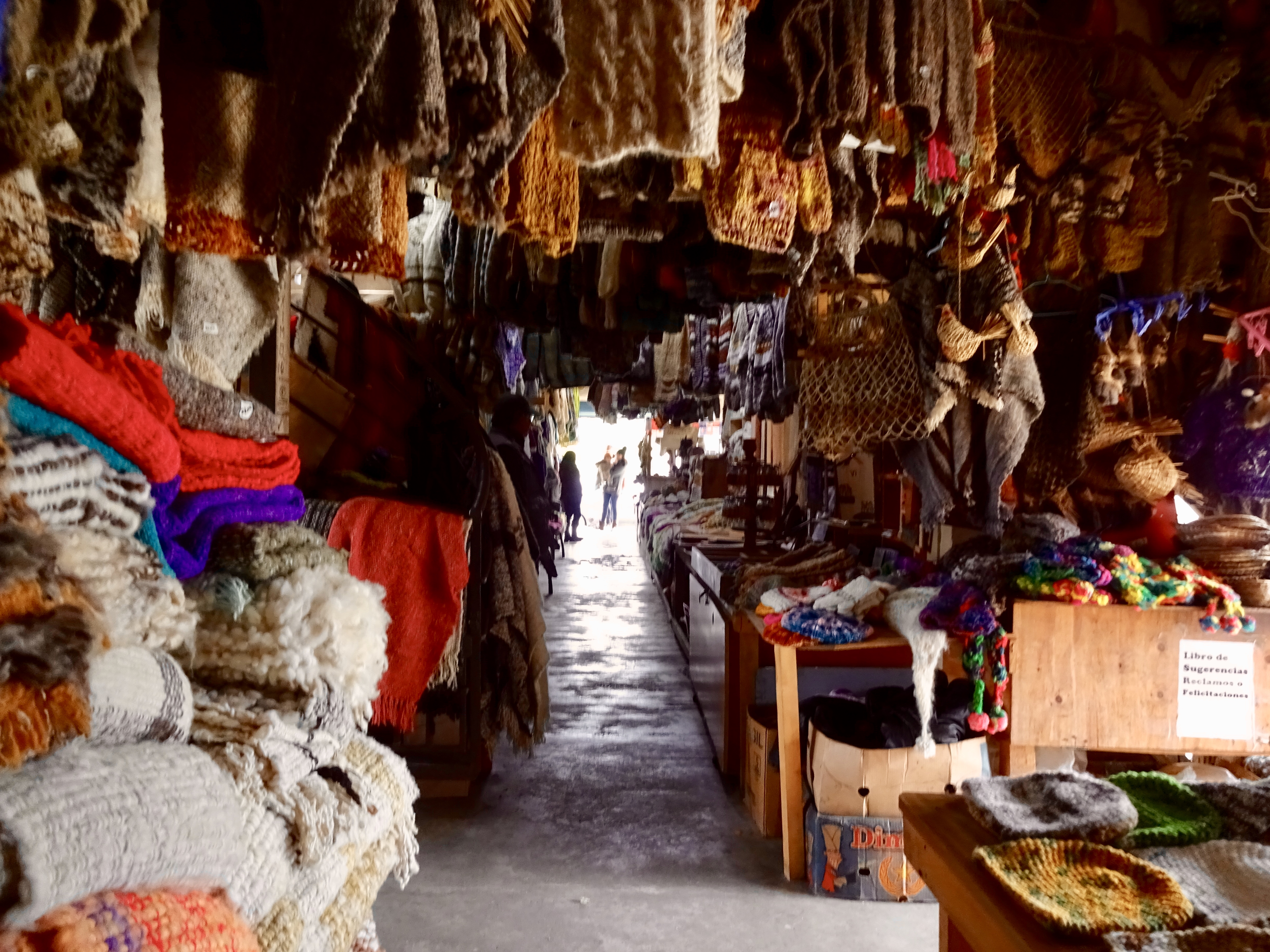
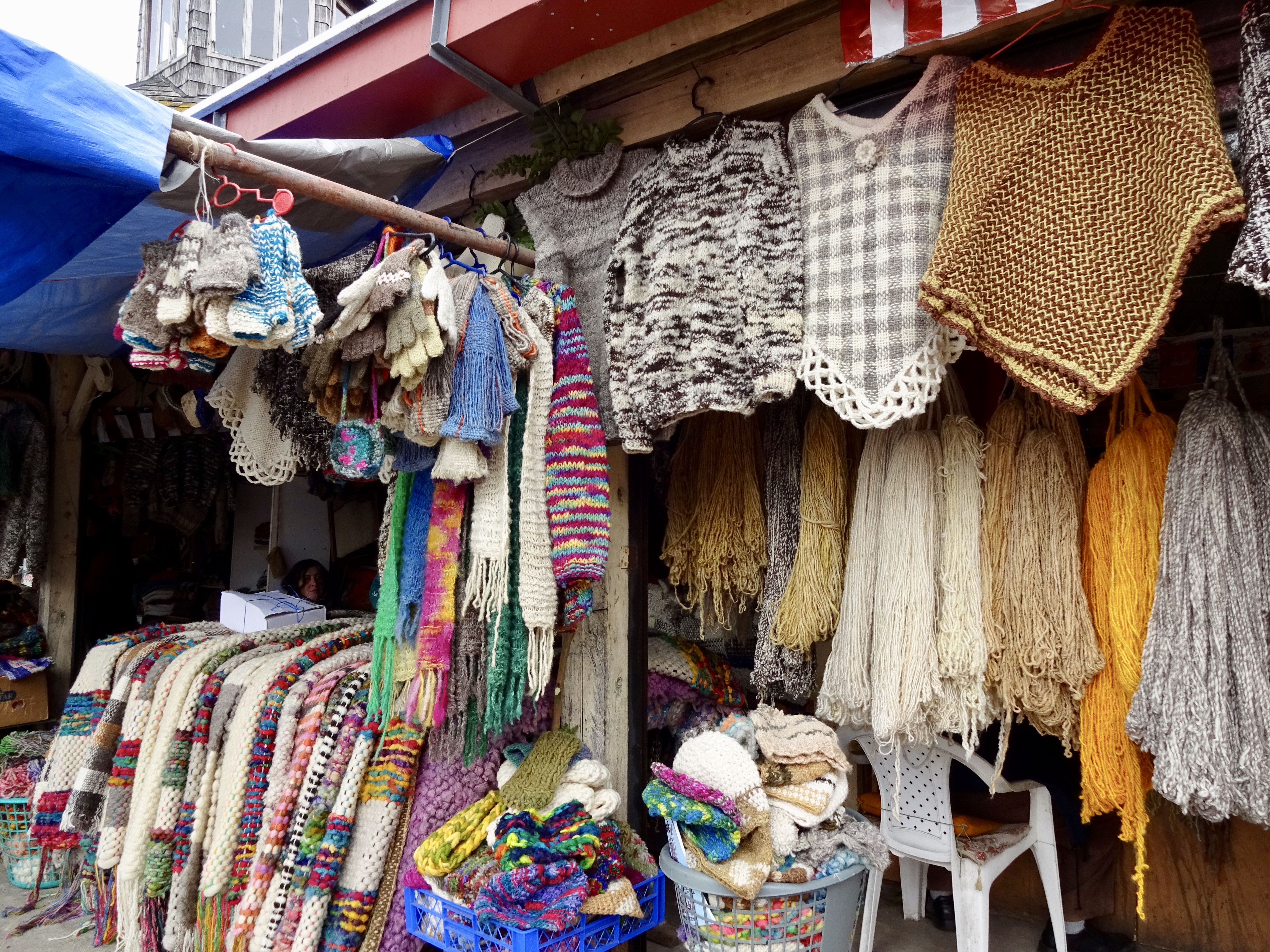
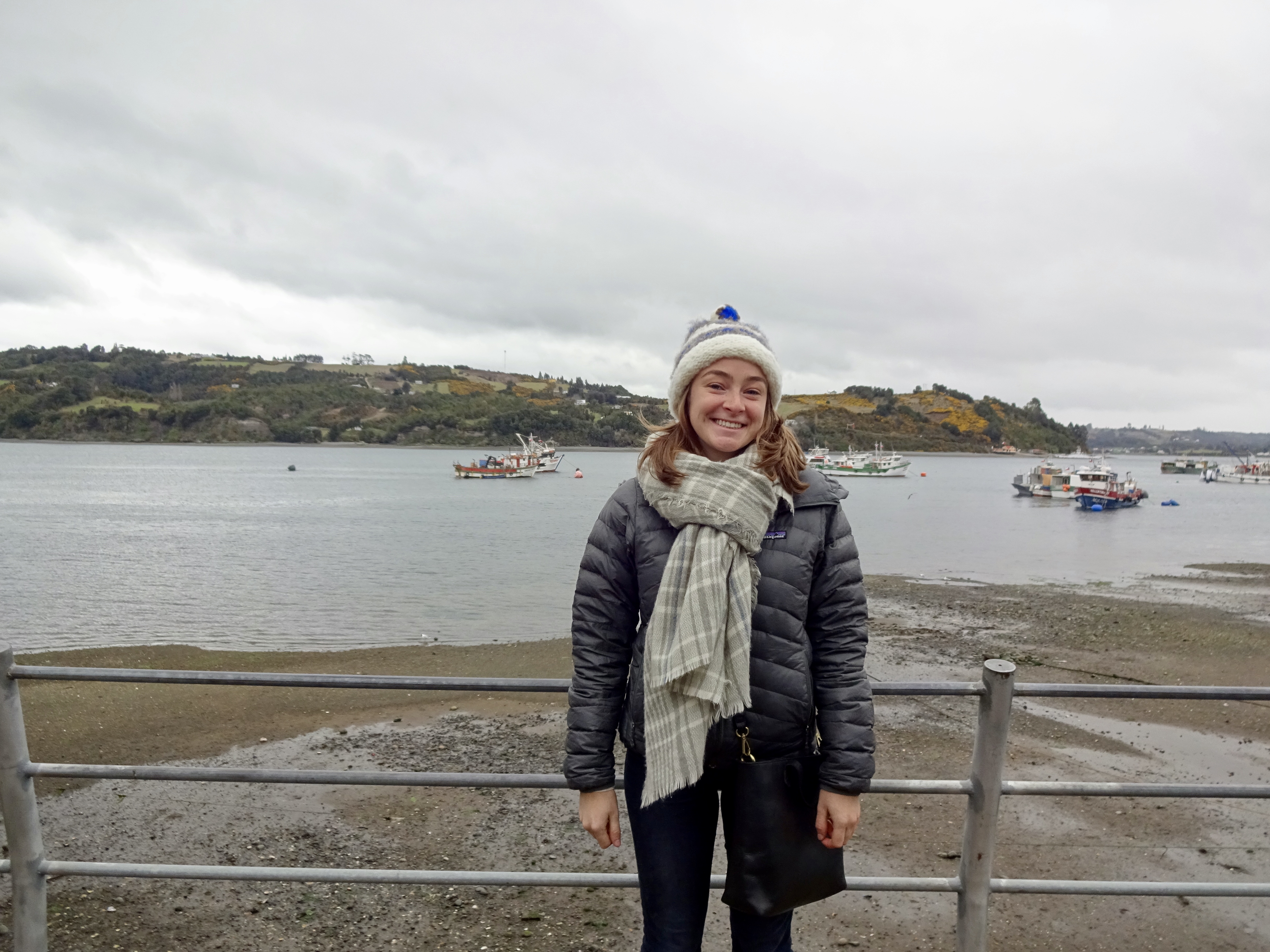
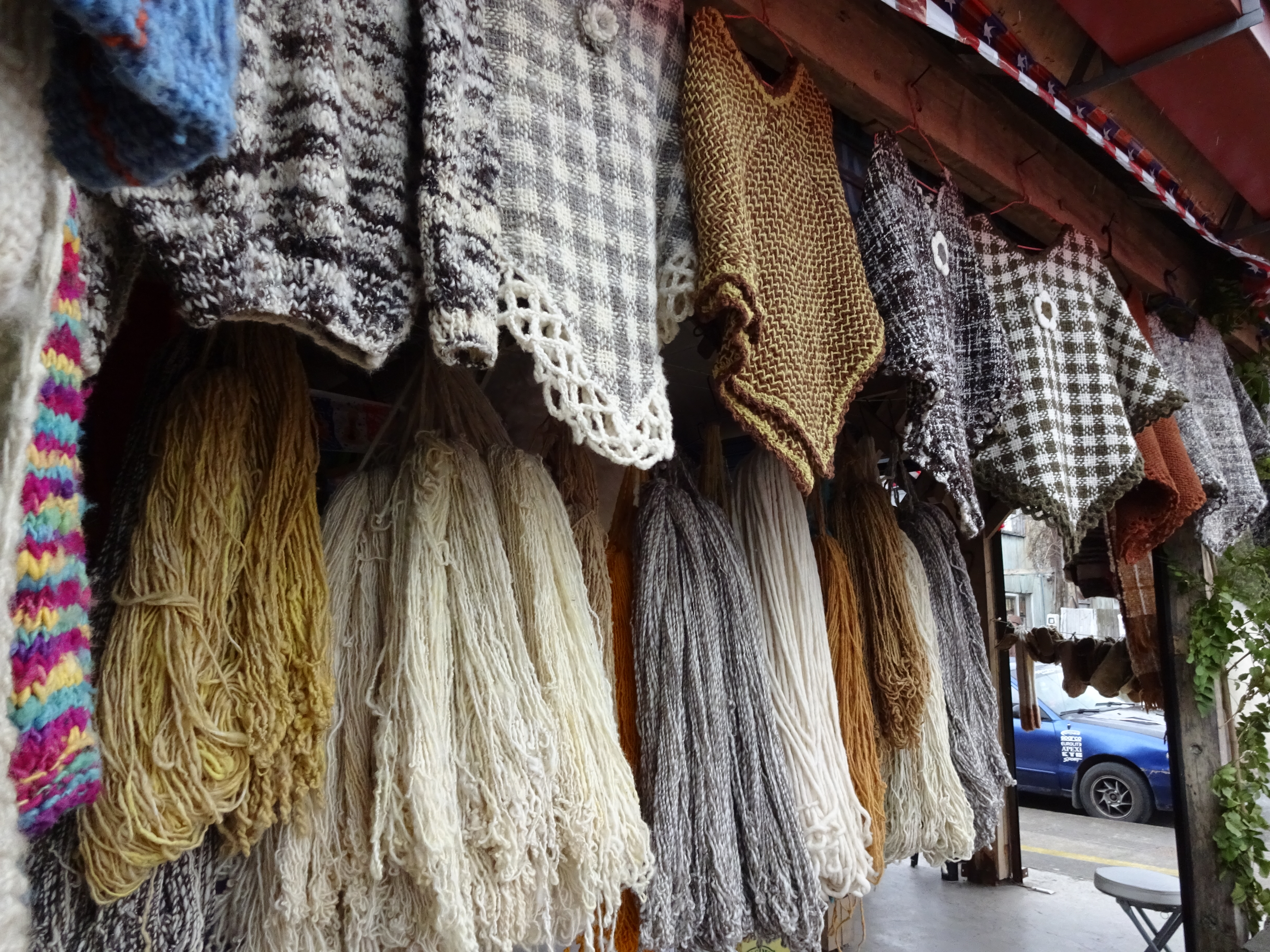
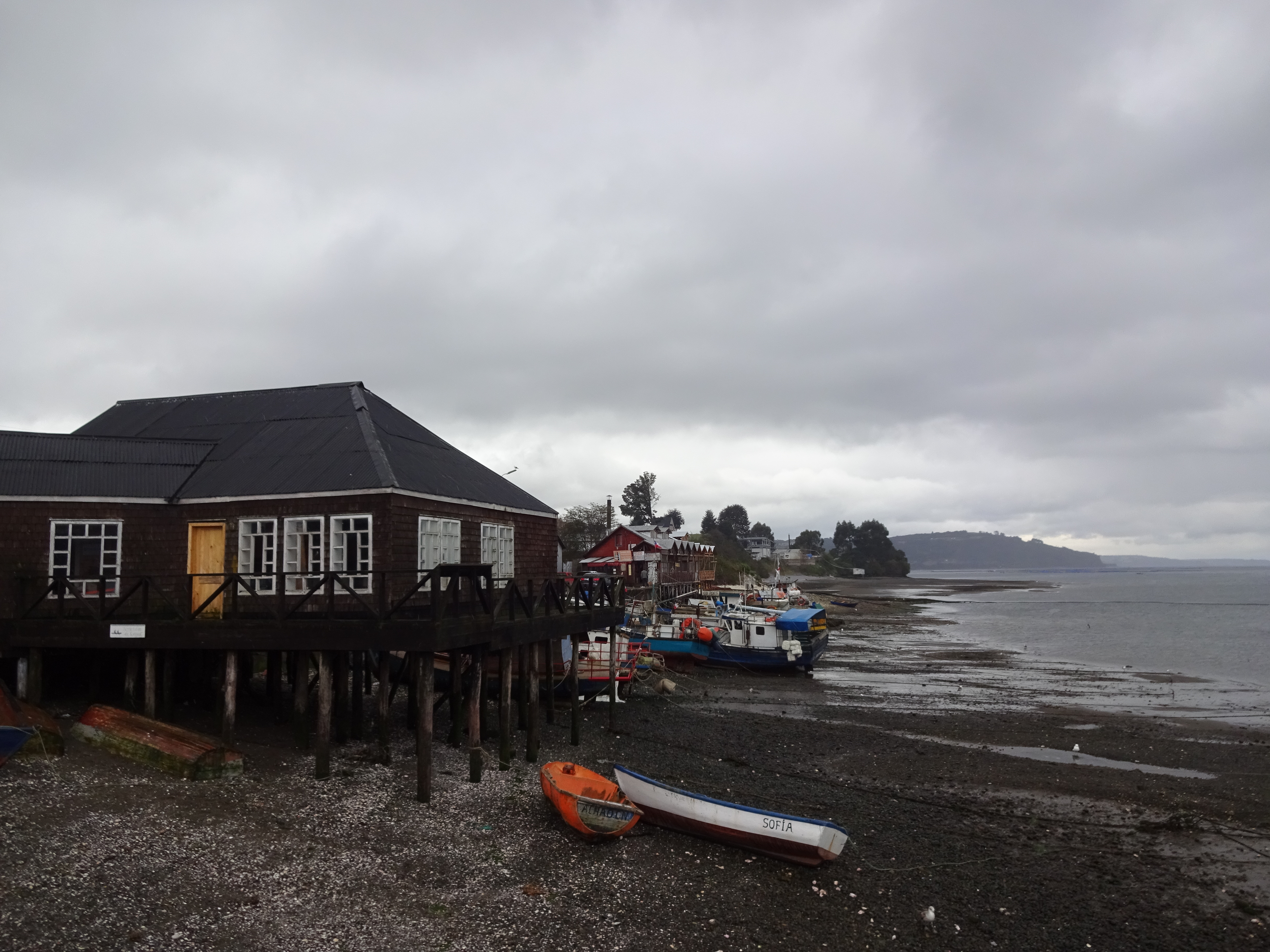
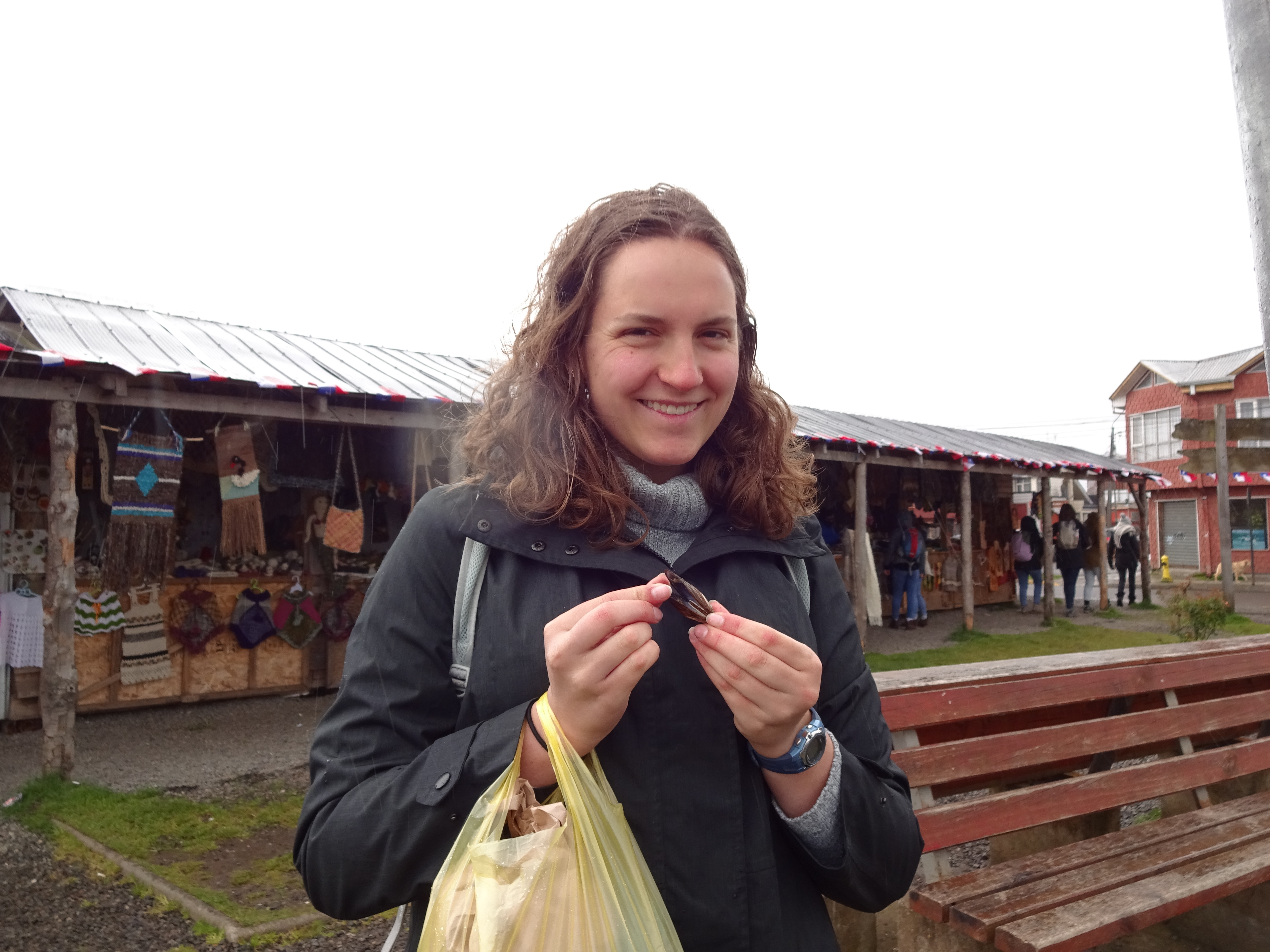
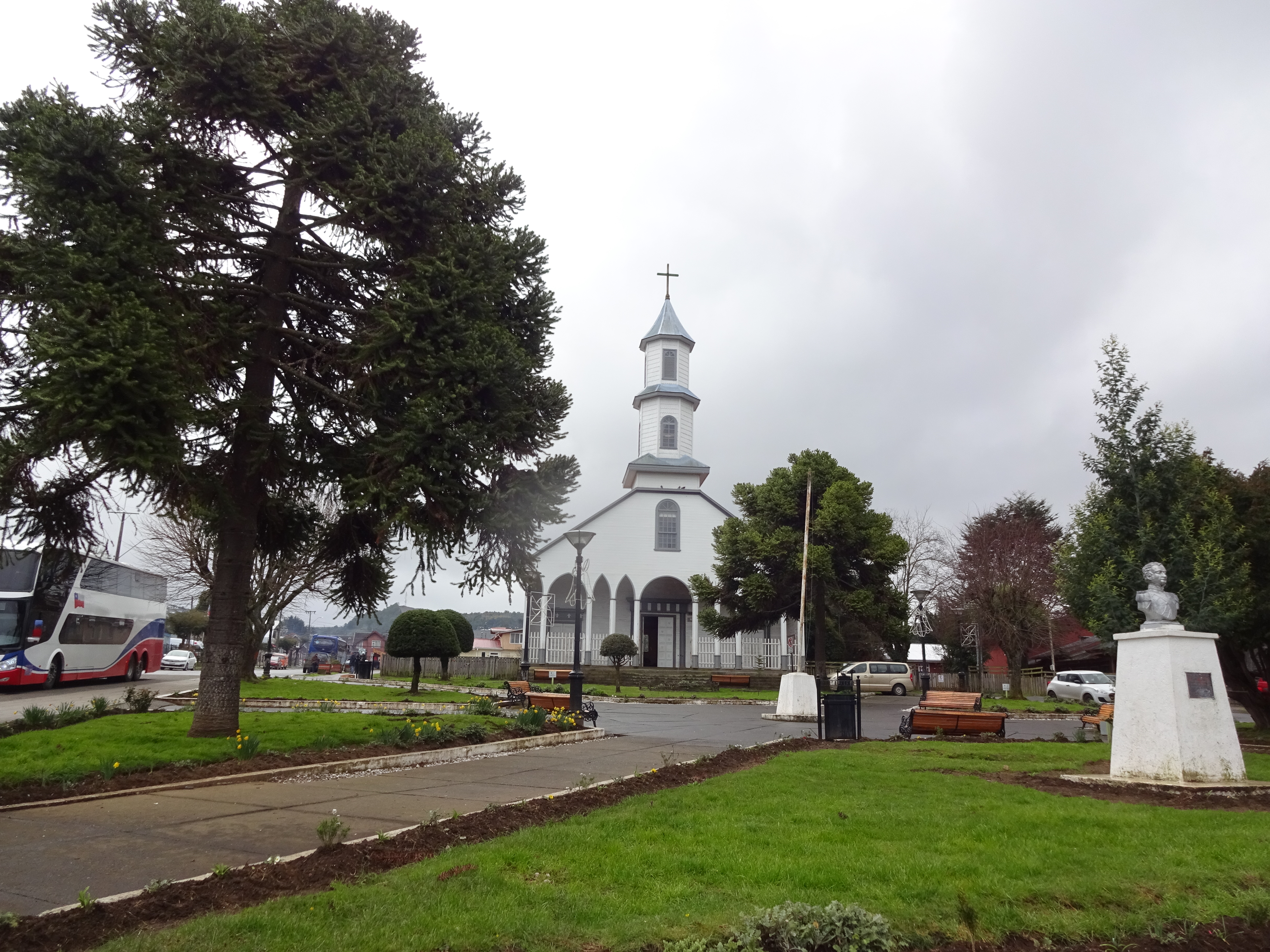
The next day, Kelsey and I went to find coffee (sort of hard to come by in a tea country but we found some) and during this search, a very nice shop owner told us about a “feria” in the next town over -called Dalcahue- that we needed to visit. We figured out the local bus and found said (adorable) market where we all bought souvenirs from Chiloé (so much wool) and looked around the town for a bit! After that, we took the 20 minute bus back to Castro and found a boat tour around the bay, which was an awesome way to end our first full day!

Photos from day 2! Feria and boat tour included 🙂

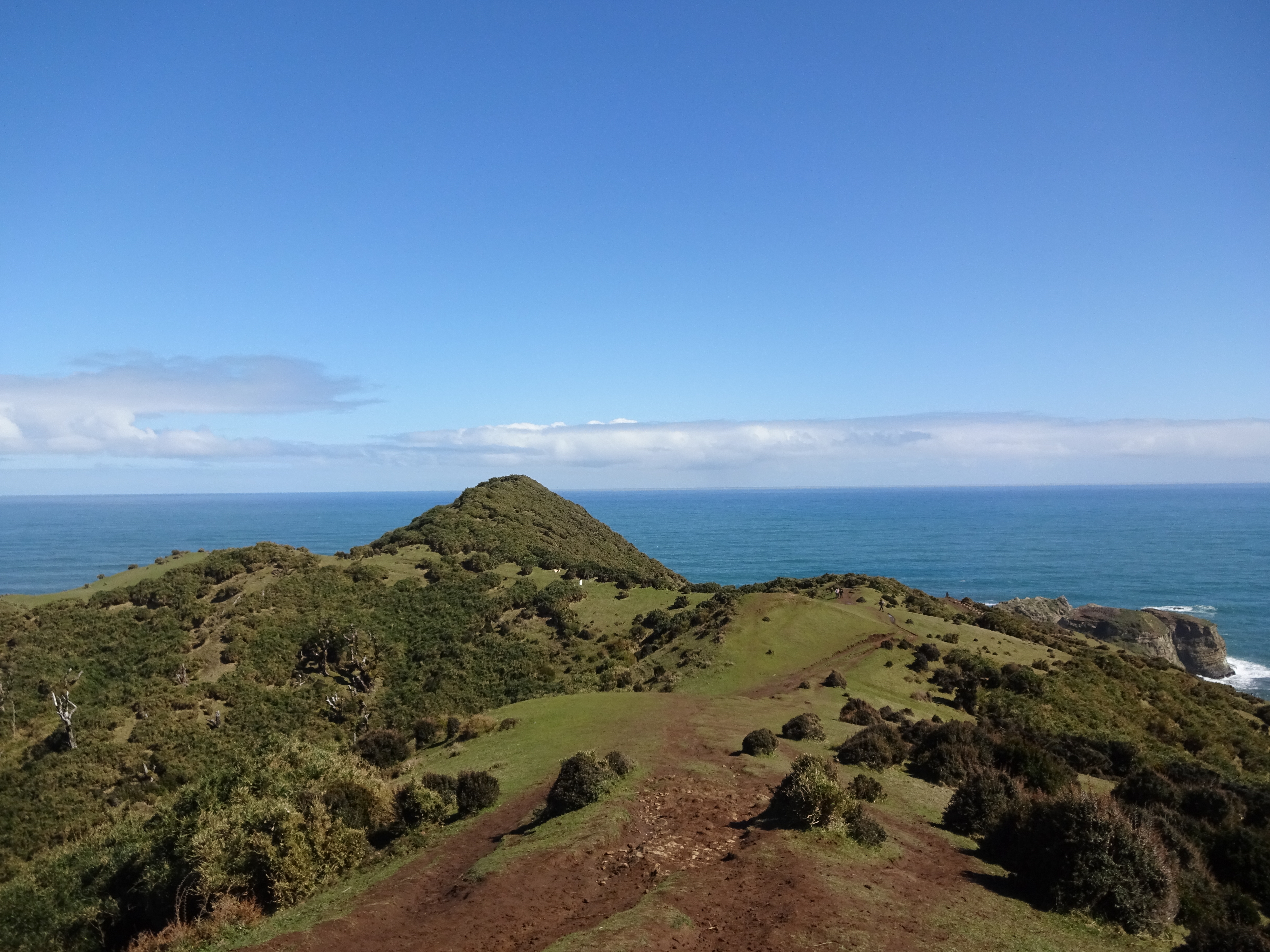
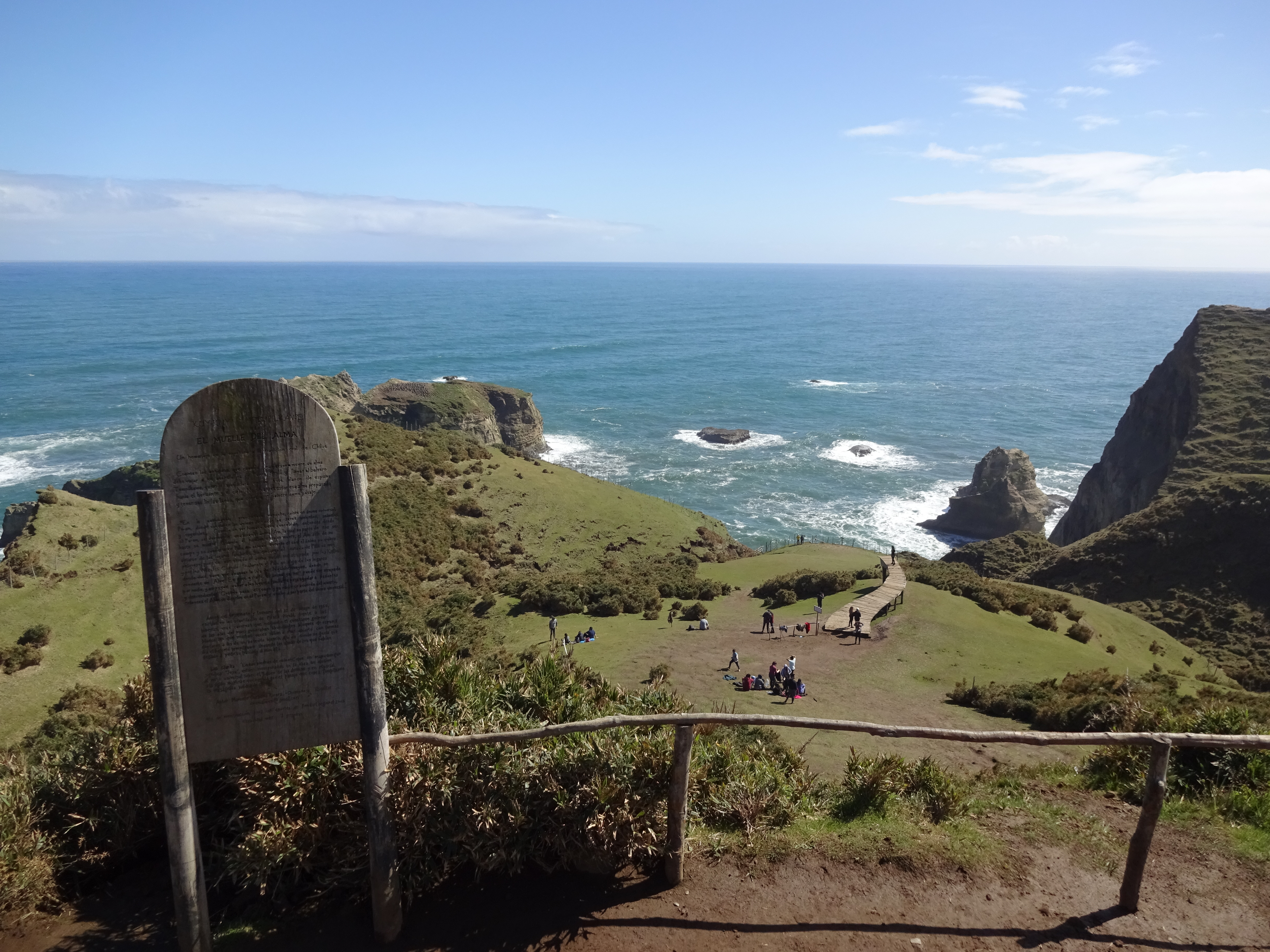
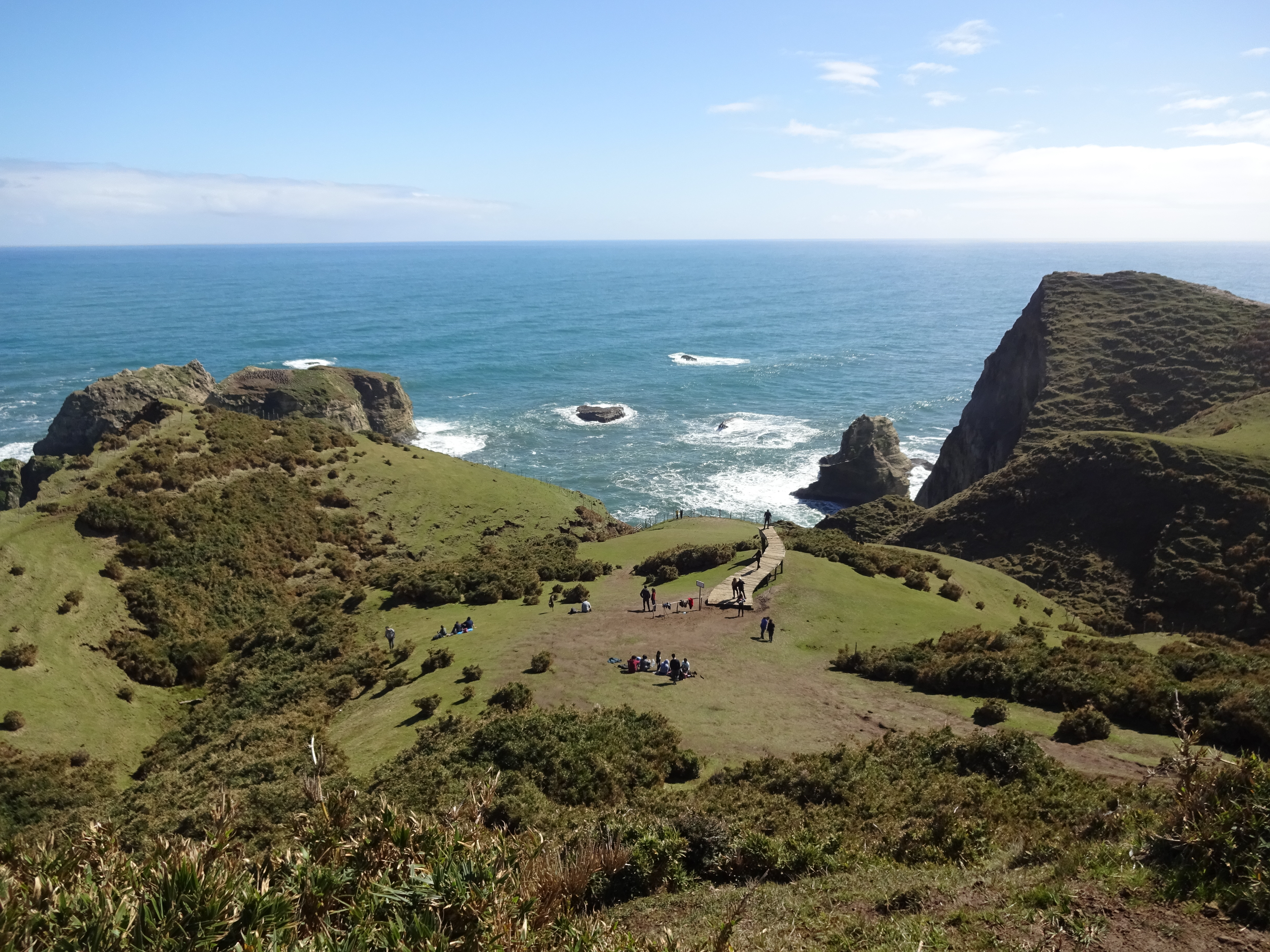
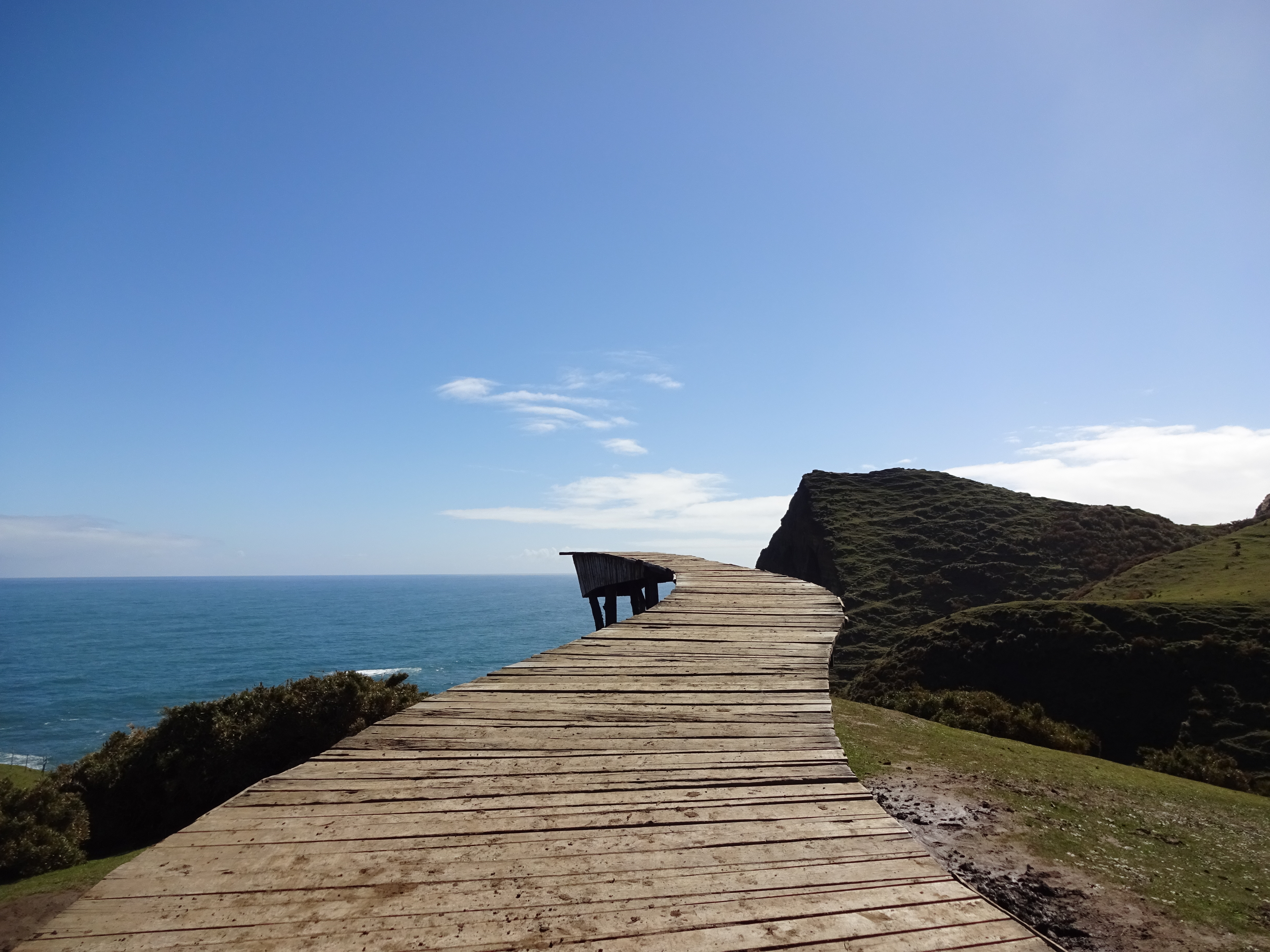
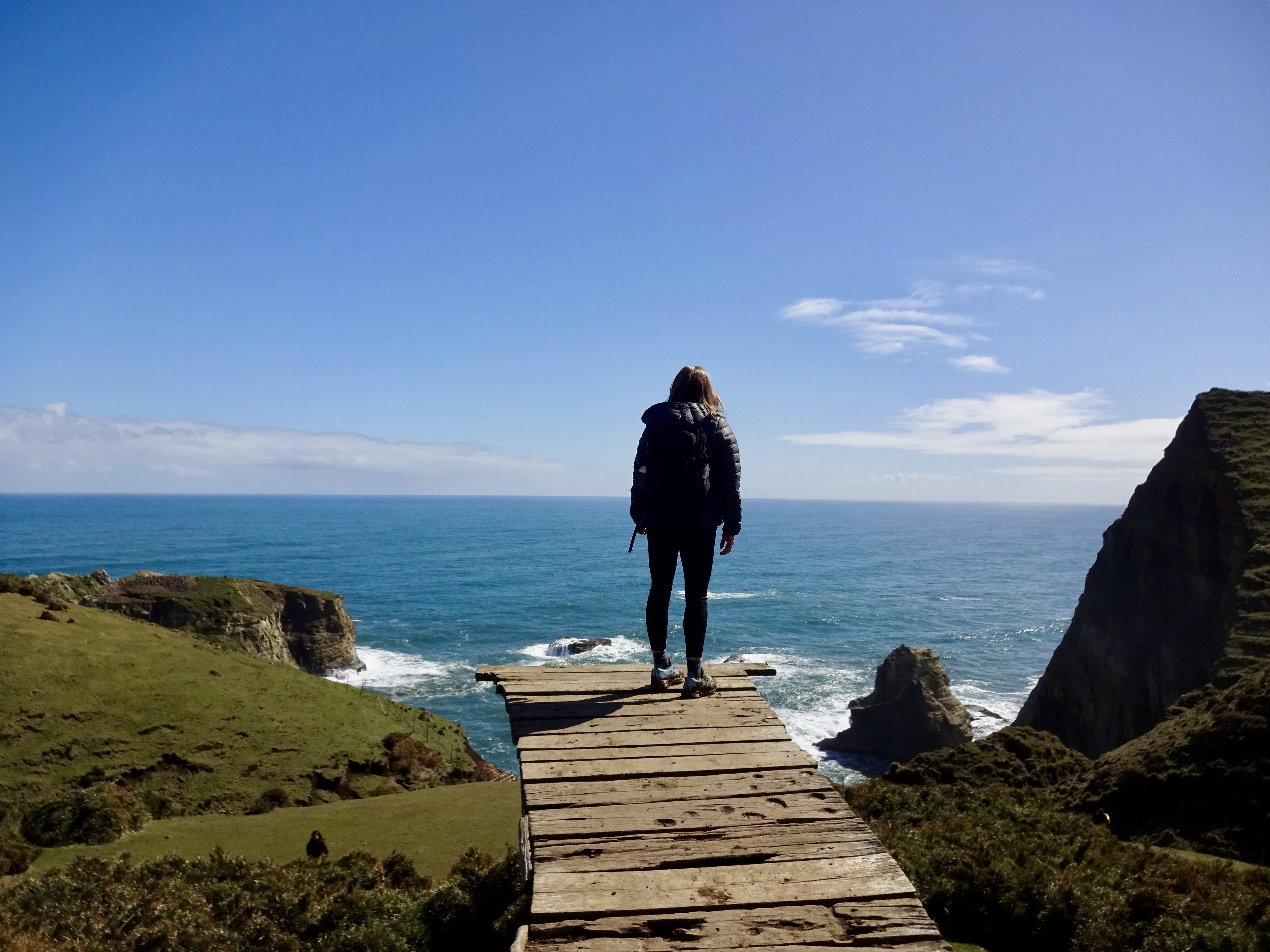
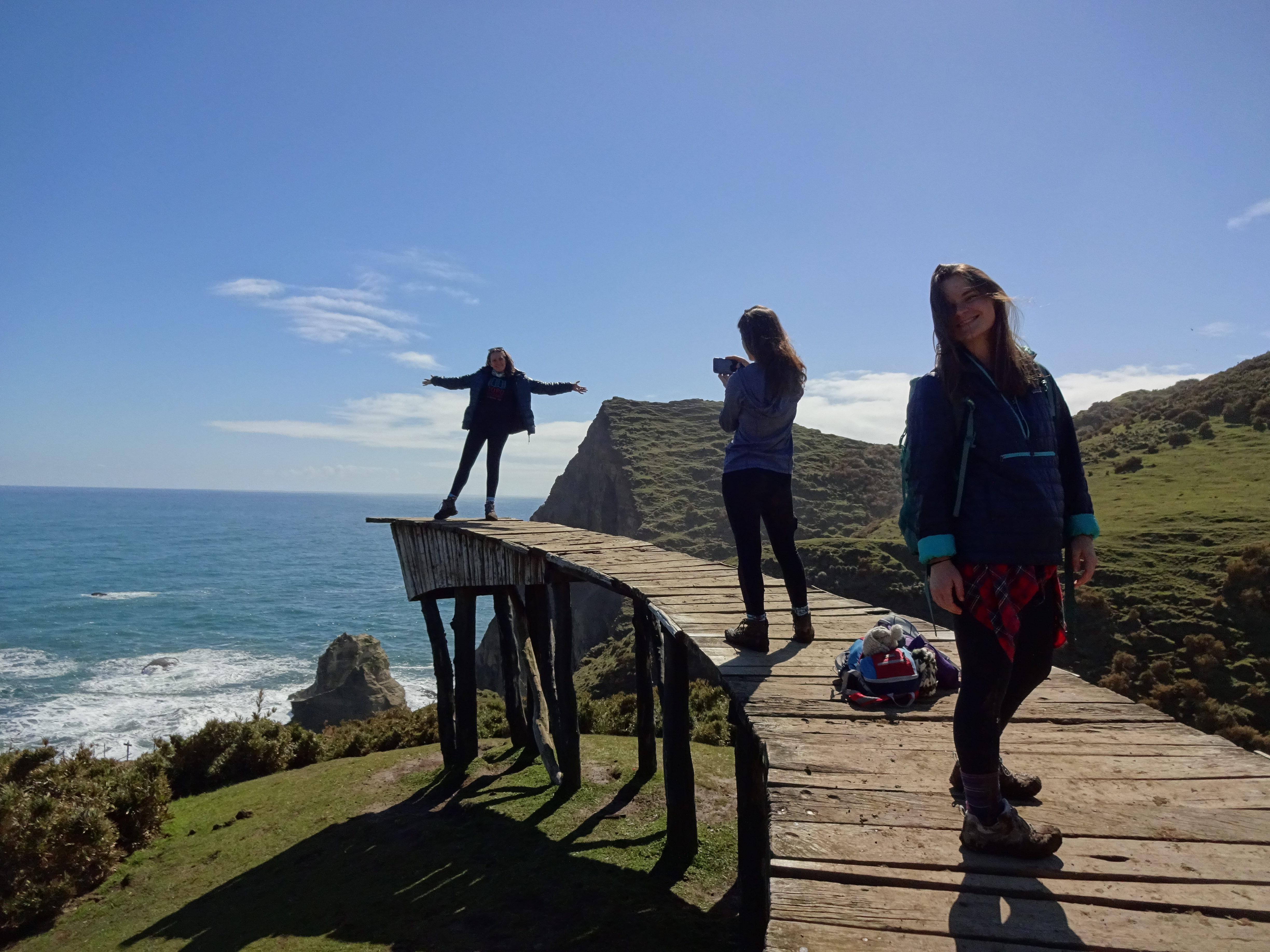
Day three – Saturday. This was our biggest “exploring day” that we had planned before, which included a bus ride across the island (to the Pacific Ocean side) and a hike to an art installation that honored Mapuche (Chile’s indigenous people) oral stories tradition. This particular art installation is called “Muelle de las Almas,” meaning Pier of Souls. The story goes that there is a pier where your soul goes when you pass away to get picked up by an angel to bring you to heaven, the afterworld, etc. I recommend looking up more of the stories if you are interested!

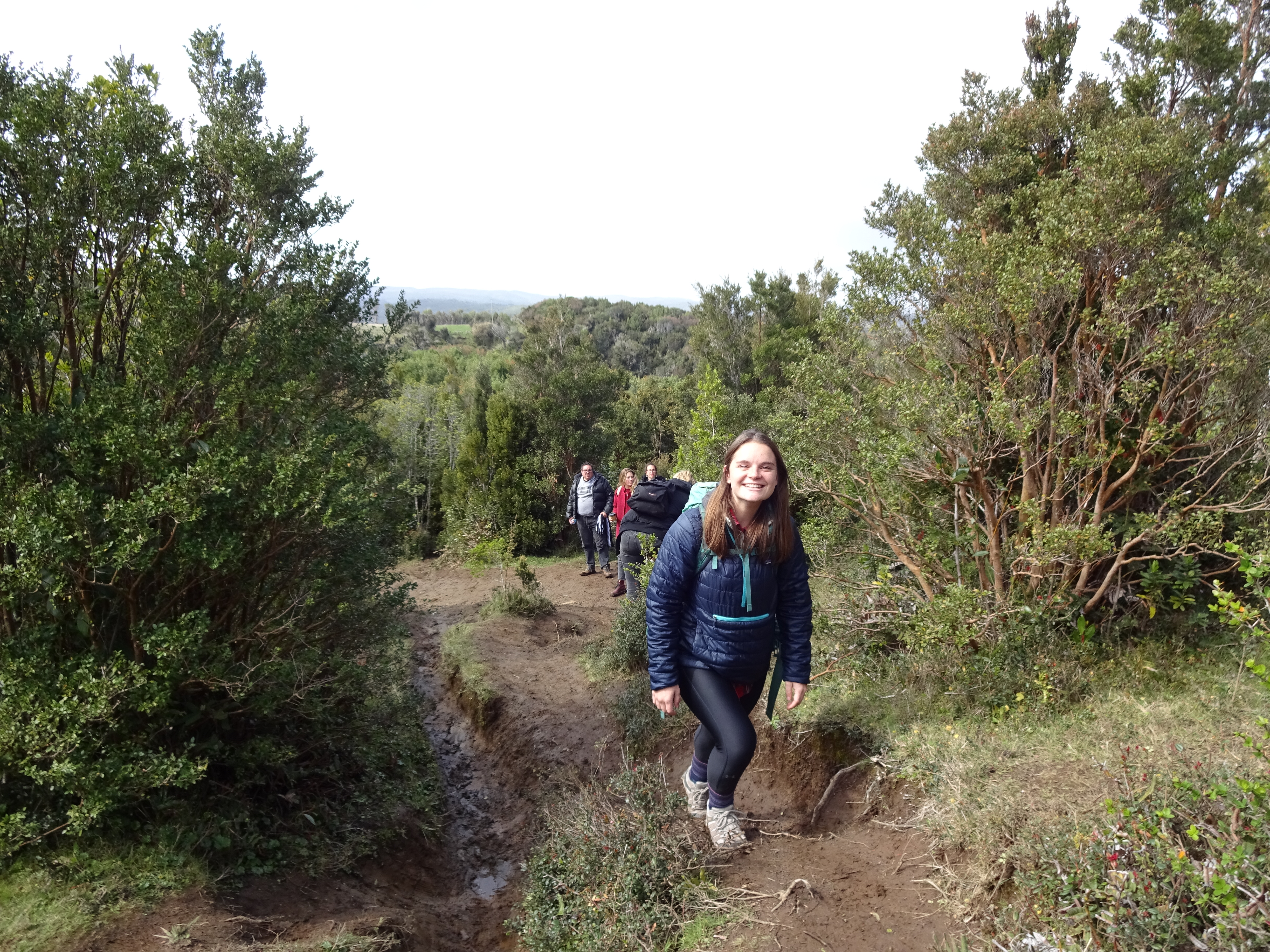
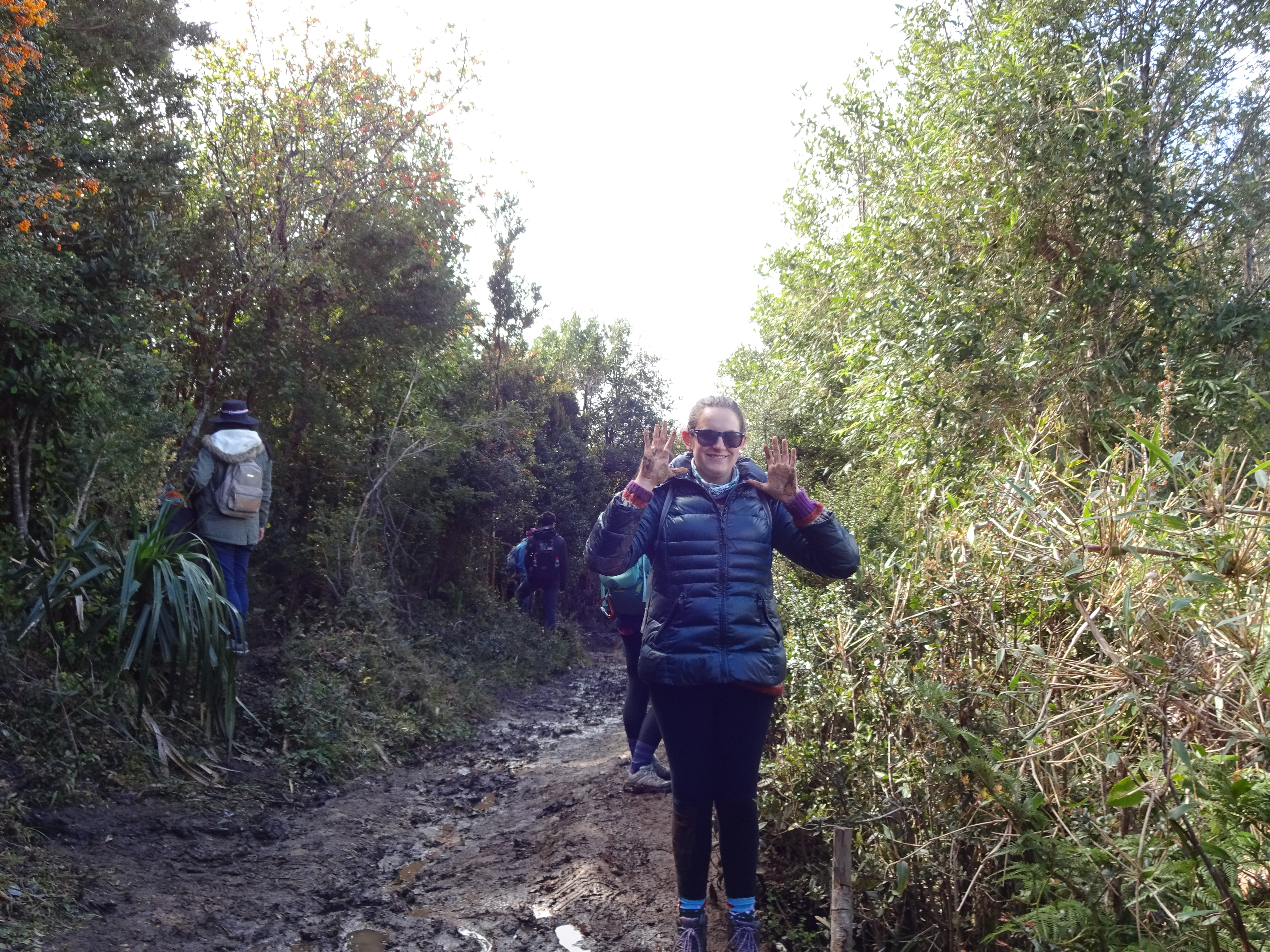
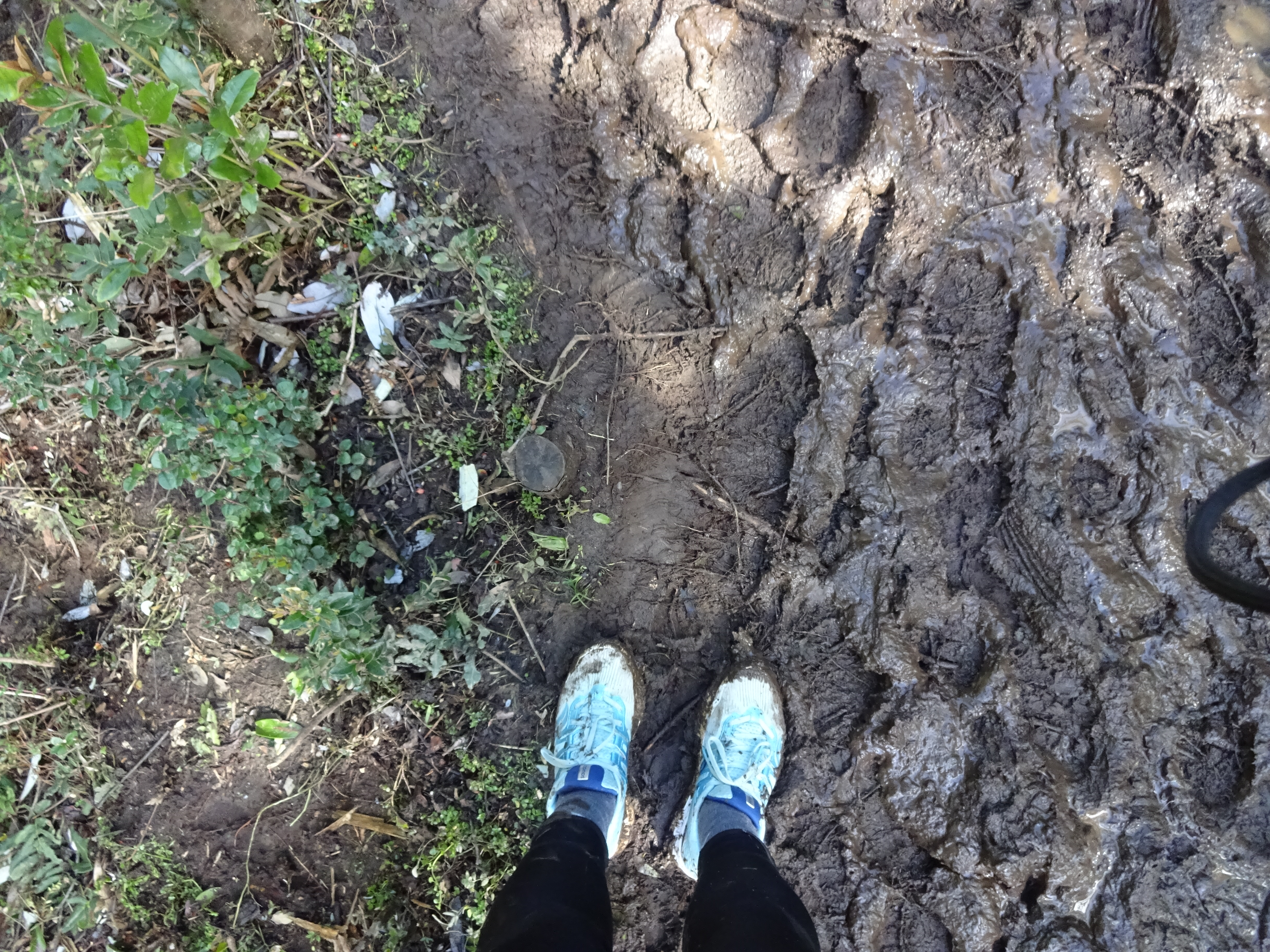
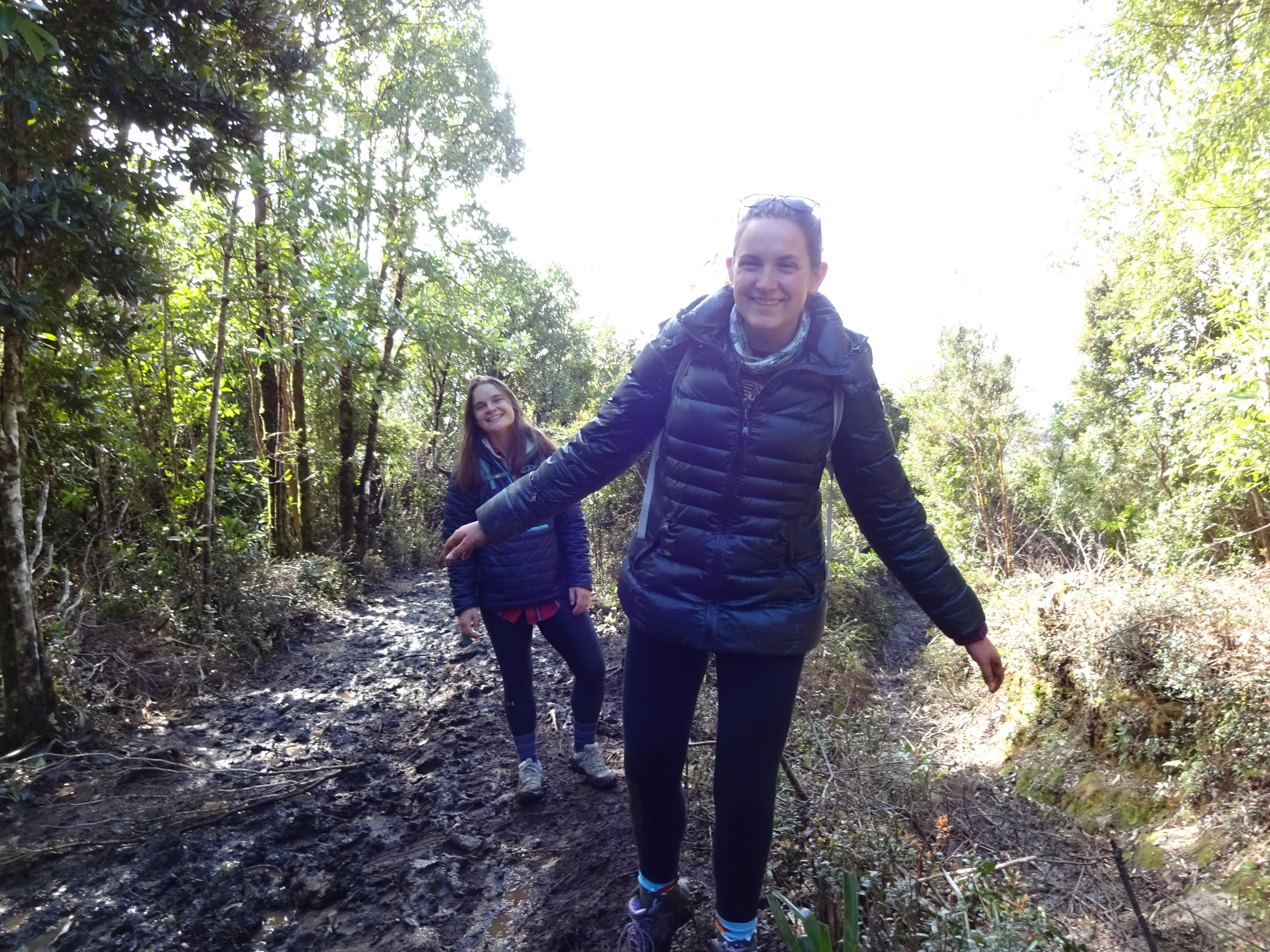
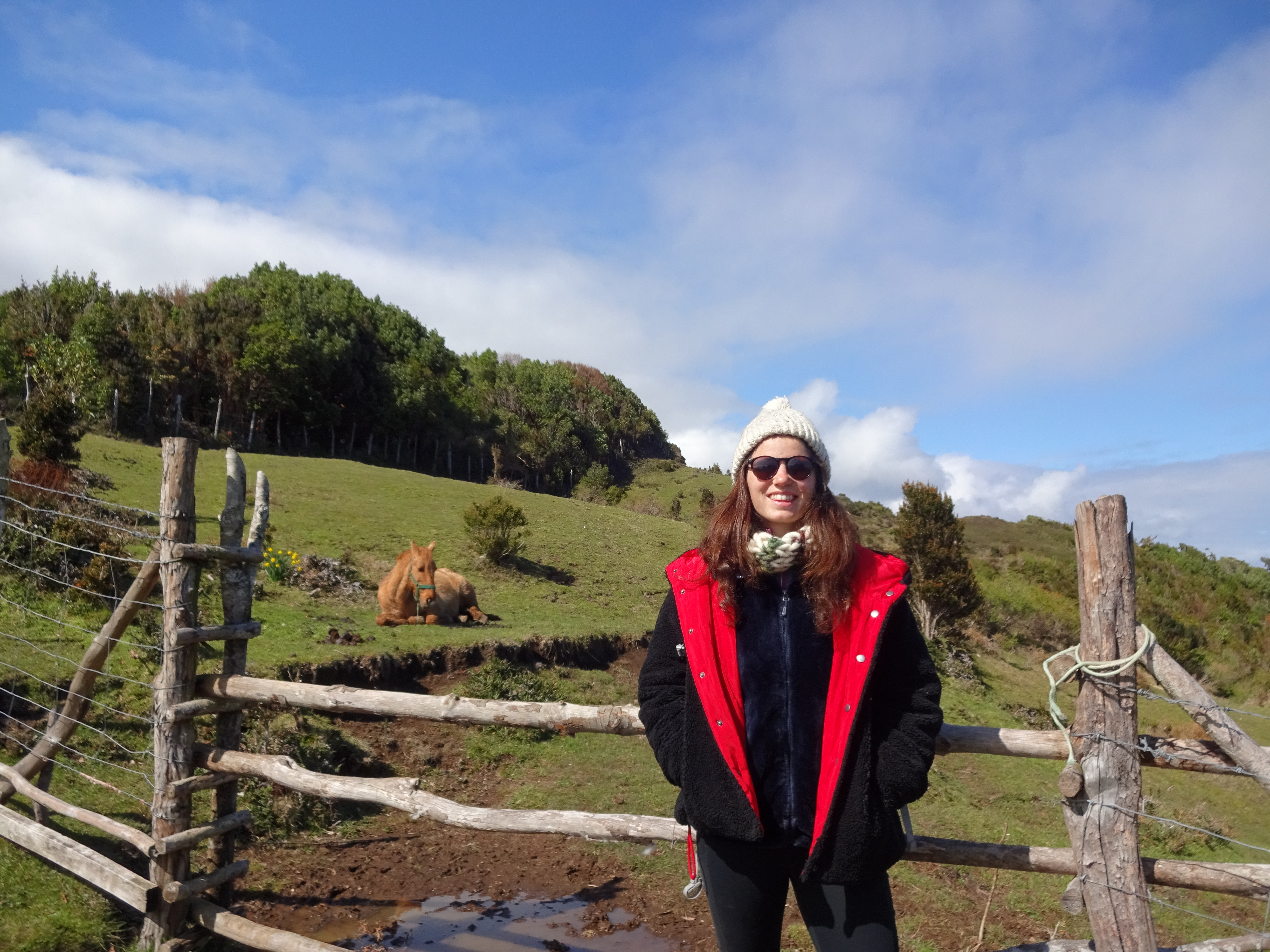
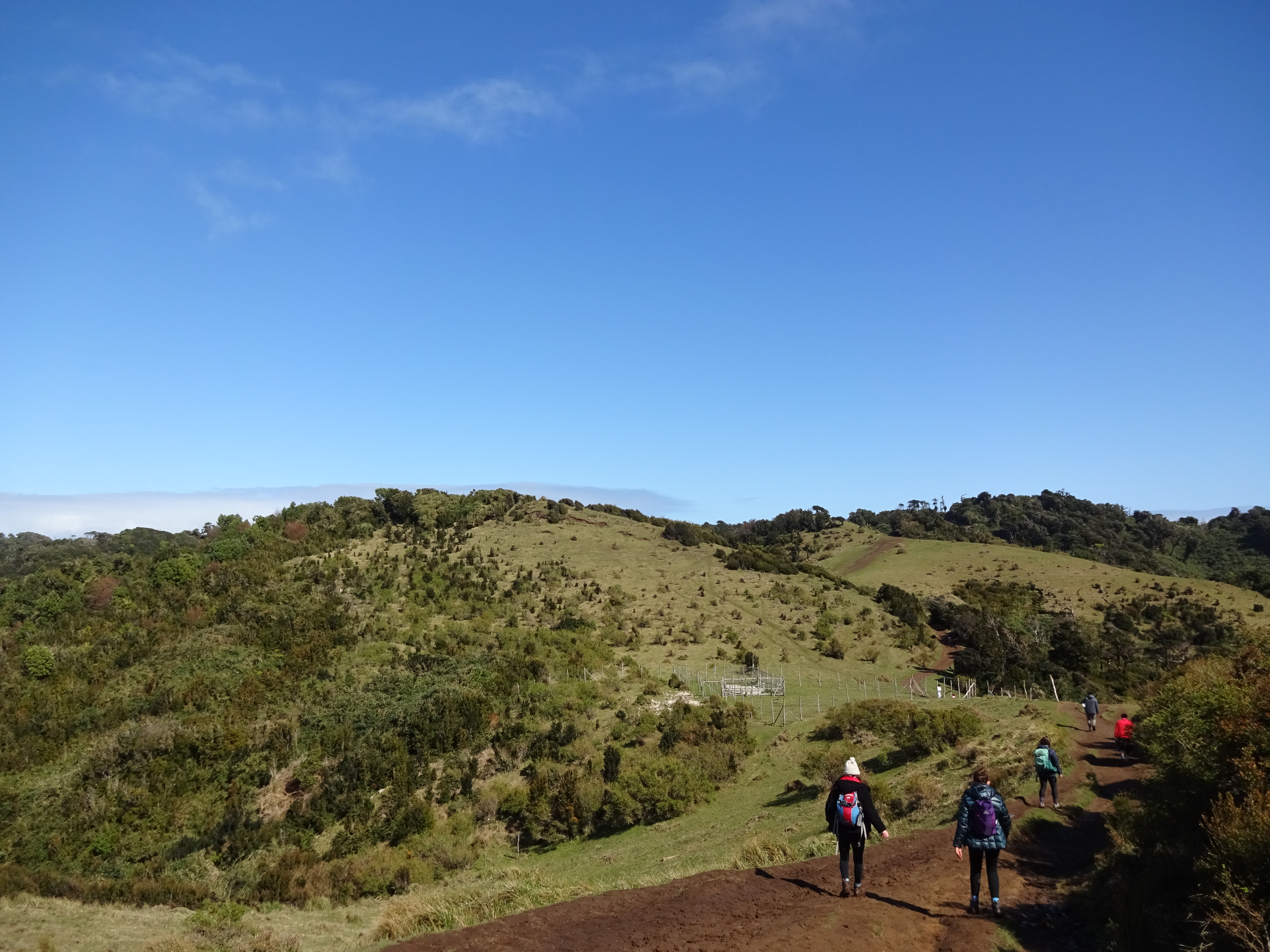
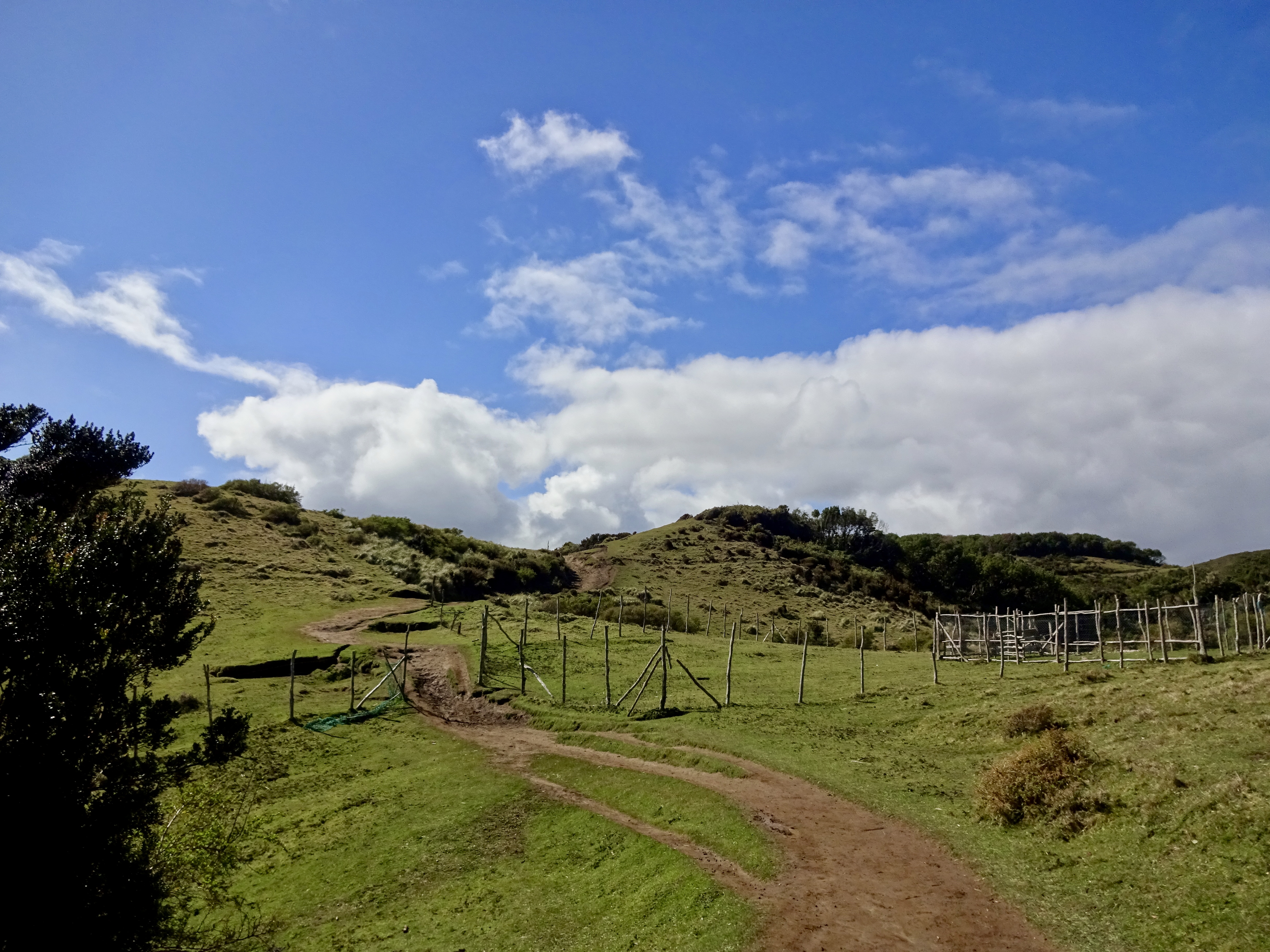
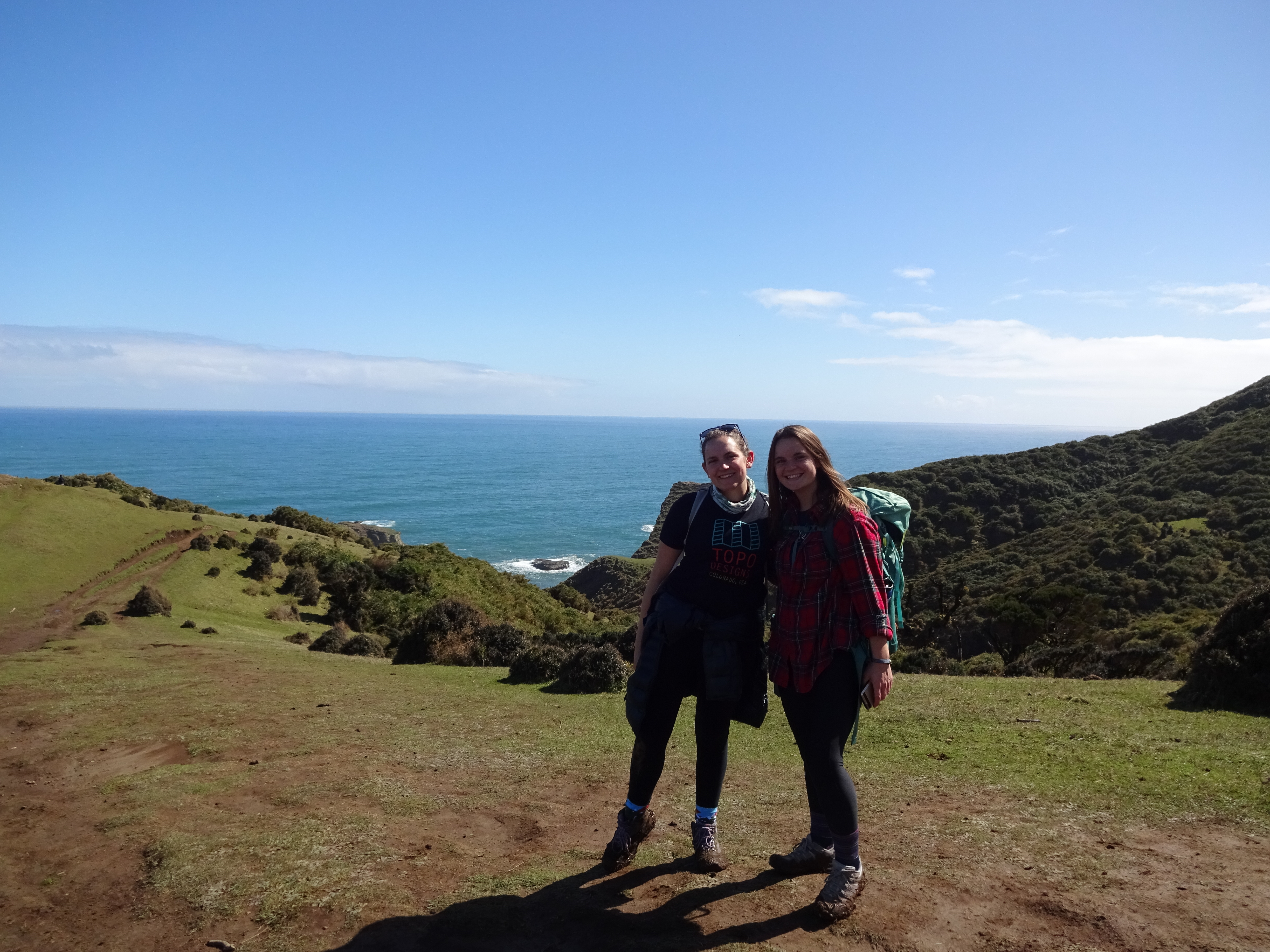
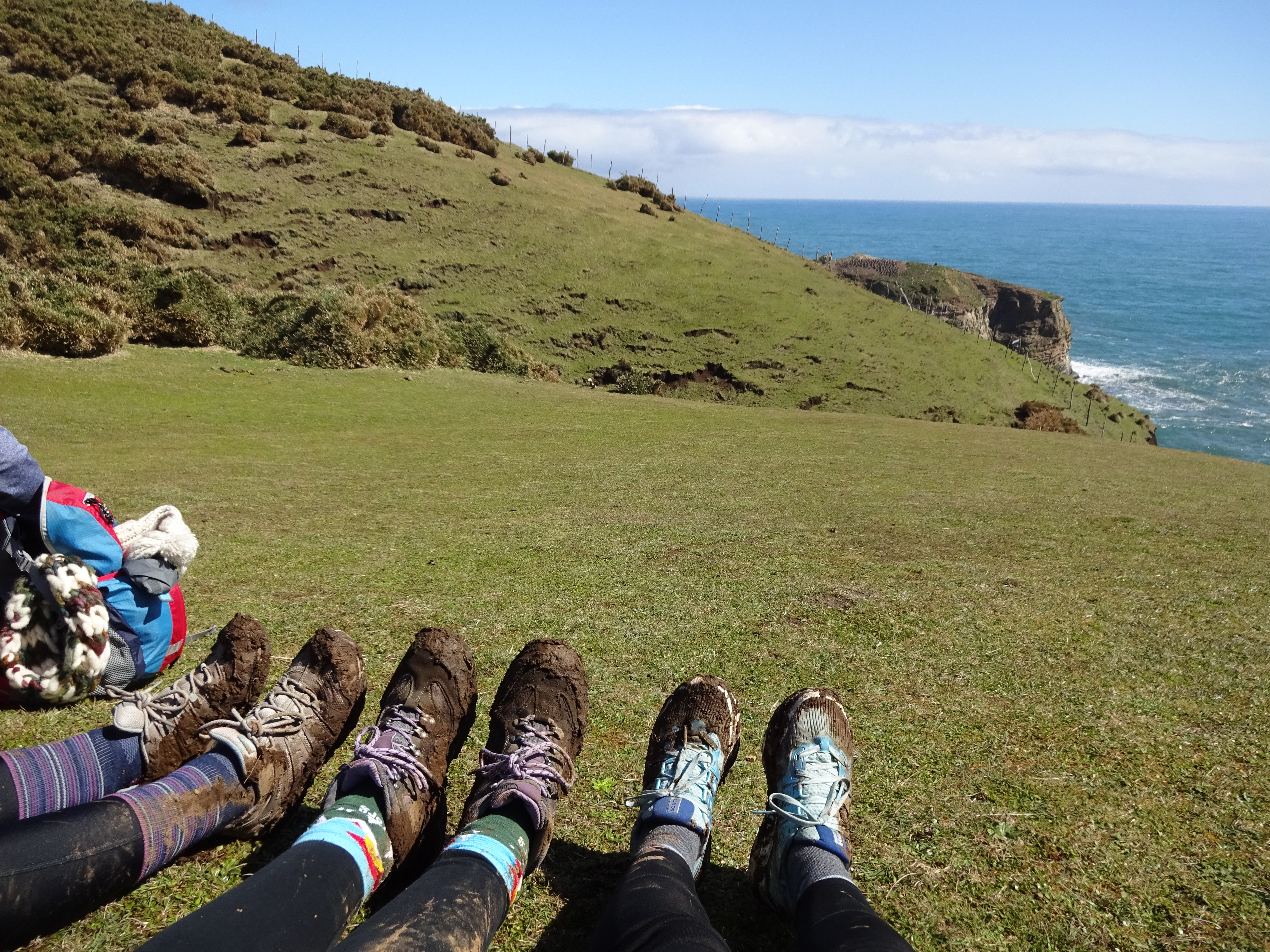
Anyways, the hike was absolutely gorgeous – it actually looked a bit like Ireland to me, even though it is about the farthest from there that you can get – ha ha! It was so incredibly MUDDY and I will not lie, there were a couple of wipe-outs but overall it only added to the fun and adventure of it! We ate our lunch of sandwiches, bananas and chips when we finally got to the Muelle, and then headed back the way we came from there. Altogether an amazing day!

Muelle de las Almas hike!

Sunday was the day we had to take the bus back to Puerto Montt for our flight the next morning, so we said a sad goodbye to this incredibly special island that we had found.

However!! Our vacation got a bit longer than we expected, because when we woke up Monday morning, we discovered that our flight had been delayed 11 hours with no reason why! So our Airbnb host drove us to the airport where we tried to get on an earlier flight, but when that produced no results, she so graciously offered to host us for the rest of the day until our flight left at 10pm that night (it was 9am that morning). Our host basically saved our entire trip from falling into a tragedy with this delayed flight. She even went to far as to make us a delicious lunch and take us to another beautiful Chilean town before we got on our flight back up to Santiago. Success!!

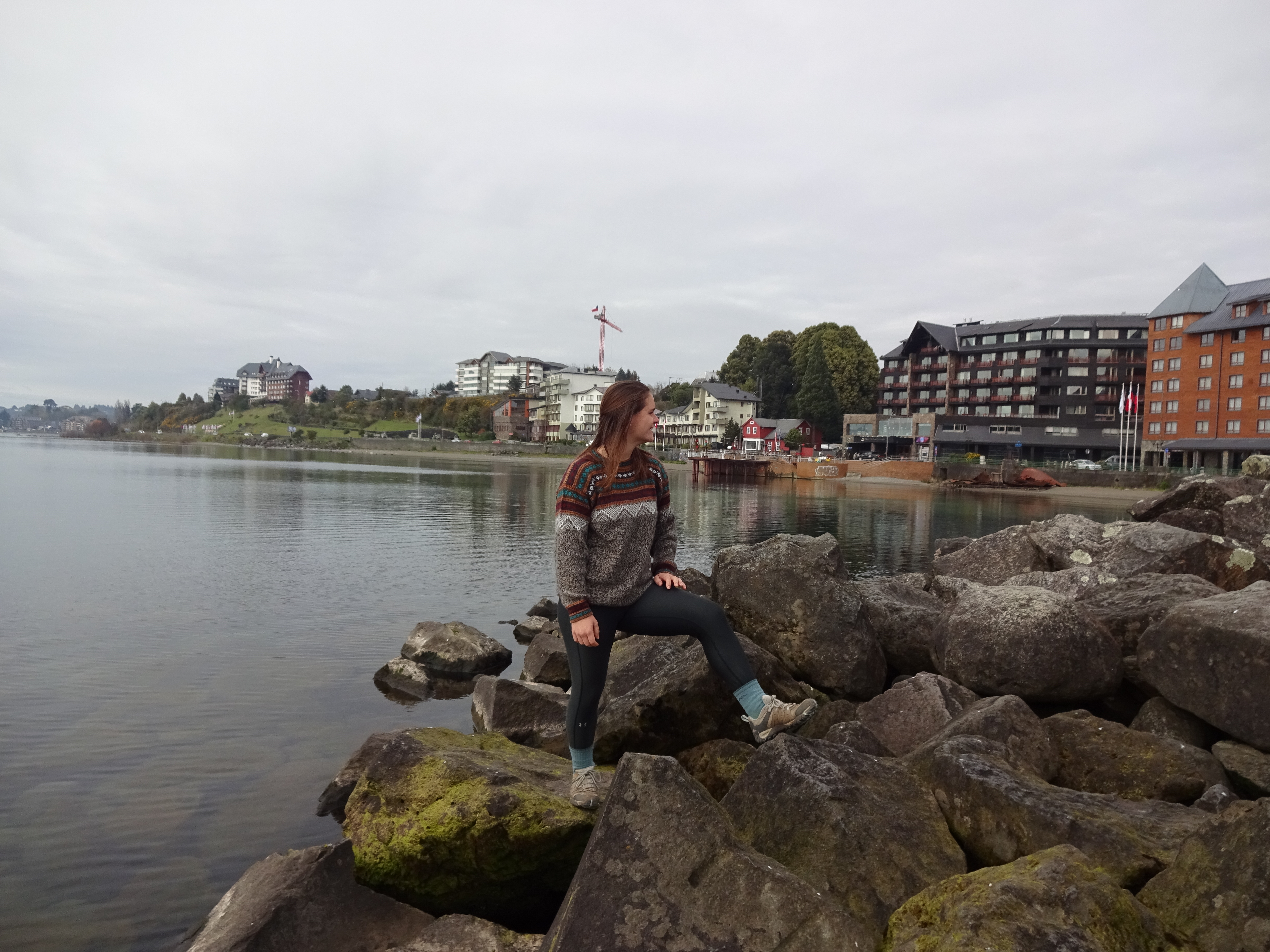
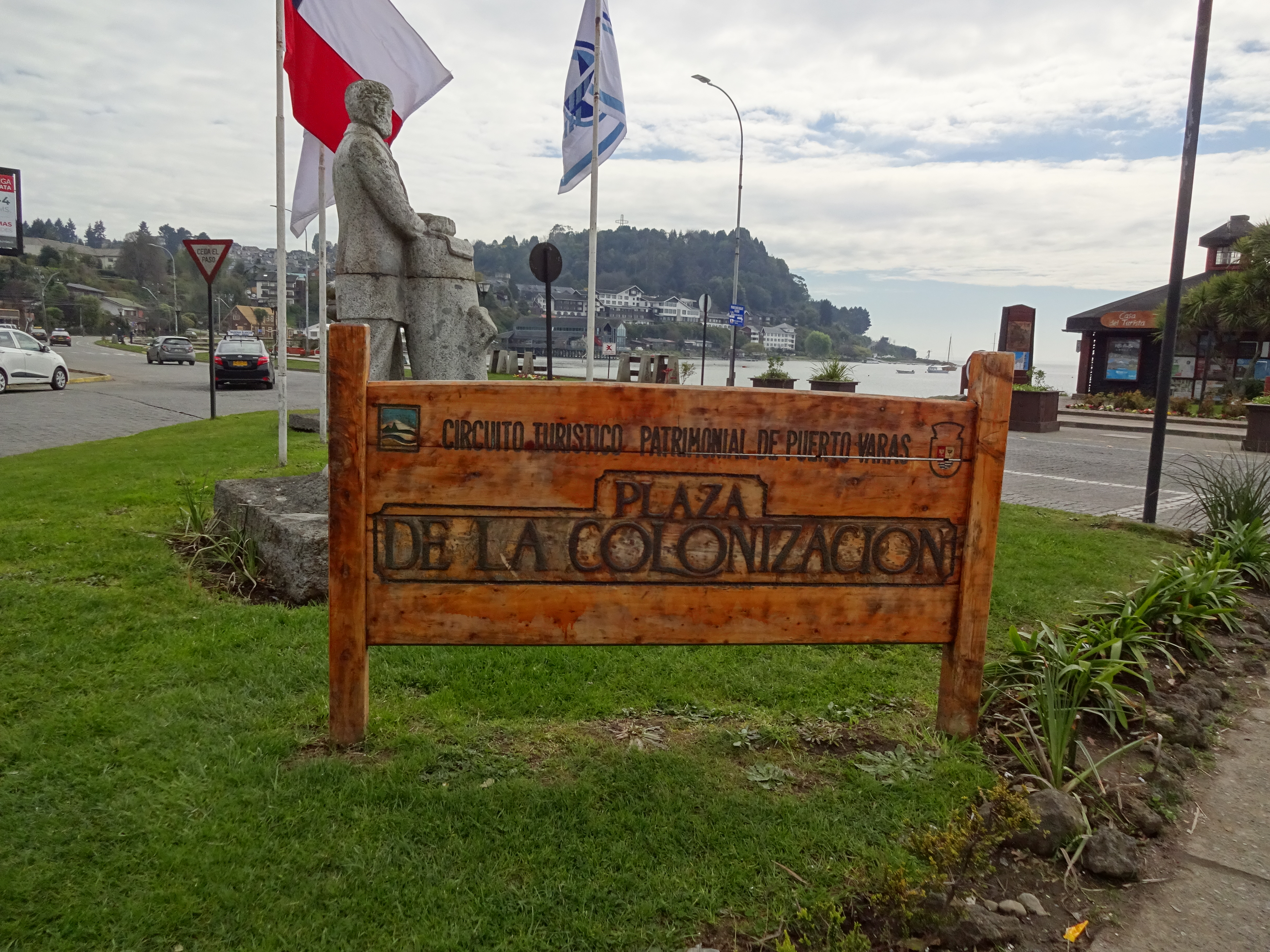
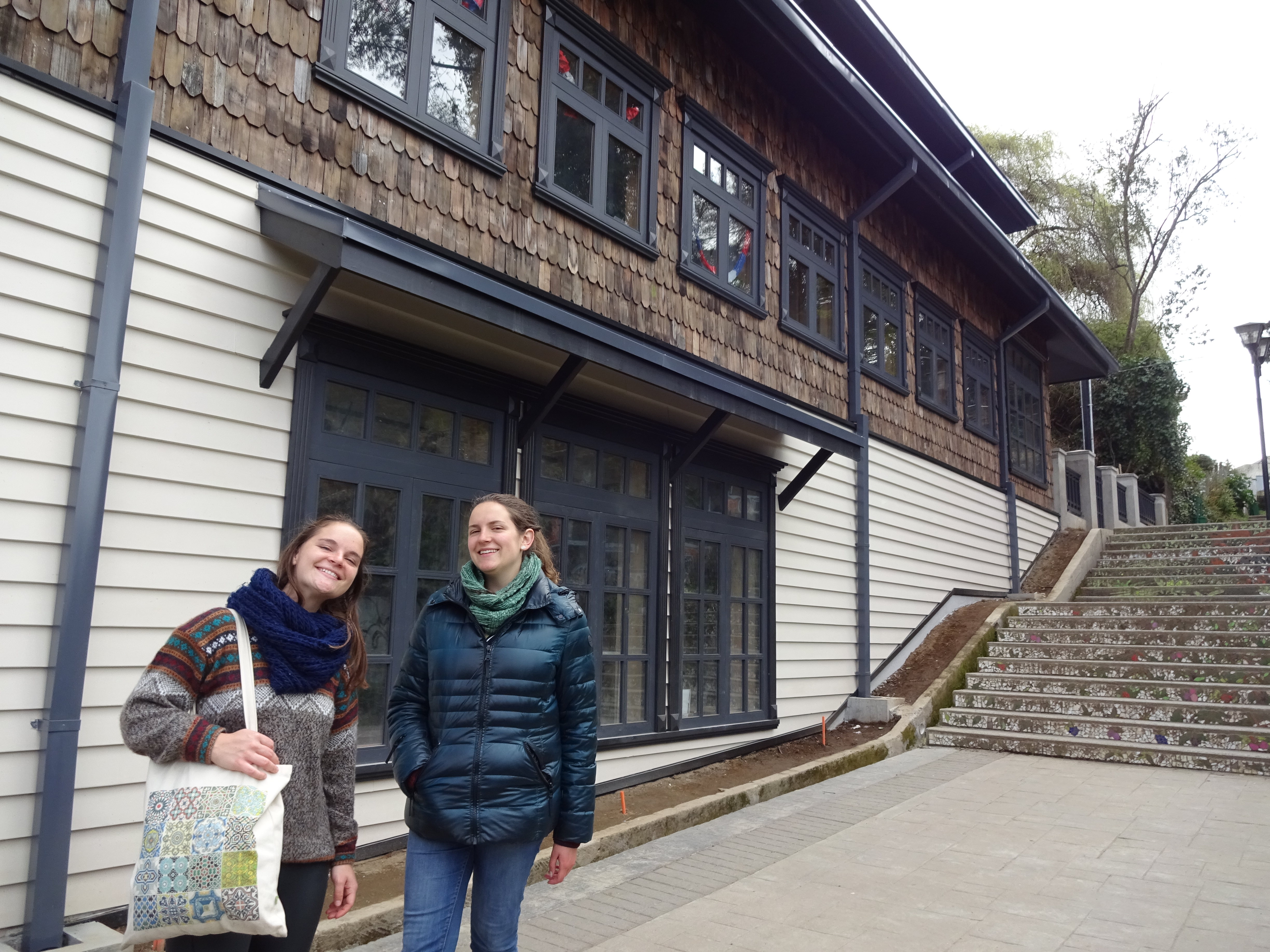
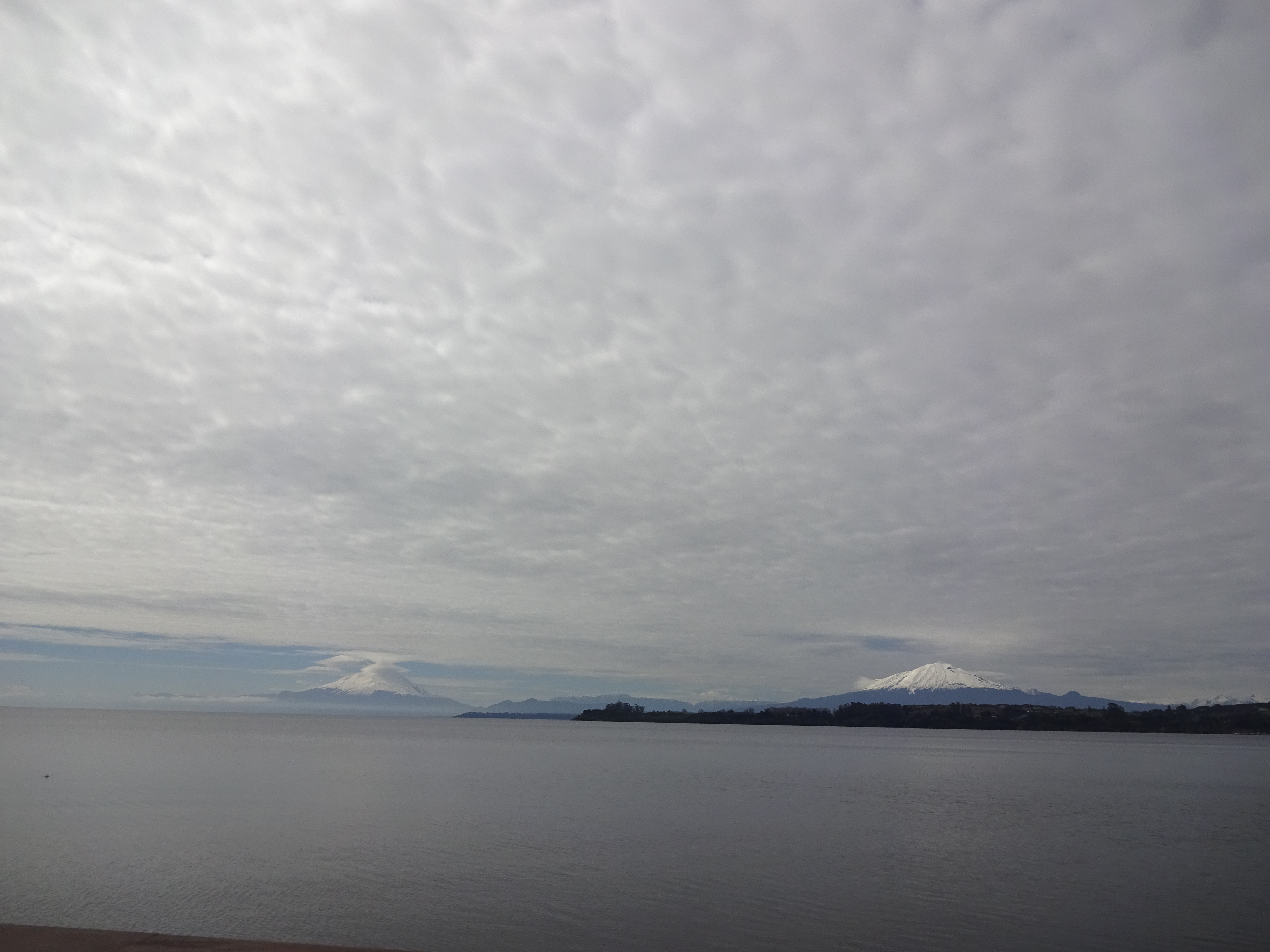
Photos from our spur-of-the-moment excursion to Puerto Varas – and those mountains in the background are VOLCANOES!

That is all for now! Chau everyone! Love you all lots!

Cecilia

¡Feliz Fiestas Patrias!

Hola everyone! Apologies that it has been so long since my last post, but a lot of stuff has been going on down here in South America!

September is an incredibly important month for Chile. If you look at their history, a ton of really important events happen during this time. Everyone (from my host mom to Chileans at school to our residence director) told me in the lead up to this important month that I was so lucky to get to experience Chile during this time, and they were right! The month comes with two main important dates: the 13th and the 18th, which are commemorated in very different ways.

September 13, 1973 was the day that the military coup overthrew President Salvador Allende’ government, the first socialist president of Chile. This is a pretty dark day in Chilean history, as Pinochet’s subsequent dictatorship was plagued with violence, abuses of power and human rights. On September 13, 2019, we were told to go to school but then stay inside at night when most of the demonstrations happen. The whole city of Santiago seemed subdued and there were not a lot of people in class that day (they did not want to be outside after dark apparently) but other than that, nothing really cataclysmic happened. My favorite part of experiencing the 13th was seeing the art on our campus honoring the students of our school who went missing during the dictatorship. It was very powerful and poignant to see it on such an empty campus too.

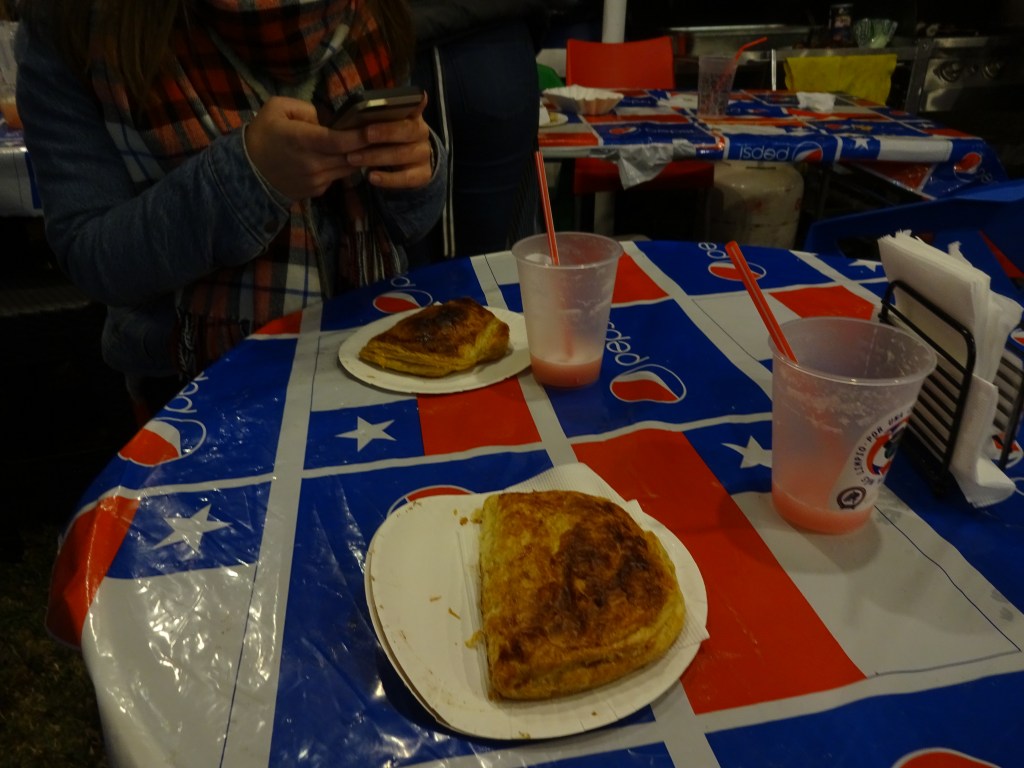
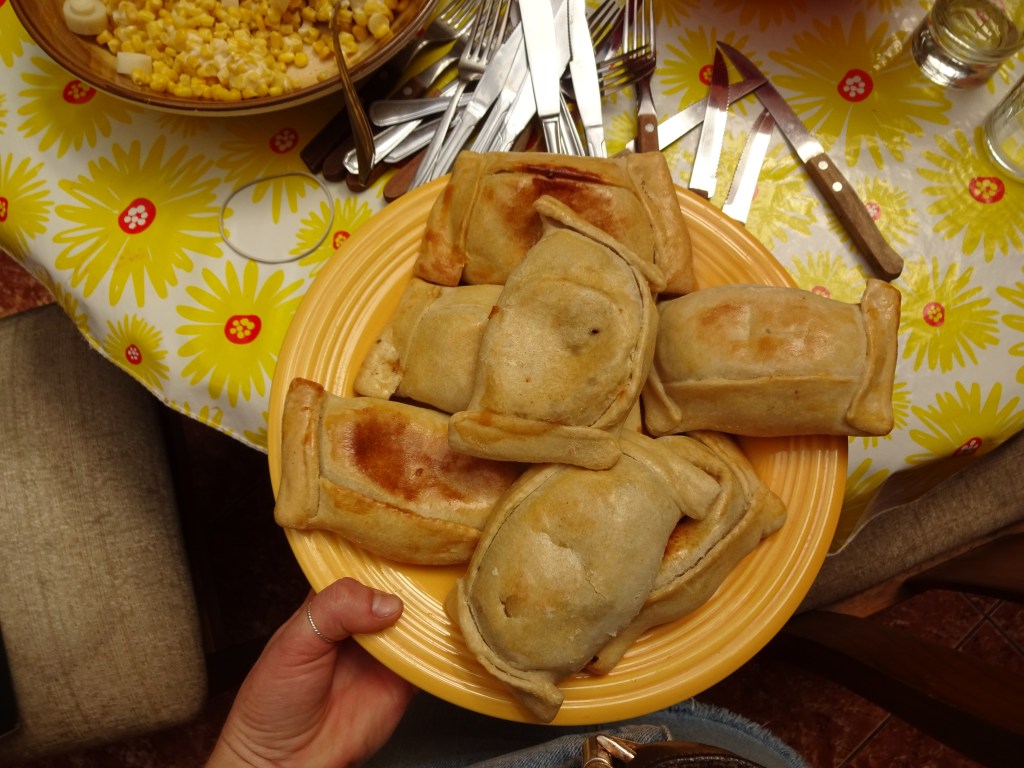
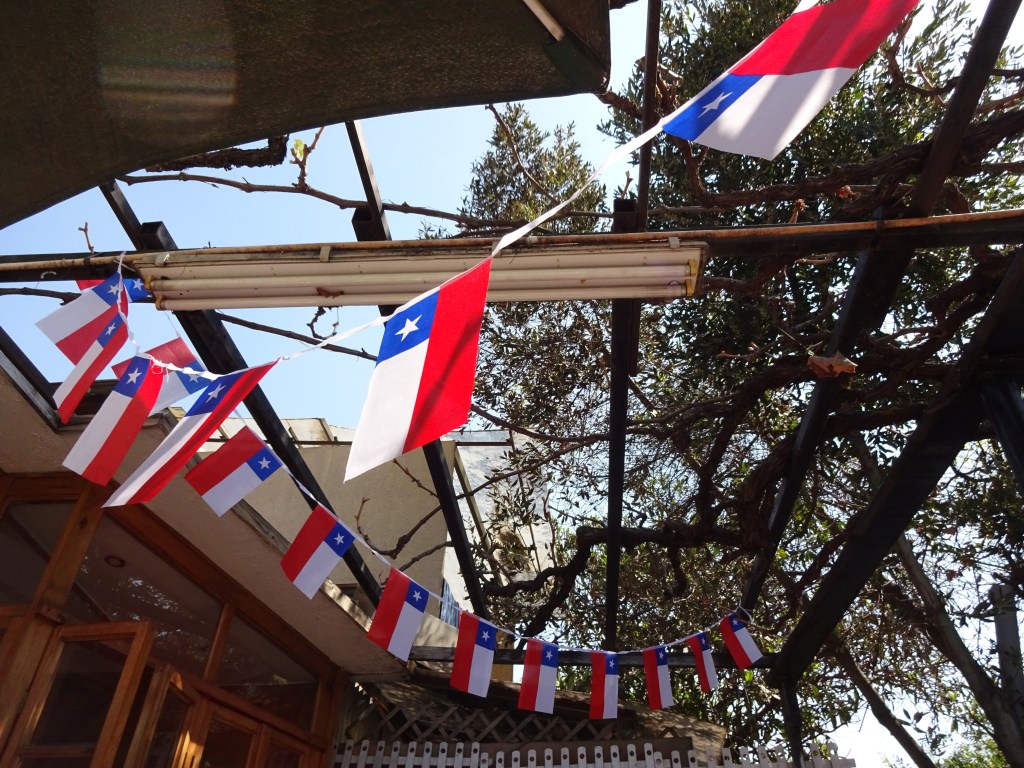
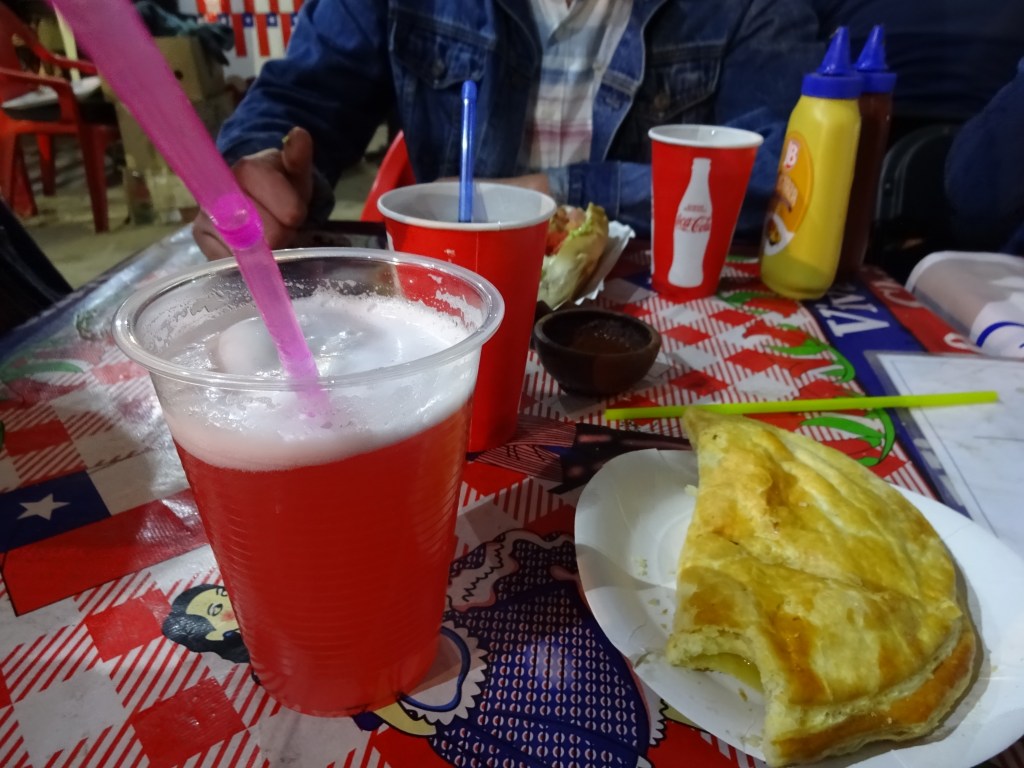
Changing gears from the 13th, 5 days later comes September 18th. This is Chilean independence day, also knows as “Fiestas Patrias”. Needless to say, there was a lot of excitement leading up to the independence celebration as it is a time to eat a lot of empanadas and drink something called a “terremoto” (translation: earthquake) which is a deathly combination of white wine, pineapple ice cream and grenadine. I know, it sounds disgusting. It actually is not too bad taste-wise, though you do have to watch your consumption because they are very strong – as is the wine-induced hangover the next day!

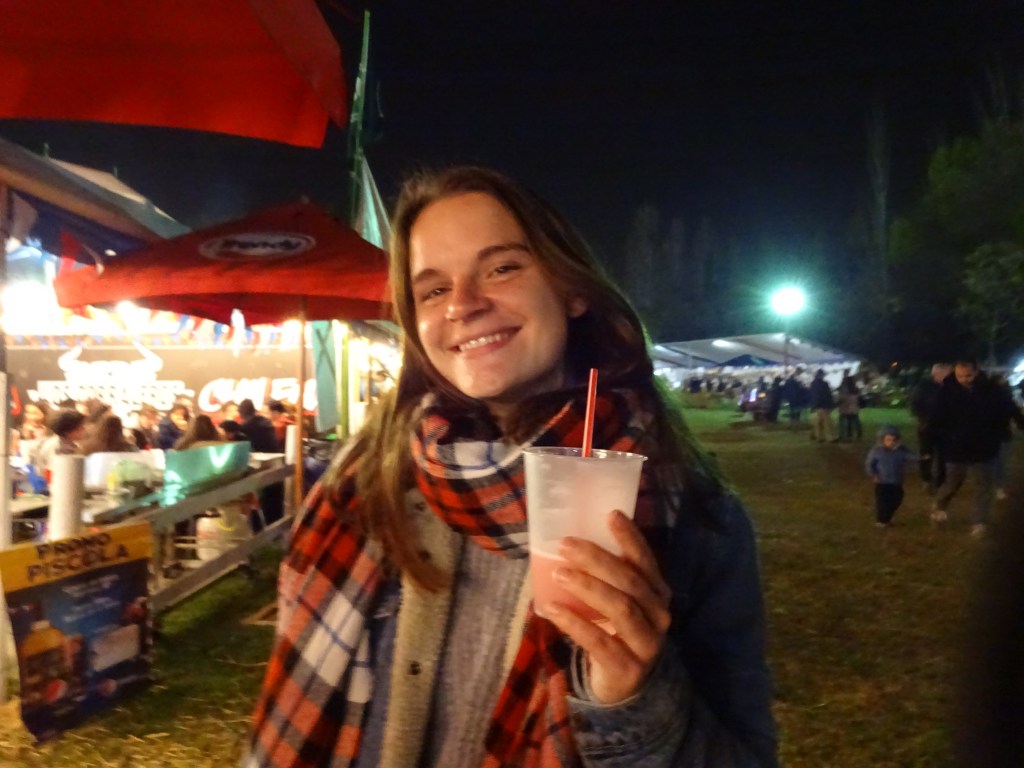
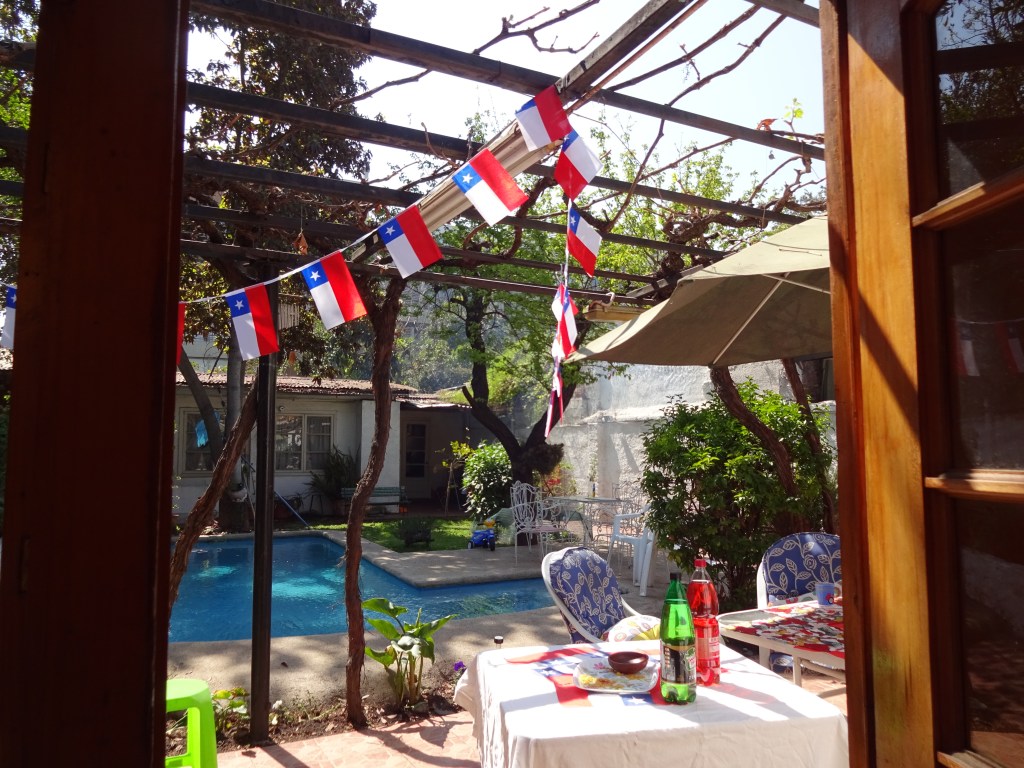
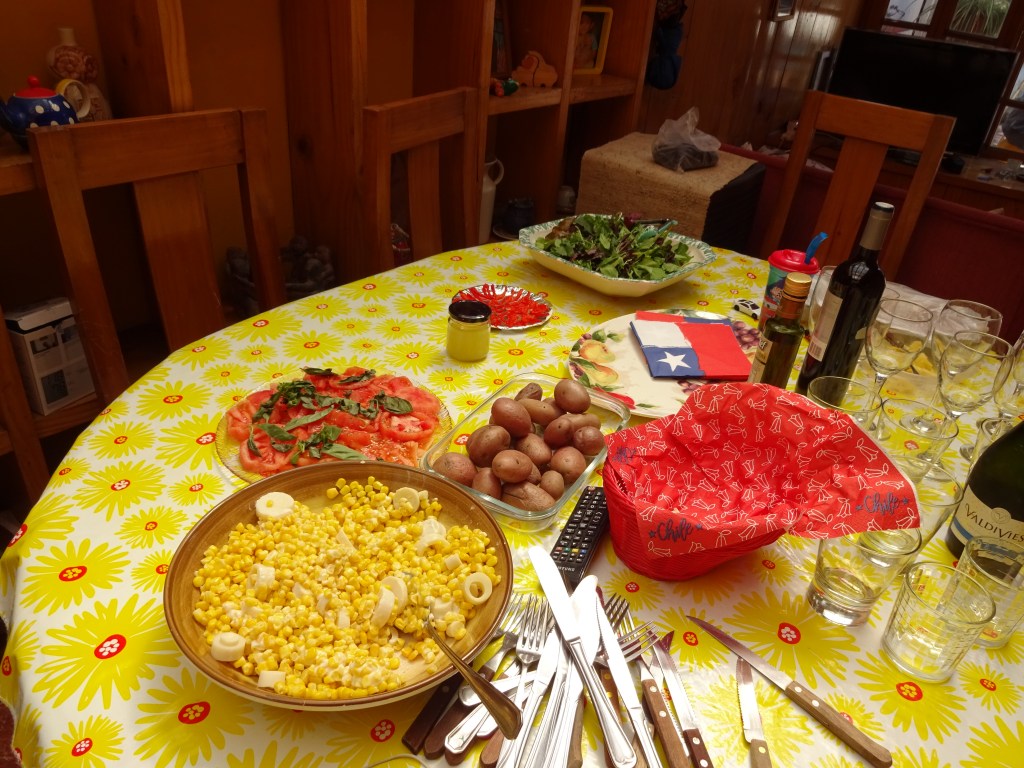
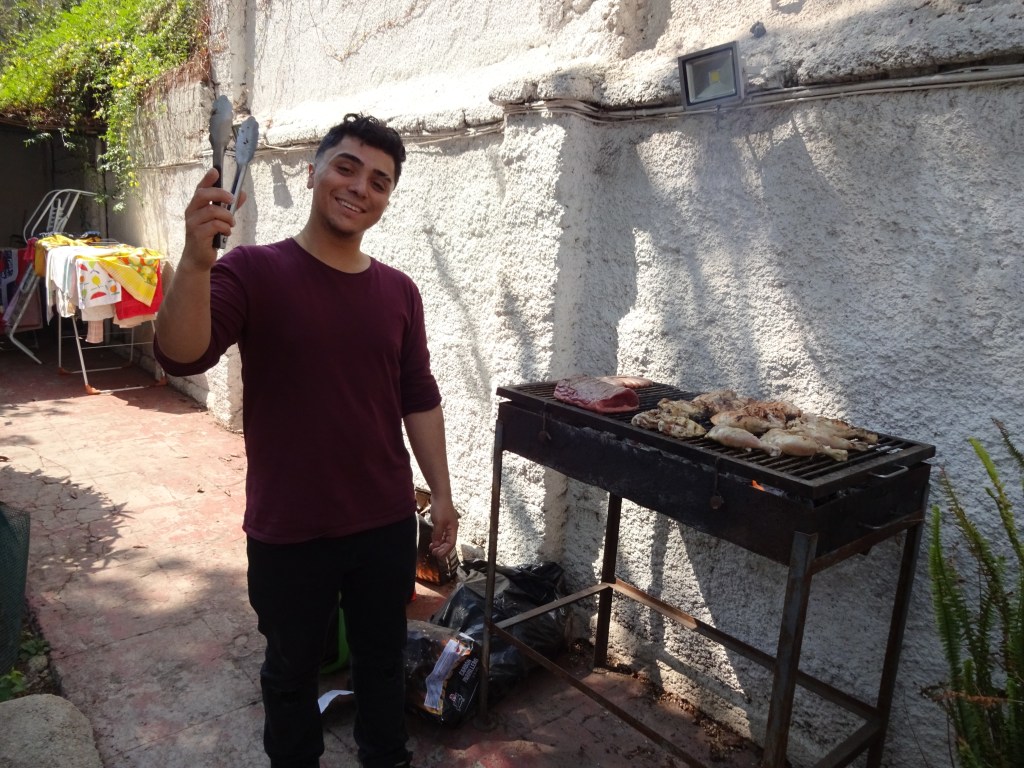
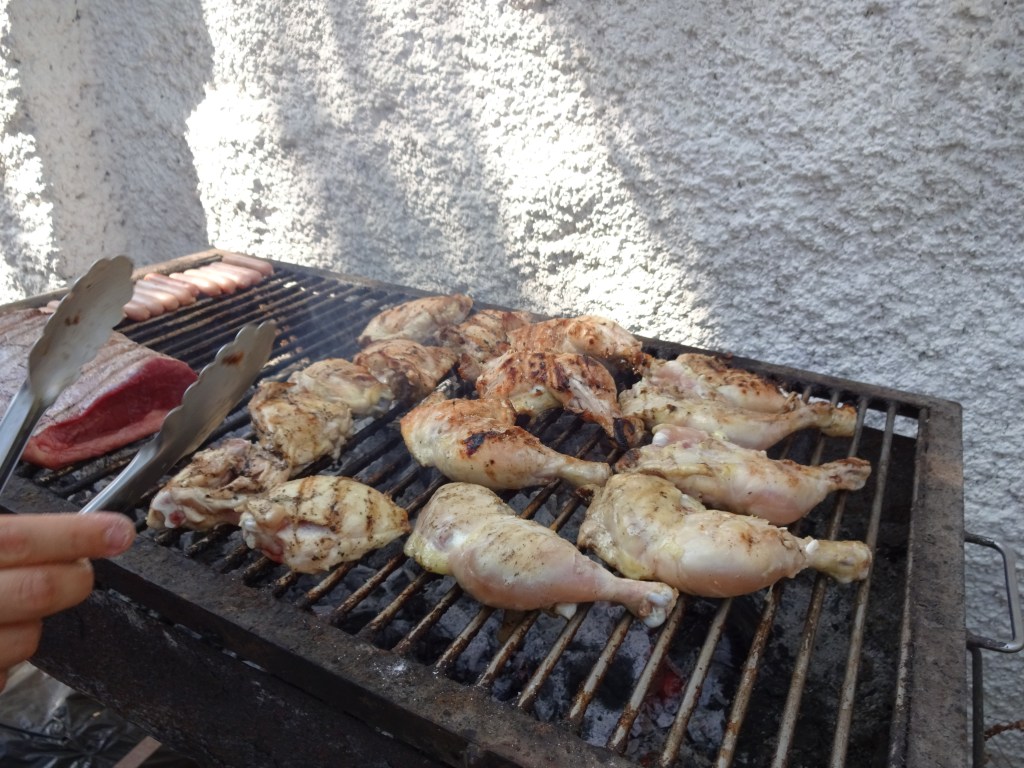
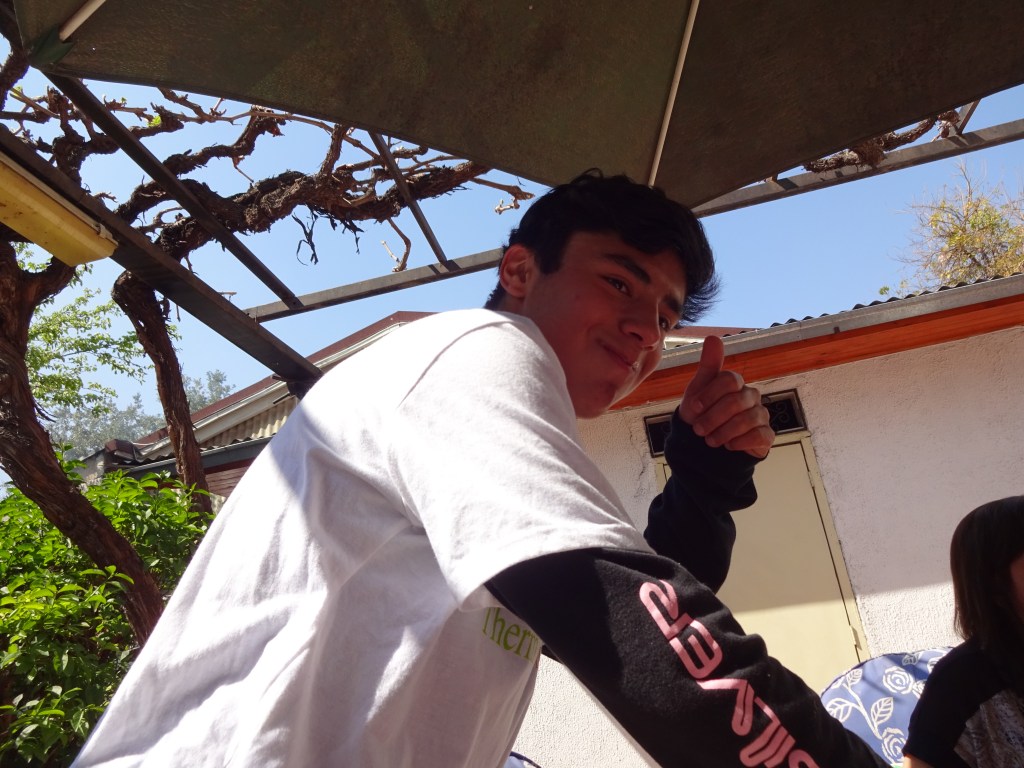
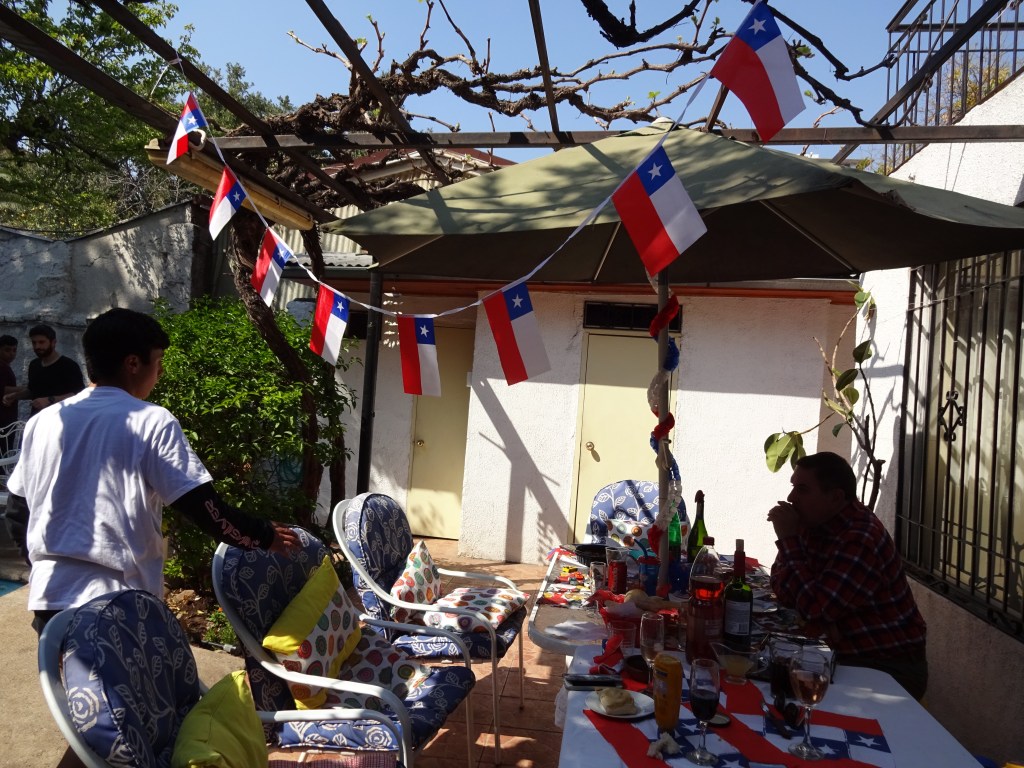
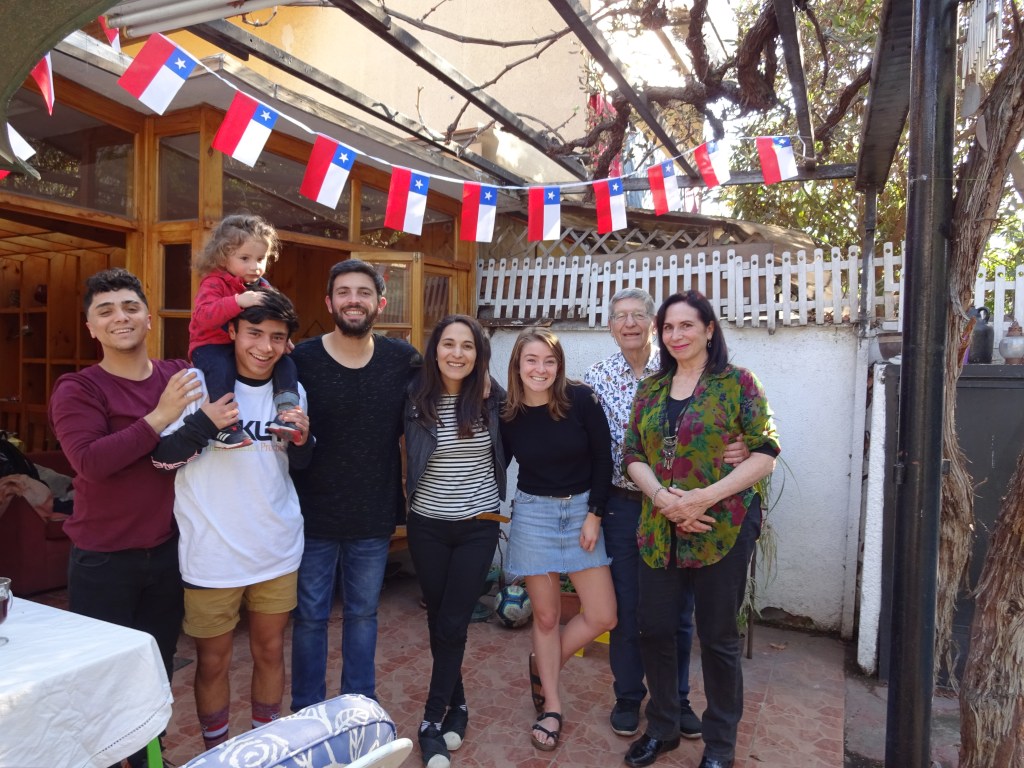
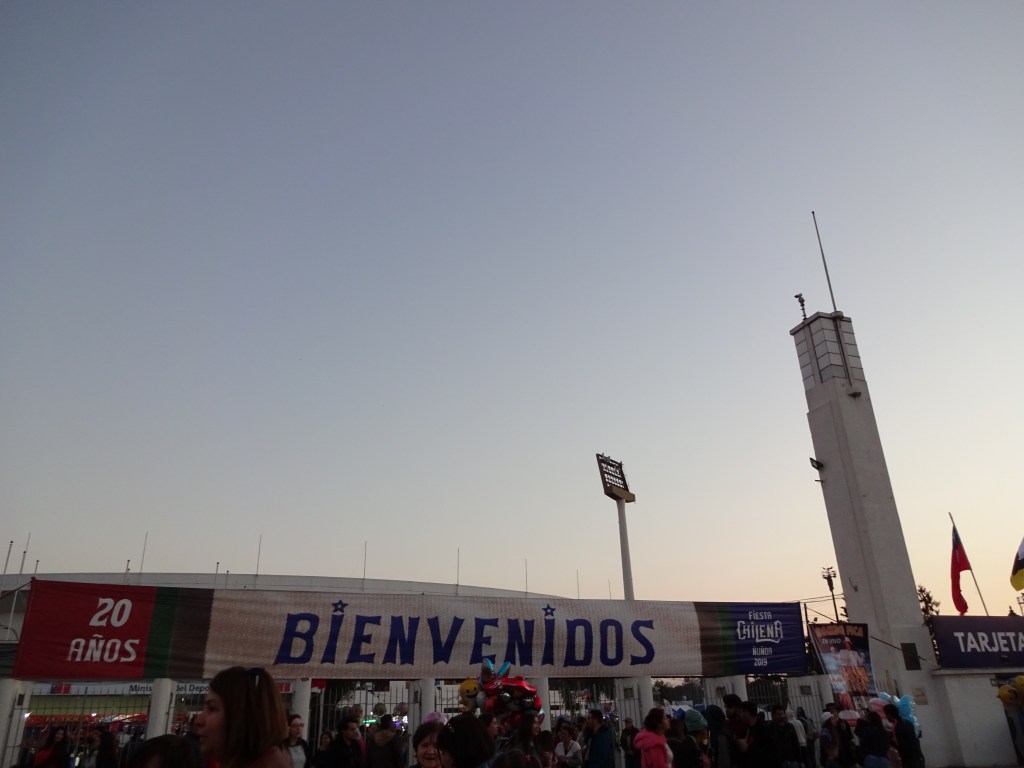
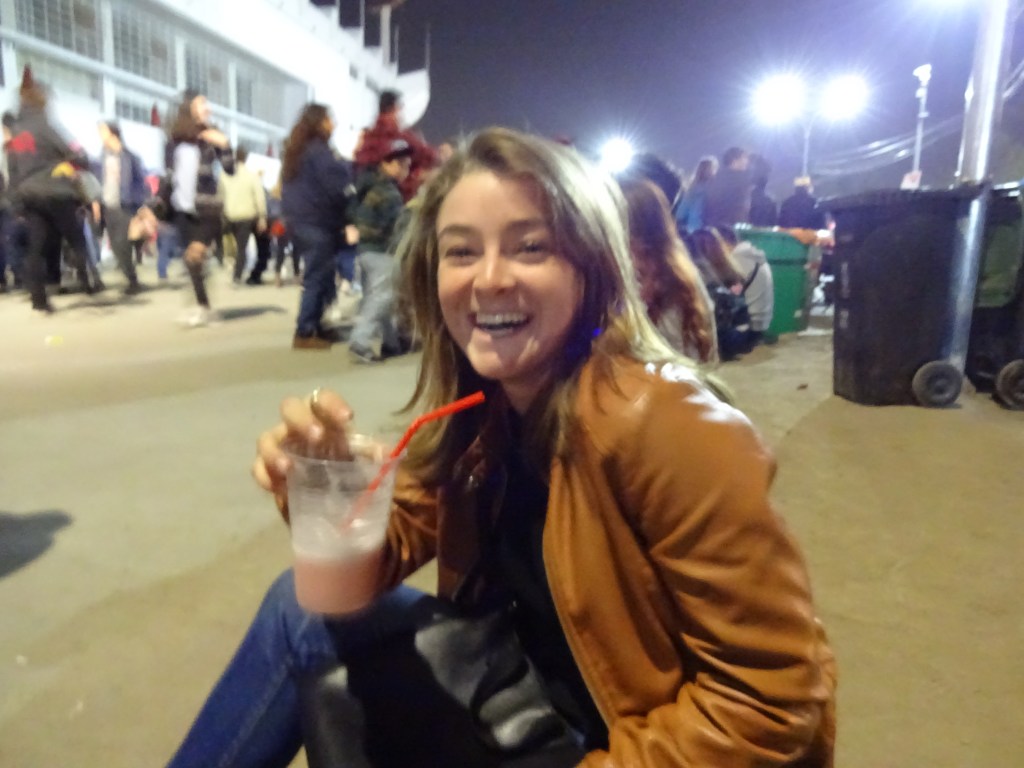
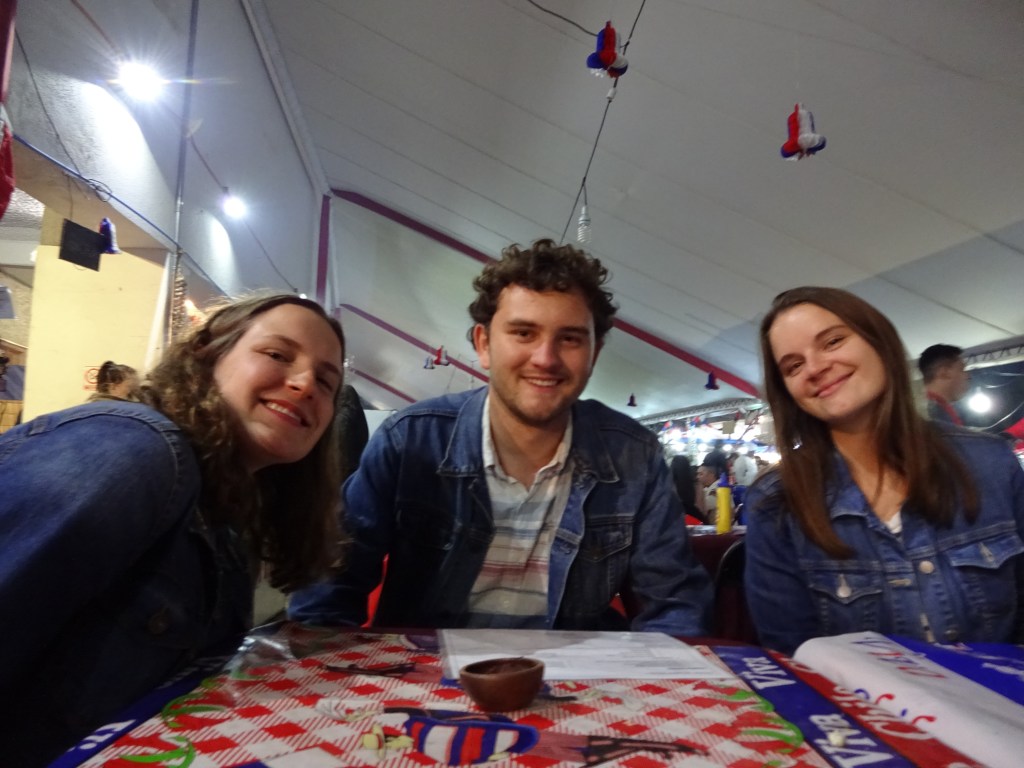
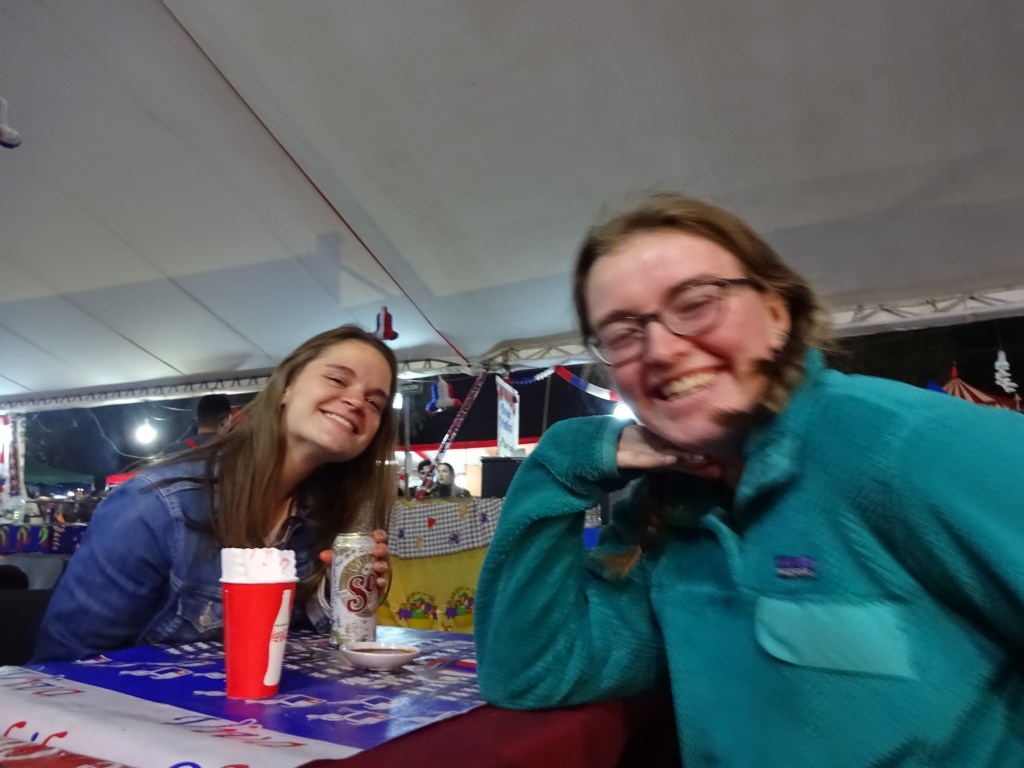
We had Wednesday the 18th through Friday the 20th off from school, which was half spent celebrating “Dieciocho” (18) and half spent traveling to the south of Chile (more on this in the next post). The 18th is traditionally celebrated by two things: an “asado,” which is basically a long family lunch with a lot of delicious meat consumed; the second is a “fonda,” which can best be described as an independence day fair of sorts where they sell empanadas and terremotos galore. We went to two fondas and I definitely preferred the smaller one of the two, but they were both cool to experience!

Here are some pictures from the fondas and from my host family’s asado! Cheers!

Colonialism

Does Spain come to terms with its colonial history? Is that something that they talk about and grapple with? Because dealing with the aftermath of colonialism is the way of life here – there would be no Chile without it, after all.

Even being in Chile for just 3 weeks, the “coming-to-terms” with colonization is everywhere. Literally. It shapes the very existence of Chile (and all of Latin America), as well as their modern versions. After these three weeks, I find myself almost constantly wondering how Spain deals with the psychological repercussions that their colonization had on the communities of Latin America. Is it taught in school as something “of the past” and “far away,” or do they deal with the weight on their country’s consciousness?

I ponder all these questions as I take classes such as “Geography of Chile”, “History of Contemporary America” and “Historical Memory and Human Rights in Chile.” There is just no way to talk about any of these subjects without referencing how the Spanish used this land for years, the hardships that the indigenous people had to endure and the subsequent inequality of development that hangs on to most parts of Latin America like a cold that you just can’t seem to overcome.

Of course, there are no answers to my questions. Historians and anthropologists have been asking them for years. Colonialism shapes our world in a way so complex that it is difficult to fathom. While Latin American residents are well aware of their colonial pasts and they have come to terms about how it affects their present, I wanted to bring these thoughts to light for people who take active part in this colonial history, yet may not have been taught in those exact words: our collective US history is a colonial one.

I do believe that part of the reason that I ask such questions is because I come from a “formerly colonized” country who itself became a colonizer (see How to Hide an Empire: A History of the Greater United States), and while the great U. S. of A. regards its colonized status as a point of pride, it vehemently denies its role as a colonizer. The break from the hardships that the rest of the American continent had to endure under a Spanish/Portugese colonial rule and the development of a relatively successful democracy has lead to the idea of “American exceptionalism.” As a concept, this teaches US citizens (however subtly) that we are morally superior to our neighbors on the American continent.

The disdain of said exceptionalism is apparent in every conversation with Chileans. I can practically hear the scorn towards our own hypocritical ways when my professors here talk about the US. As they should, honestly. I admire the ways that Chile (and Latin America as a whole) has dealt with the aftermath of Spanish rule more and more every day. Even though Chile has a long way to go (and I still do not know how Spain deals with their colonial history), I do think the US could learn some things about developing a more inclusive, collective identity and building a future from Chile/Latin America, instead of deepening our country’s divides further (something we seem keen to do in this day and age).

This post is in no way an expression of opinions set in stone, but simply some reflections of my first impressions of Chilean society and world history. I would love to hear your thoughts about colonialism as a concept, the Americas, the US’ role, etc, etc! If you do have opinions you want to share about any of those (or something else), please post a comment, message me on WhatsApp, or use some other form of communication. I want to hear different perspectives!!

As always, thanks so much for reading.

Lots and lots of love to all,

Cecilia

Create your own website, free on WordPress.com.Create your own website.
Start free